 EuropeItaly
Italy
Italy is the most-planned country we hold, and it is planned as a chain of two-night stops: Rome, Florence and Venice by fast train, then a coast, a lake or a range as the reason to come back. Book the big sights before the flights, and take the train between the cities.
ItalyItaly in a nutshell
Where to go in Italy





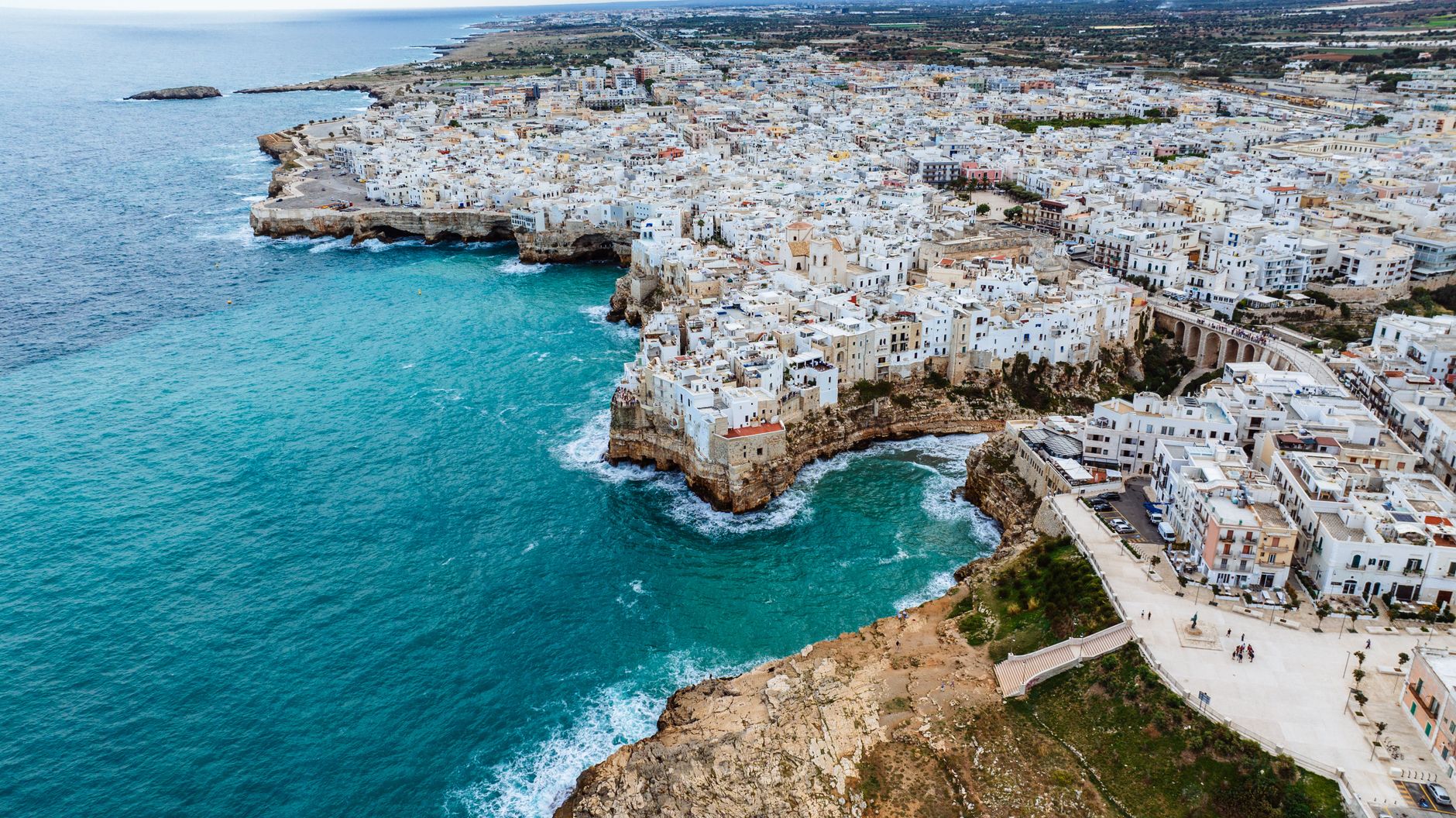


Turn these stops into a Italy route
Pick your favourites and Stippl orders them, adds travel times and builds the day-by-day.
Plan your adventure in Italy
Our travel routes through Italy
Italy is loved by culture seekers and backpackers alike. We recommend several routes through this country, here they are in full!
6 nights1 week, Tuscany fly-drive
Florence · Lucca · Pisa
Grape harvest in September, spring wildflowers in May; both avoid Siena's July–August crowds and heat.
6 nights6 days, Dolomites two-base
Val Gardena · Cortina d Ampezzo
June opens the Dolomites hiking season; December–February offer skiing and dramatic alpine scenery.
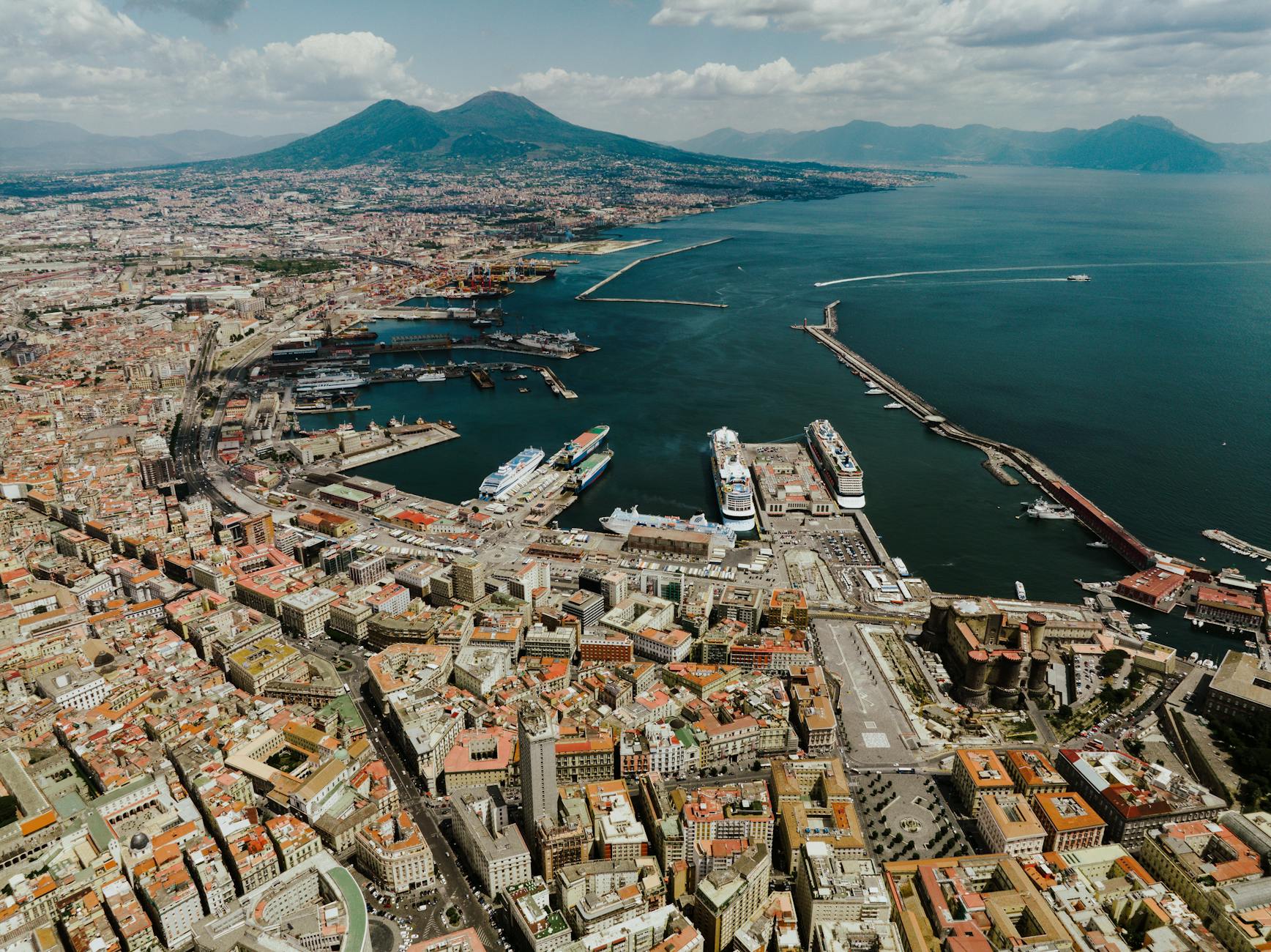
7 nights1 week, Naples & the Amalfi Coast
Naples · Sorrento · Amalfi
Amalfi ferries and businesses close November–March; September offers warmth without peak prices.
7 nights1 week, Puglia
Bari · Ostuni · Lecce
Southern coast weather is best April–May and September; October becomes a gamble with rain.
7 nights1 week, the classic trio
Rome · Florence · Cinque Terre
Rome and Florence shine in shoulder seasons; Cinque Terre boats run reliably and crowds thin in October.
9 nights10 days, eastern Sicily
Catania · Taormina · Syracuse
Sicily's pleasant April–May season and September peak overlap here; October still warm but less crowded than peak.
9 nights10 days, the southern arc
Naples · Sorrento · Amalfi
Combines Amalfi Coast ferries (closed winter), Matera warmth, and Alberobello; September avoids August closures.
10 nights10 days, first-timer circuit
Rome · Florence · Cinque Terre
Perfect weather for walking Venice and Cinque Terre; spring and autumn avoid summer heat and August closures.
12 nights2 weeks, Rome to Milan road trip
Rome · Siena · Lucca
Covers central and northern Italy; spring and autumn provide ideal temperatures for road travel and sightseeing.
12 nights2 weeks, Sardinia half-island
Cagliari · Gulf Of Orosei · Alghero
Sardinia peaks May–June and September; warm sea, open businesses, and smaller crowds than summer.
13 nights2 weeks, best of Italy
Rome · Assisi · Florence
Spans mountains to coast; May and September balance weather across Dolomites, Cinque Terre, and Venice.
14 nights2 weeks, Sicily full loop
Palermo · Cefalù · Taormina
Sicily's season is April–May and October; the full loop avoids July–August heat and September's Amalfi spillover.
18 nights3 weeks, the grand tour
Rome · Florence · Cinque Terre
From Rome to Bari requires long hours and diverse climates; May and September provide warmth and manageable crowds across all regions.
Updated August 2026 · 14 min read · Written by the Stippl editorsEvery figure here is drawn from 715,000+ stops planned in Italy on Stippl.
Italy is planned as a chain of short stops, and most travellers give each one 2 nights. Rome, Florence and Venice by high-speed train is the trip most people build first, with Milan as the airport at the top and Naples, Pompeii and the Amalfi Coast as the southern leg. Beyond the cities the named things are the villas on Lake Como, the Cinque Terre, the trulli of Alberobello, the Tre Cime loop and a night in a Matera cave; a typical Italy trip runs 12 days on Stippl and carries about four Italian stops.
Rome takes 13.0% of every Italian stop planned on Stippl, and July is the month most people plan for. 61.5% of Italy plans start between June and September, the sharpest summer concentration of any country we hold, while 35.0% of stops are a single night and about one in seven carries no bed at all, which is the day-trip habit showing up in the data.
So book the marquee sights first, take the train between the cities, and hire a car only for the regions built for one. The Colosseum, the Vatican, the Uffizi and the Last Supper sell out days to weeks ahead in season, the Amalfi Coast books a year out, and Tuscany's hill towns, Puglia, the Dolomites and Sicily need a car. Skip August if crowds bother you, since Ferragosto fills the coasts, and skip the coasts between November and March, when the ferries stop and most of it shuts.
Plan Italy in Stippl
Day-by-day planning, stays and budget in one app, with every place from this guide already on the map.
Download the appWho Italy is for
First-timers
The Rome, Florence and Venice triangle by high-speed train is one of the easiest great trips in Europe, and a typical Italy trip runs 12 days on Stippl.
Food travellers
The regional cuisines differ radically, so the food is an argument for moving: carbonara in Rome, pizza in Naples, orecchiette in Bari, and a dinner about €40.
Art and history travellers
Rome's ruins, Florence's Renaissance, Pompeii and Greek Sicily make the densest cultural circuit anywhere, and the big five sights all need a timed ticket.
Road-trippers
Tuscany, Puglia, Sicily and Sardinia are built for self-drive loops, and for anyone driving down from the north the Gotthard and the lakes are part of the trip.
Hikers and mountain travellers
Dolomites hut-to-hut routes and via ferrata, the Cinque Terre coastal trail, the Path of the Gods above the Amalfi Coast, and Etna's craters.
Couples
Lake Como, Venice and a Tuscan agriturismo are the honeymoon canon for a reason, and the Amalfi Coast is planned earlier than anywhere else in the country.
Summer planners
July is the month most travellers plan Italy for on Stippl and 61.5% of plans start between June and September, so the shoulders are the quiet months.
Maybe not for you: budget backpackers expecting cheap Europe, since dorm prices in the cities have climbed; crowd-averse travellers at the honeypots between May and September; and novice drivers planning countryside legs, because the driving style is assertive nationwide and chaotic in Palermo and Catania
The best time to visit Italy
Spring shoulder
April and May
Sunny and green, with the consensus window for weather, prices and crowds together. May at the marquee sights now feels like high season, so Rome, Florence, the Cinque Terre and the Amalfi Coast are booked as if it were.
Summer peak
June to August
Heat waves reach the mid-thirties in the north and past forty in the south, the historic buildings have weak air conditioning, and prices and crowds are at their maximum. Ferragosto on 15 August empties the cities for about two weeks.
Autumn shoulder
September and October
The standout: lingering warmth in the south, the grape harvest in Tuscany, the Dolomites open until the lifts close in mid-October, and sharp price drops from the middle of the month.
Winter
November to March
Mild but rainy, with January and February the cheapest, emptiest months and the secret season for Rome and Florence. The Amalfi Coast, the Cinque Terre boats and Sardinia largely shut, and even light snow disrupts the trains.
- July is the month most travellers plan Italy for on Stippl, and June to September takes 61.5% of the plans. That is the sharpest summer concentration of any country we hold, so the two shoulders are also the months with room in them.
- Most travellers plan Italy about 71 days ahead on Stippl, and 16.36% inside a fortnight. That works for the cities in the shoulders and fails on the Amalfi Coast in summer, where June to August rooms book out up to a year ahead.
- Sicily inverts the national rule. September is its busiest and most expensive month and its true shoulder is May, so a Sicily leg is timed the other way round from a Tuscany one.
- The mountain calendar is its own. Dolomites hiking runs June to September with snow possible into July, the lifts close around mid-October, and the ski season runs December to March; May and November are the dead months in the range.
- Easter Monday, Pasquetta, is a full holiday of picnics and road trips. Closures and heavy traffic across the country, and the Sunday before it is the year's busiest day at the Vatican.
- Winter travel needs slack. Even light snow can stretch a Florence to Rome train journey into a full day, so a winter itinerary keeps a spare day before any flight.
Add your Italy dates and we'll flag the weather per stop
Stippl shows the season, crowds and prices for every place on your route.
Festivals, and when to avoid them
Ferragosto
The national holiday that starts a two-week shutdown as Italians decamp to the beach and the mountains: the coasts are at their fullest and dearest, the cities half-closed. Book the coast months ahead or be in a city that week.
Palio di Siena
The bareback horse race around the Campo, run twice each summer. Siena books out for both dates and the Campo fills by early afternoon, so sleep in Siena only if the race is the point, and otherwise avoid those two days.
Pasquetta
Easter Monday, a full public holiday of picnics and road trips, with closures across the country and heavy traffic on the roads out of every city. The Vatican's Easter Sunday is the year's busiest morning in Rome.
Venice Carnival
A fortnight of masks and balls ending on Shrove Tuesday, when the city's rooms cost the most they do all year and the day-tripper access fee applies on the weekends. Come for it and book by autumn, or wait a week.
Carnevale di Acireale
Sicily's biggest carnival, on the coast north of Catania, with float parades on the weekends to Shrove Tuesday. The town's few rooms fill; Catania is half an hour away and does not.
Almond Blossom Festival
A week of folk groups among the temples at Agrigento while the blossom is out, the one week of the year the Valley of the Temples is booked ahead. A March Sicily loop is timed around it, either way.
Festa di San Gennaro
Naples' patron-saint day, with the liquefaction of the blood in the cathedral in the morning and the old town full for the day. Nothing closes, but the centro storico is impassable by noon.
Alba white truffle fair
Piedmont's food event of the year, on weekends in Alba, when the Langhe's rooms and restaurants book out and the truffle sets the menu prices. Come for it with a booking, or eat elsewhere in Piedmont.
Describe your trip, get a Italy itinerary in seconds
Everything in this guide is already in Stippl. Tell the planner how long you have and what you like: it builds the route, the days and the travel times, and you edit whatever you want.
Things to do in Italy
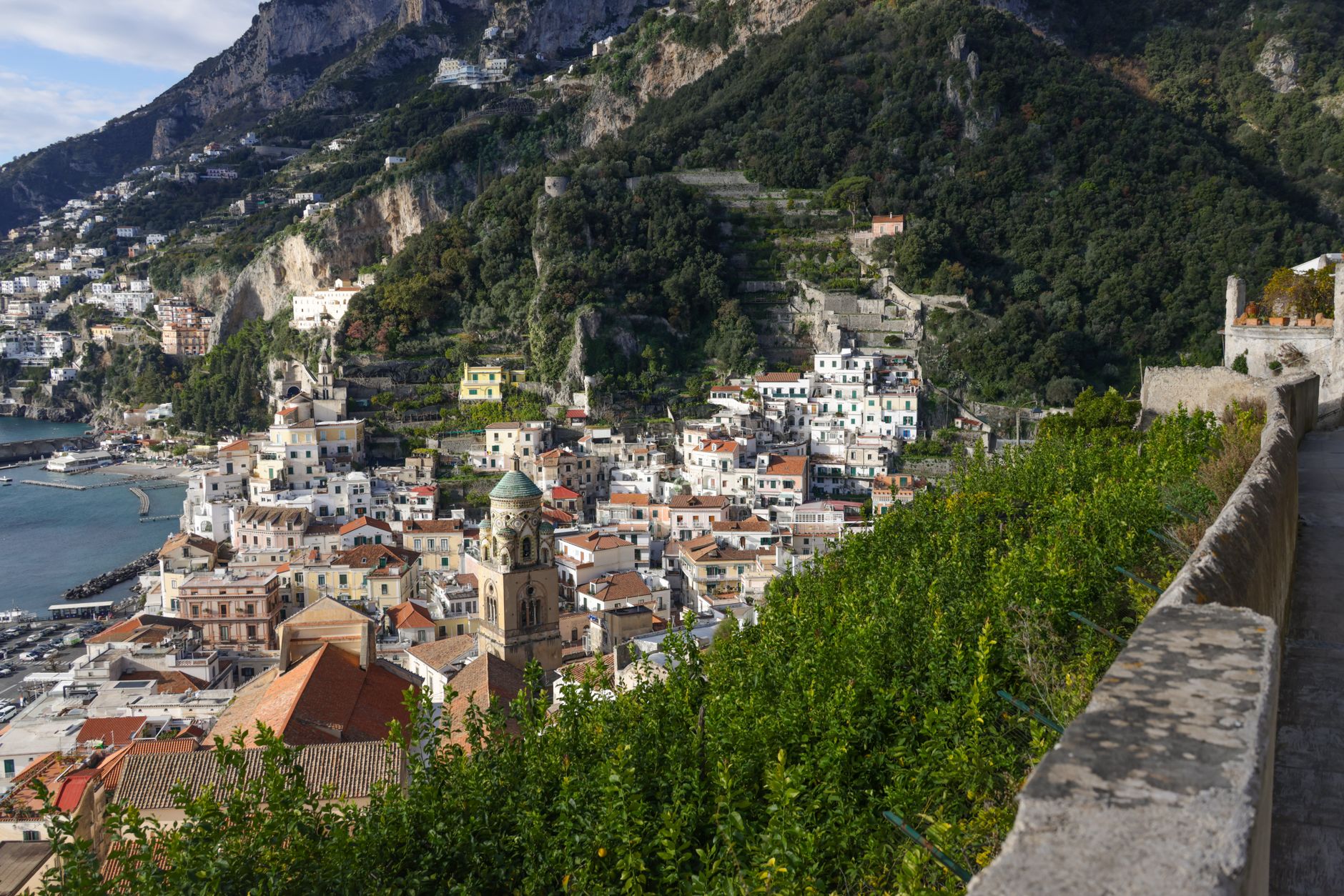
 Photo by Cal Gunara via Pexels
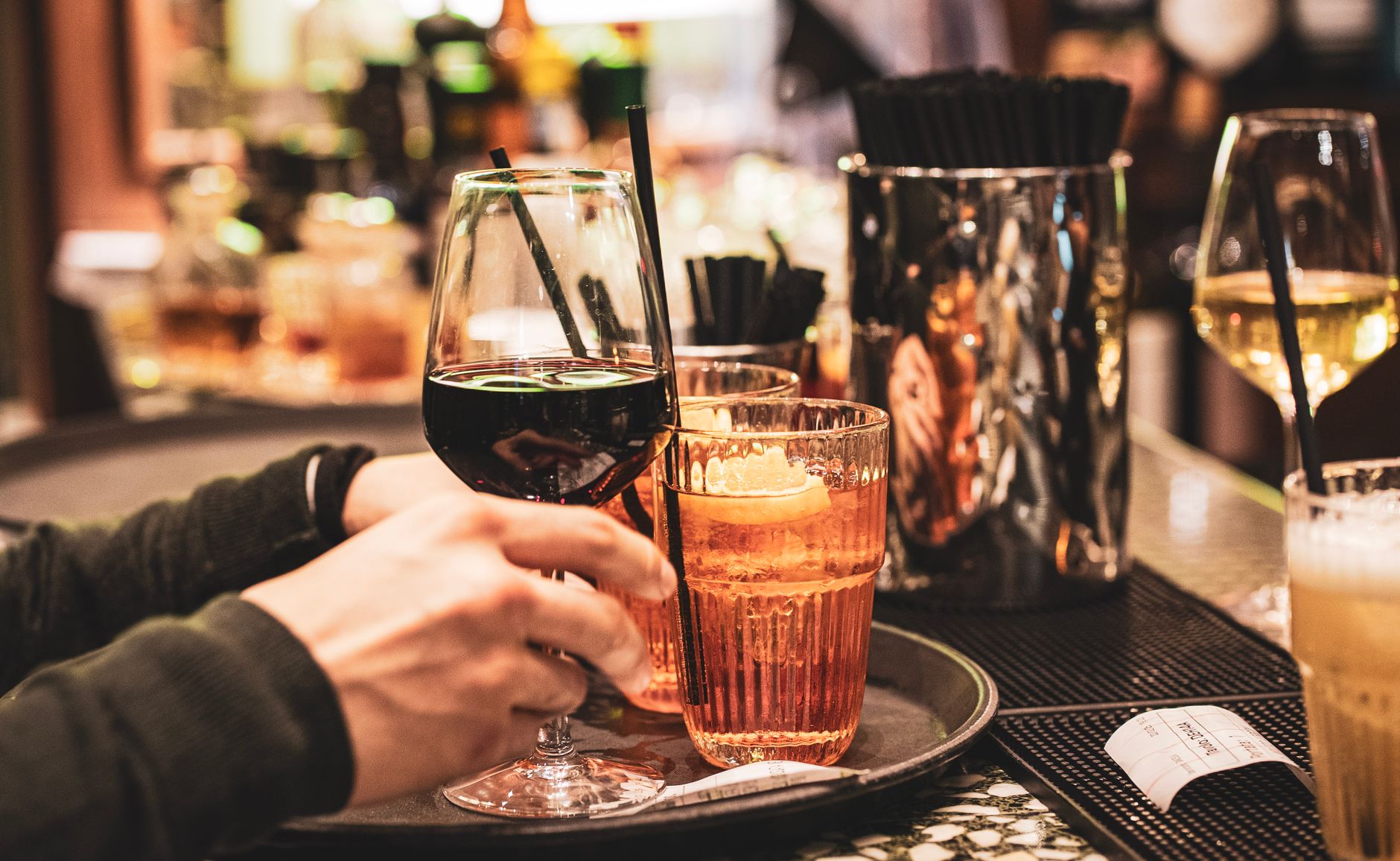
 Photo by Jonathan Körner via Unsplash
Colosseum, Forum and Palatine
The densest ancient-Rome day, on the combined ticket that covers all three; the arena floor and underground add-ons sell out within minutes of release, so book the standard ticket weeks ahead and the add-ons the morning they open.
The Vatican in a morning
The Vatican Museums, the Sistine Chapel and St Peter's, on a timed ticket booked weeks out; closed on Sundays except the last of the month, and the Wednesday papal audience fills the square.
Florence's Renaissance day
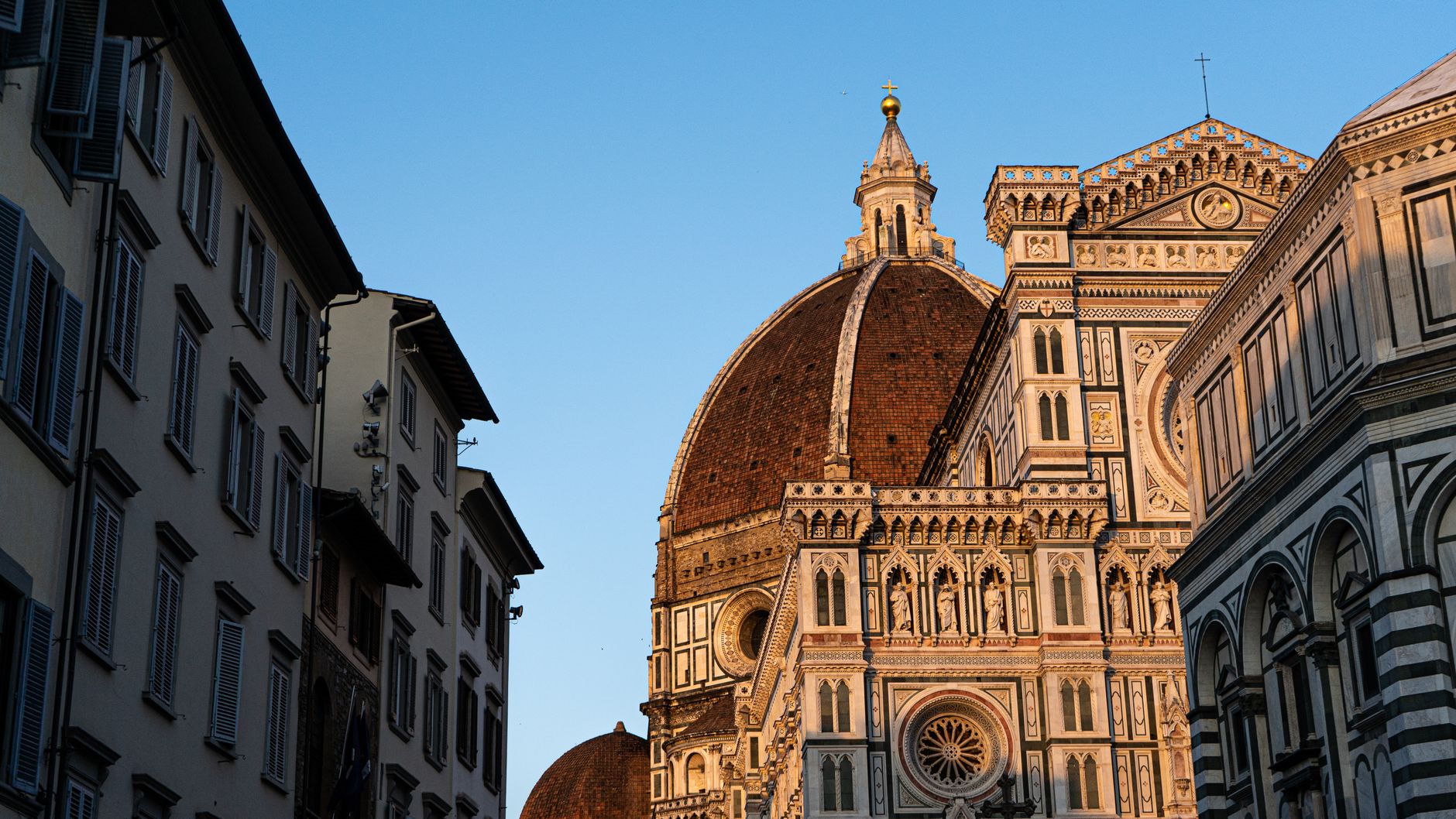
The Duomo dome climb at the first slot, the Uffizi on a booked ticket, David at the Accademia, and the sunset from Piazzale Michelangelo. The dome and the Uffizi both sell out days to weeks ahead in season.
A cicchetti crawl in Venice
Bacaro-hopping through the sestieri at about €1 a snack and a small glass of wine each is the local counter-programme to the gondola; split the gondola if you want it and go at dusk.
An agriturismo with Chianti tastings
The Tuscan formula: hill-town mornings, cellar tastings, dinner under the vines and a hire car for all of it. Two nights in one farmhouse beats a town a night.
The Dolomites by cable car
Seceda's ridgeline at the first lift, the Tre Cime loop on a booked toll road, and a rowing boat on Lago di Braies before nine. All three now need a reservation before the car leaves the valley.

What to eat in Italy
guanciale, egg and pecorino pasta, no cream
pecorino-and-pepper pasta
fried rice croquettes
soft wood-fired rounds; birthplace of the Margherita
thick-cut T-bone, seared rare
ear-shaped pasta, hand-made streetside by nonne
cream-filled mozzarella
custard-filled pastry, made since the 1700s
fried stuffed rice balls
ricotta-filled fried pastry shells
flavoured ice eaten with brioche, as breakfast
cold-worked, Aztec-method chocolate with a crunch
basil pesto with twisted pasta
Venetian bar snacks, ~€1 a piece, eaten standing
slow meat sauce; green spinach lasagne
potato-mint-pecorino stuffed pasta
Discover food spots in Stippl
Find restaurants and markets on the map, save them to your itinerary, works offline too.

Italian customs and what not to do
Carry a scarf
The church dress code is real and enforced at the big sites, St Peter's and most cathedrals included: shoulders and knees covered, and a scarf in the bag solves it.
Nothing opens at three
The day has a rhythm: espresso standing at the bar, lunch from one, small-town closures until four, aperitivo, dinner from eight, and the evening walk around the piazza.
One street back, half the price
Never eat on the main tourist square; San Marco and its equivalents charge multiples of the side streets one block away, and the laminated multi-language menu is the sign to walk on.
Book it or miss it
Pre-booking is infrastructure, not an option: the Colosseum, the Vatican, the Uffizi, the Accademia and the Last Supper sell out days to weeks ahead in season, and the Amalfi Coast a year.
Two names for every place
South Tyrol is genuinely bilingual, every town has a German and an Italian name, and the locals speak both, so the road signs and the timetable carry each.
A seat costs €400
Sitting on Rome's Spanish Steps has been banned since 2019 with fines up to €400, and the buses along the Amalfi Coast refuse boarding with a gelato in hand.
Do
- Carry a scarf or a shawl for every church
- Book the marquee sights and the summer coast hotels weeks to months ahead
- Eat one street off the main square, and try the aperitivo as a light dinner
- Validate paper regional train tickets in the platform machines before boarding
- Photograph a hire car's existing damage before driving off
Don't
- Drive into a ZTL; the camera fine follows you home months later
- Sit on the Spanish Steps or picnic on monument steps in Rome
- Leave luggage visible in a parked car, especially in Sicily and at Puglia's beach car parks
- Expect May or September to be quiet at the honeypots; book as if it were high season
- Plan an Amalfi Coast or Cinque Terre trip for November to March; much of it is shut
What an Italy trip costs
Budget
€70–125
A hostel dorm or a Mestre-style base outside the centre, pizza al taglio and market meals, regional trains, the free first Sunday at the state museums.
Mid-range
€150–345
A three-star or an agriturismo double, trattoria dinners, high-speed trains between the cities, a paid sight a day.
High-end
€325+
Boutique and coastal hotels, guided tours of the big sights, a boat day on the Amalfi Coast or Lake Como, tasting menus.
Track what you actually spend
Set a daily budget per country and log expenses in any currency while you travel.
Visas, SIM cards and getting around
Entry & visa
Schengen, and the clock is shared
EU citizens travel on a national ID card. UK, US, Canadian and Australian passports get 90 days in any 180, counted across the whole Schengen area, not per country.
Money
Euro, and the rifugio wants cash
Cards work almost everywhere, but parking meters, tolls, small businesses and remote Dolomites huts still want cash. Use ATMs, and always decline the machine's own currency conversion.
Connectivity
Free for EU, eSIM for others
EU residents roam on their own plan. Everyone else buys an eSIM for about €0.50 to €2.50 a day, and data matters for the train apps and the ZTL maps.
Getting around
Fast trains, then a car
Trenitalia and Italo link the big cities in under two hours, booked in their apps. A car is for Tuscany, the Dolomites, Puglia, Sicily and Sardinia, never for the cities.
Health
Nothing to arrange
No vaccinations are required. EU residents carry the EHIC, UK residents the GHIC, everyone else travel insurance, and pharmacies with the green cross handle the small things.
Water
Drink from the fountains
Tap water is safe nationwide and Rome's street fountains run drinking water, so carry a refillable bottle. Sardinia is the exception, where a chlorinated tap means buying bottled.
Tipping
Round up, and read the coperto
A cover charge, the coperto, often sits on the bill already, so rounding up or leaving a few euros for good service is the whole custom.
Power & plugs
Type C and L, 230 volts
Sockets take the standard European two-pin plug, so nothing is needed from mainland Europe. UK and US travellers need an adapter, and 112 is the emergency number everywhere.
Language
English thins out fast
Italian nationally and German alongside it in South Tyrol. English is thin outside the tourist hubs, Sardinia especially, and a few words of Italian are disproportionately rewarded.
Italian worth knowing
Nobody expects you to speak the language, which is exactly why a handful of words goes so far.
bwon-JOR-no
Good morning, and hello until mid-afternoon; the opener on entering anywhere · buongiorno
bwona-SEH-ra
Good evening, from late afternoon on · buonasera
GRAH-tsyeh
Thank you · grazie
pehr fah-VOH-reh
Please · per favore
SKOO-zee
Excuse me, or sorry; the way to get a waiter's attention · scusi
KWAN-toh KOS-tah
How much is it? · quanto costa
eel KON-toh, pehr fah-VOH-reh
The bill, please; it does not arrive unasked · il conto, per favore
PAR-lah een-GLEH-zeh
Do you speak English? · parla inglese
doh-VEH la sta-TSYOH-neh
Where is the station? · dov'è la stazione
oon kaf-FEH
An espresso, which is what a coffee means here · un caffè
Italy questions, answered
With the shape of it, before you book a train. Pick the two or three regions you actually want, then lay the stops out in Stippl and see what the days allow: an Italy trip runs 12 days on Stippl, with about four Italian stops of 2 nights each. Show that route to people who have been, in subreddits like r/ItalyTravel.
More than any other place: Rome takes 13.0% of every Italian stop planned on Stippl, and it is the door in for most trips, whatever comes after. Two nights covers the ancient centre and the Vatican on booked tickets, and the fast train reaches Florence in about an hour and a half.
No for the classic cities, where the train is faster and the historic centres are camera-enforced ZTL zones; yes for Tuscany's hill country, Umbria, the Dolomites, Puglia, Sicily's loop and Sardinia. The Amalfi Coast is the genuinely debatable one, with good ferries and buses and punishing parking. Pick the car up at an airport, never in a city centre.
More than you would expect. 14.85% of stops planned in Italy on Stippl are same-day visits, second only to France in Europe, because the fast trains turn Pisa, Pompeii or Bellagio into an afternoon. The practical version is to pick two or three bases and let the trains do the moving.
Most people do not, and that is unusual for Europe: 41.1% of the Italy trips planned on Stippl stay inside Italy, against a fifth for France. The ones that cross a border usually go north, into Switzerland or Austria through the lakes and the Dolomites, so decide that before you fix where you fly out.
From roughly November to March, when the ferries stop and most of the businesses shut; the season runs April to October and the June to August rooms book out up to a year ahead. Amalfi and Sorrento stay open through the winter, and the Cinque Terre keeps the same calendar, with most village rooms closed from November.
Every guide is written by the Stippl editors and checked against the trips our travellers actually plan. Spotted something out of date? Let us know.

Plan Italy in Stippl
Everything in this guide, ready to drop into your Italy route, with planning and bookings in one app.