
Bologna
Bologna is the city Italy eats in, and most people give it one night on the way somewhere. Sixty-two kilometres of porticoes, the world's oldest university, and tagliatelle al ragù at the source.
Bologna in a nutshell
Bologna: what to expect
We counted 715,000+ planned stops across Italy on Stippl before writing this.
Bologna is worth a night to see and two to eat, and most people give it one. The food capital of Italy is also its oldest university city, and the two facts run the place: student prices, a real evening on Via Zamboni, and tagliatelle al ragù, tortellini in brodo and mortadella served the way the city says they must be. Walk the Quadrilatero market in the morning, the 3.8-kilometre portico up to San Luca in the afternoon, and Piazza Maggiore at aperitivo. Most travellers give Bologna 1 night on Stippl.
The rail map makes Bologna a stop rather than a destination, and the plans agree. 51.0% of Bologna stops planned on Stippl are a single night and 14.3% carry no night at all, which is a city people change trains in: Bologna Centrale is where the Milan to Rome and the Turin to Adriatic lines cross, thirty-five minutes from Florence. Bologna opens 11.8% of the Italy trips it appears on and closes fewer.
Sleep in the Centro Storico, which is small enough that nothing is more than fifteen minutes' walk, and give the second night to the food. The Asinelli tower is shut and the Clock Tower on the square is the climb instead; FICO has closed. Skip Bologna if you want a set-piece city: it is a working, left-wing, student town, and the porticoes and the kitchens are the sights.
Plan Bologna in Stippl
Day-by-day planning, stays and budget in one app, with every place from this guide already on the map.
Download the appWho Bologna is for
Food travellers
Bologna is la grassa, the fat one, by its own nickname: ragù, tortellini, mortadella and the Quadrilatero market are the reason every itinerary gives it a night.
Rail-itinerary travellers
Bologna Centrale is Italy's crossroads, and 51.0% of Bologna stops planned on Stippl are a single night, which is the stop that fits between other cities.
Budget travellers
A student city with student prices, cheaper than Florence an hour away, and the university district eats and drinks for less again.
Anyone who wants a working city
Bologna is a preserved medieval centre that people still live and study in, rather than a set piece, and the politics and the brick are part of it.
Walkers in any weather
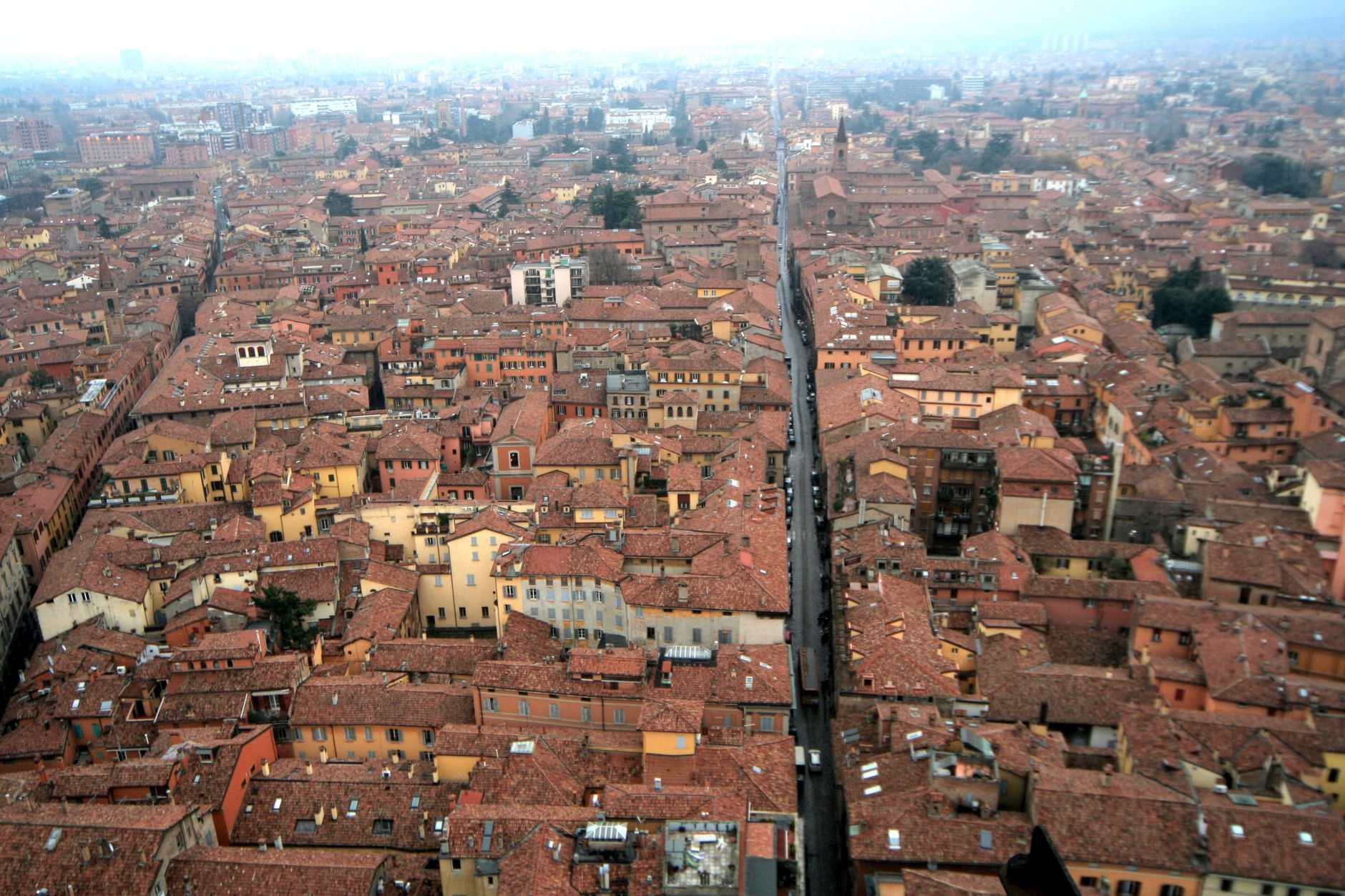
Sixty-two kilometres of porticoes cover the centre, so the city crosses in rain without an umbrella, and the San Luca climb is the world's longest.
Florence day-trippers
Thirty-five minutes each way by fast train and a centre walkable end to end, though the food argues for the night.
Maybe not for you: anyone who wants a set-piece city, since Bologna is working, political and lived-in rather than preserved for visitors; and anyone coming for the towers, because the Asinelli has been closed since 2023 and the Clock Tower is the climb instead.
The best time to visit Bologna
Cold and foggy
November to February
Fog, short days and the food season: tortellini in brodo, the Cioccoshow in November and the Christmas markets under the porticoes. Few visitors and the university in full swing.
The good months
March to June
Mild, open, and the students still in town until late spring, which keeps the evenings alive. The porticoes make the spring rain irrelevant.
Hot and partly shut
July and August
Humid, and a share of the kitchens close around Ferragosto, which matters more here than anywhere. The city empties of students and of Bolognese.
The second window
September to October
The university returns, the truffle season starts, and San Petronio on 4 October is a public holiday in the city and nowhere else.
- July is the month most travellers plan Bologna for on Stippl, and June to September takes 61.0% of the plans. That is the wrong season for a food city whose kitchens close in August; the winter share is a tenth, and winter is when the tortellini come out.
- The Asinelli tower has been closed since October 2023 with no reopening date. The Garisenda's lean worsened and shut the whole complex, so the climb is the Clock Tower on Piazza Maggiore, and a trip built around the towers needs a rethink.
- San Petronio on 4 October is a public holiday in Bologna and nowhere else in Italy. Shops and offices close for the patron saint, so a Saturday feel lands on a weekday and the trattorie fill.
- The Cioccoshow fills the porticoes of the centre for a long weekend in November. A chocolate fair on the city's own streets, in the month the fog and the food season start; book the room, the city does.
- FICO, the Eataly food park, closed in February 2024. It still appears in older plans and on older maps; the food is in the Quadrilatero and the trattorie, not in a park on the edge of town.
- Most travellers plan Bologna about 80 days ahead on Stippl, and only 7.8% inside a week. For a one-night rail stop that is a long lead, and it is Florence's slots and Milan's fairs pulling the date, not Bologna's own.
Add your Bologna dates and we'll flag the weather
Stippl shows the season, crowds and prices for every stop on your route.
Describe your trip, get a Bologna itinerary in seconds
Everything in this guide is already in Stippl. Tell the planner how long you have and what you like: it builds the route, the days and the travel times, and you edit whatever you want.
Things to do in Bologna
 Photo by Mihai Vlasceanu via Pexels
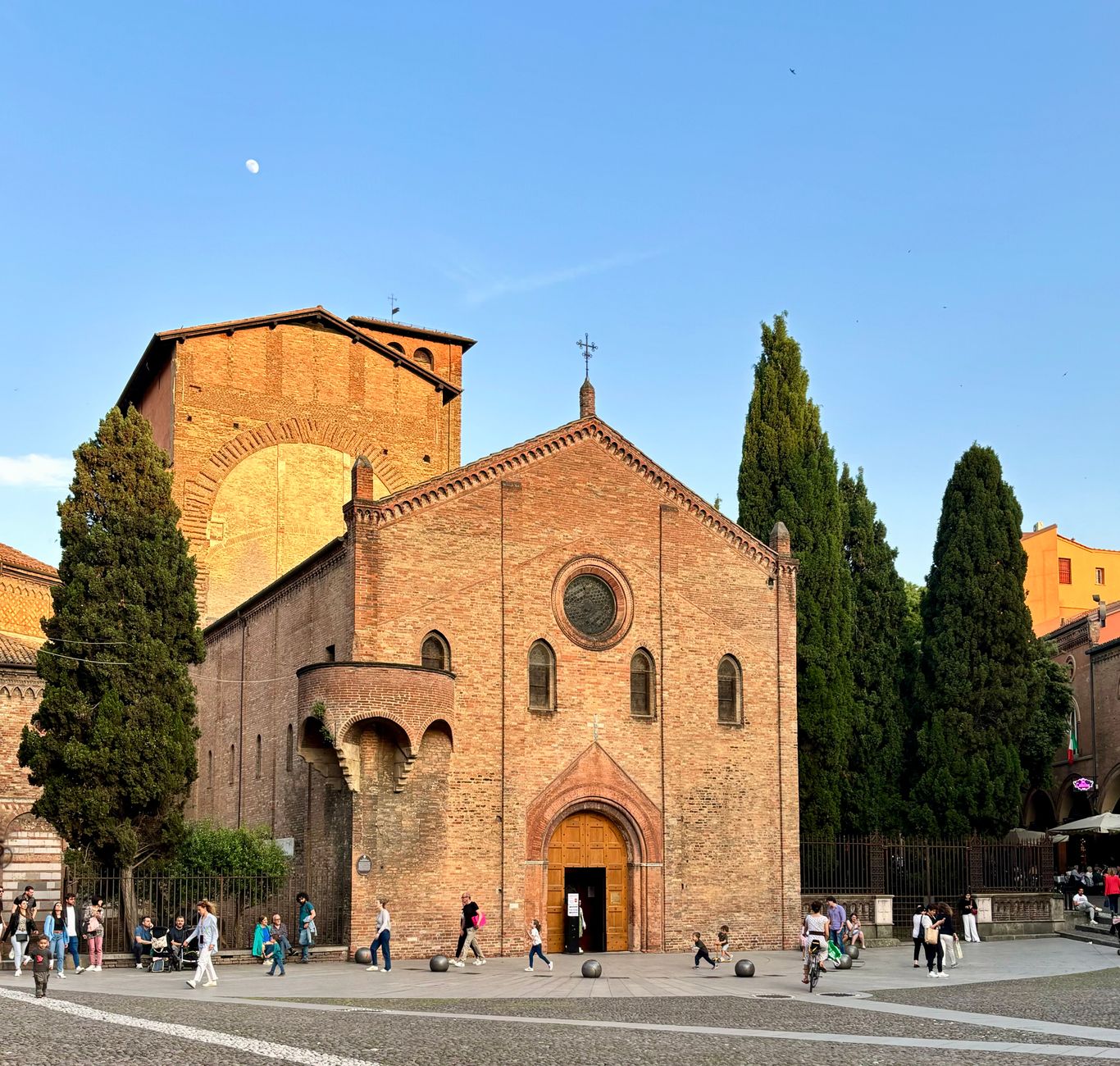 Photo by Carina Ackerman via Pexels
The portico up to San Luca
The 3.8-kilometre covered climb from Porta Saragozza to the sanctuary on the hill, the longest portico in the world, and about an hour up with the city below you at the top.
Piazza Maggiore and San Petronio
The square with the basilica whose façade was never finished and whose floor carries the world's largest indoor meridian line, laid by Cassini. Sit on the steps at aperitivo hour.
The Quadrilatero market
The medieval market grid off the square: delis, fishmongers, mortadella by the slice and wine bars, best in the morning and again at aperitivo hour when the counters spill onto the lanes.
Tagliatelle al ragù at the source
Flat egg pasta with the slow meat sauce, in a trattoria rather than a tourist restaurant, ordered by that name; spaghetti bolognese does not exist here. Lunch is the main meal, and many close between services.
Santo Stefano, the seven churches
A complex of interlocking churches from the fifth century onwards around one courtyard, quieter than anything on the square and the best hour of stone in the city. Free, and cover up.
The Archiginnasio
The university's first permanent home, with the anatomical theatre carved in wood and the walls covered in student coats of arms. A short ticket, and the oldest university in the world underneath it.
The neighbourhoods of Bologna
Centro Storico
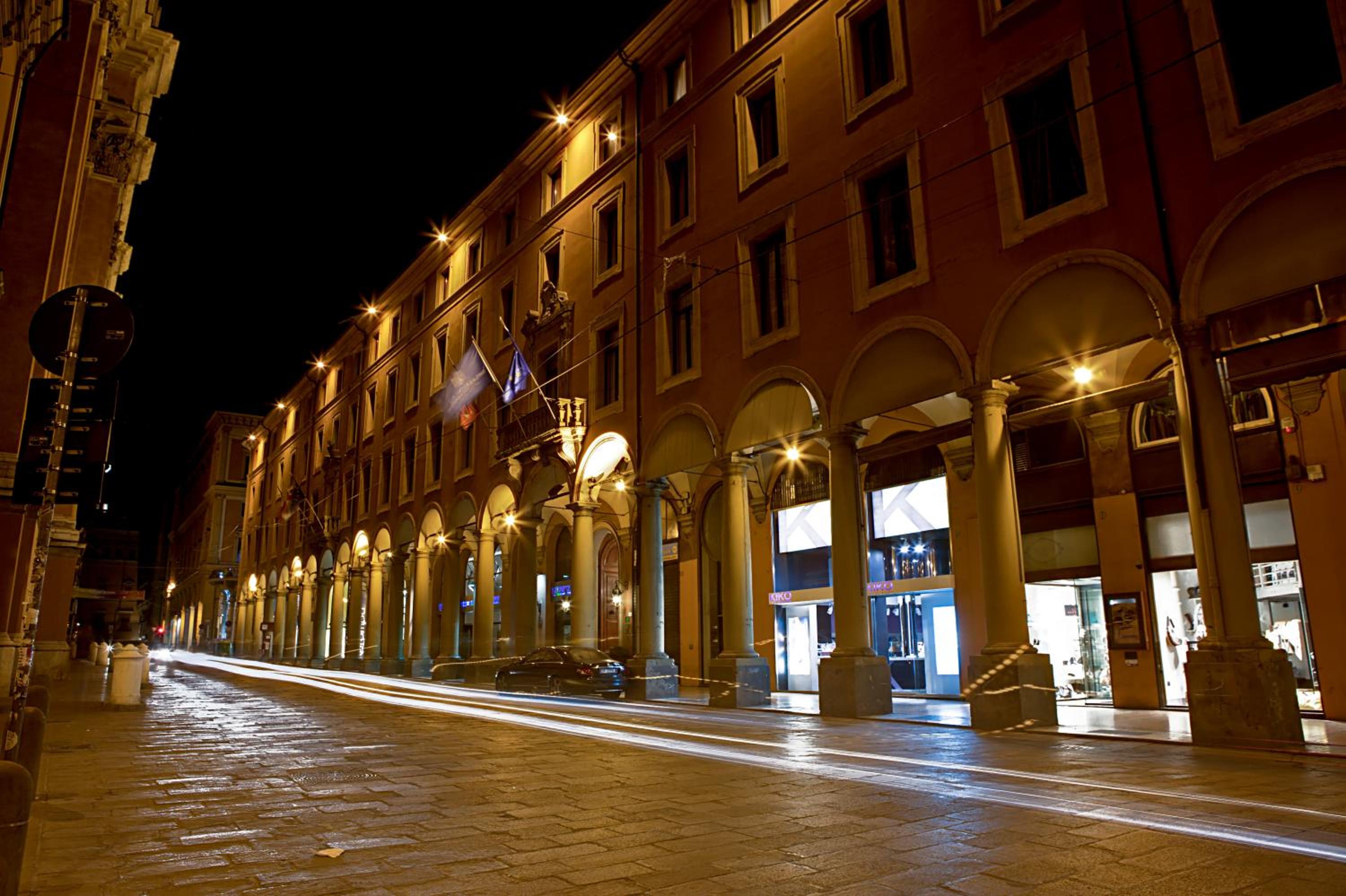
Porticoes and the square
Piazza Maggiore, San Petronio, the towers and the porticoes, compact and walkable end to end in fifteen minutes. For first visits and one-night stops.
Everything on foot under cover, and the dearest beds in a cheap city.
Quadrilatero
Delis and wine bars
The medieval market grid off the square: delis, fishmongers and wine bars, packed at aperitivo hour and shuttered by late evening. For food travellers who want the counters at the door.
The market at the door, but the lanes are loud at seven and dead by ten.
University district
Student-priced evenings
Via Zamboni and the streets around it: cheap, loud, student-priced, and the city's real evening. For budget travellers and nightlife, not for light sleepers.
The cheapest food and drink in the city, and the noisiest nights.
Santo Stefano
Quiet and smart
The seven-church complex and the smartest streets radiating from it, quiet after dark and a few minutes from the square. For couples and anyone staying well.
The calmest central streets and the best hotels, at the top of the city's prices.
Saragozza
Residential, the portico start
West of the centre, residential, and where the San Luca portico starts climbing from Porta Saragozza. For walkers and longer stays that want local life.
Local life and the portico at the door, and a walk to the square.
Bolognina
Changing fast, by the station
North of the station, working-class and rapidly changing, the most mixed part of the city and the cheapest beds. For budget travellers and early trains.
Cheaper beds by the station, but the streets nobody chooses for the evening.
See every Bologna neighbourhood on one map
Save the areas you like and Stippl plots your days so you're not crossing the city twice.
Where to stay in Bologna
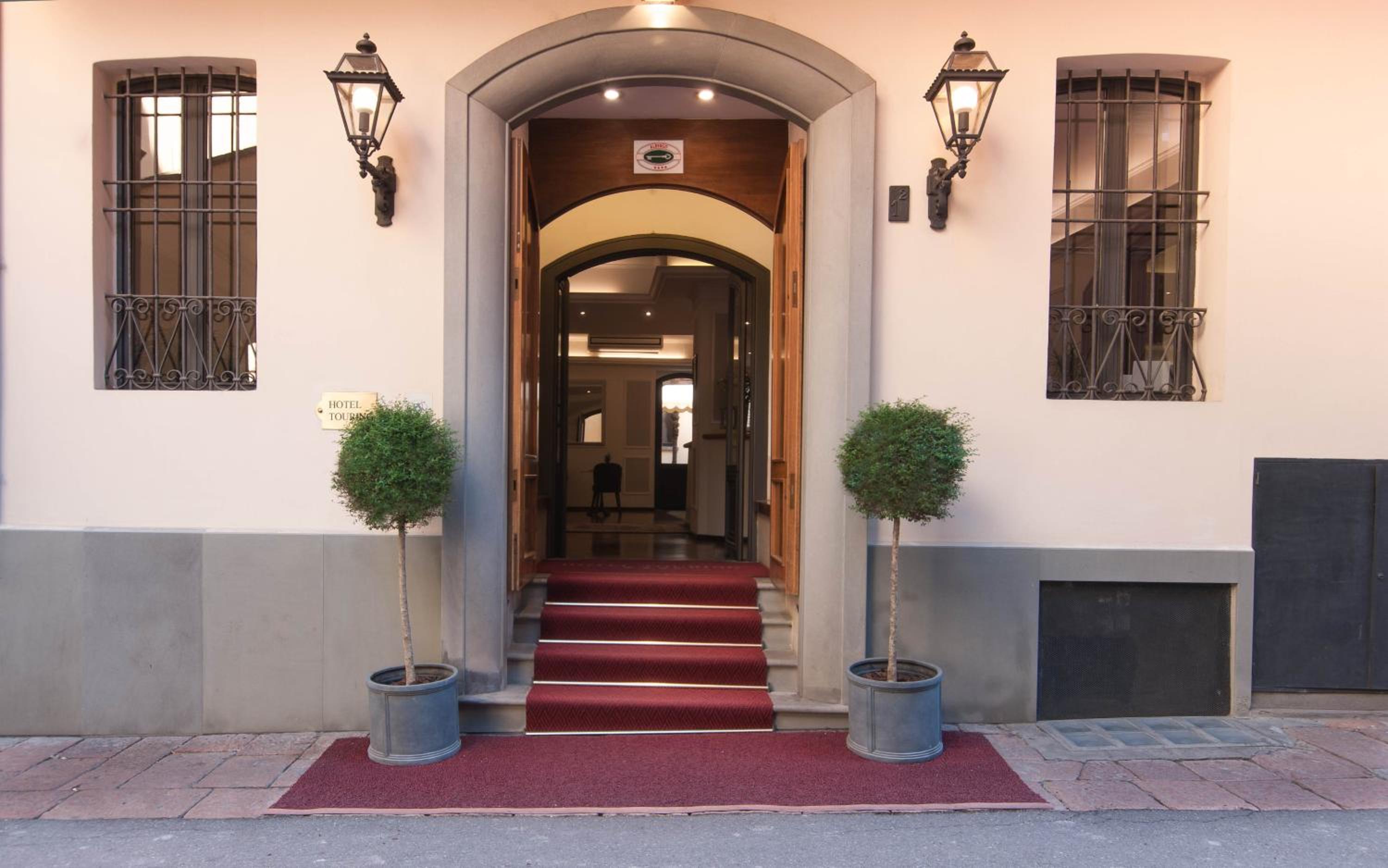
Sleep in the Centro Storico: it is small, and the walk from anywhere in it is under fifteen minutes, so the choice is price rather than distance. Most travellers give Bologna 1 night on Stippl, and a night near Piazza Maggiore puts the Quadrilatero, the trattorie and the morning train all within reach; the university district is the saving.
Centro Storico
Palazzo B&Bs and three-star hotels around the square, €90 to €180 a double.
Quadrilatero
A few apartments and small hotels above the delis, €100 to €170 a double, noisy at aperitivo.
University district
Hostels and student-priced guesthouses on and off Via Zamboni, from €25 a dorm bed to €90 a double.
Santo Stefano
The smartest hotels and boutique rooms in the city, €150 to €280 a double.
Saragozza
Residential apartments and B&Bs west of the centre, €70 to €120 a double.
Bolognina
Budget hotels and hostels north of the station, from €22 a dorm bed to €90 a double.


What to eat in Bologna
flat egg pasta paired with a slow meat sauce, not spaghetti
small stuffed pasta served in capon broth, the winter dish the city argues about
Bologna's own cured pork, unrelated to the export product
fried or griddled breads served with cured meats and squacquerone cheese
Discover food spots in Stippl
Find restaurants and markets on the map, save them to your itinerary, works offline too.
Bologna customs and what not to do
Ragù goes with tagliatelle
The food rules are real and locals correct you: ragù with tagliatelle, tortellini in broth, and spaghetti bolognese does not exist, so ask for the dish by its name.
Lunch is the main meal
The trattorie serve their best at lunch and many close between services, so the big meal is at one and the evening is aperitivo and a lighter plate.
A left-wing, student city
Bologna has a strong political identity and the porticoes have been the site of that history, so the murals and the posters are part of the place rather than graffiti.
Aperitivo is an institution
As in Milan, and the university district does it cheaply, with a plate of food for the price of the drink on Via Zamboni.
Cover up for the churches
Shoulders and knees covered at San Petronio and Santo Stefano especially, which are working churches, and a scarf in the bag settles it.
Do
- Walk the porticoes to San Luca, and go up in the afternoon light
- Buy a Bologna Welcome Card if you plan more than two museums; it includes the Clock Tower
- Eat lunch in a trattoria, and book the well-known ones the day before
- Take the Marconi Express monorail from the airport; it is the fastest way in
Don't
- Order spaghetti bolognese; it is not served and the request marks you
- Plan the Asinelli climb; the tower complex has been closed since 2023
- Drive into the centre; it is a large ZTL and everything is walkable
- Look for FICO; the food park closed in 2024 and the food is in the market
What a Bologna trip costs
Track what you actually spend
Set a daily budget per country and log expenses in any currency while you travel.
Fun facts about Bologna
The porticoes exist because the University of Bologna needed housing. Upper floors were extended over the street to make room for students, and the arcades below became a legal obligation to maintain, 62 kilometres of them today.
Bologna's medieval canals still exist, buried under Via Piella and its neighbours. A window on Via Piella opens onto the Canale delle Moline for a few metres, the one place the medieval waterway is still visible.
The Garisenda tower has leaned further in two years than in the fifty before. Its tilt has been monitored since the 1970s, worsened sharply from 2023, and closed the whole tower complex to visitors.
Mortadella from Bologna has nothing to do with the export product. The city's own cured pork is a protected product sliced by the gram in the Quadrilatero, and the American version borrowed the name and nothing else.
Tortellini in brodo are the dish Bologna argues about with itself. The filling, the size and the broth are all contested between families, and the winter version in capon broth is the one the trattorie serve.
San Petronio on 4 October is a public holiday in Bologna and nowhere else. The city's patron saint closes shops and offices for a day the rest of Italy works, and the trattorie fill by one.
Local tips for Bologna
Italy's rail crossroads
Bologna Centrale is where the Milan to Rome and the Turin to Adriatic lines meet, which is why the city appears on so many itineraries and the station is half the reason to stop.
Nothing needs transport
Nothing in the historic core needs a bus, the porticoes make the weather irrelevant, and a car is pointless in a centre that is one large limited-traffic zone.
The station is the city
Bologna Centrale as a destination behaves exactly like Bologna in the plans on Stippl: the same one-night stay, and almost no trip records both, so the station stop is the city stop.
Safe, with two caveats
Bologna is a safe city, including for solo travellers; the station area and Via Zamboni late at night are the two recurring caveats, both about petty theft and drunkenness rather than danger.
Monorail in, on time
The Marconi Express runs from the airport to Bologna Centrale in minutes for about €13, and it beats the bus on time if not on price.
One night, on the way
Most travellers give Bologna 1 night on Stippl, and 51.0% of Bologna stops are a single night, so book the trattoria for that lunch before the train, not after.
Bologna questions, answered
Enough to see the centre, not enough to eat properly, and one night is what most people give it: most travellers give Bologna 1 night on Stippl, and 51.0% of Bologna stops are a single night. The second night buys a lunch in a trattoria and the San Luca climb, which is the Bologna that the nicknames are about.
Not the Asinelli, which has been closed since the Garisenda beside it started leaning faster and has no reopening date. The Clock Tower on Piazza Maggiore is the alternative, with the square and the roofs below it, and it is included on the Bologna Welcome Card.
Between other cities, as the rail map suggests: Bologna opens 11.8% of the Italy trips it appears on, of everyone who plans Bologna on Stippl, and closes fewer, so it is the night between Florence and Venice or Milan. Put the train legs into Stippl and see whether the night saves a rushed day, then show the route to people who have been, in subreddits like r/ItalyTravel.
Yes: thirty-five minutes each way by fast train and a centre walkable end to end, so the porticoes, the square and a trattoria lunch fit in a day. The food argues for the night, and the evening on Via Zamboni is what the day trip misses, so make it the night instead if the itinerary has one spare.
In a trattoria rather than a tourist restaurant, ordered by that name, because spaghetti bolognese is not served in the city. Lunch is the main meal and many kitchens close between services, so book the well-known ones the day before and expect the ragù to come with tagliatelle and nothing else.
Markedly, and the university district is cheaper again: a student city keeps student prices, and a night here costs less than the same room an hour south. 14.3% of Bologna stops in the Italy trips people build on Stippl carry no night at all, the train-change stop, which is the one saving the city does not reward.
Every guide is written by the Stippl editors and checked against the trips our travellers actually plan. Spotted something out of date? Let us know.
Plan Bologna in Stippl
Day-by-day planning, stays and budget in one app, with every place from this guide already on the map.
Download the app