 AsiaJapan
Japan
Most countries give you one thing to fall in love with. Japan gives you a megacity, a thousand temples, powder snow, subtropical islands and a thousand-year pilgrimage route, and puts trains between them that leave to the second. It is the rare country people fly to for itself.
JapanJapan in a nutshell
Where to go in Japan


Turn these stops into a Japan route
Pick your favourites and Stippl orders them, adds travel times and builds the day-by-day.
Routes that work
Japan itineraries, one week to three
Japan is loved by culture seekers and backpackers alike. We recommend several routes through this country, here they are in full!
7 nights1 week, the compressed classic
Osaka · Kyoto · Mt Fuji
Kyoto's autumn foliage and Mt Fuji visibility peak; fewer crowds than spring on the main route.
10 nights10 days, Okinawa and the southern islands
Naha · Miyako Island · Ishigaki
Tropical islands best visited in mild autumn when typhoon season ends and the weather stabilises.
12 nights2 weeks, Alps variant
Tokyo · Nagano · Takayama
Alpine hiking in Kamikochi and Shirakawago villages requires snow-free trails and warm conditions.
13 nights2 weeks, the Shinkansen line with day trips
Tokyo · Kyoto · Nara
Three bases on the Tokaido and Sanyo Shinkansen with Nara, Himeji and Miyajima as day stops, so only four hotel moves, ending one night by Kansai airport.
14 nights2 weeks, first-timer classic
Tokyo · Hakone · Kyoto
Autumn foliage and mild weather suit the Tokyo–Kyoto–Hiroshima corridor without spring's crowds.
14 nights2 weeks: Tohoku, the north nobody routes
Tokyo · Sendai · Matsushima
Matsushima and Hirosaki deliver early autumn foliage and clear weather before winter in Hokkaido.
17 nights3 weeks, the consensus route
Tokyo · Nikko · Mt Fuji
Mt Fuji climbing and Kamikochi trekking need snow-free terrain; Nikko and Kyoto shine in mild spring.
21 nights3 weeks, off the corridor
Osaka · Kumano Kodo · Okayama
Kumano Kodo pilgrimage and Naoshima art walks excel in cool, dry autumn without typhoon risk.
23 nights3 weeks: budget, Tokyo to Kyushu
Tokyo · Nikko · Mt Fuji
Southern route avoids summer heat and typhoons; autumn colour from Nikko through Hiroshima to Nagasaki.
29 nights4 weeks, the grand loop
Tokyo · Kamakura · Mt Fuji
Four weeks covers the Golden Route, the west and the Alps without rushing; autumn colour runs from Fuji down to Kanazawa.
Updated October 2026 · Written by the Stippl editorsWe looked at how travellers actually plan Japan on Stippl, across 562,000+ planned stops and 101,000+ trips.
Two weeks is the minimum for Japan and three is the version people mean. Almost every first trip stays on Honshu, where Tokyo, Kyoto and Osaka sit within hours of each other and Nara, Hakone, Hiroshima and Kanazawa hang off the same line. Seeing meaningfully more than Honshu takes about four weeks, and the country is long enough that advice for Hokkaido never matches Okinawa. A typical trip through Japan runs 17 days.
Japan is one of the few countries people fly to for itself. 58.5% of the trips that carry it go nowhere else, and it is planned earlier than most, 107 days ahead. The calendar has two humps rather than a season, spring and autumn, and October is the busiest month of the year.
Plan to move every two nights. A typical stop is 2 nights, and the rail network, the bilingual signage and the very low crime rate make that pace realistic without a guide or a tour. Almost nobody needs one here. On what travellers log on Stippl a dinner runs about ¥2,670 and an intercity train fare about ¥3,950, so the trains, not the hotels, are the line in the budget people underestimate.
Plan Japan in Stippl
Day-by-day planning, stays and budget in one app, with every place from this guide already on the map.
Download the appWho Japan is for
First-timers
The Tokyo, Kyoto and Osaka corridor is the most frictionless introduction to Asia that exists, and 17 days is the typical trip: punctual trains, English signage, no scams to speak of.
Foodies
Regional cuisines are genuinely distinct, the cheap end (konbini, conveyor sushi, ramen counters) is excellent rather than merely survivable, and Osaka exists.
History buffs
Kyoto's temple density, the surviving original castles, the Edo post towns and the two atomic-bomb cities give a continuous thread from the 8th century to 1945.
Hikers and nature travellers
The Japanese Alps, the Kumano Kodo pilgrimage, Fuji, and Hokkaido's national parks sit outside the corridor and see a fraction of the traffic.
Skiers and snowboarders
Siberian winds over the Sea of Japan produce among the most reliable powder anywhere, in Hokkaido and around Nagano.
Solo travellers
Eating, drinking and sightseeing alone is culturally normal rather than pitied, and safety is close to absolute.
Families
Spotless toilets everywhere, kids commuting alone, theme parks, and deer that bow; the practical friction is far lower than the distance suggests.
Maybe not for you: strict vegetarians and coeliacs (dashi and wheat hide almost everywhere), spontaneous travellers (beds, trains and headline attractions need booking weeks to months ahead), and anyone with visible tattoos who wants to use public onsen
The best time to visit Japan
Spring
March–May
the most popular season and the most expensive; cherry blossom, mild temperatures, and crowds that concentrate hard in Kyoto and Tokyo
Tsuyu / rainy season
June to mid-July
roughly a month earlier in Okinawa, barely present in Hokkaido; drizzle and high humidity rather than tropical downpours; hydrangeas and empty temples are the compensation
Summer
mid-July–August
hot and humid in the cities, superb in Hokkaido and the Alps; matsuri and fireworks season; the only window for climbing Fuji
Autumn
September–November
the connoisseur's pick: foliage as spectacular as blossom, a longer window, lower prices and fewer people than spring
Winter
December–February
cold, dry and clear on the Pacific side, buried in snow on the Sea of Japan side; the cheapest season and the best odds of seeing Fuji
- The Fuji climbing season is nine weeks, 1 July to 10 September, and the trails are closed outside it. The huts shut and the routes are genuinely dangerous, so a summit is a July-or-August decision made before you book the flight.
- October is the month most travellers plan Japan for on Stippl, and they plan it about 107 days ahead. Only 9.0% of Japan plans are made inside a fortnight; this is not a country people book late.
- Cherry blossom and Golden Week are the two price peaks, and how much more you pay depends on the city and how early you book. Take the cautious reading, up to three times a normal rate in Kyoto, and treat winter outside New Year as the cheapest window.
- Typhoon season runs August to October with September at the peak, mostly over Kyushu, Shikoku and Okinawa. The practical effect is a day or two of cancelled trains and closed attractions, not danger, so build one loose day into a September route.
- Fuji is visible on a minority of days, best from November to February and worst from April to August. Mornings before ten give the best odds, so a Fuji day is an early one.
Add your Japan dates and we'll flag the weather per stop
Stippl shows the season, crowds and prices for every place on your route.

Festivals, and when to avoid them
New Year
The biggest domestic travel peak: many attractions and restaurants close for the week, transport books out and Tokyo is at its emptiest and its shrines at their fullest. Book the trains and the rooms months ahead or avoid the week.
Sapporo Snow Festival
A week of monumental ice sculpture at Odori Park. Sapporo's accommodation is booked months ahead for it; Otaru and Niseko are the overflow.
Cherry blossom in Kyoto
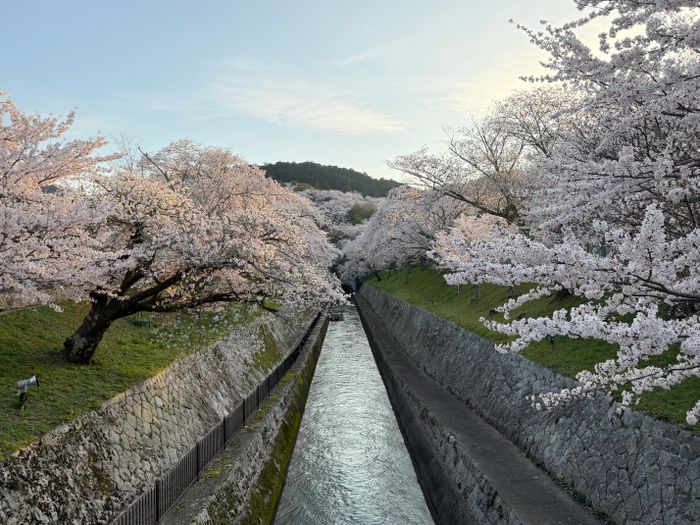
Each place blooms for about a week, Fukuoka and Tokyo in late March, Kyoto in the first week of April, Sapporo in late April. Kyoto's rooms for that week are the hardest booking in the country and go the previous autumn.
Golden Week
A cluster of national holidays when the entire country travels: trains, hotels and flights sell out months ahead and prices spike. The one week to avoid that is not a weather week.
Fuji climbing season
The only two months the mountain is open, with a daily hiker cap and a booking for the huts. A summit sunrise needs the hut reserved in spring.
Gion Matsuri
Kyoto's month-long festival, running for over eleven hundred years, with the float processions on the two dates. Kyoto's hotels fill for both weekends and the city is humid and slow.
Sumida River Fireworks
The country's oldest fireworks festival, over the river in Tokyo, with a million people on the banks. Asakusa's rooms go early and the trains home are the crush of the year.
Obon
The ancestral return festival and the second big domestic travel peak: the cities empty and the home regions fill, with trains booked out the week around it. Kyoto's Daimonji fires on the 16th.
Autumn colour in Kyoto
The foliage peaks in Kyoto and Tokyo in the second half of November and progressively earlier further north or higher up. Kyoto's rooms and the temple night illuminations book out for those two weeks.
Describe your trip, get a Japan itinerary in seconds
Everything in this guide is already in Stippl. Tell the planner how long you have and what you like: it builds the route, the days and the travel times, and you edit whatever you want.
Things to do in Japan
An onsen, outdoors
Soak in a hot-spring bath outdoors, ideally in winter with snow falling and the water at about forty degrees. Every ryokan has one and most towns have a public bath for a few euros; tattoos need a private bath or a cover.
The shinkansen
Ride the bullet train as a destination rather than transport: buy an ekiben lunch box on the platform, watch the cleaning crews bow the train in, and sit on the right side from Tokyo to Kyoto for Mount Fuji. A rail pass pays for itself on two long legs.
Fushimi Inari at dawn
Walk up through thousands of vermilion torii above Kyoto, each donated and inscribed. The shrine is free and open around the clock, which is the argument for going at dawn; by nine the lower gates are a queue.
A night in a ryokan or a temple
Sleep on tatami, eat a kaiseki dinner or the vegetarian shojin ryori of a Koyasan temple, and join the morning ceremony. One night is enough and it is the night people remember; book it for the middle of the trip.
Mount Fuji overnight
Climb five to seven hours from the Fifth Station, sleep a few hours in a mountain hut and reach the summit for sunrise. The season is early July to early September, there is a daily hiker cap and a €23 fee, and the hut is booked in spring.
The Kumano Kodo
Hike one of only two UNESCO-listed pilgrimage routes on earth, through the forests of the Kii peninsula between shrines and hot-spring villages. The Nakahechi route takes four or five days, and finishing it and the Camino earns a dual-pilgrim certificate.


What to eat in Japan
wheat noodles in one of four broths: shio, shoyu, miso, tonkotsu
vinegared rice with toppings; nigiri, maki, temaki, oshi
savoury cabbage pancake, mixed in Osaka and layered in Hiroshima
octopus in batter spheres, sauce and bonito flakes
seafood and vegetables in a light batter
crumbed deep-fried pork cutlet with shredded cabbage
charcoal-grilled chicken skewers, every part of the bird
a seasonal multi-course tasting meal
regional wagyu, often grilled at your table
Buddhist temple vegetarian cuisine
buckwheat noodles, hot or cold with dipping sauce
crumbed deep-fried skewers with a communal dipping sauce
Discover food spots in Stippl
Find restaurants and markets on the map, save them to your itinerary, works offline too.
Japan customs and what not to do
Clean streets, and no bins
Daily life is organised around not inconveniencing others, which is why the trains are quiet, the queues follow painted platform markings and the streets stay clean without bins.
Wash before you get in
Onsen bathing is naked and gender-segregated: wash seated at a shower station first, keep the small towel out of the water and keep conversation low.
Book a private bath
Visible tattoos are still refused at many onsen because of the yakuza association; a ryokan with a bookable private bath sidesteps the problem entirely.
Say thank you instead
Tipping does not exist and can read as mildly insulting; a verbal thanks, a bow and a review are the accepted substitute.
Wear slip-ons and good socks
Shoes come off wherever the floor level rises: temples, ryokan, some restaurants, even fitting rooms, so bring shoes that slip off and socks without holes.
To the second, every time
Trains depart to the second and arriving early is basic courtesy rather than eagerness; a booked restaurant table is gone five minutes after the time.
Do
- Queue on the platform markings and let everyone off before boarding
- Carry your rubbish until you find a bin, usually at a convenience store
- Bow back when someone bows to you, however awkwardly
- Hand money to the cashier on the tray rather than into their hand
- Learn the difference between a shrine and a temple; it changes how you behave in both
Don't
- Stand chopsticks upright in rice; it echoes a funeral rite
- Eat while walking, outside festivals, markets and designated street-food areas
- Take phone calls on trains, or talk loudly on them at all
- Tip
- Smoke on the street outside a designated smoking area
What a Japan trip costs
Budget
€70–80
Hostel dorm or capsule, konbini and cheap counters, regional trains and IC card.
Mid-range
€100–150
Mid-range hotel or business hotel, restaurant meals, shinkansen legs, an occasional tour.
High-end
€250+
Ryokan with kaiseki, Green-class rail, guided experiences, city-centre hotels.
Track what you actually spend
Set a daily budget per country and log expenses in any currency while you travel.
Visas, SIM cards and getting around
Entry & visa
Nothing to apply for
EU, UK, US, Canadian and Australian passports enter visa-free as temporary visitors for up to 90 days with no advance application. Everyone else applies online through JAPAN eVISA.
Money
High tech, still cash
The yen is the currency and Japan is genuinely cash-heavy: small restaurants, temples, rural buses and some guesthouses take nothing else. Draw from 7-Eleven ATMs, which take foreign cards.
Connectivity
An eSIM covers the trip
An eSIM bought before departure is the default, about €10 to €20 for a trip's worth of data. A group does better with one pocket wifi at €6 to €9.
Getting around
The shinkansen, on an IC card
The shinkansen is the spine, with departures every few minutes between Tokyo and Osaka. Load a Suica card for everything local; the JR Pass only pays on long multi-city routes.
Health
Closer to Europe than Asia
No vaccinations are required and there is no tropical disease risk. Healthcare is excellent and expensive for visitors, so insurance is essential; July heat is what spoils days.
Water
Refill at the station
Tap water is safe everywhere and tastes good. Refill points are common at stations, parks and some temples, and vending machines are dense enough that carrying water is barely necessary.
Tipping
Do not even try
There is no tipping in any context, restaurants, taxis, hotels or guides, and attempting it causes confusion. The small dish an izakaya serves unasked is a cover charge.
Power & plugs
100 V catches some devices
Plugs are type A and B with two flat pins at 100 V. European devices need an adapter, and hairdryers and some chargers need a converter as well.
Language
Readable, not audible
Signage in stations and at major sights is reliably bilingual; spoken English thins out fast outside tourist areas. Google Translate's camera is a daily tool, not a fallback.
Japanese worth knowing
Nobody expects you to speak the language, which is exactly why a handful of words goes so far.
Konnichiwa
Hello / good afternoon · こんにちは
Arigatou gozaimasu
Thank you (polite) · ありがとうございます
Sumimasen
Excuse me / sorry / to get attention · すみません
Onegaishimasu
Please · お願いします
Itadakimasu
Said before eating · いただきます
Gochisousama deshita
Said after eating · ごちそうさまでした
Eigo o hanashimasu ka?
Do you speak English? · 英語を話しますか
Ikura desu ka?
How much is it? · いくらですか
Niku nashi
Without meat · 肉なし
Kanpai
Cheers · 乾杯
Japan questions, answered
Read it as nights per stop rather than as a list of places. 29.6% of Japanese stops planned on Stippl are a single night, and a single night means one of your two days goes to moving. Lay the route out in Stippl and if the one-night stops outnumber the rest, cut a city. Then show it to people who have been, in subreddits like r/JapanTravel.
About one in ten. 9.86% of Japanese stops planned on Stippl carry no night at all, so they are runs out of a base rather than places people sleep. The rest are beds, and that ratio is why a Japan route is decided by which cities you sleep in rather than by how many places you list.
A quarter of it. 24.6% of every Japanese stop planned on Stippl is Tokyo, and no other place in the country comes close. That is why most first trips are built outward from Tokyo along one rail corridor rather than as a loop around the country.
It depends on your route, and that is the honest answer rather than a hedge. The pass wins on multi-city itineraries with long shinkansen legs on most days, and loses on slow routes, two-city trips and one-way itineraries. Price it against your own legs first, because plenty of standard routes come out cheaper on individual tickets.
Three fixed weeks: Golden Week from 29 April to 5 May, Obon in mid-August, and the New Year week. All three are domestic travel peaks, when trains, hotels and flights sell out months ahead and prices spike. They are not the wrong season, they are the wrong dates inside a good one.
Often not, though the rule is loosening. Many public baths still refuse visible tattoos, and the dependable fix is to book a ryokan room with its own bath or a private onsen slot rather than to turn up and hope. Decide that before you book the stay rather than on the night.
Every guide is written by the Stippl editors and checked against the trips our travellers actually plan. Spotted something out of date? Let us know.

Plan Japan in Stippl
Everything in this guide, ready to drop into your Japan route, with planning and bookings in one app.