
Hakone
Hakone is the onsen night between Tokyo and Kyoto, built around a ryokan with a private open-air bath. One pass loops the crater by mountain railway, cable car, ropeway and pirate ship in a day.
Hakone in a nutshell
Hakone: what to expect
The figures here sit on 562,000+ planned stops across Japan on Stippl.
Hakone is a volcanic caldera run as one integrated loop, and the loop is the destination. Ninety minutes from Shinjuku on the Romancecar puts you at Hakone-Yumoto, and from there a mountain railway, a cable car, a ropeway, a boat across Lake Ashi and a bus close the circuit in about six hours, all on one pass. Around it sit Ōwakudani's sulphur steam and black eggs, the sculpture park at the Open-Air Museum, and the vermilion torii standing in the water at Hakone Shrine. Most travellers give it 2 nights on Stippl.
Hakone is an alternative to Mount Fuji rather than a companion to it, which is the opposite of how it gets sold. Most Hakone trips on Stippl carry no Fuji stop at all, and as a pair the two sit below parity rather than above it. They are the same product, a caldera with hot springs and a mountain view, so the decision is which one and not both. 44.6% of Hakone stays are exactly two nights.
Two nights: one for the loop and one for the bath. A ryokan with a private open-air bath is the reason the place exists and it is the booking to make first. Ride the circuit on the full day, and reach the torii at Hakone Shrine before eight if you want the photograph without the queue, which runs half an hour or more. Ōwakudani can close at short notice on volcanic gas readings, so treat it as a bonus rather than a plan.
Plan Hakone in Stippl
Day-by-day planning, stays and budget in one app, with every place from this guide already on the map.
Download the appWho Hakone is for
Anyone wanting one onsen night
Hakone is on 15.4% of Japan trips on Stippl, and nearly all of those stay a night or two. It is a stopover by design, not a base.
First-timers doing Tokyo–Kyoto
Hakone is the natural break in the Tokyo–Kyoto run and the usual first stop out of the capital, so the loop is built for one full day.
People who will use the pass
The Freepass turns five transport modes into one ticket, and the loop only makes sense with it in your pocket.
Families
The pirate ship, the ropeway, the cable car and the sculpture park make it unusually child-friendly for a Japanese destination.
Day-trippers from Tokyo
The loop closes in a single day, so plenty of people do it from Tokyo and back, though the onsen night is what the place is really for.
Maybe not for you: anyone already going to Mt Fuji, which is the same day out; anyone in Golden Week or the peak autumn fortnight, when the ryokan worth staying in sell out months ahead; and anyone with visible tattoos who has not checked the bath rules first.
The best time to visit Hakone
Autumn
October and November
Colour from the ropeway downward and the year's heaviest crowding; the November colour fortnight is a period to plan around rather than into.
Blossom and spring
late March to May
The caldera's best walking weather, mild and green, with Golden Week in early May the other stretch to avoid.
Rain and heat
June to September
The wettest months, humid, with September the wettest of all and the typhoon month; the ropeway suspends in high wind.
Winter
December to February
Cold and dry with snow at altitude, the best Fuji odds of the year and the lowest prices.
- October is the month most travellers plan Hakone for on Stippl, about 106 days ahead. 12.4% of Hakone plans are made inside a fortnight, which works in winter and not in the colour weeks, when the ryokan go first.
- The Hakone Ekiden closes roads through the caldera on 2 and 3 January. The university relay from Tokyo and back is one of Japan's biggest televised events, so a New Year visit is a visit on foot and by rail.
- Fireworks over Lake Ashi run on several evenings in late July and early August. The Ashinoko summer festival week is when the lakeside accommodation goes earliest in the summer.
Add your Hakone dates and we'll flag the weather
Stippl shows the season, crowds and prices for every stop on your route.
Describe your trip, get a Hakone itinerary in seconds
Everything in this guide is already in Stippl. Tell the planner how long you have and what you like: it builds the route, the days and the travel times, and you edit whatever you want.
Things to do in Hakone
 Photo by Yusheng Deng via Unsplash
 Photo by Florencia Gonzalez Bazzano via Unsplash
A ryokan night with a private bath
Book a room with its own open-air bath, the reason the destination exists; about €200 a night with dinner and breakfast, and the one night worth the money on a Japan trip.
The Hakone loop
Ride the tozan railway, cable car, ropeway, pirate ship and bus in a circle back to where you started, all on one Free Pass, in roughly six hours. Go clockwise from Hakone-Yumoto to have the ropeway before the afternoon cloud.
Owakudani and the black eggs
Step off the ropeway into sulphur steam on a lunar hillside and eat an egg boiled black in the springs, said to add seven years to your life. The station closes when the gas readings rise, so check before you plan the day around it.
The Hakone Open-Air Museum
Walk a sculpture park on a hillside with a Picasso pavilion, a Henry Moore lawn and a children's maze, about €12, open nine to five. It is the best rainy-day answer in Hakone.
The torii at Hakone Shrine
Photograph the vermilion gate standing in Lake Ashi from the lakeside steps; the queue for the picture runs half an hour to an hour unless you are there before eight. The shrine itself, up the cedar avenue, has no queue at all.
Sengokuhara's pampas grass
Walk the plateau of silver susuki grass above the town, at its peak in October and November and free. It is a bus ride from the loop and an hour on foot, and the afternoon light is the one to come for.
The neighbourhoods of Hakone
Hakone-Yumoto
Gateway village, oldest baths
The village where the Romancecar terminates: the oldest onsen quarter, a shopping street of sweet shops and soba, and day-use baths. For a first night and for anyone who wants the train at the door; everything else is uphill.
The train and the shops at the door, and the bottom of the loop.
Gora
Halfway up, the museum
Where the mountain railway ends and the funicular begins: ryokan, the Open-Air Museum, Gora Park and the better restaurants, the most convenient base for the loop. For first visits and anyone doing the circuit without a car.
The loop from the door, and the busiest ryokan village on the mountain.
Motohakone
Lake shore, the torii
The southern shore of Lake Ashi: the shrine with its torii in the water, the old checkpoint, the cedar avenue and the pirate-ship pier, with lakeside ryokan and the mountain view on clear mornings. For couples and photographers.
The lake and the torii at dawn, and the furthest point from the train.
Sengokuhara
High plateau, pampas, design hotels
The high northern plateau: pampas-grass fields that turn silver in autumn, the glass museum and the quieter, more design-led hotels, a bus ride from everything. For quiet stays and for autumn.
The best hotels and the quiet, and a bus for every part of the loop.
See every Hakone neighbourhood on one map
Save the areas you like and Stippl plots your days so you're not crossing the city twice.
Where to stay in Hakone
Stay in Gora for a first visit: the mountain railway ends here, the loop starts here, and the ryokan with a private open-air bath is the room to book; it also solves the tattoo question. 41.5% of Hakone stops planned on Stippl are a single night, and two is the most anyone needs. Autumn and Golden Week sell out months ahead, with prices roughly doubling.
Hakone-Yumoto
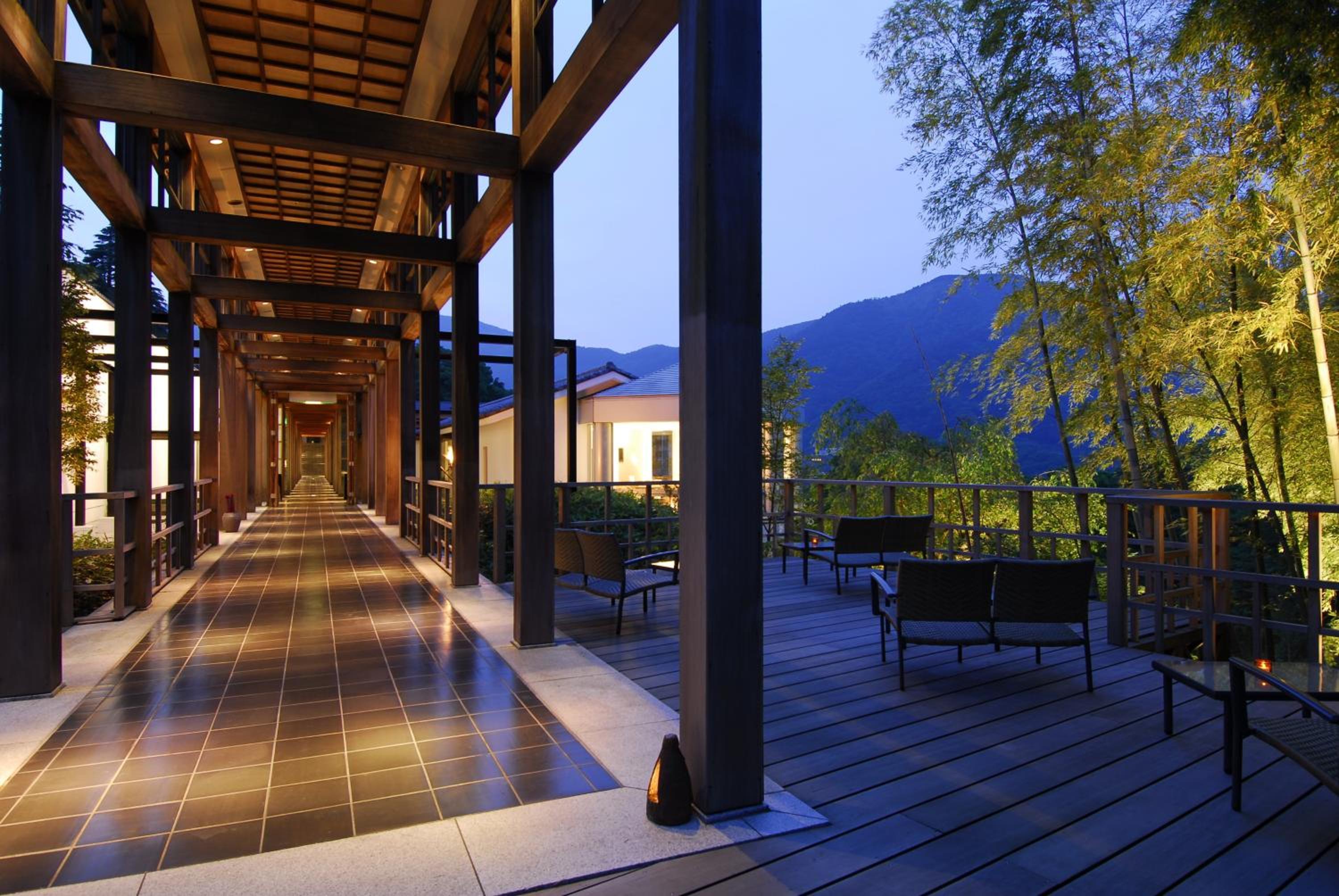
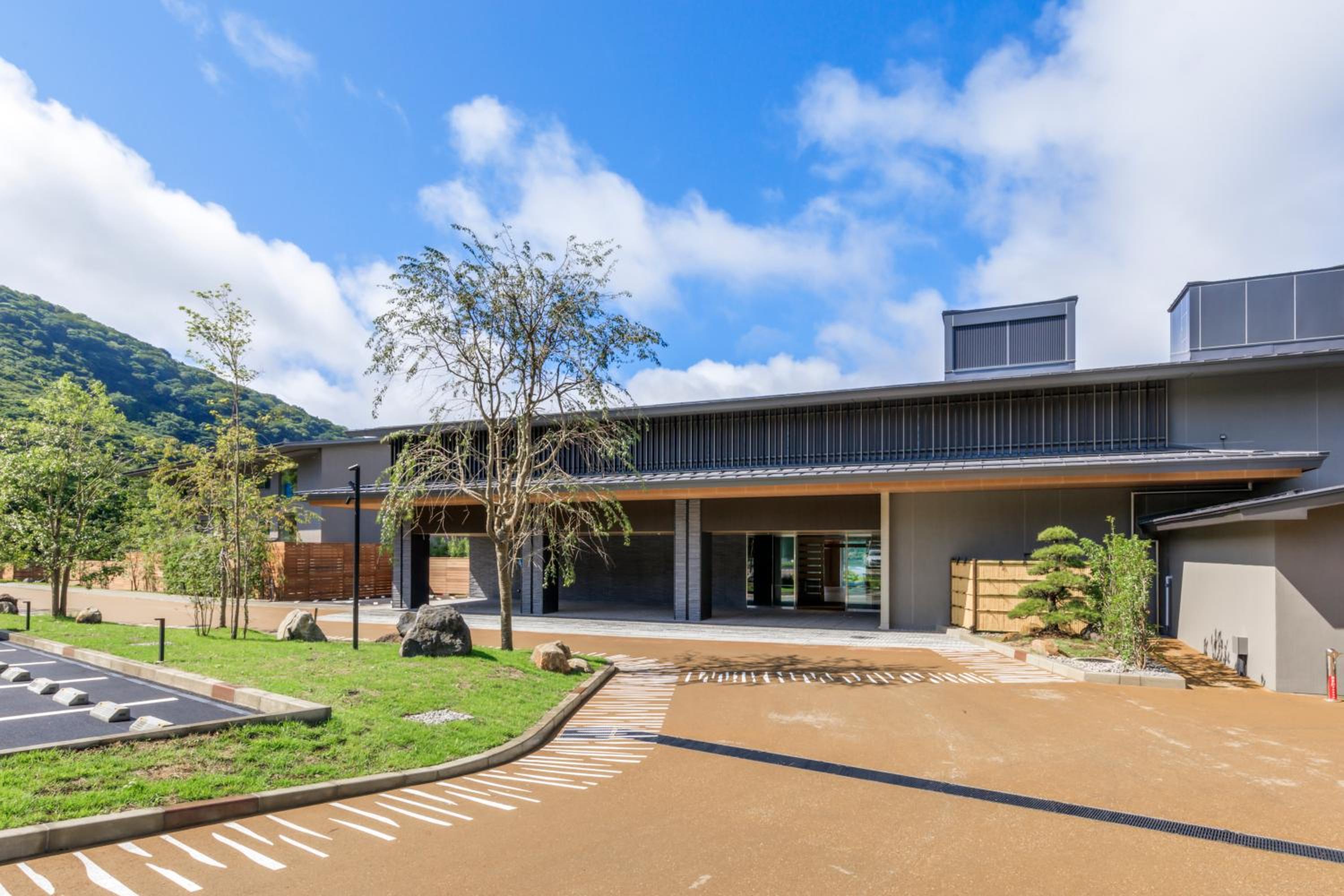
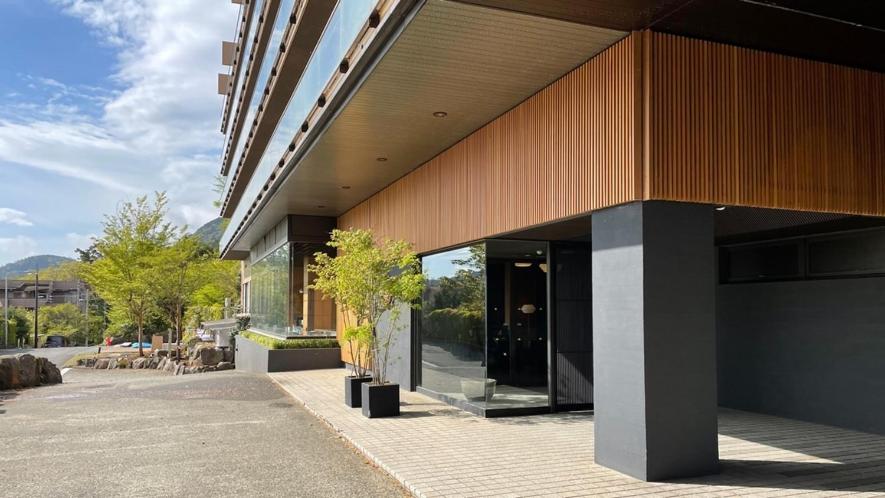
Old onsen ryokan on the river, €150 to €300 with dinner, and hostels with their own hot spring from €30.
Gora
Ryokan with private open-air baths, €200 to €450 with kaiseki, and a few plain hotels from €90.
Motohakone
Lakeside hotels with mountain views, €120 to €300, and simple guesthouses near the pier from €60.
Sengokuhara
Design-led hotels and glamping among the pampas fields, €130 to €350, a bus ride from everything.


What to eat in Hakone
Eggs boiled in the sulphur springs until the shells turn black; local lore adds seven years to your life per egg
The multi-course ryokan dinner, served in your room or a private dining room, the meal the stay is built around
Buckwheat noodles, the Hakone-Yumoto shopping street's staple
Tofu skin, a Kantō mountain speciality, served in the kaiseki and in speciality restaurants
The Gōra brewery is one of the few places in the caldera that reads as a night out
Steamed buns filled with red bean, sold hot on the Yumoto street
Discover food spots in Stippl
Find restaurants and markets on the map, save them to your itinerary, works offline too.
Hakone customs and what not to do
Onsen etiquette is not optional
Wash and rinse thoroughly before entering, no swimwear, no towel in the water and long hair tied up; the other bathers are on holiday too and will say nothing, and notice everything.
Tattoos are still refused
Many baths turn them away, but some Hakone onsen are explicitly tattoo-friendly, a small one can be covered with tape, and a room with a private bath removes the question.
The yukata is worn to dinner
It is worn around the ryokan and in Hakone-Yumoto out on the street; left side over right, always, because the other way round dresses the dead.
Ryokan dinner times are fixed
A kaiseki dinner is served in courses to a kitchen schedule and being late is genuinely disruptive; tell them at check-in if you cannot make the slot.
Do
- Buy the Freepass before you start the loop
- Wash before you get in, every time
- Arrive at the torii before eight if you want the photograph without an hour's queue
- Book the ryokan months ahead for November and Golden Week
Don't
- Assume you will see Fuji; most days you will not
- Wear swimwear into an onsen
- Arrive expecting a town; it is a caldera with villages in it and a bus timetable
- Wear the yukata right side over left
What a Hakone trip costs
Budget
€44–77
A hostel bed with its own onsen, the Freepass, convenience-store meals and day-use baths.
Mid-range
€138–248
A modest ryokan or onsen hotel with dinner and breakfast, the Freepass, museum entries.
High-end
€331–828+
A ryokan with a private open-air bath and a kaiseki dinner, which is what people come for.
Track what you actually spend
Set a daily budget per country and log expenses in any currency while you travel.
Fun facts about Hakone
Hakone sits inside an active volcanic caldera. Owakudani's vents still steam, and the 2015 volcanic alert closed the area for months; access still shuts on gas readings without notice.
The black eggs are said to add seven years of life each. They are boiled in the sulphur springs at Owakudani until the shells turn black, and sold in fives for that reason.
The Hakone Ekiden runs on 2 and 3 January every year. The two-day university relay from Tokyo to Hakone and back is one of the most-watched sporting events in Japan.
The Old Tokaido checkpoint has been rebuilt on its original site. The Edo government inspected everyone travelling between Kyoto and Edo here, on the shore of Lake Ashi.
The Hakone Tozan railway reverses direction three times to climb. The switchbacks gain the height between Hakone-Yumoto and Gora, and the driver and guard swap ends at each one.
Hakone has the highest day-trip share of any stop in Japan on Stippl. 10.41% of planned stops carry no night at all, because it is 80 minutes from Shinjuku.
Local tips for Hakone
The Freepass runs Hakone
About €45 for two days or €48 for three from Shinjuku including the round trip, and it covers all five modes of the loop. Buy it at the Odakyu counter in Shinjuku.
Clockwise from Yumoto
Train, cable car, ropeway, boat and bus back to where you started, and clockwise puts the ropeway before the afternoon cloud. Six hours with the stops.
The Romancecar is a supplement
About €8 on top of the Freepass buys a reserved seat and eighty minutes rather than two hours with changes. A JR Pass does not cover the Odakyu line at all.
Owakudani closes for real
It is an active volcanic vent, and the gas readings shut the ropeway, the valley and the trails at short notice. Substitute buses run when it does; check the morning of.
How long to stay
Most people give Hakone 2 nights on Stippl, and four in ten stay one: the ryokan night and the loop the next day. Two adds the museum without the clock.
The onsen is the ordinary risk
Heat and dehydration, not the volcano. Short soaks, water between them and no alcohol before bathing; the ryokan will say the same.
Hakone questions, answered
One or the other, not both. They are the same product, a caldera with hot springs and a mountain view, and most Hakone trips on Stippl carry no Fuji stop at all. Lay them out in Stippl as alternatives and choose on whether you want the loop or the mountain. Then ask people who did each, in subreddits like r/JapanTravel.
It can be, and one stop in ten is: 10.41% of Hakone stops planned on Stippl carry no night. The loop runs about six hours though, and the ryokan bath is what most people came for, so the day version buys you the transport and misses the point of it.
One or two, and the split is almost even. 41.5% of Hakone stops planned on Stippl are a single night and a slightly larger share are two. Two is what gets you the whole loop plus an unhurried evening in the bath, while one means choosing between them.
About one route in six: 15.4% of Japan trips planned on Stippl include Hakone. That is high for what is essentially one valley, and the Romancecar is why, since ninety minutes from Shinjuku makes it the easiest mountain escape from the capital.
One ticket covering the round trip from Shinjuku and every leg of the loop: the mountain railway, the cable car, the ropeway, the boat across Lake Ashi and the buses. It is the normal way to do Hakone, and it exists because the circuit is run as one integrated system rather than by separate operators.
Golden Week and the peak autumn fortnight. Prices and crowds spike together, and the ryokan worth staying in sell out months ahead of both. Travellers leave 106 days between planning a Hakone stop on Stippl and arriving, which tells you how early the good beds go.
Every guide is written by the Stippl editors and checked against the trips our travellers actually plan. Spotted something out of date? Let us know.

Plan Hakone in Stippl
Day-by-day planning, stays and budget in one app, with every place from this guide already on the map.
Download the app