

Chiang Mai
Chiang Mai is the cheapest big city in Thailand, and Lanna rather than a second Bangkok. A night in a hill village after a jungle trek, the country's highest mountain, and its best cooking classes.
Chiang Mai in a nutshell
Chiang Mai: what to expect
This is what 161,000+ planned stops in the city say about Chiang Mai on Stippl.
Chiang Mai is a base rather than a stop, and what you do here is decided by what you drive out to. Inside the moat the Old City walks end to end: Wat Chedi Luang with its earthquake-shortened pagoda, Wat Phra Singh, Wat Chiang Man and the teak Wat Phan Tao. Above the town sits Wat Phra That Doi Suthep, and Wat Pha Lat, reached on foot up the Monk's Trail through the bamboo, is the one people talk about afterwards. Most travellers give the city 3 nights on Stippl.
Chiang Mai is a middle-of-the-route city, and the plans are emphatic about it. 91.7% of Chiang Mai stops planned on Stippl sit in the middle of a route rather than at either end. People come north to it on purpose, usually after Bangkok, and the loop out to Pai, Mae Hong Son and Chiang Rai gets built from here rather than around it.
Four or five nights is the honest length once you want the day trips, and three is the compressed version. Doi Inthanon takes a whole day for the Kew Mae Pan ridge and the twin royal pagodas, a jungle trek with a night in a hill village takes two, and a cooking class or the Bua Tong sticky waterfalls fills a half. Keep a Sunday back for the Walking Street on Rachadamnoen, eat khao soi early because the stalls close before dinner, and avoid March: burning season is the one thing that spoils the trip.
Plan Chiang Mai in Stippl
Day-by-day planning, stays and budget in one app, with every place from this guide already on the map.
Download the appWho Chiang Mai is for
First-time Thailand visitors
The Old City puts temples, markets, food and booking agencies inside a walkable square, and the north's whole menu of day trips starts at the door.
Culture and temple travellers
A distinct Lanna story rather than a second helping of Bangkok, plus monk chats and meditation courses that few other Thai cities run.
Outdoor and adventure people
Jungle trekking in four distinct areas, Thailand's highest mountain, waterfalls you can climb, and the country's best-known motorbike loop.
Food-led travellers
Northern Thai cooking barely exists abroad, and the supply of cooking classes here is the best in the country.
Budget backpackers
Chiang Mai is the cheapest big city in Thailand: dorms, street food, songthaews and free temples stack into a very low daily spend.
Long-stayers and digital nomads
Most people give it 3 nights and a good number stay months: cheap apartments, dense café and co-working infrastructure, and an established foreign community.
Maybe not for you: anyone travelling in March or early April, when the air is the city's defining problem and the coast is the honest substitute; party travellers, since bars shut at midnight; beach travellers, because there is no coast; and weekend trippers, since the city rewards a week.
The best time to visit Chiang Mai
Cool and dry
November to January
The season the city is planned around: warm days, cool nights, almost no rain and clean air. Also the busiest and priciest window.
Burning season
February to mid April
Crop and forest burning across the north fills the valley with smoke, worst in March. It overlaps the national dry season, which is why the country rule of November to March does not hold here.
Hot
March to May
April is the hottest month and forty degrees is not unusual; temple days become punishing and the smoke sits over the first half.
Rainy
May to October
Heavy short afternoon storms rather than all-day drizzle, wettest in August and September. The lowest prices, thinnest crowds and strongest waterfalls, against muddy trails.
- In March and early April do not build a trip around viewpoints or trekking. The whole product of Doi Inthanon, Doi Suthep's overlook and the Mae Rim ridge is the view, and the view is gone; waterfalls, cooking classes and the Old City still work.
- January is the month most travellers plan Chiang Mai for on Stippl, about 85 days ahead. Only 10.7% of plans are made inside a fortnight, and January is usually still clear before the burning starts.
- Loy Krathong and Yi Peng fall together on a November date that moves with the lunar calendar, and the city sells out. The mass lantern release in the photographs is a ticketed event outside town; the free city festival is on the river and the moat.
- Songkran here is the country's biggest, 13 to 15 April on the moat road and Tha Phae Gate. It runs closer to a week in practice, and the burning season is often still in the air.
- Cool-season nights drop to fourteen degrees, and Doi Inthanon's summit runs ten degrees colder than the city. A fleece belongs in the bag from December to February, and it catches people arriving from the islands.
- The rains end the smoke within days, usually late April into early May. May onwards is safe to plan around, late April is a gamble, and a mask has to be N95 or FFP2 to do anything at all.
Add your Chiang Mai dates and we'll flag the weather
Stippl shows the season, crowds and prices for every stop on your route.
Describe your trip, get a Chiang Mai itinerary in seconds
Everything in this guide is already in Stippl. Tell the planner how long you have and what you like: it builds the route, the days and the travel times, and you edit whatever you want.
Things to do in Chiang Mai
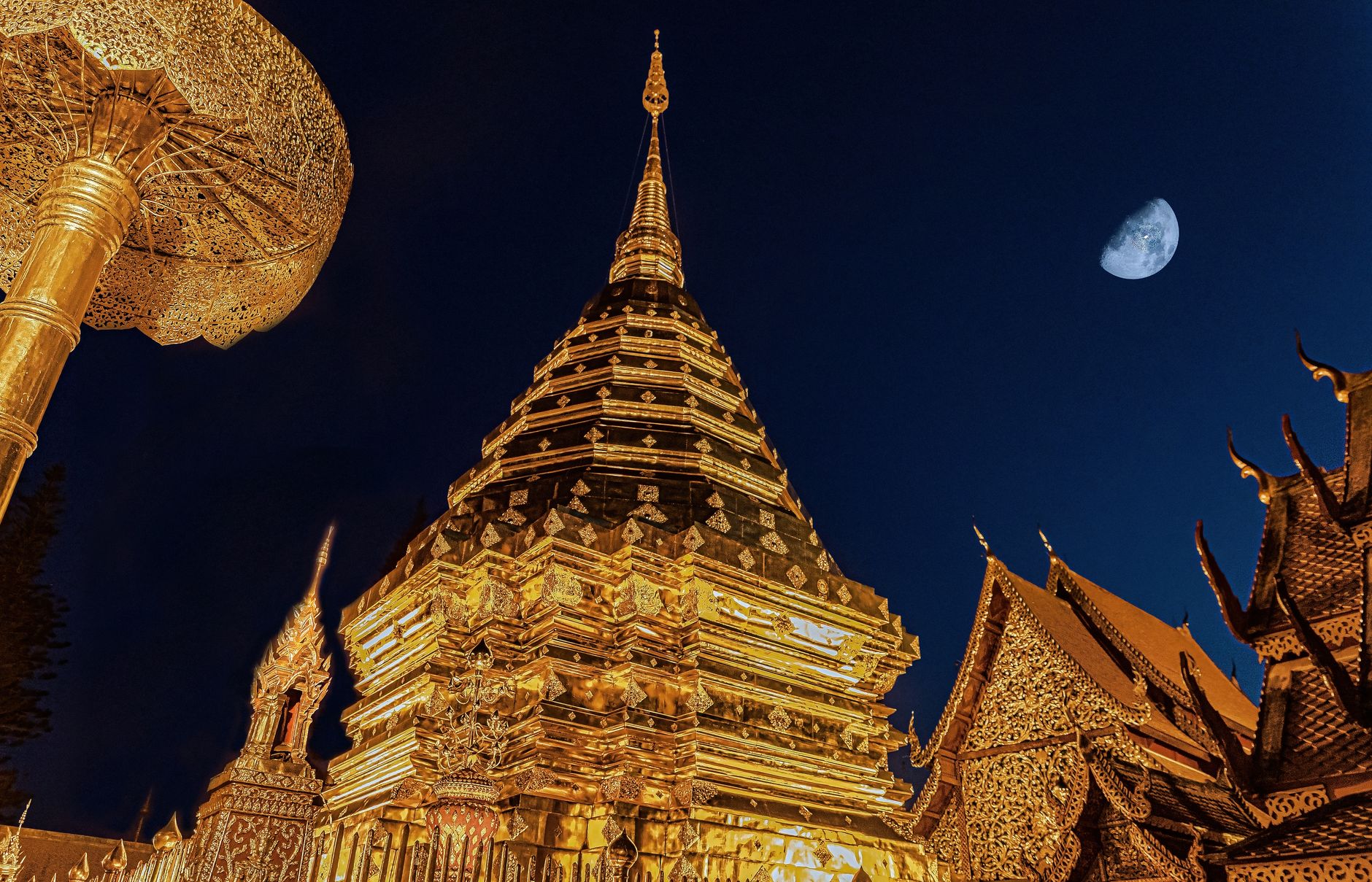 Photo by Alberto Capparelli via Pexels
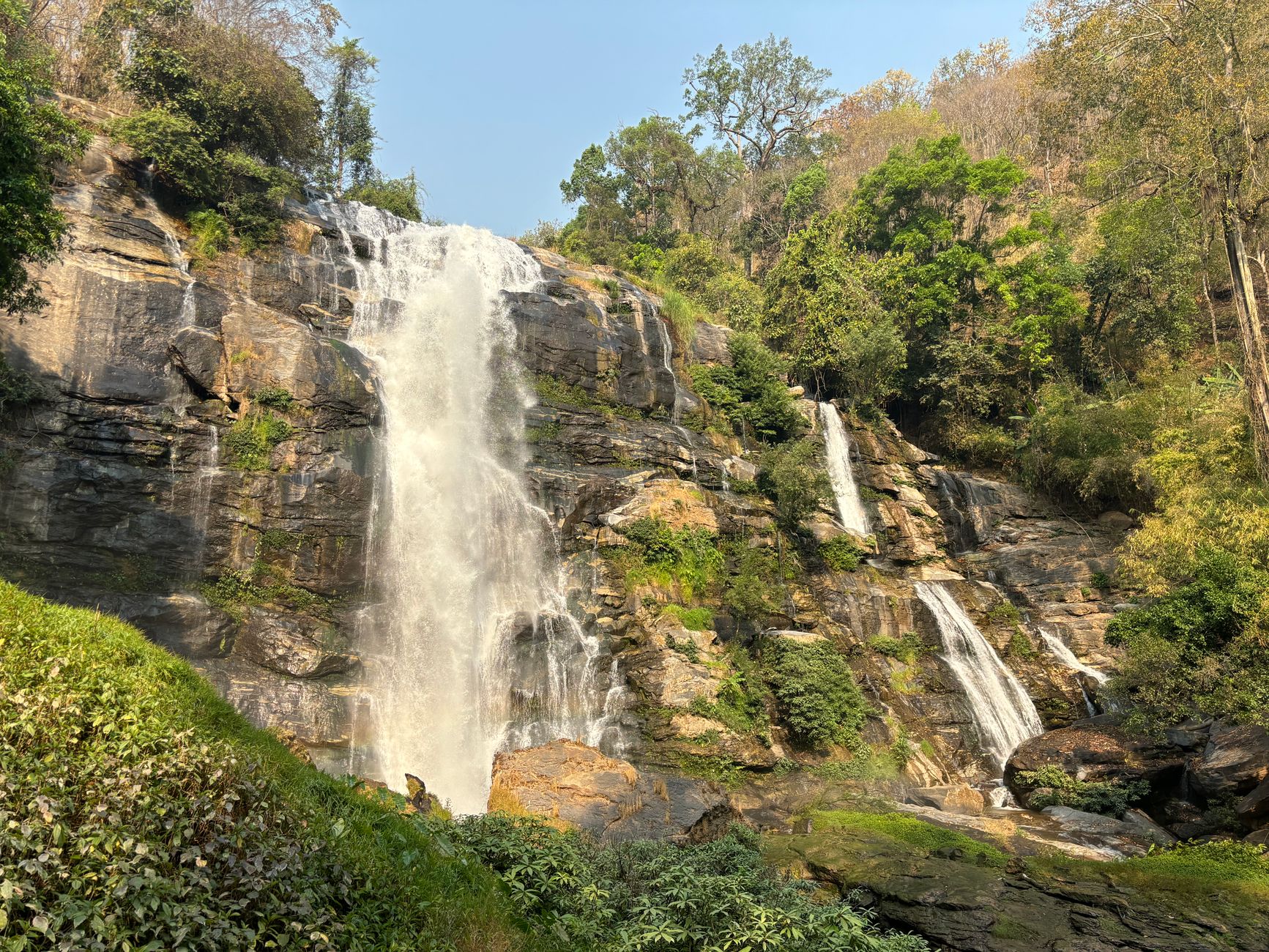 Photo by Messy Moe via Pexels
Wat Phra That Doi Suthep
Climb the three-hundred-step naga staircase, or take the funicular, to the golden temple on the mountain above town, founded in 1383 around a Buddha relic. About €1 entry and a shared songthaew from the zoo gate; go before nine for the view without the haze.
Wat Pha Lat by the Monk's Trail
Walk thirty to forty minutes up the path the monks still use daily, through bamboo forest past a trickling waterfall, to a jungle temple reachable only on foot. Free, and almost nobody there before eight; the trail continues to Doi Suthep for the fit.
The Old City temple circuit
Wat Chedi Luang with its earthquake-shortened pagoda and the city pillar, Wat Phra Singh and Wat Chiang Man, all inside the moat and walkable in a morning. About €1 each where there is a fee, open from six.
Doi Inthanon
Drive ninety minutes south to Thailand's highest mountain, 2,565 metres, for the twin royal pagodas, the cloud forest and the hill-tribe villages. A day tour runs about €35; the summit is cold enough for a jacket in December.
The Kew Mae Pan trail
Walk three kilometres and two hours along the ridge below Doi Inthanon's summit for the country's best-rated panorama, with a mandatory local Hmong guide at about €5 per group. Open from six in the dry season; closed June to October.
A jungle trek with a village night
Two days and a night in a hill village out of Mae Taeng or Mae Wang, the thing people name as the highlight of their whole trip. About €60 all in with a guide, meals and the bamboo raft on the way back; book with a licensed operator in town.
The neighbourhoods of Chiang Mai
Old City
Moat, temples, cheap beds
The moated square: temples on every block, guesthouses, cafés and the Sunday Walking Street through the middle. The backpacker heart and the cheapest beds in town. For first visits and anyone doing the temples on foot.
Everything walkable inside the moat, and the same tourist face on every street.
Tha Phae Gate
East wall, festivals start here
The east gate and the streets just outside it: parades, Songkran and the Sunday market all start here, and the tour desks and cafés cluster on Ratchadamnoen. For short first stays that want the centre of everything.
The centre of every event, and the noise that comes with it.
Nimman
Design cafés, rooftop bars, nomads
Modern, moneyed and hip, west of the moat by the university: cafés built for laptops, rooftop bars, malls and the remote-work scene. For long stays and second visits; it is under the flight path and priced above the rest.
The best cafés and evenings in the north, and a premium with planes over it.
Santitham
Local, cheap, unpolished
Between Nimman and the north wall, a residential grid filling with long-stayers priced out of Nimman, with the best cheap eating in the city. For a month, not a weekend, and for anyone who wants Thai neighbours.
Nimman's prices halved, and a twenty-minute walk to either centre.
Night Bazaar & Chang Klan
Dead by day, dense after six
East of the moat: the souvenir market, the beer bars and clubs on Loi Kroh, and everything from guesthouses to five-star towers. For nightlife and for people who want a hotel with a pool near the centre.
A hotel pool and the market outside, and nothing to do until dark.
Riverside
Waterside resorts, spa quiet
The east bank of the Ping: waterside restaurants, spas and the resort hotels, ten minutes from the centre by tuk-tuk. For families and couples who want calm and a garden; few budget beds here.
Calm and a garden by the river, and a ride for every meal in town.
See every Chiang Mai neighbourhood on one map
Save the areas you like and Stippl plots your days so you're not crossing the city twice.
Where to stay in Chiang Mai
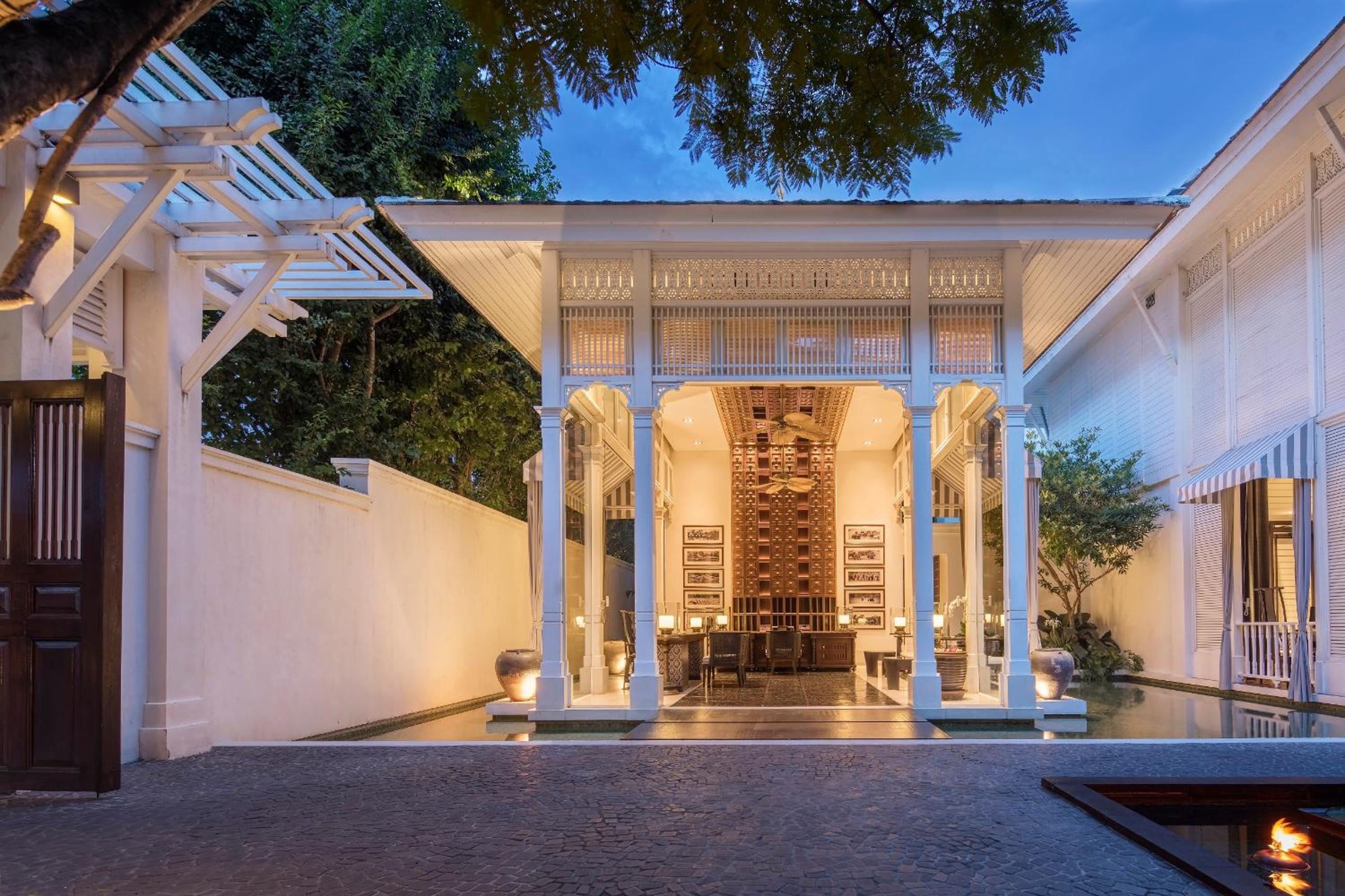
Stay inside the Old City walls for a first visit: it is the cheapest area, dense with hostels and guesthouses, and every main temple is walkable, which saves the transport budget as well as the room rate. Most people give Chiang Mai 3 nights on Stippl. Book well ahead for Yi Peng in November and the Christmas peak; outside those, a few days' notice is plenty.
Old City
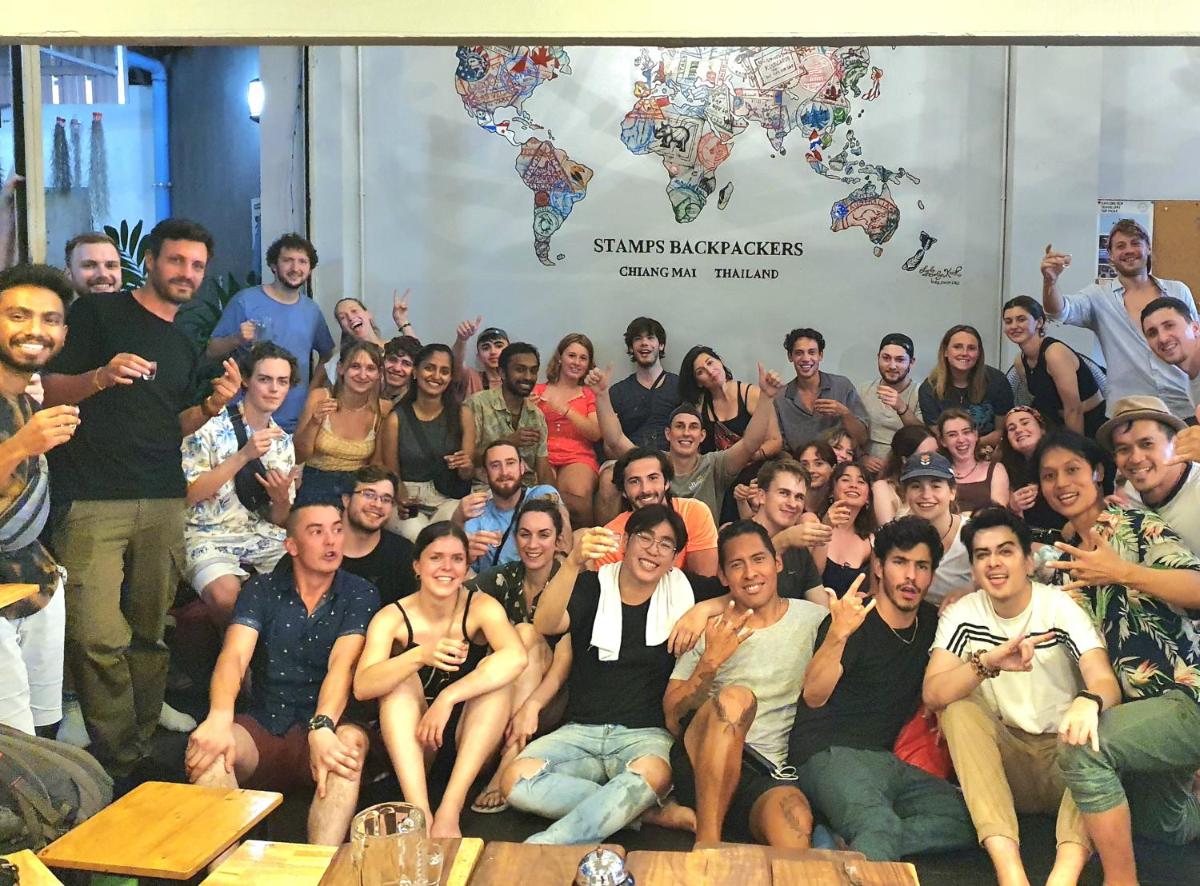
Hostels and guesthouses in low-rise houses, dorms €6 to €7, privates €13 to €23; nothing with a real pool.
Tha Phae Gate
Boutique hotels and mid-range guesthouses around the gate, €25 to €60, the handiest base for the Sunday market.
Nimman
Serviced condos, boutique hostels and apartments at a premium, €30 to €90, the remote-work choice.
Santitham
Cheaper apartments and family guesthouses, €15 to €40, for a month rather than a weekend.
Night Bazaar & Chang Klan
Mid-range hotels with pools around €50, up to five-star towers at €90 and more.
Riverside
Resort hotels and spa villas on the Ping, €60 to €150, ten minutes from the centre by tuk-tuk.


What to eat in Chiang Mai
the signature northern dish: egg noodles in coconut curry broth, crisp fried noodles on top, pickled greens and lime alongside
coiled northern pork sausage with turmeric, lemongrass, kaffir lime and chilli
green chilli dip with parboiled vegetables and pork crackling
the tomato-and-pork chilli dip variant
rich Burmese-influenced slow-cooked pork belly curry
stewed pork leg over rice with pickled greens and a soft-boiled egg
spicy minced-meat salad eaten with raw vegetables and sticky rice
sticky rice, a far more common staple in the north than elsewhere
Discover food spots in Stippl
Find restaurants and markets on the map, save them to your itinerary, works offline too.
Chiang Mai customs and what not to do
Lanna is not decorative
Chiang Mai was its own kingdom from 1296 with its own script, dialect and food, which is why Yi Peng happens here and not in Bangkok and why the menu looks unfamiliar.
Bhubing Palace is stricter
Shoulders covered but not by a scarf, trousers or a skirt below mid-calf, and voices down; the temple sarong will not get you in here.
Monk Chat is a conversation
Sign in, dress covered and talk; it is not a photo opportunity, and women hand nothing directly to a monk.
Prison massage is not a sight
The programme at the women's correctional institution is a rehabilitation scheme whose participants keep their wages; book it, do not photograph it.
Sanctuary is a marketing word
Every operator calls itself one; the test is no riding, no tricks, no bathing and no shows. Tiger Kingdom, the Night Safari and the long-neck villages fail it.
Do
- Name a landmark rather than a street address when you flag a songthaew, and agree the fare first
- Wear an N95 or FFP2 mask outdoors between February and mid-April, and check a live air index before any mountain plan
- Book the elephant sanctuary, trek or cooking class before the days around them; the good ones fill first
- Sign up for Monk Chat at Wat Suan Dok or Wat Chedi Luang, dressed for the temple
Don't
- Hand over your passport as a rental deposit; a photocopy plus cash is the arrangement
- Ride a scooter you would not be licensed for at home
- Swallow Songkran water; much of it comes out of the moat
- Take a tuk-tuk driver's free ride or gem-shop detour
What a Chiang Mai trip costs
Backpacker
€10–26
Dorm or fan room, street food and markets, songthaews, mostly free sights.
Mid-range
€30–50
Private room or small hotel, a rented scooter, cafés, one paid activity most days.
Comfortable
€55+
Boutique or pool hotel, restaurants, Grab everywhere, guided day trips.
Track what you actually spend
Set a daily budget per country and log expenses in any currency while you travel.
Fun facts about Chiang Mai
Chiang Mai was founded in 1296 as the capital of the Lanna kingdom. Lanna stayed separate from Siam until the late 1800s, which is why the architecture, script, food and festivals still differ from the rest of Thailand.
The old city is a near-perfect square, 1.5 kilometres on each side. The moat and the remains of the brick wall still mark it, and everything inside it is walkable.
Wat Chedi Luang's stupa stood about 80 metres tall until an earthquake in 1545. The quake took the top off it and left roughly 60 metres, which is still the tallest structure in the old city.
Doi Suthep's site was chosen by a white elephant, according to the legend. The animal carried a Buddha relic up into the jungle, trumpeted three times and died on the spot where the temple was built.
The rocks at Bua Tong are climbable because of a geological accident. Mineral-rich spring water leaves a deposit that stops algae growing, so the wet limestone grips like sandpaper.
Northern Thailand's coffee farms exist because of a royal project against opium. It paid hill-tribe farmers premium prices to replace the poppy with arabica, and the city's café scene is the result.
Thai National Elephant Day falls on 13 March. It has been observed since 1998, and the sanctuaries around Chiang Mai mark it with fruit buffets for the animals.
Local tips for Chiang Mai
Songthaews are the local system
The red pickups with two bench seats work as shared taxis: flag one down, name a landmark rather than an address, and pay about €0.80 in town. Grab is the tool for an exact address.
Skip the tuk-tuk here
It is slower and dearer than both the songthaew and Grab, and not the routine option it is in Bangkok. Everything inside the moat is walkable anyway.
Do not learn to ride here
The traffic is chaotic and four in five road deaths in Thailand are motorcyclists. The shop's willingness is not a licence: without the right class on your IDP the insurance will not pay.
Keep your passport
No rental shop needs it as a deposit and it is not legal to hold it; leave a photocopy and a cash deposit. Photograph the bike for damage before you ride off.
How long to stay
Most people give Chiang Mai 3 nights on Stippl: the old city and Doi Suthep, a day trip or a trek, and the Sunday market if the dates work.
March air is a health risk
From February to mid April the burning season doubles the hospital's respiratory admissions. Check a live reading, not the forecast, and skip the month if you have asthma.
Chiang Mai questions, answered
Put it after Bangkok and before the islands, and give the day trips days of their own rather than bolting them onto temple days. Lay the northern stops out in Stippl and read the nights per stop rather than the number of places. Then show the route to people who have ridden the loop, in subreddits like r/ThailandTourism or the Facebook groups.
About two in five: 40.2% of Thailand trips planned on Stippl have a Chiang Mai stop in them. It anchors the northern half of a Thailand route rather than sitting off to the side of it, which is why the loop out to Pai and Mae Hong Son almost always gets planned from here.
A stay, and clearly so: only 14.8% of Chiang Mai stops planned on Stippl are a single night. The Old City temples take a full day on their own, and everything people come back talking about is an hour or more out of town, so one night buys you the moat and nothing beyond it.
Doi Inthanon for the mountain, walking the Kew Mae Pan ridge, which closes each rainy season from June through October. A jungle trek with an overnight in a hill village if you would rather walk than be driven. Not Chiang Rai: six hours in a vehicle for one temple is a bad trade.
March, and the first half of April. That is peak burning season across the north, when smoke settles in the valley and the mountain views the day trips exist for are simply not there. If those are your dates, the coasts are the honest substitute and the north will wait.
Further ahead than you probably expect. Travellers leave 85 days between planning a Chiang Mai stop on Stippl and arriving, which is close to three months. Cool-season beds around Tha Phae Gate and in Nimman go early, and the treks and cooking classes fill on the day itself.
Every guide is written by the Stippl editors and checked against the trips our travellers actually plan. Spotted something out of date? Let us know.

Plan Chiang Mai in Stippl
Day-by-day planning, stays and budget in one app, with every place from this guide already on the map.
Download the app