

Chiang Mai
Chiang Mai es la ciudad grande más barata de Tailandia, y es Lanna más que un segundo Bangkok. Una noche en un pueblo de montaña después de un trekking en la jungla, la montaña más alta del país, y sus mejores clases de cocina.
Chiang Mai en pocas palabras
Chiang Mai: qué esperar
Esto es lo que 161.000+ paradas planeadas en la ciudad dicen sobre Chiang Mai en Stippl.
Chiang Mai es una base más que una parada, y lo que haces aquí se decide por adónde conduces. Dentro del foso el Casco Antiguo se recorre de punta a punta: Wat Chedi Luang con su pagoda acortada por el terremoto, Wat Phra Singh, Wat Chiang Man y el teak Wat Phan Tao. Sobre el pueblo se encuentra Wat Phra That Doi Suthep, y Wat Pha Lat, accesible a pie por el Monk's Trail a través del bambú, es el que la gente comenta después. La mayoría de viajeros dan al ciudad 3 noches en Stippl.
Chiang Mai es una ciudad de mitad de ruta, y los planes son enfáticos al respecto. El 91,7% de las paradas de Chiang Mai planeadas en Stippl se encuentran en el medio de una ruta en lugar de en los extremos. La gente viene al norte deliberadamente, normalmente después de Bangkok, y el circuito hacia Pai, Mae Hong Son y Chiang Rai se construye desde aquí en lugar de alrededor de ella.
Cuatro o cinco noches es la duración honesta una vez que quieres las excursiones de un día, y tres es la versión comprimida. Doi Inthanon toma un día completo para la cresta Kew Mae Pan y los pagodas reales gemelos, un trekking en la jungla con una noche en un pueblo de montaña toma dos, y una clase de cocina o las cataratas sticky de Bua Tong llenan media. Reserva un domingo para la Walking Street en Rachadamnoen, come khao soi temprano porque los puestos cierran antes de la cena, y evita marzo: la temporada de quemas es lo único que arruina el viaje.
Planifica Chiang Mai en Stippl
Planificación día a día, alojamientos y presupuesto en una sola app, con cada lugar de esta guía ya en el mapa.
Descargar la appPara quién es Chiang Mai
Visitantes de Tailandia por primera vez
El Casco Antiguo pone templos, mercados, comida y agencias de reservas dentro de un cuadrado caminable, y todo el menú del norte de excursiones de un día comienza en la puerta.
Viajeros de cultura y templos
Una historia Lanna distinta en lugar de una segunda porción de Bangkok, más charlas con monjes y cursos de meditación que pocas otras ciudades tailandesas ofrecen.
Gente de aventura y aire libre
Trekking en la jungla en cuatro áreas distintas, la montaña más alta de Tailandia, cataratas que puedes escalar, y el circuito de motos más conocido del país.
Viajeros motivados por la comida
La gastronomía tailandesa del norte apenas existe en el extranjero, y la oferta de clases de cocina aquí es la mejor del país.
Mochileros de presupuesto
Chiang Mai es la ciudad grande más barata de Tailandia: dormitorios, comida callejera, songthaews y templos gratuitos se apilan en un gasto diario muy bajo.
Viajeros de larga estancia y nómadas digitales
La mayoría de la gente le da 3 noches y muchos se quedan meses: apartamentos baratos, densa infraestructura de cafeterías y co-working, y una comunidad extranjera establecida.
Puede que no sea para ti: cualquiera que viaje en marzo o principios de abril, cuando el aire es el problema definidor de la ciudad y la costa es el sustituto honesto; viajeros de fiesta, porque los bares cierran a medianoche; viajeros de playa, porque no hay costa; y viajeros de fin de semana, porque la ciudad merece una semana.
El mejor momento para visitar Chiang Mai
Fresco y seco
Noviembre a enero
La época alrededor de la cual se planifica la ciudad: días cálidos, noches frescas, casi sin lluvia y aire limpio. También la ventana más concurrida y cara.
Temporada de quemas
Febrero a mediados de abril
La quema de cosechas y bosques en el norte llena el valle de humo, peor en marzo. Se superpone a la estación nacional seca, que es por qué la regla nacional de noviembre a marzo no se cumple aquí.
Caluroso
Marzo a mayo
Abril es el mes más caluroso y cuarenta grados no es inusual; los días de templo se vuelven agotadores y el humo se asienta en la primera mitad.
Lluvioso
Mayo a octubre
Tormentas cortas pesadas por la tarde más que llovizna todo el día, más lluvia en agosto y septiembre. Los precios más bajos, las multitudes más finas y las cataratas más fuertes, contra senderos fangosos.
- En marzo y principios de abril no planifiques viajes basados en miradores o trekking. Todo lo que ofrece Doi Inthanon, el mirador de Doi Suthep y la cresta de Mae Rim depende de la vista, y la vista desaparece; las cataratas, las clases de cocina y la Ciudad Antigua siguen funcionando.
- Enero es el mes para el que más viajeros planifican Chiang Mai en Stippl, unos 85 días antes. Solo el 10,7% de los planes se hacen dentro de dos semanas, y enero suele estar despejado antes de que comience la quema.
- Loy Krathong y Yi Peng coinciden en una fecha de noviembre que varía según el calendario lunar, y la ciudad se agota. El lanzamiento masivo de linternas de las fotografías es un evento pagado fuera de la ciudad; el festival gratuito de la ciudad está en el río y el foso.
- Songkran aquí es el más importante del país, del 13 al 15 de abril en la carretera del foso y la puerta Tha Phae. En la práctica dura casi una semana, y la estación de quema suele estar aún en el aire.
- Las noches de estación fresca bajan a catorce grados, y la cumbre de Doi Inthanon es diez grados más fría que la ciudad. Una forro polar merece estar en la maleta de diciembre a febrero, y sorprende a quienes llegan desde las islas.
- Las lluvias eliminan el humo en pocos días, generalmente de finales de abril a principios de mayo. De mayo en adelante es seguro planificar, finales de abril es una apuesta, y una mascarilla debe ser N95 o FFP2 para que sirva de algo.
Añade tus fechas para Chiang Mai y te avisamos del tiempo
Stippl muestra la temporada, la afluencia y los precios de cada parada de tu ruta.
Describe tu viaje y obtén un itinerario de Chiang Mai en segundos
Todo lo de esta guía ya está en Stippl. Dile al planificador cuánto tiempo tienes y qué te gusta: construye la ruta, los días y los tiempos de viaje, y tú editas lo que quieras.
Cosas que hacer en Chiang Mai


Wat Phra That Doi Suthep
Sube los escalones de naga de trescientos escalones, o toma el funicular, al templo dorado en la montaña encima de la ciudad, fundado en 1383 alrededor de una reliquia de Buda. Alrededor de €1 de entrada y un songthaew compartido desde la puerta del zoológico; ve antes de las nueve para la vista sin la neblina.
Wat Pha Lat por el Monk's Trail
Camina treinta a cuarenta minutos por el sendero que los monjes aún usan diariamente, a través del bosque de bambú pasando una pequeña cascada, a un templo de selva accesible solo a pie. Gratis, y casi nadie allí antes de las ocho; el sendero continúa a Doi Suthep para los que están en forma.
El circuito de templos de la Ciudad Antigua
Wat Chedi Luang con su pagoda acortada por terremoto y el pilar de la ciudad, Wat Phra Singh y Wat Chiang Man, todos dentro del foso y accesibles a pie en una mañana. Alrededor de €1 cada uno donde hay tarifa, abiertos desde las seis.
Doi Inthanon
Conduce noventa minutos hacia el sur a la montaña más alta de Tailandia, 2.565 metros, para las pagodas reales gemelas, la nube bosque y los pueblos de tribus de montaña. Un tour de día cuesta alrededor de €35; la cumbre es lo suficientemente fría para una chaqueta en diciembre.
El sendero Kew Mae Pan
Camina tres kilómetros y dos horas a lo largo del ridge debajo de la cumbre de Doi Inthanon para el panorama mejor calificado del país, con una guía local Hmong obligatoria alrededor de €5 por grupo. Abierto desde las seis en la estación seca; cerrado de junio a octubre.
Una caminata en la selva con una noche en el pueblo
Dos días y una noche en un pueblo de montaña fuera de Mae Taeng o Mae Wang, la cosa que la gente nombra como lo destacado de todo su viaje. Alrededor de €60 todo incluido con guía, comidas y la balsa de bambú de regreso; reserva con un operador autorizado en la ciudad.
Los barrios de Chiang Mai
Old City
Foso, templos, camas baratas
El cuadrado amurallado: templos en cada cuadra, hospedajes, cafeterías y la Walking Street de domingo por el medio. El corazón de los mochileros y las camas más baratas de la ciudad. Para primeras visitas y cualquiera que haga los templos a pie.
Todo caminable dentro del foso, y la misma cara turística en cada calle.
Tha Phae Gate
Muralla este, los festivales comienzan aquí
La puerta este y las calles justo afuera: desfiles, Songkran y el mercado de domingo todos comienzan aquí, y los escritorios de tours y cafeterías se agrupan en Ratchadamnoen. Para estancias cortas en primeras visitas que quieren el centro de todo.
El centro de cada evento, y el ruido que conlleva.
Nimman
Cafés de diseño, bares en azotea, nómadas
Moderno, adinerado e hipster, oeste del foso junto a la universidad: cafeterías construidas para laptops, bares en azotea, centros comerciales y la escena de trabajo remoto. Para estancias largas y segundas visitas; está bajo la ruta de vuelos y con precios más altos que el resto.
Los mejores cafés y veladas del norte, y un sobreprecio con aviones volando.
Santitham
Local, barato, sin pulir
Entre Nimman y la muralla norte, una cuadrícula residencial llena de viajeros de larga estancia desplazados de Nimman, con la mejor comida barata de la ciudad. Para un mes, no un fin de semana, y para cualquiera que quiera vecinos tailandeses.
Los precios de Nimman reducidos a la mitad, y a veinte minutos de cualquier centro.
Night Bazaar & Chang Klan
Muerto de día, denso después de las seis
Este del foso: el mercado de recuerdos, los bares de cerveza y clubes en Loi Kroh, y todo desde hospedajes hasta torres de cinco estrellas. Para la vida nocturna y para personas que quieren un hotel con piscina cerca del centro.
Una piscina de hotel y el mercado afuera, y nada que hacer hasta oscurecer.
Riverside
Resorts junto al agua, spa tranquilo
La orilla este del Ping: restaurantes junto al agua, spas y hoteles resorts, diez minutos del centro en tuk-tuk. Para familias y parejas que quieren calma y un jardín; pocas camas de presupuesto aquí.
Calma y un jardín junto al río, y un paseo para cada comida en la ciudad.
Consulta todos los barrios de Chiang Mai en un solo mapa
Guarda las zonas que te gusten y Stippl organiza tus días para que no cruces la ciudad dos veces.
Dónde alojarse en Chiang Mai
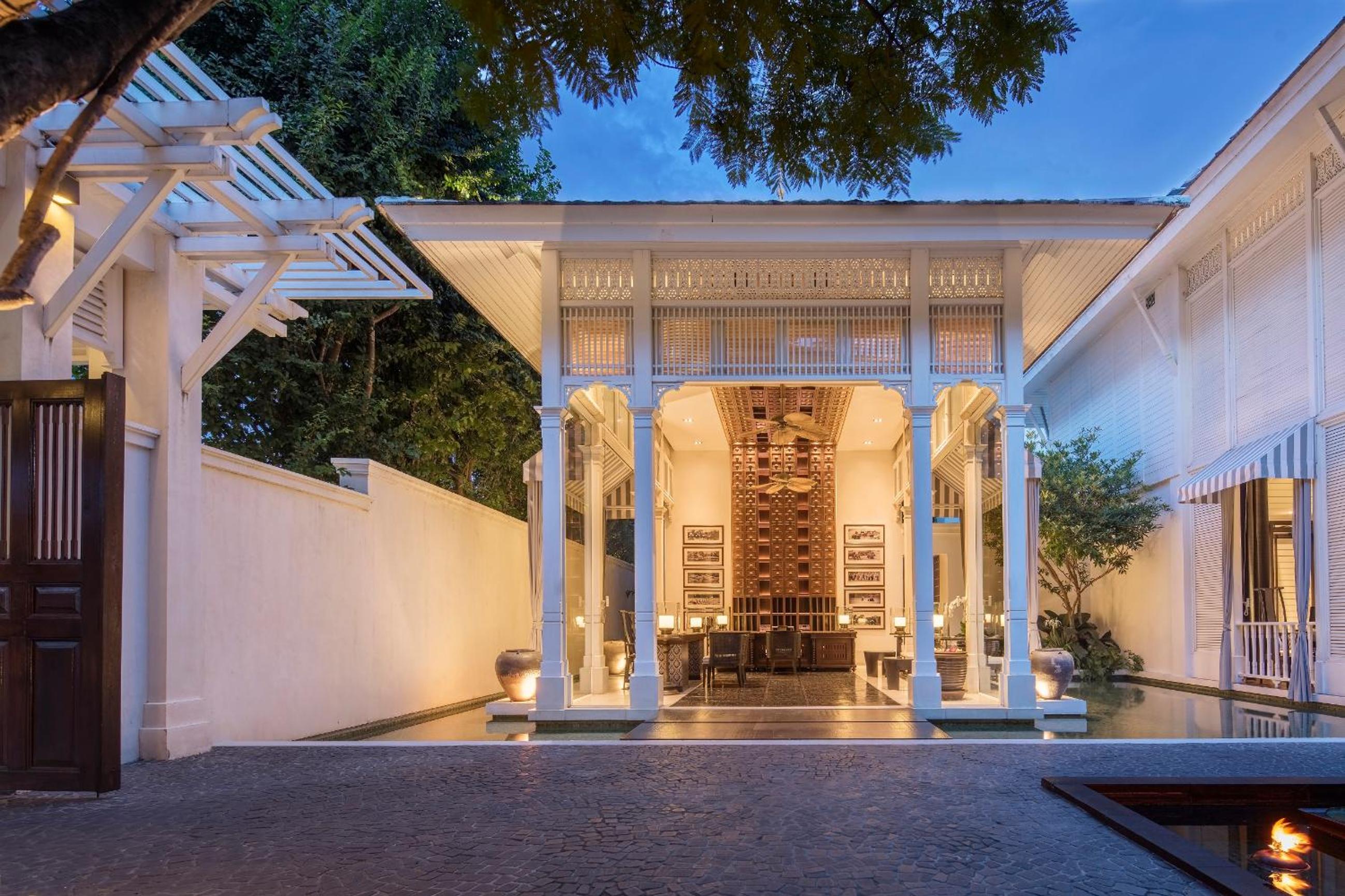
Quédate dentro de las murallas de la Ciudad Antigua para una primera visita: es el área más barata, densa con hostales y casas de huéspedes, y todos los templos principales son accesibles a pie, lo que ahorra el presupuesto de transporte además de la tarifa de habitación. La mayoría de las personas dan a Chiang Mai 3 noches en Stippl. Reserva con anticipación para Yi Peng en noviembre y el pico navideño; fuera de eso, un aviso de algunos días es más que suficiente.
Ciudad Antigua
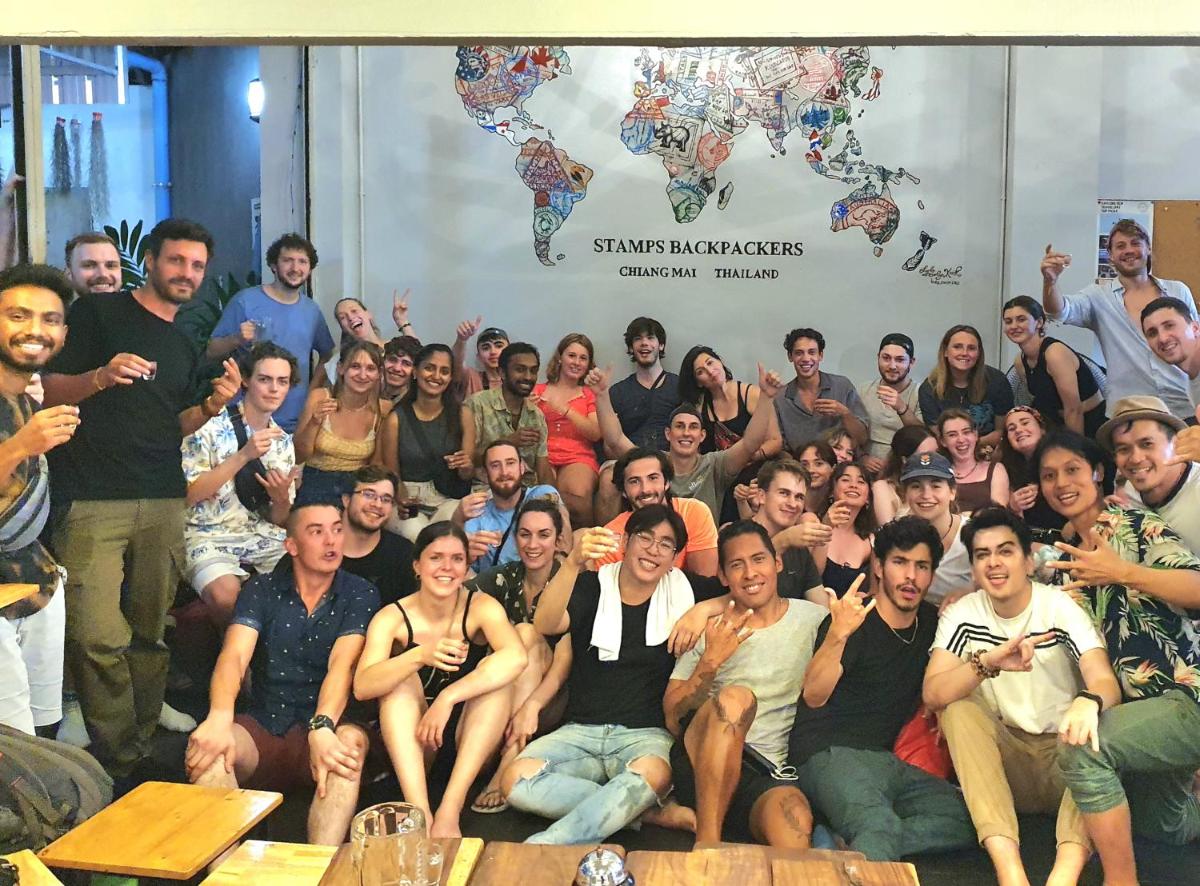
Hostales y casas de huéspedes en casas bajas, dormitorios €6 a €7, privados €13 a €23; nada con una piscina real.
Tha Phae Gate
Hoteles boutique y casas de huéspedes de rango medio alrededor de la puerta, €25 a €60, la base más práctica para el mercado del domingo.
Nimman
Condominios de servicio, hostales boutique y apartamentos con prima, €30 a €90, la opción para trabajadores remotos.
Santitham
Apartamentos más baratos y casas de huéspedes familiares, €15 a €40, para un mes en lugar de un fin de semana.
Night Bazaar & Chang Klan
Hoteles de gama media con piscinas alrededor de €50, hasta torres de cinco estrellas a €90 y más.
Riverside
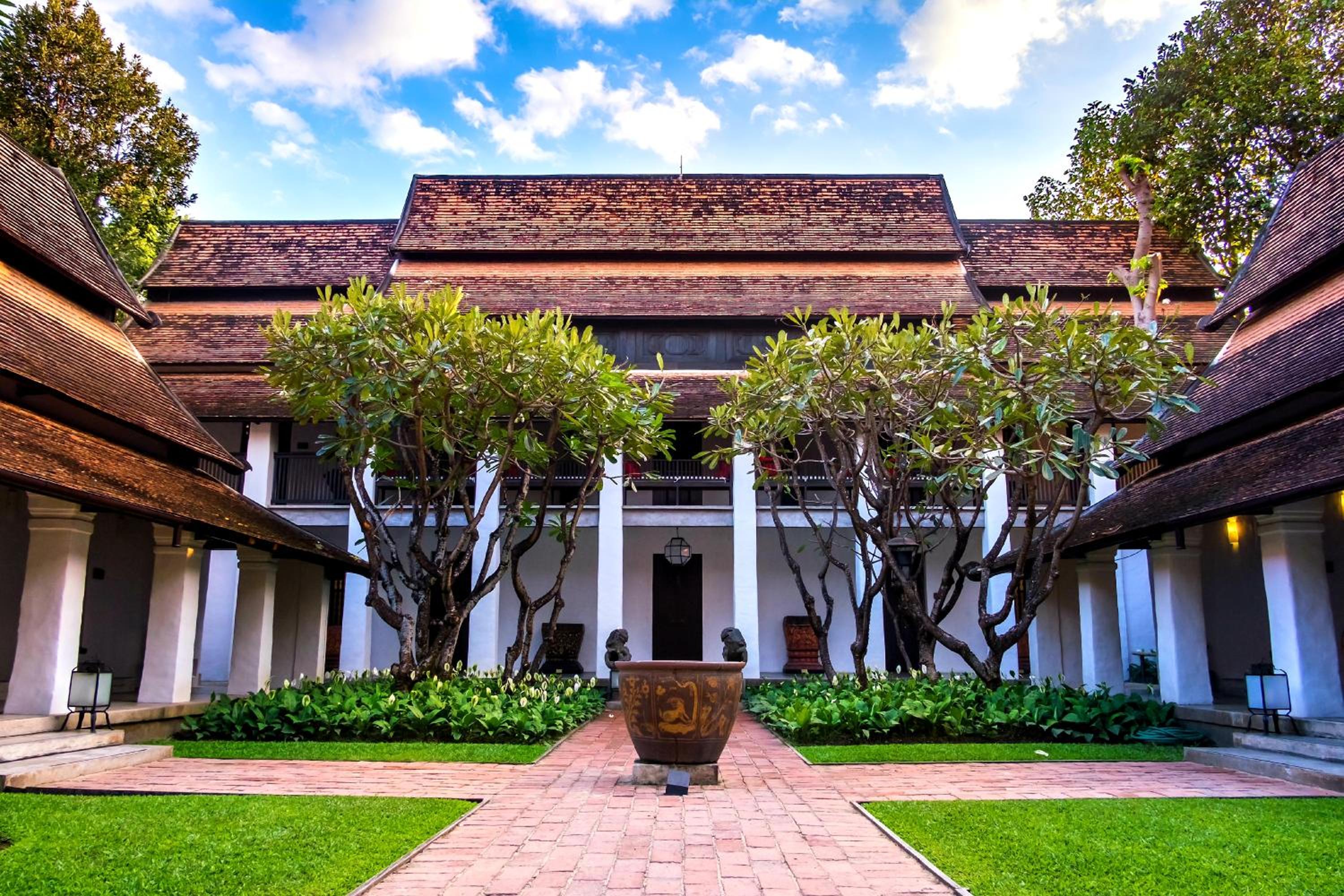
Hoteles resort y villas spa en el Ping, €60 a €150, a diez minutos del centro en tuk-tuk.


Qué comer en Chiang Mai
el plato distintivo del norte: tallarín huevo en caldo de curry de coco, tallarín frito crujiente encima, verduras encurtidas y lima al lado
salchicha de cerdo enrollada del norte con cúrcuma, hierba limón, lima kafir y chile
inmersión de chile verde con verduras escaldadas y chicharrón de cerdo
la variante de inmersión de chile de tomate y cerdo
rico curry de barriga de cerdo de cocción lenta influenciado por Birmania
muslo de cerdo guisado sobre arroz con verduras encurtidas y un huevo pasado por agua
ensalada de carne picada picante comida con verduras crudas y arroz pegajoso
arroz pegajoso, un alimento básico mucho más común en el norte que en otros lugares
Descubre sitios para comer en Stippl
Encuentra restaurantes y mercados en el mapa, guárdalos en tu itinerario, también funciona sin conexión.
Costumbres de Chiang Mai y qué no hacer
Lanna no es decorativa
Chiang Mai fue su propio reino desde 1296 con su propio alfabeto, dialecto y comida, por eso Yi Peng sucede aquí y no en Bangkok y por qué el menú se ve desconocido.
Bhubing Palace es más estricta
Hombros cubiertos pero no con un pañuelo, pantalones o falda hasta media pantorrilla, y voz baja; el sarong del templo no te dejará entrar aquí.
Monk Chat es una conversación
Firma, vístete cubierto y habla; no es una oportunidad para fotos, y las mujeres no le dan nada directamente a un monje.
El masaje carcelario no es una atracción
El programa en la institución correccional para mujeres es un esquema de rehabilitación cuyos participantes mantienen sus salarios; réservalo, no lo fotografíes.
Sanctuary es una palabra de marketing
Todos los operadores se llaman así; la prueba es sin paseos, sin trucos, sin baños y sin shows. Tiger Kingdom, el Night Safari y los pueblos de cuellos largos no lo superan.
Sí
- Nombra un lugar de referencia en lugar de una dirección de calle cuando detienes un songthaew, y acuerda la tarifa primero
- Usa una máscara N95 o FFP2 al aire libre entre febrero y mediados de abril, y verifica un índice de aire en vivo antes de cualquier plan de montaña
- Reserva el santuario de elefantes, la caminata o la clase de cocina antes de los días a su alrededor; los buenos se agotan primero
- Inscríbete en Monk Chat en Wat Suan Dok o Wat Chedi Luang, vestido para el templo
No
- Entrega tu pasaporte como depósito de alquiler; una fotocopia más efectivo es el arreglo
- Conducir un scooter para el que no estarías autorizado en casa
- Tragar agua de Songkran; mucha de ella proviene del foso
- Tomar un viaje gratis de un conductor de tuk-tuk o un desvío a tiendas de gemas
Lo que cuesta un viaje a Chiang Mai
Mochilero
€10–26
Dormitorio o habitación con ventilador, comida callejera y mercados, songthaews, atracciones principalmente gratuitas.
Rango medio
€30–50
Habitación privada o hotel pequeño, scooter alquilado, cafés, una actividad de pago la mayoría de los días.
Cómodo
€55+
Hotel boutique o con piscina, restaurantes, Grab en todas partes, excursiones de día guiadas.
Controla lo que gastas de verdad
Fija un presupuesto diario por país y registra gastos en cualquier moneda mientras viajas.
Curiosidades sobre Chiang Mai
Chiang Mai fue fundada en 1296 como capital del reino Lanna. Lanna se mantuvo separada de Siam hasta finales del siglo XIX, lo que explica por qué la arquitectura, el alfabeto, la comida y los festivales aún difieren del resto de Tailandia.
La ciudad antigua es un cuadrado casi perfecto, 1,5 kilómetros en cada lado. El foso y los restos de la muralla de ladrillo aún la marcan, y todo dentro de ella es accesible a pie.
La estupa de Wat Chedi Luang alcanzaba unos 80 metros de altura hasta que un terremoto en 1545. El terremoto le arrancó la parte superior y dejó aproximadamente 60 metros, que sigue siendo la estructura más alta de la ciudad antigua.
El sitio de Doi Suthep fue elegido por un elefante blanco, según la leyenda. El animal llevaba una reliquia de Buda hacia la selva, trompetó tres veces y murió en el lugar donde se construyó el templo.
Las rocas de Bua Tong son escalables por un accidente geológico. El agua de manantiales rica en minerales deja un depósito que evita que crezca algas, así que la piedra caliza mojada agarra como papel de lija.
Las granjas de café del norte de Tailandia existen por un proyecto real contra el opio. Pagaba a los agricultores de las tribus de montaña precios premium para reemplazar la amapola con arábica, y la escena de cafeterías de la ciudad es el resultado.
El Día Nacional del Elefante de Tailandia cae el 13 de marzo. Se ha observado desde 1998, y los santuarios alrededor de Chiang Mai lo marcan con buffets de frutas para los animales.
Consejos locales para Chiang Mai
Los songthaews son el sistema local
Las camionetas rojas con dos asientos de banco funcionan como taxis compartidos: detén una, nombra un lugar de referencia en lugar de una dirección, y paga alrededor de €0,80 en la ciudad. Grab es la herramienta para una dirección exacta.
Sáltate el tuk-tuk aquí
Es más lento y más caro que tanto el songthaew como Grab, y no es la opción de rutina que es en Bangkok. Todo dentro del foso es accesible a pie de todas formas.
No aprendas a conducir aquí
El tráfico es caótico y cuatro de cada cinco muertes en carretera en Tailandia son motociclistas. La disposición de la tienda no es una licencia: sin la clase correcta en tu IDP el seguro no pagará.
Guarda tu pasaporte
Ninguna tienda de alquiler lo necesita como depósito y no es legal retenerlo; deja una fotocopia y un depósito en efectivo. Fotografía la moto por daños antes de irte.
Cuánto tiempo quedarse
La mayoría de las personas dan a Chiang Mai 3 noches en Stippl: la ciudad antigua y Doi Suthep, un viaje de un día o una caminata, y el mercado del domingo si las fechas coinciden.
El aire de marzo es un riesgo para la salud
De febrero a mediados de abril, la temporada de quema duplica los ingresos respiratorios del hospital. Verifica una lectura en vivo, no el pronóstico, y sáltate el mes si tienes asma.
Preguntas sobre Chiang Mai, respondidas
Colócala después de Bangkok y antes de las islas, y dale días propios a los viajes de un día en lugar de añadirlos a los días de templos. Distribuye las paradas del norte en Stippl y lee las noches por parada en lugar del número de lugares. Luego muestra la ruta a personas que han hecho el circuito, en subreddits como r/ThailandTourism o en los grupos de Facebook.
Aproximadamente dos de cada cinco: el 40,2% de los viajes a Tailandia planeados en Stippl incluyen una parada en Chiang Mai. Ancla la mitad norte de una ruta por Tailandia en lugar de quedar al lado de ella, por eso el circuito a Pai y Mae Hong Son casi siempre se planifica desde aquí.
Una estancia, y claramente así: solo el 14,8% de las paradas en Chiang Mai planeadas en Stippl son de una sola noche. Los templos de la Ciudad Antigua ocupan un día completo por sí solos, y todo de lo que la gente vuelve hablando está a una hora o más fuera de la ciudad, así que una noche te compra el foso y nada más.
Doi Inthanon por la montaña, caminando por el ridge Kew Mae Pan, que se cierra cada estación de lluvias de junio a octubre. Una caminata en la selva con una noche en un pueblo de montaña si prefieres caminar que ir en vehículo. No Chiang Rai: seis horas en vehículo por un templo es un mal negocio.
Marzo y la primera mitad de abril. Esa es la temporada máxima de quema en el norte, cuando el humo se asienta en el valle y las vistas de montaña por las que existen los viajes de un día simplemente no están allí. Si esas son tus fechas, las costas son el sustituto honesto y el norte puede esperar.
Más adelante de lo que probablemente esperes. Los viajeros dejan 85 días entre planificar una parada en Chiang Mai en Stippl y llegar, lo que es casi tres meses. Los alojamientos de temporada fría alrededor de Tha Phae Gate y en Nimman se agotan rápidamente, y las caminatas y clases de cocina se llenan el mismo día.
Cada guía la escribe la redacción de Stippl y se contrasta con los viajes que nuestros viajeros planean de verdad. ¿Has visto algo desactualizado? Cuéntanoslo.

Planifica Chiang Mai en Stippl
Planificación día a día, alojamientos y presupuesto en una sola app, con cada lugar de esta guía ya en el mapa.
Descargar la app