
Osaka
Osaka supera a Tokio y Kioto en gastronomía en cada comparación directa, con camas más baratas que Kioto. Se queda despierta más tarde que cualquier otra lugar de Japón, y Kioto está a quince minutos.
Osaka en pocas palabras
Osaka: qué esperar
Todas las cifras aquí se extraen de más de 78,000 paradas planificadas en la ciudad en Stippl.
Osaka es donde Japón deja de ser educado acerca de la comida, y la ciudad está organizada en torno a eso. Dotonbori después del anochecer es la calle de comida más densa del país, con el letrero Glico corriendo sobre el canal desde los treinta, y Shinsekai llena sus mostradores de kushikatsu a primeras horas de la tarde. Alrededor de la comida está el parque del Castillo de Osaka, el Observatorio de Jardín Flotante en el Umeda Sky Building, al que se accede por una escalera mecánica a través del aire abierto entre dos torres, y Kuromon Ichiba, que es la cocina de la ciudad. La mayoría de los viajeros pasan 3 noches en Osaka en Stippl.
Dos de cada tres viajes a Japón incluyen Osaka, y casi nadie viene solo por ello. El 67,2% de los viajes a Japón planificados en Stippl incluyen Osaka, mientras que el 2,0% lo tienen como su único destino japonés. Kyoto está a quince minutos de distancia en shinkansen, así que los dos se planifican como una decisión sobre dónde dormir en lugar de dos destinos separados.
Dos o tres noches, y duerme aquí en lugar de en Kyoto si el presupuesto importa. Las camas son más baratas y el transporte es mejor, y un tren de quince minutos convierte los templos en un viaje diario en lugar de una mudanza. Dedica una noche a Dotonbori y otra a Shinsekai, mantén una mañana para el parque del castillo, y pon Universal Studios en un día propio si sucede. El aeropuerto de Kansai se encuentra en una isla artificial en la bahía, por eso volar a Tokio y salir de Osaka es la forma estándar.
Planifica Osaka en Stippl
Planificación día a día, alojamientos y presupuesto en una sola app, con cada lugar de esta guía ya en el mapa.
Descargar la appPara quién es Osaka
Amantes de la comida
Comer es el tema abrumador, y es la única categoría donde Osaka supera tanto a Tokio como a Kyoto en cada comparación directa.
Viajeros con presupuesto limitado
Camas más baratas que en Kyoto, más albergues, y una escena de comida callejera que hace que comer bien sea genuinamente barato en lugar de meramente soportable.
Cualquiera que use Kansai como base
Osaka está en el 67,2% de los viajes a Japón en Stippl: mejores conexiones ferroviarias que Kyoto, habitaciones más baratas, y Kyoto a quince minutos de distancia.
Viajeros de vida nocturna
La ciudad se queda despierta más tarde que cualquier otro lugar en Japón, y Dotonbori después de la medianoche es la prueba.
Familias
Universal Studios Japan, el acuario Kaiyukan y las atracciones de la bahía forman un grupo real en lugar de una dispersión.
Puede que no sea para ti: viajeros que vinieron a Japón por templos y jardines, ya que Kyoto está a quince minutos y lo hace mejor; y cualquiera que quiera tranquilidad, que Osaka no ofrece a ninguna hora.
El mejor momento para visitar Osaka
Otoño
Octubre y Noviembre
El favorito claro: más fresco, más seco, menos visitantes y colores comparables a la primavera.
Floración y estación verde
finales de marzo a principios de junio
Las multitudes y precios suben con la floración hasta que la Semana Dorada la cierra; a partir de la segunda semana de mayo, la ciudad es cálida, agradable y mucho más vacía.
Lluvia y verano
Junio a Agosto
Junio es el mes más lluvioso del año en Osaka, luego hace calor y es húmedo con la temporada de festivales encima y Obon como el pico del turismo nacional.
Invierno
Diciembre a Febrero
Frío, seco y el tramo más tranquilo del año, con solo una baja probabilidad de nieve.
- El Tenjin Matsuri a finales de julio es uno de los tres grandes festivales de Japón. Un desfile terrestre, una procesión fluvial de barcos y fuegos artificiales alrededor de Osaka Tenmangu; el mes es fijo, las fechas se anuncian anualmente, así que confirma antes de reservar el hotel.
- Octubre es el mes que la mayoría de viajeros planean Osaka en Stippl, alrededor de 110 días antes. Solo el 8,8% de los planes de Osaka se hacen en menos de quince días, y octubre es también el mes en que Kioto se llena, a quince minutos.
- La primera semana de mayo es el tramo más concurrido de la primavera en Osaka. La Golden Week se extiende del 29 de abril al 5 de mayo y el país entero viaja; Obon, del 13 al 15 de agosto, hace lo mismo durante la semana más húmeda del año.
- Alrededor de Año Nuevo, del 29 de diciembre a principios de enero, los restaurantes y atracciones cierran durante aproximadamente una semana. El transporte se agota para los mismos días, así que una ciudad gastronómica es el lugar equivocado para pasar esos días.
Añade tus fechas para Osaka y te avisamos del tiempo
Stippl muestra la temporada, la afluencia y los precios de cada parada de tu ruta.
Describe tu viaje y obtén un itinerario de Osaka en segundos
Todo lo de esta guía ya está en Stippl. Dile al planificador cuánto tiempo tienes y qué te gusta: construye la ruta, los días y los tiempos de viaje, y tú editas lo que quieras.
Cosas que hacer en Osaka


Dotonbori después del anochecer
Párate bajo el letrero Glico, corriendo sobre el canal desde 1935, y come tu camino a lo largo de las calles circundantes, la escena de comida más densa de Japón. Takoyaki y kushikatsu de los puestos cuestan unos pocos euros por plato.
Castillo de Osaka y su parque
Sube al keep para la vista sobre los fosos; el edificio es una reconstrucción de hormigón, y los terrenos son la razón por la que venir, especialmente en la primera semana de abril cuando están los árboles de cerezo. Permite dos horas y €4 por el keep.
Umeda Sky Building
Monta la escalera mecánica transparente a través del aire abierto entre las dos torres al Observatorio Floating Garden, alrededor de €9, y ve al atardecer para las luces de la ciudad. Veinte minutos a pie desde la estación de Osaka.
Shinsekai y Tsutenkaku
Camina por el distrito retro bajo la torre por la noche temprana, cuando se llenan los mostradores de kushikatsu y enciende el neón. Una regla de inmersión: nunca sumerjas una brocheta dos veces.
Universal Studios Japan
El boleto más grande de la ciudad, alrededor de €55 por día, con las áreas de Nintendo y Harry Potter necesitando una entrada programada a través de la aplicación en días ocupados. Reserva el pase express para un fin de semana; un día de semana en la temporada baja no necesita ninguno.
Abeno Harukas 300
Toma el ascensor a la cubierta de 360 grados del edificio más alto de Japón, alrededor de €10; el piso dieciséis es gratis y ya da una vista. El Edge walk a lo largo de un borde exterior de veinte metros es para personas a las que les gusta ese tipo de cosas.
Los barrios de Osaka
Namba & Dotonbori
El corazón ruidoso, neón del canal
El letrero Glico sobre el canal, una sucesión ininterrumpida de puestos de takoyaki e izakaya, y la arcada Shinsaibashi detrás, con la mayor densidad de hostales de la ciudad. Para primeras visitas y cualquiera que viniera a comer.
Todo por lo que Osaka es famosa en la puerta, y sin tranquilidad después del oscurecer.
Shinsaibashi & Amerikamura
Arcada, vintage, murales
La arcada cubierta que abre a Amerikamura, el barrio de contracultura con tiendas vintage, streetwear, murales y mercadillos de fin de semana alrededor de Sankaku Park. Para compradores y para menores de treinta años.
Las mejores compras y la multitud más joven, y el ruido de Namba a una calle de distancia.
Umeda
Torres, tiendas departamentales, todas las líneas
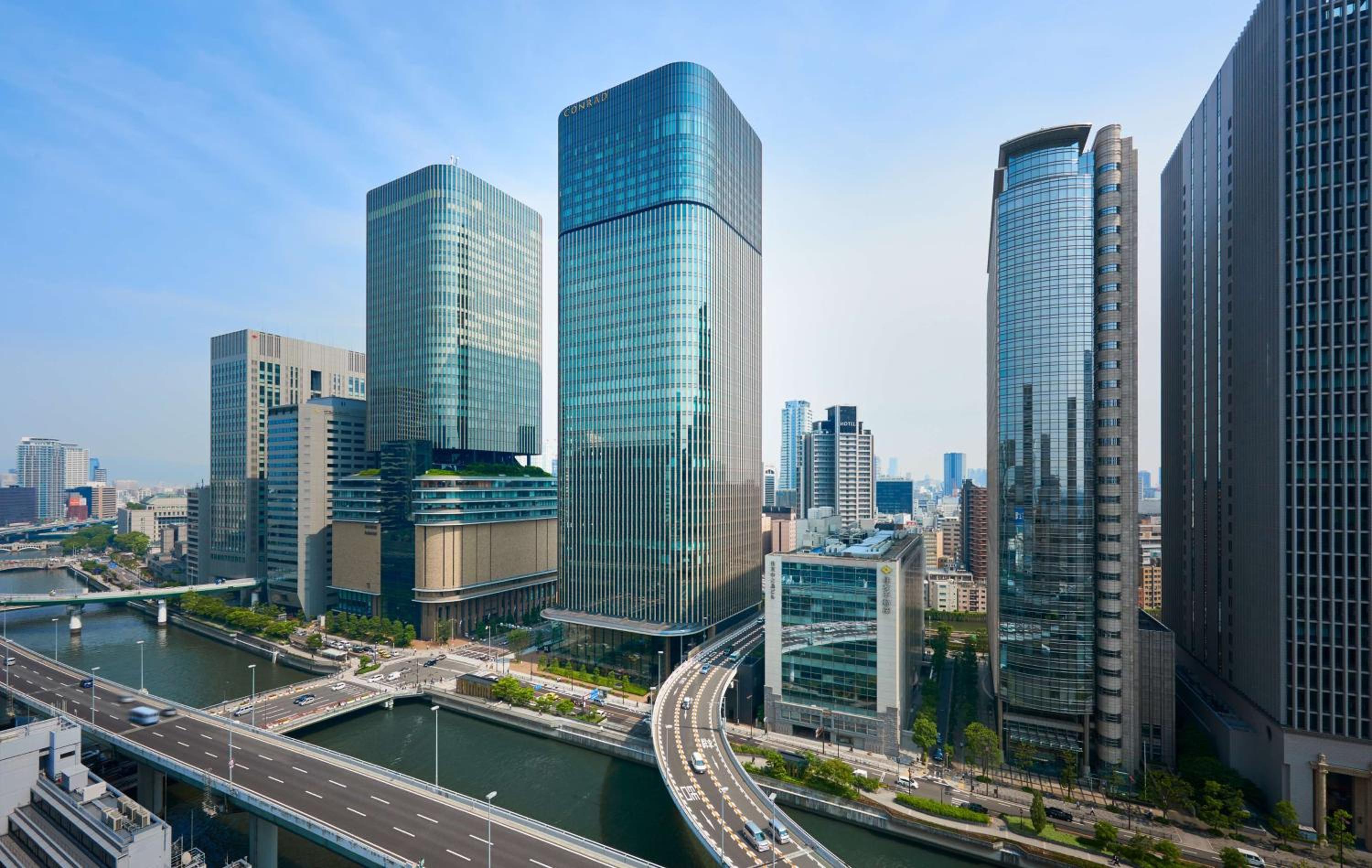
Rascacielos, tiendas departamentales, el observatorio flotante del Sky Building y un laberinto comercial subterráneo, con JR, Hankyu, Hanshin y la línea Midosuji convergiendo. Para excursionistas a Kioto y Kobe y para hoteles de negocio.
Todos los trenes y los grandes hoteles, y un distrito que podría ser cualquier ciudad.
Shinsekai
Retro, kushikatsu, barato
Un distrito de clase obrera que se perdió el auge de posguerra: la torre Tsutenkaku, mostadores de kushikatsu y una nostalgia que el resto de la ciudad ha perdido, con las camas más baratas de Osaka alrededor. Para viajeros de presupuesto y el atardecer temprano.
Las habitaciones más baratas y el mejor kushikatsu, y un lado más áspero después del oscurecer.
Tennoji
Torre Harukas, templo, presupuesto
Abeno Harukas, el templo Shitenno-ji y camas baratas cinco minutos hacia abajo por la línea Midosuji desde Namba, con el zoo y el parque entre ellos. Para viajeros de presupuesto y familias que quieren una base más tranquila en la línea.
Barato y en la línea principal, y las tardes de un distrito residencial.
Honmachi
Oficinas, tranquilo, entre ambos
Un distrito de oficinas de trabajo entre Kita y Minami, a menos de diez minutos de ambos por la línea Midosuji y con precios como ninguno de los dos, con hoteles de negocio y fines de semana vacíos. Para visitantes repetidos y estancias largas.
Ambos centros a diez minutos de distancia a precios de oficina, y nada que hacer fuera de la puerta.
Consulta todos los barrios de Osaka en un solo mapa
Guarda las zonas que te gusten y Stippl organiza tus días para que no cruces la ciudad dos veces.
Dónde alojarse en Osaka
Quédate en Namba para una primera visita: la mayor densidad de hostales de la ciudad mantiene los precios bajos, Dotonbori está fuera de la puerta, y la línea Midosuji va a todas partes. La mayoría de personas dan a Osaka 3 noches en Stippl. Reserva con anticipación para floración de cerezo y otoño, cuando Kansai se llena meses antes, y reenvía tu maleta entre hoteles en lugar de llevarla en el shinkansen.
Namba & Dotonbori
Hostales con dormitorios €18 a €30, hoteles cápsula alrededor de €35, y hoteles de rango medio €60 a €130.
Shinsaibashi y Amerikamura
Hoteles boutique y alquileres de apartamentos sobre las tiendas vintage, €60 a €140.
Umeda
Hoteles de negocio y las grandes torres de nombres por encima de las estaciones, €70 a €200.
Shinsekai
Las camas más baratas de la ciudad, antiguos hoteles de trabajadores y hostales, €15 a €40 por noche.
Tennoji
Hoteles de negocio presupuestarios y hostales a cinco minutos de Namba, €35 a €70.
Honmachi
Hoteles de negocio con precios para vendedores, €45 a €85, a menos de diez minutos de ambos extremos de la ciudad.


Qué comer en Osaka
Bolitas de pulpo, asadas en una sartén con hoyos, inventadas en Osaka
Una tortilla de repollo salado, cocinada en una teppan frente a ti
Brochetas fritas de carne y verduras, con una salsa de inmersión comunal
Una tortilla de cerdo y huevo, el plato lateral del restaurante okonomiyaki
Bola de arroz, envuelta en algas, la comida básica de la tienda de conveniencia
Sushi de cinta transportadora desde ¥100 por plato
Descubre sitios para comer en Stippl
Encuentra restaurantes y mercados en el mapa, guárdalos en tu itinerario, también funciona sin conexión.
Costumbres de Osaka y qué no hacer
Párate a la derecha en la escalera mecánica
Osaka camina a la izquierda, lo opuesto a Tokio y a la mayoría de Japón, y es el único punto de etiqueta específico de Osaka que atrapa a todos.
La franqueza no es rudeza
El dialecto Kansai y la franqueza de la ciudad se leen como brusquedad para cualquiera acostumbrado a la formalidad de Tokio; es calidez, y una broma de vuelta es la respuesta correcta.
Nunca sumerjas dos veces la salsa
La salsa de kushikatsu es comunitaria, la regla se publica en cada tienda y se hace cumplir; usa el repollo para sacar más.
Come de pie en el puesto
Dotonbori y Kuromon funcionan así: compra, come al lado del puesto, devuelve la basura, luego continúa. Alejarse con ella es lo que te hace merecedor de una mirada.
Sí
- Párate a la derecha de la escalera mecánica y camina a la izquierda
- Come de pie en el puesto donde compraste; es cómo se suponía que funcionara Dotonbori y Kuromon
- Toma la línea Midosuji en lugar de un taxi; es más rápido y una fracción del precio
- Lee la franqueza de Kansai como calidez
No
- Sumerge dos veces en la salsa comunitaria de kushikatsu
- Descartes Dotonbori como una parada de fotos; es donde come la ciudad
- Reserva lejos de la línea Midosuji para ahorrar algunos euros; el viaje cuesta más que el ahorro
- Espera que los templos y jardines compitan con Kioto, a quince minutos
Cuánto cuesta un viaje a Osaka
Presupuesto
€70–80
Un dormitorio de hostal en Namba (€8,50–26), konbini y comida en bares de pie, transporte de la ciudad (€4,50–34).
Rango medio
€100–150
Un hotel de negocio (€80–260), comidas en restaurantes de Dotonbori, el Pase Amazing Osaka.
Alto nivel
€250+
Una estadía en hotel boutique o ryokan, derroche en Kuromon Ichiba, guías privadas.
Controla lo que gastas de verdad
Fija un presupuesto diario por país y registra gastos en cualquier moneda mientras viajas.
Curiosidades sobre Osaka
Kuidaore, comerse hasta la ruina, es una palabra genuina de Osaka. Aparece en cinco guías independientes y no es una invención del turismo; es cómo la ciudad describe su propia filosofía.
El takoyaki fue inventado en Osaka en la década de 1930. Las bolas de pulpo se extendieron desde aquí por toda Japón, y los puestos a lo largo de Dotonbori son donde todavía se juzga el plato.
El Hombre Glico ha estado corriendo sobre el canal de Dotonbori desde 1935. El corredor de neón está en su sexta versión, y es el punto de encuentro para todo el distrito.
El keep del Castillo de Osaka ha sido destruido por guerra, fuego, terremoto y tifón a su vez. Lo que se ve hoy es una reconstrucción de hormigón de 1931 con un ascensor adentro, sobre muros de piedra que son lo real.
Abeno Harukas es el edificio más alto de Japón. La torre de 300 metros alberga la tienda departamental más grande del país, y el observatorio en los tres pisos superiores se ve hacia Kioto en un día despejado.
Tres de las cuatro ciudades más premiadas con estrellas Michelin del mundo están en Japón. Osaka, Tokio y Kioto, con París como el único forastero, y las estrellas de Osaka están sobre mostradores tan a menudo como en comedores.
Osaka fue la capital mercantil de Japón mientras Edo era la capital samurái. El carácter comercial sobrevive en la franqueza de la ciudad sobre dinero y comida, y en una reputación de ser más ruidosa que el resto de Japón.
Consejos locales para Osaka
ICOCA es la tarjeta
Funciona en cada tren, metro y autobús y en las tiendas de conveniencia, y el depósito solo se puede reembolsar dentro de la región de Kansai. Reembolsalo antes de partir a Tokio.
Dos centros, no una estación
La estación de Osaka en Umeda gestiona los servicios locales y regionales de JR; Shin-Osaka gestiona el shinkansen y todas las salidas de larga distancia. Comprueba de cuál de las dos sale tu tren.
Compra la Osaka Amazing Pass
Agrupa transporte ilimitado de la ciudad con entrada a un conjunto de lugares de interés principales, alrededor de €18 por un día, y es lo primero que comprar a la llegada para un día de turismo.
Desde Tokio, toma el tren
El shinkansen supera a volar en tiempo total puerta a puerta, dos horas y media centro a centro. Siéntate en el lado derecho para el Monte Fuji.
Cuánto tiempo quedarse
La mayoría de personas dan a Osaka 3 noches en Stippl, como base para Kioto y Nara tanto como una estancia en sí. Una habitación cerca de Namba pone ambos dentro de una hora.
Dos distritos, dos precauciones
La ciudad es tan segura como el resto de Japón; el robo de bolsas se reporta alrededor de Shinsekai y el envenenamiento de bebidas en los bares alrededor de Tobita Shinchi. Cuidado ordinario, no evitación.
Preguntas sobre Osaka, respondidas
Osaka si el precio y el transporte importan, Kyoto si las mañanas en los templos lo hacen. Están a quince minutos de distancia en shinkansen, así que es una decisión en lugar de dos destinos. Coloca ambos en Stippl y ve desde cuál de tus excursiones de un día realmente partirías. Luego pregunta a personas que probaron cada uno, en subreddits como r/JapanTravel.
Casi nadie: el 2.0% de los viajes que incluyen Osaka en Stippl la tienen como su única parada japonesa. La ciudad se planifica como la mitad de un par de Kansai con Kyoto, o como el extremo sur del corredor de Tokio, en lugar de ser un lugar al que la gente vuele por sí sola.
No, normalmente no. Solo el 18.6% de las paradas en Osaka planeadas en Stippl son de una noche, lo cual es bajo para una ciudad tan bien conectada. Una noche te deja Dotonbori y nada más, mientras que el parque del castillo, Shinsekai y la cubierta de Umeda cada uno merecen medio día propio.
Comida callejera comida de pie. Takoyaki, las bolas de pulpo a la plancha en una sartén con hoyos, fueron inventadas aquí; okonomiyaki es el panqueque salado de repollo cocinado en una teppan frente a ti; y kushikatsu es la especialidad de Shinsekai, brochetas fritas con una salsa que comparte todo el mostrador. El mercado Kuromon Ichiba es donde merodear.
Solo si estás haciendo las atracciones de pago. Agrupa transporte ilimitado de la ciudad con entrada a un conjunto de atracciones principales, así que es ventajoso en un día construido alrededor del castillo, la cubierta de Umeda y el acuario, y pierde en un día pasado comiendo y caminando. Cuenta tus entradas antes de comprar.
Primavera y otoño, como el resto de Japón. Los viajeros dejan 110 días entre planificar una parada en Osaka en Stippl y llegar, lo cual es más de tres meses, y octubre es el mes más ocupado del calendario. Apunta a las semanas intermedias si quieres las calles de comida sin las colas.
Cada guía la escribe la redacción de Stippl y se contrasta con los viajes que nuestros viajeros planean de verdad. ¿Has visto algo desactualizado? Cuéntanoslo.

Planifica Osaka en Stippl
Planificación día a día, alojamientos y presupuesto en una sola app, con cada lugar de esta guía ya en el mapa.
Descargar la app