

Chiang Mai
Chiang Mai é a cidade grande mais barata da Tailândia, e Lanna e não um segundo Bangkok. Uma noite em uma vila das montanhas depois de uma trilha pela selva, a montanha mais alta do país, e suas melhores aulas de culinária.
Chiang Mai em resumo
Chiang Mai: o que esperar
Isto é o que 161.000+ paradas planejadas na cidade dizem sobre Chiang Mai no Stippl.
Chiang Mai é uma base e não uma parada, e o que você faz aqui é decidido pelo que você dirige para fora. Dentro do fosso a Cidade Velha anda de ponta a ponta: Wat Chedi Luang com seu pagode encurtado pelo terremoto, Wat Phra Singh, Wat Chiang Man e o de teca Wat Phan Tao. Acima da cidade fica Wat Phra That Doi Suthep, e Wat Pha Lat, alcançado a pé subindo a Trilha dos Monges através do bambu, é o que as pessoas falam depois. A maioria dos viajantes dá à cidade 3 noites no Stippl.
Chiang Mai é uma cidade no meio da rota, e os planos são enfáticos sobre isso. 91,7% das paradas de Chiang Mai planejadas no Stippl ficam no meio de uma rota e não em nenhum dos dois extremos. As pessoas vêm ao norte dela de propósito, geralmente após Bangkok, e o loop para Pai, Mae Hong Son e Chiang Rai é construído a partir daqui e não ao redor dele.
Quatro ou cinco noites é a duração honesta uma vez que você quer os passeios de um dia, e três é a versão comprimida. Doi Inthanon leva um dia inteiro para a crista Kew Mae Pan e os pagodes reais gêmeos, uma trilha na selva com uma noite em uma vila das montanhas leva dois, e uma aula de culinária ou as cachoeiras pegajosas de Bua Tong preenchem meio dia. Guarde um domingo para a Rua de Passeio em Rachadamnoen, coma khao soi cedo porque as barracas fecham antes do jantar, e evite março: a temporada de queimada é a única coisa que estraga a viagem.
Planeie Chiang Mai na Stippl
Planeamento dia a dia, alojamentos e orçamento numa só aplicação, com cada lugar deste guia já no mapa.
Descarregar a aplicaçãoPara quem é Chiang Mai
Visitantes de primeira viagem pela Tailândia
A Cidade Velha coloca templos, mercados, comida e agências de reserva dentro de uma praça caminável, e todo o menu de passeios de um dia do norte começa na porta.
Viajantes de cultura e templos
Uma história Lanna distinta e não uma segunda porção de Bangkok, além de conversas com monges e cursos de meditação que poucas outras cidades tailandesas oferecem.
Pessoas de aventura e ar livre
Trilhas na selva em quatro áreas distintas, a montanha mais alta da Tailândia, cachoeiras que você pode escalar, e o loop de motocicleta mais conhecido do país.
Viajantes liderados por comida
A culinária tailandesa do norte mal existe no exterior, e a oferta de aulas de culinária aqui é a melhor do país.
Mochileiros com orçamento
Chiang Mai é a cidade grande mais barata da Tailândia: dormitórios, comida de rua, songthaews e templos grátis somam um gasto diário muito baixo.
Longa permanência e nômades digitais
A maioria das pessoas passa 3 noites e um bom número fica meses: apartamentos baratos, densa infraestrutura de café e co-working, e uma comunidade estrangeira estabelecida.
Talvez não seja para você: qualquer pessoa viajando em março ou início de abril, quando o ar é o problema definidor da cidade e a costa é o substituto honesto; viajantes festeiros, já que bares fecham à meia-noite; viajantes de praia, porque não há costa; e viajantes de fim de semana, já que a cidade recompensa uma semana.
A melhor altura para visitar Chiang Mai
Fresco e seco
Novembro a janeiro
A época em que a cidade é planejada: dias quentes, noites frescas, quase sem chuva e ar limpo. Também a janela mais movimentada e cara.
Temporada de queimada
Fevereiro a meados de abril
Queimadas de colheita e floresta no norte enchem o vale com fumaça, pior em março. Coincide com a estação seca nacional, e é por isso que a regra do país de novembro a março não se aplica aqui.
Quente
Março a maio
Abril é o mês mais quente e quarenta graus não é incomum; os dias de templo se tornam punição e a fumaça fica sobre a primeira metade.
Chuvoso
Maio a outubro
Tempestades à tarde curtas e pesadas, em vez de chuvisco o dia todo, mais úmido em agosto e setembro. Os preços mais baixos, multidões mais finas e quedas d'água mais fortes, contra trilhas enlameadas.
- Em março e início de abril não planeie a viagem em torno de miradouros ou trekking. Tudo em Doi Inthanon, no miradouro de Doi Suthep e na crista de Mae Rim depende da vista, e a vista desaparece; as cascatas, aulas de culinária e a Cidade Antiga continuam a funcionar.
- Janeiro é o mês para o qual a maioria dos viajantes planeia vir a Chiang Mai no Stippl, cerca de 85 dias antes. Apenas 10,7% dos planos são feitos num intervalo de duas semanas, e janeiro costuma estar ainda limpo antes das queimadas começarem.
- Loy Krathong e Yi Peng coincidem numa data de novembro que muda com o calendário lunar, e a cidade fica completa. O lançamento em massa de lanternas nas fotografias é um evento com bilhete fora da cidade; o festival da cidade gratuito é no rio e no fosso.
- Songkran aqui é a maior festa do país, 13 a 15 de abril na estrada do fosso e no Tha Phae Gate. Na prática dura perto de uma semana, e a estação de queimadas ainda está muitas vezes no ar.
- As noites da estação fresca descem até catorze graus, e o topo de Doi Inthanon é dez graus mais frio do que a cidade. Um casaco de lã pertence à bagagem de dezembro a fevereiro, e apanha as pessoas que chegam das ilhas.
- As chuvas acabam com a fumaça em dias, normalmente do final de abril para o início de maio. De maio em diante é seguro planear, o final de abril é um risco, e uma máscara tem de ser N95 ou FFP2 para ter qualquer efeito.
Adicione as suas datas para Chiang Mai e avisamos sobre o tempo
A Stippl mostra a época, a afluência e os preços de cada paragem do seu roteiro.
Descreva a sua viagem e obtenha um roteiro de Chiang Mai em segundos
Tudo neste guia já está na Stippl. Diga ao planeador quanto tempo tem e do que gosta: ele constrói o roteiro, os dias e os tempos de viagem, e você edita o que quiser.
Coisas para fazer em Chiang Mai


Wat Phra That Doi Suthep
Suba a escadaria de naga de trezentos degraus, ou pegue o funicular, até o templo dourado na montanha acima da cidade, fundado em 1383 em torno de uma relíquia de Buda. Cerca de €1 de entrada e um songthaew compartilhado do portão do zoológico; vá antes das nove para a vista sem neblina.
Wat Pha Lat pela Trilha dos Monges
Caminhe de trinta a quarenta minutos pela trilha que os monges ainda usam diariamente, através da floresta de bambu passando por uma cachoeta que goteja, até um templo na selva acessível apenas a pé. Gratuito e quase ninguém lá antes das oito; a trilha continua até Doi Suthep para os preparados.
O circuito de templos da Cidade Antiga
Wat Chedi Luang com sua pagode encurtada pelo terremoto e o pilar da cidade, Wat Phra Singh e Wat Chiang Man, todos dentro do fosso e caminháveis em uma manhã. Cerca de €1 cada onde há taxa, abertos a partir das seis.
Doi Inthanon
Dirija noventa minutos ao sul até a montanha mais alta da Tailândia, 2.565 metros, para as duas pagodes reais, a floresta nublada e as aldeias das tribos das colinas. Um passeio de dia custa cerca de €35; o topo é frio o suficiente para uma jaqueta em dezembro.
A trilha Kew Mae Pan
Caminhe três quilômetros e duas horas ao longo da crista abaixo do topo de Doi Inthanon pelo panorama mais bem avaliado do país, com um guia local Hmong obrigatório por cerca de €5 por grupo. Aberto a partir das seis na estação seca; fechado de junho a outubro.
Uma trilha na selva com uma noite em aldeia
Dois dias e uma noite em uma aldeia na colina saindo de Mae Taeng ou Mae Wang, o que as pessoas nomeiam como o destaque de toda sua viagem. Cerca de €60 no total com guia, refeições e a jangada de bambu no caminho de volta; reserve com um operador licenciado na cidade.
Os bairros de Chiang Mai
Old City
Fosso, templos, camas baratas
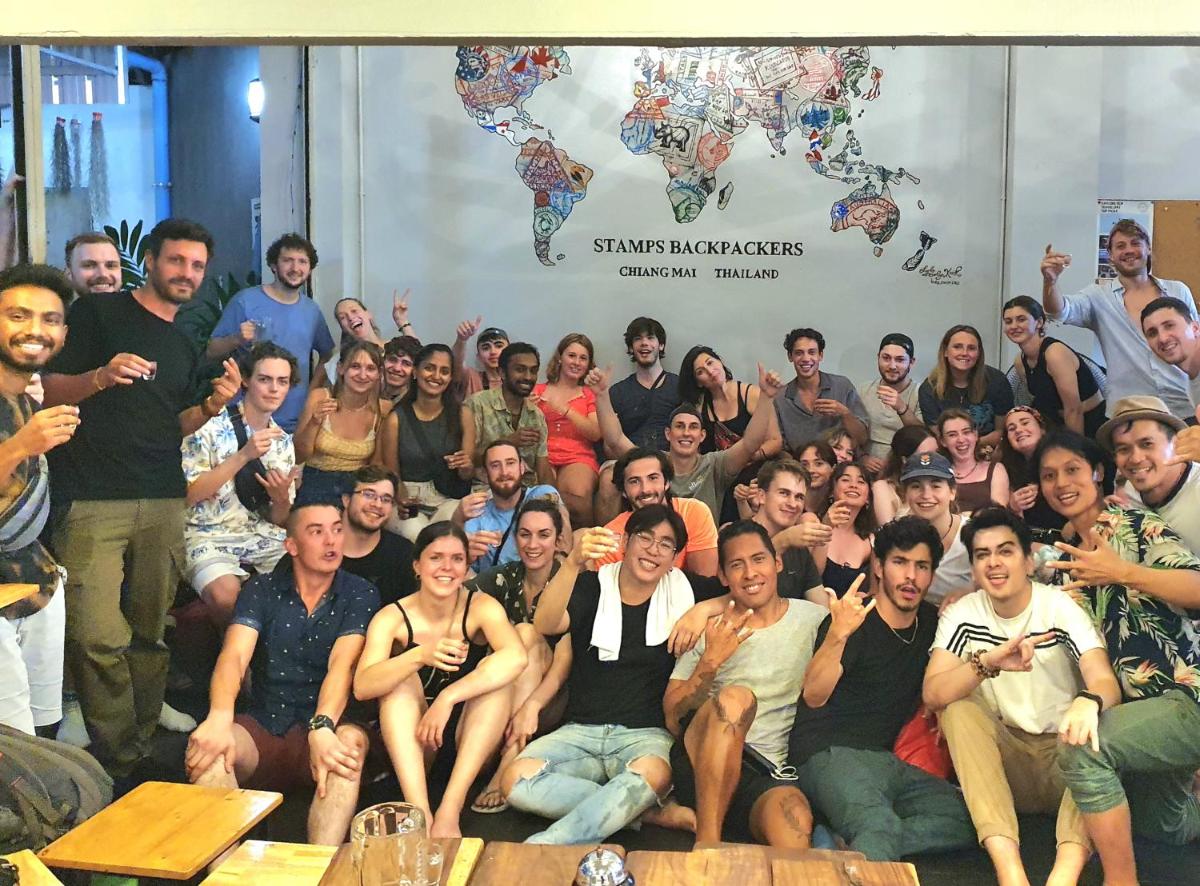
O quadrado murado: templos em cada quarteirão, pousadas, cafés e a Rua de Passeio de domingo no meio. O coração mochileiro e as camas mais baratas da cidade. Para primeiras visitas e qualquer pessoa fazendo os templos a pé.
Tudo caminável dentro do fosso, e o mesmo rosto turístico em cada rua.
Tha Phae Gate
Muro leste, festivais começam aqui
O portão leste e as ruas logo fora dele: desfiles, Songkran e o mercado de domingo tudo começam aqui, e as mesas de turismo e cafés aglomeram em Ratchadamnoen. Para primeiras estadias curtas que querem o centro de tudo.
O centro de cada evento, e o barulho que vem com ele.
Nimman
Cafés de design, bares na cobertura, nômades
Moderno, rico e descolado, oeste do fosso pela universidade: cafés construídos para laptops, bares na cobertura, shopping e a cena de trabalho remoto. Para estadias longas e segundas visitas; fica sob a rota de voo e preços acima do resto.
Os melhores cafés e noites do norte, e um prêmio com aviões sobre ele.
Santitham
Local, barato, áspero
Entre Nimman e o muro norte, uma grade residencial preenchendo com quem fica por longo tempo que foi expulso de Nimman, com a melhor comida barata da cidade. Para um mês, não um fim de semana, e para qualquer pessoa que queira vizinhos tailandeses.
Os preços de Nimman reduzidos pela metade, e uma caminhada de vinte minutos para um dos dois centros.
Night Bazaar & Chang Klan
Morto durante o dia, denso após seis
Leste do fosso: o mercado de souvenirs, os bares de cerveja e clubes em Loi Kroh, e tudo de pousadas a torres de cinco estrelas. Para vida noturna e para pessoas que querem um hotel com piscina perto do centro.
Um hotel com piscina e o mercado fora dele, e nada a fazer até escurecer.
Riverside
Resorts à beira da água, spa tranquilo
A margem leste do Ping: restaurantes à beira da água, spas e os hotéis de resorts, dez minutos do centro de tuk-tuk. Para famílias e casais que querem calma e um jardim; poucas camas com orçamento aqui.
Calma e um jardim à beira do rio, e uma volta para cada refeição na cidade.
Veja todos os bairros de Chiang Mai num único mapa
Guarde as zonas de que gosta e a Stippl organiza os seus dias para não atravessar a cidade duas vezes.
Onde ficar em Chiang Mai
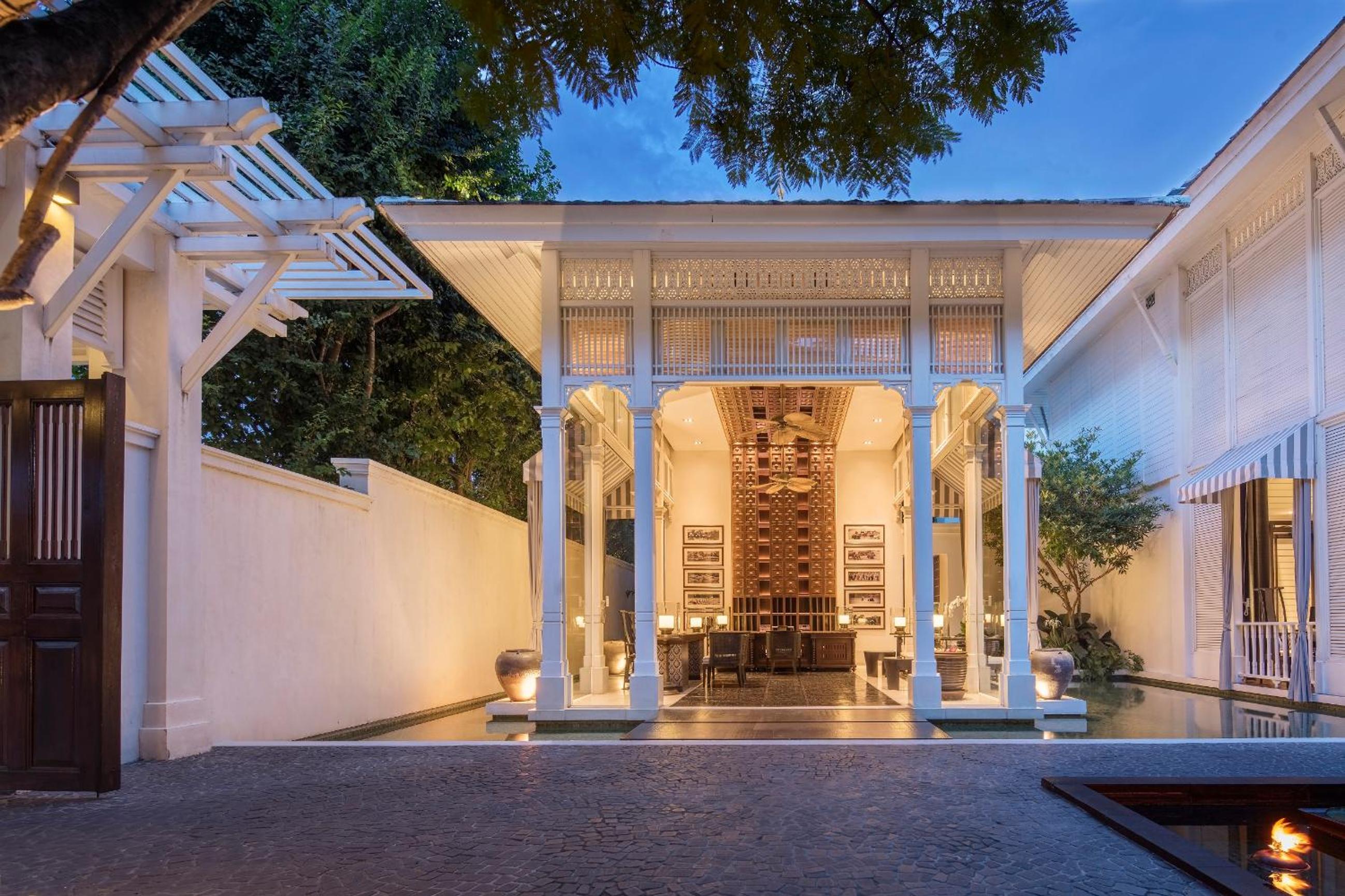
Fique dentro das muralhas da Cidade Antiga em uma primeira visita: é a área mais barata, densa com albergues e casarões, e cada templo principal é caminhável, o que economiza o orçamento de transporte e a tarifa do quarto. A maioria das pessoas passa 3 noites em Chiang Mai em Stippl. Reserve bem com antecedência para Yi Peng em novembro e o pico de Natal; fora disso, alguns dias de aviso é mais do que suficiente.
Cidade Antiga
Albergues e casarões em casarões baixos, dormitórios €6 a €7, privados €13 a €23; nada com piscina de verdade.
Portão Tha Phae
Hotéis boutique e pousadas meia categoria ao redor do portão, €25 a €60, a base mais conveniente para o mercado de domingo.
Nimman
Condomínios administrados, albergues boutique e apartamentos com prêmio, €30 a €90, a escolha para trabalho remoto.
Santitham
Apartamentos mais baratos e pousadas familiares, €15 a €40, para um mês em vez de um fim de semana.
Night Bazaar & Chang Klan
Hotéis de categoria média com piscinas por volta de €50, até torres de cinco estrelas a €90 ou mais.
Riverside
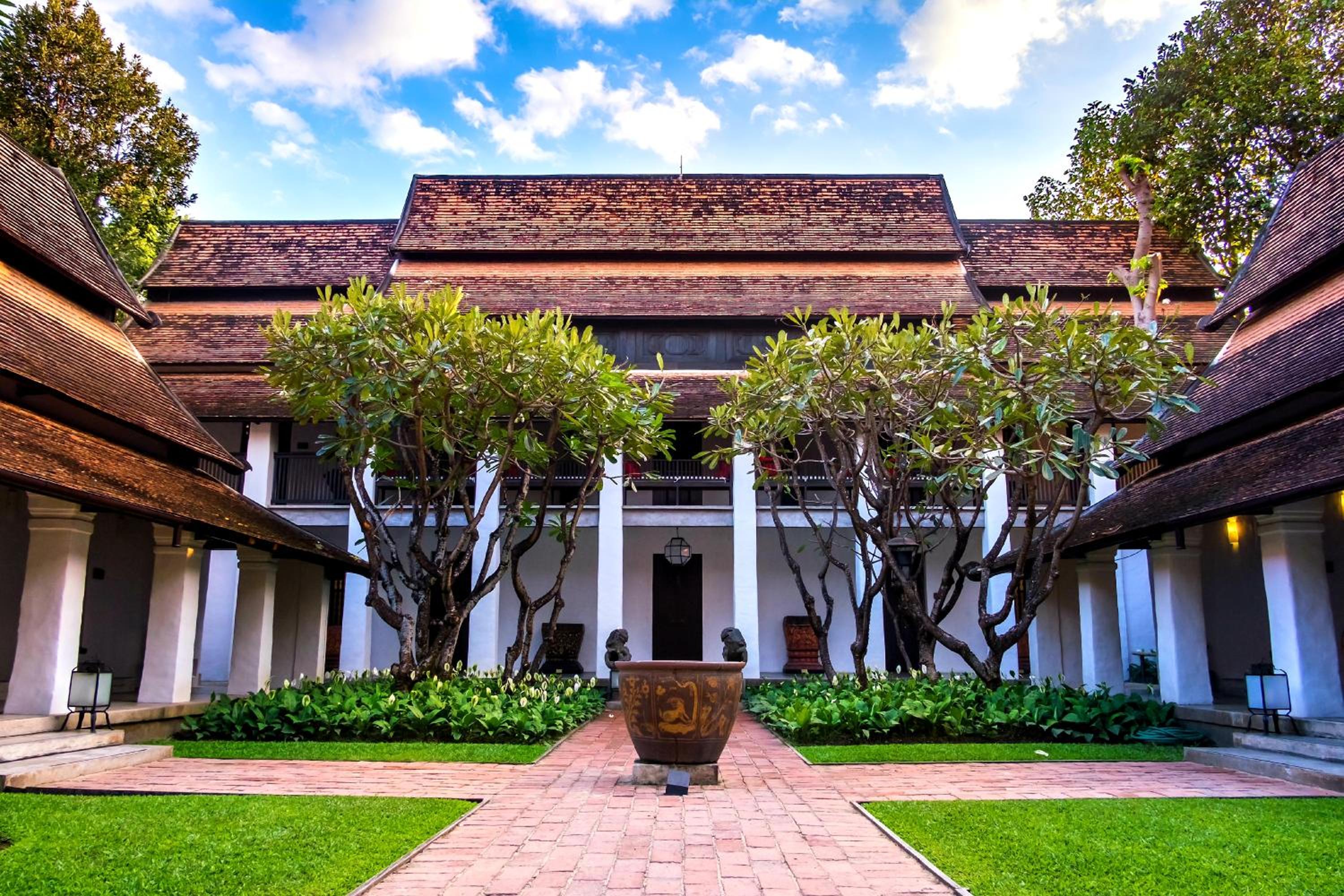
Hotéis resort e vilas de spa no Ping, €60 a €150, a dez minutos do centro de tuk-tuk.


O que comer em Chiang Mai
o prato característico do norte: macarrão com ovo em caldo de curry de coco, macarrão frito crocante no topo, vegetais em conserva e lima ao lado
salsicha de porco do norte enrolada com cúrcuma, capim-limão, limão calamansi e pimenta
dip de pimenta verde com vegetais cozidos brevemente e torresmo de porco
variante do dip de pimenta com tomate e porco
rico curry de barriga de porco cozida lentamente com influência birmanesa
perna de porco cozida sobre arroz com vegetais em conserva e um ovo pouco cozido
salada de carne picada picante comida com vegetais crus e arroz pegajoso
arroz pegajoso, um alimento básico muito mais comum no norte do que em outros lugares
Descubra sítios para comer na Stippl
Encontre restaurantes e mercados no mapa, guarde-os no seu roteiro, também funciona offline.
Costumes de Chiang Mai e o que não fazer
Lanna não é decorativa
Chiang Mai foi seu próprio reino desde 1296 com sua própria escrita, dialeto e comida, o que explica por que Yi Peng acontece aqui e não em Bangkok e por que o cardápio parece desconhecido.
Bhubing Palace é mais rigorosa
Ombros cobertos mas não por um lenço, calças ou saia abaixo da metade da panturrilha, e vozes baixas; o sarong do templo não o fará entrar aqui.
Monk Chat é uma conversa
Registre-se, vista-se apropriadamente e converse; não é uma oportunidade para fotos, e mulheres não entregam nada diretamente a um monge.
A massagem na prisão não é uma atração
O programa na instituição correcional feminina é um esquema de reabilitação cujos participantes mantêm seus salários; reserve-o, não o fotografe.
Santuário é uma palavra de marketing
Todo operador se chama um; o teste é sem passeios, sem truques, sem banho e sem shows. Tiger Kingdom, Night Safari e as aldeias de pescoço comprido falham no teste.
Fazer
- Nomeie um ponto de referência em vez de um endereço de rua quando parar um songthaew, e combine a tarifa primeiro
- Use uma máscara N95 ou FFP2 ao ar livre entre fevereiro e meados de abril, e verifique um índice de ar ao vivo antes de qualquer plano de montanha
- Reserve o santuário de elefantes, trilha ou aula de culinária antes dos dias em torno deles; os bons se esgotam primeiro
- Inscreva-se no Monk Chat em Wat Suan Dok ou Wat Chedi Luang, vestido apropriadamente para o templo
Evitar
- Entregue seu passaporte como depósito de aluguel; uma fotocópia mais dinheiro é o arranjo
- Dirija uma motocicleta para a qual você não teria licença em casa
- Engula a água do Songkran; muito dela sai do fosso
- Aceite um passeio gratuito do motorista de tuk-tuk ou um desvio para loja de gemas
O que custa uma viagem a Chiang Mai
Mochileiro
€10–26
Dormitório ou quarto com ventilador, comida de rua e mercados, songthaews, atrações principalmente gratuitas.
Meia categoria
€30–50
Quarto privado ou pequeno hotel, motocicleta alugada, cafés, uma atividade paga na maioria dos dias.
Hospedeiro
€55+
Hotel butique ou com piscina, restaurantes, Grab em todos os lugares, passeios de dia guiados.
Acompanhe o que gasta de verdade
Defina um orçamento diário por país e registe despesas em qualquer moeda enquanto viaja.
Curiosidades sobre Chiang Mai
Chiang Mai foi fundada em 1296 como capital do reino de Lanna. Lanna permaneceu separada de Siam até o final dos anos 1800, o que explica por que a arquitetura, a escrita, a comida e os festivais ainda diferem do resto da Tailândia.
A cidade antiga é um quadrado quase perfeito, 1,5 quilômetros de cada lado. O fosso e os restos da parede de tijolos ainda a marcam, e tudo dentro é caminhável.
A estupa de Wat Chedi Luang tinha cerca de 80 metros de altura até um terremoto em 1545. O tremor derrubou o topo e deixou aproximadamente 60 metros, ainda a estrutura mais alta da cidade antiga.
O local de Doi Suthep foi escolhido por um elefante branco, segundo a lenda. O animal carregou uma relíquia de Buda para a selva, trombeteou três vezes e morreu no local onde o templo foi construído.
As rochas de Bua Tong são escaláveis por um acidente geológico. A água de uma fonte mineral rica em minerais deixa um depósito que impede o crescimento de algas, então o calcário molhado se agarra como lixa.
As fazendas de café do norte da Tailândia existem por causa de um projeto real contra o ópio. Pagava aos agricultores das tribos das colinas preços premium para substituir a papoula por arábica, e a cena de cafés da cidade é o resultado.
O Dia Nacional do Elefante Tailandês cai em 13 de março. É observado desde 1998, e os santuários ao redor de Chiang Mai o marcam com buffês de frutas para os animais.
Dicas locais para Chiang Mai
Songthaews são o sistema local
Os picapes vermelhos com dois bancos funcionam como táxis compartilhados: pare um, nomeie um ponto de referência em vez de um endereço, e pague cerca de €0,80 na cidade. Grab é a ferramenta para um endereço exato.
Pule o tuk-tuk aqui
É mais lento e mais caro do que tanto o songthaew quanto o Grab, e não é a opção rotineira que é em Bangkok. Tudo dentro do fosso é caminhável de qualquer forma.
Não aprenda a dirigir aqui
O trânsito é caótico e quatro em cinco mortes nas estradas da Tailândia são de motociclistas. A disposição da loja não é uma licença: sem a classe certa em sua PID o seguro não pagará.
Guarde seu passaporte
Nenhuma loja de aluguel precisa dela como depósito e não é legal mantê-la; deixe uma fotocópia e um depósito em dinheiro. Fotografe a motocicleta para danos antes de sair.
Quanto tempo ficar
A maioria das pessoas passa 3 noites em Chiang Mai em Stippl: a cidade antiga e Doi Suthep, um passeio de dia ou uma trilha, e o mercado de domingo se as datas funcionarem.
O ar em março é um risco à saúde
De fevereiro a meados de abril, a estação de queimadas dobra as admissões respiratórias do hospital. Verifique uma leitura ao vivo, não a previsão, e pule o mês se você tiver asma.
Perguntas sobre Chiang Mai respondidas
Coloque-o depois de Bangkok e antes das ilhas, e dedique dias separados aos passeios de um dia em vez de acoplá-los aos dias de templos. Distribua as paradas do norte em Stippl e conte as noites por parada em vez do número de lugares. Depois mostre a rota a pessoas que já fizeram o circuito, em subreddits como r/ThailandTourism ou nos grupos do Facebook.
Cerca de dois em cinco: 40,2% das viagens pela Tailândia planejadas em Stippl têm uma parada em Chiang Mai. Ela ancora a metade norte de uma rota pela Tailândia em vez de ficar isolada, o que explica por que o circuito até Pai e Mae Hong Son quase sempre é planejado daqui.
Uma estadia, e claramente: apenas 14,8% das paradas em Chiang Mai planejadas em Stippl são de uma única noite. Os templos da Cidade Antiga levam um dia inteiro só para eles, e tudo sobre o que as pessoas voltam falando fica a uma hora ou mais da cidade, então uma noite permite visitar o fosso e nada mais.
Doi Inthanon pela montanha, caminhando pela crista de Kew Mae Pan, que fecha a cada estação de chuvas de junho a outubro. Uma trilha na selva com uma noite em uma aldeia na colina se preferir caminhar a ser dirigido. Não Chiang Rai: seis horas de carro para um templo é uma má troca.
Março e a primeira metade de abril. É a época de pico de queimadas no norte, quando a fumaça se concentra no vale e as vistas da montanha que os passeios de um dia oferecem simplesmente não existem. Se essas forem suas datas, as costas são a alternativa honesta e o norte pode esperar.
Bem mais com antecedência do que você provavelmente espera. Os viajantes deixam 85 dias entre planejar uma parada em Chiang Mai em Stippl e chegar, o que é próximo a três meses. Os quartos de baixa estação perto do Portão Tha Phae e em Nimman se esgotam cedo, e as trilhas e aulas de culinária se preenchem no próprio dia.
Cada guia é escrito pela redação da Stippl e verificado com as viagens que os nossos viajantes planeiam de facto. Viu algo desatualizado? Diga-nos.

Planeie Chiang Mai na Stippl
Planeamento dia a dia, alojamentos e orçamento numa só aplicação, com cada lugar deste guia já no mapa.
Descarregar a aplicação