

Takayama
Takayama is an intact Edo merchant town with the only shogunate government house left in Japan, and Hida beef at the end of the street. Snow on the thatch makes winter its best season.
Takayama in a nutshell
Takayama: what to expect
We work from 562,000+ planned stops across Japan on Stippl.
Takayama is a mountain town you walk, and everything worth seeing sits fifteen minutes from the station. Sanmachi's merchant streets belong to the town rather than the coaches before nine in the morning. Two morning markets run daily and year-round, Miyagawa along the river and Jinya-mae in front of the old government house, and Takayama Jinya is the only surviving shogunate provincial office in the country. Hida beef is why a good share of people come at all. Most travellers give it 2 nights on Stippl.
The plans split on Takayama, and one night edges two. 42.9% of Takayama stops planned on Stippl are a single night, which is unusual for a town that everyone describes as a two-night stop. A single night buys Sanmachi and one morning market. The second night is what makes room for Shirakawa-go or the Hida Folk Village.
Two nights, and use the second for what is outside town. Shirakawa-go is about fifty minutes away by bus and needs a reservation, and the Hida Folk Village above the town is the year-round answer when that is impractical, with thirty gasshō and Hida farmhouses moved onto an open-air site. The Higashiyama temple walk links a dozen temples and the ruined castle park across the eastern slope. Kamikochi shuts from the middle of November until April, with no buses and no hotels, so check the season before building a day around it.
Plan Takayama in Stippl
Day-by-day planning, stays and budget in one app, with every place from this guide already on the map.
Download the appWho Takayama is for
History travellers
An intact Edo merchant town, plus the only shogunate government house left standing anywhere in Japan.
Food travellers
Hida beef is a destination in itself, and the morning markets are a working food scene rather than a souvenir row.
Travellers crossing the Alps
Most people give Takayama 2 nights on the way across, and nearly three in five of those trips carry Kanazawa as the next stop.
Hikers using it as a base
Kamikochi in season and the Hida valleys year-round both start from here, with the town as the bed at either end.
Winter travellers
Snow on the thatch and steam off the onsen make winter the one season this town is actively recommended for.
Maybe not for you: anyone wanting nightlife, since the town closes early and there is none to speak of; and anyone expecting a city, because Takayama is a market town that happens to be famous.
The best time to visit Takayama
Autumn
September to November
Typhoon risk in September, the festival on 9 and 10 October, peak colour in November, and Kamikochi closing on the 15th.
Spring
April and May
The festival on 14 and 15 April, Kamikochi reopening in mid-April, and green, mild weather once the Alps are open. March, between the snow and the spring, is the least attractive month.
Rainy season and summer
June to August
June is the one month with nothing to recommend it; then hot and humid in the basin while the mountains are in season, with August the busiest domestic month.
Winter
December to February
Deep snow on the merchant houses, onsen and the Shirakawa-go light-ups, and the only stretch when the town is not busy. The morning markets shift to an eight o'clock start.
- The Takayama Festival runs on fixed dates, 14 and 15 April and 9 and 10 October, and the town books out for both. Counted among Japan's three most beautiful, with the floats shown year-round in the exhibition hall for anyone outside the dates.
- Kamikochi is open from mid-April to 15 November only. The valley is the reason many people base here, so a trek is a spring or autumn booking and a winter visit is the town and the onsen.
- The Shirakawa-go light-ups fall on a handful of January and February evenings, with the dates and a reservation system announced in autumn. The village is a day out from here, and on those evenings it is booked solid.
Add your Takayama dates and we'll flag the weather
Stippl shows the season, crowds and prices for every stop on your route.
Describe your trip, get a Takayama itinerary in seconds
Everything in this guide is already in Stippl. Tell the planner how long you have and what you like: it builds the route, the days and the travel times, and you edit whatever you want.
Things to do in Takayama
 Photo by Diego Guzmán via Unsplash
 Photo by Rogério Toledo via Unsplash
 Photo by Lucas Calloch via Unsplash
Sanmachi before nine
Walk the merchant streets of the old town before the coaches arrive, when the sake breweries are hanging out their cedar balls and the shutters are still going up. By ten it belongs to the tour groups.
The two morning markets
Do both in one loop: Miyagawa along the river and Jinya-mae in front of the government house, from about seven until noon. Pickles, apples and the Hida crafts, and breakfast from the stalls.
Takayama Jinya
Tour the one surviving shogunate government house in the country, with its interrogation room and rice storehouse, about €3. An hour is enough and it opens at half past eight, before the markets close.
Hida Folk Village
Walk among thirty gassho and Hida farmhouses moved to an open-air site above the town, about €4 and a ten-minute bus ride. It is the year-round answer when Shirakawa-go is impractical, and in snow it is the better one.
The Higashiyama temple walk
Follow the marked course over the eastern slope linking a dozen temples and the ruined castle park, three and a half kilometres and free. Start from Sanmachi and allow two hours.
Hida beef, done properly
Eat the local wagyu at least once: a sushi nigiri from a street stand for a few euros, or a full teppan dinner in one of the Sanmachi restaurants for about €40. The stands sell out by mid afternoon.
The neighbourhoods of Takayama
Sanmachi
Old town, timber, breweries
The old town itself: dark-timber merchant houses, sake breweries, the Jinya and both morning markets, with the ryokan among them. For first visits and for the streets before the coaches.
The old town from the door, and the priciest beds and the crowds by ten.
Hachikenmachi
Residential, quieter, space
Quieter and residential, a short walk out from Sanmachi, with family-run inns and more space for the money. For families and for anyone wanting a neighbourhood rather than the old town.
Space and quiet, and a ten-minute walk to the old town.
Around the station
Business hotels, bus terminal
Practical rather than pretty: business hotels and the bus terminal for Shirakawa-go and Kamikochi. For early buses and for a plain room at a plain price.
Every bus at the door, and a station district's face.
Higashiyama
Temple slope, walking course
The temple district on the eastern slope, with a walking course linking a dozen temples and shrines and a few guesthouses on the hill. For walkers and for a quiet evening above the town.
The temple walk from the door, and a climb home after dinner.
See every Takayama neighbourhood on one map
Save the areas you like and Stippl plots your days so you're not crossing the city twice.
Where to stay in Takayama
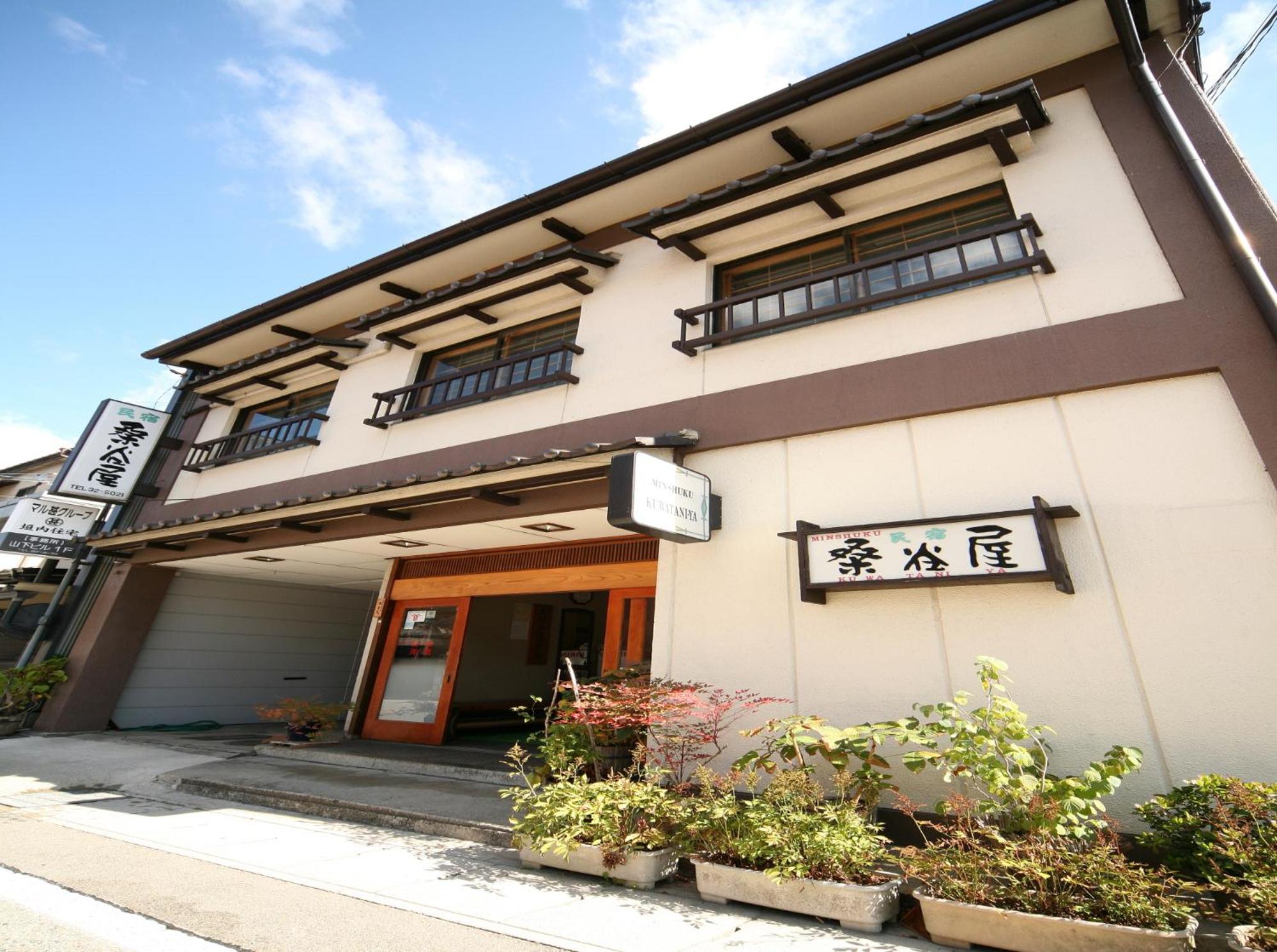
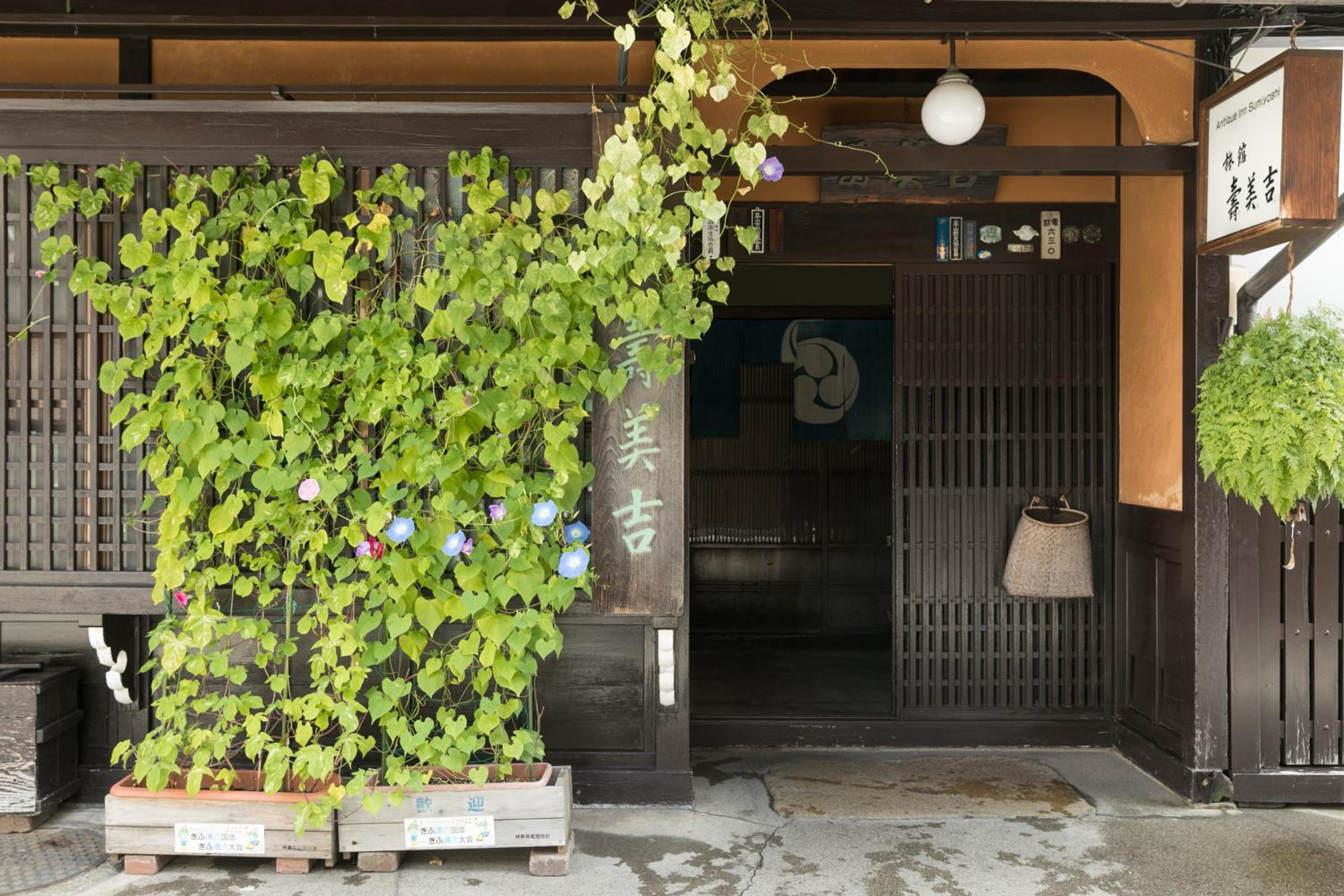
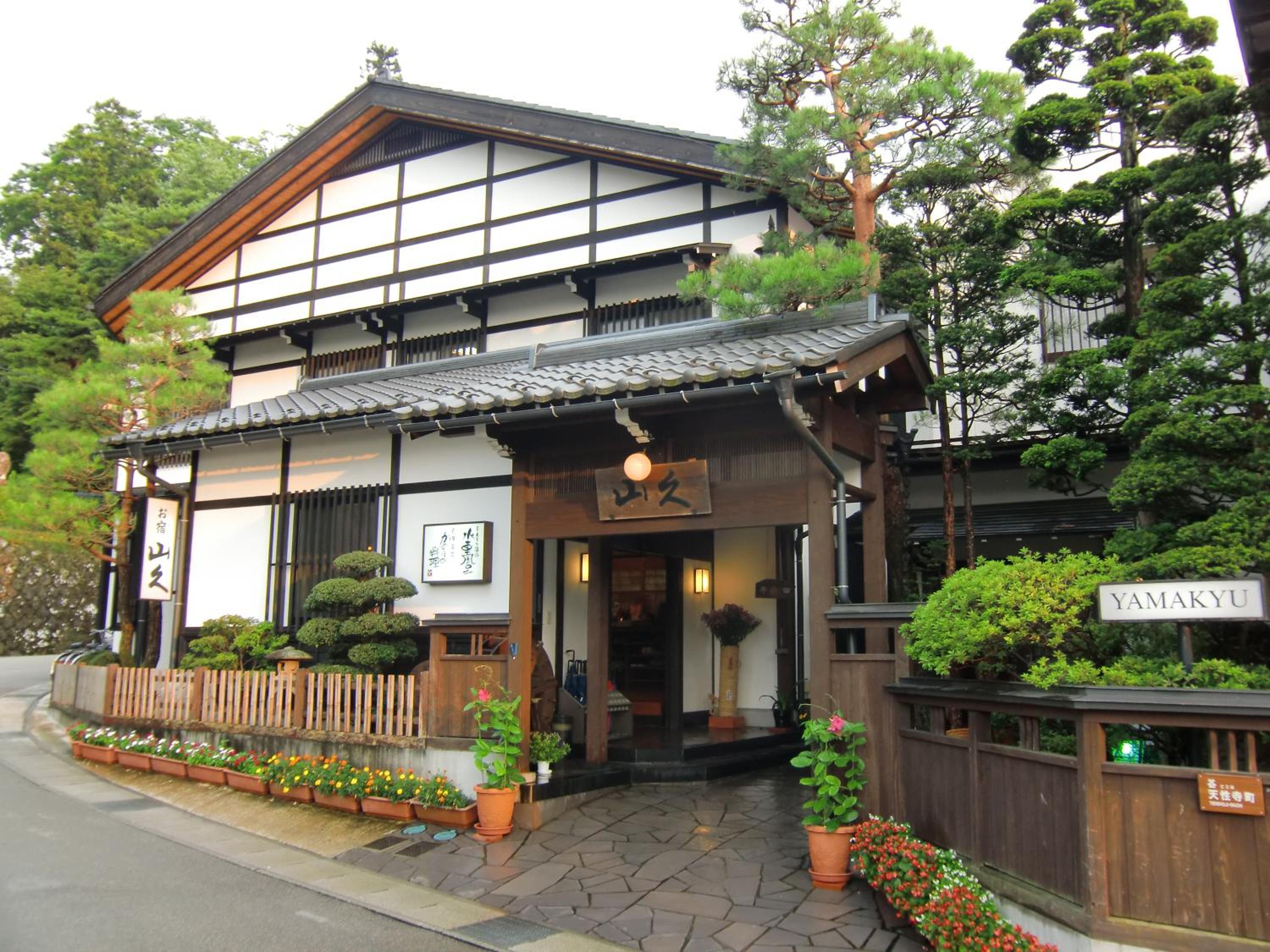
Stay in Sanmachi for one or two nights, in a ryokan among the merchant houses; Takayama has more of them at reachable prices than Kyoto or the Kansai cities. Most people give Takayama 2 nights on Stippl, and it is a budget-viable base for the Alps, with real hostels and guesthouses. Book the spring and autumn festivals months ahead.
Sanmachi
Ryokan with dinner in the old timber houses, €120 to €300, and hostels a street back from €25.
Hachikenmachi
Family-run inns and guesthouses with more space for the money, €60 to €130.
Around the station
Business hotels and capsule pods by the bus terminal, €30 to €80, for an early Shirakawa-go bus.
Higashiyama
A few guesthouses and a temple lodging on the hill, €50 to €110, quiet at night.


What to eat in Takayama
The region's marbled wagyu, served as steak, sushi, skewers and buns; the town's signature and its main food draw
Grilled rice-flour dumplings on a skewer, brushed with soy: savoury here, unlike the sweet version elsewhere
A thin, soy-based local style, distinct from the tonkotsu of the south
The town has several working breweries in the old town, cedar balls hung outside when the new brew is ready
Discover food spots in Stippl
Find restaurants and markets on the map, save them to your itinerary, works offline too.
Takayama customs and what not to do
The old town shuts at dusk
Sanmachi's shops close by five and the town has no evening; dinner is early, the ryokan is the evening, and the morning markets by the river close at noon.
Shoes off at every interior
The Jinya, the folk village houses and the merchant houses on Sanmachi are all sock-floor; slip-ons, and a bag for the shoes where the racks are full.
Sake breweries are working
The cedar ball over a door marks a brewery; tastings are a few hundred yen, you pay for each cup, and a bought bottle is the polite exit after a long tasting.
Shirakawa-go is a village
People live in the gassho houses and the lanes are their streets; keep to the paths and never open a gate for a photo. In winter the shuttle is the way up.
Do
- Start early; the markets close at noon and the town is a different place before the coaches
- Book the Shirakawa-go bus before the day, not on it
- Take your shoes off at the Jinya and the folk village houses
- Buy a bottle after a long brewery tasting
Don't
- Plan Kamikochi between mid-November and mid-April; it is closed, no buses and no hotels
- Expect an evening; the old town shuts with the light
- Treat Shirakawa-go as a quick detour; three to five hours is what it takes
- Open a gate or step into a garden in Shirakawa-go for a photo
What a Takayama trip costs
Budget
€70–80
A hostel or guesthouse bed, market-stall Hida beef skewers, the free old town and morning markets.
Mid-range
€100–150
A ryokan night, more reachable here at this tier than in the Kansai cities, plus the Jinya and Hida Folk Village.
High-end
€250+
A sit-down Hida beef course, a premium ryokan with its own onsen, a private Shirakawa-go transfer.
Track what you actually spend
Set a daily budget per country and log expenses in any currency while you travel.
Fun facts about Takayama
Takayama Jinya is the only surviving Tokugawa provincial government house. Every other one in Japan was demolished, and this one keeps its rice storehouse and its interrogation room.
The sarubobo doll is faceless on purpose. The Hida charm is left blank so the owner can read any expression into it, and it hangs from every shop front in the old town.
Hida carpenters were sent to the capital as tax. The region paid its dues in skilled labour rather than rice, which is why the carpentry tradition and the timber merchant houses are here.
Takayama's festival floats count among Japan's three most beautiful. The spring and autumn festivals parade them through the old town, and each carries karakuri marionettes that perform from the roof.
A cedar ball over a brewery door means the new sake is ready. The sugidama is hung green when the brew is pressed and browns as it matures, so the colour tells you the season.
Two morning markets run every day of the year. Miyagawa along the river and Jinya-mae in front of the government house, both open by seven and gone by noon.
Local tips for Takayama
Takayama is a bus town
The rail line reaches it from Nagoya, but Shirakawa-go, Kamikochi and Kanazawa are all buses, and the Shirakawa-go bus needs a booking. Reserve it at the bus centre the day before.
The JR Pass stops here
It gets you to Takayama and covers none of the day trips. Budget about €20 return for Shirakawa-go and €40 for Kamikochi.
How long to stay
Most people give Takayama 2 nights on Stippl, and four in ten stay one: Sanmachi and the markets and out. The second night is Shirakawa-go, and the reason to be here.
The last bus back is early
Missing the Shirakawa-go bus means an unplanned night in a village with very little accommodation. Take the afternoon bus, not the last one.
Winter is cold and snowy
This is a mountain basin and the roads to Kanazawa and Kamikochi are alpine. Kamikochi closes from mid November to mid April, and that closure is real.
There are bears up there
The trailheads around the town carry warnings, which is standard for the Japan Alps. A bell on the bag, and stay on the marked routes.
Takayama questions, answered
Between Nagoya and Kanazawa, on the mountain crossing rather than the coastal corridor. It is two and a half hours from Nagoya by limited express and about the same from Kanazawa by bus. Lay it out in Stippl as two nights on that crossing. Then ask people who rode it, in subreddits like r/JapanTravel.
Few try: only 4.9% of Takayama stops planned on Stippl carry no night, and the longest stays run to 3. The town is two and a half hours from Nagoya through the mountains, so a day trip is five hours of train for a morning, and the markets finish at noon.
Two of them, daily and year-round: Miyagawa along the river and Jinya-mae in front of the old government house. They run from seven until noon for most of the year and from eight in winter. 37.2% of Takayama stops planned on Stippl are two nights, which is what having a market morning requires.
Yes, by bus in about fifty minutes, and it needs a reservation rather than a walk-up. It is the standard second day here. If the bus is full or the season is against you, the Hida Folk Village above the town holds thirty gasshō and Hida farmhouses on an open-air site and runs all year.
For an old town that is genuinely old and a beef people plan trips around. Sanmachi's merchant streets survive intact, the Jinya is the only shogunate provincial office left in Japan, and Hida beef is the regional signature. 1.30% of every Japanese stop planned on Stippl is here.
April or October for the festivals, late October into November for the autumn colour, and winter if you want snow and an onsen. The markets and the old town work in any month. What does not is Kamikochi, which closes from the middle of November until April with no buses and no hotels.
Every guide is written by the Stippl editors and checked against the trips our travellers actually plan. Spotted something out of date? Let us know.

Plan Takayama in Stippl
Day-by-day planning, stays and budget in one app, with every place from this guide already on the map.
Download the app