

Takayama
Takayama est une ville marchande intacte de l'époque Edo avec le seul bâtiment du gouvernement du shogunat restant au Japon, et du bœuf Hida au bout de la rue. La neige sur le chaume fait de l'hiver la meilleure saison.
Takayama en bref
Takayama : à quoi s'attendre
Nous travaillons à partir de 562 000+ arrêts prévus au Japon sur Stippl.
Takayama est une ville de montagne où vous marchez, et tout ce qui vaut la peine d'être vu se situe à quinze minutes de la gare. Les rues marchandes de Sanmachi appartiennent à la ville plutôt qu'aux autocars avant neuf heures du matin. Deux marchés du matin fonctionnent quotidiennement toute l'année, Miyagawa le long de la rivière et Jinya-mae devant l'ancienne maison gouvernementale, et Takayama Jinya est le seul bureau provincial du shogunat survivant du pays. Le bœuf Hida est la raison pour laquelle une bonne part des gens viennent. La plupart des voyageurs lui accordent 2 nuits sur Stippl.
Les plans se divisent sur Takayama, et une nuit dépasse deux. 42,9% des arrêts de Takayama prévus sur Stippl sont une seule nuit, ce qui est inhabituel pour une ville que tout le monde décrit comme un arrêt de deux nuits. Une seule nuit vous offre Sanmachi et un marché du matin. La deuxième nuit est ce qui fait place à Shirakawa-go ou au Village folklorique Hida.
Deux nuits, et utilisez la deuxième pour ce qui est en dehors de la ville. Shirakawa-go se trouve à environ cinquante minutes en bus et nécessite une réservation, et le Village folklorique Hida au-dessus de la ville est la réponse toute l'année quand c'est impraticable, avec trente gasshō et fermes Hida relocalisées sur un site en plein air. La promenade du temple Higashiyama relie une douzaine de temples et le parc du château en ruines sur le versant oriental. Kamikochi ferme de la mi-novembre à avril, sans bus ni hôtels, donc vérifiez la saison avant de construire une journée autour de cela.
Planifiez Takayama dans Stippl
Planification jour par jour, hébergements et budget dans une seule application, avec chaque lieu de ce guide déjà sur la carte.
Télécharger l'applicationÀ qui Takayama s'adresse
Voyageurs intéressés par l'histoire
Une ville marchande Edo intacte, plus le seul bâtiment gouvernemental du shogunat restant au Japon.
Voyageurs gastronomes
Le bœuf Hida est une destination en soi, et les marchés du matin sont une scène alimentaire fonctionnelle plutôt qu'une rangée de souvenirs.
Voyageurs traversant les Alpes
La plupart des gens accordent 2 nuits à Takayama lors de la traversée, et près de trois sur cinq de ces trajets ont Kanazawa comme prochaine étape.
Randonneurs l'utilisant comme base
Kamikochi en saison et les vallées Hida toute l'année commencent tous les deux à partir d'ici, la ville étant le lit à chaque extrémité.
Voyageurs hivernaux
La neige sur le chaume et la vapeur sortant des onsen font de l'hiver la seule saison où cette ville est activement recommandée.
Peut-être pas fait pour vous : ceux qui cherchent la vie nocturne, car la ville ferme tôt et il n'y en a pratiquement pas ; et ceux qui s'attendent à une ville, car Takayama est une ville de marché qui se trouve être célèbre.
Le meilleur moment pour visiter Takayama
Automne
Septembre à novembre
Risque de typhon en septembre, le festival les 9 et 10 octobre, pic de couleurs en novembre, et fermeture de Kamikochi le 15.
Printemps
Avril et mai
Le festival les 14 et 15 avril, réouverture de Kamikochi à la mi-avril, et météo douce et verdoyante une fois les Alpes ouvertes. Mars, entre la neige et le printemps, est le mois le moins attrayant.
Saison des pluies et été
Juin à août
Juin est le seul mois qui n'a rien à recommander ; puis chaud et humide dans le bassin tandis que les montagnes sont en saison, août étant le mois le plus chargé au niveau national.
Hiver
Décembre à février
Neige profonde sur les maisons marchandes, onsen et illuminations de Shirakawa-go, et la seule période où la ville n'est pas chargée. Les marchés du matin passent à un départ à huit heures.
- Le Festival Takayama se déroule à des dates fixes, 14 et 15 avril et 9 et 10 octobre, et la ville s'affiche pour les deux. Comptée parmi les trois plus belles du Japon, avec les chars exposés toute l'année au musée d'exposition pour quiconque en dehors des dates.
- Kamikochi n'est ouvert que du mi-avril au 15 novembre. La vallée est la raison pour laquelle de nombreuses personnes se basent ici, donc une randonnée est une réservation de printemps ou d'automne et une visite d'hiver est la ville et l'onsen.
- Les illuminations Shirakawa-go tombent sur une poignée de soirées de janvier et février, avec les dates et un système de réservation annoncés en automne. Le village est une excursion d'un jour à partir d'ici, et sur ces soirées, il est complet.
Ajoutez vos dates pour Takayama et nous vous signalerons la météo
Stippl indique la saison, l'affluence et les prix pour chaque étape de votre itinéraire.
Décrivez votre voyage et obtenez un itinéraire pour Takayama en quelques secondes
Tout ce guide est déjà dans Stippl. Dites au planificateur combien de temps vous avez et ce que vous aimez : il construit l'itinéraire, les journées et les temps de trajet, et vous modifiez ce que vous voulez.
Choses à faire à Takayama
 Photo by Diego Guzmán via Unsplash
 Photo by Rogério Toledo via Unsplash
 Photo by Lucas Calloch via Unsplash
Sanmachi avant neuf heures
Promenez-vous dans les rues des marchands de la vieille ville avant l'arrivée des cars, quand les brasseries de saké sortent leurs boules de cèdre et que les volets se relèvent. À dix heures, c'est aux groupes de visite.
Les deux marchés du matin
Faites les deux en une boucle : Miyagawa le long de la rivière et Jinya-mae devant la maison du gouvernement, à partir d'environ sept heures jusqu'à midi. Cornichons, pommes et artisanats Hida, et petit-déjeuner aux étals.
Takayama Jinya
Visitez la seule maison du gouvernement shogunal subsistante du pays, avec sa salle d'interrogatoire et son entrepôt de riz, environ 3 €. Une heure suffit et il ouvre à huit heures et demie, avant que les marchés ferment.
Village folklorique Hida
Marchez parmi trente maisons gassho et Hida déplacées sur un site en plein air au-dessus de la ville, environ 4 € et un trajet en bus de dix minutes. C'est la réponse toute l'année quand Shirakawa-go est impraticable, et en neige c'est la meilleure.
La promenade des temples d'Higashiyama
Suivez le parcours balisé sur la pente orientale reliant une douzaine de temples et le parc du château en ruines, trois kilomètres et demi et gratuit. Commencez à partir de Sanmachi et prévoyez deux heures.
Hida beef, fait correctement
Mangez le wagyu local au moins une fois : un nigiri de sushi d'un étal de rue pour quelques euros, ou un dîner teppan complet dans l'un des restaurants de Sanmachi pour environ 40 €. Les étals se vendent épuisés en milieu d'après-midi.
Les quartiers de Takayama
Sanmachi
Vieille ville, bois, brasseries
La vieille ville elle-même : maisons marchandes en bois sombre, brasseries de saké, la Jinya et les deux marchés du matin, avec le ryokan parmi eux. Pour les premières visites et pour les rues avant les autocars.
La vieille ville à la porte, et les lits les plus chers et la foule à dix heures.
Hachikenmachi
Résidentiel, plus tranquille, espace
Plus tranquille et résidentiel, à une courte distance de Sanmachi, avec des auberges familiales et plus d'espace pour l'argent. Pour les familles et pour ceux qui veulent un quartier plutôt que la vieille ville.
Espace et tranquillité, et une marche de dix minutes jusqu'à la vieille ville.
Around the station
Hôtels d'affaires, gare routière
Pratique plutôt que joli : hôtels d'affaires et gare routière pour Shirakawa-go et Kamikochi. Pour les premiers bus et pour une chambre ordinaire à un prix ordinaire.
Chaque bus à la porte, et le visage d'un quartier de gare.
Higashiyama
Pente du temple, circuit de marche
Le quartier des temples sur le versant oriental, avec un circuit de marche reliant une douzaine de temples et sanctuaires et quelques maisons d'hôtes sur la colline. Pour les randonneurs et pour une soirée tranquille au-dessus de la ville.
La marche du temple à la porte, et une montée à la maison après le dîner.
Découvrez chaque quartier de Takayama sur une seule carte
Enregistrez les quartiers que vous aimez et Stippl organise vos journées pour éviter de traverser la ville deux fois.
Où loger à Takayama
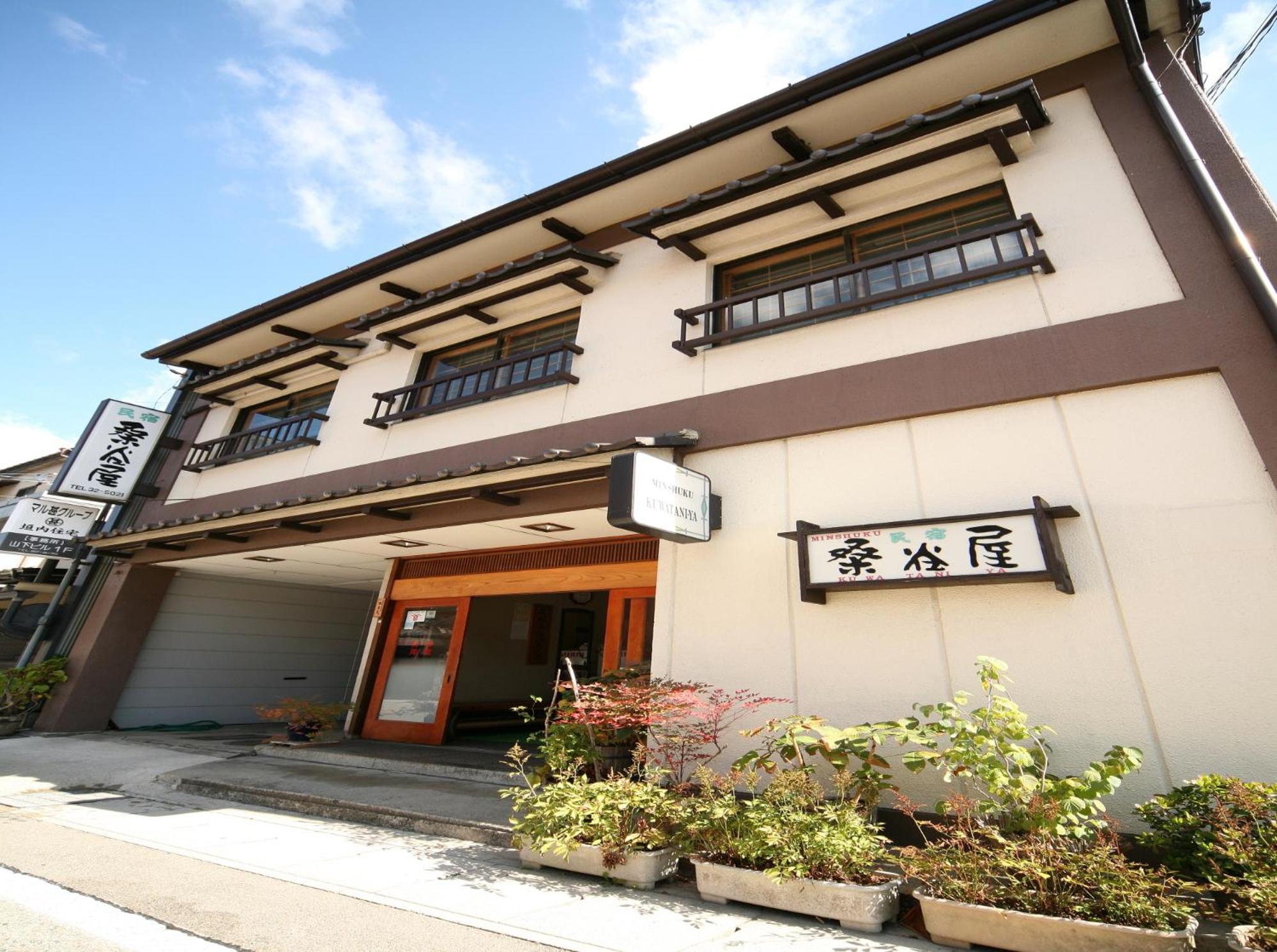
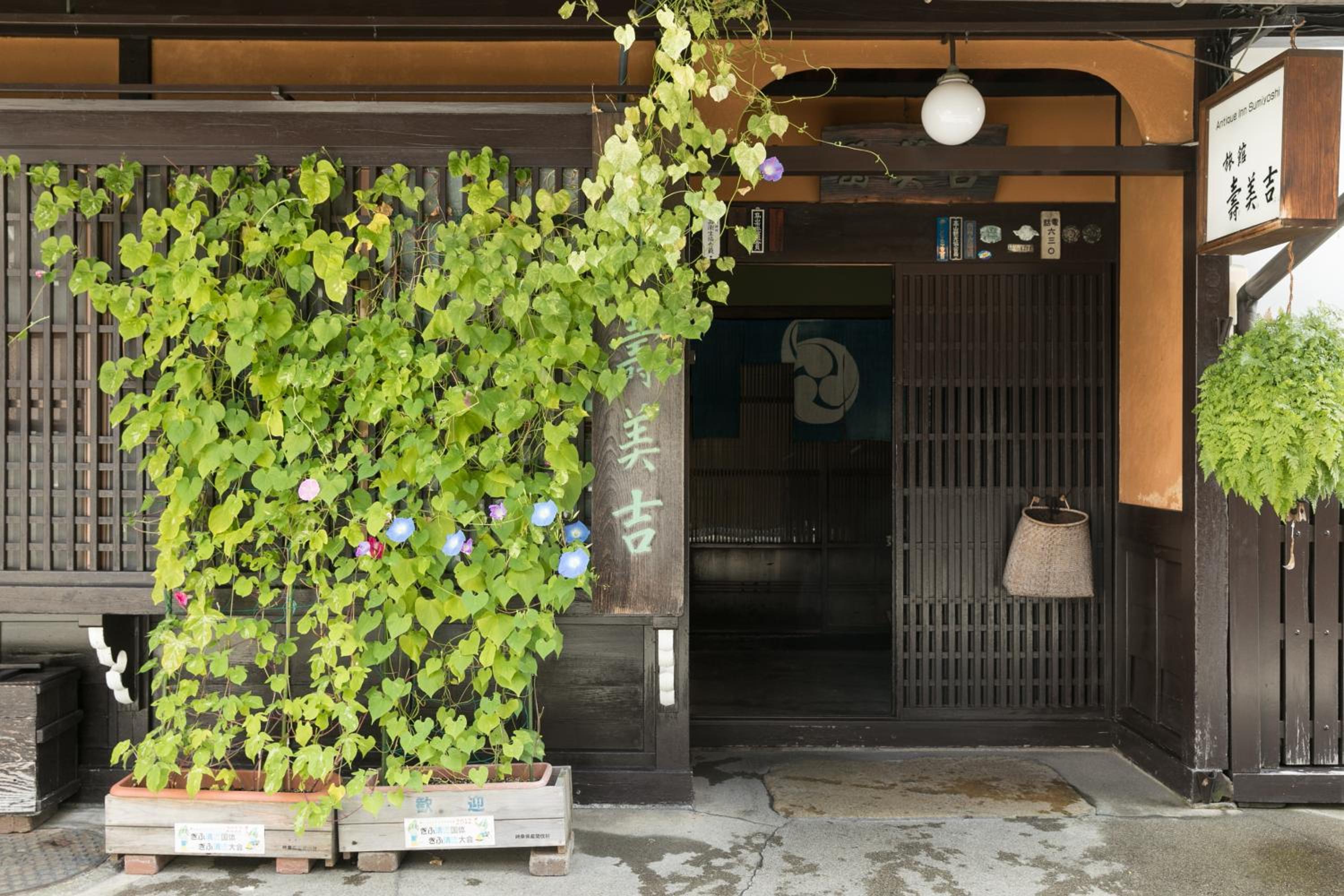
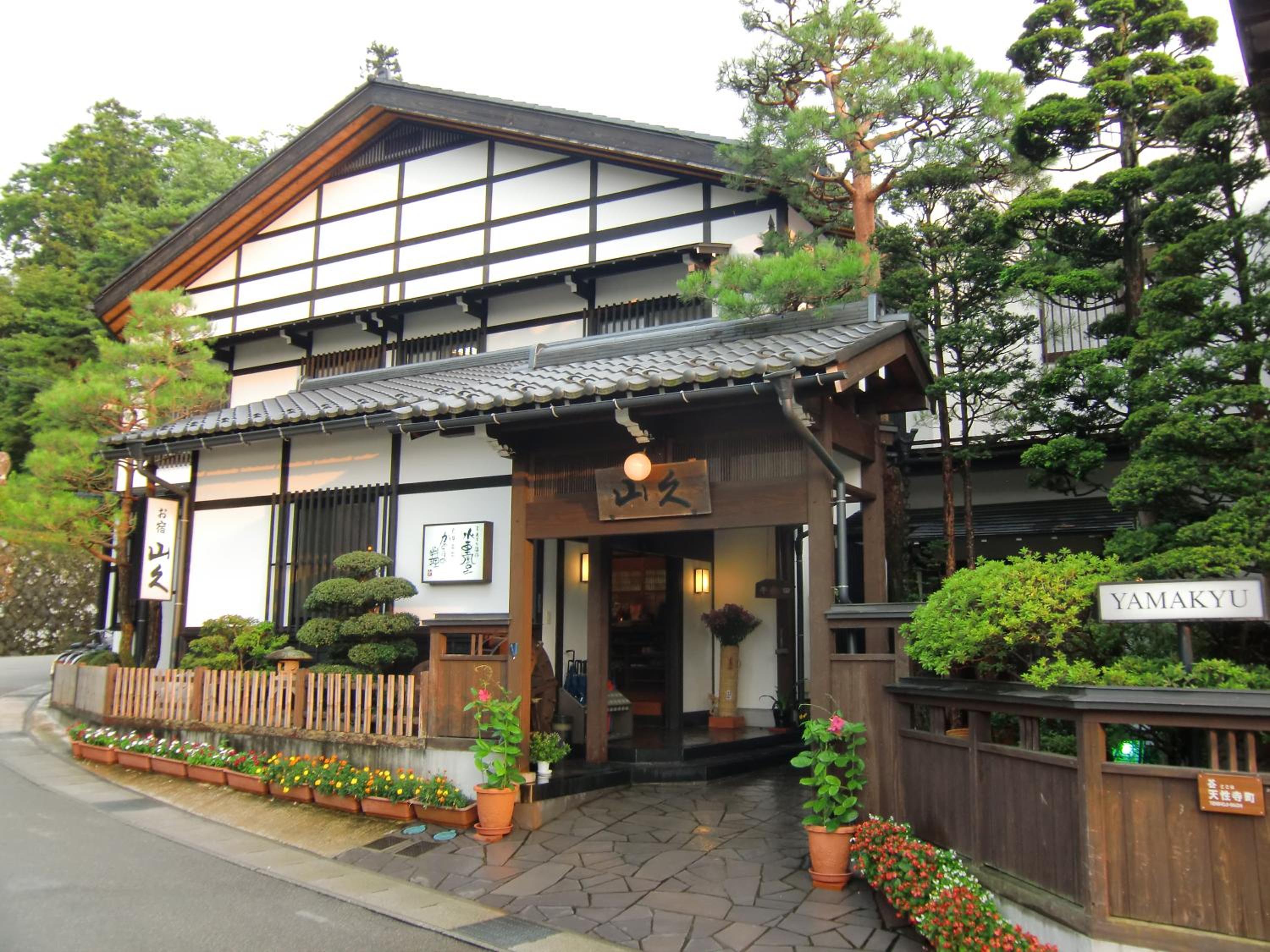
Restez à Sanmachi une ou deux nuits, dans une ryokan parmi les maisons de marchands ; Takayama en a plus à des prix accessibles que Kyoto ou les villes du Kansai. La plupart des gens donnent à Takayama 2 nuits sur Stippl, et c'est une base viable pour les Alpes, avec de vrais auberges et maisons d'hôtes. Réservez les festivals de printemps et d'automne des mois à l'avance.
Sanmachi
Ryokan avec dîner dans les anciennes maisons en bois, 120 € à 300 €, et auberges de jeunesse une rue à l'écart à partir de 25 €.
Hachikenmachi
Auberges et guesthouses familiales offrant plus d'espace pour votre budget, de 60 € à 130 €.
Autour de la gare
Hôtels d'affaires et capsules près de la gare routière, 30 € à 80 €, pour un bus matinal vers Shirakawa-go.
Higashiyama
Quelques petits hôtels et un gîte du temple sur la colline, €50 à €110, calme la nuit.


Que manger à Takayama
Le wagyu marbré de la région, servi en steak, sushi, brochettes et petits pains ; la signature de la ville et son principal attrait gastronomique
Boulettes de riz en poudre grillées sur une brochette, enduites de sauce soja : savoureuses ici, contrairement à la version sucrée ailleurs
Un style local à base de sauce soja mince, distinct du tonkotsu du sud
La ville compte plusieurs brasseries en activité dans la vieille ville, des boules de cèdre accrochées à l'extérieur lorsque la nouvelle brassée est prête
Découvrez des adresses gourmandes dans Stippl
Trouvez restaurants et marchés sur la carte, enregistrez-les dans votre itinéraire, fonctionne aussi hors ligne.
Coutumes de Takayama et ce qu'il ne faut pas faire
La vieille ville ferme à la tombée de la nuit
Les boutiques de Sanmachi ferment avant dix-sept heures et la ville n'a pas de soirée ; le dîner est tôt, la ryokan est la soirée, et les marchés du matin au bord de la rivière ferment à midi.
Chaussures enlevées à chaque intérieur
La Jinya, les maisons du village folklorique et les maisons de marchands sur Sanmachi sont tous des étages à chaussettes ; des mocassins, et un sac pour les chaussures là où les porte-chaussures sont pleins.
Les brasseries de saké fonctionnent
La boule de cèdre au-dessus d'une porte marque une brasserie ; les dégustations coûtent quelques centaines de yens, vous payez pour chaque verre, et une bouteille achetée est la sortie polie après une longue dégustation.
Shirakawa-go est un village
Les gens vivent dans les maisons gassho et les ruelles sont leurs rues ; restez sur les sentiers et ne jamais ouvrir un portail pour une photo. En hiver, la navette est le moyen de monter.
À faire
- Commencez tôt ; les marchés ferment à midi et la ville est un endroit différent avant les cars
- Réservez le bus Shirakawa-go avant la journée, pas dedans
- Enlevez vos chaussures à la Jinya et aux maisons du village folklorique
- Achetez une bouteille après une longue dégustation de brasserie
À éviter
- Planifiez Kamikochi entre la mi-novembre et la mi-avril ; il est fermé, pas de bus et pas d'hôtels
- Attendez-vous à une soirée ; la vieille ville ferme avec la lumière
- Traitez Shirakawa-go comme un détour rapide ; trois à cinq heures, c'est ce qu'il faut
- Ouvrez un portail ou entrez dans un jardin à Shirakawa-go pour une photo
Ce qu'un voyage à Takayama coûte
Budget
70 à 80 €
Un lit en auberge ou maison d'hôtes, des brochettes Hida beef au marché, la vieille ville gratuite et les marchés du matin.
Milieu de gamme
100 à 150 €
Une nuit en ryokan, plus accessible ici à ce niveau que dans les villes du Kansai, plus la Jinya et le Village folklorique Hida.
Haut de gamme
250 € et plus
Un cours complet de Hida beef assis, une ryokan haut de gamme avec son propre onsen, un transfert privé Shirakawa-go.
Suivez ce que vous dépensez vraiment
Définissez un budget journalier par pays et enregistrez vos dépenses dans n'importe quelle devise pendant le voyage.
Anecdotes sur Takayama
Takayama Jinya est le seul bureau provincial Tokugawa survivant. Tous les autres au Japon ont été démolis, et celui-ci conserve son entrepôt à riz et sa salle d'interrogatoire.
La poupée sarubobo est exprès sans visage. Le charme Hida est laissé vierge pour que le propriétaire puisse y lire n'importe quelle expression, et elle pend à chaque vitrine de la vieille ville.
Les charpentiers Hida ont été envoyés à la capitale comme impôt. La région s'acquittait de ses obligations en main-d'œuvre qualifiée plutôt qu'en riz, ce qui explique la tradition de menuiserie et les maisons marchandes en bois ici.
Les chars de festival de Takayama comptent parmi les trois plus beaux du Japon. Les festivals de printemps et d'automne les défilent dans la vieille ville, et chacun porte des marionnettes karakuri qui se produisent depuis le toit.
Une boule de cèdre au-dessus d'une porte de brasserie signifie que le nouveau saké est prêt. La sugidama est suspendue verte quand le moût est pressé et brunît en vieillissant, donc la couleur vous indique la saison.
Deux marchés du matin fonctionnent tous les jours de l'année. Miyagawa le long de la rivière et Jinya-mae devant la maison du gouvernement, tous deux ouvert avant sept heures et fermés à midi.
Conseils locaux pour Takayama
Takayama est une ville de bus
La ligne ferroviaire la rejoint de Nagoya, mais Shirakawa-go, Kamikochi et Kanazawa sont tous des bus, et le bus Shirakawa-go a besoin d'une réservation. Réservez-le au centre de bus la veille.
Le Japan Rail Pass s'arrête ici
Il vous amène à Takayama et ne couvre aucune excursion d'une journée. Budgétisez environ 20 € aller-retour pour Shirakawa-go et 40 € pour Kamikochi.
Durée du séjour
La plupart des gens donnent à Takayama 2 nuits sur Stippl, et quatre sur dix en restent une : Sanmachi et les marchés et dehors. La deuxième nuit est Shirakawa-go, et la raison d'être ici.
Le dernier bus de retour est tôt
Manquer le bus Shirakawa-go signifie une nuit non prévue dans un village avec très peu d'hébergement. Prenez le bus de l'après-midi, pas le dernier.
L'hiver est froid et enneigé
C'est un bassin montagneux et les routes vers Kanazawa et Kamikochi sont alpines. Kamikochi ferme de la mi-novembre à la mi-avril, et cette fermeture est réelle.
Il y a des ours là-haut
Les sentiers de départ autour de la ville portent des avertissements, ce qui est standard pour les Alpes du Japon. Une cloche sur le sac, et restez sur les itinéraires balisés.
Questions sur Takayama, réponses
Entre Nagoya et Kanazawa, sur la traversée des montagnes plutôt que le corridor côtier. Elle se situe à deux heures et demie de Nagoya par express limité et à peu près autant de Kanazawa en bus. Organisez-la sur Stippl en deux nuits sur cette traversée. Ensuite, demandez à des gens qui l'ont empruntée, dans des subreddits comme r/JapanTravel.
Peu en essaient : seulement 4,9% des arrêts de Takayama prévus sur Stippl ne comportent pas de nuit, et les plus longs séjours vont jusqu'à 3. La ville se trouve à deux heures et demie de Nagoya à travers les montagnes, donc un voyage d'une journée représente cinq heures de train pour un matin, et les marchés ferment à midi.
Deux d'entre eux, quotidiennement et toute l'année : Miyagawa le long de la rivière et Jinya-mae devant l'ancienne maison gouvernementale. Ils fonctionnent de sept à midi pendant la majeure partie de l'année et à partir de huit en hiver. 37,2% des arrêts de Takayama prévus sur Stippl sont deux nuits, ce qui est ce qu'une matinée de marché nécessite.
Oui, en bus en environ cinquante minutes, et cela nécessite une réservation plutôt qu'une visite spontanée. C'est la deuxième journée standard ici. Si le bus est complet ou si la saison n'est pas favorable, le Village folklorique Hida au-dessus de la ville accueille trente gasshō et fermes Hida sur un site en plein air et fonctionne toute l'année.
Pour une vieille ville qui est vraiment ancienne et un bœuf autour duquel les gens planifient des voyages. Les rues marchandes de Sanmachi survivent intactes, la Jinya est le seul bureau provincial du shogunat restant au Japon, et le bœuf Hida est la signature régionale. 1,30% de chaque arrêt japonais prévu sur Stippl est ici.
Avril ou octobre pour les festivals, fin octobre à novembre pour les couleurs d'automne, et l'hiver si vous voulez la neige et un onsen. Les marchés et la vieille ville fonctionnent dans n'importe quel mois. Ce qui ne l'est pas, c'est Kamikochi, qui ferme de la mi-novembre à avril sans bus ni hôtels.
Chaque guide est écrit par la rédaction Stippl et vérifié avec les voyages que nos voyageurs planifient réellement. Vous avez repéré une information dépassée ? Dites-le-nous.

Planifiez Takayama dans Stippl
Planification jour par jour, hébergements et budget dans une seule application, avec chaque lieu de ce guide déjà sur la carte.
Télécharger l'application