

Nara
The deer in Nara bow, and they are the most reliable hour with children anywhere in Kansai. Around them, eight UNESCO monuments and a 1,300-year-old bronze Buddha, inside one park forty minutes from Kyoto.
Nara in a nutshell
Nara: what to expect
Every number below comes from 562,000+ planned stops in Japan on Stippl.
Nara is a day, and the whole town is arranged so that a day is enough. Everything sits inside Nara Park, which runs east from the two stations, so you walk. Todai-ji holds the bronze Great Buddha cast in the eighth century, in one of the largest wooden buildings on earth; Kasuga Taisha is lined with thousands of stone lanterns; and about twelve hundred sacred deer roam the park and bow for crackers. Most travellers give Nara 1 night on Stippl.
A third of the people who plan Nara never sleep there, and that is the correct call. 34.95% of Nara stops planned on Stippl carry no night at all, one of the highest day-trip shares in the country. Kyoto is thirty-five minutes away by Kintetsu and Osaka is the same, so the town gets planned as a day out of somewhere else rather than as a stay.
Take the first train and give it a whole day rather than half of one. The temples and the deer fill the morning, and Naramachi, the machiya quarter, is the answer for the afternoon. Isuien Garden pulls the hills behind Kasuga Taisha into its own composition, which is that trick done properly. For the version almost nobody takes, walk up into Kasugayama Primeval Forest, protected old-growth inside the UNESCO listing, on a guided walk of three or four hours.
Plan Nara in Stippl
Day-by-day planning, stays and budget in one app, with every place from this guide already on the map.
Download the appWho Nara is for
History travellers
Japan's first capital holds eight UNESCO monuments and a 1,300-year-old bronze Buddha, most of them inside one park.
Families
The deer are the most reliably good hour with children anywhere in Kansai, and they come to you.
Anyone based in Kyoto or Osaka
Nara is 35 to 45 minutes from either, which is why it is on 20.5% of Japan trips on Stippl, more than places twice its size.
Photographers
Kasuga Taisha's stone lanterns and the deer in the cedar avenue are the two frames, and the light is best in the first hour.
Maybe not for you: anyone who wants a full evening's worth of a place. Nara is a day: most people give it 1 night or none at all, and nobody argues for three.
The best time to visit Nara
Autumn
October and November
Comfortable, dry and the colour peak, matching Kansai generally.
Blossom and green season
late March to May
Peak bloom in the park makes April the busiest day-trip month of the year; May is warm and green, with only Golden Week's first week crowded.
Rain and heat
June to September
The rainy season into the hottest months, and the open sections of the park have little shade; a taxi across it is not an eccentric idea in August.
Winter
December to February
Cold and very quiet, with the one season-specific reason to come: the hillside fire festival in late January.
- Nara is planned about 128 days ahead on Stippl, the longest lead time of any Japanese stop we cover. Only 7.4% of Nara plans are made inside a fortnight; it rides on Kyoto and Osaka bookings made months out.
- On the fourth Saturday of January the hillside of Mount Wakakusa is set alight. Todai-ji, Kofuku-ji and Kasuga Taisha light it together, with fireworks after, visible from across the city; it can be postponed for weather, so keep the Sunday free.
- Omizutori, 1 to 14 March, showers sparks over the crowd at Todai-ji. Monks carry burning torches along the balcony of Nigatsudo above the complex, a ritual that has run for over a thousand years; the evenings are packed.
- In August the park is lit by thousands of candles for Nara Tokae. The Ukimido causeway is lined in lanterns in the evenings, which is the one reason to be in Nara in the hottest month.
Add your Nara dates and we'll flag the weather
Stippl shows the season, crowds and prices for every stop on your route.
Describe your trip, get a Nara itinerary in seconds
Everything in this guide is already in Stippl. Tell the planner how long you have and what you like: it builds the route, the days and the travel times, and you edit whatever you want.
Things to do in Nara
 Photo by Stefan Szankowski via Unsplash
 Photo by Bruna Santos via Pexels
 Photo by Jo Sorgenfri via Unsplash
Feeding the deer
Buy ten crackers for about €1 from any stall in the park and hold one overhead: the deer bow first. Overhead for the first bow, behind your back for the second, then hand it over; the older deer are the polite ones.
Todai-ji and the Great Buddha
Walk in under the largest wooden roof on earth to the bronze Daibutsu, unveiled in 752 and fifteen metres tall. About €5, open from half past seven, and the crowd is thinnest in the first hour.
Kasuga Taisha
Walk up through the stone lanterns to the vermilion shrine at the foot of the hill, founded to protect the new capital; thousands of lanterns line the approach and the inner courtyard is lit twice a year. Free to the outer precinct.
Kofuku-ji
See the five-storey pagoda, the city's emblem, and the treasure hall with its eighth-century statues, about €4. It is the first thing you reach from the station and the last thing lit at night.
Isuien Garden
Two gardens in one, both borrowing the hills behind Kasuga Taisha into the composition. About €7, closed Tuesdays, and the quietest hour in Nara after the deer park.
Naramachi
Walk the machiya quarter south of the park in the afternoon after the temples: sake breweries, a preserved merchant house you can enter free, and the cafés where the day trippers are not.
The neighbourhoods of Nara
Nara Park
Temples, lanterns, deer
The whole visit: Todai-ji, Kasuga Taisha, Kofuku-ji, the gardens and the deer, from the stations east to the hills, with a few hotels and ryokan on the edge. For everyone and for families; sleep here to have it at dawn.
The park at seven in the morning, and prices to match the address.
Naramachi
Merchant quarter, machiya cafés
The old merchant quarter south of the park: machiya townhouses, small museums, cafés and two working sake breweries, with guesthouses in the old houses. For first-time overnight stayers who want the town after the day-trippers leave.
The prettiest streets and the evening, and ten minutes' walk to the park.
Downtown
Between the stations, dinner
Between the two stations: the shops, the restaurants and what nightlife Nara has, with the business hotels. For a practical base by the trains and for eating out.
Dinner and the trains on foot, and a shopping street rather than a temple lane.
Nishinokyo
Quiet temples, budget
West of the centre around Yakushi-ji and Toshodai-ji, the quiet answer and the budget one, with a few plain guesthouses. For a second night and for the two temples the day-trippers skip.
Two great temples without the crowds, and a bus to the park.
See every Nara neighbourhood on one map
Save the areas you like and Stippl plots your days so you're not crossing the city twice.
Where to stay in Nara
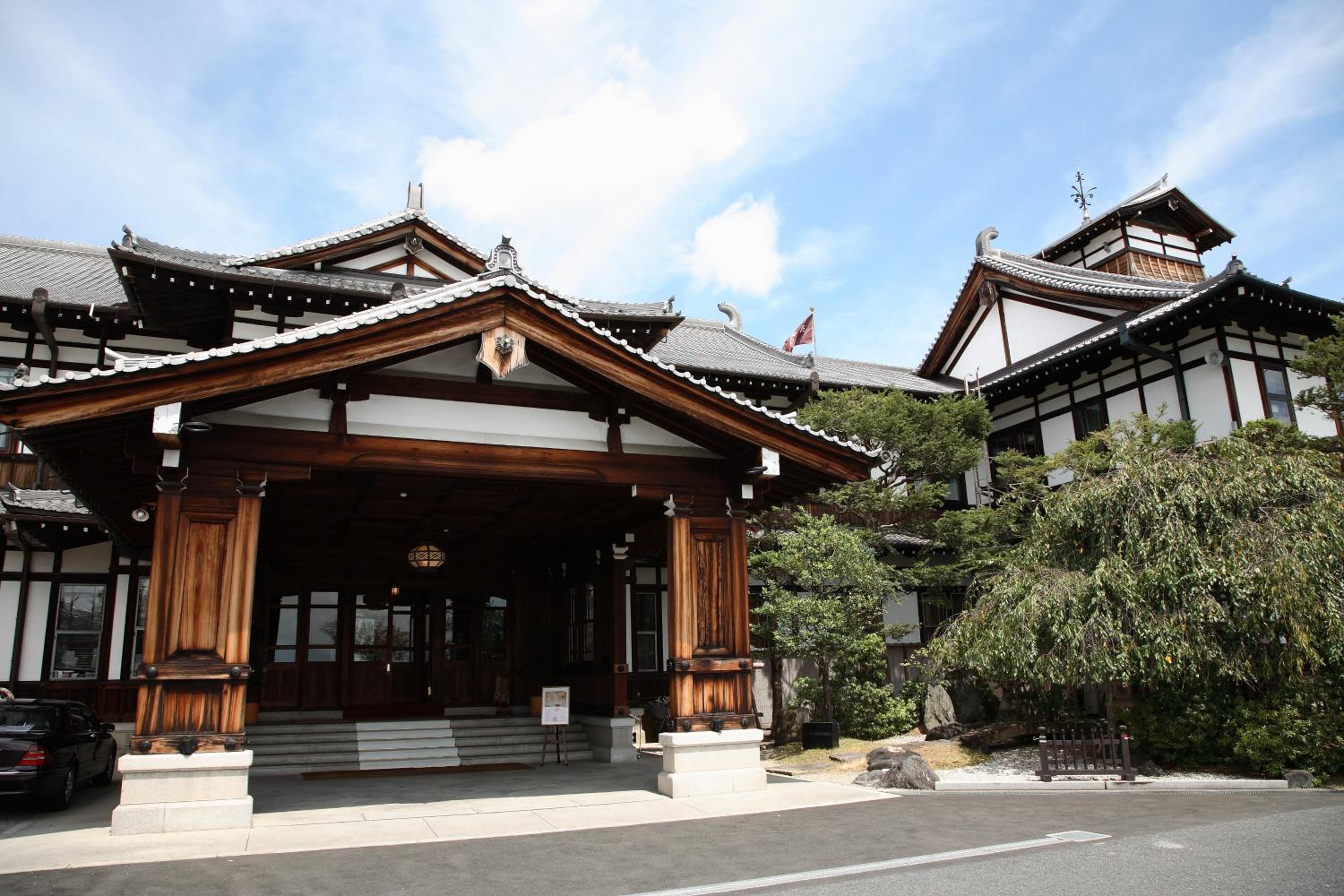
Stay in Naramachi if you stay at all: guesthouses in the old merchant houses put the park before nine in the morning and after five within a walk, once the day-trippers have gone. 59.3% of Nara stops planned on Stippl are a single night, and most people day-trip from Kyoto or Osaka. A temple stay is the one room worth coming for on its own.
Nara Park
A few upscale hotels and ryokan on the park's edge, €150 to €400, with the deer outside the window.
Naramachi
Guesthouses in machiya townhouses, €60 to €150, and temple stays with morning prayers from €90.
Downtown
Business hotels between the two stations, €50 to €100, with hostels from €20.
Nishinokyo
A few plain guesthouses near the western temples, €40 to €80, and almost no other visitors.


What to eat in Nara
Pressed sushi wrapped in a persimmon leaf, a preservation method turned local speciality. The leaf is wrapping, not food
Vegetables pickled in sake lees, the town's oldest export
Pounded rice cake; Nara's high-speed mochi pounding is a street spectacle
Discover food spots in Stippl
Find restaurants and markets on the map, save them to your itinerary, works offline too.
Nara customs and what not to do
The deer are not a petting zoo
They are wild animals with a sacred status, and nipping, snatching and chasing are all recorded; the young males in autumn are the ones to give room to.
The status is ancient
Killing a Nara deer was a capital offence until 1637, and they are still protected; a bow to a deer gets a bow back because they have learned it pays.
Only the official crackers
Buy the shika senbei from the stalls under the umbrellas, about €1.50, and feed the deer nothing else; they will eat paper, maps and tickets.
Todai-ji is a working site
Todai-ji and Kasuga Taisha are both active religious sites, so the usual temple and shrine conduct applies: quiet inside the Daibutsuden, no flash, hats off.
Do
- Buy the official deer crackers from the park stalls and hand them over promptly
- Hold the cracker up and the deer will bow before taking it
- Arrive for Todai-ji's 07:30 opening; the first half hour is quiet
- Decide between Kintetsu-Nara and JR Nara before buying a ticket; only the second is on the JR Pass
Don't
- Tease a deer with a cracker you are not going to give it
- Feed the deer anything but the crackers
- Walk around with food or a paper map in an open hand
- Cross the park on foot at midday in July or August
What a Nara trip costs
Budget
€70–80
Day-tripping in from Kyoto or Osaka, deer crackers and a free park, no bed cost at all.
Mid-range
€100–150
A Naramachi overnight, temple entries, a Kintetsu or JR ticket in.
High-end
€250+
A temple stay, a shukubo, with the vegetarian dinner and the morning service included.
Track what you actually spend
Set a daily budget per country and log expenses in any currency while you travel.
Fun facts about Nara
Nara was Japan's first permanent capital, from 710 to 784. Before Nara the court moved on each emperor's death, and Nara is where that stopped.
Killing a Nara deer was a capital offence until 1637. The deer are messengers of the god Takemikazuchi, and the roughly 1,200 that roam the park are designated a natural treasure.
The Great Buddha was unveiled in 752. The bronze figure in Todai-ji is over 15 metres tall, and the hall around it, rebuilt in 1709, is two-thirds the width of the original.
Kasuga Taisha was rebuilt every twenty years until the late 1800s. The Shinto tradition of periodic rebuilding kept the shrine new for a thousand years, and the 3,000 lanterns are lit twice a year.
Nara Park has been a park since 1880. Todai-ji, Kasuga Taisha, Kofuku-ji and the deer are all inside it, and it runs from the town to the foot of the hills on foot.
Kintetsu-Nara station is closer to the park than JR Nara. Which one you want depends on which line you took from Kyoto or Osaka, and the difference is fifteen minutes of walking.
Local tips for Nara
Kintetsu, not JR, from Kyoto
It is the only transport decision in Nara and a real one: Kintetsu is ten minutes faster and nearer the park, JR is free on the rail pass. Pay the €6 for Kintetsu.
No local transport needed
The walk from either station into the park is short and the park is the visit. The bus to Todai-ji saves ten minutes and costs the same in queuing.
Most people come for the day
59.3% of stops are a single night and a third are none at all; a day trip from Kyoto or Osaka is what Nara is, and the town after dark is the reward for staying.
The deer are the real hazard
They nip clothing, snatch paper and chase anyone holding crackers; the young males are the problem and the older deer are the polite ones. Feed with your hands empty of everything else.
Heat is the second hazard
The park is large and partly unshaded, and a summer afternoon crossing it on foot is a mistake. Do Todai-ji and Kasuga in the morning and the museum after lunch.
Keep your hands empty
The deer know the cracker paper by sight and the map by smell. Bags closed, tickets in a pocket, and nothing in the hands unless you are feeding one.
Nara questions, answered
Kyoto or Osaka, because both sit thirty-five minutes away and Nara is planned as a day out of them. Lay it into the route in Stippl as a day rather than as a move, and give it a whole one rather than a squeezed afternoon. Then ask people who went, in subreddits like r/JapanTravel.
Most do not. 59.3% of Nara stops planned on Stippl are a single night and many carry none at all. The honest reason is that Nara is a day rather than an evening: what is here is the park, the temples and the deer, and all three of them close.
One route in five: 20.5% of Japan trips planned on Stippl include Nara. That is well under what Kyoto or Osaka take, and it is usually a question of how many days the Kansai leg has rather than of how much the place is worth.
The Kintetsu line, given the choice. From Kyoto it runs thirty-five minutes and from Osaka Namba about the same, and Kintetsu Nara Station leaves you closer to the park than the JR station does. The JR Nara line takes roughly forty-five minutes from Kyoto and is the one a rail pass covers.
Buy the crackers from a park vendor and give them nothing else, because anything you brought will make them ill. Hold a cracker above your head and the deer bow for it, and they keep bowing while you keep holding. The older ones are the polite ones.
Earlier than almost anywhere: travellers leave 128 days between planning a Nara stop on Stippl and arriving, which is over four months. That is not really about Nara though, it is about Japan, where the whole trip gets settled months out and the day trips ride along with it.
Every guide is written by the Stippl editors and checked against the trips our travellers actually plan. Spotted something out of date? Let us know.

Plan Nara in Stippl
Day-by-day planning, stays and budget in one app, with every place from this guide already on the map.
Download the app