

Nara
I cervi di Nara si inchinavano, e sono il modo più affidabile di intrattenere i bambini in Kansai. Intorno a loro, otto monumenti UNESCO e un Buddha in bronzo di 1.300 anni, tutto dentro un parco a quaranta minuti da Kyoto.
Nara in breve
Nara: cosa aspettarsi
Ogni numero qui sotto proviene da 562.000+ fermate pianificate in Giappone su Stippl.
Nara è una giornata, e l'intera città è organizzata in modo che una giornata sia sufficiente. Tutto si trova all'interno del Nara Park, che si estende verso est dalle due stazioni, quindi cammini. Todai-ji ospita il Grande Buddha in bronzo fuso nell'ottavo secolo, in uno dei più grandi edifici di legno della terra; Kasuga Taisha è fiancheggiata da migliaia di lanterne di pietra; e circa milleduecento cervi sacri vagano per il parco e si inchinanano per i cracker. La maggior parte dei viaggiatori concede a Nara 1 notte su Stippl.
Un terzo delle persone che pianificano Nara non dormono lì, ed è la scelta corretta. Il 34,95% delle fermate a Nara pianificate su Stippl non include alcuna notte, una delle più alte percentuali di gite di un giorno del paese. Kyoto dista 35 minuti di Kintetsu e Osaka è lo stesso, quindi la città viene pianificata come gita di un giorno da qualcos'altro piuttosto che come soggiorno.
Prendi il primo treno e dedicagli un'intera giornata piuttosto che mezza. I templi e i cervi riempiono la mattina, e Naramachi, il quartiere machiya, è la risposta per il pomeriggio. Isuien Garden ritrae le colline dietro Kasuga Taisha nella sua stessa composizione, che è quello che il trucco fatto bene. Per la versione che quasi nessuno sceglie, cammina fino nella Kasugayama Primeval Forest, vecchia crescita protetta nel sito UNESCO, con una passeggiata guidata di tre o quattro ore.
Pianifica Nara in Stippl
Pianificazione giorno per giorno, alloggi e budget in un'unica app, con ogni luogo di questa guida già sulla mappa.
Scarica l'appPer chi è Nara
Viaggiatori interessati alla storia
La prima capitale del Giappone contiene otto monumenti UNESCO e un Buddha in bronzo di 1.300 anni, la maggior parte all'interno di un solo parco.
Famiglie
I cervi sono l'ora più affidabilmente buona con i bambini in qualsiasi luogo del Kansai, e vengono verso di te.
Chiunque sia di base a Kyoto o Osaka
Nara dista 35-45 minuti da entrambi, motivo per cui si trova nel 20,5% dei viaggi in Giappone su Stippl, più di luoghi due volte la sua dimensione.
Fotografi
Le lanterne di pietra di Kasuga Taisha e i cervi nel viale dei cedri sono i due inquadramenti, e la luce è migliore nella prima ora.
Forse non fa per te: chiunque voglia una serata completa di un luogo. Nara è una giornata: la maggior parte delle persone le dedica 1 notte o nessuna, e nessuno sostiene tre.
Il momento migliore per visitare Nara
Autunno
Ottobre e novembre
Confortevole, asciutto e con i colori al loro picco, in linea con il Kansai in generale.
Fioritura e stagione verde
fine marzo-maggio
Il picco della fioritura nel parco rende aprile il mese di gite più affollato dell'anno; maggio è caldo e verde, con soltanto la prima settimana della Golden Week affollata.
Pioggia e caldo
giugno-settembre
La stagione delle piogge e i mesi più caldi, e le sezioni aperte del parco hanno poca ombra; un taxi per attraversarlo non è un'idea eccentrica ad agosto.
Inverno
dicembre-febbraio
Freddo e molto tranquillo, con un'unica ragione stagionale per venire: il festival del fuoco sulle colline alla fine di gennaio.
- Nara è pianificata circa 128 giorni in anticipo su Stippl, il tempo di anticipo più lungo di qualsiasi tappa giapponese che copriamo. Solo il 7,4% dei piani di Nara sono fatti entro due settimane; si basa su prenotazioni a Kyoto e Osaka fatte mesi prima.
- Il quarto sabato di gennaio la collina del Monte Wakakusa viene data alle fiamme. Todai-ji, Kofuku-ji e Kasuga Taisha l'illuminano insieme, con fuochi d'artificio dopo, visibili da tutta la città; può essere posticipato per il tempo, quindi tenete libera la domenica.
- Omizutori, 1–14 marzo, fa cadere scintille sulla folla al Todai-ji. I monaci portano torce ardenti lungo il balcone del Nigatsudo sopra il complesso, un rituale che si ripete da più di mille anni; le serate sono affollate.
- Ad agosto il parco è illuminato da migliaia di candele per il Nara Tokae. La passerella dello Ukimido è fiancheggiata da lanterne nelle serate, che è l'unica ragione per essere a Nara nel mese più caldo.
Aggiungi le tue date per Nara e ti segnaliamo il meteo
Stippl mostra la stagione, l'affluenza e i prezzi per ogni tappa del tuo itinerario.
Descrivi il tuo viaggio e ottieni un itinerario per Nara in pochi secondi
Tutto questo guida è già in Stippl. Di' al pianificatore quanto tempo hai e cosa ti piace: costruisce l'itinerario, le giornate e i tempi di viaggio, e tu modifichi ciò che vuoi.
Cose da fare a Nara
 Photo by Stefan Szankowski via Unsplash
 Photo by Bruna Santos via Pexels
 Photo by Jo Sorgenfri via Unsplash
Dare i biscotti ai cervi
Comprate dieci biscotti per circa 1 € da qualsiasi banco nel parco e tenete uno in alto: i cervi si inchineranno per primi. In alto per il primo inchino, dietro la schiena per il secondo, poi consegnatelo; i cervi più anziani sono quelli ben educati.
Todai-ji e il Grande Buddha
Camminate sotto il più grande tetto in legno sulla terra fino al Daibutsu in bronzo, svelato nel 752 e alto quindici metri. Circa 5 €, aperto dalle sette e mezzo, e la folla è meno densa nella prima ora.
Kasuga Taisha
Camminate verso l'alto attraverso le lanterne di pietra fino al santuario vermiglio ai piedi della collina, fondato per proteggere la nuova capitale; migliaia di lanterne fiancheggiano l'accesso e il cortile interno è illuminato due volte all'anno. Gratis al recinto esterno.
Kofuku-ji
Vedete la pagoda a cinque piani, lo stemma della città, e il tesoro con le sue statue dell'ottavo secolo, circa 4 €. È la prima cosa che raggiungete dalla stazione e l'ultima cosa illuminata di notte.
Giardino Isuien
Due giardini in uno, entrambi che prendono in prestito le colline dietro il Kasuga Taisha nella composizione. Circa 7 €, chiuso martedì, e l'ora più tranquilla di Nara dopo il parco dei cervi.
Naramachi
Camminate nel quartiere machiya a sud del parco nel pomeriggio dopo i templi: birrifici di sake, una casa mercantile preservata che potete entrare gratuitamente, e i caffè dove non sono i turisti giornalieri.
I quartieri di Nara
Nara Park
Templi, lanterne, cervi
L'intera visita: Todai-ji, Kasuga Taisha, Kofuku-ji, i giardini e i cervi, dalle stazioni a est alle colline, con alcuni hotel e ryokan ai margini. Per tutti e per le famiglie; dormite qui per vederlo all'alba.
Il parco alle sette del mattino, e i prezzi corrispondono all'indirizzo.
Naramachi
Quartiere mercantile, caffè machiya
L'antico quartiere mercantile a sud del parco: case townhouse machiya, piccoli musei, caffè e due birrifici di sake ancora attivi, con guesthouses nelle vecchie case. Per chi vuole soggiornare di notte per la prima volta e desiderate la città dopo che i turisti giornalieri se ne sono andati.
Le strade più belle e la sera, a dieci minuti a piedi dal parco.
Downtown
Tra le stazioni, cena
Tra le due stazioni: i negozi, i ristoranti e quella che è la vita notturna di Nara, con gli hotel commerciali. Per una base pratica vicino ai treni e per mangiare fuori.
Cena e stazioni raggiungibili a piedi, e una strada commerciale piuttosto che una via dei templi.
Nishinokyo
Templi tranquilli, budget
A ovest del centro intorno a Yakushi-ji e Toshodai-ji, l'opzione tranquilla e quella economica, con alcune semplici guesthouses. Per una seconda notte e per i due templi che i turisti giornalieri saltano.
Due grandi templi senza folle, e un autobus per il parco.
Vedi ogni quartiere di Nara su un'unica mappa
Salva le zone che ti piacciono e Stippl organizza le tue giornate così non attraversi la città due volte.
Dove alloggiare a Nara
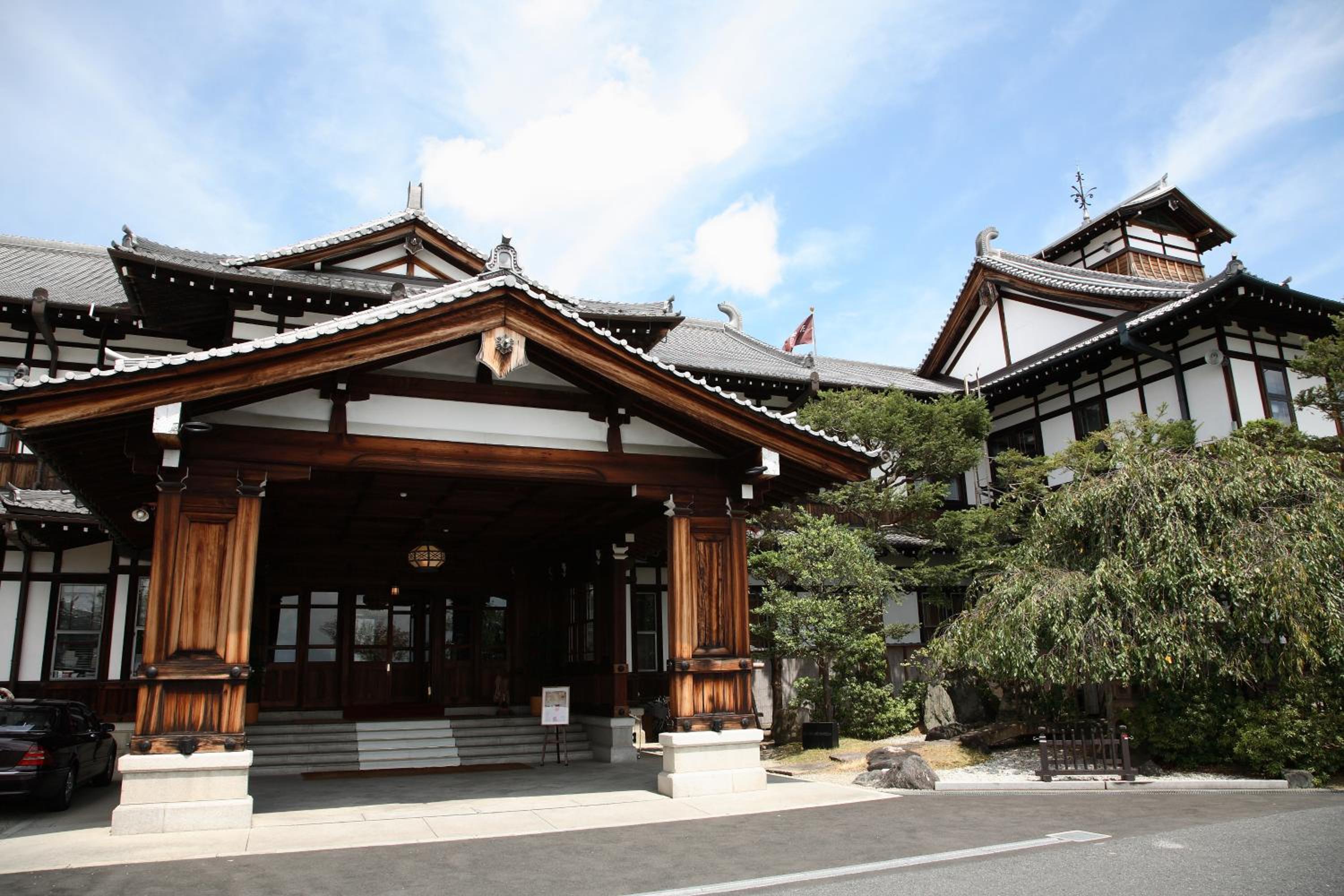
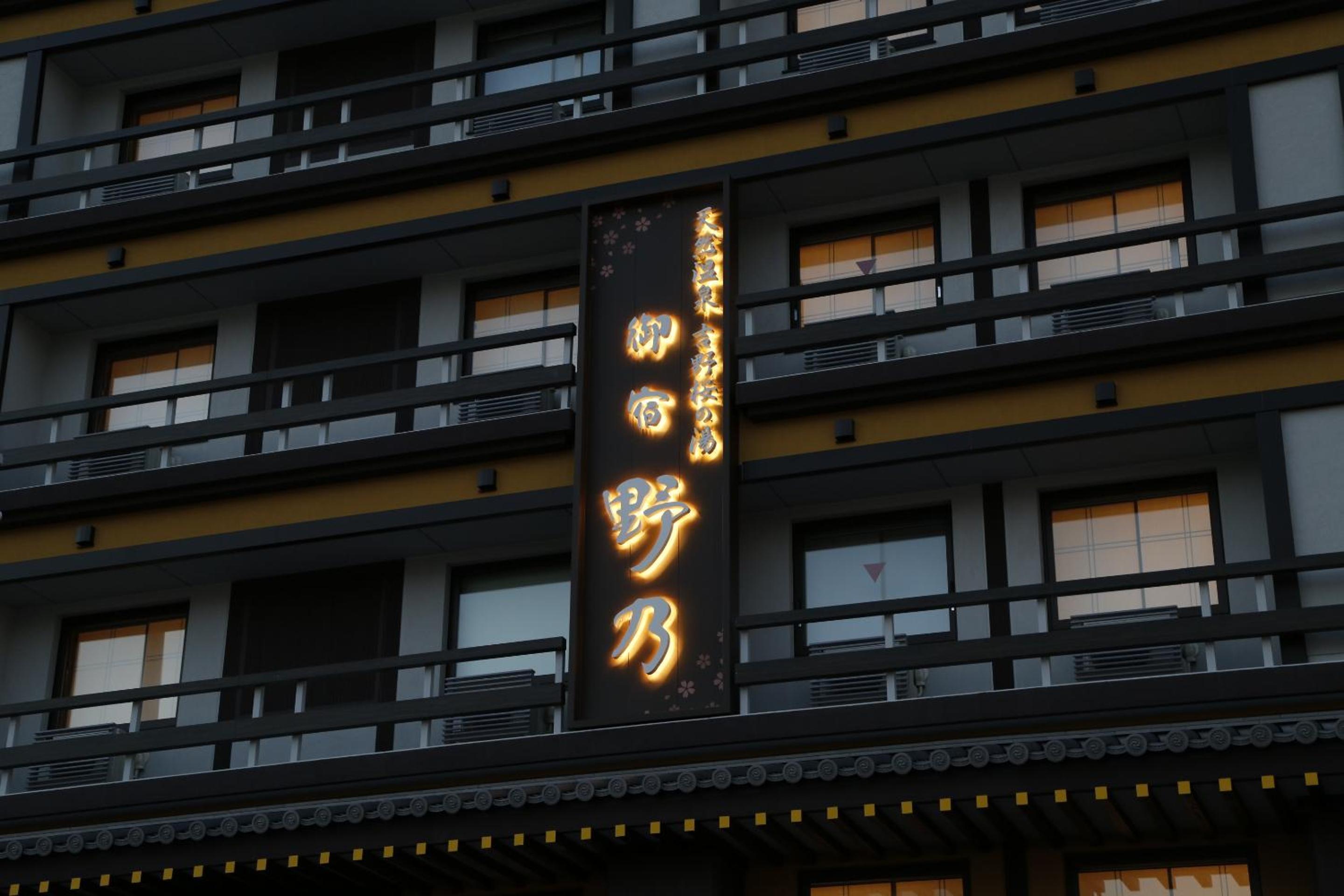
Restate a Naramachi se restate affatto: guesthouses nelle vecchie case mercantili mettono il parco prima delle nove del mattino e dopo le cinque a piedi, una volta che i turisti giornalieri se ne sono andati. Il 59,3% delle soste di Nara pianificate su Stippl sono una singola notte, e la maggior parte delle persone fanno una gita giornaliera da Kyoto od Osaka. Un soggiorno in tempio è l'unica camera degna di venire per suo conto.
Nara Park
Alcuni hotel di lusso e ryokan ai margini del parco, €150 a €400, con i cervi visibili dalla finestra.
Naramachi
Soggiorni in case tradizionali machiya, da €60 a €150, e ritiri nei templi con preghiere mattutine a partire da €90.
Centro
Hotel per affari tra le due stazioni, €50-€100, con ostelli da €20.
Nishinokyo
Alcune semplici guesthouse vicino ai templi occidentali, €40–€80, e quasi nessun altro visitatore.


Cosa mangiare a Nara
Sushi pressato avvolto in una foglia di cachi, un metodo di conservazione diventato specialità locale. La foglia è involucro, non cibo
Verdure sottaceto in feccia di sake, l'esportazione più antica della città
Torta di riso pestato; il rapido pestaggio di mochi di Nara è uno spettacolo da strada
Scopri posti dove mangiare in Stippl
Trova ristoranti e mercati sulla mappa, salvali nel tuo itinerario, funziona anche offline.
I costumi di Nara e cosa non fare
I cervi non sono uno zoo per accarezzare
Sono animali selvatici con uno status sacro, e mordere, afferrare e inseguire sono tutti comportamenti registrati; i giovani maschi in autunno sono quelli a cui lasciare spazio.
Lo status è antico
Uccidere un cervo di Nara era pena di morte fino al 1637, e sono ancora protetti; un inchino a un cervo riceve un inchino indietro perché hanno imparato che conviene.
Solo i cracker ufficiali
Comprate gli shika senbei dai banchi sotto gli ombrelli, circa 1,50 €, e non date ai cervi nient'altro; mangeranno carta, mappe e biglietti.
Todai-ji è un sito attivo
Todai-ji e Kasuga Taisha sono entrambi siti religiosi attivi, quindi si applicano i soliti comportamenti da tempio e santuario: silenzio dentro la Daibutsuden, niente flash, cappelli tolti.
Sì
- Comprate i biscotti ufficiali per i cervi dai banchi del parco e consegnateli prontamente
- Tenete il biscotto in alto e il cervo si inchinerà prima di prenderlo
- Arrivate all'apertura del Todai-ji alle 07:30; la prima mezz'ora è tranquilla
- Decidete tra Kintetsu-Nara e JR Nara prima di acquistare un biglietto; solo il secondo è incluso nel JR Pass
No
- Prendete in giro un cervo con un biscotto che non intendete dargli
- Date ai cervi qualsiasi cosa tranne i biscotti
- Camminate con cibo o una mappa di carta in mano aperta
- Attraversate il parco a piedi a mezzogiorno a luglio o agosto
Quello che costa un viaggio a Nara
Budget
€70–80
Gita giornaliera da Kyoto od Osaka, biscotti per cervi e un parco gratuito, nessun costo del letto.
Fascia media
€100–150
Una notte a Naramachi, ingressi ai templi, un biglietto Kintetsu o JR.
Lusso
€250+
Un soggiorno in tempio, uno shukubo, con la cena vegetariana e il servizio del mattino inclusi.
Tieni d'occhio quanto spendi davvero
Imposta un budget giornaliero per paese e registra le spese in qualsiasi valuta mentre viaggi.
Curiosità su Nara
Nara fu la prima capitale permanente del Giappone, dal 710 al 784. Prima di Nara la corte si trasferiva alla morte di ogni imperatore, e Nara è dove questo si fermò.
Uccidere un cervo di Nara era pena di morte fino al 1637. I cervi sono messaggeri del dio Takemikazuchi, e i circa 1.200 che vivono nel parco sono designati come tesoro naturale.
Il Grande Buddha fu svelato nel 752. La figura in bronzo del Todai-ji è alta più di 15 metri, e la sala intorno a essa, ricostruita nel 1709, è i due terzi della larghezza dell'originale.
Il Kasuga Taisha fu ricostruito ogni venti anni fino alla fine del 1800. La tradizione scintoista della ricostruzione periodica mantenne il santuario nuovo per mille anni, e i 3.000 lanterna sono illuminati due volte all'anno.
Nara Park è un parco dal 1880. Todai-ji, Kasuga Taisha, Kofuku-ji e i cervi si trovano tutti al suo interno, e si estende dalla città al piede delle colline a piedi.
La stazione di Kintetsu-Nara è più vicina al parco di JR Nara. Quale stazione scegliere dipende da quale linea hai preso da Kyoto od Osaka, e la differenza è quindici minuti di cammino.
Consigli locali per Nara
Kintetsu, non JR, da Kyoto
È l'unica decisione di trasporto a Nara e una decisione vera: Kintetsu è dieci minuti più veloce e più vicina al parco, JR è gratuito sul rail pass. Pagate i 6 € per Kintetsu.
Nessun trasporto locale necessario
Il cammino da una delle due stazioni al parco è breve e il parco è la visita. L'autobus per Todai-ji risparmia dieci minuti e costa lo stesso in attese.
La maggior parte delle persone vengono per il giorno
Il 59,3% delle soste sono una singola notte e un terzo sono affatto assenti; una gita giornaliera da Kyoto od Osaka è quello che è Nara, e la città dopo il tramonto è la ricompensa per aver soggiornato.
I cervi sono il vero pericolo
Mordono i vestiti, strappano la carta e inseguono chiunque tenga i biscotti; i giovani maschi sono il problema e i cervi più anziani sono quelli ben educati. Nutrite con le mani vuote di tutto il resto.
Il caldo è il secondo pericolo
Il parco è grande e in parte senza ombra, e attraversarlo a piedi nel pomeriggio d'estate è un errore. Fate il Todai-ji e il Kasuga al mattino e il museo dopo pranzo.
Tieni le mani vuote
I cervi conoscono la carta dei biscotti a vista e la mappa all'olfatto. Borse chiuse, biglietti in tasca, e niente nelle mani a meno che non stiate dando da mangiare a uno.
Domande su Nara, risposte
Kyoto o Osaka, perché entrambi distano 35 minuti e Nara viene pianificata come gita di un giorno da lì. Inseriscila nel percorso in Stippl come giornata piuttosto che come trasferimento, e dedicagli uno intero piuttosto che un pomeriggio compresso. Poi chiedi alle persone che ci sono state, in subreddit come r/JapanTravel.
La maggior parte non lo fa. Il 59,3% delle fermate a Nara pianificate su Stippl è una singola notte e molte non ne includono affatto. L'onesta ragione è che Nara è una giornata piuttosto che una serata: quello che c'è qui è il parco, i templi e i cervi, e tutti e tre chiudono.
Un percorso su cinque: il 20,5% dei viaggi in Giappone pianificati su Stippl include Nara. È ben al di sotto di quello che Kyoto o Osaka prendono, ed è solitamente una questione di quanti giorni ha la sezione Kansai piuttosto che di quanto valga il luogo.
La linea Kintetsu, data la scelta. Da Kyoto corre 35 minuti e da Osaka Namba circa lo stesso, e la stazione Kintetsu Nara ti lascia più vicino al parco della stazione JR. La linea JR Nara impiega circa 45 minuti da Kyoto ed è quella che una rail pass copre.
Compra i cracker da un venditore del parco e non dai niente altro, perché qualsiasi cosa tu abbia portato li farà star male. Tieni un cracker sopra la testa e i cervi si inchinano per esso, e continueranno a inchinarsi mentre continui a tenerlo. Quelli più vecchi sono i più educati.
Prima di quasi ovunque: i viaggiatori lasciano 128 giorni tra pianificare una sosta a Nara su Stippl e arrivarvi, che sono oltre quattro mesi. In realtà non è così tanto su Nara, è sul Giappone, dove l'intero viaggio si sistema mesi prima e le gite di un giorno vanno insieme ad esso.
Ogni guida è scritta dalla redazione Stippl e verificata sui viaggi che i nostri viaggiatori pianificano davvero. Hai notato qualcosa di non aggiornato? Faccelo sapere.

Pianifica Nara in Stippl
Pianificazione giorno per giorno, alloggi e budget in un'unica app, con ogni luogo di questa guida già sulla mappa.
Scarica l'app