

Nara
Os veados em Nara reverenciam, e são a atividade mais segura com crianças em todo o Kansai. À sua volta, oito monumentos UNESCO e um Buda de bronze com 1.300 anos, tudo dentro de um parque a quarenta minutos de Kyoto.
Nara em resumo
Nara: o que esperar
Cada número abaixo vem de 562.000+ paradas planejadas no Japão no Stippl.
Nara é um dia, e toda a cidade está organizada para que um dia seja suficiente. Tudo fica dentro do Parque Nara, que se estende para o leste a partir das duas estações, então você caminha. Todai-ji abriga o Grande Buda de bronze fundido no oitavo século, em um dos maiores edifícios de madeira da terra; Kasuga Taisha é forrada com milhares de lanternas de pedra; e cerca de mil e duzentos veados sagrados vagueiam pelo parque e fazem reverências por biscoitos. A maioria dos viajantes dedica 1 noite em Nara no Stippl.
Um terço das pessoas que planejam Nara nunca dorme lá, e essa é a decisão correta. 34,95% das paradas de Nara planejadas no Stippl não têm nenhuma noite, uma das maiores proporções de excursão de um dia do país. Kyoto fica a trinta e cinco minutos de distância pela Kintetsu e Osaka é o mesmo, então a cidade é planejada como uma excursão de outro lugar em vez de como uma estadia.
Pegue o primeiro trem e dedique um dia inteiro em vez de metade de um. Os templos e os veados preenchem a manhã, e Naramachi, o bairro machiya, é a resposta para a tarde. O Jardim Isuien puxa as colinas atrás de Kasuga Taisha em sua própria composição, que é esse truque bem feito. Para a versão que quase ninguém leva, suba pela Floresta Primária Kasugayama, floresta antiga protegida dentro da listagem UNESCO, em uma caminhada guiada de três ou quatro horas.
Planeie Nara na Stippl
Planeamento dia a dia, alojamentos e orçamento numa só aplicação, com cada lugar deste guia já no mapa.
Descarregar a aplicaçãoPara quem é Nara
Viajantes interessados em história
A primeira capital do Japão abriga oito monumentos UNESCO e um Buda de bronze com 1.300 anos, a maioria deles dentro de um parque.
Famílias
Os veados são a hora mais confiável para crianças em Kansai, e vêm até você.
Qualquer um baseado em Kyoto ou Osaka
Nara fica a 35 a 45 minutos de ambos, e é por isso que está em 20,5% das viagens do Japão no Stippl, mais do que lugares duas vezes seu tamanho.
Fotógrafos
As lanternas de pedra de Kasuga Taisha e os veados na avenida de cedros são os dois enquadramentos, e a luz é melhor na primeira hora.
Talvez não seja para você: qualquer um que queira uma noite inteira em um lugar. Nara é um dia: a maioria das pessoas dedica 1 noite ou nenhuma, e ninguém discute três.
A melhor época para visitar Nara
Outono
outubro e novembro
Confortável, seco e no auge da cor, acompanhando o Kansai em geral.
Floração e estação verde
final de março a maio
O auge da floração no parque faz de abril o mês mais movimentado para passeios de um dia do ano; maio é quente e verde, com apenas a primeira semana do Golden Week movimentada.
Chuva e calor
junho a setembro
A estação chuvosa até os meses mais quentes, e as seções abertas do parque têm pouca sombra; um táxi pela área não é uma ideia excêntrica em agosto.
Inverno
dezembro a fevereiro
Frio e muito silencioso, com uma única razão para vir nesta estação: o festival de fogo na encosta no final de janeiro.
- Nara é planejada cerca de 128 dias antes no Stippl, o maior prazo de antecedência de qualquer parada japonesa que cobrimos. Apenas 7,4% dos planos de Nara são feitos dentro de uma quinzena; depende de reservas de Kyoto e Osaka feitas meses antes.
- No quarto sábado de janeiro, a encosta do Monte Wakakusa é incendiada. Todai-ji, Kofuku-ji e Kasuga Taisha acendem-na juntos, com fogos de artifício depois, visíveis em toda a cidade; pode ser adiado por causa do tempo, então mantenha o domingo livre.
- Omizutori, 1 a 14 de março, chove faíscas sobre a multidão em Todai-ji. Monges carregam tochas acesas ao longo da varanda de Nigatsudo acima do complexo, um ritual que funciona há mais de mil anos; as noites estão repletas.
- Em agosto o parque é iluminado por milhares de velas para Nara Tokae. A passarela Ukimido é revestida de lanternas à noite, que é a única razão para estar em Nara no mês mais quente.
Adicione as suas datas para Nara e avisamos sobre o tempo
A Stippl mostra a época, a afluência e os preços de cada paragem do seu roteiro.
Descreva a sua viagem e obtenha um roteiro de Nara em segundos
Tudo neste guia já está na Stippl. Diga ao planeador quanto tempo tem e do que gosta: ele constrói o roteiro, os dias e os tempos de viagem, e você edita o que quiser.
Coisas para fazer em Nara
 Photo by Stefan Szankowski via Unsplash
 Photo by Bruna Santos via Pexels
 Photo by Jo Sorgenfri via Unsplash
Alimentar os veados
Compre dez biscoitos por cerca de €1 em qualquer quiosque do parque e segure um acima da cabeça: os veados reverenciam primeiro. Acima da cabeça para a primeira reverência, atrás das costas para a segunda, depois entregue; os veados mais velhos são os educados.
Todai-ji e o Grande Buda
Caminhe sob o maior telhado de madeira da Terra até o Daibutsu de bronze, revelado em 752 e com quinze metros de altura. Cerca de €5, aberto a partir das sete e meia, e a multidão é mais fina na primeira hora.
Kasuga Taisha
Suba pela passagem das lanternas de pedra até o santuário vermelho aos pés da colina, fundado para proteger a nova capital; milhares de lanternas alinham o acesso e o pátio interior é iluminado duas vezes por ano. Gratuito até o precinto externo.
Kofuku-ji
Veja a pagode de cinco andares, emblema da cidade, e a sala de tesouro com suas estátuas do século 8, cerca de €4. É a primeira coisa que você alcança a partir da estação e a última coisa iluminada à noite.
Isuien Garden
Dois jardins em um, ambos emprestando as colinas atrás de Kasuga Taisha para a composição. Cerca de €7, fechado às terças, e a hora mais tranquila em Nara depois do parque de veados.
Naramachi
Caminhe pelo bairro machiya ao sul do parque à tarde após os templos: destilarias de saquê, uma casa de comerciante preservada que você pode entrar gratuitamente, e os cafés onde os visitantes de um dia não estão.
Os bairros de Nara
Nara Park
Templos, lanternas, veados
O passeio inteiro: Todai-ji, Kasuga Taisha, Kofuku-ji, os jardins e os veados, das estações a leste até as colinas, com alguns hotéis e ryokan nas bordas. Para todos e para famílias; durma aqui para aproveitar ao amanhecer.
O parque às sete da manhã, e preços que correspondem ao local.
Naramachi
Bairro de comerciantes, cafés machiya
O antigo bairro de comerciantes ao sul do parque: casarões machiya, pequenos museus, cafés e duas destilarias de saquê em funcionamento, com pousadas nas casas antigas. Para quem fica hospedado pela primeira vez e quer conhecer a cidade depois que os visitantes de um dia se vão.
As ruas mais bonitas e à noite, e dez minutos de caminhada até o parque.
Downtown
Entre as estações, jantar
Entre as duas estações: as lojas, os restaurantes e a vida noturna que Nara tem, com os hotéis para negócios. Para uma base prática perto dos trens e para comer fora.
Jantar e trens a pé, e uma rua de lojas em vez de um caminho de templo.
Nishinokyo
Templos tranquilos, orçamento
A oeste do centro, perto de Yakushi-ji e Toshodai-ji, a opção tranquila e a econômica, com algumas pousadas simples. Para uma segunda noite e para os dois templos que os visitantes de um dia pulam.
Dois grandes templos sem as multidões, e um ônibus até o parque.
Veja todos os bairros de Nara num único mapa
Guarde as zonas de que gosta e a Stippl organiza os seus dias para não atravessar a cidade duas vezes.
Onde ficar em Nara
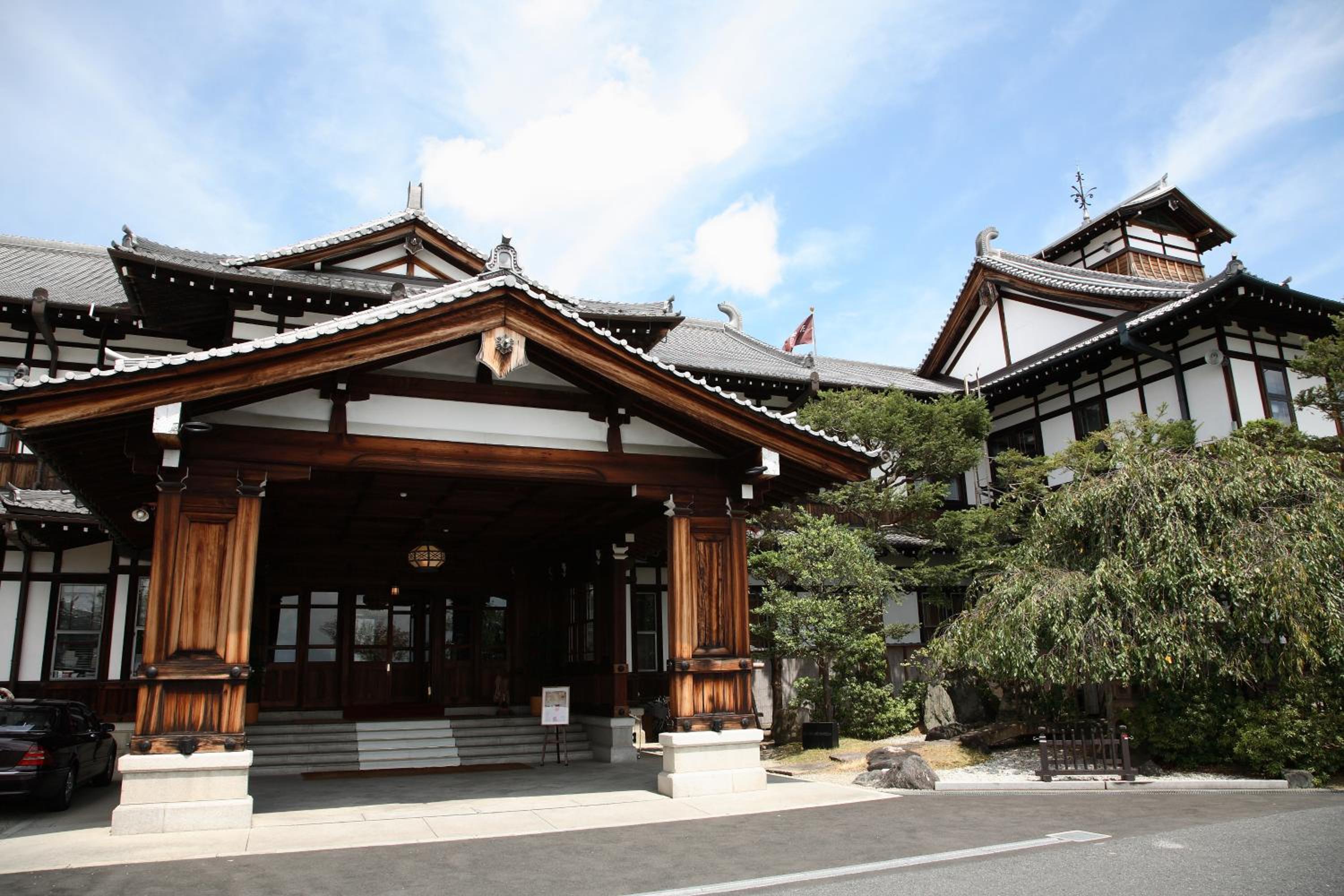
Fique em Naramachi se ficar: pousadas nas antigas casas de comerciantes permitem o parque antes das 9 da manhã e depois das 5 dentro de uma caminhada, quando os visitantes de um dia se foram. 59,3% das paradas de Nara planejadas no Stippl são uma única noite, e a maioria das pessoas faz viagens de um dia de Kyoto ou Osaka. Uma estadia em templo é o único quarto que vale a pena vir para ele por conta própria.
Nara Park
Alguns hotéis sofisticados e ryokan na borda do parque, €150 a €400, com os veados fora da janela.
Naramachi
Pousadas em casarões machiya, €60 a €150, e estadias em templos com orações matinais a partir de €90.
Centro
Hotéis para negócios entre as duas estações, €50 a €100, com albergues a partir de €20.
Nishinokyo
Algumas pousadas simples perto dos templos ocidentais, €40 a €80, e quase nenhum outro visitante.


O que comer em Nara
Sushi prensado embrulhado em folha de caqui, um método de preservação transformado em especialidade local. A folha é embrulho, não comida
Vegetais em conserva com resíduos de saque, a exportação mais antiga da cidade
Bolo de arroz amassado; o amassamento rápido de mochi de Nara é um espetáculo nas ruas
Descubra sítios para comer na Stippl
Encontre restaurantes e mercados no mapa, guarde-os no seu roteiro, também funciona offline.
Costumes de Nara e o que não fazer
Os veados não são um zoológico de animais de estimação
São animais selvagens com status sagrado, e mordidas, roubos e perseguições são todas registradas; os machos jovens em outono são os que devem receber espaço.
O status é antigo
Matar um veado de Nara era crime capital até 1637, e eles ainda são protegidos; uma reverência a um veado obtém uma reverência de volta porque aprenderam que compensa.
Apenas os biscoitos oficiais
Compre o shika senbei dos quiosques sob os guarda-chuvas, cerca de €1,50, e não alimente os veados com mais nada; eles comerão papel, mapas e ingressos.
Todai-ji é um local funcional
Todai-ji e Kasuga Taisha são ambos locais religiosos ativos, então a conduta usual do templo e santuário se aplica: silêncio dentro do Daibutsuden, sem flash, chapéu fora.
Fazer
- Compre os biscoitos de veado oficiais dos quiosques do parque e entregue-os promptamente
- Segure o biscoito para cima e o veado reverenciará antes de pegá-lo
- Chegue para a abertura das 07:30 do Todai-ji; a primeira meia hora é tranquila
- Decida entre Kintetsu-Nara e JR Nara antes de comprar um ingresso; apenas o segundo está no JR Pass
Evitar
- Provoque um veado com um biscoito que você não vai dar a ele
- Alimente os veados com qualquer coisa que não sejam os biscoitos
- Ande pela área com comida ou um mapa de papel com uma mão aberta
- Atravesse o parque a pé ao meio-dia em julho ou agosto
O que uma viagem a Nara custa
Orçamento
€70–80
Viagem de um dia de Kyoto ou Osaka, biscoitos de veado e um parque gratuito, sem custo de cama.
Faixa média
€100–150
Uma noite em Naramachi, entradas de templos, um ingresso Kintetsu ou JR incluído.
Alto padrão
€250+
Uma estadia em templo, um shukubo, com o jantar vegetariano e o serviço matinal inclusos.
Acompanhe o que gasta de verdade
Defina um orçamento diário por país e registe despesas em qualquer moeda enquanto viaja.
Curiosidades sobre Nara
Nara foi a primeira capital permanente do Japão, de 710 a 784. Antes de Nara, a corte se mudava com a morte de cada imperador, e Nara é onde isso parou.
Matar um veado de Nara era crime capital até 1637. Os veados são mensageiros do deus Takemikazuchi, e aproximadamente 1.200 que vagueiam pelo parque são designados um tesouro natural.
O Grande Buda foi revelado em 752. A figura de bronze em Todai-ji tem mais de 15 metros de altura, e o salão ao seu redor, reconstruído em 1709, tem dois terços da largura do original.
Kasuga Taisha foi reconstruído a cada vinte anos até o final de 1800. A tradição xintoísta de reconstrução periódica manteve o santuário novo por mil anos, e as 3.000 lanternas são acesas duas vezes por ano.
Nara Park tem sido um parque desde 1880. Todai-ji, Kasuga Taisha, Kofuku-ji e os veados estão todos dentro dele, e se estende da cidade até o pé das colinas a pé.
A estação de Kintetsu-Nara fica mais perto do parque do que a JR Nara. Qual você vai querer depende de qual linha você tomou de Kyoto ou Osaka, e a diferença é de quinze minutos de caminhada.
Dicas locais para Nara
Kintetsu, não JR, de Kyoto
É a única decisão de transporte em Nara e uma real: Kintetsu é dez minutos mais rápido e mais perto do parque, JR é gratuito no rail pass. Pague os €6 pela Kintetsu.
Sem transporte local necessário
A caminhada de qualquer estação até o parque é curta e o parque é o passeio. O ônibus para Todai-ji poupa dez minutos e custa o mesmo em espera.
A maioria das pessoas vem para o dia
59,3% das paradas são uma única noite e um terço nenhuma; uma viagem de um dia de Kyoto ou Osaka é o que Nara é, e a cidade depois de escuro é a recompensa por ficar.
Os veados são o risco real
Eles mordem roupas, roubam papel e perseguem qualquer um segurando biscoitos; os machos jovens são o problema e os veados mais velhos são os educados. Alimente com as mãos vazias de tudo mais.
O calor é o segundo risco
O parque é grande e parcialmente sem sombra, e uma travessia de tarde de verão a pé é um erro. Faça Todai-ji e Kasuga pela manhã e o museu após o almoço.
Mantenha as mãos vazias
Os veados conhecem o papel do biscoito à vista e o mapa pelo cheiro. Bolsas fechadas, ingressos no bolso, e nada nas mãos a menos que você esteja alimentando um.
Dúvidas sobre Nara, respondidas
Kyoto ou Osaka, porque ambos ficam a trinta e cinco minutos de distância e Nara é planejada como uma excursão de um dia. Inclua na rota no Stippl como um dia em vez de como um deslocamento, e dedique um dia inteiro em vez de uma tarde apressada. Depois pergunte às pessoas que foram, em subreddits como r/JapanTravel.
A maioria não. 59,3% das paradas de Nara planejadas no Stippl são uma única noite e muitas não têm nenhuma. A razão honesta é que Nara é um dia em vez de uma noite: o que está aqui é o parque, os templos e os veados, e todos os três fecham.
Uma em cada cinco rotas: 20,5% das viagens do Japão planejadas no Stippl incluem Nara. Isso é bem menor do que o que Kyoto ou Osaka levam, e geralmente é uma questão de quantos dias a perna de Kansai tem, em vez de quanto o lugar vale.
A linha Kintetsu, dada a escolha. De Kyoto leva trinta e cinco minutos e de Osaka Namba aproximadamente o mesmo, e a Estação Kintetsu Nara o deixa mais perto do parque do que a estação JR. A linha JR Nara leva aproximadamente quarenta e cinco minutos de Kyoto e é a que um passe ferroviário cobre.
Compre os biscoitos de um vendedor do parque e não dê nada mais, porque qualquer coisa que você trouxe os deixará doentes. Segure um biscoito acima da cabeça e os veados farão reverências por isso, e continuarão fazendo reverências enquanto você continuar segurando. Os mais velhos são os educados.
Mais cedo do que em quase qualquer lugar: os viajantes deixam 128 dias entre planejar uma parada em Nara no Stippl e chegar, o que é mais de quatro meses. Isso não é realmente sobre Nara, é sobre o Japão, onde toda a viagem é resolvida meses antes e as excursões de um dia vão junto.
Cada guia é escrito pela redação da Stippl e verificado com as viagens que os nossos viajantes planeiam de facto. Viu algo desatualizado? Diga-nos.

Planeie Nara na Stippl
Planeamento dia a dia, alojamentos e orçamento numa só aplicação, com cada lugar deste guia já no mapa.
Descarregar a aplicação