

Mt Fuji
Fuji is the break in the Tokyo to Kyoto run most trips take, and the view needs a clear morning more than a plan. Three compositions, a pagoda, a park, a shoreline; nine weeks a year to climb it.
Mt Fuji in a nutshell
Mt Fuji: what to expect
We hold 562,000+ planned stops across Japan on Stippl, and this is what they say.
Mount Fuji is a mountain you look at, and the lakeside towns are where you look at it from. Kawaguchiko is an hour and three quarters from Shinjuku by bus, and the sights here are viewpoints rather than places. The Chureito Pagoda, three hundred and ninety-eight steps above Fujiyoshida with the mountain behind it, is the most reproduced image of Japan there is. Oishi Park puts it straight across the water and the ropeway lifts you to a ridge above the lake. Most travellers give it 1 night on Stippl.
Mount Fuji is the shortest stop in this whole knowledge base, and the reason is that you may not see it. 47.8% of Mount Fuji stops planned on Stippl are a single night and 14.26% are day trips, which is the shape of a plan built around one thing that either happens or does not. Visibility runs to a minority of days and no forecast fixes that.
Give it one night and build a spare morning in. The mountain shows best from November to February and best before ten in the morning, so what improves the odds is more mornings rather than a better viewpoint. Take the Chureito Pagoda early or not at all. And treat Mount Fuji and Hakone as alternatives rather than a pair: they are the strongest substitution measured in this knowledge base, and doing both buys you the same day twice.
Plan Mt Fuji in Stippl
Day-by-day planning, stays and budget in one app, with every place from this guide already on the map.
Download the appWho Mt Fuji is for
First-timers doing Tokyo–Kyoto
Fuji is the classic break in that run: 12.3% of Japan trips on Stippl include it, and nearly all of those carry Tokyo too.
Photographers, with patience
The Chureito Pagoda, Oishi Park and the Motosu shoreline are the three compositions, and every one of them needs a clear morning.
Climbers, with a reservation
The season is nine weeks, 1 July to 10 September, the permit costs €22, and the trail is capped at 4,000 walkers a day.
Families
The ropeway, the swan boats and Fuji-Q Highland next door make this one of the easier Japanese stops to do with children.
Maybe not for you: anyone who needs the view, since Fuji is cloud-covered most days and no planning fixes that; anyone already going to Hakone, which is the same day out; and anyone travelling in Golden Week or mid-August, when the roads and the viewpoints seize up.
The best time to visit Mt Fuji
Clear and cold
December to March
The driest months, snow on the cone, the best visibility of the year and the fewest people.
Blossom
April and May
Cherry around the lakes, then bands of moss phlox below the mountain in May, and the most-photographed weeks of the year.
Rain and climbing
June to September
The rainy season, then the nine-week climbing window in haze and heat, then the typhoons.
Autumn
October and November
Colour along the Momiji Corridor, clearing air, and heavy crowding at the viewpoints.
- The climbing season opens on 1 July and closes on 10 September, and outside it the trails and huts are shut. A summit is a July or August decision made before the flight; the permit is capped at four thousand walkers a day.
- October is the month most travellers plan Fuji for on Stippl, about 107 days ahead, and it is the wrong month for the view. October clears slowly; the mountain shows itself best from November to February, and mornings before ten.
- The Momiji Corridor illuminations in November are the busiest fortnight in the town. The maple avenue by Lake Kawaguchi is lit at night, and the lakeside rooms go weeks ahead.
- The moss phlox festival runs mid-April to late May and is one of the biggest domestic draws of the year. The bands of colour below the mountain fill the roads at weekends; go midweek.
Add your Mt Fuji dates and we'll flag the weather
Stippl shows the season, crowds and prices for every stop on your route.
Describe your trip, get a Mt Fuji itinerary in seconds
Everything in this guide is already in Stippl. Tell the planner how long you have and what you like: it builds the route, the days and the travel times, and you edit whatever you want.
Things to do in Mt Fuji


The Chureito Pagoda
Climb 398 steps above Fujiyoshida to the five-storey pagoda with Fuji behind it, the most reproduced image of Japan there is. Early morning or not at all: the mountain clouds over by late morning most days.
Oishi Park
Stand on the north shore of Lake Kawaguchi with Fuji straight across the water, lavender in July and red kokia in October. Free, on the sightseeing bus loop, and the café terrace faces the right way.
Climbing to the summit
Nine weeks a year from early July, a €23 fee, a cap of four thousand climbers a day and an overnight in a hut for the sunrise from 3,776 metres. The huts are booked in spring; the Yoshida trail from the Fifth Station is the standard route.
The Kawaguchiko Ropeway
Ride three minutes to a ridge with the lake below and the mountain opposite, about €6 return. Go in the first hour of the day for a clear view and no queue.
Oshino Hakkai
Walk between eight spring-fed ponds of meltwater filtered through the mountain, thatched houses around them and the water clear enough to read through. Free, forty minutes by bus from Kawaguchiko, and quiet before ten.
The Momiji Corridor
Walk the maple avenue by the lake in November, when it is lit at night for two weeks. Free, and the one evening plan in a place that otherwise goes dark at eight.
The neighbourhoods of Mt Fuji
Kawaguchiko
Lakeside town, the terminus
The main lakeside town and the transport terminus: hotels with lake-facing rooms, the ropeway, Oishi Park on the north shore and the retro sightseeing buses. For first stays and for anyone without a car.
The mountain from the room on a clear morning, and the busiest town on the lakes.
Fujiyoshida
Pagoda, shopping street, trailhead
The town below the northern trailhead, with the Chureito Pagoda above it and Honcho Street, where the mountain stands at the end of the road, and the traditional start of the climb. For photographers and climbers.
The famous photographs on foot, and a working town rather than a resort.
Lake Yamanaka
Eastern lakes, Japanese holidays
The eastern lakes: quieter, more Japanese-holiday than foreign-tourist, with the spring-fed ponds of Oshino Hakkai between them and pensions along the shore. For second visits and families with a car.
Fewer foreign visitors and the ponds, and a car for every outing.
The western lakes
Forest, banknote view, thin buses
Saiko, Shoji and Motosu: forest, the Aokigahara woodland and the Motosu view printed on the thousand-yen note, thin on accommodation and thinner on buses. For drivers and campers who want the lakes without the towns.
The quietest shores and the classic view, and nothing without a car.
See every Mt Fuji neighbourhood on one map
Save the areas you like and Stippl plots your days so you're not crossing the city twice.
Where to stay in Mt Fuji
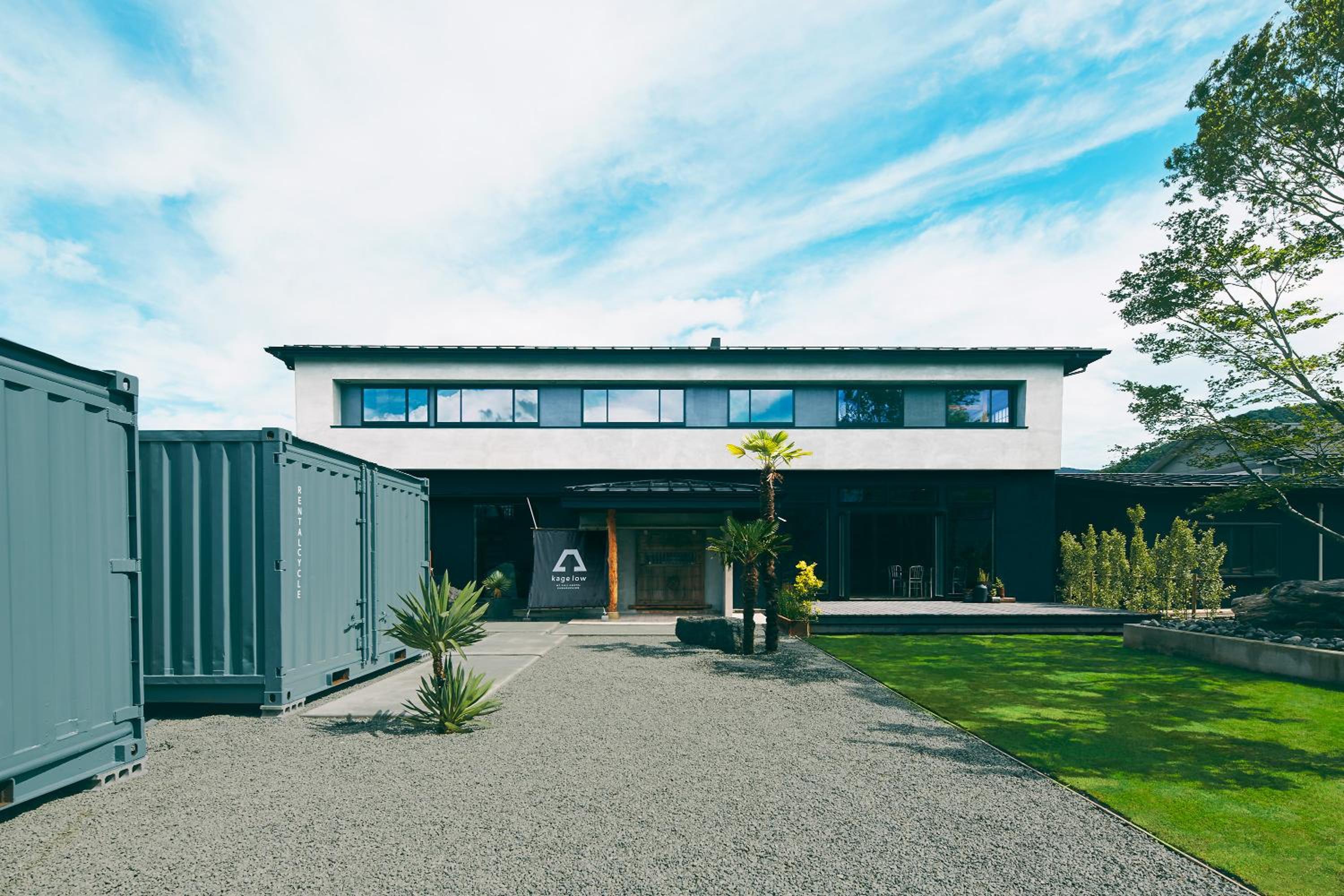
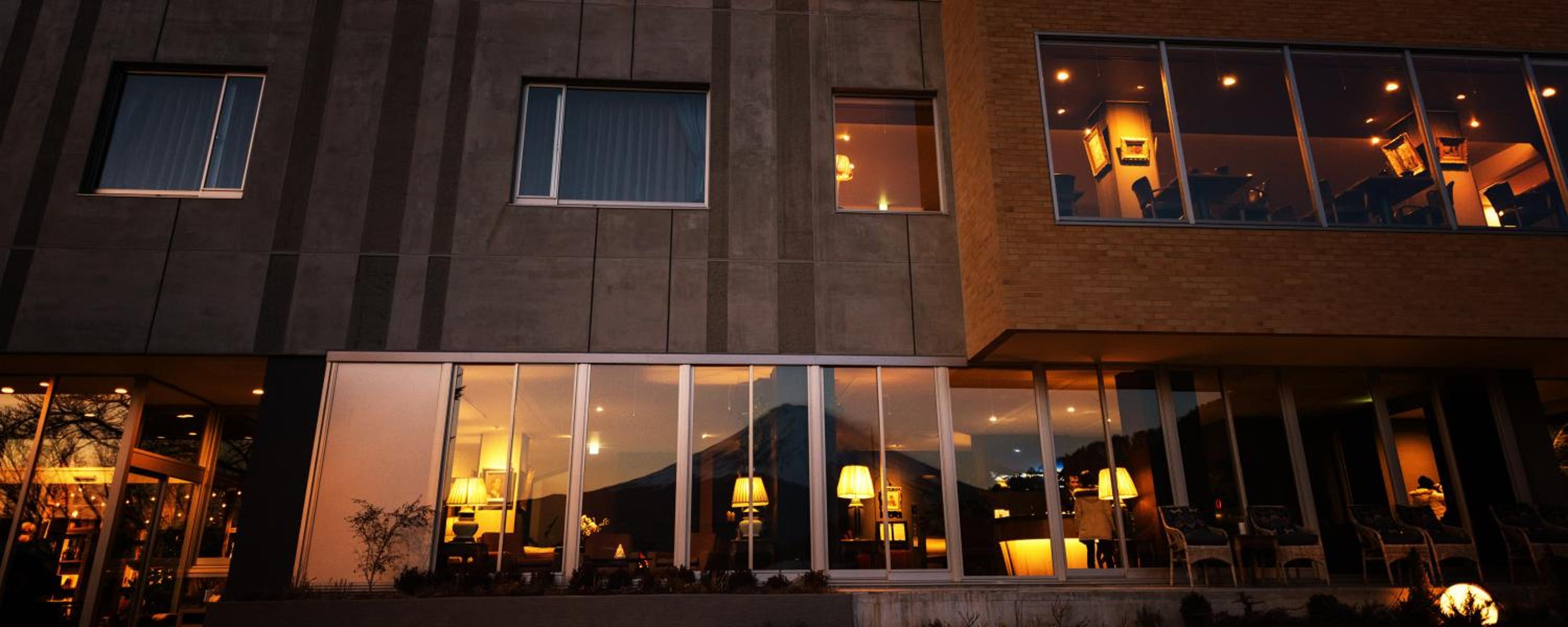
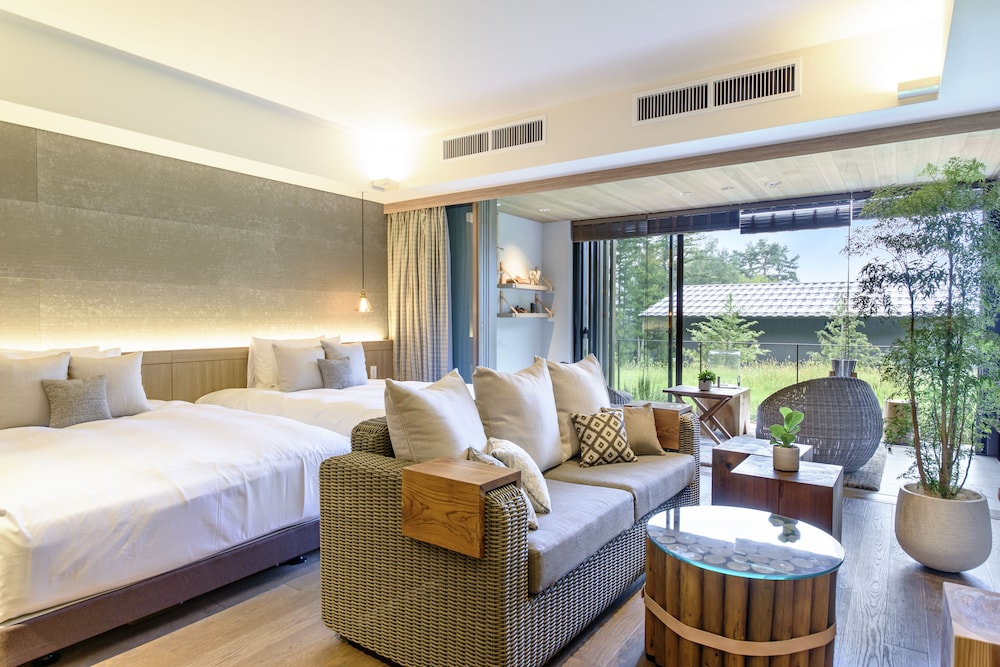
Stay in Kawaguchiko, in a Fuji-facing room if the forecast is good: the lake hotels, the onsen ryokan and the hostels are all within reach of the station, and the mountain view is the only decision that matters. 47.8% of Mt Fuji stops planned on Stippl are a single night. Cherry blossom and autumn sell out months ahead, with rates roughly doubling.
Kawaguchiko
Fuji-facing hostels from €30, lake hotels €90 to €200, and onsen ryokan facing the mountain €200 to €500.
Fujiyoshida
Guesthouses and small business hotels below the trailhead, €50 to €110, with the pagoda up the hill.
Lake Yamanaka
Family pensions and glamping sites on the eastern lakes, €70 to €180, more Japanese holiday than tourist.
The western lakes
A thin scatter of campsites, cabins and one or two lodges, €30 to €120, with your own transport.


What to eat in Mt Fuji
Yamanashi's own dish: flat wheat noodles stewed with pumpkin and vegetables in miso, served in an iron pot. The thing to eat here
Fujiyoshida's very firm, chewy udon, eaten at lunch counters that close by early afternoon
Local pork raised on the Fuji foothills, grilled or in a hotpot
Rice cakes with kinako and black-sugar syrup, the region's souvenir sweet
Smelt from the lakes, fried whole in winter
The spring-fed ponds at Oshino Hakkai are drinkable and the tofu made from that water is a local speciality
Discover food spots in Stippl
Find restaurants and markets on the map, save them to your itinerary, works offline too.
Mt Fuji customs and what not to do
Fuji is a sacred mountain
The UNESCO listing is a cultural one and the Sengen shrines at its foot are pilgrimage sites; the Fujiyoshida shrine is where the traditional climb starts, and it is in use.
The photo spots are in a town
The Lawson barrier went up because crowds stood in the road and on private property, and the response since has been signs, marshals and screens; stand on the pavement.
Climbing has a code
Reserve online and pay the fee weeks ahead, sleep in a hut rather than attempting it from the bottom in a day, and do not start up after the afternoon gate closes.
The lakeside is residential
Kawaguchiko's best viewpoints are people's front gardens and a school playground; drones are banned along the lakeshore and the signs are in four languages.
Do
- Build in more than one morning if the view matters
- Book the Shinjuku bus ahead in blossom and autumn
- Go to Chureito Pagoda at first light
- Reserve and pay the climbing fee weeks ahead if you intend to climb
- Stand on the pavement at the photo spots, not in the road
Don't
- Assume a JR Pass gets you all the way; the last leg is a private line
- Climb outside July to early September; the huts and trails are closed
- Expect the mountain; expect cloud and be pleased when you are wrong
- Fly a drone along the lakeshore
What a Mt Fuji trip costs
Budget
€39–66
A hostel bed with a Fuji view, bus day passes, convenience-store meals.
Mid-range
€110–193
A lake-facing hotel room, the ropeway, museum entries, a hōtō dinner.
High-end
€276–662
An onsen ryokan with a private bath facing the mountain, half board.
Track what you actually spend
Set a daily budget per country and log expenses in any currency while you travel.
Fun facts about Mt Fuji
Fuji is UNESCO-listed as a cultural site, not a natural one. The 2013 inscription reads sacred place and source of artistic inspiration, across 25 component areas including the lakes and the Sengen shrines.
Climbing is capped at 4,000 people a day. The cap covers all four trails, the fee is about €22 (¥4,000), and the season runs nine weeks from 1 July to 10 September.
A convenience store's view of Fuji was deliberately blocked in 2024. Fujikawaguchiko put a 20-metre screen in front of a Lawson to stop the crowds, and visitors cut holes in it.
The view from Lake Motosu is on the ¥1,000 note. The reverse of the banknote shows Fuji reflected in the lake, and the viewpoint is signposted from the road.
The Chureito Pagoda is a war memorial, not a temple. It is 398 steps up from Arakurayama Sengen Shrine, and the photograph of it with Fuji behind is the most reproduced view in Japan.
Fuji last erupted in 1707, in the Hoei era. The eruption threw ash as far as Edo, and the crater it opened on the south-east flank is still visible from the Tokaido line.
Mount Fuji is the shortest stop in Japan on Stippl. Most people give it one night, and 14.26% of planned stops carry no night at all; people come to look and leave.
Local tips for Mt Fuji
Take the bus from Shinjuku
It beats the train on time, price and simplicity, about €14 to Kawaguchiko in two hours. Book ahead in blossom and autumn; seats sell out and the road queues.
The JR Pass stops short
It does not cover the Fujikyu line, the last and unavoidable leg by rail from Otsuki. Budget about €8 for it, or take the bus.
Ride the retro buses
The colour-coded sightseeing loops with a two-day pass for about €10 are how you reach the viewpoints without a car. The red line does the north shore.
A hire car changes the map
The western lakes, Oshino Hakkai and the Motosu viewpoint are all awkward by bus and easy by car, about €60 a day from Kawaguchiko station.
How long to stay
Most people give the lakes 1 night on Stippl: the pagoda at dawn and the lake by day. A second night buys another morning for the mountain to be clear.
Climbing Fuji kills people
Most years, through altitude sickness, hypothermia or a single-push ascent without acclimatising. Sleep in a hut, carry warm layers for sub-zero at the summit in August, and respect the season and the cap.
Mt Fuji questions, answered
Early or late, as one night off the Tokyo corridor, and not alongside Hakone. Travellers leave 107 days between planning a Mount Fuji stop on Stippl and arriving. Lay it into the route in Stippl with a spare morning attached, then ask people who went, in subreddits like r/JapanTravel.
About one route in eight: 12.3% of Japan trips planned on Stippl include a Mount Fuji stop. That is lower than the mountain's fame would suggest, and the reason is that Hakone takes a similar share for a similar day and most people choose one of the two.
On a minority of days, and that is the honest answer rather than a hedge. Visibility is best from November to February and best before ten in the morning, and no forecast makes it reliable. Build a spare morning into the leg rather than a better viewpoint, because more chances is what improves the odds.
They are alternatives rather than a pair, and the substitution between them is the strongest this knowledge base has measured. Both are a caldera-and-mountain day within two hours of Tokyo. Doing both buys you the same day twice, so choose on whether you want the viewpoints or the onsen loop.
One night is the usual call: 47.8% of Mount Fuji stops planned on Stippl are a single night and 14.26% are day trips. One night gets you an evening and a morning, which is two chances at the view rather than one, and that is the argument against day-tripping it.
Kawaguchiko, for most people. It sits on the north shore with the mountain straight across the water, the ropeway up to the ridge, and the bus from Shinjuku ending there. Fujiyoshida is the other option and puts you closer to the Chureito Pagoda, which wants an early start anyway.
Every guide is written by the Stippl editors and checked against the trips our travellers actually plan. Spotted something out of date? Let us know.

Plan Mt Fuji in Stippl
Day-by-day planning, stays and budget in one app, with every place from this guide already on the map.
Download the app