
Mt Fuji
Fuji es la parada en el trayecto Tokio-Kioto que la mayoría de viajes hace, y la vista necesita una mañana clara más que un plan. Tres composiciones, una pagoda, un parque, una orilla; nueve semanas al año para subirla.
Mt Fuji en pocas palabras
Mt Fuji: qué esperar
Mantenemos 562.000+ paradas planificadas en Japón en Stippl, y esto es lo que dicen.
El Monte Fuji es una montaña que ves, y los pueblos junto al lago son desde donde la ves. Kawaguchiko está a una hora y tres cuartos de Shinjuku en autobús, y los lugares aquí son miradores más que destinos. La Pagoda Chureito, 398 escalones arriba de Fujiyoshida con la montaña detrás, es la imagen más reproducida de Japón. Oishi Park la coloca directamente al otro lado del agua y el teleférico te lleva a una cresta sobre el lago. La mayoría de viajeros le dedican 1 noche en Stippl.
El Monte Fuji es la parada más corta de toda esta base de conocimiento, y la razón es que es posible que no la veas. El 47,8% de las paradas de Monte Fuji planificadas en Stippl son una sola noche y el 14,26% son viajes de un día, que es la forma de un plan construido alrededor de algo que ocurre o no. La visibilidad se reduce a una minoría de días y ningún pronóstico arreglará eso.
Dale una noche y prepara una mañana extra. La montaña se ve mejor de noviembre a febrero y mejor antes de las diez de la mañana, así que lo que mejora las probabilidades es más mañanas en lugar de un mirador mejor. Toma la Pagoda Chureito temprano o no la tomes en absoluto. Y trata el Monte Fuji y Hakone como alternativas en lugar de un conjunto: son la sustitución más fuerte medida en esta base de conocimiento, y hacer ambas te compra el mismo día dos veces.
Planifica Mt Fuji en Stippl
Planificación día a día, alojamientos y presupuesto en una sola app, con cada lugar de esta guía ya en el mapa.
Descargar la appPara quién es Mt Fuji
Principiantes haciendo Tokio–Kyoto
Fuji es el descanso clásico en ese recorrido: el 12,3% de los viajes a Japón en Stippl lo incluyen, y casi todos ellos también tienen Tokio.
Fotógrafos, con paciencia
La Pagoda Chureito, Oishi Park y la costa de Motosu son las tres composiciones, y cada una de ellas necesita una mañana despejada.
Escaladores, con reserva
La temporada es de nueve semanas, del 1 de julio al 10 de septiembre, el permiso cuesta €22, y el sendero está limitado a 4.000 caminantes al día.
Familias
El teleférico, los cisnes de juguete y Fuji-Q Highland al lado hacen que este sea uno de los pasos japoneses más fáciles para hacer con niños.
Puede que no sea para ti: cualquiera que necesite la vista, ya que Fuji está cubierto de nubes la mayoría de los días y ninguna planificación arregla eso; cualquiera que ya vaya a Hakone, que es el mismo día; y cualquiera que viaje durante Golden Week o mediados de agosto, cuando las carreteras y los miradores se saturan.
El mejor momento para visitar Mt Fuji
Despejado y frío
Diciembre a marzo
Los meses más secos, nieve en el cono, la mejor visibilidad del año y menos gente.
Flores de cerezo
Abril y mayo
Flores de cerezo alrededor de los lagos, luego bandas de phlox musgo bajo la montaña en mayo, y las semanas más fotografiadas del año.
Lluvia y escalada
Junio a septiembre
la temporada de lluvias, luego las nueve semanas de escalada en neblina y calor, luego los tifones.
Otoño
Octubre y noviembre
color a lo largo del Momiji Corridor, aire despejado, y gran aglomeración en los miradores.
- La temporada de escalada abre el 1 de julio y cierra el 10 de septiembre, y fuera de ella los senderos y cabañas están cerrados. Una cumbre es una decisión de julio o agosto hecha antes del vuelo; el permiso está limitado a cuatro mil caminantes al día.
- Octubre es el mes que la mayoría de viajeros planean Fuji en Stippl, aproximadamente 107 días antes, y es el mes equivocado para la vista. Octubre se aclara lentamente; la montaña se muestra mejor de noviembre a febrero, y mañanas antes de las diez.
- Las iluminaciones del Momiji Corridor en noviembre son la quincena más concurrida de la ciudad. La avenida de arces junto al Lago Kawaguchi está iluminada de noche, y las habitaciones junto a la orilla se reservan semanas antes.
- El festival de phlox musgo va de mediados de abril a finales de mayo y es uno de los mayores atractivos internos del año. Las bandas de color bajo la montaña llenan las carreteras los fines de semana; ve entre semana.
Añade tus fechas para Mt Fuji y te avisamos del tiempo
Stippl muestra la temporada, la afluencia y los precios de cada parada de tu ruta.
Describe tu viaje y obtén un itinerario de Mt Fuji en segundos
Todo lo de esta guía ya está en Stippl. Dile al planificador cuánto tiempo tienes y qué te gusta: construye la ruta, los días y los tiempos de viaje, y tú editas lo que quieras.
Cosas que hacer en Mt Fuji


La Pagoda Chureito
Sube 398 escalones sobre Fujiyoshida a la pagoda de cinco pisos con Fuji detrás, la imagen más reproducida que existe de Japón. Temprano por la mañana o nada: la montaña se nubla por la tarde la mayoría de los días.
Oishi Park
Ponte en la orilla norte del Lago Kawaguchi con Fuji directamente al otro lado del agua, lavanda en julio y kokia rojo en octubre. Gratis, en el circuito de autobuses de avistamiento, y la terraza de la cafetería mira hacia el lado correcto.
Escalada a la cumbre
Nueve semanas al año desde principios de julio, una tarifa de 23 €, un límite de cuatro mil escaladores al día y una noche en una cabaña para la salida del sol desde 3.776 metros. Las cabañas se reservan en primavera; el sendero Yoshida desde la Quinta Estación es la ruta estándar.
El Teleférico de Kawaguchiko
Sube tres minutos a una cresta con el lago abajo y la montaña enfrente, aproximadamente 6 € ida y vuelta. Ve en la primera hora del día para una vista clara y sin colas.
Oshino Hakkai
Camina entre ocho estanques alimentados por manantiales de agua de deshielo filtrada a través de la montaña, casas de paja alrededor y el agua lo suficientemente clara para leer a través. Gratis, cuarenta minutos en autobús desde Kawaguchiko, y tranquilo antes de las diez.
The Momiji Corridor
Camina por la avenida de arces junto al lago en noviembre, cuando está iluminada de noche durante dos semanas. Gratis, y el único plan nocturno en un lugar que de otro modo se oscurece a las ocho.
Los barrios de Mt Fuji
Kawaguchiko
Pueblo junto al lago, la terminal
El principal pueblo junto al lago y la terminal de transporte: hoteles con habitaciones vistas al lago, el teleférico, Oishi Park en la orilla norte y los autobuses de avistamiento de estilo retro. Para primeras estancias y para quien no tenga coche.
La montaña desde la habitación en una mañana clara, y el pueblo más concurrido de los lagos.
Fujiyoshida
Pagoda, calle comercial, acceso a sendero
El pueblo bajo el acceso norte del sendero, con la Pagoda Chureito arriba y Honcho Street, donde la montaña se encuentra al final de la carretera, e inicio tradicional de la subida. Para fotógrafos y montañeros.
Las fotografías famosas a pie, y un pueblo activo en lugar de un resort.
Lake Yamanaka
Lagos del este, vacaciones escolares japonesas
Los lagos del este: más tranquilos, más vacaciones escolares japonesas que turismo extranjero, con los estanques alimentados por manantiales de Oshino Hakkai entre ellos y pensiones junto a la orilla. Para segundas visitas y familias con coche.
Menos visitantes extranjeros y los estanques, y un coche para cada salida.
The western lakes
Bosque, vista de billete de banco, autobuses escasos
Saiko, Shoji y Motosu: bosque, el bosque Aokigahara y la vista de Motosu impresa en el billete de mil yenes, escaso alojamiento y autobuses aún más escasos. Para conductores y acampadores que quieren los lagos sin pueblos.
Las orillas más tranquilas y la vista clásica, y nada sin coche.
Consulta todos los barrios de Mt Fuji en un solo mapa
Guarda las zonas que te gusten y Stippl organiza tus días para que no cruces la ciudad dos veces.
Dónde alojarse en Mt Fuji
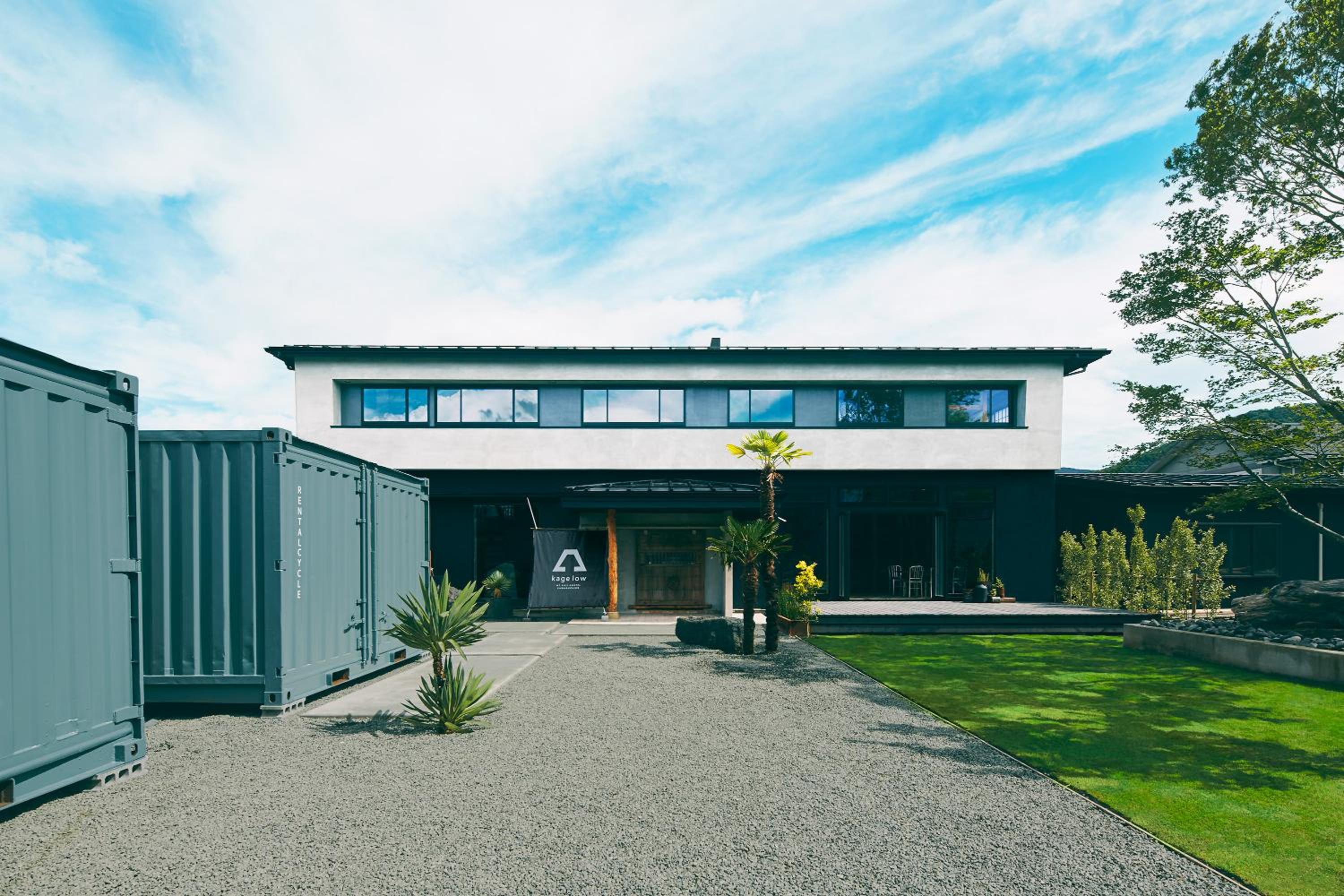
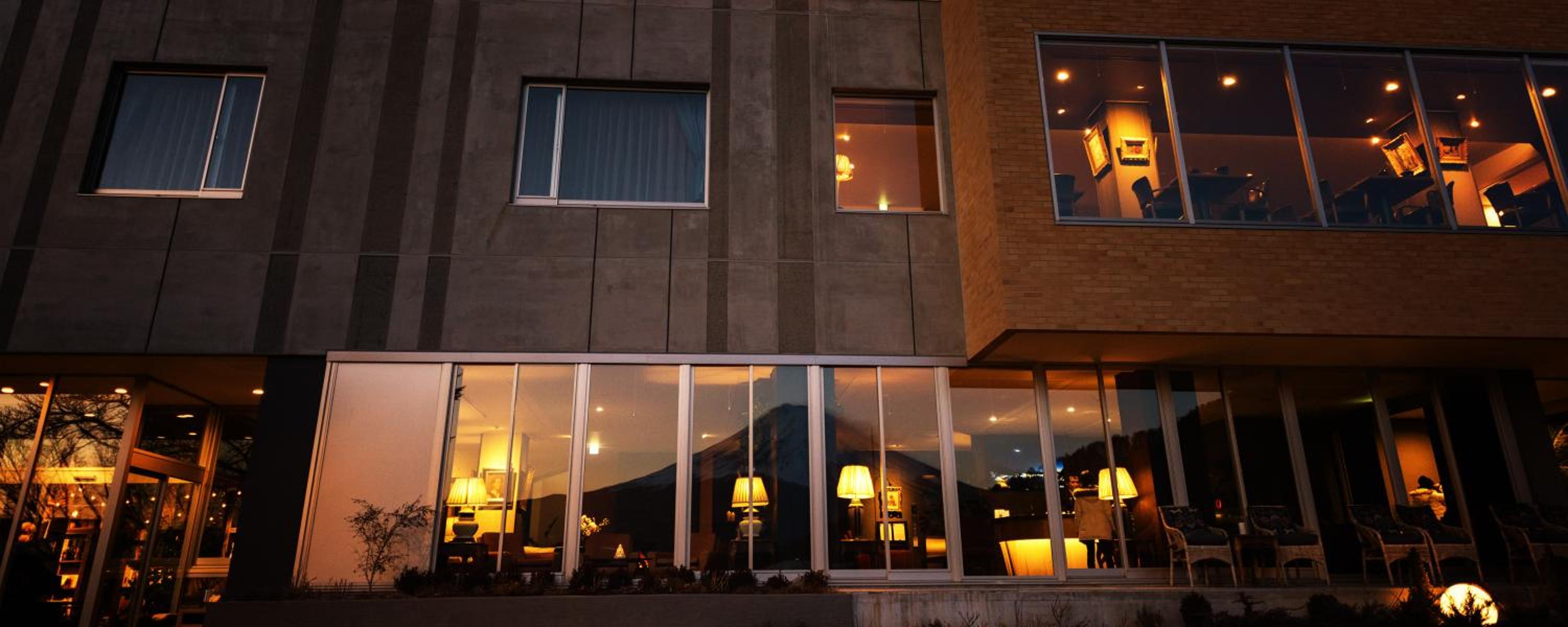
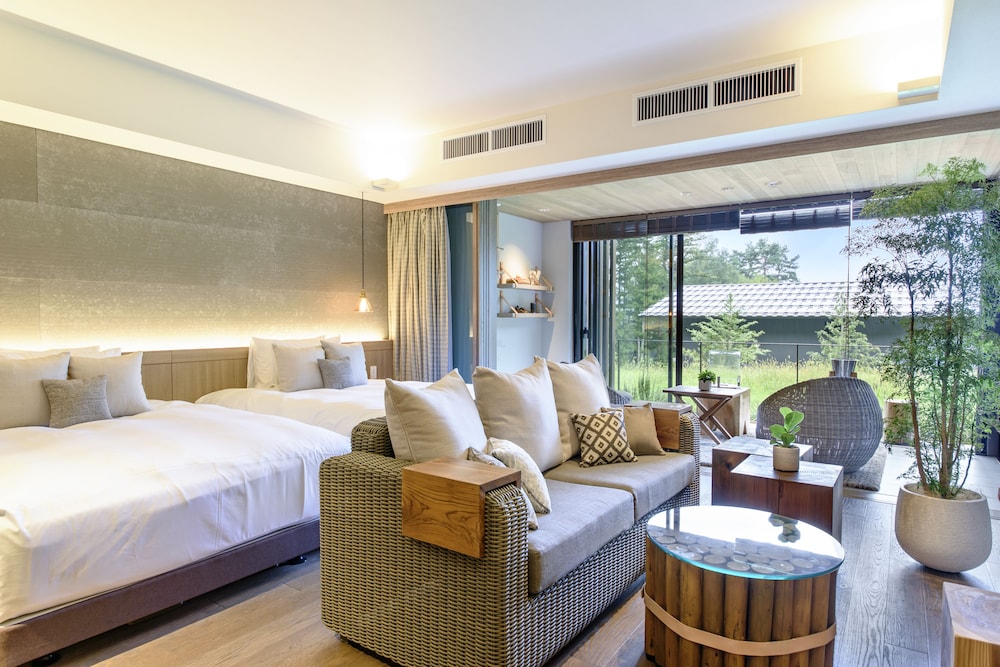
Alójate en Kawaguchiko, en una habitación vista a Fuji si el pronóstico es bueno: los hoteles del lago, el ryokan onsen y los albergues están todos al alcance de la estación, y la vista de la montaña es la única decisión que importa. El 47,8% de las paradas de Mt Fuji planeadas en Stippl son de una noche. Flores de cerezo y otoño se agotan meses antes, con tarifas aproximadamente el doble.
Kawaguchiko
Albergues vista a Fuji desde 30 €, hoteles junto al lago de 90 € a 200 €, y ryokan onsen frente a la montaña de 200 € a 500 €.
Fujiyoshida
Casas de huéspedes y pequeños hoteles de negocios bajo el acceso del sendero, de 50 € a 110 €, con la pagoda subiendo la colina.
Lake Yamanaka
Pensiones familiares y sitios de glamping en los lagos del este, de 70 € a 180 €, más vacaciones escolares japonesas que turísticas.
Los lagos del oeste
Una dispersión escasa de campamentos, cabañas y uno o dos albergues, de 30 € a 120 €, con tu propio transporte.


Qué comer en Mt Fuji
Plato típico de Yamanashi: tallarines de trigo planos guisados con calabaza y verduras en miso, servido en una olla de hierro. La comida estrella aquí
Udon muy firme y masticable de Fujiyoshida, comido en mostradores de almuerzo que cierran a primera hora de la tarde
Cerdo local criado en las laderas de Fuji, a la parrilla o en una olla caliente
Pastelitos de arroz con kinako y almíbar de azúcar moreno, el dulce de recuerdo de la región
Peces plateados de los lagos, fritos enteros en invierno
Los estanques alimentados por manantiales en Oshino Hakkai son potables y el tofu hecho con esa agua es una especialidad local
Descubre sitios para comer en Stippl
Encuentra restaurantes y mercados en el mapa, guárdalos en tu itinerario, también funciona sin conexión.
Costumbres de Mt Fuji y qué no hacer
Fuji es una montaña sagrada
La inscripción de la UNESCO es una cultural y los santuarios Sengen a sus pies son lugares de peregrinación; el santuario Fujiyoshida es donde comienza la subida tradicional, y está en uso.
Los lugares de fotos están en un pueblo
La barrera de Lawson se levantó porque las multitudes estaban en la carretera y en propiedades privadas, y la respuesta ha sido señales, vigilantes y pantallas; ponte en la acera.
La escalada tiene un código
Reserva en línea y paga la tarifa semanas antes, duerme en una cabaña en lugar de intentarlo desde abajo en un día, y no empieces a subir después de que cierre la puerta de la tarde.
La orilla del lago es residencial
Los mejores puntos de vista de Kawaguchiko son los jardines frontales de las casas y un patio de escuela; los drones están prohibidos a lo largo de la orilla del lago y los carteles están en cuatro idiomas.
Sí
- Planifica más de una mañana si la vista es importante
- Reserva el autobús de Shinjuku con anticipación en floración y otoño
- Ve a la Pagoda Chureito al primer luz
- Reserva y paga la tarifa de subida semanas antes si tienes intención de subir
- Ponte en la acera en los puntos fotográficos, no en la carretera
No
- No asumas que un JR Pass te lleva todo el camino; la última etapa es una línea privada
- No subas fuera de julio a principios de septiembre; las cabañas y senderos están cerrados
- Espera la montaña; espera nubes y alégrate cuando estés equivocado
- No vuela un dron a lo largo de la orilla del lago
Lo que cuesta un viaje a Mt Fuji
Presupuesto
€39–66
Una cama de albergue con vista a Fuji, pases de día en autobús, comidas de tienda de conveniencia.
Gama media
€110–193
Una habitación de hotel vista al lago, el teleférico, entradas a museos, una cena de hōtō.
Gama alta
€276–662
Un ryokan onsen con baño privado frente a la montaña, media pensión.
Controla lo que gastas de verdad
Fija un presupuesto diario por país y registra gastos en cualquier moneda mientras viajas.
Curiosidades sobre Mt Fuji
Fuji está listado por la UNESCO como sitio cultural, no natural. La inscripción de 2013 lo describe como lugar sagrado y fuente de inspiración artística, abarcando 25 zonas componentes incluyendo los lagos y los santuarios Sengen.
La subida está limitada a 4.000 personas al día. El límite cubre los cuatro senderos, la tarifa es de aproximadamente 22 € (¥4.000), y la temporada va nueve semanas desde el 1 de julio hasta el 10 de septiembre.
La vista de Fuji desde una tienda de conveniencia fue bloqueada deliberadamente en 2024. Fujikawaguchiko puso una pantalla de 20 metros frente a un Lawson para detener a las multitudes, y los visitantes hicieron agujeros en ella.
La vista del Lago Motosu está en el billete de ¥1.000. El reverso del billete muestra a Fuji reflejado en el lago, y el punto de vista está señalizado desde la carretera.
La Pagoda Chureito es un memorial de guerra, no un templo. Hay 398 escalones hacia arriba desde el Santuario Sengen de Arakurayama, y la fotografía de ella con Fuji detrás es la vista más reproducida de Japón.
Fuji erupcionó por última vez en 1707, en la era Hoei. La erupción lanzó ceniza hasta Edo, y el cráter que abrió en el flanco sureste aún es visible desde la línea Tokaido.
Mount Fuji es la parada más corta en Japón en Stippl. La mayoría de personas le dedican una noche, y el 14,26% de las paradas planeadas no incluyen noche alguna; la gente viene a mirar y se va.
Consejos locales para Mt Fuji
Toma el autobús desde Shinjuku
Supera al tren en tiempo, precio y simplicidad, aproximadamente 14 € a Kawaguchiko en dos horas. Reserva con anticipación en floración y otoño; los asientos se agotan y las colas en la carretera.
El JR Pass se queda corto
No cubre la línea Fujikyu, la última e ineludible etapa en tren desde Otsuki. Presupuesta aproximadamente 8 € para ello, o toma el autobús.
Monta los autobuses retro
Los circuitos de avistamiento con código de colores con un pase de dos días por aproximadamente 10 € es cómo alcanzas los puntos de vista sin coche. La línea roja hace la orilla norte.
Un coche de alquiler cambia el mapa
Los lagos del oeste, Oshino Hakkai y el punto de vista de Motosu son todos incómodos en autobús y fáciles en coche, aproximadamente 60 € al día desde la estación de Kawaguchiko.
Cuánto tiempo quedarse
La mayoría de personas dedican 1 noche a los lagos en Stippl: la pagoda al amanecer y el lago durante el día. Una segunda noche compra otra mañana para que la montaña esté clara.
Subir Fuji mata gente
La mayoría de años, por enfermedad de altitud, hipotermia o un ascenso de un solo empujón sin aclimatación. Duerme en una cabaña, lleva capas cálidas para temperaturas bajo cero en la cumbre en agosto, y respeta la temporada y el límite.
Preguntas de Mt Fuji, respondidas
Temprano o tarde, como una noche fuera del corredor de Tokio, y no junto con Hakone. Los viajeros dejan 107 días entre planificar una parada en el Monte Fuji en Stippl y llegar. Colócalo en la ruta en Stippl con una mañana extra adjunta, luego pregunta a personas que fueron, en subreddits como r/JapanTravel.
Aproximadamente una de cada ocho rutas: el 12,3% de los viajes a Japón planificados en Stippl incluyen una parada en el Monte Fuji. Esto es más bajo de lo que la fama de la montaña sugeriría, y la razón es que Hakone toma una parte similar para un día similar y la mayoría de personas eligen uno de los dos.
En una minoría de días, y esa es la respuesta honesta más que una evasiva. La visibilidad es mejor de noviembre a febrero y mejor antes de las diez de la mañana, y ningún pronóstico la hace confiable. Construye una mañana extra en el tramo en lugar de un mirador mejor, porque más oportunidades es lo que mejora las probabilidades.
Son alternativas en lugar de un conjunto, y la sustitución entre ellos es la más fuerte que esta base de conocimiento ha medido. Ambos son un día de caldera y montaña a dos horas de Tokio. Hacer ambos te compra el mismo día dos veces, así que elige según si quieres los miradores o el circuito de onsen.
Una noche es la decisión habitual: el 47,8% de las paradas del Monte Fuji planificadas en Stippl son una sola noche y el 14,26% son viajes de un día. Una noche te da una tarde y una mañana, que son dos oportunidades de ver la vista en lugar de una, y ese es el argumento en contra de visitarlo en un día.
Kawaguchiko, para la mayoría. Se sitúa en la orilla norte con la montaña directamente al otro lado del agua, el teleférico sube a la cresta, y el autobús de Shinjuku termina allí. Fujiyoshida es la otra opción y te coloca más cerca de la Pagoda Chureito, que de todas formas necesita una salida temprana.
Cada guía la escribe la redacción de Stippl y se contrasta con los viajes que nuestros viajeros planean de verdad. ¿Has visto algo desactualizado? Cuéntanoslo.

Planifica Mt Fuji en Stippl
Planificación día a día, alojamientos y presupuesto en una sola app, con cada lugar de esta guía ya en el mapa.
Descargar la app