
Mt Fuji
Fuji é a parada que a maioria das viagens faz no trajeto de Tóquio a Quioto, e a vista precisa de uma manhã clara mais do que de um plano. Três composições, uma pagode, um parque, um litoral; nove semanas por ano para escalá-lo.
Mt Fuji em resumo
Mt Fuji: o que esperar
Temos 562.000+ paradas planejadas em todo o Japão no Stippl, e é isso que eles dizem.
O Monte Fuji é uma montanha que você observa, e as cidades à beira do lago são de onde você a observa. Kawaguchiko fica a uma hora e quarenta e cinco minutos de Shinjuku de ônibus, e as atrações aqui são mirantes em vez de lugares. O Pagode Chureito, trezentos e noventa e oito degraus acima de Fujiyoshida com a montanha atrás dele, é a imagem mais reproduzida do Japão. Oishi Park a coloca em linha reta através da água e o teleférico o leva a uma crista acima do lago. A maioria dos viajantes dá 1 noite no Stippl.
O Monte Fuji é a parada mais curta de toda essa base de conhecimento, e a razão é que você pode não vê-lo. 47,8% das paradas do Monte Fuji planejadas no Stippl são de uma única noite e 14,26% são passeios diurnos, que é a forma de um plano construído em torno de uma coisa que ou acontece ou não. A visibilidade ocorre em uma minoria de dias e nenhuma previsão conserta isso.
Reserve uma noite e tenha uma manhã extra. A montanha fica melhor de novembro a fevereiro e melhor antes das dez da manhã, então o que melhora as chances é mais manhãs em vez de um ponto de vista melhor. Visite o Pagode Chureito cedo ou não visite. E trate o Monte Fuji e Hakone como alternativas em vez de um par: são a substituição mais forte medida nessa base de conhecimento, e fazer ambos lhe compra o mesmo dia duas vezes.
Planeie Mt Fuji na Stippl
Planeamento dia a dia, alojamentos e orçamento numa só aplicação, com cada lugar deste guia já no mapa.
Descarregar a aplicaçãoPara quem é Mt Fuji
Estreantes fazendo Tóquio–Quioto
Fuji é a pausa clássica nesse trajeto: 12,3% das viagens ao Japão no Stippl incluem, e quase todas também incluem Tóquio.
Fotógrafos, com paciência
O Pagode Chureito, Oishi Park e a costa de Motosu são as três composições, e cada uma delas precisa de uma manhã clara.
Alpinistas, com reserva
A temporada tem nove semanas, 1º de julho a 10 de setembro, o permesso custa €22, e a trilha é limitada a 4.000 caminhantes por dia.
Famílias
O teleférico, os barcos-cisne e o Fuji-Q Highland ao lado tornam este um dos passeios japoneses mais fáceis de fazer com crianças.
Talvez não seja para você: qualquer um que precise da vista, já que o Fuji fica coberto de nuvens na maioria dos dias e nenhum planejamento conserta isso; qualquer um já indo a Hakone, que é o mesmo dia de saída; e qualquer um viajando na Golden Week ou meados de agosto, quando as estradas e mirantes ficam congestionados.
A melhor época para visitar Mt Fuji
Claro e frio
Dezembro a março
Os meses mais secos, neve no cone, a melhor visibilidade do ano e menos pessoas.
Florescência
Abril e maio
Cerejeiras em torno dos lagos, depois fitas de musgo flox abaixo da montanha em maio, e as semanas mais fotografadas do ano.
Chuva e escalada
Junho a setembro
a estação chuvosa, depois as nove semanas da janela de escalada em neblina e calor, depois os tufões.
Outono
Outubro e novembro
cores ao longo do Momiji Corridor, ar claro, e grande aglomeração nos mirantes.
- A temporada de escalada abre em 1º de julho e fecha em 10 de setembro, e fora disso as trilhas e cabanas estão fechadas. Um cume é uma decisão de julho ou agosto tomada antes do voo; a permissão é limitada a quatro mil caminhantes por dia.
- Outubro é o mês que a maioria dos viajantes planeja Fuji no Stippl, cerca de 107 dias antes, e é o mês errado para a vista. Outubro limpa lentamente; a montanha se mostra melhor de novembro a fevereiro, e manhãs antes das dez.
- As iluminações do Momiji Corridor em novembro são a quinzena mais movimentada da cidade. A avenida de bordo ao lado do Lago Kawaguchi fica iluminada à noite, e os quartos à beira do lago saem com semanas de antecedência.
- O festival de musgo flox vai de meados de abril a final de maio e é um dos maiores atrativos domésticos do ano. As fitas de cor abaixo da montanha enchem as ruas nos fins de semana; vá entre semana.
Adicione as suas datas para Mt Fuji e avisamos sobre o tempo
A Stippl mostra a época, a afluência e os preços de cada paragem do seu roteiro.
Descreva a sua viagem e obtenha um roteiro de Mt Fuji em segundos
Tudo neste guia já está na Stippl. Diga ao planeador quanto tempo tem e do que gosta: ele constrói o roteiro, os dias e os tempos de viagem, e você edita o que quiser.
Coisas para fazer em Mt Fuji


A Pagoda Chureito
Escale 398 degraus acima de Fujiyoshida até a pagode de cinco andares com Fuji atrás dela, a imagem mais reproduzida do Japão. Madrugada ou nada: a montanha nubla até o final da manhã na maioria dos dias.
Oishi Park
Fique na costa norte do Lago Kawaguchi com Fuji direto do outro lado da água, lavanda em julho e kokia vermelha em outubro. Grátis, no loop de sightseeing, e a varanda do café fica virada para o lado certo.
Escalada para o cume
Nove semanas a partir de início de julho, uma taxa de €23, um limite de quatro mil escaladores por dia e uma noite em uma cabana para o amanhecer a 3.776 metros. As cabanas são reservadas na primavera; a trilha Yoshida a partir da Quinta Estação é o trajeto padrão.
O Teleférico Kawaguchiko
Viaje três minutos até uma crista com o lago abaixo e a montanha em frente, cerca de €6 ida e volta. Vá na primeira hora do dia para uma vista clara e sem fila.
Oshino Hakkai
Caminhe entre oito lagoas alimentadas por molas de água de degelo filtrada através da montanha, casarões com telhados de colmo ao redor delas e a água clara o suficiente para ler. Grátis, quarenta minutos de ônibus de Kawaguchiko, e tranquilo antes das dez.
The Momiji Corridor
Caminhe pela avenida de bordo ao lado do lago em novembro, quando fica iluminada à noite por duas semanas. Grátis, e o único plano noturno em um lugar que de outra forma fica escuro às oito.
Os bairros de Mt Fuji
Kawaguchiko
Cidade à beira do lago, o terminus
A principal cidade à beira do lago e o terminus de transporte: hotéis com quartos com vista para o lago, o teleférico, Oishi Park na costa norte e os ônibus de sightseeing retrô. Para primeiras estadias e para quem não tem carro.
A montanha da janela de um quarto em uma manhã clara, e a cidade mais movimentada dos lagos.
Fujiyoshida
Pagode, rua de compras, início da trilha
A cidade abaixo do trailhead norte, com a Pagode Chureito acima dela e Honcho Street, onde a montanha fica no fim da rua, e o início tradicional da escalada. Para fotógrafos e montanhistas.
As fotografias famosas a pé, e uma cidade que funciona em vez de um resort.
Lake Yamanaka
Lagos orientais, feriados japoneses
Os lagos orientais: mais quietos, mais feriado japonês do que turista estrangeiro, com as lagoas alimentadas por molas de Oshino Hakkai entre eles e pensões à beira do lago. Para segundas visitas e famílias com carro.
Menos visitantes estrangeiros e as lagoas, e um carro para cada passeio.
The western lakes
Floresta, vista de nota de banco, ônibus escassos
Saiko, Shoji e Motosu: floresta, a floresta Aokigahara e a vista Motosu impressa na nota de mil ienes, escassa em hospedagem e ainda mais escassa em ônibus. Para motoristas e campistas que querem os lagos sem as cidades.
As costas mais tranquilas e a vista clássica, e nada sem um carro.
Veja todos os bairros de Mt Fuji num único mapa
Guarde as zonas de que gosta e a Stippl organiza os seus dias para não atravessar a cidade duas vezes.
Onde ficar em Mt Fuji
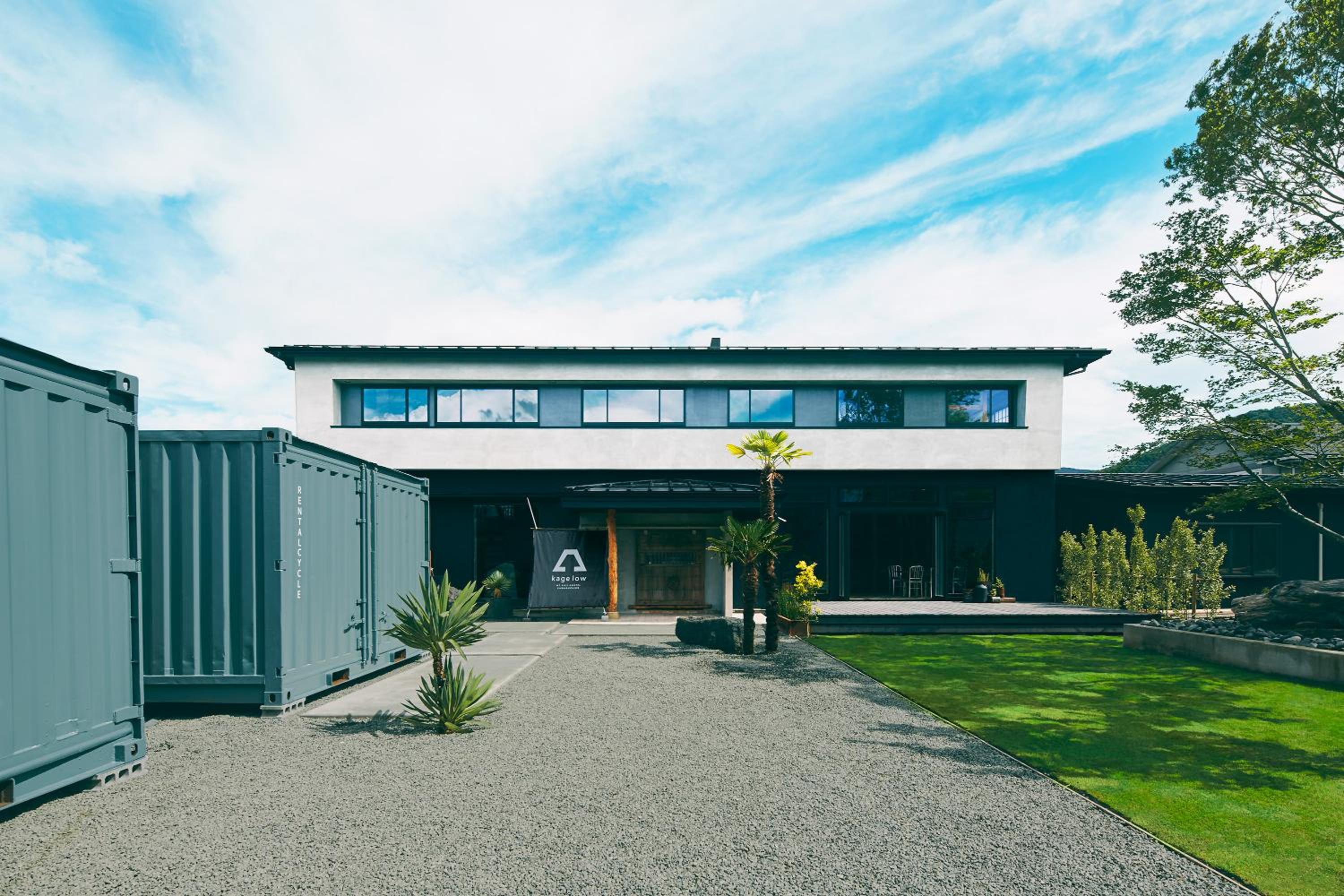
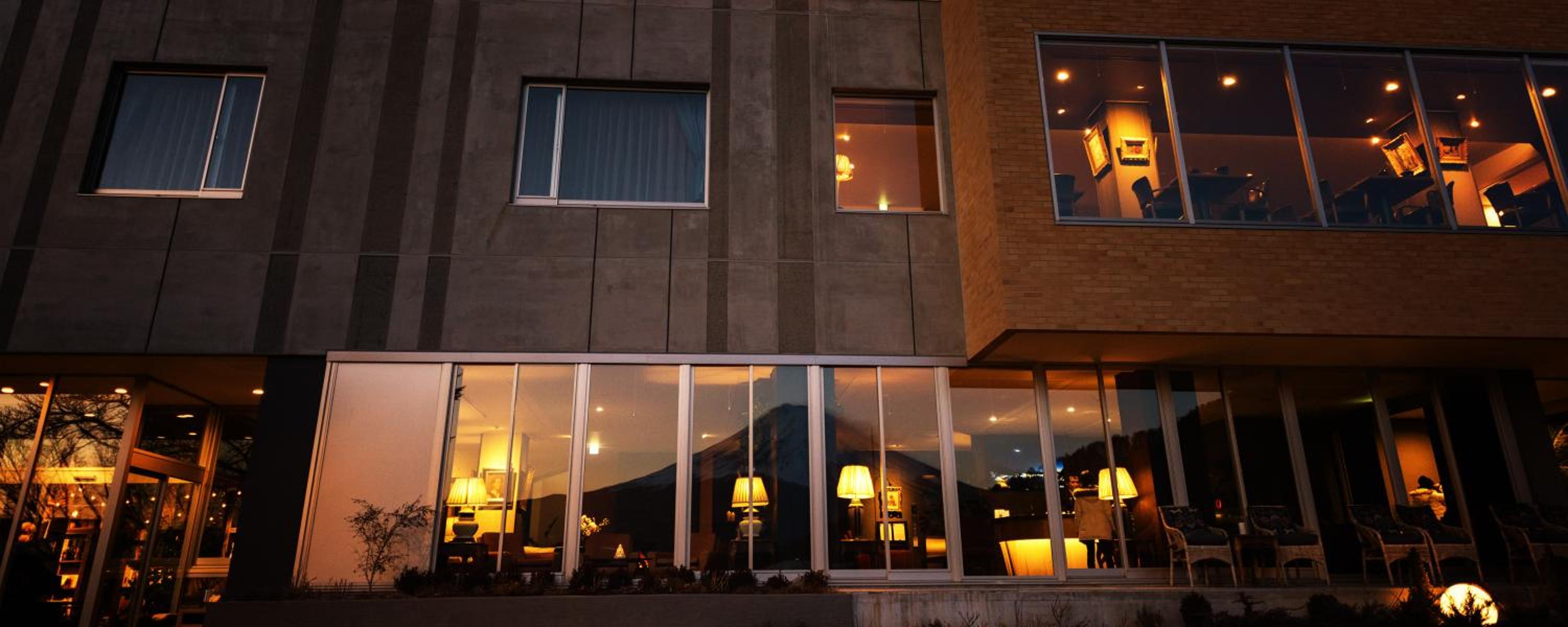
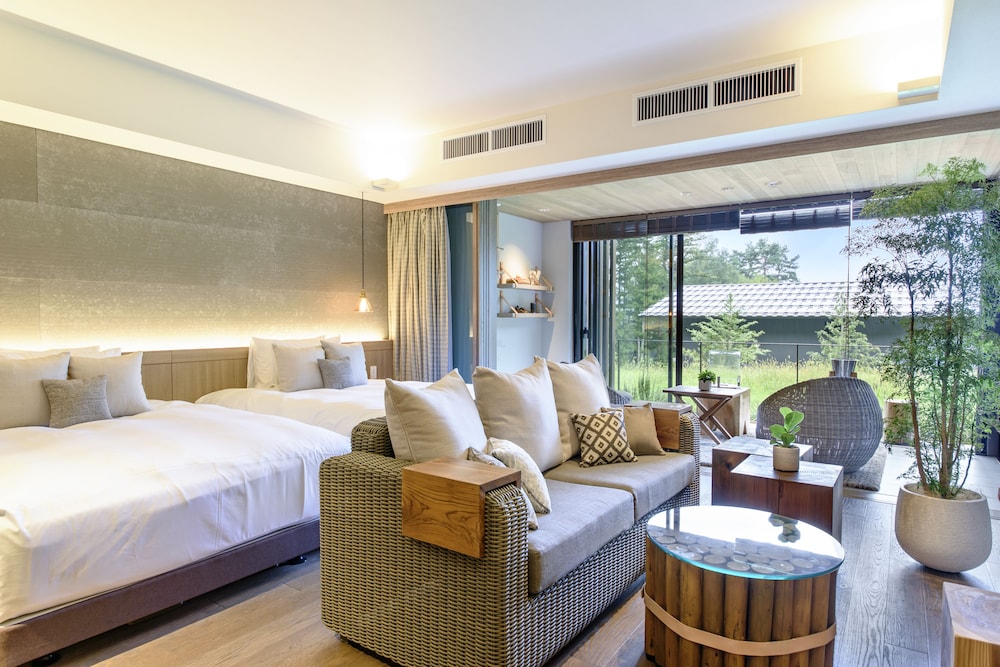
Fique em Kawaguchiko, em um quarto com vista para Fuji se a previsão for boa: os hotéis do lago, o ryokan onsen e os albergues estão todos ao alcance da estação, e a vista da montanha é a única decisão que importa. 47,8% das paradas de Mt Fuji planejadas no Stippl são de uma única noite. Flores de cerejeira e outono se esgotam com meses de antecedência, com taxas aproximadamente dobrando.
Kawaguchiko
Albergues com vista para Fuji de €30, hotéis à beira do lago €90 a €200, e ryokan onsen virados para a montanha €200 a €500.
Fujiyoshida
Casarões e pequenos hotéis comerciais abaixo do trailhead, €50 a €110, com a pagode acima da colina.
Lago Yamanaka
Pensões familiares e sites glamping nos lagos orientais, €70 a €180, mais feriado japonês do que turista.
Os lagos ocidentais
Uma dispersão escassa de acampamentos, cabanas e um ou dois albergues, €30 a €120, com seu próprio transporte.


O que comer em Mt Fuji
Prato próprio de Yamanashi: macarrão de trigo achatado cozido com abóbora e vegetais em missô, servido em uma panela de ferro. A coisa para comer aqui
Udon muito firme e mastigável de Fujiyoshida, comido nos balcões de almoço que fecham no início da tarde
Carne de porco local criada nas encostas do Fuji, grelhada ou em um hotpot
Bolinhos de arroz com kinako e xarope de açúcar mascavo, o doce de recordação da região
Peixe-fresco dos lagos, frito inteiro no inverno
Os lagos alimentados por molas em Oshino Hakkai são potáveis e o tofu feito com essa água é uma especialidade local
Descubra sítios para comer na Stippl
Encontre restaurantes e mercados no mapa, guarde-os no seu roteiro, também funciona offline.
Costumes de Mt Fuji e o que não fazer
Fuji é uma montanha sagrada
A listagem da UNESCO é cultural e os santuários Sengen ao seu pé são locais de peregrinação; o santuário Fujiyoshida é onde a escalada tradicional começa, e ele está em uso.
Os pontos de foto estão em uma cidade
A barreira do Lawson foi erguida porque multidões ficavam na rua e em propriedade privada, e a resposta desde então tem sido sinais, fiscais e telas; fique na calçada.
A escalada tem um código
Reserve online e pague a taxa semanas antes, durma em uma cabana em vez de tentar em um dia a partir de baixo, e não comece a subir depois que o portão da tarde fecha.
O litoral é residencial
Os melhores pontos de vista de Kawaguchiko ficam nos jardins frontais das pessoas e em um parque escolar; drones são proibidos ao longo da costa do lago e as sinalizações estão em quatro idiomas.
Fazer
- Deixe mais de uma manhã se a vista é importante
- Reserve o ônibus Shinjuku com antecedência em primavera e outono
- Vá à Pagode Chureito ao amanhecer
- Reserve e pague a taxa de escalada semanas antes se tencionar escalar
- Fique na calçada nos pontos fotográficos, não na rua
Evitar
- Não assuma que um Japan Rail Pass o leva até o fim; o último trecho é uma linha privada
- Não escale fora de julho a início de setembro; as cabanas e trilhas estão fechadas
- Espere pela montanha; espere nuvem e fique feliz quando estiver errado
- Voe um drone ao longo da costa do lago
O que uma viagem a Mt Fuji custa
Orçamento
€39–66
Uma cama em albergue com vista de Fuji, passes de dia em ônibus, refeições em lojas de conveniência.
Gama média
€110–193
Um quarto de hotel com vista para o lago, o teleférico, entradas de museus, um jantar hōtō.
Topo de gama
€276–662
Um ryokan onsen com banho privado virado para a montanha, meia pensão.
Acompanhe o que gasta de verdade
Defina um orçamento diário por país e registe despesas em qualquer moeda enquanto viaja.
Curiosidades sobre Mt Fuji
Fuji está na lista da UNESCO como local cultural, não natural. A inscrição de 2013 menciona local sagrado e fonte de inspiração artística, abrangendo 25 áreas componentes, incluindo os lagos e os santuários Sengen.
A escalada é limitada a 4.000 pessoas por dia. O limite cobre todos os quatro caminhos, a taxa é cerca de €22 (¥4.000), e a temporada dura nove semanas de 1º de julho a 10 de setembro.
A vista de uma loja de conveniência de Fuji foi bloqueada deliberadamente em 2024. Fujikawaguchiko colocou uma tela de 20 metros na frente de um Lawson para deter as multidões, e visitantes fizeram furos nela.
A vista do Lago Motosu está na nota de ¥1.000. O verso da nota mostra Fuji refletido no lago, e o ponto de vista é sinalizado a partir da estrada.
A Pagode Chureito é um memorial de guerra, não um templo. São 398 degraus acima do Santuário Arakurayama Sengen, e a fotografia dela com Fuji atrás é a imagem mais reproduzida do Japão.
Fuji fez sua última erupção em 1707, na era Hoei. A erupção lançou cinzas até Edo, e a cratera que abriu no flanco sudeste ainda é visível a partir da linha Tokaido.
Mount Fuji é a parada mais curta no Japão no Stippl. A maioria das pessoas passa uma noite, e 14,26% das paradas planejadas não incluem nenhuma noite; as pessoas vêm para olhar e partem.
Dicas locais para Mt Fuji
Pegue o ônibus de Shinjuku
Ele bate o trem em tempo, preço e simplicidade, cerca de €14 para Kawaguchiko em duas horas. Reserve com antecedência em primavera e outono; os assentos se esgotam e as filas da estrada aumentam.
O JR Pass não chega tão longe
Ele não cobre a linha Fujikyu, o último e inevitável trecho de trem de Otsuki. Planeje cerca de €8 para isso, ou pegue o ônibus.
Viaje nos ônibus retrô
Os loops de sightseeing com código de cor com um passe de dois dias por cerca de €10 é como você alcança os pontos de vista sem um carro. A linha vermelha faz a costa norte.
Um carro alugado muda o mapa
Os lagos ocidentais, Oshino Hakkai e o ponto de vista Motosu são todos incômodos de ônibus e fáceis de carro, cerca de €60 por dia da estação Kawaguchiko.
Por quanto tempo ficar
A maioria das pessoas dá aos lagos 1 noite no Stippl: a pagode ao amanhecer e o lago durante o dia. Uma segunda noite compra outra manhã para a montanha ficar clara.
Escalar Fuji mata pessoas
Na maioria dos anos, por doença da altitude, hipotermia ou uma ascensão contínua sem aclimatação. Durma em uma cabana, leve camadas quentes para sub-zero no cume em agosto, e respeite a temporada e o limite.
Perguntas sobre Mt Fuji, respondidas
Cedo ou tarde, como uma noite fora do corredor de Tóquio, e não ao lado de Hakone. Os viajantes deixam 107 dias entre planejar uma parada no Monte Fuji no Stippl e chegar. Coloque-a na rota no Stippl com uma manhã extra anexada, depois pergunte às pessoas que foram, em subreddits como r/JapanTravel.
Cerca de uma rota em oito: 12,3% das viagens ao Japão planejadas no Stippl incluem uma parada no Monte Fuji. Isso é menor do que a fama da montanha sugeriria, e a razão é que Hakone ocupa uma parte similar por um dia similar e a maioria das pessoas escolhe um dos dois.
Em uma minoria de dias, e essa é a resposta honesta em vez de uma evasiva. A visibilidade é melhor de novembro a fevereiro e melhor antes das dez da manhã, e nenhuma previsão torna isso confiável. Construa uma manhã extra no trajeto em vez de um ponto de vista melhor, porque mais chances é o que melhora as probabilidades.
Eles são alternativas em vez de um par, e a substituição entre eles é a mais forte que essa base de conhecimento mediu. Ambos são um dia de caldeira e montanha a duas horas de Tóquio. Fazer ambos lhe compra o mesmo dia duas vezes, então escolha se quer os mirantes ou o loop de onsen.
Uma noite é o usual: 47,8% das paradas do Monte Fuji planejadas no Stippl são de uma única noite e 14,26% são passeios diurnos. Uma noite lhe dá uma noite e uma manhã, que são duas chances na vista em vez de uma, e esse é o argumento contra um passeio diurno.
Kawaguchiko, para a maioria das pessoas. Fica na margem norte com a montanha em linha reta através da água, o teleférico até a crista, e o ônibus de Shinjuku terminando lá. Fujiyoshida é a outra opção e o coloca mais perto do Pagode Chureito, que quer uma saída cedo de qualquer forma.
Cada guia é escrito pela redação da Stippl e verificado com as viagens que os nossos viajantes planeiam de facto. Viu algo desatualizado? Diga-nos.

Planeie Mt Fuji na Stippl
Planeamento dia a dia, alojamentos e orçamento numa só aplicação, com cada lugar deste guia já no mapa.
Descarregar a aplicação