

Hiroshima
Hiroshima is the one place in Japan a single event defines, and the Peace Park is built to be walked slowly. Hiroshima-style okonomiyaki and bay oysters exist nowhere else, and Miyajima is the day trip.
Hiroshima in a nutshell
Hiroshima: what to expect
What you read here rests on 562,000+ planned stops in Japan on Stippl.
Hiroshima is two days: one for the city and one for Miyajima. The Peace Memorial Museum is the centre of it and wants two hours at minimum, the Atomic Bomb Dome stands preserved as a ruin five minutes from the hypocentre, and the park around them holds the Cenotaph and the Children's Peace Monument. Shukkeien Garden is the deliberate counterweight for when you need one. Most travellers give Hiroshima 2 nights on Stippl.
A quarter of Japan trips come this far west, which is more than the distance suggests. 25.8% of Japan trips planned on Stippl include Hiroshima, an hour and a half beyond Osaka on the Sanyo shinkansen. 10.7% finish the trip here rather than doubling back east, which is the shape that saves a day.
Give it two nights and use the second for the island. Miyajima is forty-five minutes away with the ferry included, and the torii at Itsukushima appears to float at high tide, while Daisho-in on the hillside is where the first crowd thins. In the city, ride the streetcar network and eat Hiroshima-style okonomiyaki, which is layered rather than mixed and carries noodles. With a spare day, Onomichi is an hour east and the start of the Shimanami Kaido cycle route across the Inland Sea.
Plan Hiroshima in Stippl
Day-by-day planning, stays and budget in one app, with every place from this guide already on the map.
Download the appWho Hiroshima is for
History travellers
Hiroshima is the one place in Japan where a single event defines the visit, and the Peace Memorial Park is built to be walked slowly.
Anyone doing the Sanyo corridor
Hiroshima is the western anchor between Kansai and Kyushu, and the shinkansen makes it a natural overnight rather than a detour.
Food travellers, unexpectedly
Hiroshima-style okonomiyaki and Hiroshima Bay oysters are both genuinely local rather than versions of something available nationwide.
Day-trippers from Kansai
Most people give Hiroshima 2 nights, but it works as a long day from Kyoto or Osaka if the museum is the point of the trip.
Maybe not for you: travellers who want a light day. The Peace Memorial Museum is deliberately unsparing; allow at least two hours and do not schedule anything demanding after it.
The best time to visit Hiroshima
Autumn
September to November
The preferred window, and Miyajima's maples make November the specific recommendation; Momijidani Park below the ropeway is where the colour is.
Blossom and spring
late March to May
The Peace Park's own cherry trees are what put April at the top of most lists, and May is warm and dry ahead of the rains.
Rainy season and summer
June to August
The wettest weeks of the year, then heat and humidity, and a summer dominated by one date: the 6 August memorial ceremony.
Winter
December to February
Cold, quiet and short-dayed; the memorial sites are as legible as ever and the island is empty.
- On 6 August the Peace Memorial Ceremony fills the park and the city's hotels. A civic event on the anniversary with its own protocol; a visit on that date is a different visit, and accommodation across the city goes early.
- Hiroshima is planned about 124 days ahead on Stippl, longer than Kyoto or Tokyo. Only 7.9% of Hiroshima plans are made inside a fortnight; it is a stop people fix early, usually as the western end of a rail pass.
- Golden Week and Obon fill the Sanyo shinkansen. 29 April to 5 May and 13 to 15 August are the two national travel peaks, and the line from Kansai to Hiroshima is where the country is heading; reserve seats or travel the week after.
Add your Hiroshima dates and we'll flag the weather
Stippl shows the season, crowds and prices for every stop on your route.
Describe your trip, get a Hiroshima itinerary in seconds
Everything in this guide is already in Stippl. Tell the planner how long you have and what you like: it builds the route, the days and the travel times, and you edit whatever you want.
Things to do in Hiroshima
 Photo by Kenshi Kingami via Unsplash
 Photo by Ponglada Niyompong via Unsplash
The Peace Memorial Museum
The central experience of the city and the reason most people come. It opens at eight; allow two hours minimum, go early before the school groups, and do not rush it.
The Atomic Bomb Dome
Stand at the preserved ruin, a UNESCO site, free and five minutes on foot from the hypocentre marker. It is best seen at the end of the museum visit, not the start.
Peace Memorial Park
Walk the park as a whole: the Cenotaph, the Children's Peace Monument with its paper cranes and the flame. Two to three hours cover the park and the museum together; the river bank opposite the dome is the quiet end.
Miyajima and Itsukushima Shrine
Take the tram and ferry, about an hour each way, to the torii that appears to float at high tide, and check the tide table first: low tide lets you walk out to it. The ropeway up Mount Misen adds the Seto Inland Sea view.
Hiroshima Castle
Visit the reconstruction of the castle the blast destroyed in 1945; the keep holds a museum of the samurai city that was here. Half an hour is enough, and the moat walk is free.
Shukkeien Garden
Walk the shrunken-scenery garden with its teahouses and lakes, ten minutes from the castle and a deliberate counterweight to the museum. About €2, and the tea house serves matcha on the water.
The neighbourhoods of Hiroshima
Hondori & Kamiyacho
Covered arcade, downtown
The downtown: a covered arcade of some two hundred shops and restaurants, department stores behind it, and the Peace Park a five-minute walk. For first visits and anyone who wants the museum and dinner on foot.
The park and the arcade on foot, and the most expensive rooms in the city.
Motomachi
Castle, civic quarter, calm
Around Hiroshima Castle and the civic buildings, a few blocks north of the arcade, with mid-range hotels and the river paths. For a quieter first-time base still within walking distance of everything.
Quiet and central, and a plain district between the sights.
Kakomachi
Budget beds, walkable
South of the arcade: the budget hotels and hostels within a walk of the centre and the tram lines. For budget travellers who want to walk to the park.
The cheapest central beds, and nothing to see on the street itself.
Hijiyamahonmachi
Across the river, art museum
East across the river: quieter, residential, with the contemporary art museum and a hilltop park. For families and for anyone who wants a neighbourhood rather than a district.
Quiet and green, and a tram or a walk for everything.
Hiroshima Station
Shinkansen, trams, hotel volume
The station district in Minami: the shinkansen, every tram line and the hotel volume, with little atmosphere but every connection. For day-trippers to Miyajima and for early trains.
Every train at the door, and a district built for leaving.
See every Hiroshima neighbourhood on one map
Save the areas you like and Stippl plots your days so you're not crossing the city twice.
Where to stay in Hiroshima
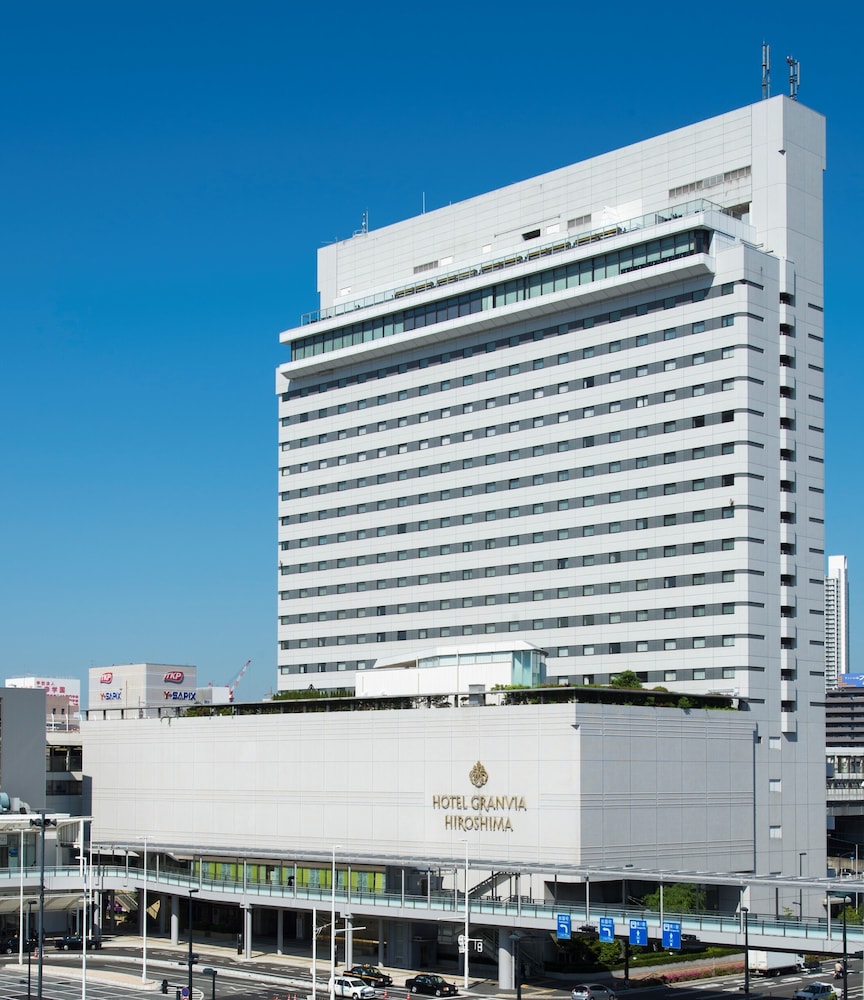
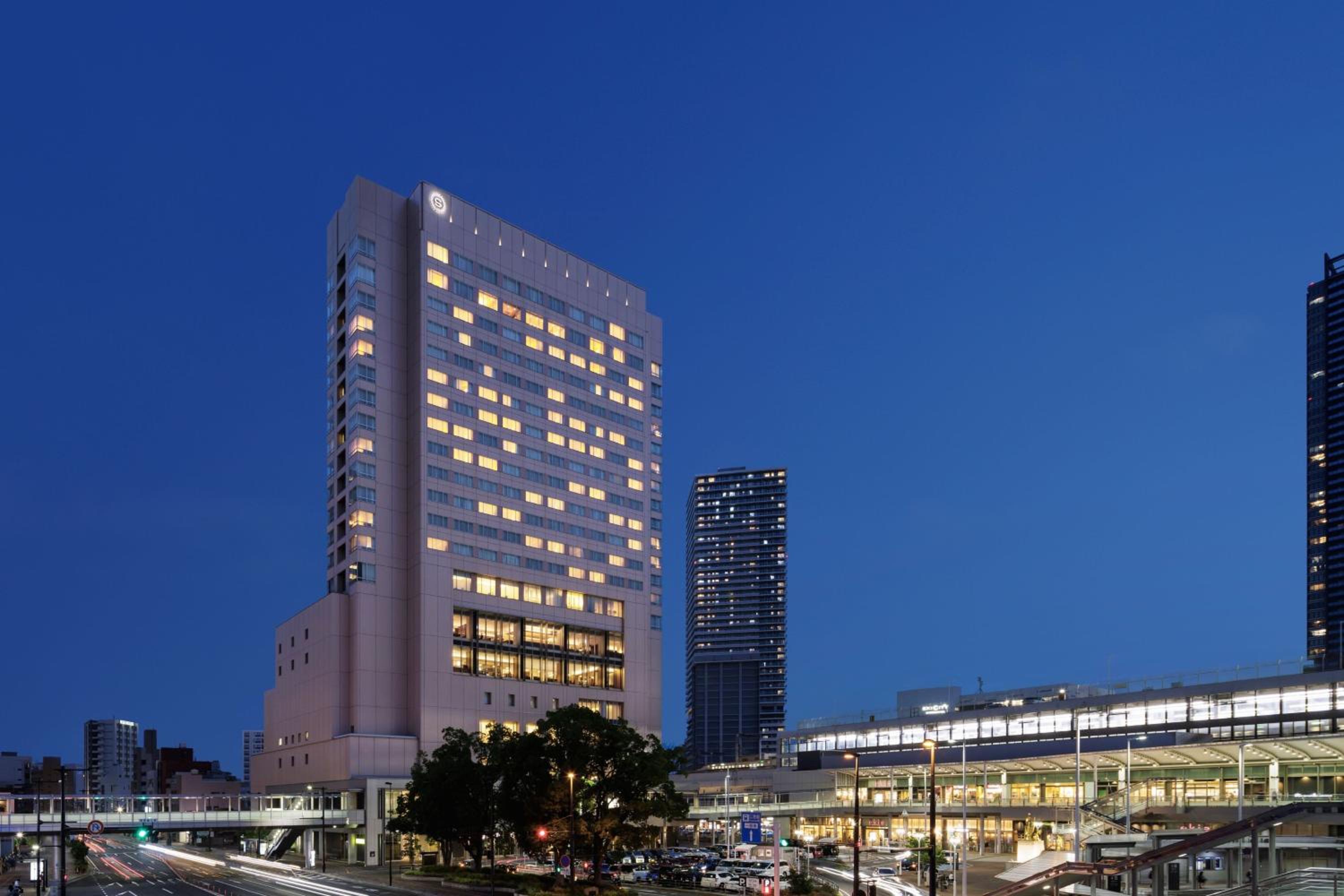
Stay in Motomachi for a first visit: it is a few quiet blocks north of the arcade, the Peace Park is a short walk, and the river paths are outside the door. Most people give Hiroshima 2 nights on Stippl. Spend one of them on Miyajima if you can; the island empties after the last ferry, which is the one upgrade worth the money here.
Hondori & Kamiyacho
Business hotels and a couple of upscale towers above the arcade, €55 to €130.
Motomachi
Mid-range hotels and a few ryokan near the castle and Shukkeien, €60 to €140.
Kakomachi
Hostels with dorms €20 to €30 and budget business hotels €40 to €70, the city's biggest budget cluster.
Hijiyamahonmachi
Apartment rentals and quiet family hotels across the river, €50 to €100.
Hiroshima Station
Chain business hotels stacked around the shinkansen, €50 to €110, with every connection and no atmosphere.



What to eat in Hiroshima
Layered rather than mixed, and built on a bed of fried noodles, a different dish from Osaka's
Larger than Pacific oysters grown elsewhere; the bay supplies most of Japan's harvest
Maple-leaf-shaped filled cakes, the Miyajima souvenir
Discover food spots in Stippl
Find restaurants and markets on the map, save them to your itinerary, works offline too.
Hiroshima customs and what not to do
The Peace Park is a memorial
Not a sight: walk it quietly, keep the phone down at the cenotaph and give the museum two hours, then keep the rest of the day light.
6 August is a different visit
The memorial ceremony that morning is a civic event with its own protocol; the park is closed to casual visitors until it ends, and the lantern floating is in the evening.
Miyajima is sacred ground
Residents treat the whole island that way, not just the shrine precinct; no births or burials happen on it, and the deer are not fed, unlike Nara's.
Okonomiyaki is layered here
Hiroshima style is built in layers with noodles, never mixed, and ordering it Osaka style in Okonomimura gets you a lecture; eat it off the hotplate with the spatula.
Do
- Allow two hours minimum for the Peace Memorial Museum, and keep the rest of the day light
- Use the museum's eight o'clock opening; it is earlier than most Japanese museums
- Take the tram; the Peace Park is about fifteen minutes from the station on it
Don't
- Treat the Peace Memorial Park as a sightseeing stop
- Schedule anything demanding after the museum
- Feed the deer on Miyajima; the island discourages it, unlike Nara
- Plan a Miyajima evening around a late ferry; the service stops early
What a Hiroshima trip costs
Budget
€70–80
Hostel dorm or capsule, konbini and cheap counters, streetcar rides, the Peace Park's free sights.
Mid-range
€100–150
Mid-range hotel, restaurant meals, the shinkansen to Miyajima or Kyoto, a museum ticket.
High-end
€250+
Ryokan near Shukkeien Garden, guided experiences, a city-centre hotel.
Track what you actually spend
Set a daily budget per country and log expenses in any currency while you travel.
Fun facts about Hiroshima
The Atomic Bomb Dome stood 160 metres from the hypocentre. It was the only structure near the epicentre left standing, and it has been deliberately preserved as a ruin ever since.
Radiation levels in Hiroshima returned to normal by the end of 1945. They have been normal ever since, which is the question most visitors have and the one the city answers most directly.
Hiroshima passed its pre-war population within 25 years of the bomb. The rebuilt city is now the largest in the Chugoku region, with a working historic streetcar network that is unusual in Japan.
Hiroshima Bay supplies most of Japan's oysters. The rafts are visible from the Miyajima ferry, and grilled oysters are sold on the island's main street all winter.
You can eat breakfast in a building that survived the bomb. The city keeps a register of hibaku tatemono, and the Andersen bakery was the Mitsui Bank branch, 360 metres from the hypocentre.
Hiroshima okonomiyaki is layered on noodles, and Osaka's is mixed. The two cities' versions are Japan's standard food rivalry, and Hiroshima has an official okonomiyaki ambassador who eats over four hundred a year.
Local tips for Hiroshima
Hiroshima runs on its streetcar
The historic tram network is frequent, cheap and stops at the Dome. A flat fare of about €1.50, paid in cash as you get off, or with an IC card.
An IC card for longer stays
It is worth it for two or three days; for a single day the trams take cash. The Hiroshima tourist pass adds the Miyajima ferry.
The shinkansen runs both ways
Hiroshima works as a day trip from Kansai or as an overnight on the way to Kyushu, ninety minutes from Osaka. The station is on the north side; the sights are twenty minutes by tram.
Radiation is a non-issue
Levels returned to normal by the end of 1945. It is the question every visitor asks and the answer is unambiguous.
How long to stay
Most people give Hiroshima 2 nights on Stippl, and nearly a third stay one and rush the museum and Miyajima. Two gives each its own day.
Go easy after the museum
It asks a lot of you, deliberately, and it is the one Japanese site that does. Put the Shukkeien garden or the river bank after it, not the castle.
Hiroshima questions, answered
As the western end rather than a return leg. It sits an hour and a half past Osaka on the shinkansen, so finishing here or flying out of Kansai afterwards saves a day of backtracking. Lay it into the route in Stippl with the Miyajima day already attached. Then ask people who went, in subreddits like r/JapanTravel.
You can see the Peace Park in one, though 30.5% of Hiroshima stops planned on Stippl are a single night and most of the rest take two. The museum alone wants two hours and Miyajima wants a day, so one night means choosing between the city's memory and the island.
A separate island on the same trip. It sits forty-five minutes from the city with the ferry included, and only 6.66% of Hiroshima stops planned on Stippl carry no night, so most people are here long enough for both. Treat Miyajima as the second of your two days.
Allow two hours at minimum and do not try to rush it. It opens at eight, which is the quiet hour, and the Atomic Bomb Dome and the hypocentre are a five-minute walk away, so the park and the museum together run to two or three hours. Plan something gentle for afterwards.
It is layered rather than mixed, and it has noodles in it. The Osaka version stirs batter, cabbage and filling together before it reaches the teppan; here they are built up in courses on the griddle, with yakisoba or udon as one of the layers. It is the city's signature dish.
Over four months out. Travellers leave 124 days between planning a Hiroshima stop on Stippl and arriving. Trips that carry it also run longer than the Japanese average, 20 days against seventeen, which is what coming this far west costs in days.
Every guide is written by the Stippl editors and checked against the trips our travellers actually plan. Spotted something out of date? Let us know.

Plan Hiroshima in Stippl
Day-by-day planning, stays and budget in one app, with every place from this guide already on the map.
Download the app