

Verona
Verona is a Roman arena that still works, inside a city you cross on foot in twenty minutes. Opera on the stone steps in summer, Amarone twenty minutes north, and a night most people skip.
Verona in a nutshell
Verona: what to expect
The numbers here are drawn from 715,000+ planned stops across Italy on Stippl.
Verona is a day-trip city that rewards a night, and most people take the day. The historic centre sits inside a loop of the Adige, small enough to cross on foot in twenty minutes, and layered Roman, medieval and Renaissance in that order: the first-century Arena that still stages opera every summer, Piazza delle Erbe standing on the Roman forum and still the market square, Castelvecchio remade as a museum by Carlo Scarpa, and the terrace at Castel San Pietro for the sunset. Most travellers give Verona 1 night on Stippl.
Northern routes put Verona in the middle and almost never at either end. Verona opens 7.2% of the Italy trips it appears on, planned on Stippl, and closes about as many, with 54.5% of Verona stops a single night and 14.48% carrying no night at all. That is the stop between Venice, Lake Garda and the Dolomites, an hour from the first and twenty minutes from the second.
Sleep inside the river bend, book the opera weeks ahead in summer, and give the second day to Valpolicella. The difference between Verona at three in the afternoon and at nine at night is the whole argument for the night: the passeggiata fills the centre after seven and the day-trippers have gone. Skip Verona if Romeo and Juliet is the reason: the balcony is a 1930s prop, the family never existed, and the courtyard is the most crowded twenty square metres in the city.
Plan Verona in Stippl
Day-by-day planning, stays and budget in one app, with every place from this guide already on the map.
Download the appWho Verona is for
History travellers
A first-century arena, a Roman theatre, a forum still in use as a square and a fourteenth-century castle sit inside twenty minutes' walk of each other.
Opera-goers
The summer festival in the Arena is the only reason many people come, and it is worth building a trip around, cheap seats on the stone steps included.
Anyone Venice overwhelmed
Verona has Venice's atmosphere without Venice's crowds, an hour away by train, and it is the comparison people make on the way home.
Wine travellers
Valpolicella and Amarone are made in the hills twenty minutes north, and the cellar visits are a standard half-day from the city.
Families
Compact, safe and walkable, with a tower to climb, bridges to cross and a fortress-museum, and the lake a short train ride away.
Northern-route planners
54.5% of Verona stops planned on Stippl are a single night, the stop between Venice, Lake Garda and the Dolomites, and all three connect by train.
Maybe not for you: anyone expecting Romeo and Juliet to be real, since the balcony is a 1930s addition, the family never existed and the courtyard is the most crowded twenty square metres in the city; and anyone booking April without checking Vinitaly, which fills every bed.
The best time to visit Verona
Cold and grey
November to February
Damp, overcast and cheap, and the city still works: the Christmas markets fill Piazza Bra under the Arena walls, and Verona in Love takes over around 14 February.
The first window
March to early June
Mild, green and uncrowded, and before the festival; Vinitaly in April is the one week that fills every bed, so check the dates before booking spring.
Opera and heat
mid-June to August
Hot, busy, and the only time the Arena performs, with Ferragosto in the middle of the season. Book the opera weeks ahead and the room with it.
The second window
September to October
The festival tails off in early September, the Valpolicella harvest starts, and the light is the best of the year on the terrace at Castel San Pietro.
- The Arena Opera Festival runs from mid-June to early September, and it is the only time the Arena performs. Running every summer since 1913, up to 14,000 people a night; book two to three weeks ahead in summer and months ahead for Aida.
- Vinitaly in April fills every bed in the city for a week. Italy's largest wine fair; check the dates before booking spring, because a room that week costs a multiple or does not exist.
- July is the month most travellers plan Verona for on Stippl, and June to September takes 66.37% of the plans. That is the opera season and the heat together, so the shoulder months have the terrace and the wine hills to themselves.
- Verona in Love takes over the centre around 14 February. The city leans into the Juliet association for a weekend of markets and events, and the winter bargain disappears for exactly those days.
- The Christmas markets fill Piazza Bra under the Arena walls in December. They are most of the reason to come in winter, and the square is the one place in the city that is busy after dark in the cold months.
- Timed-entry reservations apply at the Arena and Juliet's House even with a VeronaCard. The card option has to be selected during booking rather than a ticket bought, so the card is bought first and the slots second.
Add your Verona dates and we'll flag the weather
Stippl shows the season, crowds and prices for every stop on your route.
Describe your trip, get a Verona itinerary in seconds
Everything in this guide is already in Stippl. Tell the planner how long you have and what you like: it builds the route, the days and the travel times, and you edit whatever you want.
Things to do in Verona
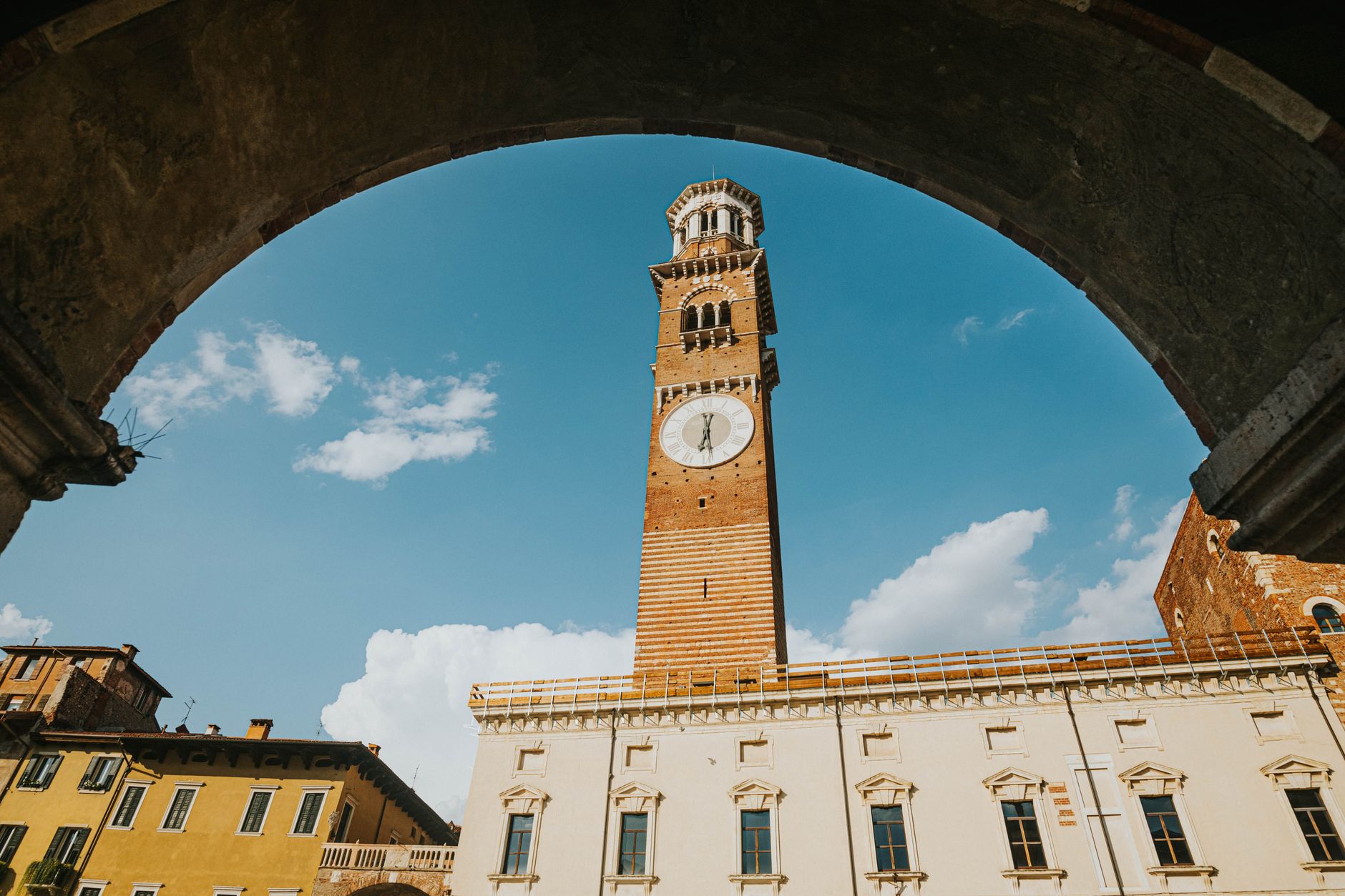 Photo by Helena Jankovičová Kováčová via Pexels
 Photo by Alessandro Carrarini via Pexels
 Photo by Antonio Feregrino via Unsplash
Opera in the Arena
A first-century amphitheatre, up to 14,000 people, and a tradition running since 1913. Sitting on the unnumbered stone steps is the cheap and the authentic option at once; bring a cushion.
Sunset at Castel San Pietro
The terrace above Ponte Pietra with the whole river bend, the roofs and the Arena laid out below. Free, up the stair or partway by funicular, and the best thing in the city that costs nothing.
Climbing Torre dei Lamberti
Eighty-four metres over Piazza delle Erbe, with a lift most of the way if you want one, and the roofs of the river bend below. Go in the morning, before the square fills.
Piazza delle Erbe in the morning
The Roman forum, still a market square, with frescoed façades and the Madonna Verona fountain in the middle, before the day-trippers arrive from Venice and the lake.
Castelvecchio and Ponte Scaligero
A fourteenth-century Scaligeri fortress remade as a museum by Carlo Scarpa, with a fortified bridge over the Adige that is the most dramatic structure in the city. Walk the bridge at dusk.
San Zeno Maggiore
A tenth-century Romanesque basilica west of the centre with bronze doors, a rose window, a Mantegna altarpiece and the crypt where tradition puts Romeo and Juliet's wedding. Twenty minutes' walk along the river.
The neighbourhoods of Verona
Centro Storico
Inside the river bend
Piazza Bra, the Arena, Via Mazzini and Piazza delle Erbe, all inside the river bend and walkable end to end. For first visits and anyone staying one night.
Everything within twenty minutes on foot, and the dearest beds in the city.
Veronetta
Student bars, Roman theatre
Across the river on the eastern bank, with the Roman theatre, the Giusti garden, galleries and the student bars on Via XX Settembre. For nightlife, value and second visits.
Cheaper beds and the real evening, and a bridge to cross to the centre.
Castelvecchio and San Zeno
Fortress and basilica
West along the Adige: the Scaligeri fortress that Carlo Scarpa turned into a museum, and the Romanesque basilica of San Zeno, with Sunday markets. For architecture travellers and quiet mornings.
Scarpa's museum and San Zeno at the door, and a walk to Piazza Bra.
Borgo Trento
Residential, Art Nouveau
North of the centre on the far bank, residential and Art Nouveau, with river walks and the climb to Castel San Pietro. For longer stays and light sleepers.
River walks and the best free view in the city, but a bridge and a hill from the sights.
Porta Nuova
The station streets
Around the main railway station, twenty minutes' walk south of the centre, with the cheapest rooms and none of the charm. For early trains only.
Early trains and cheap beds, but twenty minutes each way to anything.
See every Verona neighbourhood on one map
Save the areas you like and Stippl plots your days so you're not crossing the city twice.
Where to stay in Verona
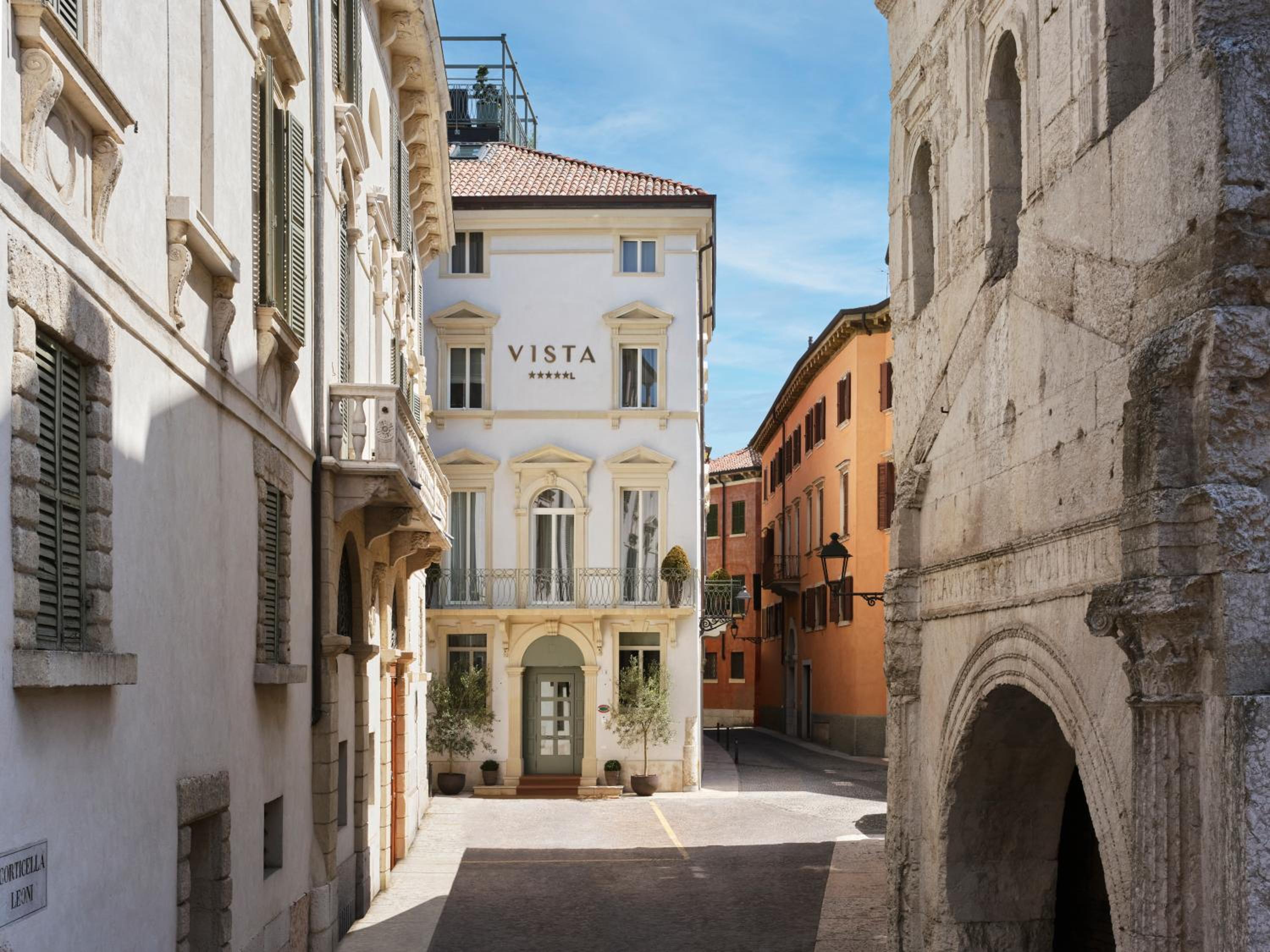
Sleep in the Centro Storico inside the river bend: everything is within twenty minutes on foot, and the evening is the reason to be here. Most travellers give Verona 1 night on Stippl, which is the night that turns a day-trip city into the passeggiata after seven, and the twenty euros saved by the station are spent on the walk.
Centro Storico
Palazzo hotels and B&Bs inside the river bend, €110 to €250 a double, more in the opera season.
Veronetta
Guesthouses and apartments across the river, €70 to €130 a double.
Castelvecchio and San Zeno
Quiet hotels and B&Bs along the Adige, €90 to €170 a double.
Borgo Trento
Residential apartments and small hotels on the far bank, €80 to €150 a double.
Porta Nuova
Budget hotels and hostels by the station, from €25 a dorm bed to €90 a double.


What to eat in Verona
rice cooked in Amarone wine, the dish that belongs to Verona
slow-cooked horse stew, the city's oldest recorded dish
thick fresh pasta, usually with duck ragù or anchovy
sweet festive bread, invented here in the nineteenth century
the hills' signature red wine, alongside Valpolicella and Ripasso
Discover food spots in Stippl
Find restaurants and markets on the map, save them to your itinerary, works offline too.
Verona customs and what not to do
The Juliet story is fiction
The balcony went up in the 1930s and the house has no link to a play about a family that never existed; enjoying it is fine, believing it is the tourist move.
The passeggiata is the evening
The centre fills after seven with people dressed for it, and joining in is the closest thing to a local custom the city has.
Cover up in the churches
Shoulders and knees covered, particularly at Sant'Anastasia and San Zeno, which are working churches with a dress code at the door.
No padlocks at Juliet's House
The courtyard walls are stripped of them regularly and the graffiti is a maintenance problem the city complains about, so leave the lock at home.
Piazza Bra prices the view
Aperitivo on the square under the Arena walls is a ritual and a price bracket: the tables cost what the view costs, and a street back costs half.
Do
- Buy the VeronaCard for three or more paid sights, and make the timed reservations separately
- Climb to Castel San Pietro for sunset; it is free and it is the best thing in the city
- Stay the night; the difference between Verona at three and at nine is the whole argument
- Book opera tickets two to three weeks ahead in summer, and months ahead for Aida
Don't
- Book a hotel by Porta Nuova station to save twenty euros; it is a twenty-minute walk each way
- Queue for the Juliet's House interior unless you want the balcony photograph specifically
- Drive into the centro storico; it is a limited-traffic zone
- Plan April without checking whether Vinitaly is on; it fills the city
What a Verona trip costs
Track what you actually spend
Set a daily budget per country and log expenses in any currency while you travel.
Fun facts about Verona
Verona has two working Roman performance venues, which almost no other city does. The Arena and the Teatro Romano across the river both still stage shows, roughly nineteen centuries after they were built.
Juliet's balcony was built in the 1930s. The house has no connection to a play written in London about a family that never existed, and thousands of people leave letters there every year anyway.
Pandoro was invented in Verona in the nineteenth century. The city takes the panettone comparison personally, and the star-shaped loaf is the Veronese Christmas rather than the Milanese one.
Pastissada de caval, a horse stew, is Verona's oldest recorded dish. Slow-cooked and served with polenta, it is still on trattoria menus in winter, and it predates the risotto all'Amarone the city is better known for.
Amarone is made twenty minutes north of Verona, in the Valpolicella hills. The wine appears in the city's own dish, risotto all'Amarone, and the cellar visits are a standard half-day from the centre.
14.48% of Verona stops on Stippl carry no night at all. That is the Venice and Lake Garda day trip in the plans, and it is the visit that misses the passeggiata after seven.
Local tips for Verona
A rail city, no car needed
Venice, Milan, Padua and both southern Garda towns are direct trains, and the centre is walkable end to end, so a car is only for the northern lake and the Dolomites.
The centre is a ZTL
The historic centre is a limited-traffic zone and parking inside it is not a plan; if you are driving between the Dolomites and Garda, park outside and walk.
Southern Garda by train
Peschiera and Desenzano are both direct trains with lake ferries at the other end, fifteen to twenty-five minutes away, so the lake is a day trip without a car.
The card needs the slot too
Timed-entry reservations apply at the Arena and Juliet's House even with a VeronaCard, and the card option has to be selected during booking rather than a ticket bought.
Watch the bag in Juliet's yard
A safe, compact city with no real risk beyond petty theft in the crowded squares, and Juliet's courtyard is the spot: a small space, a large crowd, and everyone holding a phone up.
One night, between the lakes
Most travellers give Verona 1 night on Stippl, and 54.5% of Verona stops are a single night, so the passeggiata is the night's plan and the lake or Venice is the morning after.
Verona questions, answered
A night, and most people take the day: most travellers give Verona 1 night on Stippl, 54.5% of Verona stops are a single night, and one in seven is a day visit. One full day covers the sights; the night buys the passeggiata after seven, when the day-trippers have gone and the city is the one people remember.
No. It was added in the 1930s to a house with no connection to the play, which was written in London about a family that never existed. Enjoy the courtyard as theatre, skip the interior unless the balcony photograph is the point, and leave the padlock at home; the walls are stripped of them regularly.
In the middle, as the night between them: Verona opens only 7.2% of the Italy trips it appears on, of everyone who plans Verona on Stippl, and closes about as many. Venice is an hour by train, the southern Garda towns twenty minutes, so lay the three out in Stippl and give Verona the evening; then ask people who have been, in subreddits like r/ItalyTravel.
Book on the festival's official site two to three weeks ahead in summer, and months ahead for Aida, which sells out first. The unnumbered stone steps are the cheap and the authentic seats, from a few tens of euros, and the numbered cushioned seats run into the hundreds; bring a cushion and water for the steps.
At three or more paid sights, yes: it covers the Arena, the Lamberti tower, Castelvecchio, San Zeno and the Roman theatre, with a version that includes city transport. The timed-entry slots at the Arena and Juliet's House still have to be reserved separately, with the card option selected at booking.
Yes, in an hour by train, and one in seven Verona stops does it as a day visit: 14.48% of Verona stops in the Italy trips people build on Stippl carry no night at all. The day covers the Arena, the square and the tower; the terrace at Castel San Pietro at sunset is what the last train back makes you miss.
Every guide is written by the Stippl editors and checked against the trips our travellers actually plan. Spotted something out of date? Let us know.

Plan Verona in Stippl
Day-by-day planning, stays and budget in one app, with every place from this guide already on the map.
Download the app