
Bari
Bari is where Puglia starts, a working port most people land in and leave the same day. Orecchiette rolled in a doorway, Saint Nicholas in a crypt, and ferries to five countries from the quay.
Bari in a nutshell
Bari: what to expect
This page is built on 715,000+ stops planned across Italy on Stippl.
Bari is worth a night, and most people give it exactly that on the way into Puglia. The capital of the heel is a working Adriatic port rather than a resort, and the two halves of it are the point: Bari Vecchia, a dense maze of whitewashed lanes on a small peninsula with the Basilica di San Nicola at its heart and women rolling orecchiette in the doorways of Strada Arco Basso, and the nineteenth-century Murat grid behind it with the shops, the theatre and the station. Most travellers give Bari 1 night on Stippl.
Bari is Puglia's door, and the plans treat it as one. 42.90% of Bari stops planned on Stippl are a single night and 16.77% carry no night at all, which is an airport city: people land, take the train into the centre, and move on to Polignano, Matera or the trulli country. A Puglia trip is not an Italy trip, and Bari pairs with the region's towns rather than with Rome, Florence or Milan.
Sleep in Murat for practicality or in Bari Vecchia for the evening, and give the old town the morning it deserves. Wander it with no plan, watch the pasta makers, stand in the crypt of San Nicola, and eat focaccia barese from a bakery. Skip Bari for a beach holiday, which is Monopoli, Polignano and the Gargano, and for the trulli and white towns, which are Alberobello, Locorotondo and Ostuni, an hour inland.
Plan Bari in Stippl
Day-by-day planning, stays and budget in one app, with every place from this guide already on the map.
Download the appWho Bari is for
First-timers in Puglia
Bari is the region's arrival point and its orientation base: the airport, the station and the ferries are all here, and every day trip starts from them.
Car-free travellers
Fly in, take a cheap train to the centre and day-trip by rail to Polignano, Ostuni and Lecce, which saves hundreds over a week against a hire car.
Street-food eaters
Focaccia barese from a bakery, panzerotti, sgagliozze and raw seafood at the old port are a full day of eating for very little.
Backpackers and solo travellers
Bari has real hostel and guesthouse stock, which is unusual for Puglia, and the old town is lived-in rather than staged.
One-night arrivals
42.90% of Bari stops planned on Stippl are a single night, the airport night before the region, and one night covers the old town and the crypt.
Ferry passengers
Sailings leave for Durrës, Dubrovnik, Split, Corfu and Igoumenitsa, so the night before a boat is a common reason to be in the city.
Maybe not for you: anyone on a beach holiday, since the sand is at Monopoli, Polignano, Gallipoli or the Gargano rather than in the city; and anyone coming for trulli and white towns, because Alberobello, Locorotondo and Ostuni are an hour inland and Bari is a port.
The best time to visit Bari
Low season
November to March
Quiet and wet, with some restaurants, shops and hotels shut and the hotel pools closed. The old town and the crypt are open, and the beds are the cheapest of the year.
The first window
April to June
Warm, reasonably priced and uncrowded, with May named as the single best month and the day trips at their easiest. The sea is cool until June.
The peak
July and August
Hot, busy and dear, with August the peak of all three and the month the coast fills. The sea is at its warmest, and the city empties in the middle of the day.
The second window
September to October
Warm sea, fewer crowds, and the best month for swimming; by late October the coastal villages start to shut and the rain arrives.
- August is the month most travellers plan Bari for on Stippl, a month later than the Italian peak. June to September takes 65.4% of the plans, so the advice says May and September and the plans say the hottest weeks; the shoulder rooms are the empty ones.
- Accommodation prices rise sharply from Friday to Sunday. Travel midweek if the dates are flexible, because the same room costs a multiple at the weekend in the summer months.
- Only 14.16% of Bari plans on Stippl are made inside a fortnight, and most are made about 77 days ahead. For an airport night that is a long lead, and it is the Puglia trip behind it that sets the date, not the city.
- The ferries to Albania, Croatia and Greece leave from the port in the evening, and the timetable thins in winter. Book the sailing before the room; the night before a boat is the commonest reason to sleep here.
- The city beach can close. Pane e Pomodoro is monitored by the regional environment agency and has had bathing bans imposed and lifted, so check before planning a swim in the city rather than on the coast.
Add your Bari dates and we'll flag the weather
Stippl shows the season, crowds and prices for every stop on your route.
Describe your trip, get a Bari itinerary in seconds
Everything in this guide is already in Stippl. Tell the planner how long you have and what you like: it builds the route, the days and the travel times, and you edit whatever you want.
Things to do in Bari
 Photo by Gabriella Clare Marino via Unsplash
Bari Vecchia with no plan
The old town on its small peninsula, a dense maze of whitewashed lanes with card games in the shade, conversation from balconies and doors open. It costs nothing and the wander is the attraction.
The crypt of San Nicola
The twelfth-century Romanesque basilica holds the relics of Saint Nicholas, brought from Myra in 1087, in a crypt that is free to enter. Access varies during services; it is a working pilgrimage site.
The orecchiette makers
On Strada Arco Basso in the morning, women roll the little-ear pasta in their doorways and sell it by the bag. Buy from the stall you photograph; a bag costs a few euros.
Castello Normanno-Svevo
Built on a Byzantine structure by Roger II in the twelfth century and fortified a century later by Frederick II, on the edge of the old town, for about €5.
The lungomare at sunset
The Adriatic promenade, palms and benches facing the water, with the seafood restaurants along it and riso, patate e cozze at the end of the walk.
Raw seafood at the old port
Fishermen sell sea urchins, octopus and raw shellfish off the boats at the old harbour, eaten standing with a beer. Go in the morning, when the catch is in.
The neighbourhoods of Bari
Bari Vecchia
Whitewashed lanes, lived-in
The old town on a small peninsula into the Adriatic, a dense maze of whitewashed lanes anchored by the Basilica di San Nicola, with the pasta street and the evening bars. For anyone who wants the atmosphere and an evening.
The crypt, the pasta street and the evening at the door, but a car-free maze after dark.
Murat
The nineteenth-century grid
The straight streets south of the old town: the shopping and pedestrian heart, the theatre, the restaurants and the nightlife, with the station at the far end. For first visits and day-tripping by rail.
The easiest base for the trains and the shops, and ten minutes' walk to the old town.
The lungomare
Palms, benches, seafood
The Adriatic promenade facing the water, with seafood restaurants along it and the sunset walk, a holiday feel at a holiday price. For couples and anyone who wants the sea outside the window.
The sea and the sunset walk at the door, and the dearest rooms in the city.
Around Bari Centrale
Station streets
The station quarter at the south end of the grid, walkable to both the old town and the shops, with the cheapest beds and the regional trains to Polignano, Ostuni and Lecce. For early departures and the airport train.
Cheap regional trains at the door, and the least character in Bari.
See every Bari neighbourhood on one map
Save the areas you like and Stippl plots your days so you're not crossing the city twice.
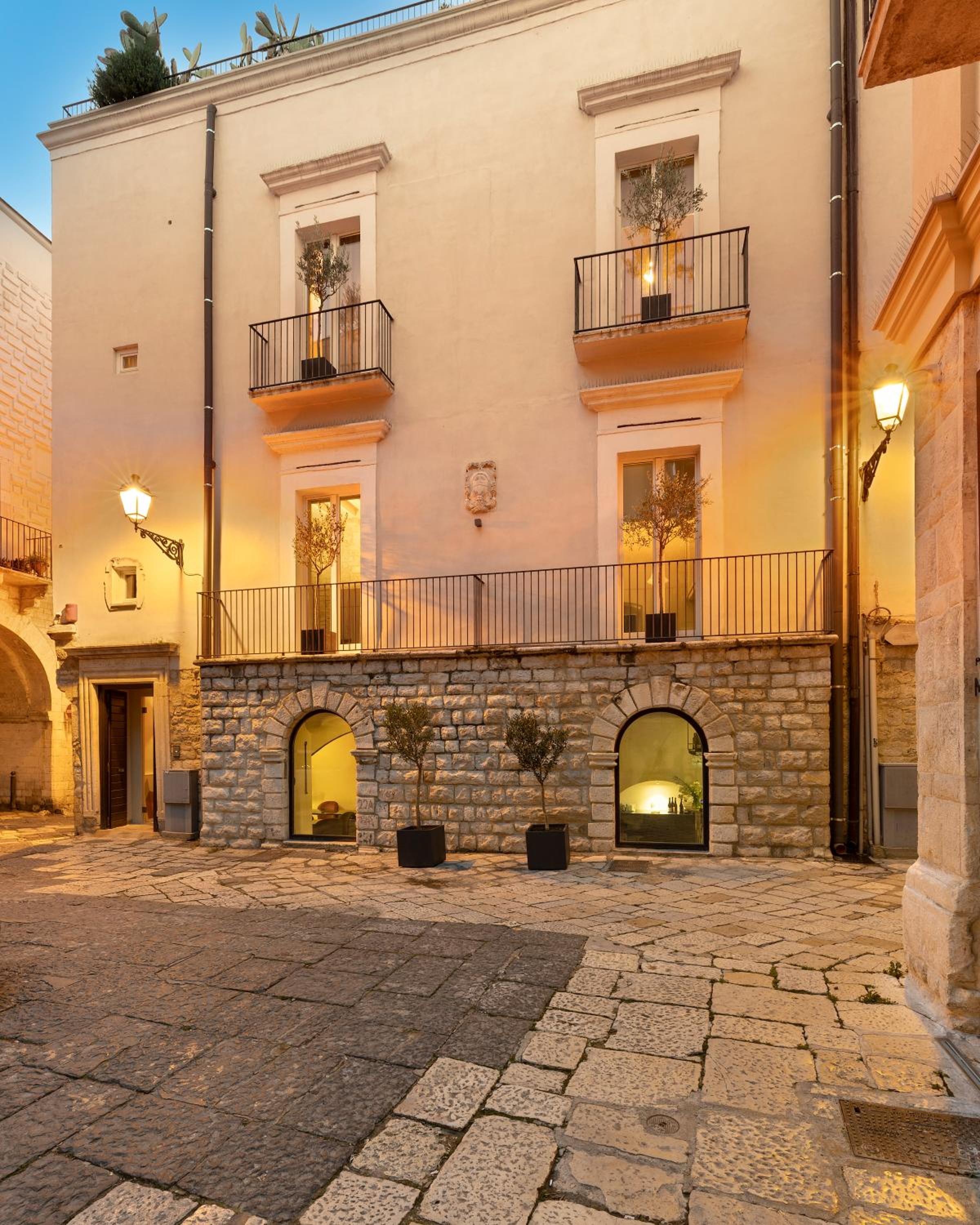
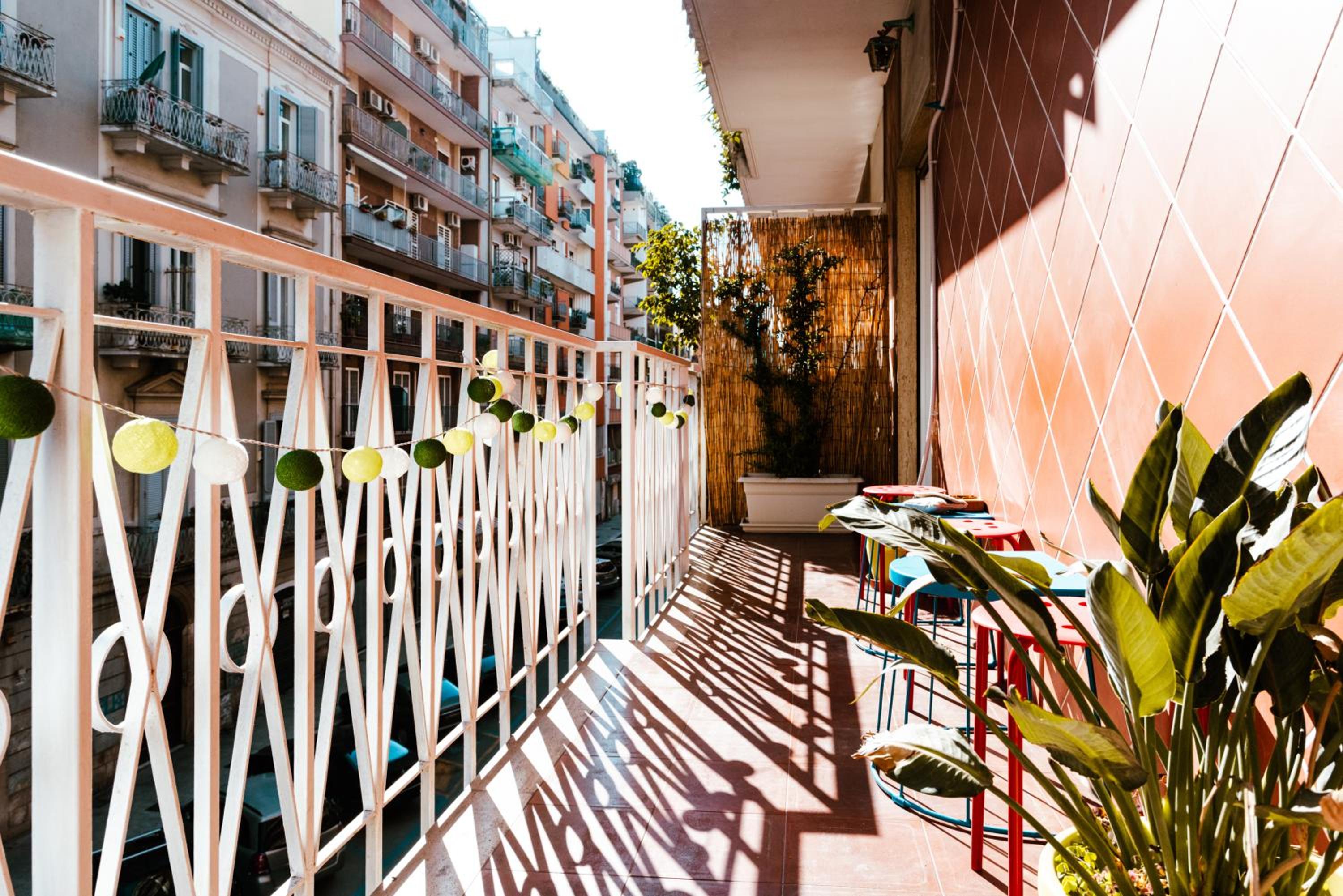
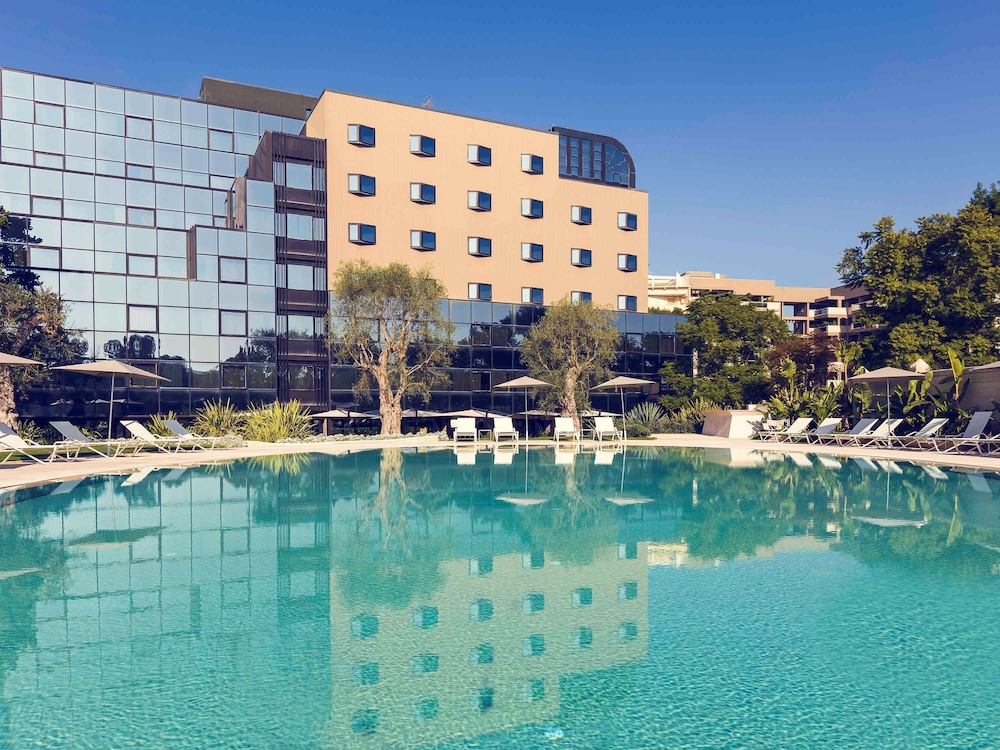
Where to stay in Bari
Sleep in Murat for practicality, in Bari Vecchia for the atmosphere, and on the seafront for a holiday feel at a price; all three are fifteen minutes apart on foot. Most travellers give Bari 1 night on Stippl, and that night is usually the one before the region or the ferry, so the grid near the station is the sensible default and the old town is the better evening.
Bari Vecchia
B&Bs and apartments in the whitewashed lanes, €60 to €120 a double.
Murat
Three-star hotels and family-run rooms in the grid, €60 to €110 a double.
The lungomare
Seafront hotels with a view, €100 to €200 a double.
Around Bari Centrale
Hostels and budget hotels by the station, from €25 a dorm bed to €80 a double.


What to eat in Bari
"Little ears", the regional pasta, classically with cime di rapa
Tomatoes, olives and olive oil; cheap from bakeries and a full lunch
Deep-fried mini calzone, street food
Fried polenta squares
Baked rice, potatoes and mussels, the lungomare classic
Contains horse meat
Discover food spots in Stippl
Find restaurants and markets on the map, save them to your itinerary, works offline too.
Bari customs and what not to do
Local rather than staged
The city feels like a working southern port and you hear Italian around you rather than tourists, so the old town is a neighbourhood before it is a sight.
Street life is public
Card games in the shade, conversation from balconies and doors left open are the old town's daily life, so photograph people's homes and work with that in mind.
Buy from the stall you shoot
The orecchiette makers on Strada Arco Basso are working, not performing, so a photograph comes with a bag of pasta from the same doorway.
The basilica is a pilgrimage
San Nicola is an active pilgrimage site for Catholics and Orthodox alike, so access to the crypt varies during services and quiet is expected.
The old town is a night ZTL
Bari Vecchia is closed to traffic from eight in the evening to seven in the morning on working days, so a car does not reach an old-town room after dark.
Do
- Walk Bari Vecchia in the morning and again after dark, when the lanes change
- Eat focaccia barese from a bakery for lunch; it is the whole meal for a few euros
- Take the train from the airport terminal; it is faster than the bus and the taxi
- Book the ferry before the room if the night is the one before a sailing
Don't
- Drive into Bari Vecchia in the evening; the zone closes to traffic at eight
- Photograph the pasta makers without buying a bag
- Expect a beach holiday in the city; the sand is at Monopoli and Polignano
- Order ragù alla barese without knowing it contains horse meat
What a Bari trip costs
Budget
€70–125
A hostel dorm or a simple room, focaccia and market meals, regional trains, free-Sunday museums.
Mid-range
€150–345
A three-star or agriturismo double, trattoria dinners, high-speed trains, a paid sight a day.
High-end
€325+
Boutique or coastal hotels, guided tours, boat days, tasting menus.
Track what you actually spend
Set a daily budget per country and log expenses in any currency while you travel.
Fun facts about Bari
The relics of Saint Nicholas have been in Bari since 1087. Sailors brought them from Myra in what is now Turkey, and the crypt of the basilica built for them is free to enter.
Ragù alla barese, the Sunday sauce of Bari, contains horse meat. It is the Sunday sauce of the city and it is on trattoria menus as a matter of course, so ask before ordering if that matters.
Seven Italian places contain the word Bari, and none of them is Bari. Two are on Sardinia, seven hundred kilometres away, which is why a map search on the name needs a second look.
Ferries from Bari reach five countries' worth of ports. Durrës, Dubrovnik, Split, Corfu, Igoumenitsa, Patras and Sami are all sailings from the quay, and Durrës takes eight to nine hours overnight.
The castle was built by Roger II in the twelfth century on a Byzantine base. Frederick II fortified it a century later, and it still stands on the edge of the old town for a €5 ticket.
Almost nobody spells Bari two ways. Merging every alias of the city in the plans on Stippl added less than a tenth of a percent, against several percent for Pisa.
Local tips for Bari
The train from the terminal
A direct train runs from Bari airport to the city in about seventeen minutes, from a station reached by a covered passage, and it beats the bus and the taxi on time and price.
Two airports for open jaws
Bari Karol Wojtyła serves the city and the region with budget and year-round European routes, and Brindisi is the region's second airport, so fly into one and out of the other.
Rail does the day trips
Polignano, Ostuni and Lecce are cheap regional trains from Bari Centrale, and Matera is a bus, so a week here needs no car unless the smaller towns and the countryside are the plan.
Middle-third safe
Bari's province sits in the middle third of Italy for reported offences and no travel advisory singles it out; ordinary city-centre precautions against pickpocketing apply, as in any Italian city.
Check the city beach first
Pane e Pomodoro, the city beach, is monitored by the regional environment agency and has had bathing bans imposed and lifted, so the coast towns are the safer swim.
One night, then the region
Most travellers give Bari 1 night on Stippl, and 16.77% of Bari stops carry no night at all, so plan the old town for the morning after landing and the train south for the afternoon.
Bari questions, answered
One night is what most people give it and it is enough for the old town, the crypt and the pasta street: most travellers give Bari 1 night on Stippl, and 42.90% of Bari stops are a single night. A second day buys the lungomare, the castle and a day trip to Polignano by train, and the city earns it more than its reputation suggests.
The relics of Saint Nicholas, the historical figure behind Santa Claus, were brought from Myra in 1087 and lie in the crypt of the Basilica di San Nicola in the old town. Entry is free, the crypt is a working pilgrimage site for Catholics and Orthodox alike, and access varies during services.
At the start, as the door: 16.77% of Bari stops carry no night at all, of everyone who plans Bari on Stippl, which is the airport transfer straight to the coast. Lay the airport, Bari, the coast and Matera out in Stippl and see whether the first night here saves a rushed arrival; then show the route to people who have been, in subreddits like r/ItalyTravel.
Yes. Sailings leave the port for Durrës, Dubrovnik, Split, Corfu, Igoumenitsa, Patras and Sami, most of them overnight, and Bari to Durrës takes eight to nine hours. Book the sailing before the room, because the night before a boat is the commonest reason to sleep in the city.
Not for the city, and not for the main day trips: Polignano, Ostuni and Lecce are cheap regional trains and Matera is a bus. For the smaller towns, the coast between the stations and the countryside of trulli and masserie, a car earns its keep, so collect it on the way out of the city rather than on arrival.
Sometimes. Pane e Pomodoro, the city beach, is monitored by the regional environment agency and has had bathing bans imposed and lifted, so check before you go; the reliable swims are at Polignano and Monopoli down the coast. Only 20.91% of Bari plans in the Italy trips people build on Stippl are made six months ahead, so the beach weather is usually known when the room is booked.
Every guide is written by the Stippl editors and checked against the trips our travellers actually plan. Spotted something out of date? Let us know.

Plan Bari in Stippl
Day-by-day planning, stays and budget in one app, with every place from this guide already on the map.
Download the app