

Rome
Rome is where Italy starts, and two nights is what most people manage for three thousand years of city. Four pastas of its own, a timed ticket for every famous door, and Florence next.
Rome in a nutshell
Rome: what to expect
Our travellers have planned 93,000+ stops in the city on Stippl. That is where the numbers here come from.
Rome is worth visiting, and most travellers give it two nights. The imperial city, the medieval one, the baroque one and the modern capital stand on the same ground, so the Colosseum, the Forum, the Palatine and the Pantheon sit within twenty minutes of each other on foot, with the Vatican across the river. Eat the four Roman pastas, carbonara, cacio e pepe, gricia and amatriciana, and the fried artichokes of the Ghetto. Most travellers give Rome 2 nights on Stippl, and it is the most-planned place in Italy by a wide margin.
Rome is the door into Italy, not the finale. Rome opens 34.9% of the Italy trips it appears on, planned on Stippl, and closes only 11.1% of them. 27.7% of Rome stops are a single night and about as many are three, so the city is where people land, take what they can, and move north to Florence, which sits on half of all Rome trips.
Sleep in the Centro Storico if the budget allows and in Monti or Prati if it does not, and book the tickets before the room. The Colosseum, the Borghese and the Vatican Museums all run on timed entry, the Colosseum slots go thirty days out, and a third night buys Trastevere in the evening and Testaccio for lunch. Skip Rome in August: the heat peaks, the city half closes around Ferragosto, and the queues do not.
Plan Rome in Stippl
Day-by-day planning, stays and budget in one app, with every place from this guide already on the map.
Download the appWho Rome is for
First-timers in Italy
Rome is on two Italian trips in five and opens 34.9% of the trips it is on, planned on Stippl, which makes it the country's front door.
Ancient-history walkers
The Colosseum, the Forum, the Palatine and the Pantheon sit within twenty minutes of each other on foot, and the Appian Way is a bus ride out.
Eaters
Rome has four named pasta dishes of its own, a street-food tradition of supplì and pizza al taglio, and a Jewish-Roman kitchen that exists nowhere else.
Repeat visitors
The underground sites, the Appian Way, the Aventine and Testaccio are the second visit, and they are a different city from the first.
Long-trip travellers
A Rome trip typically runs about sixteen days against twelve for Italy as a whole, so Rome is what long trips are built around rather than a weekend.
Planners who book ahead
Everything worth seeing now needs a timed ticket, and the Colosseum, the Borghese and the Vatican reward people who book the moment the window opens.
Maybe not for you: anyone coming in August, when the heat peaks and part of the city shuts around Ferragosto; and anyone who will not book ahead, because every famous door in Rome now runs on timed entry and the walk-up line is the worst of them.
The best time to visit Rome
Low and cold
November to February
The wettest and quietest months: short queues, cheap beds, and artichokes in the Ghetto from late January. The light goes early and the churches stay cold.
The best of the year
March to May
Warm, long light, gardens open, and prices below peak until Easter week. Easter itself is the one week the Vatican is genuinely overwhelmed.
Peak heat
June to August
Hot, crowded and, in August, partly closed around Ferragosto. The sites open early and the afternoons belong to a shuttered room or a long lunch.
Second shoulder
September to October
The heat breaks, the crowds thin, and the light is at its best. These are the busiest booking weeks for the timed tickets, so the windows matter more than in spring.
- Colosseum tickets are released thirty days ahead and the good slots go within hours. One official site sells them; the Borghese runs compulsory two-hour slots and the Vatican Museums sell timed entry, so the ticket dates fix the Rome nights, not the other way round.
- 27.51% of Rome plans on Stippl are made six months or more out, further ahead than anywhere else in Italy we measure. A spring or autumn room in the centre is not a last-minute thing, and neither is a Borghese slot.
- Ferragosto on 15 August is the holiday Roman businesses take their annual break around. Expect closures either side of it, the heat at its worst, and the city at its emptiest of Romans and fullest of everyone else.
- Easter week is the busiest religious moment of the Roman year. The Vatican is genuinely overwhelmed, the Centro Storico rooms go months ahead, and the timed tickets for the museums sell out earliest of any week.
- Natale di Roma on 21 April marks the city's founding with processions at the ancient sites. It falls inside the best spring weeks, so the Forum and the Circus Maximus are busier and the atmosphere is the reason to be there.
- The 2025 Jubilee is over, and visitor levels are back to normal. It closed at more than 33 million pilgrims; the extra crowd management at St Peter's has gone with it, and the timed-ticket regime it accelerated has stayed.
Add your Rome dates and we'll flag the weather
Stippl shows the season, crowds and prices for every stop on your route.
Describe your trip, get a Rome itinerary in seconds
Everything in this guide is already in Stippl. Tell the planner how long you have and what you like: it builds the route, the days and the travel times, and you edit whatever you want.
Things to do in Rome
 Photo by Gabriella Clare Marino via Unsplash
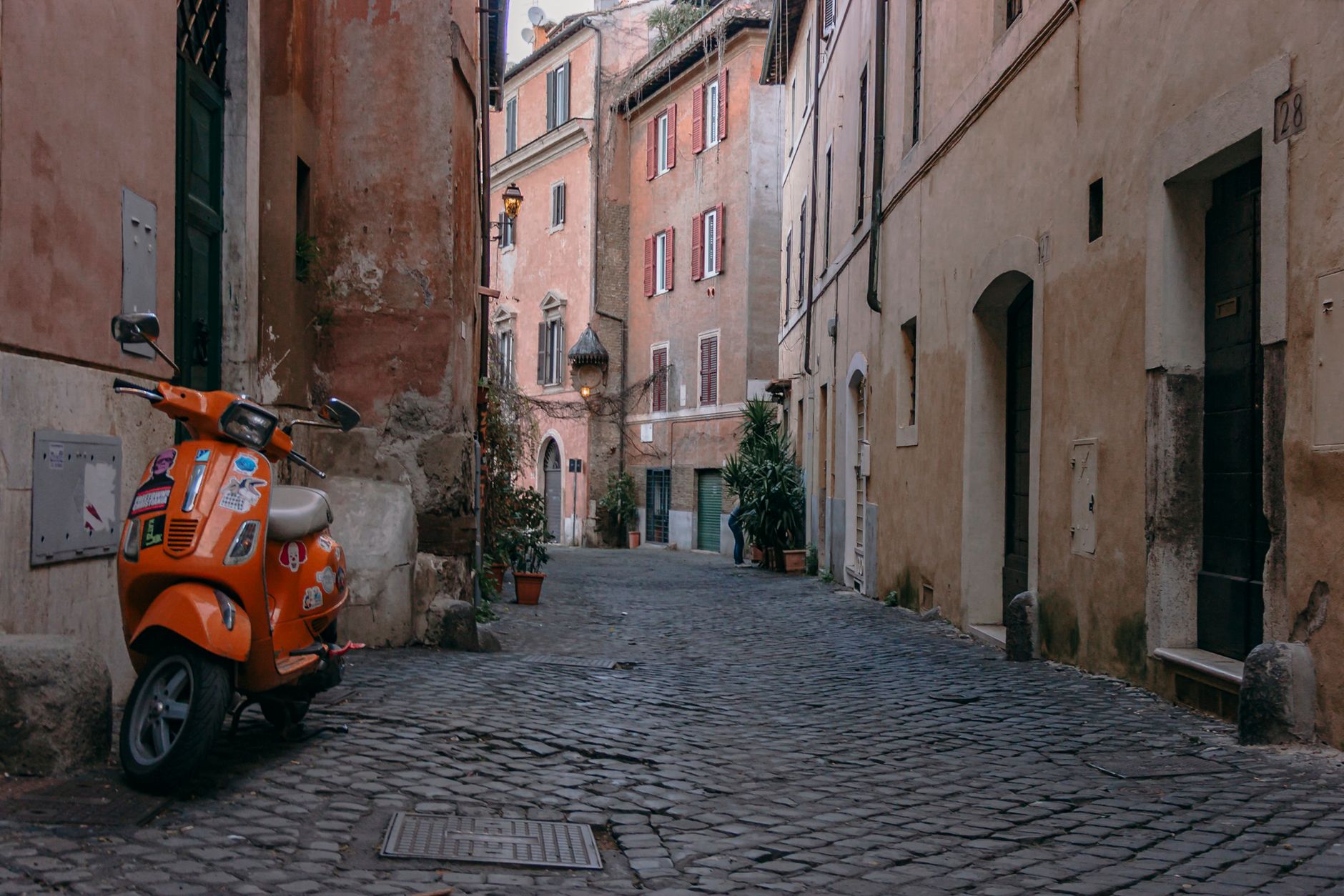 Photo by Marcelo Aut via Pexels
The Colosseum, Forum and Palatine
One timed ticket covers all three, released thirty days ahead and gone quickly for the good slots; the arena floor and the underground cost a little more. Enter at opening or in the last slot of the day.
The Vatican Museums, first thing
A fixed one-way route of several kilometres ending at the Sistine Chapel, best entered on the first slot or a late one. Shoulders and knees covered, and St Peter's is a separate queue next door.
The Pantheon
A two-thousand-year-old dome with an open oculus, still the largest unreinforced concrete dome ever built, and now ticketed. Go early, before the square fills.
The Borghese Gallery
Bernini's sculpture in the rooms it was carved for, on a compulsory two-hour slot with 360 people admitted at a time. Book well ahead; it is the hardest ticket in the city.
Trastevere after dark
The densest concentration of eating and drinking in the city, across the river from everything else, charming by day and loud until very late. Eat a street off the main squares.
Testaccio market and the food quarter
Offal, trapizzini and the Roman kitchen without a tourist menu in sight, in the old slaughterhouse quarter south of the Aventine. Lunch here, then the Protestant cemetery and the pyramid.
The neighbourhoods of Rome
Centro Storico
Cobbles, no metro
The historic core between the Pantheon, Piazza Navona and Campo de' Fiori: cobbled lanes, no metro, and most of what a first visit is for within walking distance. For first-timers who can pay for the ground.
Everything on foot, and the most expensive beds in the city.
Monti
Small bars and residents
Between the Colosseum and Termini, the neighbourhood people call the liveable one: small bars, vintage shops and residents. For second visits and anyone who wants the ancient sites without the tourist machine.
The Colosseum a short walk away, but the bars fill the lanes at night.
Prati
Boulevards and quiet nights
North of the Vatican: wide nineteenth-century boulevards, good food, quiet nights and a metro line, residential in a way the centre is not. For couples and families who want calm.
The Vatican on foot and quiet nights, and a metro ride to the ancient city.
Piazza di Spagna
Designer shops, grand hotels
The luxury quarter around the Spanish Steps: designer shopping, the grandest hotels, and the Villa Borghese park at the top of the hill. For anyone with the budget and a gallery slot.
The grandest hotels and the Borghese up the hill, but the highest prices in Rome.
Trastevere
Ivy, cobbles, late bars
Across the river: ivy, cobbles, and the city's densest concentration of restaurants and late bars, charming by day and loud until very late. For nightlife travellers and food-first visits.
The best evenings in the city, and noise under the window until two.
Esquilino and Termini
Trains and cheap beds
The station district: the cheapest beds in the city, every train and both metro lines, and the least attractive streets, practical rather than pleasant. For budget travellers and early departures.
The cheapest beds and every train, but the streets nobody chooses for themselves.
See every Rome neighbourhood on one map
Save the areas you like and Stippl plots your days so you're not crossing the city twice.
Where to stay in Rome
Sleep in the Centro Storico if the budget allows, because location decides a Rome trip more than the room does: the centre removes the need for transport, and everywhere else trades money for a metro ride. Most travellers give Rome 2 nights on Stippl, so a base within a walk of the Pantheon is worth the premium for two nights, and Monti or Prati are the answer for three.
Centro Storico
Palazzo hotels and small B&Bs around the Pantheon and Navona, €180 to €400 a double.
Monti
Three-star hotels and B&Bs in the lanes, €120 to €220 a double.
Prati
Mid-range hotels and apartments on the boulevards, €110 to €200 a double, near a metro.
Piazza di Spagna
The grand hotels and five-stars, €350 to €800 and beyond.
Trastevere
Apartments and small hotels in the cobbled streets, €120 to €250 a double, noisy at the front.
Esquilino and Termini
Hostels and budget hotels, from €30 a dorm bed to €110 a double.
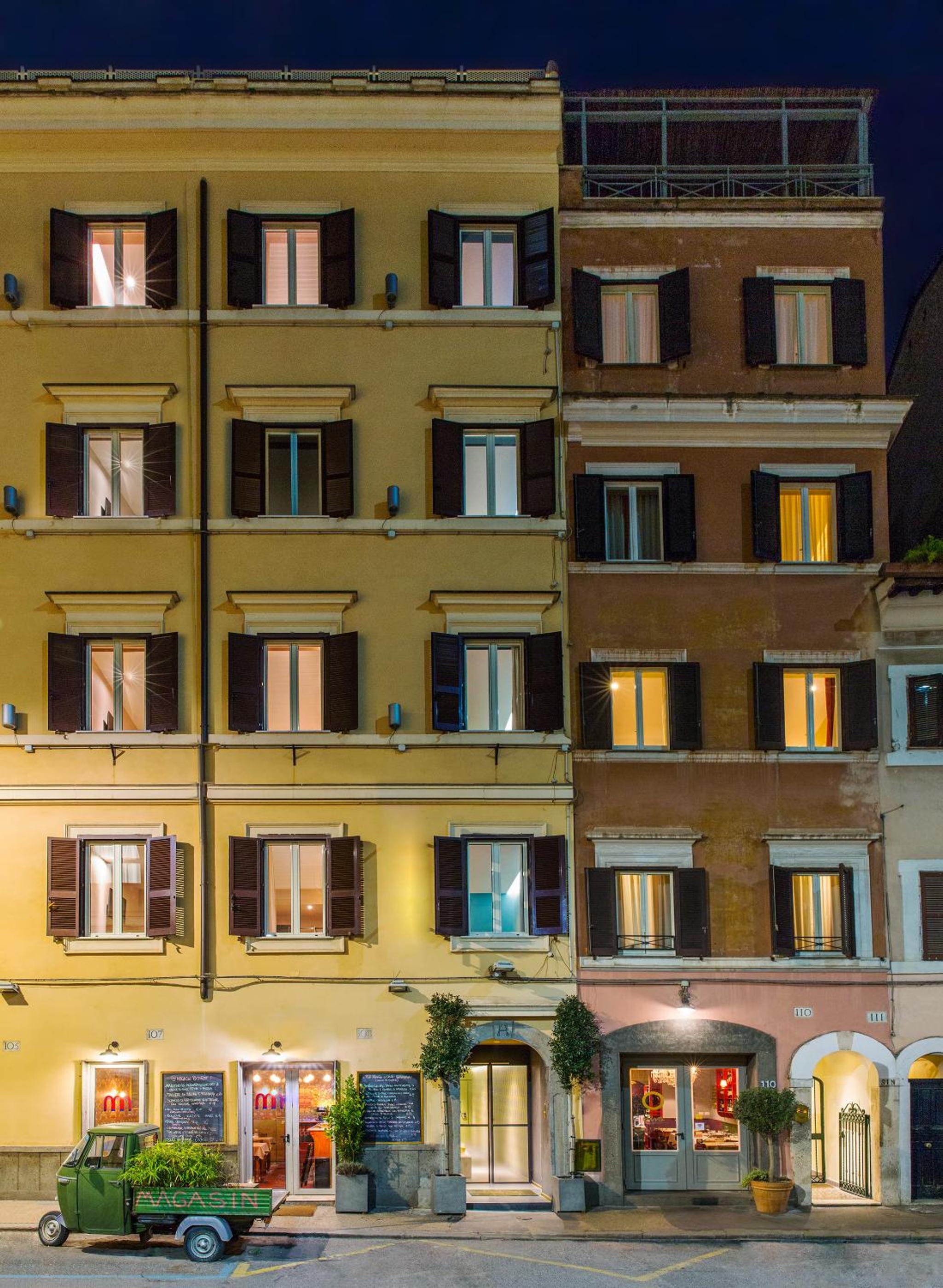
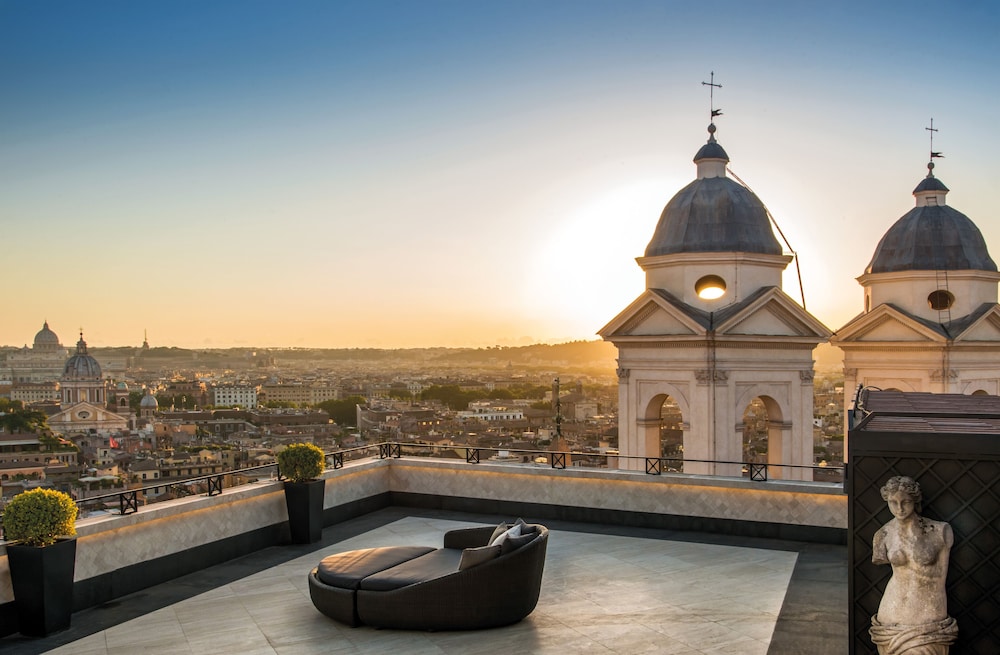
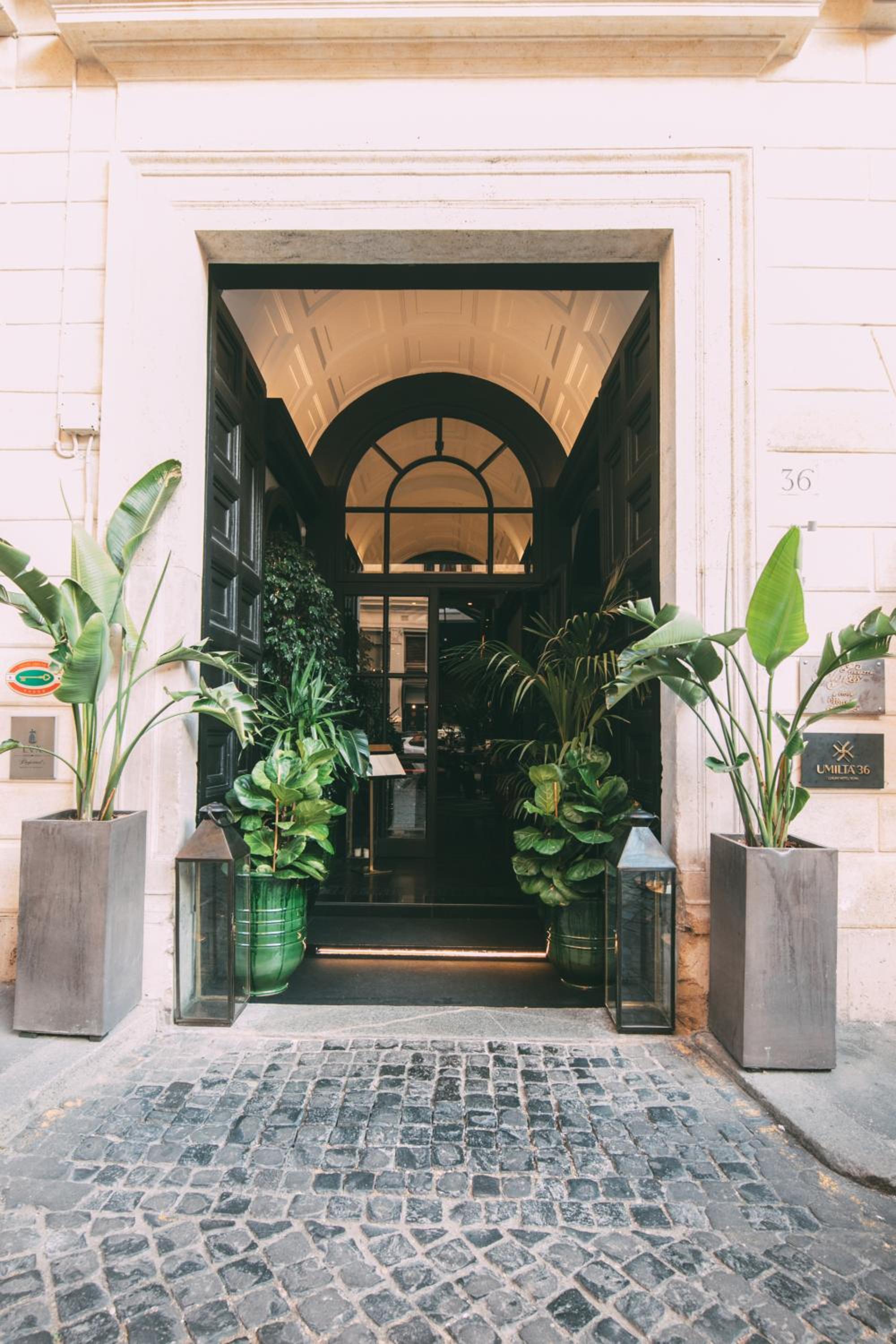


What to eat in Rome
Pecorino romano and black pepper emulsified with pasta water. Three ingredients and the hardest of the four to do well
Egg, pecorino, black pepper and guanciale. No cream, and Romans are firm about it
Guanciale, tomato and pecorino, usually on bucatini, the only one of the four with tomato
Guanciale and pecorino, no egg and no tomato. The oldest of the four and the least known abroad
Fried rice croquette with a mozzarella core that strings when pulled apart, supplì al telefono
Rectangular tray-baked pizza sold by weight and cut with scissors
A triangular pocket of pizza dough filled with a stewed Roman dish. Invented in Testaccio, now a Roman fixture
Whole artichokes deep-fried flat and crisp, from the Jewish Ghetto kitchen
A sweet bun split and filled with unwhipped cream, the Roman breakfast pastry
Oxtail braised with celery and tomato, from the slaughterhouse quarter
Discover food spots in Stippl
Find restaurants and markets on the map, save them to your itinerary, works offline too.
Rome customs and what not to do
Coperto is not a tip
The per-person cover charge of a euro or two is listed on the menu and goes to the restaurant; a tip on top is a thank-you, not an obligation.
Say buongiorno at the door
Walking into a bar or shop silently reads as rude here in a way it does not elsewhere, and buonasera takes over after about five o'clock.
Cover up for the Vatican
St Peter's and the Vatican Museums require covered shoulders and knees for everyone, and it is applied at the door, so carry a layer in summer.
Coffee is drunk standing
An espresso at the bar takes a minute and costs about a euro, a table on a famous square costs several times that, and a cappuccino after lunch is a visitor's order.
Dinner starts at eight
Lunch runs roughly one to three and dinner rarely starts before eight, so a restaurant serving at half past six is serving tourists.
Do
- Book the Colosseum, the Borghese and the Vatican the moment their windows open
- Validate a paper transit ticket before you board; it is stamped on validation, not purchase
- Eat in Testaccio at least once
- Carry a layer for the churches, which stay cold
Don't
- Drive into the centre; the ZTL cameras are automatic and the fines follow you home
- Buy Colosseum tickets from a reseller; there is one official site
- Sit down for a coffee on a famous square before you have seen the price
- Plan on August; the heat peaks and part of the city is shut
What a Rome trip costs
Budget
€55–85
A hostel bed near Termini, standing coffee, pizza al taglio and supplì, one ticketed site.
Mid-range
€140–220
A three-star or good B&B in Monti or Prati, sit-down lunches, two or three ticketed sites.
High-end
€350–800+
A hotel in the Centro Storico or by the Spanish Steps, booked restaurants, private guides.
Track what you actually spend
Set a daily budget per country and log expenses in any currency while you travel.
Fun facts about Rome
The Trevi Fountain charged admission for the first time on 1 February 2026. The lower basin is capped at 400 visitors at a time, after nearly three centuries as a free public fountain; the square above it stays free.
The Borghese Gallery admits exactly 360 people at a time. Every visit is a compulsory two-hour slot, which is why the ticket is the hardest to get in the city and the rooms never feel full.
The trapizzino was invented in one Testaccio shop. A triangular pocket of pizza dough filled with a stewed Roman dish, it has gone from that shop to a Roman category of its own.
The 2025 Jubilee drew 33,475,369 pilgrims by the Vatican's count. Visitor levels in 2026 are back to normal, and the timed-ticket regime the Jubilee accelerated is the part that stayed.
Rome's metro has only two real lines, because of what is buried under Rome. Both avoid the historic core, which is why most visitors walk more than they ride.
Gricia is the oldest of the four Roman pastas and the least known abroad. Guanciale and pecorino, no egg and no tomato: carbonara is gricia with egg, and amatriciana is gricia with tomato.
Local tips for Rome
Take the Leonardo Express
Non-stop from Fiumicino to Termini in about half an hour, every quarter of an hour, for about €14 each way. The buses are cheaper and slower.
The metro is thin, so walk
Two real lines, both avoiding the historic centre because of what is buried under it; most visitors walk more than they ride, and the centre is built for it.
Validate the paper ticket
A paper BIT is time-stamped on validation, not on purchase, and the fines are issued on the spot. The contactless tap at the gate does it for you.
Termini is where pockets go
Pickpocketing is the crime visitors actually meet, concentrated at Termini, on metro line A and on the crowded central buses; the method is the carriage door seconds before it opens.
Safe at night, in the centre
Rome is otherwise a safe capital, including at night in the central neighbourhoods, and the caution that matters is the bag on the metro rather than the street.
Two nights, at the start
Most travellers give Rome 2 nights on Stippl, and Rome opens 34.9% of the Italy trips it is on, so book the Colosseum for day one and leave the packing for the north.
Rome questions, answered
Two, and three is the top of the normal range rather than the standard: most travellers give Rome 2 nights on Stippl, with 27.7% of Rome stops a single night and about as many three. Two nights covers the ancient city and the Vatican; the third buys Trastevere in the evening and Testaccio for lunch.
Yes, for the Colosseum, the Borghese Gallery and the Vatican Museums, and the answer has hardened since the Jubilee. Colosseum tickets are released thirty days before the date on one official site, the Borghese runs compulsory two-hour slots, and the Vatican sells timed entry; walk-up is the worst queue in the city.
With the tickets, because they fix the days: put the Colosseum slot, the Vatican morning and the Borghese slot into Stippl first and let the neighbourhoods fall around them. Rome opens 34.9% of the Italy trips it is on, of everyone who plans Rome on Stippl, so it is usually day one. Then show the route to people who have been, in subreddits like r/ItalyTravel.
A per-person cover charge of a euro or two that goes to the restaurant, listed on the menu, and it is neither a tip nor a service charge. Servizio is a separate service charge where it appears, and a tip on top of either is a thank-you rather than an obligation, so leave coins, not a percentage.
Not necessarily: Milan appears on a minority of Rome trips and, once you correct for how long Rome trips run, the two are barely related in the Italy trips people build on Stippl. Rome's real partner is Florence, on half of all Rome trips, an hour and a half north by fast train. Fly out of Milan if the fare says so, and give the days to Florence.
The Leonardo Express, non-stop from Fiumicino to Termini in about half an hour, every quarter of an hour, is the default and the one to take with luggage. Only 11.1% of the Italy trips Rome is on end here, across the trips people build on Stippl, so most people do this journey once, inbound, and leave the country from somewhere else.
Every guide is written by the Stippl editors and checked against the trips our travellers actually plan. Spotted something out of date? Let us know.

Plan Rome in Stippl
Day-by-day planning, stays and budget in one app, with every place from this guide already on the map.
Download the app