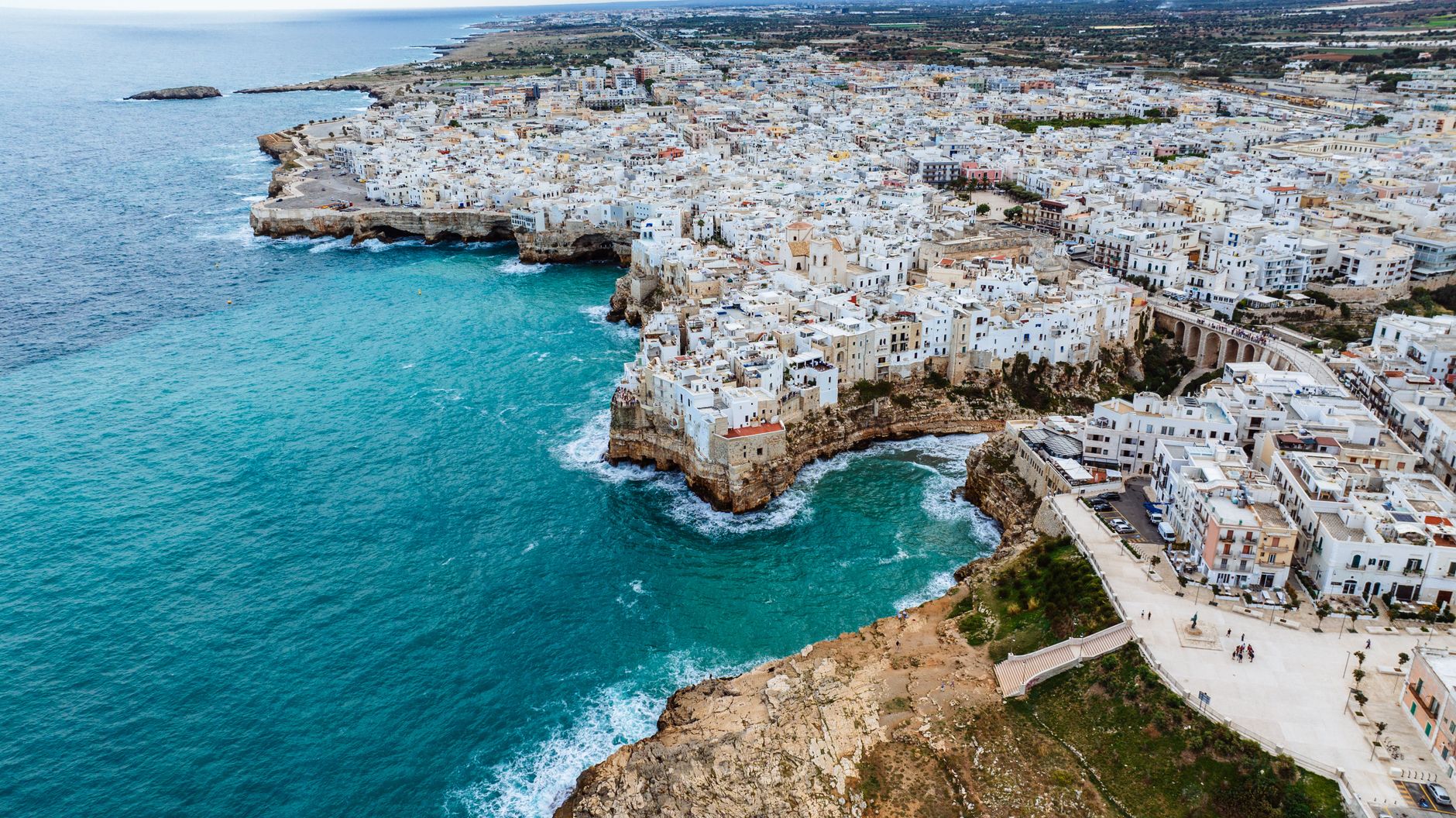


Plan Italy in Stippl
Day-by-day planning, stays and budget in one app, with every place from this guide already on the map.
Download the app20 Italy Travel Tips, One by One
1. Learn a Few Key Italian Phrases
While many Italians in tourist areas speak English, learning basic phrases such as "Ciao" (Hello), "Grazie" (Thank you), or "Per favore" (Please) will go a long way in earning local goodwill. It shows respect for the culture and can enhance your travel experience.
2. Travel Off-Season
Visiting Italy in the shoulder seasons, April to June or September to October, means fewer tourists, more affordable accommodation, and a more relaxed experience. You'll also enjoy milder weather, perfect for sightseeing.
3. Book Tickets in Advance for Major Attractions
To avoid long queues at popular spots like the Colosseum, Vatican Museums, or Uffizi Gallery, book your tickets online ahead of time. This not only saves time but also ensures you don't miss out on these must-see attractions during peak tourist times.
4. Validate Your Train Ticket
If you're travelling by train, remember to validate your ticket in one of the yellow or green machines found at train stations before boarding. This step is essential for regional and local trains, and skipping it could result in a fine.
5. Beware of Tourist Traps in Major Cities
While Rome, Florence, and Venice are beautiful, they're also packed with overpriced restaurants and souvenir shops targeting tourists. To avoid these, venture slightly off the beaten path to eat where the locals do. Look for small trattorias and osterias in side streets.
6. Cover Up When Visiting Churches
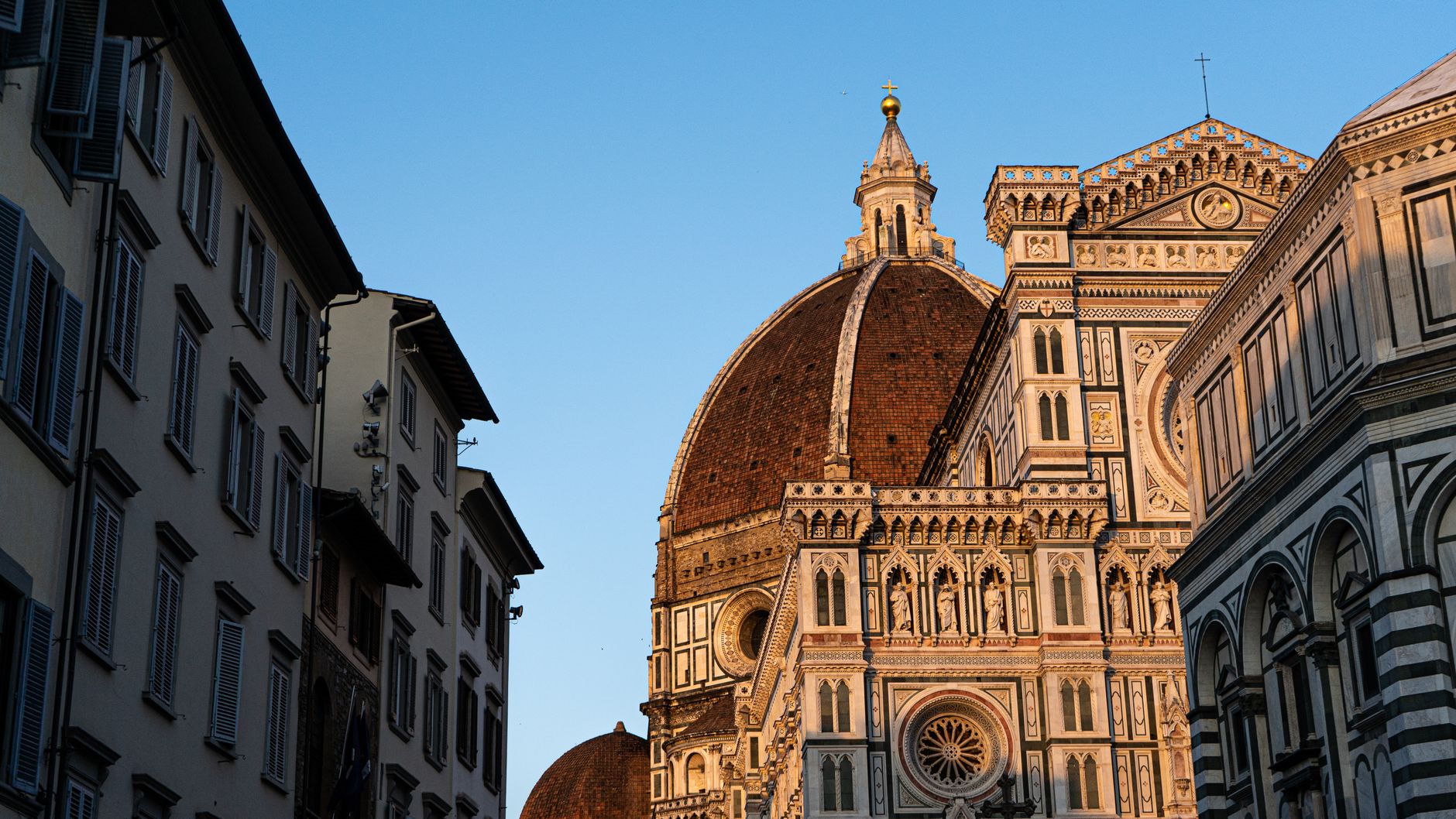
Italy is home to countless beautiful churches, including the Vatican and Florence's Duomo. Keep in mind that these are sacred spaces, so dress modestly. Shoulders and knees should be covered, and some churches provide shawls if you forget.
7. Carry Cash
While credit cards are widely accepted in Italy, smaller shops, cafés, and local markets often prefer cash. It's a good idea to carry euros, especially in rural areas or for minor purchases like coffee and public transport. Motorway toll booths, blue-line street parking and the remote rifugios in the Dolomites are the ones that still catch people out.
8. Try Local and Seasonal Food
Italy is known for its regional cuisines, and each area has specialities you won't want to miss. Try pizza in Naples, gelato in Florence, pasta in Rome, and seafood in Sicily. Also, be sure to sample seasonal produce, which is a staple of Italian cooking.
9. Embrace Aperitivo Hour
One of the best ways to experience Italy's laid-back lifestyle is by enjoying aperitivo, typically between 6 and 8 PM. This is a pre-dinner drink served with light snacks like olives, cheese, or bruschetta. Aperitivo is a social ritual and a budget-friendly way to enjoy Italian flavours, and at €10 to €15 with the buffet it doubles as a light dinner.
10. Don't Rush Your Meals
In Italy, meals are meant to be enjoyed slowly. You won't often find Italians grabbing food on the go. Lunch and dinner can easily last two to three hours, and restaurants typically open for dinner around 7 or 8 PM. Take your time, enjoy each course, and savour the experience.
11. Use Public Transport Wisely
Italy's public transportation is generally efficient, with extensive train and bus networks. In cities like Rome and Milan, you can use buses, trams, or metros. However, in small towns and countryside regions, buses may be less frequent, so check the schedules ahead of time.
12. Respect Riposo
In many parts of Italy, particularly smaller towns, businesses close in the afternoon for riposo (similar to a siesta). This period usually lasts from 1 PM to 4 PM, during which shops and restaurants may close, so plan your day accordingly.
13. Drink from Public Fountains
Italy's cities are known for their beautiful, historic fountains, and many provide safe, drinkable water. Look for fountains marked with "Acqua Potabile," and feel free to refill your water bottle to stay hydrated without spending money on bottled water.
14. Skip the Espresso After Breakfast
In Italy, cappuccino and latte are morning drinks, typically consumed before 11 AM. After that, Italians switch to espresso, which is considered more appropriate after lunch or dinner. Following this cultural norm will help you blend in better with the locals.
15. Mind the Cover Charge (Coperto)
In Italian restaurants, especially in tourist areas, you may find a coperto (cover charge) added to your bill. This fee typically covers bread and table settings and is usually around €1-3 per person. It's a standard practice, so don't be surprised when you see it.
16. Consider Renting a Car for Countryside Travel
While public transport is great in cities, renting a car is the best way to explore rural Italy, such as Tuscany, Umbria, and Sicily. It allows you to visit hidden villages and vineyards at your own pace. Just remember, Italians drive fast, so be prepared!
17. Avoid Taxis at Train Stations
When arriving at major train stations like Rome Termini or Milan Centrale, it's best to avoid taxis directly outside the station, as they often overcharge tourists. Use public transport, walk, or book a trusted taxi service in advance instead.
18. Take a Vespa or Bike Tour
If you're looking for a fun and unique way to explore cities or countryside areas, consider a Vespa or bike tour. In cities like Rome or Florence, you can easily rent bikes or scooters, and it's a great way to cover more ground while taking in the sights.
19. Beware of Pickpockets
Pickpocketing can be an issue in crowded areas like Rome's Trevi Fountain or Venice's St. Mark's Square. Be cautious of your belongings and consider using a money belt or anti-theft backpack to keep your valuables secure.
20. Don't Overpack
With Italy's cobblestone streets and hilly towns, lugging heavy suitcases can be a hassle. Pack light, especially if you plan to take public transportation, use Stippl's packing list to make sure you bring only what you need. Choose comfortable shoes, as walking is often the best way to explore Italian cities. For seamless connectivity across regions, consider grabbing a travel eSIM before you go, which runs about €0.50 to €2.50 a day of data.
Italy Awaits: Savour Every Moment
By using these Italy travel tips, you'll be able to explore Italy like a seasoned traveller, enjoying its hidden gems, avoiding common pitfalls, and savouring every unforgettable moment. From indulging in local cuisine to taking scenic countryside drives, Italy promises an adventure of a lifetime, and now, you're ready to make the most of it! Buon viaggio!
That is the twenty. What follows is the part most tip lists skip: the shape of the trip itself, what it costs, how to move between places, when to go, and three routes that work if this is your first time. Our Italy travel guide covers the same ground at country level if you would rather start with the overview.
The Tip Most Guides Leave Out: Plan Fewer Stops

More trips run through Italy than through any other country in our own planning data: 182,777 of them. Most run twelve days across five stops, and about four of those stops sit inside Italy. Twelve days, five beds, four moves between them.
The number that gives the game away is a different one. Half of every Italian stop we hold is a single night or no night at all. Pisa is the clearest version of it: 15,500 stops for a tower most people see between two trains.
So the mistake is not that people list too many places. It is that too many of those places get one night. Every move costs a morning packing, a train, and an afternoon working out where the good coffee is, and four moves in twelve days is two of your twelve days gone before you have looked at anything.
The fix is unglamorous and it works: two nights as the floor for any stop, three in Rome and Florence, and day trips for the rest. Siena from Florence, Pompeii from Naples, Capri from Sorrento. You see the same list of places and you get two days back.
The Best Way to Get Around Italy
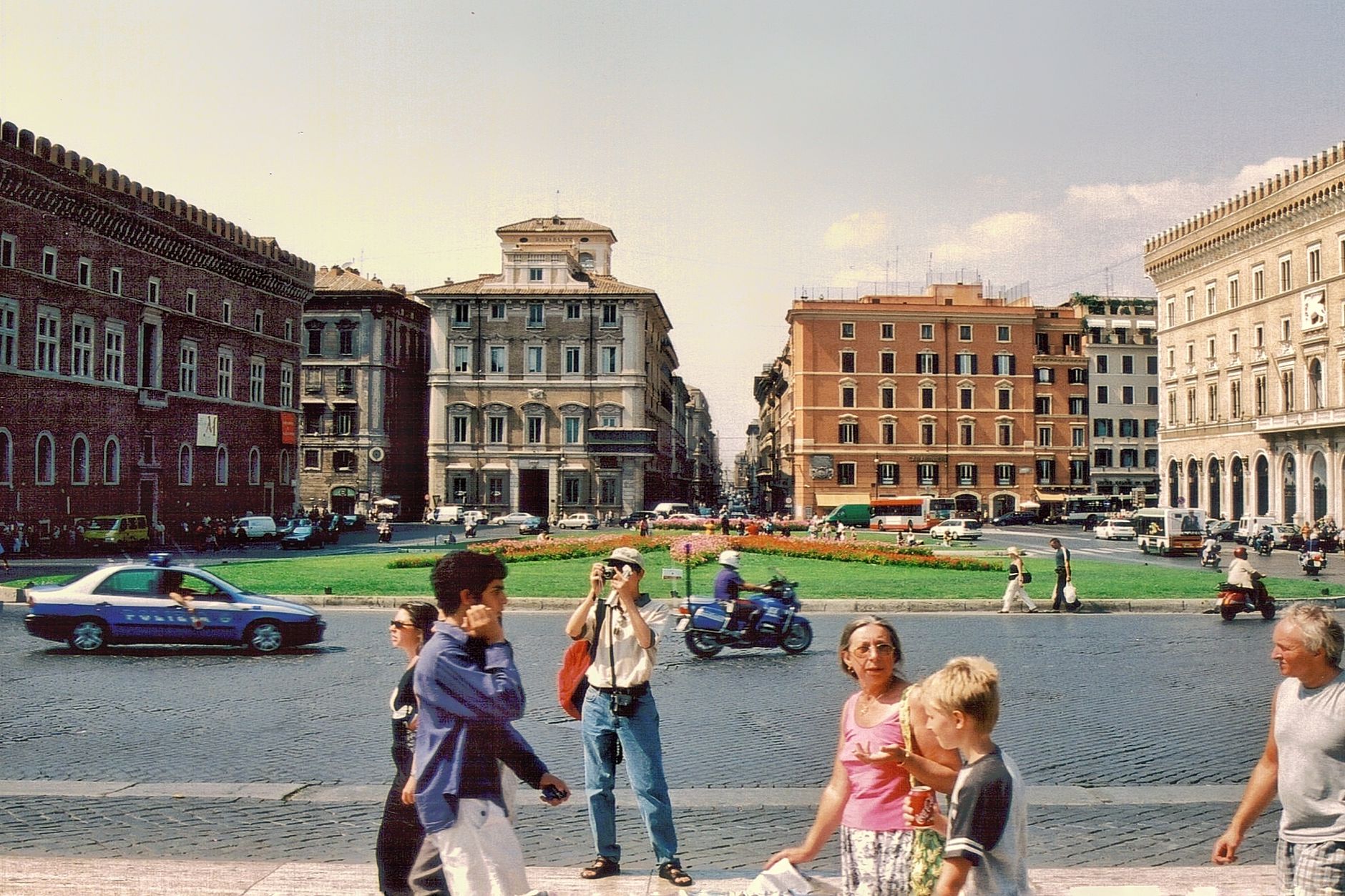
For the classic cities, the train, and it is not close. Trenitalia and Italo run competing high-speed services on the same lines at up to 350 km/h, so the big cities are joined centre to centre in about the time it takes to reach an airport. Rome to Florence is 1h20 to 1h45. Florence to Venice is around two hours. Rome to Venice is under four, direct. The classic loop needs no car at all, and in Rome itself you actively do not want one.
| Leg | Best option | Time | Cost |
|---|---|---|---|
| Rome to Florence | High-speed train | 1h20 to 1h45 | fare rises as the train fills |
| Florence to Venice | High-speed train | around 2h | €14 to €25 booked a few days out |
| Venice to Milan | Train | 2.5h | around €16 |
| Rome to Siena | Train, or Flixbus | 3h to 4h | €24 by train, €3 by bus |
| Naples to Pompeii | Circumvesuviana | 40 min | €3.50 |
| Naples to Sorrento | Circumvesuviana | around 70 min | €3.60 |
| Sorrento to Amalfi | SITA bus, or ferry April to October | varies | 24h bus pass €10, ferry around €18 |
| Rome Termini to Fiumicino | Leonardo Express | 30 to 35 min | €14, or €6 on the Terravision bus |
Book direct in the Trenitalia or Italo apps rather than through a reseller, and book a few days ahead in season, because the fare climbs as seats go. Search with the Italian station names too: Roma Termini, Firenze Santa Maria Novella, Venezia Santa Lucia, Milano Centrale.
Then the one that catches people out, and it is tip 4 above with the reason attached. Regional tickets must be stamped in the green or yellow machine on the platform before you board. High-speed tickets are tied to a named train and need nothing at all. An unstamped regional ticket counts as no ticket, and the fine is enforced.
Buses are worth a look on the legs where the railway takes the long way round: Rome to Siena is €24 on the train and about €3 on Flixbus for a similar journey time. And where the train genuinely stops being the answer is the Amalfi Coast, where the SITA buses and the seasonal ferries do the work, and the countryside generally.
One more trick that costs nothing: sleep next door. Mestre is a 15 minute bus from Venice at €1.50, La Spezia bases you for the Cinque Terre from around €35 a night, and Sorrento is the practical hub for Pompeii, Capri and the coast. If you are weighing up one specific leg, we broke down Rome to Venice four different ways.
Italy by Road: Where a Car Actually Pays Off
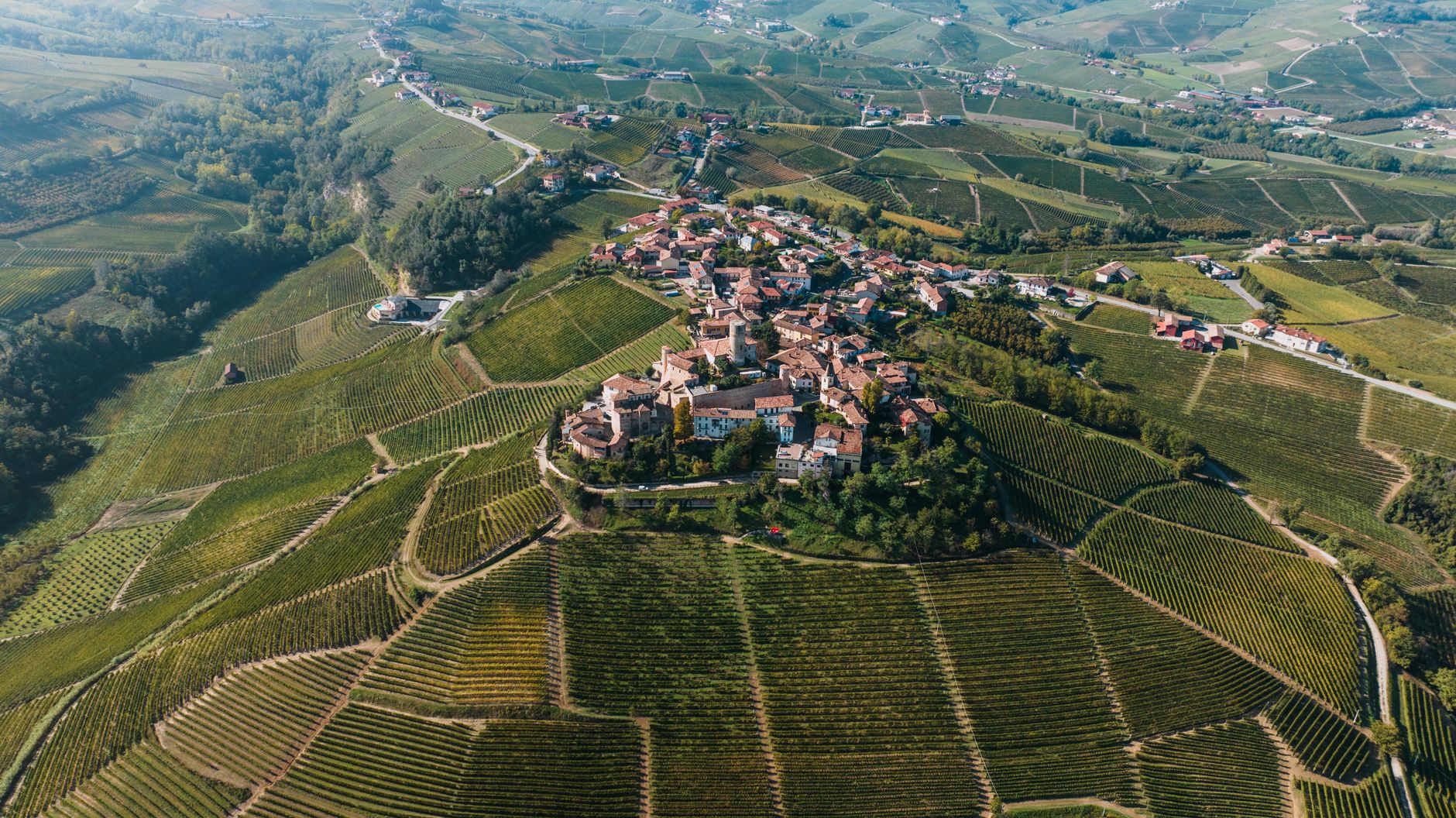
Never for the big cities, essential for the countryside. Tuscany's hill country, Umbria, the Dolomites, Puglia, Sicily's loop and Sardinia are all built for driving, because in those places the road between the towns is the point. Pick the car up at the airport or on the way out of the city, never in a historic centre.
The reason for that last sentence is the ZTL, the Zona a Traffico Limitato. Nearly every Italian city ring-fences its historic centre with camera enforcement, the signage is in Italian only, and Google Maps will route you straight through one without comment. The fine arrives months later through your hire company with an administration charge on top. Park outside the walls and walk in. Hotels inside a zone can sometimes register your plate, so ask before you drive.
Parking is colour coded nationwide and worth learning in one line: blue is paid, by meter or the Easypark app, white is free or residents only depending on the sign, and yellow is residents and disabled bays. The autostrade are toll roads, paid by card or cash at the booth.
On cost, hire starts around €16 a day including full insurance, but €30 to €35 a day is the realistic all-in figure once extras land. One-way fees run €70 to €75 and drivers under 25 pay a surcharge of €10 to €25 a day. The desk wants a credit card in the driver's name. Photograph every existing scratch before you pull away.
Two more. If you hold a non-EU licence, an International Driving Permit is legally required alongside it and inconsistently checked, so get one rather than gamble. And in August and September the Amalfi Coast road runs an alternate-plates rule between 10:00 and 18:00, odd plate endings banned on odd dates and even on even, poorly signed and in Italian, with guests of coast accommodation exempt. You only learn your plate at the rental desk.
Driving down from the Netherlands or Belgium is a real option and a lot of people take it: around 1,200 km to Milan via the Gotthard, a Swiss vignette at €44.95 for the year, and hours-long tunnel queues in summer worth checking before you set off. Rent or bring the smallest car your bags fit in. Italian driving is assertive everywhere and properly chaotic in Palermo and Catania.
What a Trip to Italy Actually Costs
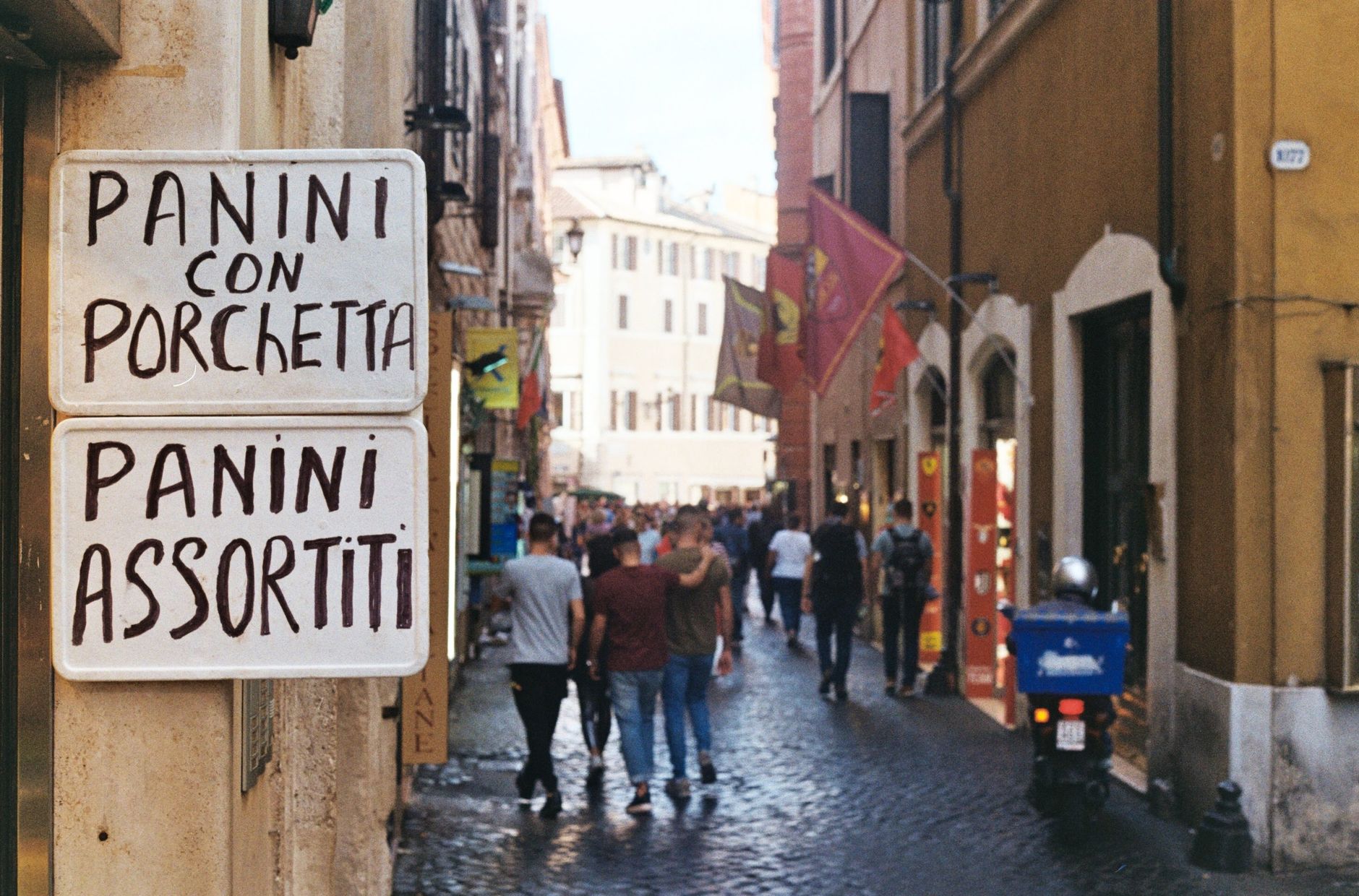
Italy is not cheap Europe any more, and pretending otherwise is how budgets break. Dorm beds run €15 to €35 and a city bed in high summer can reach €65. Central Rome under €100 a night barely exists.
Budget
€70–125
hostel dorm or Mestre-style base, pizza al taglio and market meals, regional trains, free-Sunday museums
Mid-range
€150–345
A 3-star or agriturismo double, trattoria dinners, high-speed trains, a paid sight per day
High-end
€325+
boutique or coastal hotels, guided tours, boat days, tasting menus
Region and season move that number far more than travel style does. Sicily is the cheapest region with Puglia just behind it. The Dolomites, Venice and Lake Como are the expensive end, and a Positano hotel costs several times its Rome equivalent. Prices fall sharply from the middle of October, and January and February are the national low.
Those are the guidebook bands. Here is what travellers logged while they were actually in Italy. One caveat that matters: these come from trips that stayed inside Italy, which is 41 in every 100 Italy trips and leans towards focused city breaks, so read them as the cost of a city trip rather than of a three-region tour.
| Hotel night | €175 |
| Apartment night | €268 |
| Dinner | €40 |
| Lunch | €21.50 |
| Breakfast | €9.60 |
| Drinks | €12 |
| A sight or tour | €22 |
| A train fare | €24.50 |
| City transport | €16 |
The apartment figure runs 53% above the hotel night, which is what you would expect if those rows are families and groups splitting one booking rather than anyone paying more per head.
One more thing that data says and no guidebook does. For every sight our travellers log in Italy they log about one and a half meals. The same count in Japan is three and a half. Italy is a country people come to look at, and eat well while they are looking.
The number comes down without the trip getting worse. State museums are free on the first Sunday of the month, which is also their busiest day, and closed on Mondays almost everywhere. Pizza al taglio is about €6, a cappuccino €1.50 to €3.50, a gelato around €2. The menù fisso set lunch and the aperitivo buffet are both real meals at a fraction of dinner. And the headline sights cost less than people brace for: the Colosseum combo ticket is €18, or €24 for the Full Experience, and the Vatican Museums are €17.
Track what you actually spend
Set a daily budget per country and log expenses in any currency while you travel.
If you would rather have a number before you go than after, we wrote up how to build a travel budget in five steps.
When to Go, and What Most Travellers Book Anyway

April to June and September to October. Every source says it and every source is right, with two complications worth knowing before you book.
The first: shoulder season is not low season any more at the famous sights. May in Rome, Florence, the Cinque Terre and Amalfi now behaves like peak, so book those as though it were August. The second: Sicily inverts the national rule. Its busiest and most expensive month is September, and its quiet shoulder is May.
Now what people actually do. Six in ten Italy trips in our own data are planned to start between June and September, and July alone takes more than one start in six. That is school holidays rather than bad advice being ignored, and if those are your months the move is to go north and high. The Dolomites are at their best in exactly the weeks Rome sits at 35 degrees.
August carries one date to plan around. Ferragosto, from 15 August, is when Italy takes its own holiday all at once: small businesses close for something like a fortnight and prices peak.
Winter splits in two. January and February are the cheapest, emptiest months and genuinely good for Rome and Florence if you do not mind rain, and light snow can stretch a Florence to Rome train into a whole day. The coast is a different story: the Amalfi Coast runs its ferries and most of its businesses from April to October and shuts for the winter, and the Cinque Terre boats stop with it.
Book earlier than feels necessary. Italy trips in our data get started about ten weeks before departure, and one in six inside the final fortnight. For July and August that is late. Positano books out 6 to 12 months ahead, Dolomites bases are effectively full by the middle of July, and the Colosseum, the Vatican, the Uffizi, the Accademia and the Duomo climbs all sell out days to weeks in advance.
Three Route Shapes That Work for a First Trip
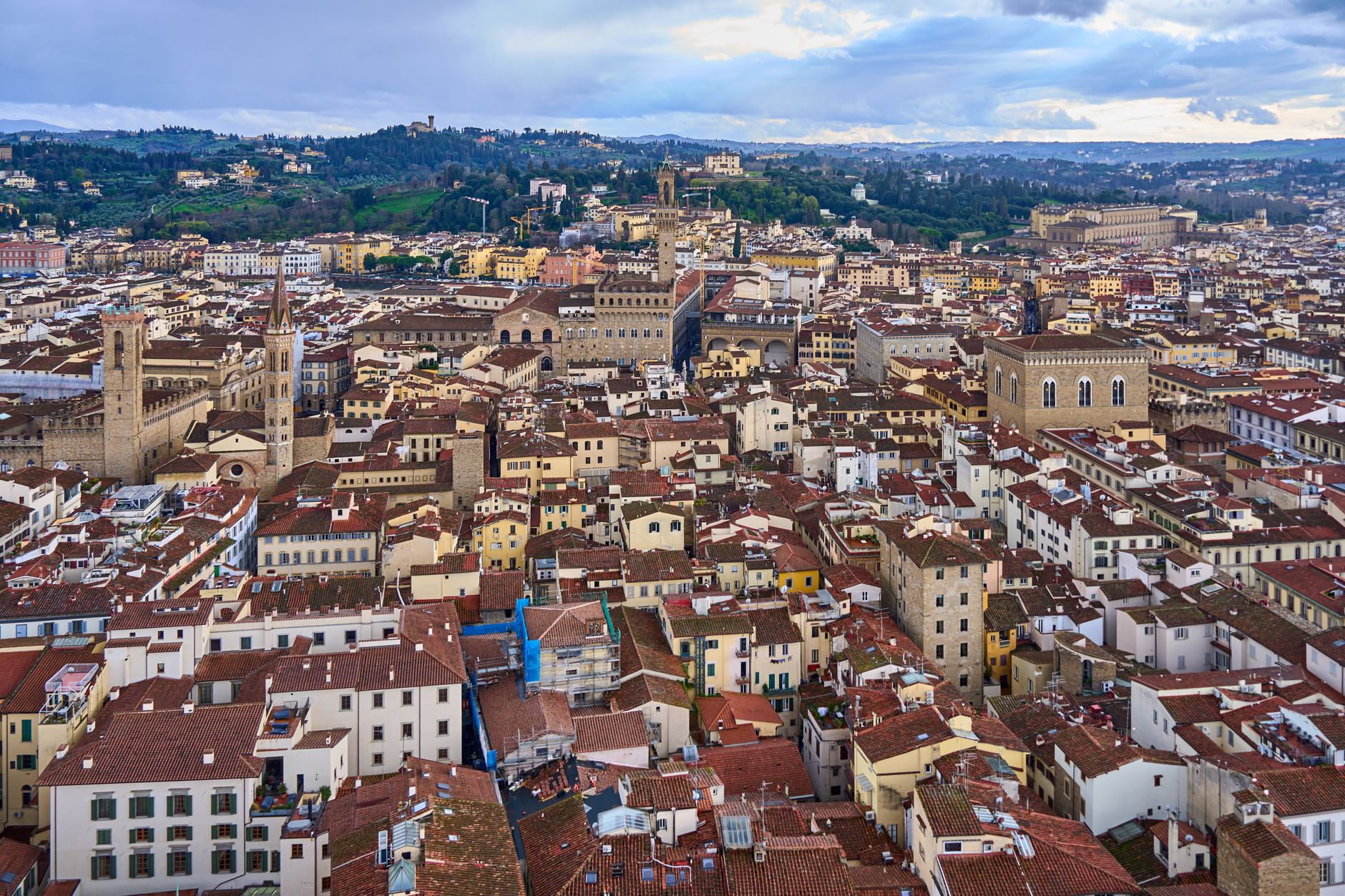
Italy is not one route. It is half a dozen separate trips that share a country: the classic cities, the countryside regions, the coasts, the lakes, the Dolomites, and two islands that each want a fortnight of their own. Trying to sample all of them in one go is the mistake the first section was about. These three shapes do not.
A week, three stops
Rome (3 nights), Florence (2), Venice (2). Two train legs, neither over two hours, and no car anywhere. It is the easiest great trip in Europe and it is still the right answer for a first visit. Rome needs the three nights, Florence is walkable end to end in half an hour, and Venice is a two-day city that people routinely give four.
Ten days, four stops
Rome (3), Florence (3), the Cinque Terre (2), Venice (2). The same spine with the coast added, and the extra night in Florence is what buys you Siena or the Chianti hills as a day out. The Cinque Terre villages are linked by a cliff path and a local train, and October is the best month for walking it.
Two weeks, one region added
Take the ten-day route and give the extra four or five nights to a single region rather than to four more towns. Naples and Sorrento cover Pompeii, Capri and the Amalfi Coast from two beds. Bari, Ostuni and Lecce do the same job for Puglia, at the cheapest prices in mainland Italy. Sicily and Sardinia are the exceptions: both are a full trip, not an add-on, and squeezing either onto the end of a classic-cities fortnight is how a good holiday turns into a transfer schedule.
Turn these stops into a route
Pick your favourites and Stippl orders them, adds travel times and builds the day-by-day.
And the shortest shape is a real trip too. Three or four nights in one city is how a lot of Italy actually gets seen, and our own numbers agree: half of all Italian stops are a single night or a day visit. Venice is a genuine long weekend. Milan is the winter-proof one, with most of its sights indoors. Rome is the only one of the three that will feel rushed at three nights.
For where to go after the first trip, we have a round-up of the best cities in northern Italy, a full two-week Puglia itinerary, and, for the days when the budget needs a rest, the best free things to do in Florence.
Fewer Places, More Italy
Of everything above, the tip that changes a trip most is still the least exciting one: cut a stop, and give the ones that survive a second night. Italy rewards staying still far more than it rewards covering ground.
Working out the route? Build your Italy trip in Stippl and see how the days actually divide up before you book anything. And if Venice is on the list, the best museums in Venice is worth ten minutes first.
Frequently asked questions about Italy
Three things save the most trouble: do not drive into historic centres because of ZTL camera zones, validate regional train tickets before boarding, and plan fewer stops than you think. The cover charge on restaurant bills is normal, not a scam.
By train for the cities and by car for the countryside, and the two combine well: do Rome, Florence and Venice on high-speed rail, then pick up a car at an airport for Tuscany, Puglia, Sicily or the Dolomites. Book the trains direct through Trenitalia or Italo a few days ahead.
Five or six, and the important part is that none of them gets a single night. Most trips in our data run twelve days across five stops, and half of all Italian stops are one night or a day visit, which is where the time goes. Two nights minimum, three in Rome and Florence, day trips for the rest.
April to June and September to October for warm weather without the August crush. January and February are the cheapest and emptiest months, and genuinely good for Rome and Florence if you do not mind rain. Sicily is the exception: its peak is September and its shoulder is May.
It is mid-priced Europe now rather than cheap Europe. Reckon on €70 to €125 a day on a budget, €150 to €345 mid-range and €325 upwards at the top end, per person and excluding flights. Region moves it more than anything else: Sicily and Puglia are the cheapest, the Dolomites, Venice and Lake Como the most expensive.