

Oaxaca City
Oaxaca est la destination culinaire la plus forte du Mexique et l'une des plus sûres. Mézcal dégusté au palenque qui l'a produit, le plus grand marché indigène d'Amérique latine, et Día de Muertos dans sa plus grande intensité.
Oaxaca City en bref
Oaxaca City : à quoi s'attendre
Tous les chiffres présentés ici proviennent de 133 000+ arrêts planifiés au Mexique sur Stippl.
Oaxaca est l'endroit où les gens viennent manger, et les sept moles en sont la raison. Le noir compte environ trente ingrédients y compris le chocolat, et autour de lui siègent les tlayudas, quesillo, chapulines et tejate, sur les marchés Benito Juárez et 20 de Noviembre et au colosse du dimanche à Tlacolula. La vallée est le deuxième acte : Monte Albán sur son sommet aplani, les gravures en pierre de Mitla, l'arbre Tule à quatorze mètres de diamètre, les tisserands de teinture naturelle de Teotitlán et les piscines minérales de Hierve el Agua.
Oaxaca voyage presque jamais sans la capitale. Près de neuf voyages sur dix à Oaxaca incluent aussi Mexico, le lien de dépendance le plus fort entre deux destinations du pays, si bien qu'il n'existe pas de version vol direct pour cette ville dans les plans. Planifier Oaxaca signifie que le reste du voyage descend vers le sud, à Puerto Escondido et San Cristóbal ; presque personne ne l'associe à la Riviera Maya.
Prévoyez 3 nuits, voire plus si vous venez en octobre. C'est clairement la haute saison de la ville, trois fois plus fréquentée que son mois le plus calme, et c'est le Día de Muertos. À 1 550 mètres, les journées ont un caractère printanier toute l'année et les soirées nécessitent un pull. Réservez à l'avance pour toute visite en fin octobre ou pour la Guelaguetza en juillet. Évitez Oaxaca lors d'un voyage axé sur les plages, car la côte se trouve à trois heures de route à travers les montagnes.
Planifiez Oaxaca City dans Stippl
Planification jour par jour, hébergements et budget dans une seule application, avec chaque lieu de ce guide déjà sur la carte.
Télécharger l'applicationÀ qui Oaxaca City s'adresse
Gourmands
Le plus fort cas d'une seule ville pour la gastronomie au Mexique : étals de marché à la cuisine de niveau Olvera, cours de cuisine et visites de palenque pour le mezcal.
Voyageurs de culture et de festival
Día de Muertos à son intensité maximale, Guelaguetza en juillet, et villages d'artisanat zapotèque vivants à une heure.
Amateurs d'art
Art de rue, musées de textiles et de peintres, et ateliers d'alebrijes et de barro-negro dans les villages.
Randonneurs
Les Pueblos Mancomunados sont huit villages de montagne autonomes avec des randonnées de refuge en refuge à 2 000 à 3 000 m.
Voyageurs en solo et voyageurs pour la première fois
Oaxaca est l'une des villes les plus sûres du Mexique, avec une scène d'auberge profonde, et la plupart des gens lui donnent 3 nuits.
Peut-être pas fait pour vous : les voyages axés sur la plage, car la côte est à deux heures et demie à trois heures ; les planificateurs de juillet et août qui détestent les foules, en raison de Guelaguetza ; et quiconque allergique à la réservation à l'avance, car l'hébergement du Día de Muertos se remplit en août.
La meilleure période pour visiter Oaxaca City
Saison sèche
November to April
La fenêtre fiable, avec des nuits fraîches tout le temps et la semaine de Día de Muertos au début comme la plus chargée de l'année. Candelaria en début février et Carnaval tombent à l'intérieur.
Saison des pluies
May to October
Pluies en fin d'après-midi, vallées vertes et bas prix, avec la Guelaguetza deux lundis en juillet, la seule quinzaine où la ville se remplit. Les villages de mézcal sont à leur plus verdoyants.
- Octobre est le mois où la plupart des voyageurs planifient Oaxaca sur Stippl, environ 80 jours à l'avance. 13,8 % des plans d'Oaxaca se font en moins d'une quinzaine ; la semaine de Día de Muertos est celle qui fait basculer ce partage à la porte.
- Día de Muertos à Oaxaca est la célébration définitive de celle-ci au Mexique. Cimetière de Xoxocotlán la nuit du 31, la parade principale le 1er et la parade García Vigil le 2 ; stands de maquillage, soucis et veilles toute la nuit, et les chambres réservées dès l'été.
- La Guelaguetza prend deux lundis en juillet et remplit l'auditorium sur la colline. C'est l'un des plus grands festivals folkloriques d'Amérique du Nord ; les billets pour la scène principale se mettent en vente au printemps et les places gratuites nécessitent une queue à l'aube.
- Les blocages des syndicats d'enseignants reviennent régulièrement, atteignant des pics historiques entre mai et juillet. Les protestations de la CNTE peuvent fermer les routes, y compris l'accès à l'aéroport ; consultez les actualités locales le jour de votre voyage pendant ces mois et prévoyez une matinée supplémentaire pour votre vol.
Ajoutez vos dates pour Oaxaca City et nous vous signalerons la météo
Stippl indique la saison, l'affluence et les prix pour chaque étape de votre itinéraire.
Décrivez votre voyage et obtenez un itinéraire pour Oaxaca City en quelques secondes
Tout ce guide est déjà dans Stippl. Dites au planificateur combien de temps vous avez et ce que vous aimez : il construit l'itinéraire, les journées et les temps de trajet, et vous modifiez ce que vous voulez.
Choses à faire à Oaxaca City
 Photo by Ritchie Soto via Pexels
Día de Muertos
Suivez l'arc de trois jours à partir du 31 octobre : la veillée du cimetière de Xoxocotlán, la parade principale le 1er, la parade García Vigil le 2, et retournez de jour pour voir les tombes décorées. Gratuit, respectueux, et les chambres sont réservées dès l'été.
Monte Albán tôt
Prenez la navette vers la capitale zapotèque sur son sommet aplaní à l'ouverture, environ 5 €, avant la chaleur et les cars de touristes. Deux heures, et le musée à l'entrée explique le terrain de ballon.
Une journée en vallée
Prenez la visite classique ou la chaîne de colectivos pour environ 12 € : l'arbre du Tule, les tisseurs de Teotitlán, Mitla et un palenque de mézcal, finissant aux chutes pétrifiées de Hierve el Agua et piscines. Une journée complète, et des chaussures de piscine pour les bassins.
Un palenque à la source
Visitez un petit producteur familial à une heure près de Santiago Matatlán plutôt qu'une visite de showroom, environ 20 € avec le transfert, pour voir l'agave rôtie dans la fosse et déguster à la production. Demandez aux mezcalerías en ville à qui elles achètent.
La ronde du marché
Marchez Benito Juárez et 20 de Noviembre pour le hall de la fumée et le chocolat, puis prenez le colosse du dimanche à Tlacolula, le plus grand marché indigène d'Amérique latine, à quarante minutes. Gratuit, et le déjeuner est au hall de la fumée.
Les Pueblos Mancomunados
Marchez de village en village dans la Sierra Norte avec des cabanes à 2 400 mètres, réservées directement avec l'opérateur communautaire, environ 40 € par jour avec le guide et le lit. Deux ou trois jours, et froid la nuit.
Les quartiers de Oaxaca City
Centro
Zócalo, Alcalá, les marchés
Le cœur UNESCO autour du Zócalo et la Calle Alcalá piétonne : marchés, musées, mezcalerías et les deux marchés alimentaires côte à côte, avec des hôtels de tous les niveaux. Pour les premières visites ; le plus animé et le plus cher.
Tout à pied, et les foules et les prix du cœur.
Santo Domingo
Église baroque, terrasses, musée
Les rues de carte postale autour de la grande église baroque : vie nocturne, bars sur les terrasses, le musée de la culture et le jardin botanique, avec des hôtels de charme. Pour les soirées et la culture.
L'église et les terrasses, et le bruit des bars.
Jalatlaco
Pavés, drapeaux, densité de cafés
L'un des plus anciens barrios de la ville, à dix à vingt minutes du centre : pavés, street art, ruelles ornées de drapeaux et cafés, avec des maisons d'hôtes dans les vieilles maisons. Pour le charme et le quartier.
Le plus beau barrio de la ville, et une promenade jusqu'au centre.
El Llano
Parc, terminal, bon rapport qualité-prix
Autour de Parque Juárez et de la terminal ADO : la zone la plus tranquille et économique, des logements au bon rapport qualité-prix et des cafés accueillants pour les nomades. Pour les routards et pour les bus.
Rapport qualité-prix et terminal, et une promenade jusqu'au Zócalo.
La Noria
Résidentiel, prix familiaux
Résidentiel au sud du centre : calme, prix familiaux et toujours à distance de marche du Zócalo, avec des maisons d'hôtes familiales. Pour les familles et pour le calme.
Calme et prix familiaux, et une promenade jusqu'au centre.
Découvrez chaque quartier de Oaxaca City sur une seule carte
Enregistrez les quartiers que vous aimez et Stippl organise vos journées pour éviter de traverser la ville deux fois.
Où loger à Oaxaca City
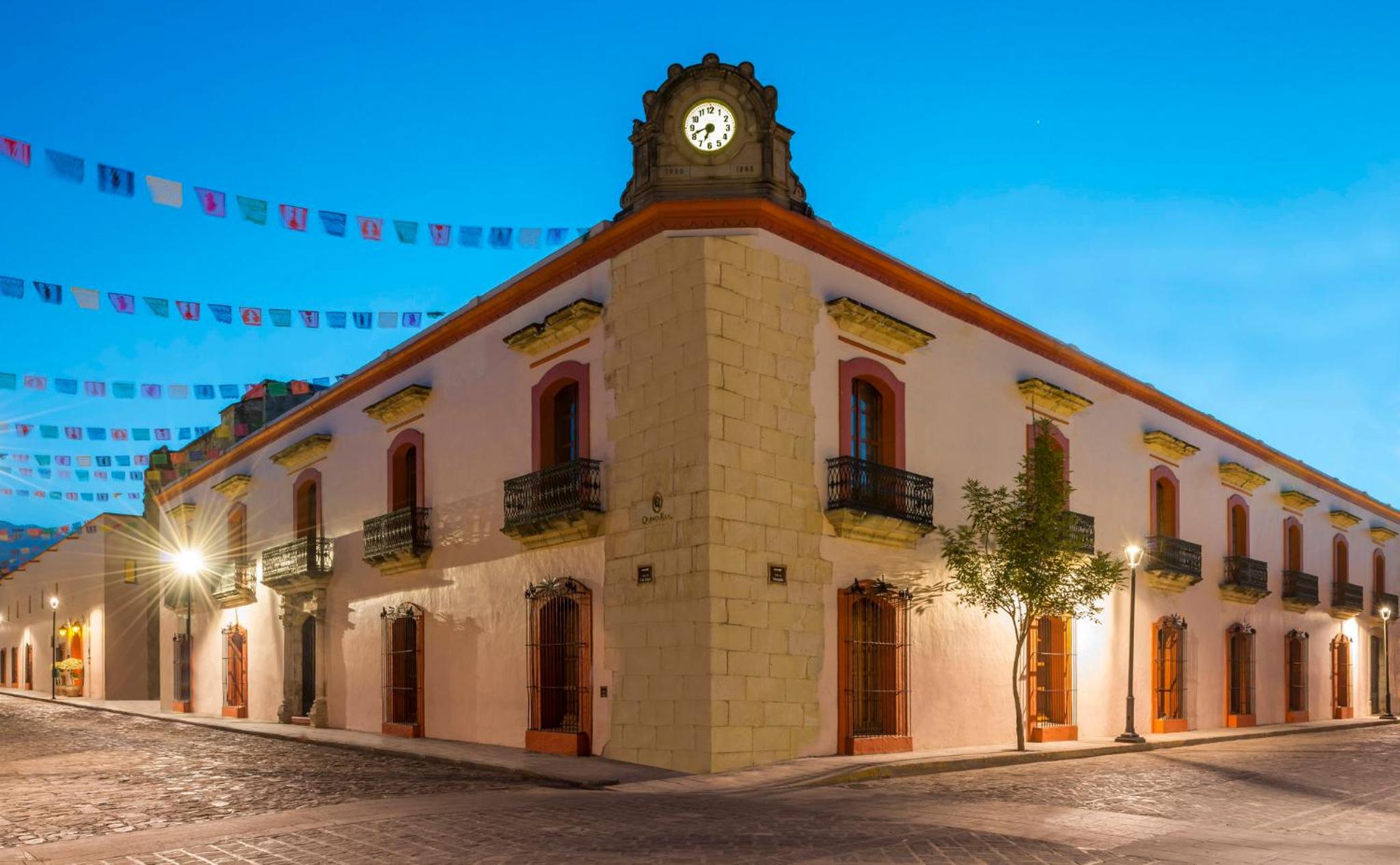
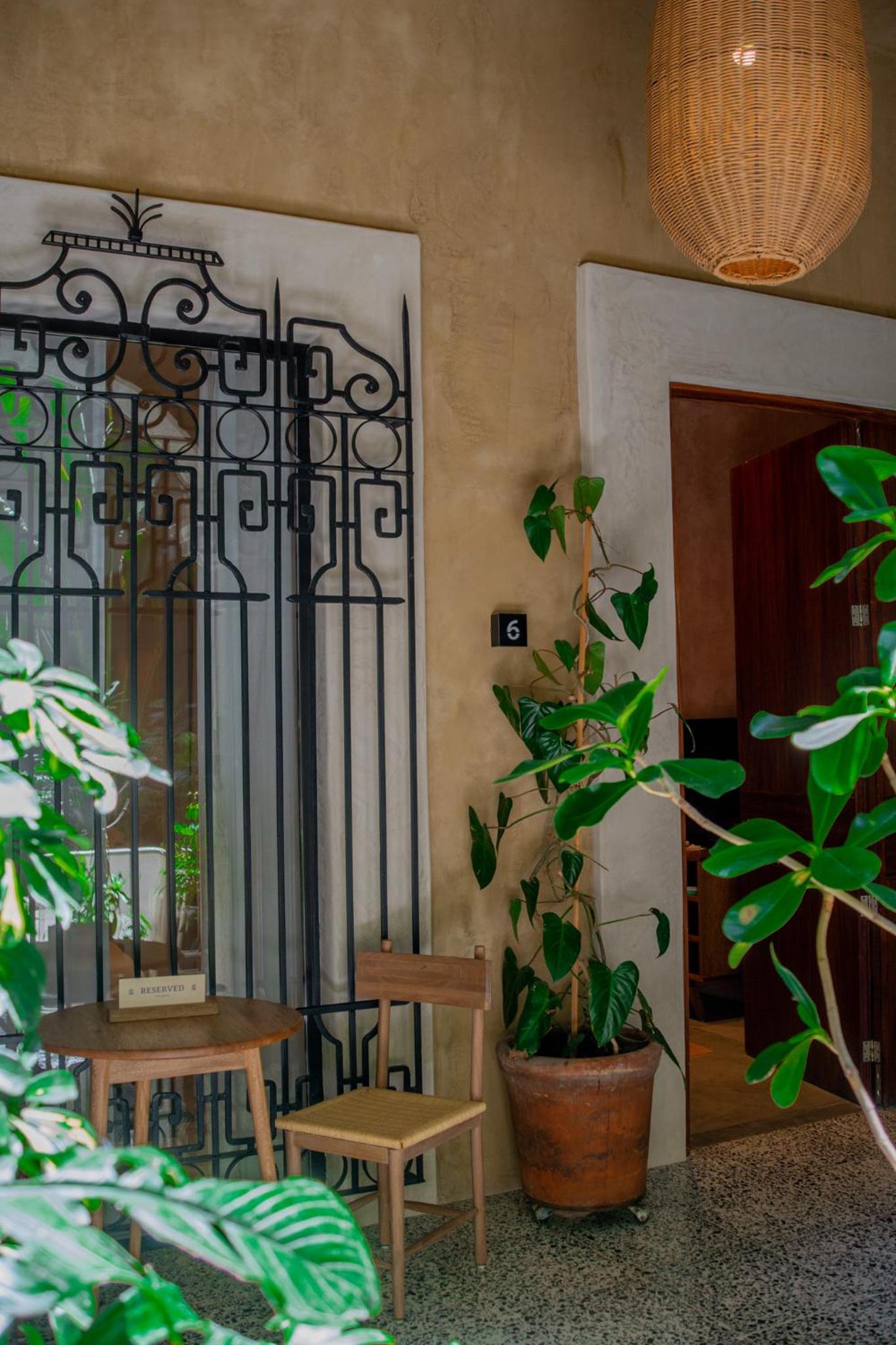
Restez au Centro pour une première visite, dans une maison coloniale avec une cour : les auberges à cour, les boutiques-mansions restaurées et l'ex-couvent cinq-étoiles sont toutes la même forme locale à trois prix. La plupart des gens donnent à Oaxaca 3 nuits sur Stippl, et un tiers restent quatre nuits ou plus. Réservez avant août pour Día de Muertos, et bien à l'avance pour la Guelaguetza en juillet.
Centro
Auberges avec cour intérieure et bars sur le toit, €7 à €21 le lit, et des hôtels de toutes catégories, €40 à €150.
Santo Domingo
Hôtels boutiques dans des demeures restaurées, de 90 € à 200 €, et l'ancien couvent cinq étoiles à partir de 400 €.
Jalatlaco
Guesthouses dans les maisons peintes et locations nomade-friendly, €30 à €80.
El Llano
La zone la plus calme avec petit budget, auberges et petits hôtels, 25 € à 60 €, près de la gare routière.
La Noria
Petites auberges familiales à prix familiaux, 25 € à 55 €, à quelques pas de la Zocalo.


Que manger à Oaxaca City
la sauce au chocolat noir aux quelque 30 ingrédients ; sept moles canoniques
la tortilla géante et croustillante avec haricots, quesillo, viande
le fromage blanc d'Oaxaca, né ici
sauterelles à la chaux et au piment
boisson précolomienne cacao-maïs dans une gourde peinte
moussée avec un molinillo
l'esprit agave à la source, jusqu'à 30 variétés d'agave
Découvrez des adresses gourmandes dans Stippl
Trouvez restaurants et marchés sur la carte, enregistrez-les dans votre itinéraire, fonctionne aussi hors ligne.


Les us et coutumes d'Oaxaca et ce qu'il ne faut pas faire
La culture indigène est vivante
Seize groupes ethniques dans l'État, le zapotèque parlé dans les villages artisanaux et auto-gouvernement communal dans la Sierra ; achetez l'artisanat à la source ou aux coopératives à prix fixes, et négociez doucement.
Muertos est une occasion familiale
Les cimetières accueillent les visiteurs respectueux les nuits du premier et du deuxième ; demandez avant de photographier des personnes ou des tombes, et traitez le maquillage facial comme de la participation, non comme un costume.
Le mezcal est un patrimoine, pas un shot
Dégustez-le, oubliez le sel et le citron, et la visite du palenque dans la vallée est la façon de le comprendre ; une bouteille achetée à la production est le souvenir.
La protestation est la vie civique ici
Les blocages sont politiques, non anti-touristes ; planifiez autour d'eux, ne forcez pas le passage, et le campement du syndicat des enseignants sur le zócalo n'est pas une occasion photos.
À faire
- Réservez les hôtels pour Muertos et Guelaguetza des mois à l'avance
- Apportez de l'argent liquide ; les marchés, colectivos et villages fonctionnent à l'économie de cash
- Commencez les journées en vallée tôt ; le soleil à 1 550 mètres est plus fort qu'il ne le paraît
- Apprenez les mots tlayuda, memela et quesillo ; les menus les supposent
À éviter
- Versez le mézcal ou demandez du sel et du citron
- Photographiez les vendeurs de marché ou les scènes du cimetière sans demander
- Conduisez l'ancienne route côtière de montagne la nuit ; prenez la nouvelle autoroute
- Marchez loin du centre tard la nuit ; prenez un taxi entre les barrios
Combien coûte un voyage à Oaxaca City
Budget
30–47 €
Dortoir (7–21 €), repas en marché, excursions en colectivo à la journée.
Milieu de gamme
70–120 €
Hôtel maison coloniale, repas au restaurant, visite guidée en vallée à la journée.
Haut de gamme
€170+
Ex-couvent cinq-étoiles, menus dégustation, guides privés.
Suivez ce que vous dépensez vraiment
Définissez un budget journalier par pays et enregistrez vos dépenses dans n'importe quelle devise pendant le voyage.
Anecdotes sur Oaxaca City
Le mole noir compte environ 34 ingrédients, le chocolat en faisant partie. Le chocolat n'y domine pas, et la sauce est l'un des sept moles que la ville est réputée pour, chacun d'une couleur différente.
L'arbre du Tule est le plus large du monde. Un seul arbre, confirmé par ADN, environ 36 mètres de tour et possiblement 3 000 ans, dans le cimetière d'une église à 10 km de la ville.
Les Pueblos Mancomunados ont fermé leurs propres mines d'or et d'argent. Les huit villages zapotèques de la montagne ont voté pour miser sur l'écotourisme à la place, et les sentiers entre eux en sont le résultat.
La crème glacée de tuna est de la figue de Barbarie, pas du poisson. Tuna est le mot espagnol pour le fruit du cactus, et les nieves vendues sur l'Alameda viennent en saveurs allant du mézcal au lait brûlé.
Oaxaca est à environ 1 550 mètres d'altitude. C'est l'argument discret : des jours semblables au printemps toute l'année, des nuits fraîches nécessitant un pull, et un soleil à la force de l'altitude.
Oaxaca voyage presque jamais sans la capitale. Sur Stippl, près de neuf voyages sur dix à Oaxaca incluent aussi Mexico, la dépendance d'appairage la plus forte du pays.
Conseils locaux pour Oaxaca City
La côte est à trois heures maintenant
L'autoroute 2024 a transformé Puerto Escondido d'une épreuve de montagne de sept heures en un trajet de moins de trois heures, environ 20 € en minibus partagé. Tout ce qui a été écrit avant 2024 sur ce tronçon est erroné.
Une ville à pied
Les promenades du centro et DiDi colmatent les lacunes à bas prix ; après la tombée de la nuit un taxi depuis un rang. La terminal ADO se trouve au bord d'El Llano, si bien qu'une arrivée tardive dort à côté.
Combien de temps rester
La plupart des gens donnent à Oaxaca City 3 nuits sur Stippl : le centro et les marchés, Monte Albán le matin, et une journée Hierve el Agua et mézcal en vallée.
Vérifiez les blocages
Les barrages routiers du syndicat des enseignants peuvent fermer les artères de la ville, la route de l'aéroport et les itinéraires intercités, principalement entre mai et juillet. Vérifiez les nouvelles les jours de voyage et partez tôt pour l'aéroport.
Distributeurs dans les banques
Le pickpocketing dans les foules de marché et l'empoisonnement des verres existent, utilisez donc les distributeurs à l'intérieur des banques de jour. Un faux agent de police veut un numéro de badge, puis le commissariat.
Réservez Monte Albán avant dix heures
Le site est sans ombre et les bus du centre se remplissent après neuf heures. Prenez le premier vers 5 € aller-retour, et gardez le dimanche pour le marché de Tlacolula.
Questions sur la Oaxaca City, réponses
Sur un voyage plus long que la boucle du Yucatan. Les voyages qui incluent Oaxaca City durent 25 jours sur Stippl, une semaine de plus que le voyage moyen au Mexique, car il se situe dans l'autre moitié du pays. Mettez trois nuits dans Stippl, et la côte du Pacifique après si les jours le permettent.
Trois pour la ville, quatre pour bien faire la vallée. 3 nuits est le séjour normal dans les arrêts d'Oaxaca City planifiés sur Stippl. Monte Albán, Hierve el Agua et les villages de mezcal sont chacun à une demi-journée ou une journée complète en dehors de la ville.
Un séjour, et fermement. Seulement 14,9 % des arrêts d'Oaxaca City planifiés sur Stippl sont une seule nuit, l'un des plus bas parts au Mexique, car les gens viennent ici pour la nourriture et les marchés et les deux prennent des jours plutôt que des heures.
Soit lors d'une visite combinée à la journée, ce que fait la plupart des gens et qui inclut Mitla et un arrêt mezcal, soit en colectivo jusqu'à Mitla et en camionnette pour la dernière portion. Il y a un péage communautaire sur la route ainsi que les frais d'entrée, les deux en espèces. Partez tôt, avant les bus de tourisme.
De novembre à avril pour la météo, et deux périodes valent la peine de structurer un voyage autour : Día de Muertos au début de novembre, qui nécessite une réservation des mois à l'avance, et Guelaguetza en juillet. Septembre est le choix calme-bon rapport, plus humide mais verdoyant et à moitié vide.
Une tlayuda la nuit sur un gril de rue, du mole negro dans un comedor plutôt que dans un restaurant, du quesillo dans n'importe quoi, du tejate d'un étal de marché, et une vraie dégustation de mezcal où quelqu'un explique ce que vous buvez. Des chapulines si vous êtes partant, et c'est meilleur qu'il n'y paraît.
Chaque guide est écrit par la rédaction Stippl et vérifié avec les voyages que nos voyageurs planifient réellement. Vous avez repéré une information dépassée ? Dites-le-nous.

Planifiez Oaxaca City dans Stippl
Planification jour par jour, hébergements et budget dans une seule application, avec chaque lieu de ce guide déjà sur la carte.
Télécharger l'application
