

Oaxaca City
Oaxaca is Mexico's sterkste voedselstad en één van haar veiligste. Mezcal geproefd in de palenque die het maakte, Latijns-Americas grootste inheemse markt, en Día de Muertos in zijn meest intense vorm.
Oaxaca City in het kort
Oaxaca City: wat je kunt verwachten
Elk getal hier is afkomstig van 133.000+ geplande stops in Mexico op Stippl.
Oaxaca is waar mensen naartoe gaan om te eten, en de zeven molen zijn de reden. De zwarte draait uit op dertig-odd ingrediënten inclusief chocolade, en eromheen zitten tlayudas, quesillo, chapulines en tejate, op de Benito Juárez en 20 de Noviembre-markten en op de zondag-colossus in Tlacolula. De vallei is het tweede bedrijf: Monte Albán op zijn afgeplatte bergtop, Mitla's stenen snijwerk, de Tule-boom op veertien meter breed, Teotitlán's natuurlijke-verfwevers en Hierve el Agua's mineraalbaden.
Oaxaca reist bijna nooit zonder de hoofdstad. Bijna negen op de tien Oaxaca-reizen bevatten ook Mexico City, de sterkste afhankelijkheid tussen twee plaatsen in het land, dus er bestaat geen vlieg-in-vlieg-uit versie van deze stad in de plannen. Plan Oaxaca en de rest van de reis gaat er mee zuidwaarts, naar Puerto Escondido en San Cristóbal; bijna niemand koppelt het aan de Riviera Maya.
Reken op 3 nachten, en meer als je in oktober komt. Dat is het hoogtepunt van de stad met een afstand, drie keer zijn rustigste maand, en het is Día de Muertos. Op 1.550 meter zijn de dagen het hele jaar lentachtig en hebben de avonden een trui nodig. Boek vooruit voor alles in laat oktober of voor Guelaguetza in juli. Sla Oaxaca over op een strand-eerst-trip, want de kust ligt drie uur weg over de bergen.
Plan Oaxaca City in Stippl
Planning per dag, verblijven en budget in één app, met elke plek uit deze gids al op de kaart.
Download de appVoor wie is Oaxaca City
Fijnproevers
De sterkste voedselclaim van één stad in Mexico: marktkraampjes tot culinair op Olvera-niveau, kookcursussen en palenque-bezoeken voor de mezcal.
Cultuur- en festivalbezoekers
Día de Muertos op zijn meest intens, Guelaguetza in juli, en levende Zapotec-ambachtsdorpen op een uur afstand.
Kunstliefhebbers
Straatkunst, textiel- en schildersmusea, en de alebrije en barro negro-werkplaatsen in de dorpen.
Wandelaars
De Pueblos Mancomunados zijn acht zelfbesturende bergdorpen met hut-tot-hut-trekking op 2.000 tot 3.000 m hoogte.
Solo en eerste-keer-reizigers
Oaxaca is een van Mexico's veiligste steden, met een diepe hostels-scene, en de meeste mensen geven het 3 nachten.
Misschien niet voor jou: strand-eerst-reizen, omdat de kust twee en een half tot drie uur weg is; juli- en augustusplanners die hekel aan drukte hebben, vanwege Guelaguetza; en iedereen die bang is om vooruit te boeken, omdat Día de Muertos-accommodatie tegen augustus vol zit.
Het beste moment om Oaxaca City te bezoeken
Droog seizoen
November tot april
Het betrouwbare seizoen, met koele avonden het hele jaar en de Día de Muertos-week aan het begin, het drukste van het jaar. Candelaria begin februari en Carnaval vallen erin.
Regenseizoen
mei tot oktober
Middagbuien, groene valleien en lage prijzen, met de Guelaguetza op twee maandagen in juli de ene fortuin waarin de stad volloopt. De mezcal-dorpen zijn het groenst.
- Oktober is de maand waarvoor de meeste reizigers Oaxaca op Stippl plannen, ongeveer 80 dagen vooraf. 13,8% van Oaxaca-plannen worden binnen twee weken gemaakt; de Día de Muertos-week is degene die dat aandeel bij de deur afwendt.
- Día de Muertos in Oaxaca is Mexico's definitieve viering ervan. Xoxocotlán-begraafplaats in de nacht van de 31e, de hoofdparade op de 1e en de García Vigil-parade op de 2e; gezichtsverfkraampjes, goudsbloemen en nachtdiensten, en de kamers geboekt tegen de zomer.
- De Guelaguetza neemt twee maandagen in juli in beslag en vult het auditorium op de heuvel. Het is een van Noord-Amerika's grootste volksfestivals; de kaartjes voor het hoofdpodium gaan in het voorjaar in de verkoop en de gratis plaatsen hebben behoefte aan een dageraadwachtrij.
- Blokkades door leraarsbonden treden regelmatig op, met historische pieken tussen mei en juli. De CNTE-protesten kunnen wegen, inclusief de weg naar de luchthaven, blokkeren; controleer op die reisdag in deze maanden het lokale nieuws en reserveer extra tijd voor je vlucht.
Voeg je data voor Oaxaca City toe en wij waarschuwen je voor het weer
Stippl laat het seizoen, de drukte en de prijzen zien voor elke stop op je route.
Beschrijf je reis en krijg in seconden een reisroute voor Oaxaca City
Alles in deze gids staat al in Stippl. Vertel de planner hoeveel tijd je hebt en wat je leuk vindt: hij bouwt de route, de dagen en de reistijden, en jij past aan wat je wilt.
Dingen om te doen in Oaxaca City
 Photo by Ritchie Soto via Pexels
Día de Muertos
Volg de driedaagse boog vanaf 31 oktober: de nachtwaak op de Xoxocotlán-begraafplaats, de hoofdparade op de eerste, de García Vigil-parade op de tweede, en terugkeer overdag om de versierde graven te zien. Gratis, respectvol, en de kamers zijn al in de zomer geboekt.
Monte Albán vroeg
Neem de shuttle omhoog naar de Zapotecse hoofdstad op haar afgevlakte bergktop bij opening, ongeveer €5, voordat de hitte en de toerbussen. Twee uur, en het museum bij de ingang legde de voetbalveld uit.
Een daltochtje
Neem de klassieke rondleiding of de colectivo-keten voor ongeveer €12: de Tule-boom, de Teotitlán-wevers, Mitla en een mezcal-palenque, eindigend bij de versteende watervallen en zwembaden van Hierve el Agua. Een hele dag, en schoenen voor het zwemmen voor de zwembaden.
Een palenque aan de bron
Bezoek een kleine familie-producent een uur uit in de buurt van Santiago Matatlán in plaats van een showroom-rondleiding, ongeveer €20 met de transfer, om de agave geroosterd in de groeve te zien en bij de distilleerderij te proeven. Vraag de mezcalerías in de stad van wie ze kopen.
De marktcrawl
Loop Benito Juárez en 20 de Noviembre voor de rookzaal en de chocolade, neem dan de zondagskolos in Tlacolula, de grootste inheemse markt in Latijns-Amerika, veertig minuten uit. Gratis, en het middageten is in de rookzaal.
De Pueblos Mancomunados
Loop van dorp naar dorp in de Sierra Norte met hutten op 2.400 meter, rechtstreeks geboekt bij de gemeenschapsoperator, ongeveer €40 per dag met de gids en het bed. Twee of drie dagen, en 's avonds koud.
De wijken van Oaxaca City
Centro
Zócalo, Alcalá, de markten
De UNESCO-kern rond de Zócalo en de voetgangerszoon Calle Alcalá: markten, musea, mezcalerías en de twee voedselmarkten naast elkaar, met hotels van elk niveau. Voor eerste bezoeken; drukst en duurste.
Alles te voet, en de drukte en prijzen van de kern.
Santo Domingo
Barokke kerk, daken, museum
De ansichtkaart-blokken rond de grote barokke kerk: nachtleven, dakterrassen, het cultuurmuseum en de botanische tuin, met boetiekhotels. Voor avonden en cultuur.
De kerk en de daken, en het lawaai van de bars.
Jalatlaco
Kasseien, vlaggen, cafédichtheid
Een van de oudste wijken van de stad, tien tot twintig minuten van het centrum: kasseien, straatkunst, met vlaggen versierde straatjes en cafés, met logiemogelijkheden in de oude huizen. Voor charme en voor een buurt.
De mooiste buurt in de stad, en een wandeling naar het centrum.
El Llano
Park, terminal, goed voor je geld
Rond Parque Juárez en de ADO-terminal: de rustigste budgetzone, voordelige verblijven en nomaden-vriendelijke cafés. Voor budgetrezigers en voor de bussen.
Waarde en de terminal, en een wandeling naar de Zócalo.
La Noria
Woonwijk, gezinsprijzen
Woonwijk ten zuiden van het centrum: rustig, gezinsprijzen en nog steeds lopend bereik van de Zócalo, met door families gerunde logiemogelijkheden. Voor families en voor rust.
Rust en gezinsprijzen, en een wandeling naar het centrum.
Bekijk elke wijk van Oaxaca City op één kaart
Bewaar de buurten die je leuk vindt en Stippl plant je dagen zodat je de stad niet twee keer doorkruist.
Waar te overnachten in Oaxaca City
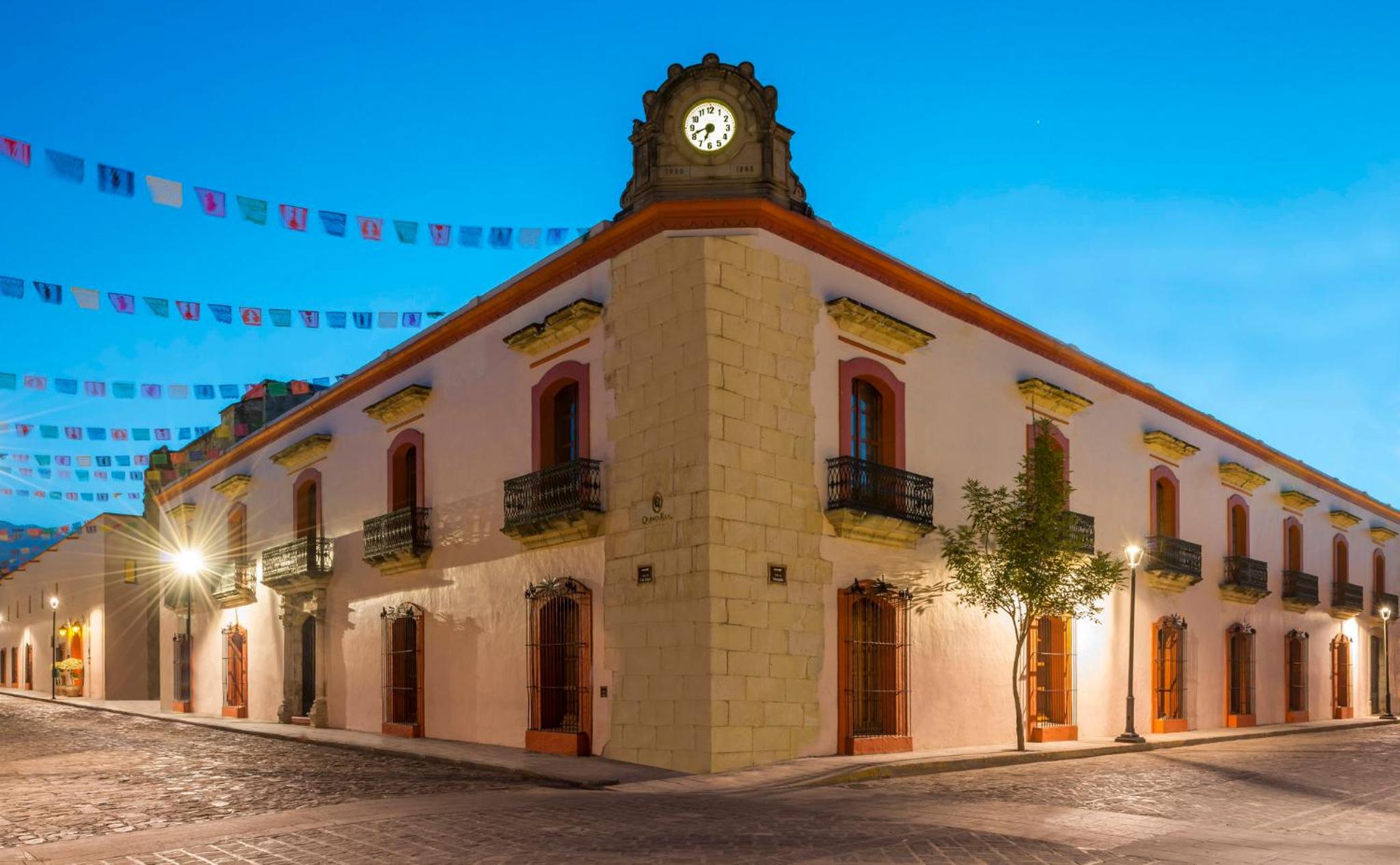
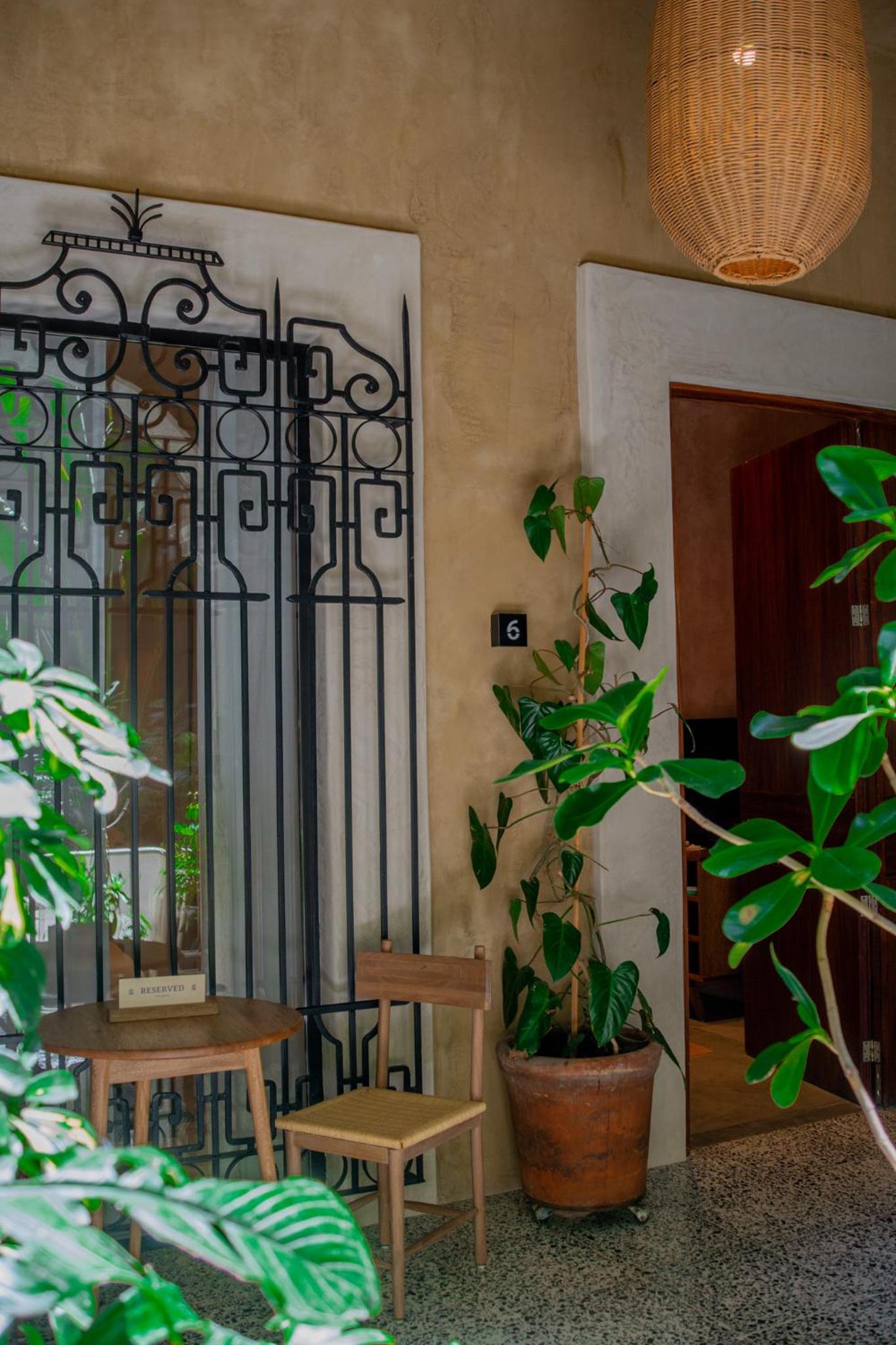
Logeer in Centro voor een eerste bezoek, in een koloniaal huis met een binnenplaats: de binnenplaats-hostels, de gerestaureerde-herenhuis-boetiekhotels en het vijfsterren ex-klooster zijn allemaal dezelfde lokale vorm tegen drie prijzen. De meeste mensen geven Oaxaca 3 nachten op Stippl, en een derde blijft vier nachten of langer. Book tegen augustus voor Día de Muertos, en veel eerder voor Guelaguetza in juli.
Centro
Binnenplaats-hostels met dakterrassen, €7 tot €21 per bed, en hotels van elk niveau, €40 tot €150.
Santo Domingo
Boetiekhotels in gerestaureerde herenhuizen, €90 tot €200, en het vijfsterren ex-klooster vanaf €400.
Jalatlaco
Logiemogelijkheden in de geschilderde huizen en nomaden-vriendelijke verhuren, €30 tot €80.
El Llano
De rustigste budgetzone, logiemogelijkheden en kleine hotels, €25 tot €60, in de buurt van de busterminal.
La Noria
Door families gerunde logiemogelijkheden tegen gezinsprijzen, €25 tot €55, nog steeds lopend bereik van de Zocalo.


Wat je moet eten in Oaxaca City
de 30-odd-ingredient donkerbruine chocoladesaus; zeven canonieke molen
de reuze knapperige tortilla met bonen, quesillo, vlees
Oaxaca's snaarkaas, geboren hier
chili-limoen sprinkhanen
pre-Columbiaans cacao-maïs drankje in een geschilderde kalebas
geschuimd met een molinillo
de agavesterkedrank in zijn bron, tot 30 agave-variëteiten
Ontdek eetadresjes in Stippl
Vind restaurants en markten op de kaart, bewaar ze in je reisroute, werkt ook offline.


Oaxaca-gebruiken en wat niet te doen
Inheemse cultuur is levend.
Zestien etnische groepen in de staat, Zapotecisch gesproken in de ambachtsdorpen en gemeenschappelijk zelfbestuur in de Sierra; koop ambachten aan de bron of bij coöperatieven met vaste prijzen, en onderhandel voorzichtig.
Muertos is een familiegebeuren.
De begraafplaatsen verwelkomen respectvolle bezoekers op de nachten van de eerste en tweede; vraag toestemming voordat je mensen of graven fotografeert, en behandel de gezichtsverf als deelname, niet als kostuum.
Mezcal is erfgoed, geen shot.
Nip ervan, sla zout en limoen over, en het palenque-bezoek in de vallei is de manier om het te begrijpen; een fles gekocht bij de distilleerderij is het souvenir.
Protest is burger-engagement hier.
Blokkades zijn politiek, niet anti-toerist; plan ernaartoe, duw niet erdoorheen, en het kampement van de vakbond van leraren op de zócalo is geen foto-mogelijkheid.
Wel doen
- Boek Muertos- en Guelaguetza-huisvesting maanden van tevoren.
- Zorg voor contant geld; markten, colectivos en dorpen zijn contante-economieën
- Begin valleidae vroeg; de zon op 1.550 meter is sterker dan het voelt
- Leer de woorden tlayuda, memela en quesillo; de menu's gaan ervan uit dat je ze kent
Niet doen
- Schiet mezcal of vraag om zout en limoen
- Fotografeer marktverkopers of begraafplaatsscènes zonder te vragen
- Rijd 's nachts over de oude bergkustweg; neem de nieuwe snelweg
- Loop 's avonds laat niet ver buiten het centrum; neem een taxi tussen wijken
Wat een reis naar Oaxaca City kost
Budget
€30–47
Slaapzaal (€7–21), marktmaaltijden, colectivo-dagtochten.
Middenklas
€70–120
Hotel in koloniaal huis, restaurantdiners, geleide daltochtje.
Luxe
€170+
Vijfsterren ex-klooster, degustatiemenu's, privéleids.
Houd bij wat je echt uitgeeft
Stel per land een dagbudget in en log uitgaven in elke valuta terwijl je reist.
Leuke weetjes over Oaxaca City
Zwarte mole bevat ongeveer 34 ingrediënten, waaronder chocolade. De chocolade overheerst niet, en de saus is één van de zeven moles waar de stad om bekend staat, elk een ander kleur.
De Tule-boom is de breedste ter wereld. Één boom, DNA-bevestigd, ongeveer 36 meter in omtrek en mogelijk 3.000 jaar oud, op een kerkhof 10 km van de stad.
De Pueblos Mancomunados sloten hun eigen goud- en zilvermijnen. De acht Zapotecse dorpen in de bergen stelden voor om in plaats daarvan op ecotoerisme in te zetten, en de paden ertussen zijn het resultaat.
Tuna-ijs is cactusvruchten, geen vis. Tuna is het Spaanse woord voor de cactusvruchten, en de nieves verkocht op de Alameda come in smaken van mezcal tot verbrand melk.
Oaxaca ligt op ongeveer 1.550 meter. Dat is het rustige verkoopargument: de hele jaar door lentedagen, koele avonden die een trui nodig hebben, en zonnebrandkracht op hoogte.
Oaxaca reist bijna nooit zonder de hoofdstad. Op Stippl bevatten bijna negen op de tien Oaxaca-reizen ook Mexico City, de sterkste koppelingsafhankelijkheid in het land.
Lokale tips voor Oaxaca City
De kust is nu drie uur
De snelweg van 2024 veranderde Puerto Escondido van een zeven uur durende bergkwelling in een rit van minder dan drie uur, ongeveer €20 in een gedeelde busje. Alles wat voor 2024 over dit traject is geschreven, klopt niet.
Een voetgangerstad.
De centro-wandelingen en DiDi vullen de gaten goedkoop aan; na donker een taxi van een taxistandplaats. De ADO-terminal ligt aan de rand van El Llano, dus een laat aankomst slaapt naast het.
Hoe lang je moet blijven
De meeste mensen geven Oaxaca City 3 nachten op Stippl: het centrum en de markten, Monte Albán in de ochtend, en een Hierve el Agua en mezcal-dag in de vallei.
Controleer op blokkades
Roadblocks van de vakbond van leraren kunnen de stadsslagaders, de luchthavenwegen en de intercitaire routes afsluiten, meestal tussen mei en juli. Controleer het nieuws op reisdagen en vertrek vroeg naar de luchthaven.
ATM's in banken
Zakkenrollen op marktplaatsen en alcoholvergiftiging bestaan, dus gebruik ATM's in banken overdag. Een nep-politieagent wil een badgenummer, dan het bureau.
Book Monte Albán vóór tien
Het terrein is zonder schaduw en de bussen vanuit het centrum lopen vol na negen. Ga op de eerste om ongeveer €5 retour, en hou zondag voor de Tlacolula-markt.
Vragen over Oaxaca City, beantwoord
Op een langere reis dan de Yucatan-lus. Reizen die Oaxaca City omvatten lopen 25 dagen op Stippl, een week meer dan de gemiddelde Mexico-reis, omdat het in het andere deel van het land ligt. Stop drie nachten in Stippl en daarna de Pacifische kust als de dagen het toelaten.
Drie voor de stad, vier om de vallei goed te doen. 3 nachten is het normale verblijf in de Oaxaca City-stops die op Stippl zijn gepland. Monte Albán, Hierve el Agua en de mezcal-dorpen zijn elk een halve dag of een volledige dag buiten de stad.
Een verblijf, en stellig zo. Slechts 14,9% van de Oaxaca City-stops die op Stippl zijn gepland, is één nacht, een van de laagste aandelen in Mexico, omdat mensen hier naartoe gaan voor het eten en de markten en beide vereisen dagen in plaats van uren.
Ofwel op een gecombineerde dagtocht, wat de meesten doen en waarin Mitla en een mezcalstop zijn opgenomen, ofwel per colectivo naar Mitla en een pick-uptruck voor het laatste stuk. Er is een gemeenschapstol op de weg en ook een ingangskaartje, beide contant. Ga vroeg, voor de toeringcars.
November tot april voor het weer, en twee perioden zijn het waard om een reis omheen in te plannen: Dia de Muertos begin november, wat maanden van tevoren moet worden geboekt, en Guelaguetza in juli. September is de waardevolle rustperiode, natter maar groen en half leeg.
Een tlayuda 's nachts van een straatrooster, mole negro in een comedor in plaats van een restaurant, quesillo in alles, tejate van een marktkaraak, en één goed mezcal-tasting waarbij iemand uitlegt wat je drinkt. Chapulines als je dat durft, en ze smaken beter dan ze klinken.
Elke gids is geschreven door de Stippl-redactie en getoetst aan de reizen die onze reizigers echt plannen. Iets verouderds gezien? Laat het ons weten.

Plan Oaxaca City in Stippl
Planning per dag, verblijven en budget in één app, met elke plek uit deze gids al op de kaart.
Download de app
