

Oaxaca City
Oaxaca is Mexico's strongest food city and one of its safest. Mezcal tasted at the palenque that made it, Latin America's largest indigenous market, and Día de Muertos at its most intense.
Oaxaca City in a nutshell
Oaxaca City: what to expect
Every figure here is drawn from 133,000+ stops planned in Mexico on Stippl.
Oaxaca is where people come to eat, and the seven moles are the reason. The black one runs to thirty-odd ingredients including chocolate, and around it sit tlayudas, quesillo, chapulines and tejate, in the Benito Juárez and 20 de Noviembre markets and at the Sunday colossus in Tlacolula. The valley is the second act: Monte Albán on its flattened mountaintop, Mitla's stone carvings, the Tule tree at fourteen metres across, Teotitlán's natural-dye weavers and Hierve el Agua's mineral pools.
Oaxaca almost never travels without the capital. Nearly nine in ten Oaxaca trips also carry Mexico City, the strongest dependency between any two places in the country, so there is no fly-in-fly-out version of this city in the plans. Plan Oaxaca and the rest of the trip goes south with it, to Puerto Escondido and San Cristóbal; almost nobody pairs it with the Riviera Maya.
Plan on 3 nights, and more if you are coming in October. That is the city's peak by a distance, three times its quietest month, and it is Día de Muertos. At 1,550 metres the days are spring-like all year and the evenings need a sweater. Book ahead for anything in late October or for Guelaguetza in July. Skip Oaxaca on a beach-first trip, because the coast is three hours away over the mountains.
Plan Oaxaca City in Stippl
Day-by-day planning, stays and budget in one app, with every place from this guide already on the map.
Download the appWho Oaxaca City is for
Foodies
The strongest single-city food case in Mexico: market stalls to Olvera-tier dining, cooking classes, and palenque visits for the mezcal.
Culture and festival travellers
Día de Muertos at its most intense, Guelaguetza in July, and living Zapotec craft villages an hour out.
Art lovers
Street art, textile and painters' museums, and the alebrije and barro-negro workshops in the villages.
Hikers
The Pueblos Mancomunados are eight self-governing mountain villages with cabin-to-cabin trekking at 2,000 to 3,000 m.
Solo and first-time travellers
Oaxaca is one of Mexico's safest cities, with a deep hostel scene, and most people give it 3 nights.
Maybe not for you: beach-first trips, since the coast is two and a half to three hours away; July and August planners who hate crowds, because of Guelaguetza; and anyone allergic to booking ahead, as Día de Muertos lodging fills by August.
The best time to visit Oaxaca City
Dry season
November to April
The reliable window, with cool nights throughout and the Día de Muertos week at the start of it the busiest of the year. Candelaria in early February and Carnaval fall inside it.
Rainy season
May to October
Afternoon rains, green valleys and low prices, with the Guelaguetza on two Mondays in July the one fortnight the city fills. The mezcal villages are at their greenest.
- October is the month most travellers plan Oaxaca for on Stippl, about 80 days ahead. 13.8% of Oaxaca plans are made inside a fortnight; the Día de Muertos week is the one that turns that share away at the door.
- Día de Muertos in Oaxaca is Mexico's definitive celebration of it. Xoxocotlán cemetery on the night of the 31st, the main parade on the 1st and the García Vigil parade on the 2nd; face-paint stalls, marigolds and all-night vigils, and the rooms booked by the summer.
- The Guelaguetza takes two Mondays in July and fills the auditorium on the hill. It is one of North America's largest folk festivals; the tickets for the main stage go on sale in the spring and the free seats need a dawn queue.
- Teachers' union roadblocks recur, historically peaking between May and July. The CNTE protests can shut roads including the airport approach; check the local news on a travel day in those months and keep a spare morning for the flight.
Add your Oaxaca City dates and we'll flag the weather
Stippl shows the season, crowds and prices for every stop on your route.
Describe your trip, get a Oaxaca City itinerary in seconds
Everything in this guide is already in Stippl. Tell the planner how long you have and what you like: it builds the route, the days and the travel times, and you edit whatever you want.
Things to do in Oaxaca City
 Photo by Ritchie Soto via Pexels
Día de Muertos
Follow the three-day arc from 31 October: the Xoxocotlán cemetery vigil, the main parade on the first, the García Vigil parade on the second, and return by daylight to see the decorated graves. Free, respectful, and the rooms are booked by summer.
Monte Albán early
Take the shuttle up to the Zapotec capital on its levelled mountaintop at opening, about €5, before the heat and the tour buses. Two hours, and the museum at the entrance explains the ball court.
A valley day
Take the classic tour or the colectivo chain for about €12: the Tule tree, the Teotitlán weavers, Mitla and a mezcal palenque, ending at Hierve el Agua's petrified falls and pools. A full day, and swimming shoes for the pools.
A palenque at the source
Visit a small family producer an hour out near Santiago Matatlán rather than a showroom tour, about €20 with the transfer, to see the agave roasted in the pit and taste at the still. Ask the mezcalerías in town who they buy from.
The market crawl
Walk Benito Juárez and 20 de Noviembre for the smoke hall and the chocolate, then take the Sunday colossus at Tlacolula, the largest indigenous market in Latin America, forty minutes out. Free, and lunch is in the smoke hall.
The Pueblos Mancomunados
Walk village to village in the Sierra Norte with cabins at 2,400 metres, booked direct with the community operator, about €40 a day with the guide and the bed. Two or three days, and cold at night.
The neighbourhoods of Oaxaca City
Centro
Zócalo, Alcalá, the markets
The UNESCO core around the Zócalo and pedestrian Calle Alcalá: markets, museums, mezcalerías and the two food markets side by side, with hotels of every grade. For first visits; busiest and priciest.
Everything on foot, and the crowds and prices of the core.
Santo Domingo
Baroque church, rooftops, museum
The postcard blocks around the great Baroque church: nightlife, rooftop bars, the culture museum and the botanical garden, with boutique hotels. For evenings and culture.
The church and the rooftops, and the noise of the bars.
Jalatlaco
Cobbles, flags, café density
One of the city's oldest barrios ten to twenty minutes from the centre: cobblestones, street art, flag-strung lanes and cafés, with guesthouses in the old houses. For charm and for a neighbourhood.
The prettiest barrio in the city, and a walk to the centre.
El Llano
Park, terminal, good value
Around Parque Juárez and the ADO terminal: the quietest budget zone, good-value stays and nomad-friendly cafés. For budget travellers and for the buses.
Value and the terminal, and a walk to the Zócalo.
La Noria
Residential, family-priced
Residential south of the centre: calm, family-priced and still walking distance to the Zócalo, with family-run guesthouses. For families and for calm.
Calm and family prices, and a walk to the centre.
See every Oaxaca City neighbourhood on one map
Save the areas you like and Stippl plots your days so you're not crossing the city twice.
Where to stay in Oaxaca City
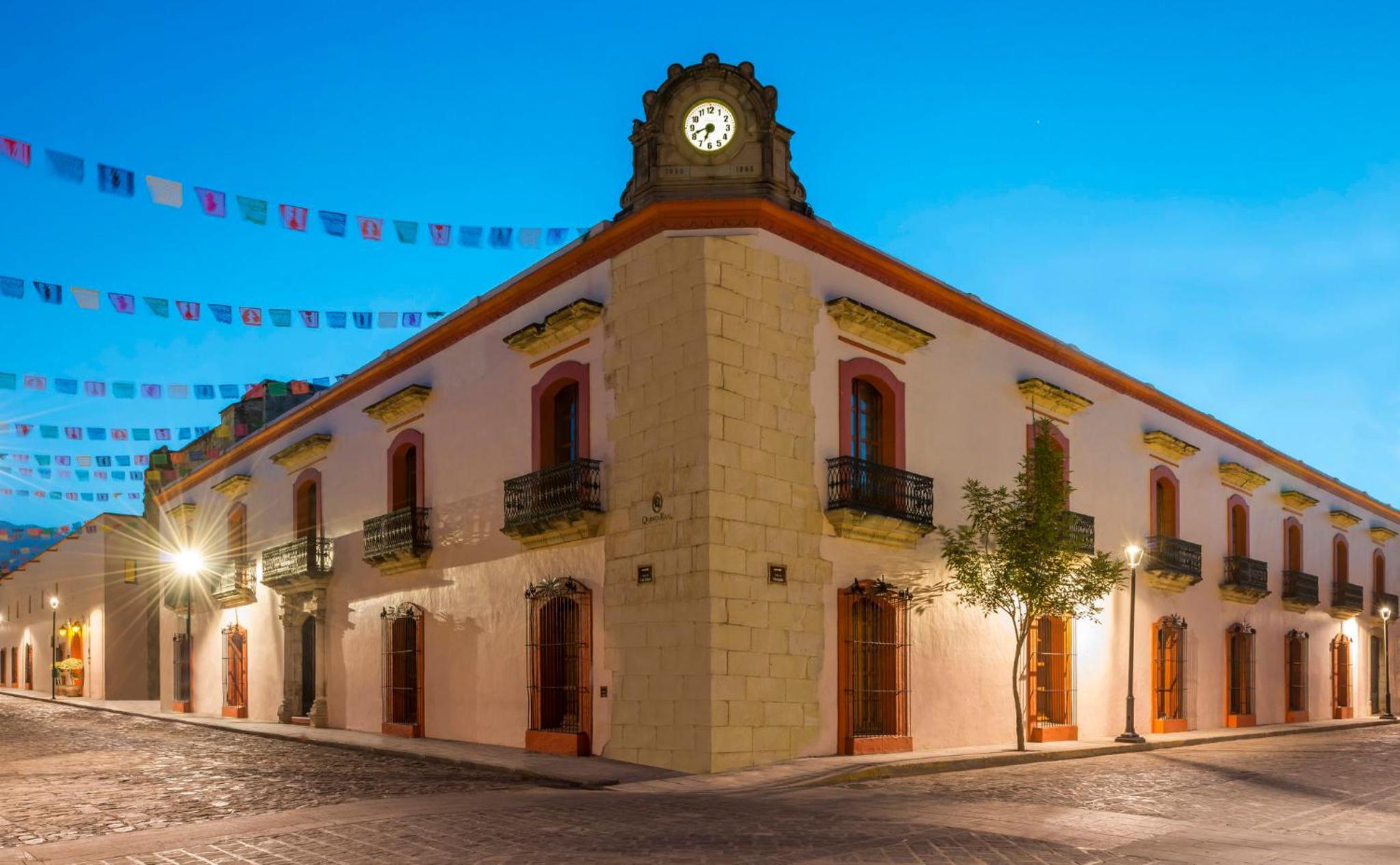
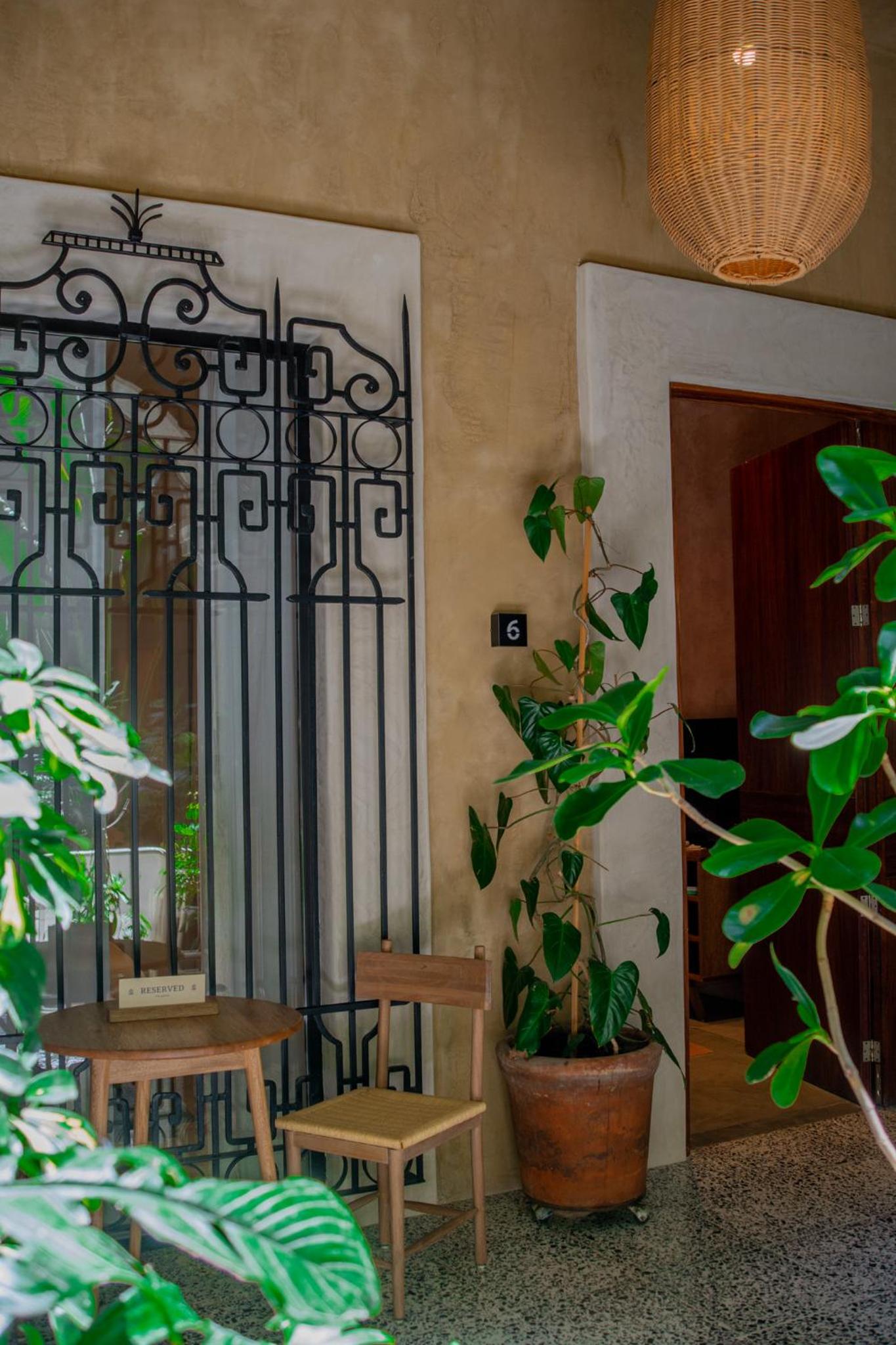
Stay in Centro for a first visit, in a colonial house with a courtyard: the courtyard hostels, the restored-mansion boutiques and the ex-convent five-star are all the same local form at three prices. Most people give Oaxaca 3 nights on Stippl, and a third stay four or more. Book by August for Dia de Muertos, and far ahead for Guelaguetza in July.
Centro
Courtyard hostels with rooftop bars, €7 to €21 a bed, and hotels of every grade, €40 to €150.
Santo Domingo
Restored-mansion boutique hotels, €90 to €200, and the ex-convent five-star from €400.
Jalatlaco
Guesthouses in the painted houses and nomad-friendly rentals, €30 to €80.
El Llano
The quietest budget zone, guesthouses and small hotels, €25 to €60, near the bus terminal.
La Noria
Family-run guesthouses at family prices, €25 to €55, still a walk from the Zocalo.


What to eat in Oaxaca City
the 30-odd-ingredient chocolate-dark sauce; seven canonical moles
the giant crisp tortilla with beans, quesillo, meat
Oaxaca's string cheese, born here
chile-lime grasshoppers
pre-Hispanic cacao-maize drink in a painted gourd
frothed with a molinillo
the agave spirit at its source, up to 30 agave varieties
Discover food spots in Stippl
Find restaurants and markets on the map, save them to your itinerary, works offline too.


Oaxaca customs and what not to do
Indigenous culture is living
Sixteen ethnic groups in the state, Zapotec spoken in the craft villages and communal self-government in the Sierra; buy crafts at source or at fixed-price cooperatives, and haggle gently.
Muertos is a family occasion
The cemeteries welcome respectful visitors on the nights of the first and second; ask before photographing people or graves, and treat the face paint as participation, not costume.
Mezcal is heritage, not a shot
Sip it, skip the salt and lime, and the palenque visit in the valley is the way to understand it; a bottle bought at the still is the souvenir.
Protest is civic life here
Blockades are political, not anti-tourist; plan around them, do not push through, and the teachers' union camp on the zócalo is not a photo opportunity.
Do
- Book Muertos and Guelaguetza lodging months out
- Carry cash; markets, colectivos and villages are cash economies
- Start valley days early; the sun at 1,550 metres is stronger than it feels
- Learn the words tlayuda, memela and quesillo; the menus assume them
Don't
- Shoot mezcal or ask for salt and lime
- Photograph market vendors or cemetery scenes without asking
- Drive the old mountain coast road at night; take the new highway
- Walk far beyond the centre late at night; taxi between barrios
What a Oaxaca City trip costs
Budget
€30–47
Dorm (€7–21), market meals, colectivo day trips.
Mid-range
€70–120
Colonial-house hotel, restaurant dinners, guided valley day.
High-end
€170+
Ex-convent five-stars, tasting menus, private guides.
Track what you actually spend
Set a daily budget per country and log expenses in any currency while you travel.
Fun facts about Oaxaca City
Black mole carries about 34 ingredients, chocolate among them. The chocolate does not dominate, and the sauce is one of seven moles the city is known for, each a different colour.
The Tule tree is the widest in the world. One tree, DNA-confirmed, about 36 metres around and possibly 3,000 years old, in a churchyard 10 km from the city.
The Pueblos Mancomunados closed their own gold and silver mines. The eight Zapotec villages in the mountains voted to bet on ecotourism instead, and the trails between them are the result.
Tuna ice cream is prickly pear, not fish. Tuna is the Spanish word for the cactus fruit, and the nieves sold on the Alameda come in flavours from mezcal to burnt milk.
Oaxaca sits at about 1,550 metres. That is the quiet selling point: spring-like days all year, cool evenings that need a sweater, and altitude-strength sun.
Oaxaca almost never travels without the capital. On Stippl nearly nine in ten Oaxaca trips also carry Mexico City, the strongest pairing dependency in the country.
Local tips for Oaxaca City
The coast is three hours now
The 2024 highway turned Puerto Escondido from a seven-hour mountain ordeal into a drive of under three hours, about €20 in a shared van. Anything written before 2024 on this leg is wrong.
A walking city
The centro walks and DiDi fills the gaps cheaply; after dark a taxi from a rank. The ADO terminal sits on the edge of El Llano, so a late arrival sleeps next to it.
How long to stay
Most people give Oaxaca City 3 nights on Stippl: the centro and the markets, Monte Albán in the morning, and a Hierve el Agua and mezcal day in the valley.
Check for blockades
Teachers' union roadblocks can shut the city arteries, the airport road and the intercity routes, mostly between May and July. Check the news on travel days and leave for the airport early.
ATMs inside banks
Pickpocketing in the market crowds and drink spiking exist, so use ATMs inside banks by day. A fake police officer wants a badge number, then the station.
Book Monte Albán before ten
The site is shadeless and the buses from the centre fill after nine. Go on the first one at about €5 return, and keep Sunday for Tlacolula market.
Oaxaca City questions, answered
On a longer trip than the Yucatan loop. Trips that include Oaxaca City run 25 days on Stippl, a week more than the average Mexico trip, because it sits in the other half of the country. Put three nights into Stippl, and the Pacific coast after it if the days allow.
Three for the city, four to do the valley properly. 3 nights is the normal stay in the Oaxaca City stops planned on Stippl. Monte Alban, Hierve el Agua and the mezcal villages are each a half day or a full day out of town.
A stay, and firmly so. Only 14.9% of Oaxaca City stops planned on Stippl are a single night, one of the lowest shares in Mexico, because people come here for the food and the markets and both of those take days rather than hours.
Either on a combined day tour, which is what most people do and which takes in Mitla and a mezcal stop, or by colectivo to Mitla and a pickup truck for the last stretch. There is a community toll on the road as well as the entry fee, both in cash. Go early, ahead of the tour vans.
November to April for the weather, and two windows are worth building a trip around: Dia de Muertos at the start of November, which needs booking months ahead, and Guelaguetza in July. September is the quiet-value pick, wetter but green and half empty.
A tlayuda at night from a street griddle, mole negro at a comedor rather than a restaurant, quesillo in anything, tejate from a market stall, and one proper mezcal tasting where somebody explains what you are drinking. Chapulines if you are willing, and they are better than they sound.
Every guide is written by the Stippl editors and checked against the trips our travellers actually plan. Spotted something out of date? Let us know.

Plan Oaxaca City in Stippl
Day-by-day planning, stays and budget in one app, with every place from this guide already on the map.
Download the app
