

Franschhoek
Franschhoek is a closed valley with one road in and one road out, French Huguenot in origin and the Winelands' food town, an hour from Cape Town. Two nights, the Wine Tram between the estates so nobody drives, a serious kitchen booked weeks ahead, and dinner on foot from the bed.
Franschhoek in a nutshell
Franschhoek: what to expect
We counted 54,000+ planned stops across South Africa on Stippl before writing this.
Two nights is the Franschhoek stay, and the food is the reason people come. The Wine Tram runs colour-coded lines of six to eight estates each on a hop-on hop-off loop of about twenty-five farms, the serious kitchens on the one long street are booked well in advance because that is what the town is for, the Huguenot Monument and its museum at the head of the valley tell the 1688 settlement, the Franschhoek Pass climbs east for the view back down, and Boschendal and Babylonstoren toward Paarl are farms for a long lunch. Most travellers give Franschhoek 2 nights on Stippl.
Franschhoek is the clearest two-night town in the country, and it belongs to the Cape trip. 63.4% of stops here run two or three nights, of everyone who plans it on Stippl, the mode and the typical stay both sit at two, 90.1% of Franschhoek trips carry Cape Town, and only 7.9% of plans are made inside a fortnight, because the tables and the estate rooms are booked with the flights.
Sleep in the village so that dinner is a walk home, pick one tram line rather than trying to do them all, book the kitchens weeks ahead in season, and drive the pass out for the view. Skip driving between tastings, since the tram exists for this and the drink-driving limits are low, and skip a June or July visit unless Bastille is the point, because the valley is wet, cold and at its emptiest.
Plan Franschhoek in Stippl
Day-by-day planning, stays and budget in one app, with every place from this guide already on the map.
Download the appWho Franschhoek is for
Food travellers
The strongest case in South Africa: the country's densest concentration of serious kitchens, within walking distance of each other on one street.
Non-driving wine travellers
The Wine Tram exists precisely for this, hop-on hop-off between the estates, and it is the town's practical advantage over Stellenbosch.
Couples
A compact valley, a short street and a walk home from dinner, which is why the town's own line calls it romantic.
History travellers
The Huguenot story is specific, documented and physically present in the monument, the museum and the estate names.
Post-safari travellers
The easiest gear-change in the country after the bush, with 2 nights the norm on Stippl.
Cape-trip planners
90.1% of Franschhoek trips on Stippl carry Cape Town, an hour away, and the valley is the second stop of most of them.
Maybe not for you: anybody on a budget, because this is the most expensive small town in South Africa; anybody wanting a big wine region, because Stellenbosch has far more estates; and anybody here in June or July without Bastille as the reason.
The best time to visit Franschhoek
Summer
December to March
The harvest from late January, the driest weather of the year and the valley in full leaf, with 32.6% of starts on Stippl and the tables gone weeks ahead.
Spring
October and November
Mild, dry days without the heat, the vines budding and November the peak month on Stippl as the Cape season arrives.
Autumn
April and May
The vines turning, the crush finished and the kitchens quieter, the best value of the year before the rain.
Winter
June to August
Wet and cold, with June taking the most rain of the year and the trough month on Stippl, and Bastille in July the one time the valley is busy.
- Most travellers give Franschhoek 2 nights on Stippl, and 63.4% of stops run two or three. One day on the tram, one for the monument, the pass and a long farm lunch.
- Only 7.9% of Franschhoek plans on Stippl are made inside a fortnight. The serious kitchens take bookings weeks ahead in season and the estate rooms go with them.
- November is the peak month on Stippl and June is the trough. The summer-to-winter ratio is three to one, so the shoulders hold the tables and the rooms.
- Bastille is in July, not September. The festival runs the second weekend of July, tickets are for over-eighteens only, and it is the one winter weekend the valley fills.
- The harvest runs late January into February. The driest weather of the year, the cellars at their busiest and the tasting rooms full, so the tram is booked ahead.
- The tram is picked by line. Six to eight estates per colour, and trying to do two lines in a day is how people end up at the fourth tasting they regret.
Add your Franschhoek dates and we'll flag the weather
Stippl shows the season, crowds and prices for every stop on your route.
Describe your trip, get a Franschhoek itinerary in seconds
Everything in this guide is already in Stippl. Tell the planner how long you have and what you like: it builds the route, the days and the travel times, and you edit whatever you want.
Things to do in Franschhoek
The Wine Tram
Colour-coded lines of six to eight estates each, trams and tram-buses on a hop-on hop-off loop of about twenty-five farms, and one line per day is the rule.
A serious kitchen
One of the tasting menus on the main street, booked well in advance, because that is what this town is for and the tables go weeks ahead in season.
The Huguenot Monument and museum
At the head of the valley: the 1688 settlement, the persecution that caused it and what the refugees brought with them.
The Franschhoek Pass
East out of the valley for the view back down it, tarred and scenic rather than a shortcut, and on to the Theewaterskloof dam.
A long farm lunch toward Paarl
Both toward Paarl, both working farms rather than restaurants with vineyards attached, with the gardens to walk off the lunch.
Bastille in July
In its thirty-fourth year, over-eighteens only, and the one time the valley is busy in winter, with the berets out on the main street.
The areas of Franschhoek
Huguenot Road, the village
Walkable
One long street of restaurants, galleries and shops with the tram stop at one end and the monument at the other, where most visitors sleep. For dinner on foot.
The food, the boutiques and the walk home, but the dearest small-town rooms in the country.
The Monument end
Quiet and historic
The head of the valley behind the village, with the Huguenot Monument, the museum and the mountains closing the view. For a quiet bed.
The monument and the mountains, and a walk to the restaurants.
The valley floor estates
Vineyard stays
The vineyards on both sides of the main road with tastings, estate restaurants and rooms among the vines, a tram stop at most of them. For the vines at the window.
The vines at the window and the tram at the gate, though dinner means a drive.
The Franschhoek Pass road
Scenic
The road climbing east out of the valley to the viewpoints and on to Villiersdorp, with a few lodges on the slopes. For the view.
The view back down the valley, and nothing else up there.
Groot Drakenstein and Simondium
Farm country
North-west toward Paarl, with Boschendal, Babylonstoren and the bigger working farms, their gardens, their deli counters and their cottages. For the long lunches.
The farm lunches and the gardens, but a car for everything.
La Motte and the road west
Estates
The road toward Stellenbosch with the tram's western stops, the bigger estates, their galleries and their manor-house hotels. For the estates.
The big estates and the galleries, and the tram's far end.
See every Franschhoek neighbourhood on one map
Save the areas you like and Stippl plots your days so you're not crossing the city twice.
Where to stay in Franschhoek
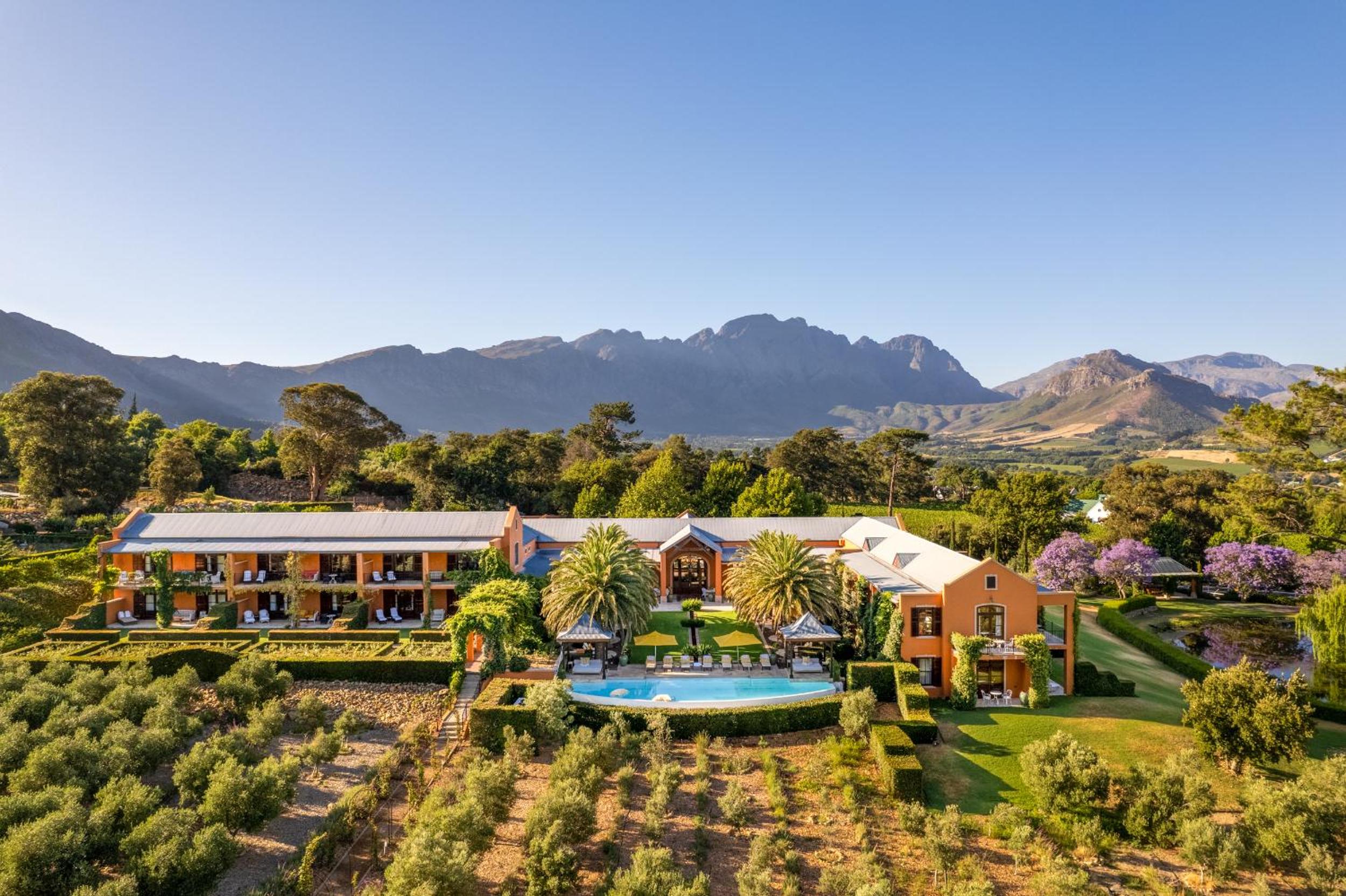
The village is where most visitors stay and it is the reason: dinner is the point and walking home from it is the practical advantage over an estate, which offers the vines at the window and a tram or a drive to the table. Most travellers give Franschhoek 2 nights on Stippl, and the rooms go with the restaurant bookings.
Huguenot Road, the village
Guesthouses and boutique hotels on and behind the street, €100 to €400 a night.
The Monument end
Quieter guesthouses at the head of the valley, €90 to €250 a night.
The valley floor estates
Estate rooms and cottages among the vines, €150 to €600 a night.
The Franschhoek Pass road
A few lodges on the slopes, €120 to €300 a night.
Groot Drakenstein and Simondium
Farm cottages and the farm hotels, €120 to €500 a night.
La Motte and the road west
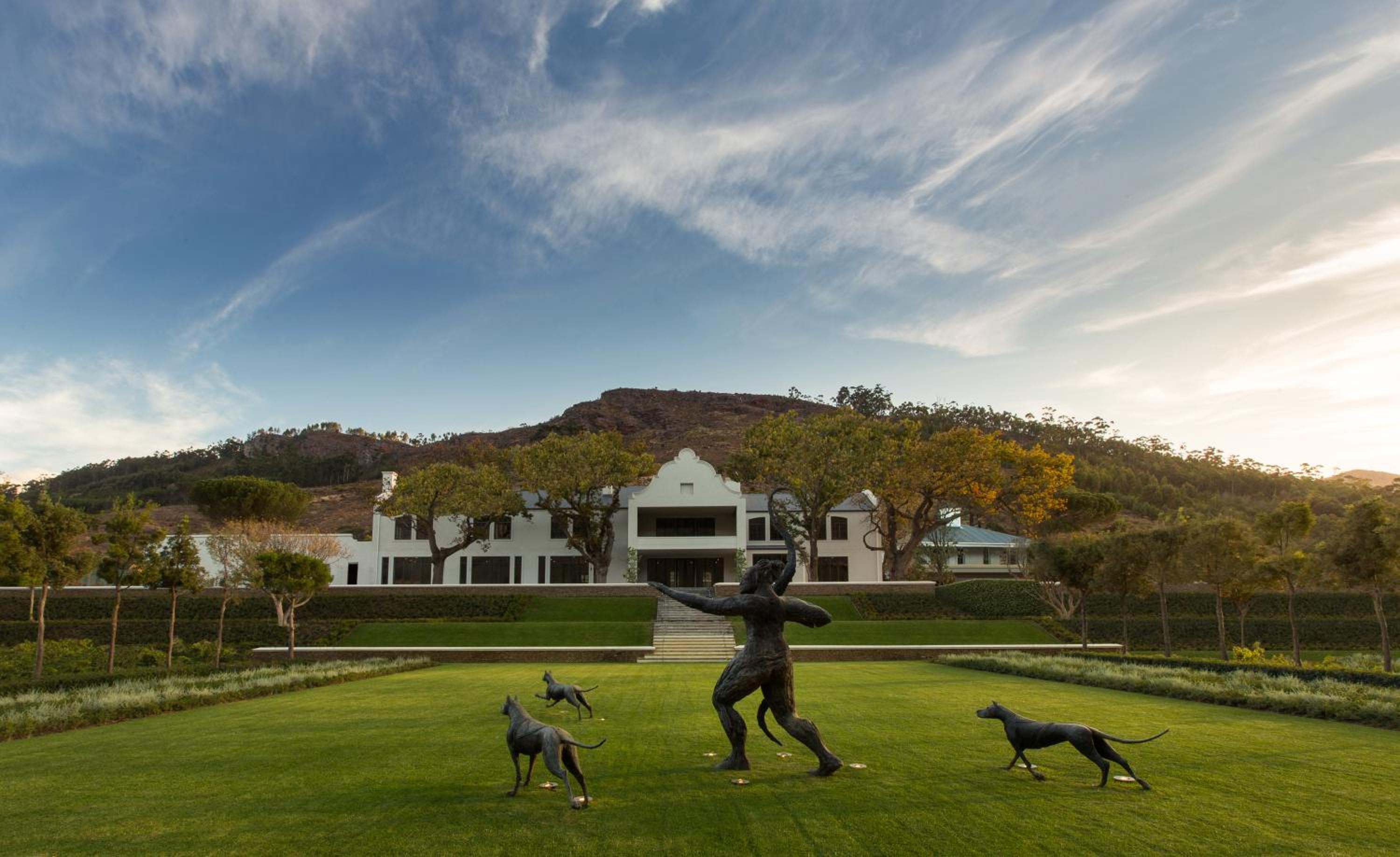
Estate hotels and manor rooms, €200 to €700 a night.


What to eat in Franschhoek
multi-course fine dining, booked weeks ahead in season
a deli spread or a long lunch on a working wine farm rather than in a dining room
South African bottle-fermented sparkling wine, and the valley is one of its centres
Discover food spots in Stippl
Find restaurants and markets on the map, save them to your itinerary, works offline too.
Franschhoek customs and what not to do
The French heritage is history
The year 1688, about 180 refugees, and the estate names are their surnames, so the theming is the record rather than the other way round.
Tipping runs to fifteen
Ten to fifteen percent in restaurants, and the car guards expect a coin or two, as everywhere in the country.
Book weeks ahead in season
Every account repeats it, the serious kitchens fill from the harvest to the autumn, and the walk-in is for the deli counters.
Tastings are informal
The estates expect questions rather than expertise, spitting is normal and nobody minds the beginner.
Do not drive between tastings
The tram exists for this and the drink-driving limits are low, and the police know the road out of the valley.
The village walks at night
Unusually for the country, the accounts describe walking after dark in the village as ordinary, and the rule changes at its edge.
Do
- Sleep in the village and walk to dinner
- Pick one tram line per day
- Book the kitchens weeks ahead in season
- Walk up to the monument in the morning
- Drive the pass out for the view
Don't
- Drive between the estates after tasting
- Try two tram lines in a day
- Turn up at a serious kitchen without a booking
- Expect the valley's rules to hold beyond the village
- Come in June without Bastille as the reason
What a Franschhoek trip costs
Backpacker
€50
A room in a guesthouse off the main road, self-catering and the free monument walk.
Mid-range
€70–100
A guesthouse double, a tram ticket with tastings and one serious lunch.
High-end
€150+
The valley's hotel-estates and the multi-course tasting menus they are known for.
Track what you actually spend
Set a daily budget per country and log expenses in any currency while you travel.
Fun facts about Franschhoek
About 180 French Huguenot refugees settled Franschhoek from 1688. The town, the estates and half the surnames come from them, and the winemaking came from Bordeaux, Champagne and Burgundy.
The Huguenot Monument at Franschhoek was begun in 1942 and inaugurated in 1948. Designed by a Dutch architect with sculpture by Coert Steynberg, at the head of the valley.
The Franschhoek Wine Tram is the only wine-tasting tram in South Africa. Trams and tram-buses on a hop-on hop-off loop of about twenty-five estates, on colour-coded lines.
The Bastille Festival in Franschhoek is in its thirty-fourth year. The valley's one winter event, over-eighteens only, on the second weekend of July.
The Franschhoek Pass reaches about 740 metres. One of the oldest mountain passes in the country, tarred, and the scenic way out of the valley to the east.
Franschhoek was called Olifantshoek, elephants' corner, before the Huguenots arrived. The herds came into the closed valley to calve, and the name went with the French.
Local tips for Franschhoek
An hour from Cape Town by car
On the highway and then the valley road, a standard day trip from the city and a common two-night stop on a longer route.
The tram replaces the car
Once you are here, its whole purpose is hop-on hop-off between the estates on colour-coded lines, so nobody drives between tastings.
Stellenbosch is over the pass
Thirty kilometres over Helshoogte, about half an hour by car, and Paarl sits twenty-five kilometres north on the other road out.
The pass is a drive, not a cut
It climbs east to about 740 metres and continues to Villiersdorp and the dam, tarred and scenic.
The village walks at night
The one South African destination in this set where the accounts describe walking after dark as ordinary, including back from dinner.
Two nights, booked early
63.4% of Stippl stops here run two or three nights and only 7.9% of plans are made inside a fortnight, because the tables set the lead.
Franschhoek questions, answered
Stellenbosch is bigger, has far more estates and a university town's energy; Franschhoek is smaller, dearer and better for eating, with the tram to remove the driving. The data says most people treat them as alternatives, and 32.7% of Franschhoek trips on Stippl carry both, so the food is the reason to add this one.
Yes, the clearest two-night town in the country: most travellers give Franschhoek 2 nights on Stippl, 63.4% of stops run two or three and the mode sits at two, one day on the tram and one for the monument, the pass and a long farm lunch.
Colour-coded lines of six to eight estates each, hop-on hop-off by tram and tram-bus, with the standard ticket around twenty euros and the tastings extra at each stop. Pick one line per day rather than trying to do them all, and book the tram in the harvest months, when the morning departures go first.
The second weekend of July, not September, with tickets for over-eighteens only and the berets out on the main street. Put the weekend into Stippl with the room booked months ahead, then ask people who went in subreddits like r/southafrica whether the barrel-rolling was worth the crowd.
Weeks ahead in season, and every account says so: the serious kitchens on the main street fill from the harvest through the autumn, and the walk-in works only at the deli counters and the farm shops. Only 7.9% of Franschhoek plans on Stippl are made inside a fortnight, and the tables are why.
January to March for the harvest and the driest weather, or October and November for mild dry days without the heat, with November the peak month on Stippl and 32.6% of starts in the southern summer. June and July are wet, cold and the emptiest, with Bastille the one reason to come then.
Every guide is written by the Stippl editors and checked against the trips our travellers actually plan. Spotted something out of date? Let us know.

Plan Franschhoek in Stippl
Day-by-day planning, stays and budget in one app, with every place from this guide already on the map.
Download the app