

Cape Town
Cape Town is a city in a bowl between a flat-topped mountain and two coasts, with a peninsula running south to the Cape, penguins on one beach and vineyards inside the city limits. Three to five nights, moved around by ride app, with the mountain booked online and the wind checked first.
Cape Town in a nutshell
Cape Town: what to expect
This is what 54,000+ planned stops in South Africa on Stippl say about Cape Town.
Cape Town is three to five nights, and two is the one length that satisfies nobody. Table Mountain goes by cable car or on foot with the wind checked because it closes without warning, Lion's Head at sunrise is the hour most people remember, Robben Island is ferried from the V&A Waterfront and booked well ahead, the peninsula drive runs Chapman's Peak and Hout Bay to Cape Point, the Boulders boardwalk puts you two metres from the penguins, and the Bo-Kaap is understood on a walking tour rather than as a photo stop. Most travellers give Cape Town 3 nights on Stippl.
Cape Town is the anchor of the whole country, and the stay is either long or a single night. Cape Town holds 22.0% of every South African stop planned on Stippl, 45.2% of stops run three to five nights while 21.4% are a single night, and the two-night stay is measurably the least common choice, because it neither covers the city nor serves as a stopover.
Sleep at the V&A Waterfront or in Sea Point for a first visit, move by ride app rather than a hire car inside the city, book the cable car online and keep Lion's Head as the fallback, and give the peninsula its own day. Skip the hire car until you leave the city, since inside it the car is a parking problem, and skip walking between neighbourhoods after dark, because the adaptation is behavioural and it works.
Plan Cape Town in Stippl
Day-by-day planning, stays and budget in one app, with every place from this guide already on the map.
Download the appWho Cape Town is for
First-time visitors to Africa
English-speaking, mature tourism infrastructure, malaria-free, and enough in one city to fill the 3 nights most give it on Stippl.
City hikers
Table Mountain, Lion's Head and the Twelve Apostles start at the edge of residential streets, and the routes run from an hour to a day.
Food and wine travellers
A restaurant scene that outperforms its price level, with Constantia's estates inside the city and Stellenbosch forty-five minutes away.
Photographers
The Bo-Kaap, the peninsula road and the mountain give three completely different subjects within an hour of each other.
Remote workers
Good cafes, reliable connectivity in the central neighbourhoods and a favourable exchange rate, and the long-stay share on Stippl reflects it.
Families
Penguins, an aquarium, cable cars and beaches with no malaria risk to plan around, and 45.2% of Stippl stops here run three to five nights.
Maybe not for you: travellers without a smartphone and a rideshare account, because getting around otherwise is genuinely hard; anyone expecting to walk between neighbourhoods after dark; and swimmers who dislike cold water, since the Atlantic side rarely passes fifteen degrees.
The best time to visit Cape Town
Summer
December to March
Warm, dry and windy, with the south-easter closing the cable car on gusty days, the beaches full and mid-December to mid-January the domestic peak that doubles the prices.
The shoulders
February, March, October and November
The best combinations of weather and price, the wind easing, the whales still in the bay in the spring months and the rooms easier to find.
Winter
June to August
Wet, mild and quiet, with the mountain often in cloud, the restaurants running winter specials and the Winelands green, and the whales arriving off the peninsula.
The domestic peak
Mid-December to mid-January
The rooms at European prices and booked months ahead, the beaches and the Waterfront full of South Africans on holiday, and the cable car queues at their longest.
- Most travellers give Cape Town 3 nights on Stippl, and 45.2% of stops run three to five. One day for the mountain, one for the peninsula, one for the island and the city, and the Winelands as the fourth.
- Two nights is the least common choice on Stippl, at 10.4% of stops. Travellers either take one night as a stopover or three to five as a stay, and two satisfies neither purpose.
- 28.8% of Cape Town starts on Stippl fall in the southern summer. That is the opposite season from Kruger, so a trip that wants both takes September or October or picks a side.
- The cable car closes above about fifty kilometres an hour of wind. Book online, check the forecast the morning of, and keep Lion's Head as the alternative rather than losing the day.
- Robben Island is booked weeks ahead and weather-dependent. The ferry cancels in a swell, so the island goes early in the stay with a second day in hand.
- Mid-December to mid-January is booked months ahead. The domestic holiday fills the city, the prices reach European levels, and February and March have the same weather with half the people.
Add your Cape Town dates and we'll flag the weather
Stippl shows the season, crowds and prices for every stop on your route.
Describe your trip, get a Cape Town itinerary in seconds
Everything in this guide is already in Stippl. Tell the planner how long you have and what you like: it builds the route, the days and the travel times, and you edit whatever you want.
Things to do in Cape Town
 Photo by Thomas Bennie via Unsplash
 Photo by Eric McLachlan via Unsplash
Table Mountain
By cable car or on foot, booked online with the wind checked, and the acceptance that it closes without much warning on a south-easter day.
Lion's Head at sunrise
About an hour up with a scramble on chains near the top, and the view over both coasts that most people remember above everything else.
Robben Island
Mandela's cell and the lime quarry, ferried from the V&A Waterfront, weather-dependent and worth booking well ahead.
The Cape Peninsula drive
To Cape Point and the Cape of Good Hope by Chapman's Peak and Hout Bay, with the penguins on the way back and a full day for the loop.
The penguins at Boulders Beach
The African penguin colony at Simon's Town on a boardwalk that gets you within two metres, and a swimming beach beside it in summer.
The Bo-Kaap
The painted houses and the Cape Malay quarter, best understood on a walking tour rather than as a photo stop on the way to lunch.
The areas of Cape Town
The V&A Waterfront
Polished and convenient
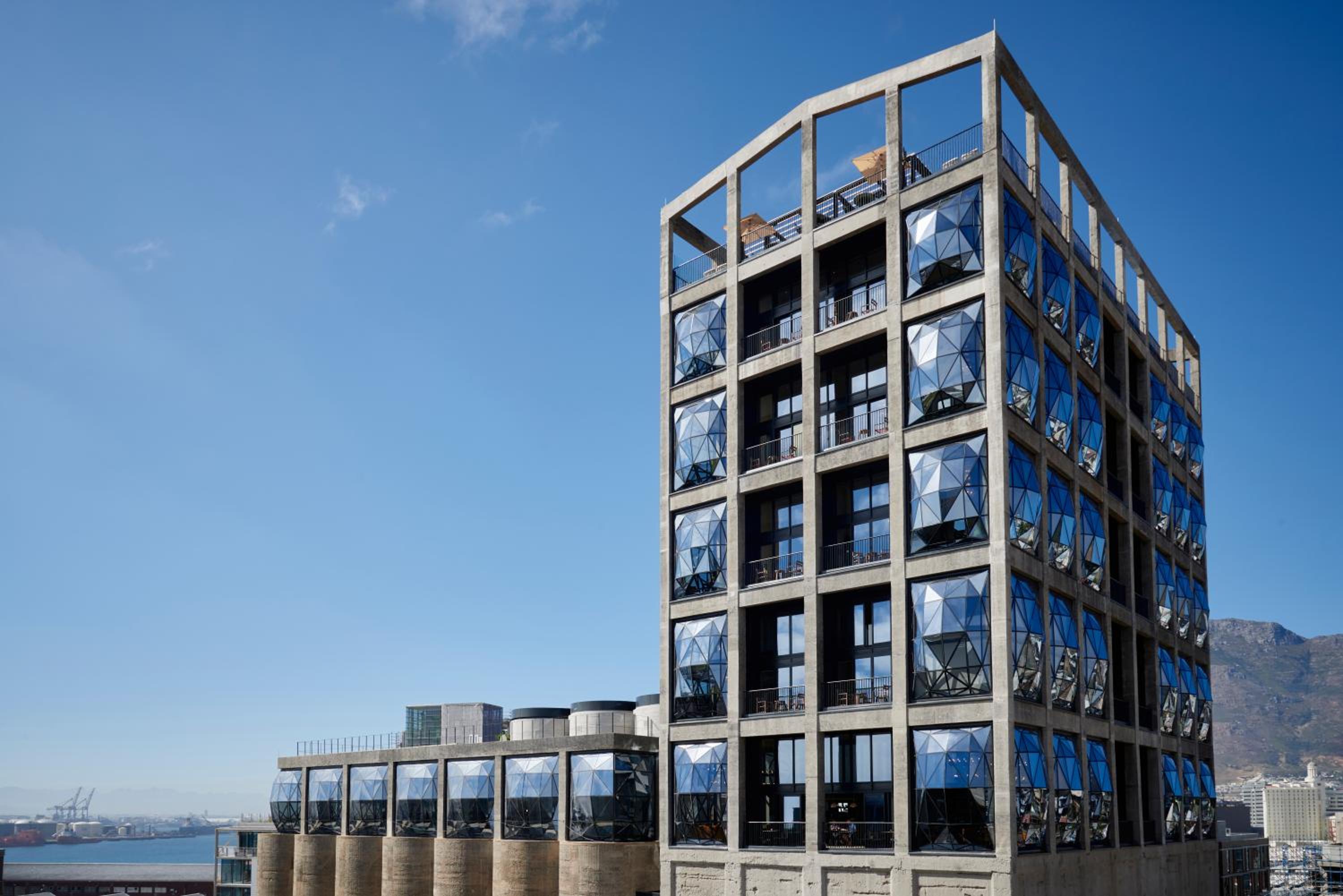
The working harbour turned pedestrian precinct with the Robben Island ferries, the aquarium and Zeitz MOCAA in one walkable block, and the hotels around the basin. For a first visit.
Everything walkable in one block, but the dearest rooms and the most tourists in the city.
De Waterkant
Chic and compact
Victorian cottages between the City Bowl and the sea, the city's LGBTQ+ hub with boutiques and pavement cafes, walkable to both sides. For couples.
Walkable to both the Waterfront and the Bowl, though the rooms are few and the hill is steep.
Sea Point
Busy and walkable
The dense Atlantic seaboard with a three-kilometre promenade that is busy from dawn to dark, restaurants at every price and the pools on the front. For the promenade and the value.
The promenade and the restaurants at every price, and a ride to the mountain and the Waterfront.
Green Point
Calm and residential
Sea Point's quieter, cheaper neighbour with the same promenade and the stadium park, ten minutes' walk from the Waterfront. For families and budgets.
The same promenade for less money, but a quieter evening than next door.
Camps Bay
Glossy and expensive
The palm-lined beach strip under the Twelve Apostles with the sunset terraces above the white sand, the postcard of the Atlantic side. For the view and the sunset.
White sand under a mountain wall, and the prices to match the terraces.
The City Bowl and Long Street
Loud and central
Museums and the Company's Garden by day, Africa's best-known backpacker strip by night, and the walking tours starting on the square. For budgets and the nightlife.
The museums and the cheapest beds, but a loud strip and a no-walking rule after dark.
See every Cape Town neighbourhood on one map
Save the areas you like and Stippl plots your days so you're not crossing the city twice.
Where to stay in Cape Town
The V&A Waterfront and Sea Point are the first-visit choices, both dense with options and close to the attractions, with Green Point the value version of the seaboard and De Waterkant the compact middle. Most travellers give Cape Town 3 nights on Stippl, and the room is chosen by the ride to the mountain rather than by the view.
The V&A Waterfront
The harbour hotels and the international chains, €150 to €500 a night.
De Waterkant
Boutique guesthouses in the Victorian cottages, €90 to €220 a night.
Sea Point
Hotels, apartments and guesthouses along the promenade, €60 to €200 a night.
Green Point
Guesthouses and apartments near the stadium, €50 to €160 a night.
Camps Bay
Boutique hotels and villas above the beach, €180 to €600 a night.
The City Bowl and Long Street
Hostels and budget hotels on the strip, €12 to €90 a night.



What to eat in Cape Town
spiced minced lamb under an egg custard
mild, aromatic curry, the Bo-Kaap's signature style
a Cape Malay classic, named alongside bobotie in the same home-cooking tradition
Discover food spots in Stippl
Find restaurants and markets on the map, save them to your itinerary, works offline too.
Cape Town customs and what not to do
Greetings come first
As everywhere in South Africa, how are you opens the transaction and skipping it reads as rude, at the cafe counter and the ride pickup alike.
Tipping is the wage
About 10% in restaurants written on the bill yourself, a coin or two for the car guard and a small note for the petrol attendant.
The past is present
From District Six to Robben Island the history is contested and live, and the museums are the place to meet it rather than conversation with strangers.
Africa's LGBTQ+ capital
With De Waterkant as its centre and Pride in the summer, and the openness is real in the visited neighbourhoods.
Three languages on the street
Afrikaans, English and isiXhosa run side by side, and Afrikaans is close enough to Dutch that Dutch speakers understand more than they expect.
The wind has a name
The south-easter is the Cape Doctor, it closes the cable car and flattens the beach umbrellas, and the locals plan the day around it.
Do
- Book the cable car online and check the wind that morning
- Take Lion's Head at sunrise with a head torch
- Book Robben Island early in the stay with a spare day
- Move by ride app and check the plate before getting in
- Give the peninsula a whole day
Don't
- Hire a car for the city itself
- Walk between neighbourhoods after dark
- Leave anything visible in a parked car
- Use the phone beside an open car window in traffic
- Book two nights and expect either the city or a stopover
What a Cape Town trip costs
Backpacker
€50
A hostel bed on Long Street or in Green Point, self-catering or street eats, a ride app for the odd trip.
Mid-range
€70–100
A guesthouse room in Green Point or De Waterkant for two, mixed self-catering and restaurants, rides everywhere.
High-end
€150+
A hotel at the Waterfront or Camps Bay and fine dining, with the peak season pushing this to European levels.
Track what you actually spend
Set a daily budget per country and log expenses in any currency while you travel.
Fun facts about Cape Town
Cape Town is one of South Africa's three capitals. The legislative one, with parliament in the Company's Garden, while Pretoria administers and Bloemfontein judges.
Table Mountain above Cape Town is older than the Himalayas. The sandstone was laid down some 450 million years ago, and the flat top is the eroded remains of a far higher plateau.
The Cape floral kingdom around Cape Town is the smallest of the world's six. Fynbos holds more plant species on the peninsula alone than the whole of the British Isles.
Cape Town's south-easter wind is called the Cape Doctor. It blows the city's air clean in summer, closes the cable car above fifty kilometres an hour and flattens the beach umbrellas at Camps Bay.
Cape Town appears on 67.4% of South Africa trips on Stippl. Two in three trips to the country pass through the city, and it holds 22.0% of every planned stop.
The Bo-Kaap in Cape Town is painted because its residents were freed. The bright colours began as a celebration when the Cape Malay community was allowed to own the houses after emancipation.
Local tips for Cape Town
Ride apps are the transport
The public system does not serve the places visitors go and hailing a cab off the street is specifically advised against, so Uber and Bolt are how the city is moved around.
Check the plate first
Against the app before getting in, and expect ordinary cars rather than smart ones at the kerb.
A car is for leaving
Essential for the peninsula loop, the Winelands and the Garden Route, and a parking problem inside the city, so it is collected on the way out.
The adaptation works
The people who live in or return to the city walk freely in Sea Point, Green Point and De Waterkant by day, and take a ride after dark, and that is the whole of it.
Nothing visible in a car, ever
Emptied entirely if it is on the street overnight, and the phone kept away from an open window at a standstill, because reaching in is a described pattern.
Three to five nights, or one
45.2% of Stippl stops here run three to five nights and 21.4% are a single night, and two is the length that fails at both.
Cape Town questions, answered
Three to five: most travellers give Cape Town 3 nights on Stippl and 45.2% of stops run three to five, while the rest take a single night as a stopover. Two nights is measurably the least common choice, because it neither covers the city nor serves as a transit.
Not inside the city, where a ride app is cheaper and easier and the car is a parking problem; yes for the peninsula loop, the Winelands and anything beyond. Put the city into Stippl as the first four nights without a car, then ask people who have done the Garden Route in subreddits like r/southafrica where they collected theirs.
Safe with specific habits rather than general vigilance: nothing in the car, no phone by an open window, no walking after dark and no ATMs at night. The people who live there walk freely in Sea Point, Green Point and De Waterkant by day, and the tourist neighbourhoods are well used, so the adaptation is behavioural and it works.
October to April, with February, March, October and November the best combinations of weather and price; 28.8% of Cape Town starts on Stippl fall in the southern summer. Mid-December to mid-January is the domestic peak, booked months ahead at European prices, and the winter is wet, mild and quiet.
Often not: it closes above about fifty kilometres an hour of wind, which the south-easter delivers regularly in summer. Book online, check the forecast that morning, go on the first clear day of the stay rather than the last, and keep Lion's Head as the alternative, an hour up with the better view anyway.
No, not in the city or anywhere in the Western Cape, which is why the Cape half of a South Africa trip needs nothing from the pharmacy and why families plan the city first. The tablets are for Kruger and the north-east, and Cape Town holds 22.0% of every South African stop planned on Stippl without them.
Every guide is written by the Stippl editors and checked against the trips our travellers actually plan. Spotted something out of date? Let us know.

Plan Cape Town in Stippl
Day-by-day planning, stays and budget in one app, with every place from this guide already on the map.
Download the app