

Stellenbosch
Stellenbosch is an oak-lined Cape Dutch university town fifty kilometres from Cape Town and the Winelands' centre of gravity, with the estates five to twenty kilometres out along four roads. Two nights, two or three estates a day with a driver or the bus, and Dorp Street on foot.
Stellenbosch in a nutshell
Stellenbosch: what to expect
The numbers below come from 54,000+ planned stops in South Africa on Stippl, and the rest from the guides we cross-check.
Two nights covers Stellenbosch, and the estates fill the days. A wine route day runs two or three estates along the Bottelary, Simonsberg or Helderberg roads with tasting fees that still start low, Dorp Street and the Braak hold the densest run of Cape Dutch architecture in the country in an hour's walk, the Panorama Trail in Jonkershoek loops the valley for a full day, the university's botanical garden sits free in the middle of town, and the weekend markets run at Root44 and Blaauwklippen. Most travellers give Stellenbosch 2 nights on Stippl.
Stellenbosch is the first sensible stop east of Cape Town, and it belongs to the Cape trip. 89.3% of the trips carrying it on Stippl also carry Cape Town, 81.7% of stops run one to three nights, and only 8.0% of plans are made inside a fortnight, the lowest last-minute share of any South African stop, because the estate stays and the popular kitchens are booked with the flights.
Sleep in the historic centre or out on an estate, pick a driver or the hop-on bus before the first tasting, walk Dorp Street in the morning and Jonkershoek on the second day, and book the well-known restaurants ahead. Skip the fourth estate, since every first-hand account that tried it says the same thing, and skip a June visit expecting vineyards in leaf, because the vines are bare and the mountains are wet.
Plan Stellenbosch in Stippl
Day-by-day planning, stays and budget in one app, with every place from this guide already on the map.
Download the appWho Stellenbosch is for
Wine travellers on a budget
The same quality as Franschhoek with more estates and tasting fees that start around three euros, and 2 nights is what most give it on Stippl.
Town people
Thirty thousand students mean bookshops, markets and ordinary cafes rather than only tasting rooms, and a life that runs after the cellars close.
Hikers and mountain bikers
Jonkershoek is a reserve rather than a viewpoint, with a five-hundred-kilometre trail network in the surrounding mountains.
Architecture travellers
The densest concentration of Cape Dutch buildings anywhere, along one walkable street, with the museums in the gabled houses.
Cape Town extenders
89.3% of Stippl trips through Stellenbosch carry Cape Town, the first stop east before the Garden Route.
Families
Spier and Boschendal are built for children in a way that tasting rooms are not, with picnic lawns, playgrounds and short farm tours.
Maybe not for you: anyone without a designated driver or a booked bus, because the estates are five to twenty kilometres apart and drink-driving enforcement is real; and travellers arriving in June or July expecting vineyards in leaf, since the vines are bare and the mountains are in cloud.
The best time to visit Stellenbosch
Summer
November to March
Warm, dry and the vines in full leaf, with the harvest from late January into February, the festivals clustering with it and 34.3% of starts on Stippl.
Autumn
April and May
The vines turning gold, the crush finished, the tasting rooms quieter and the light the photographers come for, and May the trough month on Stippl.
Winter
June to August
Wet, cool and the vines bare, the estates running winter menus by the fire and the mountains in cloud, at 12.9% of starts.
Spring
September and October
The vines budding, the wildflowers on the passes, the town warming and November the peak month on Stippl as the summer arrives.
- Most travellers give Stellenbosch 2 nights on Stippl, and 81.7% of stops run one to three. One day for the estates and Dorp Street, one for Jonkershoek or a second wine road.
- Only 8.0% of Stellenbosch plans on Stippl are made inside a fortnight, the lowest share in the country. The estate stays and the well-known kitchens are booked with the flights, and the town sits 107 days out.
- November is the peak month on Stippl and May is the trough. The summer-to-winter ratio here is the sharpest in the country at 2.65 to one, so the shoulders hold the room.
- The harvest runs late January through February. Finishing in early March for the late reds, with the festivals clustering in February and the cellars at their busiest.
- Three estates is the day's maximum. Two is the pleasant one, and every first-hand account that tried four says the same thing about the fourth.
- Weekends and anything seated need a booking. Midweek walk-ins work at most estates and not at all at the popular kitchens, so the table is fixed before the tasting.
Add your Stellenbosch dates and we'll flag the weather
Stippl shows the season, crowds and prices for every stop on your route.
Describe your trip, get a Stellenbosch itinerary in seconds
Everything in this guide is already in Stippl. Tell the planner how long you have and what you like: it builds the route, the days and the travel times, and you edit whatever you want.
Things to do in Stellenbosch
A wine route day
Three estates is the practical maximum and two the pleasant one, with Bottelary and Devon Valley to the north, Simonsberg and Banghoek to the east, and a driver or the bus between them.
Dorp Street and the Braak
The single densest run of Cape Dutch architecture in the country, walked in an hour with the museums in the gabled houses along it.
The Panorama Trail in Jonkershoek
A full-day loop with the valley below you, and a three-kilometre walk and a five-and-a-half-kilometre trail for anyone not doing the whole thing.
The university botanical garden
Small, free and in the middle of town, with the Market in the Garden on Saturdays and the glasshouses for the rain.
A weekend market
Root44 for the food stalls, Blaauwklippen for a family afternoon on an estate, and the Market in the Garden for the craft.
The Dylan Lewis sculpture garden
A private garden of bronze animal sculptures on the slopes above town, open by booking from Tuesday to Saturday.
The areas of Stellenbosch
The historic centre and Dorp Street
Walkable and pretty
The oak-lined Cape Dutch streets with the whole town in ten blocks, the gabled houses, the museums, the restaurants and every bus and tour pickup. For a first visit.
Everything within ten blocks and every pickup at the door, but the dearest rooms in town.
Die Boord
Quiet and practical
The modern suburb south of the centre with the town's main shopping centre and easy parking, ten minutes from the old streets. For drivers.
Easy parking and the supermarket, and nothing to look at on the street.
Mostertsdrift
Calm and green
The leafy residential streets by the river with guesthouses within walking distance of the centre and none of its noise. For a quiet bed.
Walkable to the centre without the noise, though a walk back after dark is not advised.
Universiteitsoord
Young and loud
The student quarter around the campus with the cheap food, the late bars and the reason the town has a nightlife at all. For budgets.
The cheapest beds and the nightlife, but loud in term time.
Ida's Valley
Rural and close
The self-contained valley below the Helshoogte pass with farm stays and mountain views ten minutes from town, on the road to Franschhoek. For estate stays.
Farm stays and the mountain views, and a car for every meal.
Kayamandi
Visited with a guide
The township on the town's northern edge with guided walks by local operators, community projects and Xhosa cooking. For the honest picture.
The honest picture of the town, and a guide is the way in rather than an option.
See every Stellenbosch neighbourhood on one map
Save the areas you like and Stippl plots your days so you're not crossing the city twice.
Where to stay in Stellenbosch
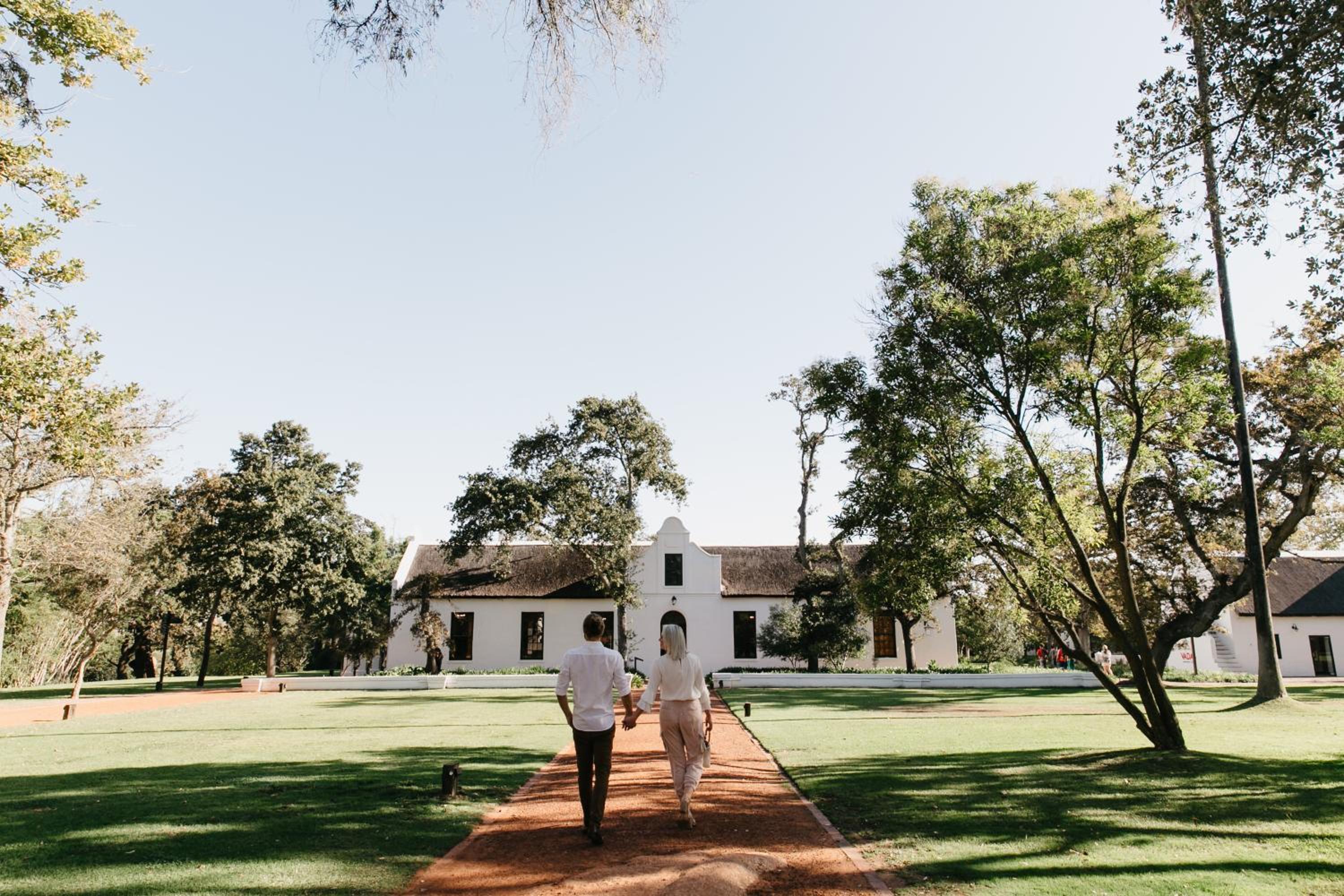
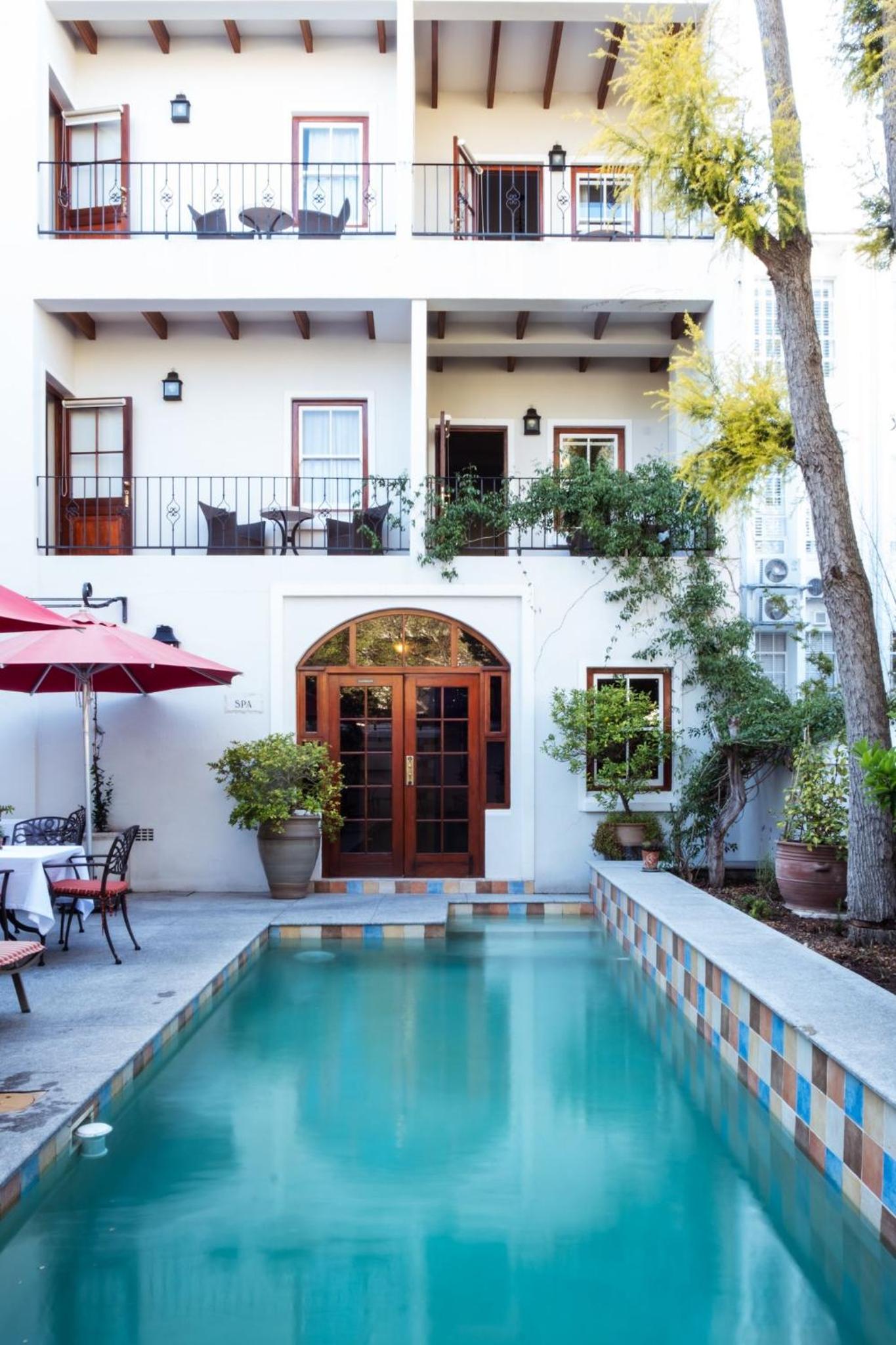
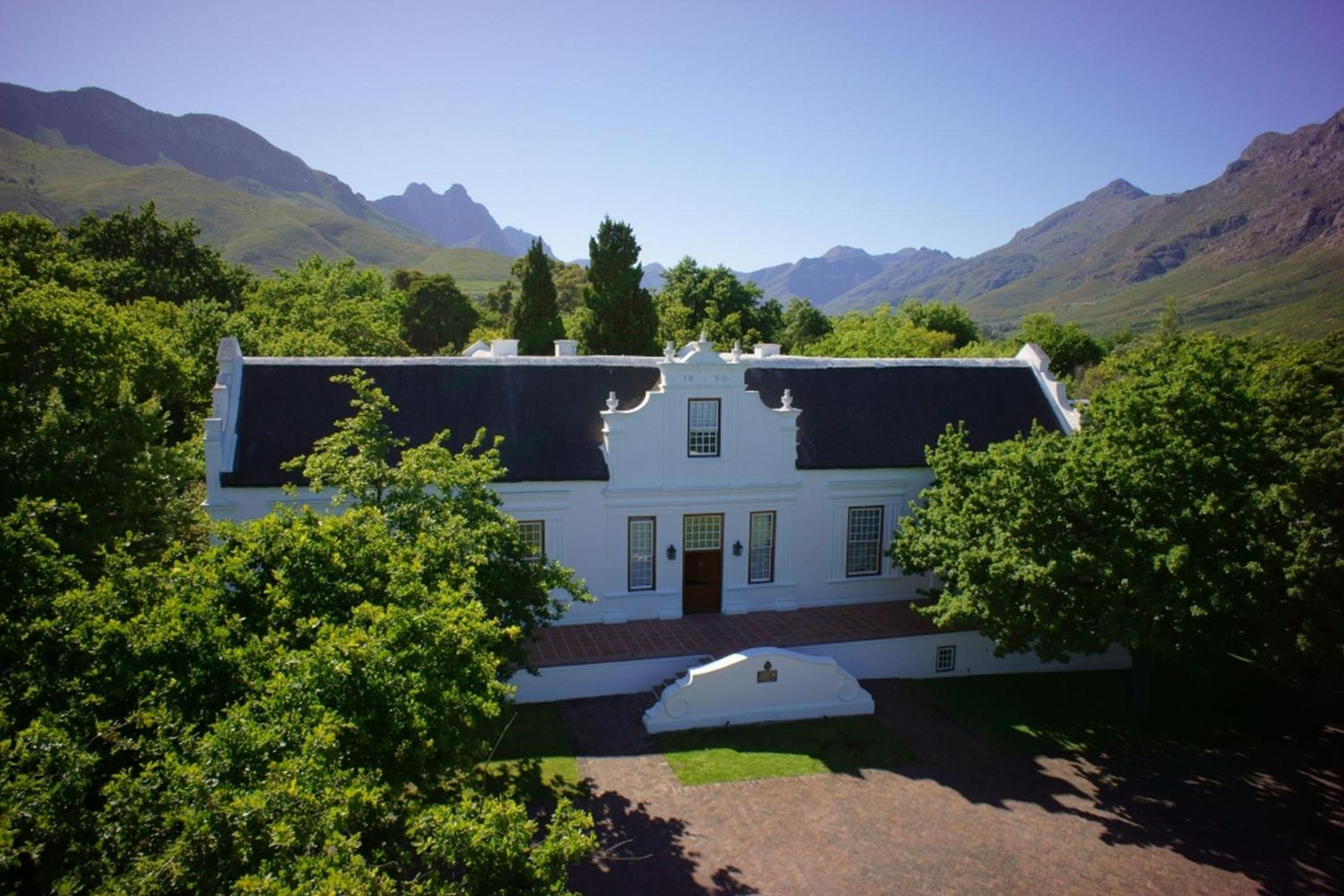
Three kinds of bed and the choice matters: guesthouses in the historic centre for the walk to dinner, boutique hotels on Dorp Street and Church Street for the gables, and estate accommodation out in the wards for the vines at the window and a car for every meal. Most travellers give Stellenbosch 2 nights on Stippl, and the estate stay is the one that needs booking.
The historic centre and Dorp Street
Boutique hotels and guesthouses in the gabled houses, €90 to €250 a night.
Die Boord
Guesthouses and self-catering in the suburb, €50 to €110 a night.
Mostertsdrift
Guesthouses in the leafy streets by the river, €60 to €140 a night.
Universiteitsoord
Hostels and student-quarter rooms around the campus, €15 to €60 a night.
Ida's Valley
Farm stays and estate cottages below the pass, €100 to €300 a night.
Kayamandi
A guesthouse run with the community projects, €30 to €60 a night.


What to eat in Stellenbosch
a South African crossing of Pinot Noir and Cinsaut, created here in 1925
air-dried cured meat, served in tasting pairings alongside cheese and charcuterie
a pre-ordered hamper eaten on the estate lawns, the Winelands lunch format
Discover food spots in Stippl
Find restaurants and markets on the map, save them to your itinerary, works offline too.
Stellenbosch customs and what not to do
Afrikaans first, English always
The town's first language is Afrikaans and English is universal, and the university's language policy has been contested for years without a visitor noticing.
The tasting room is relaxed
No dress code, spitting is normal and nobody minds if you cannot name a single grape, which is the point people make about the Cape against Europe.
Tipping runs to fifteen
Ten to fifteen percent in restaurants, and the car guards in town expect a coin or two when you return to a parked car, the normal arrangement rather than a scam.
Book the known kitchens
Walk-ins work midweek at most estates and not at all at the popular restaurants, so the table is fixed before the tasting.
The inequality is visible
Kayamandi sits on the edge of a wealthy wine district, and the honest way to engage with that is a guided walk with a local operator.
Pinotage is the town's grape
Created here in 1925 from Pinot Noir and Cinsaut, it divides opinion sharply, which is a reason to taste it where it was born.
Do
- Fix a driver or the hop-on bus before the first tasting
- Walk Dorp Street in the morning light
- Book the seated tastings and the known restaurants
- Take Jonkershoek on the second day
- Taste a Pinotage where it was invented
Don't
- Drive between estates after tasting
- Try a fourth estate in a day
- Walk alone after dark, which is the university's own instruction to its students
- Come in June expecting vines in leaf
- Visit Kayamandi without a local guide
What a Stellenbosch trip costs
Backpacker
€50
A bed in the student quarter, the cheap student cafes and the centre on foot.
Mid-range
€70–100
A guesthouse on or near Dorp Street for two, town restaurants and a tasting or two.
High-end
€150+
An estate stay with farm-to-table dining and a driver between the cellars.
Track what you actually spend
Set a daily budget per country and log expenses in any currency while you travel.
Fun facts about Stellenbosch
Pinotage was invented in Stellenbosch in 1925. A crossing of Pinot Noir and Cinsaut that exists nowhere else as a native grape, and the town's own bottle.
Rustenberg in Stellenbosch produced South Africa's first Cabernet Sauvignon. The farm has been worked continuously since 1682, before the town had a name.
The Stellenbosch Wine Route was the first organised wine route in South Africa. Founded by the owner of Spier, and copied by every other valley since.
Dorp Street in Stellenbosch is the original ox-wagon road to Cape Town. Which is why the town's oldest buildings all stand along one line, and why the gables face it.
Stellenbosch was founded in 1679 by Simon van der Stel. The second-oldest European settlement in South Africa after Cape Town, and named after the governor who chose the site.
Only 8.0% of Stellenbosch plans on Stippl are made inside a fortnight. The lowest last-minute share of any South African stop, because the estate beds and the kitchens are booked with the flights.
Local tips for Stellenbosch
The centre walks, estates don't
Everything in the historic core is within ten blocks, and the wine farms are five to twenty kilometres out along four different roads.
The hire car is the default
Most people arrive in one, collected in Cape Town for the Garden Route anyway, and it stays parked at the guesthouse on tasting days.
The hop-on bus has three routes
Five or six estates per route with pickup at the central guesthouses or the tourism office on Dorp Street, and it removes the driving problem.
The Cape is the safer end
The national picture applies, petty crime in crowded places is common and violent crime against tourists is not typical.
Not alone after dark
The standing advice for the town and the university's own instruction to its students, and the campus runs a walk-with-security service at night.
Two nights, with Cape Town
Most travellers give Stellenbosch 2 nights on Stippl and 89.3% of its trips carry Cape Town, so the town is the first stop east rather than a base of its own.
Stellenbosch questions, answered
Both work: it is forty-five minutes each way, so the day trip is real, and the travellers who stay give it 2 nights on Stippl, with 81.7% of stops running one to three. The stay buys the second wine road and Jonkershoek, and the town has a life after the cellars close.
Stellenbosch is bigger, older, cheaper and has a town underneath the wine; Franschhoek is prettier, dearer, more food-focused and has the wine tram. They are thirty kilometres apart over the Helshoogte pass, so most Winelands stays do both, and 89.3% of Stellenbosch trips on Stippl carry Cape Town either way.
Three is the maximum and two is comfortable, and every first-hand account that tried four says the same thing about the fourth. Put two into Stippl per day with a driver or the hop-on bus between them, then ask people who have done the wine roads in subreddits like r/southafrica which estates earned the booking.
Midweek, usually not, and walk-ins work at most estates; weekends and anything seated, guided or paired, yes, and the popular restaurants always. Only 8.0% of Stellenbosch plans on Stippl are made inside a fortnight, the lowest share in the country, because the estate beds are booked with the flights.
A South African crossing of Pinot Noir and Cinsaut created here a century ago, which divides opinion sharply and is a reason to taste it where it was born rather than judge it from a supermarket shelf. The Simonsberg estates make the serious versions, and the tasting fee is a few euros.
In the centre by day, yes, and the Western Cape sits at the safer end of the national picture, with petty crime in crowded places the realistic risk. Alone after dark, no, which is the standing advice for the town and the university's own instruction to its students, and the guesthouses will call a ride.
Every guide is written by the Stippl editors and checked against the trips our travellers actually plan. Spotted something out of date? Let us know.

Plan Stellenbosch in Stippl
Day-by-day planning, stays and budget in one app, with every place from this guide already on the map.
Download the app