

Paracas
Paracas is two sights sharing a pier, three and a half hours south of Lima: the Ballestas Islands' sea-lion and penguin colonies by morning boat, and a desert reserve where red-sand beaches fall into the Pacific. One night, the boat at eight, the Reserve by bike or buggy, and the bus to Huacachina.
Paracas in a nutshell
Paracas: what to expect
What follows sits on 98,000+ stops planned in Peru on Stippl.
Paracas takes one night, the shortest rhythm in the country. The Ballestas boats leave at eight and ten in the morning for two hours around the arches and the colonies, with sea lions, Humboldt penguins, boobies and terns by the thousand and the Candelabro geoglyph on the way out, the Reserve drops red-sand beaches and fossil cliffs into the surf minutes from town, La Catedral is the sea arch the earthquake remade, and the malecón serves scallops and pisco sours at sunset with flamingos in the bay by season. Most travellers give Paracas 2 nights on Stippl.
Paracas is the first stop out of Lima, and half of the tightest pairing in the country. 48.5% of stops here are a single night, of everyone who plans it on Stippl, the highest one-night share of any Peruvian stop, only 3.5% run to four or more, and Paracas and Huacachina lift each other by nearly two times, the strongest pairing in Peru, because the boat runs in the morning and the dunes at sunset.
Take the eight o'clock boat, cycle or buggy the Reserve in the afternoon before the wind, eat the scallops on the malecón, and move on to Huacachina the same day or the next morning. Skip the swim, since the Humboldt current keeps the sea cold and the harbour is a working one, and skip the cheapest boat desk on the strip, because it is cutting a life jacket or a radio.
Plan Paracas in Stippl
Day-by-day planning, stays and budget in one app, with every place from this guide already on the map.
Download the appWho Paracas is for
Wildlife-lite travellers
The Ballestas deliver penguins and sea-lion colonies for pocket money without Galápagos logistics, and the poor man's Galápagos line undersells them.
Southbound circuit travellers
The first stop out of Lima, and half of the Huacachina pairing that lifts nearly two times on Stippl, the strongest in Peru.
Families
A boat, animals, a beach-buggy desert and short distances make it the family-friendly coast stop, with pools on the bay strip for the afternoon.
Kitesurfers and paragliders
The paracas wind that ends the boat day starts theirs, every afternoon from about one, across the flat bay.
One-night planners
48.5% of Stippl stops here are a single night, the highest share in Peru, and the boat and the Reserve fit inside it.
Cyclists
The Reserve's flat desert roads run to red beaches you have to yourself, with the gate fee as the only cost beyond the rental.
Maybe not for you: beach-holiday expectations, because the Humboldt current keeps the sea cold and the wind honest, and this is a wildlife coast rather than a swimming one; and anyone hoping for a second day of programme, since the boat and the Reserve fill one.
The best time to visit Paracas
The coastal summer
December to March
Warm, sunny and the bay at its brightest, with the Peruvian holiday crowds on the strip in January and the boats priced higher on the long weekends.
The shoulders
April, May and October
Mild, clear and quieter, the colonies busy and the wind still on schedule, with the flamingos most reliable in the bay's morning shallows.
The grey winter
June to September
The garúa fog over the coast, cooler days and the same boats, with September the busiest month on Stippl as the Cusco season spills onto the coast.
The afternoon wind
Every day from about one
The paracas blow that names the place, sand-laden and reliable, closing the boats and opening the bay to the kites, so the morning is for the islands.
- Most travellers give Paracas 2 nights on Stippl, and 48.5% of stops are a single night. The boat in the morning, the Reserve in the afternoon, and Huacachina the same evening or the next day.
- Only 3.5% of stops here run four nights or more, of everyone who plans it on Stippl. The town is a staging area done well, and the pool hotels on the bay are the only reason to linger.
- The boats keep a fixed rhythm. Eight and ten in the morning, two hours each, and the wind closes the pier by early afternoon, so the eight o'clock boat is the one to book.
- Paracas and Huacachina are one southbound day. The Ballestas boat at eight and the dune buggies at sunset sit ninety minutes apart, which is exactly how travellers run the pair.
- Only 10.6% of Paracas plans on Stippl are made inside a fortnight. Nothing here needs a booking except the holiday weekends, but the stop is planned with the loop that Machu Picchu times.
- The flamingos come by season. Chilean flamingos feed in the bay's morning shallows most reliably in the cooler months, and the Reserve's lookouts are where to find them.
Add your Paracas dates and we'll flag the weather
Stippl shows the season, crowds and prices for every stop on your route.
Describe your trip, get a Paracas itinerary in seconds
Everything in this guide is already in Stippl. Tell the planner how long you have and what you like: it builds the route, the days and the travel times, and you edit whatever you want.
Things to do in Paracas
 Photo by Diego Bogotá via Unsplash
 Photo by Ed Wingate via Unsplash
 Photo by WILLIAN REIS via Unsplash
The Ballestas at eight
Two hours of sea-lion colonies, penguin lines and bird clouds around the arches, with the Candelabro geoglyph on the hillside on the way out, from the pier on the malecón.
The Reserve's red beach and cliffs
Playa Roja and the Supay lookouts, desert dropping into surf, by buggy, bike or tour, with the gate fee the only cost beyond the ride.
Sunset on the malecón
A pisco sour, the scallops grilled with cheese, and the flamingo silhouettes on the bay when the season grants them.
Kitesurfing the paracas wind
The afternoon blow that closes the boats opens the bay, flat and reliable, with the schools on the strip renting by the hour.
La Catedral viewpoint
The collapsed sea arch that the earthquake remade, the Reserve's signature stop, on the cliff road south of Playa Roja.
Flamingos in the bay
The Chilean flamingos that gave Peru's flag its legendary colours, best in the morning shallows by season, from the Reserve's lookouts.
The areas of Paracas
El Chaco and the malecón
The harbour front
The terraces, the tour desks and the pier on one strip, where the boats leave, the sun sets and dinner happens, with the hostels clustered behind it. For everyone.
The boats, the sunset and dinner on one strip, but the hostel noise runs late.
The bay hotels
The resort strip
The hotels curving south of the village along the bay, with pools, bay views and their own piers, a taxi hop from the public pier. For comfort stays.
Pools and bay views, though a taxi from the pier and the town's restaurants.
The Reserve edge
The last streets
The lanes before the park gate, quiet, with the desert at the door and the Reserve loop starting from the bike rack. For cyclists and quiet sleepers.
Sleep beside the desert and start the loop at the door, but nothing else within reach.
Pisco town
The working town
The port and market town fifteen minutes north with the bus station, cheaper beds and the pisco bodegas around it, where the night buses actually stop. For bus-schedule stays.
Cheaper beds and the bus station, and a taxi to the pier before eight.
See every Paracas neighbourhood on one map
Save the areas you like and Stippl plots your days so you're not crossing the city twice.
Where to stay in Paracas
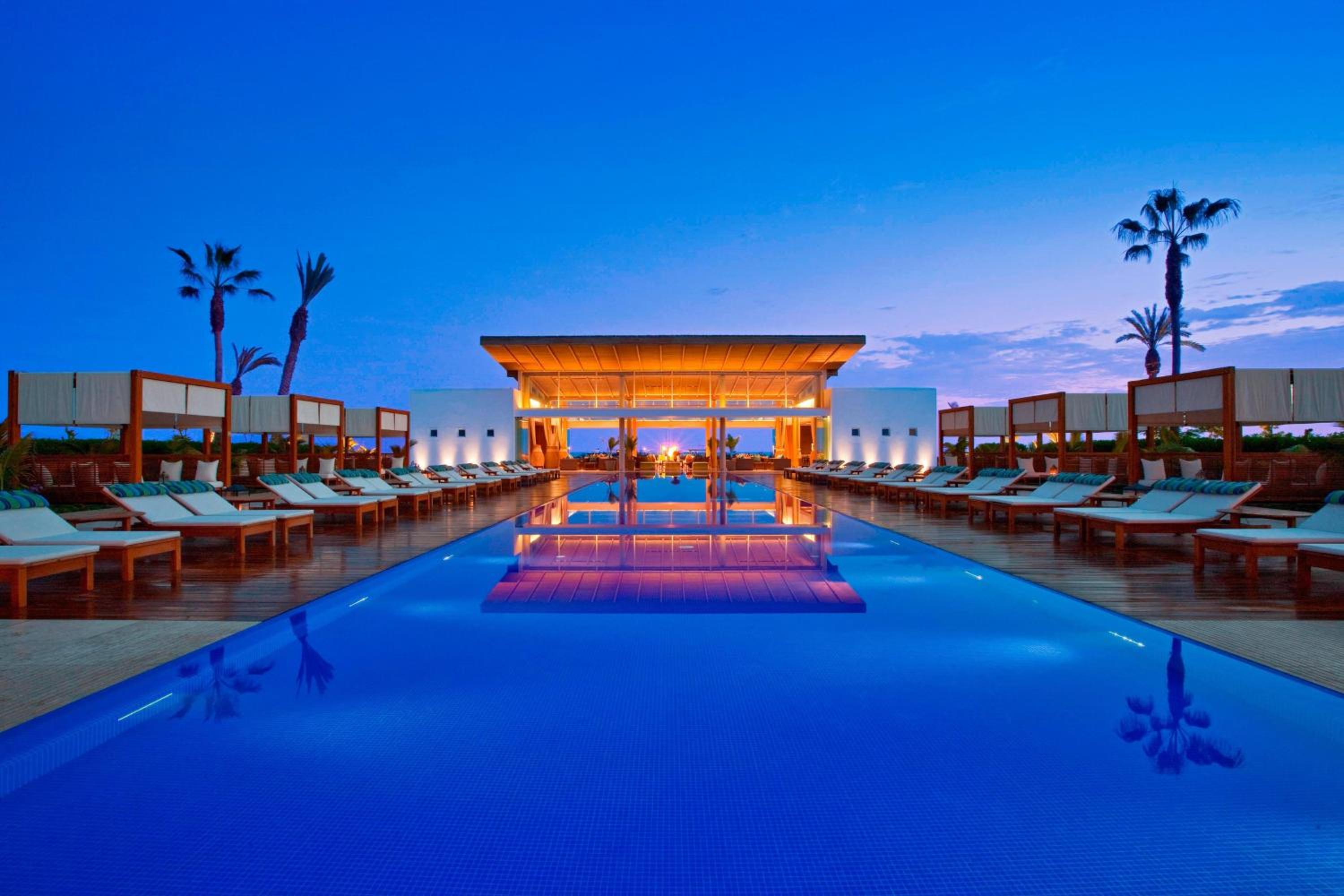
The hostels cluster on and behind the malecón, compact, social and steps from the pier, and the bay hotels south of the village are the pool-and-view alternative for a warmer afternoon. Most travellers give Paracas 2 nights on Stippl, and the bed is booked for the eight o'clock boat rather than the view.
El Chaco and the malecón
Hostels and small hotels behind the harbour front, €8 to €60 a night.
The bay hotels
€70–170
Resort hotels with pools and piers along the bay, €80 to €300 a night.
The Reserve edge
Guesthouses and a few cabins by the park gate, €15 to €50 a night.
Pisco town
Budget hotels near the bus station, €10 to €40 a night.


What to eat in Paracas
The catch of the morning, cured at noon
Scallops grilled with cheese, the bay's specialty
Fish chowder for the windy evenings
Steamed fish stew, fisherman's standard
Ica's spirit is next door
Discover food spots in Stippl
Find restaurants and markets on the map, save them to your itinerary, works offline too.
Paracas customs and what not to do
The colonies are protected
No landing on the islands and engines cut at the arches, and the guides enforce the wildlife rules and mean it.
The Candelabro takes photos
The geoglyph hillside is closed ground, so the boat view is the view and nobody walks up to it.
Fishing-town hours
The town wakes at five with the fleet, and late-night noise is hostel noise rather than local.
The wind has a name
Paracas is the sand-laden afternoon blow that names the place, and the town plans its day around it rather than against it.
Scallops are the dish
Conchas a la parmesana on the malecón are the bay's own, and the ceviche is the morning's catch cured at noon.
The Reserve is a park
A gate fee, a ranger and no shade or shop past the entrance, so the desert is treated as a park rather than a beach road.
Do
- Book the eight o'clock boat the afternoon before
- Cycle the Reserve with water and sun cover
- Eat the scallops on the malecón at sunset
- Do the boat in the morning and Huacachina at sunset
- Check the boat for life jackets before boarding
Don't
- Swim in the bay
- Take the cheapest boat desk on the strip
- Book the ten o'clock boat on a windy day
- Walk into the Reserve without water
- Expect a second day of programme
What a Paracas trip costs
Budget
€22–39
A hostel, menú seafood, the boat and a shared Reserve tour.
Mid-range
€50–95
A bay-view double, terrace ceviche and both tours in a small group.
Comfortable
€130+
The resort strip, kitesurf lessons and pisco at sunset.
Track what you actually spend
Set a daily budget per country and log expenses in any currency while you travel.
Fun facts about Paracas
The guano of the Ballestas Islands off Paracas was once Peru's export gold. The nineteenth-century boom made these bird islands a national industry, and the harvest still runs on a cycle.
The Candelabro at Paracas is a 180-metre geoglyph whose origin is genuinely unknown. It predates reliable records and survives on rainless, wind-shadowed sand above the bay.
The Paracas culture's textiles are among the finest ancient cloth ever recovered. They came out of the necropolis on the peninsula, wrapped around mummies two thousand years old.
The town of Paracas is named for the Paracas wind. The paracas is the sand-laden afternoon blow, and it arrives on schedule every day from about one.
La Catedral arch at Paracas lost its roof to the 2007 Pisco earthquake. The Reserve's most photographed ruin is a recent one, and the viewpoint is where the arch used to be.
Paracas and Huacachina lift each other by nearly two times on Stippl. The strongest pairing of any two Peruvian stops, and 48.5% of the stays here are a single night.
Local tips for Paracas
Walkable except the sights
Both leave from the same three blocks, and the town is a staging area done well.
Cycle the Reserve
The underrated version: flat desert roads, red beaches to yourself and the gate fee as the only cost beyond the rental.
The sea is the hazard
Cold water, real currents and working piers, so the swim happens only where locals do, which is nearly nowhere.
Boat quality follows price
Licensed boats carry vests and radios, and the cheapest desk on the strip is cutting something.
Sun on water doubles
The two-hour boat burns unprepared skin through the cold air, and the Reserve has no shade or shop past the gate.
One night, then the dunes
48.5% of Stippl stops here are a single night and only 0.7% of trips start here, because Lima comes first and Huacachina the same evening.
Paracas questions, answered
For the Ballestas morning alone, yes, and almost everyone agrees: Paracas sits on nearly every southbound loop, almost always right after Lima, and it opens only 0.7% of the trips it appears on, of everyone who plans it on Stippl, because the capital is the door and the boat is the first thing after it.
Yes. 48.5% of stops here are a single night on Stippl, the highest share in Peru, and only 3.5% run to four or more, which is the boat in the morning, the Reserve in the afternoon and the bus to Huacachina, with the bay hotels' pools the only reason to add a night.
Around ten to fifteen euros for the boat plus about five in port and island fees, priced higher on the holiday weekends, from the desks on the malecón. The eight o'clock departure is the one to book, because the wind closes the pier by early afternoon and the ten o'clock boat is the one that gets cancelled.
Both, because they fill different half-days: the boat is the wildlife and the Reserve is the landscape, and the park entry is official and cheap. The Reserve by bicycle is the underrated version. Put both into Stippl as one day, then ask people who have done it in subreddits like r/peru whether the buggy or the bike was the better way round.
Effectively no. The Humboldt current keeps the water cold, the currents are real and the harbour is a working one, so the locals swim nearly nowhere and the bay strip's hotel pools exist for a reason. The sea is for the boat, the kites and the sunset, and the beaches of the Reserve are for walking.
Yes. The boats run at eight in the morning and the dune buggies at sunset, and the two lift each other by nearly two times on Stippl, the strongest pairing in Peru, because travellers run them as one southbound move with the bus in between. Only 10.6% of Paracas plans are made inside a fortnight, since the loop is planned as a whole.
Every guide is written by the Stippl editors and checked against the trips our travellers actually plan. Spotted something out of date? Let us know.

Plan Paracas in Stippl
Day-by-day planning, stays and budget in one app, with every place from this guide already on the map.
Download the app