

Cusco
Cusco was the Inca capital and still looks it, with Spanish churches standing on Inca walls at 3,400 metres. Three nights, the first one slow, then Qorikancha, Sacsayhuamán, the San Pedro market and the Sacred Valley by colectivo before Machu Picchu.
Cusco in a nutshell
Cusco: what to expect
This is what 98,000+ planned stops in Peru on Stippl say about Cusco.
Three nights in Cusco, and the first of them is spent breathing. Qorikancha's sun temple wears the Santo Domingo convent like a hat, Sacsayhuamán's megalithic walls stand above the town with stones fitted tighter than paper, San Blas climbs the hill in workshops and balconies, the San Pedro market sells every potato the Andes grow, and the Sacred Valley runs from here by shared van to Pisac and Ollantaytambo. Most travellers give Cusco 3 nights on Stippl.
Cusco is the base for everything in the south, and the stickiest stop in the country. 37.1% of stops here run four nights or more, of everyone who plans it on Stippl, the highest share of any Peruvian city, and it opens only 4.4% of the trips it appears on, because Lima is the front door and the altitude wants a slow approach, with Machu Picchu, the Inca Trail and Rainbow Mountain all staged from here.
Sleep in San Blas for the views or on the flat strip near Avenida El Sol for the first night, drink the coca tea, walk slowly and skip the alcohol on day one, and use the colectivos for the valley rather than the tours. Skip flying in for a single night, which is the classic mistake, and skip February if the Inca Trail is the point, because it is closed for the month.
Plan Cusco in Stippl
Day-by-day planning, stays and budget in one app, with every place from this guide already on the map.
Download the appWho Cusco is for
History travellers
The densest Inca and colonial fabric anywhere, four ruin sites on the city's own hill, and the Sacred Valley an hour away by shared van.
First-timers on the trail
The gringo-trail infrastructure is complete: agencies, hostels, English menus and every onward connection to Machu Picchu and Puno.
Trekkers
The Inca Trail, Salkantay, Lares and Ausangate all stage from here, and the city is where the acclimatising happens before any of them.
Slow travellers
37.1% of Stippl stops here run four nights or more, the highest share in Peru, because the valley and the treks keep adding days.
Food travellers on a budget
Market menús for a couple of euros at San Pedro up to serious Andean tasting rooms, with cuy and alpaca on both ends.
Early planners
A typical Cusco plan on Stippl is made 102 days ahead, and the Machu Picchu tickets and the trail permits are why.
Maybe not for you: anyone who cannot spend days at altitude, because the city has no low-altitude version of itself and 3,400 metres is felt by nearly everyone; and anyone flying in for one night, which is the classic mistake and the one the acclimatising rules exist for.
The best time to visit Cusco
The dry season
May to September
Sun by day, cold nights near freezing, every trail open and every festival on, with June to August the crowd peak at Machu Picchu and Inti Raymi in the middle of it.
The shoulders
April and October
The dry season's edges, with the hills still green in April and the crowds thinner in October, and September the single busiest month on Stippl just before.
The wet season
November to March
Afternoon storms, muddy trails and the citadel in cloud, at its worst in January and February when the Inca Trail is closed, but the city is cheaper and quiet.
Festival weeks
June and around Easter
Corpus Christi, Inti Raymi and Semana Santa close the centre and change every schedule, and the rooms double, so the dates are checked before anything tight.
- Most travellers give Cusco 3 nights on Stippl, and 37.1% of stops run four or more. One slow day for the altitude, one for the city, one for the valley, and the treks add their own days.
- Only 9.9% of Cusco plans on Stippl are made inside a fortnight, and 28.3% half a year out. Machu Picchu needs two to three months and the Inca Trail six, so the lead is the citadel's.
- September is the busiest month on Stippl, and the last clear one. The rains begin in November, so the trip that wants both dry trails and thinner crowds lands in late September or October.
- The Inca Trail closes for all of February. The Ministry of Culture shuts the network for maintenance and reopens it on the first of March, while Machu Picchu itself and Salkantay stay open.
- Inti Raymi on 24 June fills the city. The fortress stands sell out and the rooms go weeks ahead at double the rate, so the trip either comes for it or takes the week after.
- The Sacred Valley markets run on Sundays. Pisac and Chinchero fill with Quechua villagers in dress on Sunday mornings, so the valley day is fixed on the calendar before the rest.
Add your Cusco dates and we'll flag the weather
Stippl shows the season, crowds and prices for every stop on your route.
Describe your trip, get a Cusco itinerary in seconds
Everything in this guide is already in Stippl. Tell the planner how long you have and what you like: it builds the route, the days and the travel times, and you edit whatever you want.
Things to do in Cusco
The Plaza de Armas at dusk
The cathedral and the Compañía lit, arcades all round, the town's living room and the place to sit on the first slow evening at altitude.
Qorikancha
The sun temple's perfect stonework under the Santo Domingo convent, the single best place to read the conquest, and not on the tourist ticket.
Sacsayhuamán
The megalithic fortress above town on the tourist ticket's first circuit, stones fitted tighter than paper; walk up or taxi up and walk down past Cristo Blanco.
San Blas on foot
Workshops, balconies, steep lanes and the view over the roofs that explains why people stay a week, with the cafes for the climb back.
The San Pedro market
Juice row, menú row and every potato the Andes grow, the cheapest lunch in the city and the one everyone remembers.
The Sacred Valley by colectivo
Pisac's market and ruins and Ollantaytambo's living Inca town, both on the tourist ticket, an hour away by shared van from named streets.
The areas of Cusco
San Blas
The artisan hill
The steep quarter above the Plaza with the workshops, the cafes, the balconies and the best views in the city, the independent scene and the prettiest streets. For character and the view.
The prettiest streets and the best rooms, but a climb at altitude every time.
Centro Histórico
The colonial-Inca core
The blocks around the Plaza de Armas with the cathedral, the arcades, the agencies and the restaurants, where everything radiates from the square. For a first visit.
Everything within a few flat blocks, though the club noise runs late around the Plaza.
San Pedro
The market quarter
Around the market: local, loud, cheap and real, with the cheapest menús in town and the buses to the valley leaving from the streets behind it. For budgets and food.
The market and the cheapest food, but rougher at night than the Plaza side.
Wanchaq and Avenida El Sol
The flat strip
The modern avenue running down towards the station, with banks, chain hotels and the Puno and valley transport, where the walking is flat. For the first night and practical stays.
Flat walking on arrival at altitude, and no character to speak of.
See every Cusco neighbourhood on one map
Save the areas you like and Stippl plots your days so you're not crossing the city twice.
Where to stay in Cusco
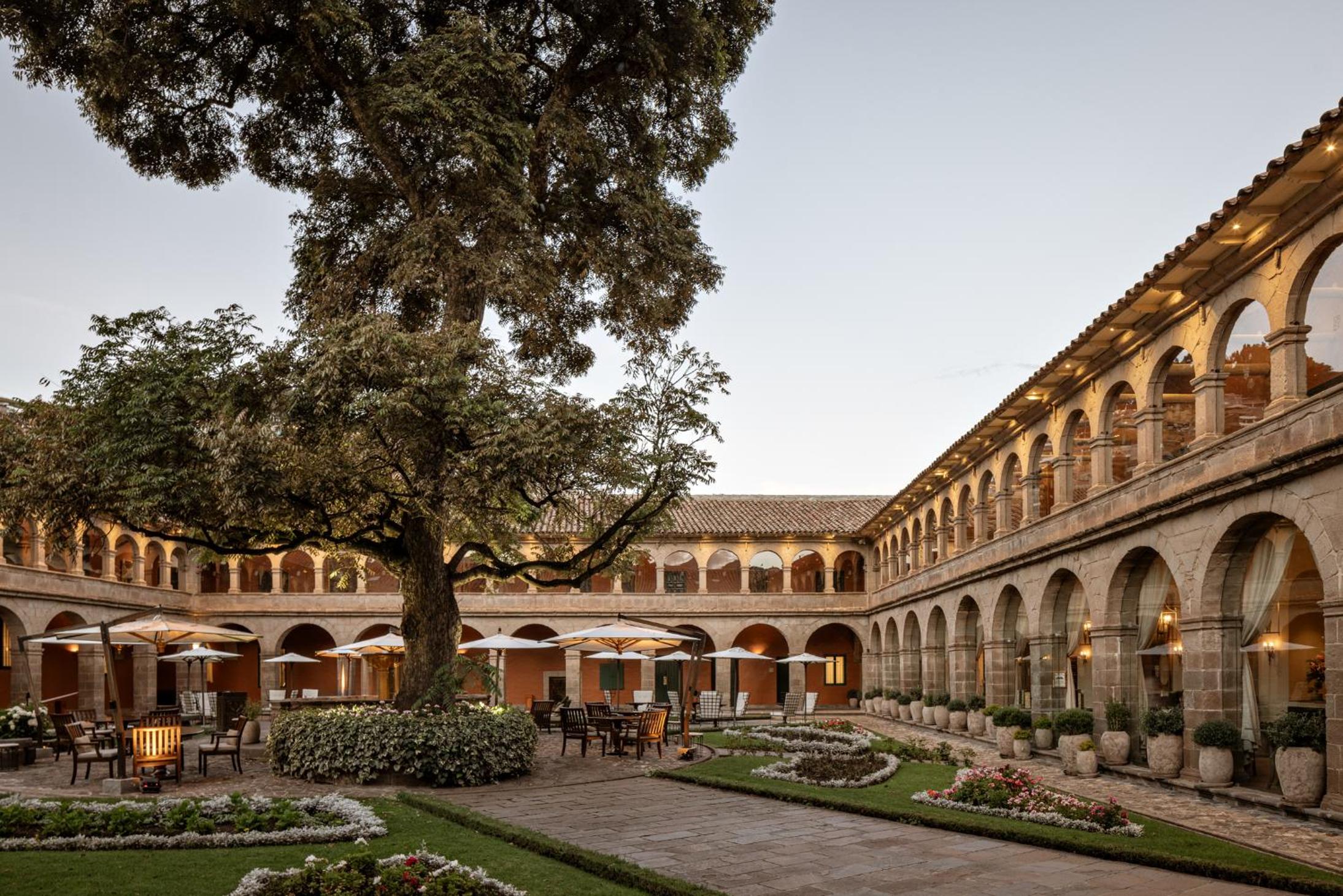
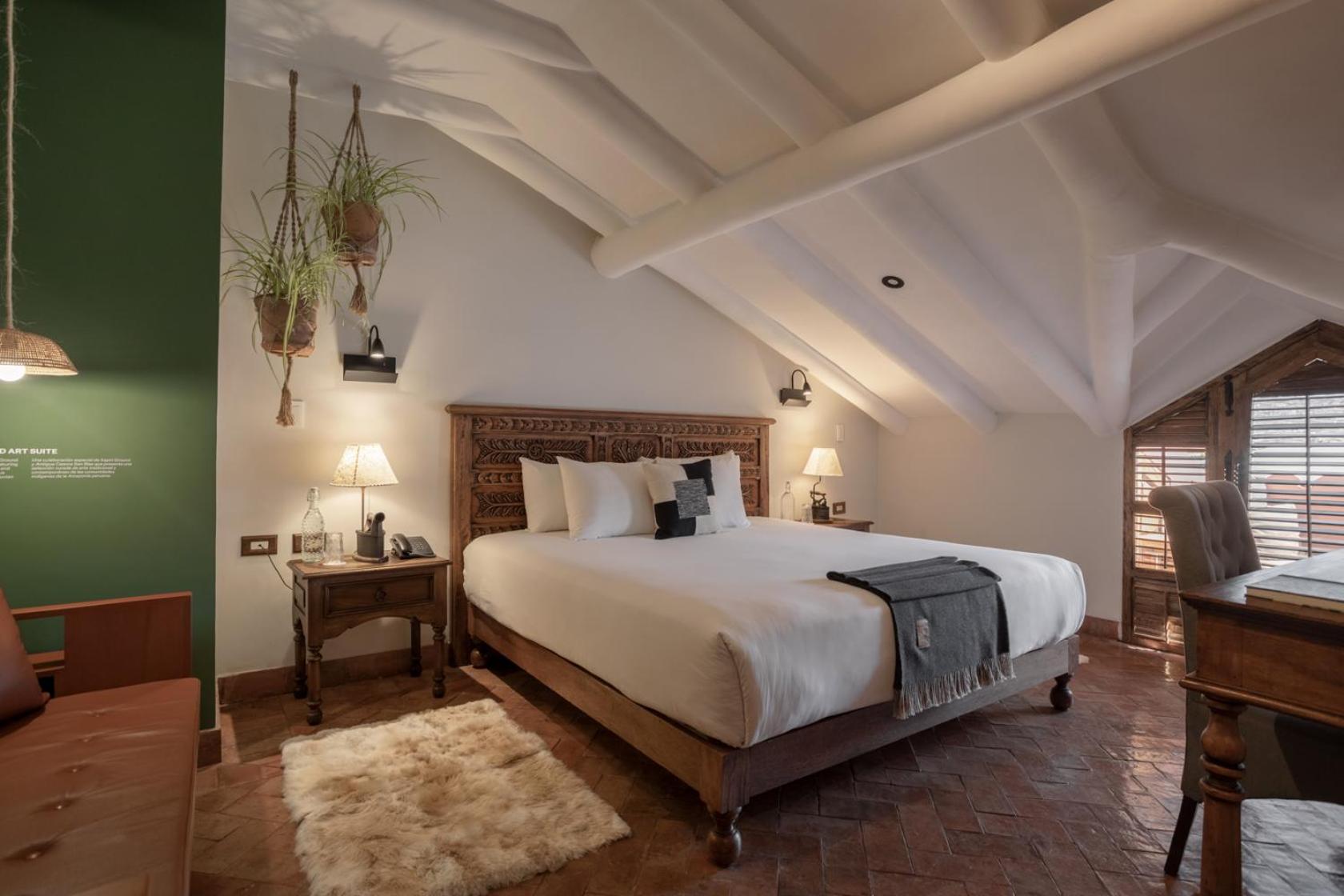
Sleep on the flat strip near Avenida El Sol for the first night at altitude, then move up to San Blas for the views and the cafes, and use the Plaza side if the trek pick-ups matter. Most travellers give Cusco 3 nights on Stippl, and the converted monasteries around the centre are the rooms people remember.
San Blas
€22–80
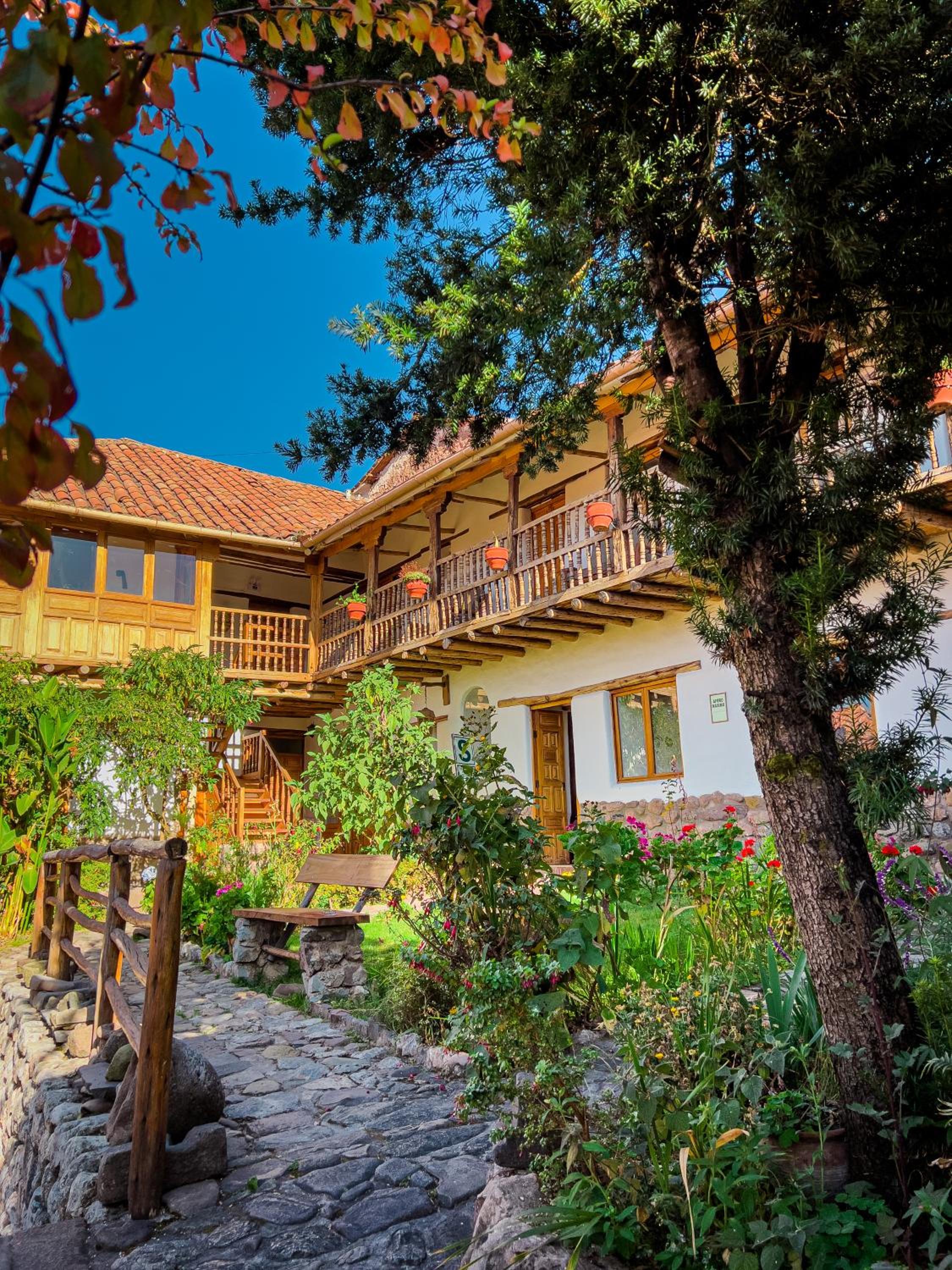
Boutique guesthouses and hostels on the slope, €10 to €120 a night.
Centro Histórico
€26–105
Converted-monastery hotels and mid-range rooms by the Plaza, €30 to €300 a night.
San Pedro
€13–43
Hostels and budget rooms around the market, €6 to €40 a night.
Wanchaq and Avenida El Sol
Chain hotels and flat, practical mid-range rooms, €35 to €90 a night.


What to eat in Cusco
Roast guinea pig, the Andean ceremony dish
Lean steak, the everyday Andean red meat
Cusco's cold festival plate: cuy, chicken, sausage, cheese, corn
Giant Andean corn with cheese
Coca-leaf tea, the altitude ritual
Discover food spots in Stippl
Find restaurants and markets on the map, save them to your itinerary, works offline too.
Cusco customs and what not to do
Quechua is alive here
The market and the villages run in it, and a sulpayki for thank you lands better than any Spanish in the highlands.
Ask before photographing
The women in traditional dress with llamas around the Plaza make their living from it, the going rate is a few soles, and the polite move is to agree it first.
Festivals own the streets
Corpus Christi, Inti Raymi and Semana Santa close the centre and change every schedule, so the calendar is checked before any tight plan.
The churches are working
The cathedral and the convents hold regular services, and mass times are checked before a visit rather than interrupted.
Coca tea is the welcome
Every hotel offers it on arrival and it is the altitude ritual, but it does not replace a slow first day and it cannot leave the country.
Ticket in circuits
The tourist ticket covers sixteen sites over ten days or one circuit at a time, and Qorikancha and the cathedral sit outside it on their own.
Do
- Take the first day slowly, with water, coca tea and no alcohol
- Buy the tourist ticket by circuit if only Sacsayhuamán and the valley are on the plan
- Use the colectivos from the named streets for the valley
- Check the festival calendar before booking the rooms
- Walk up to Sacsayhuamán and down past Cristo Blanco
Don't
- Fly in for a single night and go straight to Machu Picchu
- Photograph the llama women without agreeing the price
- Take a street taxi after dark; use radio or app taxis
- Book the Inca Trail in February; it is closed
- Confuse the station with the town; the trains leave from the valley
What a Cusco trip costs
Budget
€17–30
A hostel dorm, market menús, colectivos to the valley, one circuit of the tourist ticket.
Mid-range
€43–80
A San Blas double, restaurant dinners, a guided valley day, the train in standard class.
High-end
€155+
A converted-monastery hotel, private guides, the train in the good seats, oxygen in the room.
Track what you actually spend
Set a daily budget per country and log expenses in any currency while you travel.
Fun facts about Cusco
Inca walls in Cusco fit without mortar so tightly that paper will not slide in. The twelve-angled stone on Hatunrumiyoc is the one everybody photographs.
Cusco was laid out in the shape of a puma, with Sacsayhuamán as the head. The Plaza de Armas sits where the body would be, and the rivers were channelled to draw the outline.
The Qorikancha's walls were once sheeted in gold. The Spanish stripped it and built the Santo Domingo convent directly on top, and the curved Inca wall still holds the whole thing up.
Cusco is by the usual measures the oldest continuously inhabited city in the Americas. The Killke people were here before the Inca, and the city has never been abandoned since.
Earthquakes in 1650 and 1950 levelled colonial Cusco and left the Inca foundations standing. The reconstructions after both went back onto the same stones.
Cusco holds 19.26% of every stop planned in Peru on Stippl. Only Lima has more, and Lima is the airport rather than the reason.
Local tips for Cusco
The station is not in town
The Machu Picchu trains leave from Poroy or, mostly, Ollantaytambo in the valley, so the connection is planned rather than the ticket alone.
Colectivos are the bloodstream
Shared vans leave when full from named streets, cost pocket change and beat any tour for flexibility in the Sacred Valley.
The risks are in order
Altitude first, taxis at night second, and drink-related petty theft around the Plaza's clubs third; the city itself is safe by big-city standards.
Soroche ignores fitness
Altitude sickness hits regardless of how fit you are, so the acclimatising rules are the safety advice here, doubly so before a trek.
Radio taxis after dark
The standard Peru taxi caution applies, softened by the city's small size, and the hotel will call one.
Three nights, planned early
Most travellers give Cusco 3 nights on Stippl and only 9.9% of plans are made inside a fortnight, because the citadel tickets set the clock.
Cusco questions, answered
Three covers the city and a valley day on a humane altitude curve, and the data agrees: most travellers give Cusco 3 nights on Stippl and 37.1% of stops run four or more, the highest share in Peru, because the treks and Machu Picchu are staged from here.
Nearly everyone feels something the first day at 3,400 metres: headache, breathlessness on stairs and poor sleep. A slow first day, coca tea, water and no alcohol manage it for most people, the gentler route in climbs via Arequipa, and the classic mistake is flying in for one night.
Yes if Sacsayhuamán and any Sacred Valley ruins are on the plan: the full ticket covers sixteen sites over ten days and the single circuit covers the hill above town. The cathedral and Qorikancha are sold separately, and Qorikancha is the one nobody should skip.
No. The citadel is half a day away through the valley and by train from Ollantaytambo, capped and timed, and the base camp is here. A typical Cusco plan on Stippl is made 102 days ahead because of it, so put Cusco in as three nights before the citadel, then ask people who have done it in subreddits like r/peru whether the valley deserves a night of its own.
May or September, dry-season weather either side of the July and August peak, and the busiest month here on Stippl is September, 12.0% of plans. February is the wettest month and the Inca Trail is closed for all of it, and the festivals in June double the rooms.
Both. The modern official spelling is Cusco, and the older Cuzco survives everywhere, including on thousands of the stops travellers have planned here on Stippl; the airport code is CUZ, and the locals answer to either.
Every guide is written by the Stippl editors and checked against the trips our travellers actually plan. Spotted something out of date? Let us know.

Plan Cusco in Stippl
Day-by-day planning, stays and budget in one app, with every place from this guide already on the map.
Download the app