

Arequipa
Arequipa is the White City, built of pale volcanic sillar under three volcanoes at 2,335 metres, and the gentlest step up in altitude on the way to Cusco. Two nights for Santa Catalina, a picantería lunch and the arches at Yanahuara, two more if the Colca condors are on the plan.
Arequipa in a nutshell
Arequipa: what to expect
We read 98,000+ planned stops in Peru on Stippl to see how Arequipa really gets planned.
Two nights covers Arequipa's centre, and Colca adds two more. Santa Catalina is a walled convent city in orange and indigo that opens at nine, the picanterías serve rocoto relleno and ocopa in wood-smoke courtyards at lunch, the sillar arches at Yanahuara frame El Misti at sunset for free, Juanita the frozen Inca girl is presented with unusual gravity at the Museo Santuarios Andinos, and the condors ride the Colca thermals at eight in the morning a long day's drive away. Most travellers give Arequipa 2 nights on Stippl.
Arequipa is the circuit's tell, and the acclimatisation rung on the way up. Arequipa opens only 1.4% of the trips it appears on, of everyone who plans it on Stippl, and a plan with it predicts Paracas, Puno, Huaraz and Huacachina at one and a half times the usual rate, which is the full southern loop showing its hand; 26.3% of Arequipa trips stay inside Peru, the highest share of the big Peruvian stops.
Sleep in a converted sillar casona in the centre or across the river in Yanahuara, take the monastery at opening time, eat at a picantería at lunch rather than dinner, and go up to Colca on the two-day tour with a slow climb over the pass. Skip Arequipa on the seven-day Lima to Cusco sprint, since it is the first stop short trips cut, and skip a dinner picantería, because the tradition is a midday one and the doors are shut by evening.
Plan Arequipa in Stippl
Day-by-day planning, stays and budget in one app, with every place from this guide already on the map.
Download the appWho Arequipa is for
Circuit travellers
A plan with Arequipa on it predicts Paracas, Puno, Huaraz and Huacachina at one and a half times the usual rate on Stippl.
Food travellers
The picantería tradition is Peru's oldest restaurant culture and its cheapest serious food, with rocoto relleno, ocopa and chicha at lunch.
Trekkers warming up
Colca's canyon treks and the two-day summit of El Misti stage from here, at friendlier altitudes than anything out of Cusco.
History travellers
Santa Catalina's convent city and Juanita, the frozen Inca mummy, in one compact sillar centre that is walkable in ten blocks.
Altitude planners
At 2,335 metres it is the textbook middle rung between the coast and Cusco, and almost nobody feels sick here.
Peru-only travellers
26.3% of Arequipa trips on Stippl stay inside Peru, the highest share of the big stops, because the loop it sits on is a Peruvian one.
Maybe not for you: anyone on the seven-day Lima to Cusco to Machu Picchu sprint, because Arequipa is the first stop short trips cut and it sits on under half of Peru trips; and anyone who wants the coast, since the city is a full day inland.
The best time to visit Arequipa
The dry season
April to October
Sunny, clear and the same twenty-two degrees nearly every day, with the volcanoes sharp above the roofs and the Colca road open, and September the busiest month on Stippl.
The peak weeks
July and August
The same weather with the Cusco crowds passing through, the casonas fuller and the Colca tours booked a day or two ahead rather than on the morning.
The green months
November to March
Afternoon showers and the one month with real rain in February, the canyon greener and the condors less reliable, but the city itself barely changes.
Fiesta weeks
15 August, and Easter
The city's anniversary fills the centre with parades and the rooms with Peruvians, and Semana Santa closes the churches to visitors for the processions.
- Most travellers give Arequipa 2 nights on Stippl, and 24.1% of stops are a single night. Two covers the city, and Colca on the two-day tour brings the stay to four.
- Only 10.4% of Arequipa plans on Stippl are made inside a fortnight. The city itself needs nothing booked, but it sits on the loop that Machu Picchu times, so the lead is Cusco's.
- September is the busiest month on Stippl, and the last clear one. The crowds thin in October while the weather holds, so the shoulder is the fortnight to take.
- The condors keep office hours. They ride the Colca thermals between about eight and ten in the morning, so the tour sleeps in Chivay or Cabanaconde and drives to the viewpoint at dawn.
- The Colca road crosses 4,900 metres. Higher than anything in Cusco's tourist orbit, so the standard two-day tour handles it with coca tea and a slow climb, and a day trip does not.
- Sunday morning is adobo. The one culinary appointment with a fixed time in the city, and the picanterías that serve it are full by ten.
Add your Arequipa dates and we'll flag the weather
Stippl shows the season, crowds and prices for every stop on your route.
Describe your trip, get a Arequipa itinerary in seconds
Everything in this guide is already in Stippl. Tell the planner how long you have and what you like: it builds the route, the days and the travel times, and you edit whatever you want.
Things to do in Arequipa
 Photo by Sergio Benavides via Pexels
 Photo by Ed Wingate via Unsplash
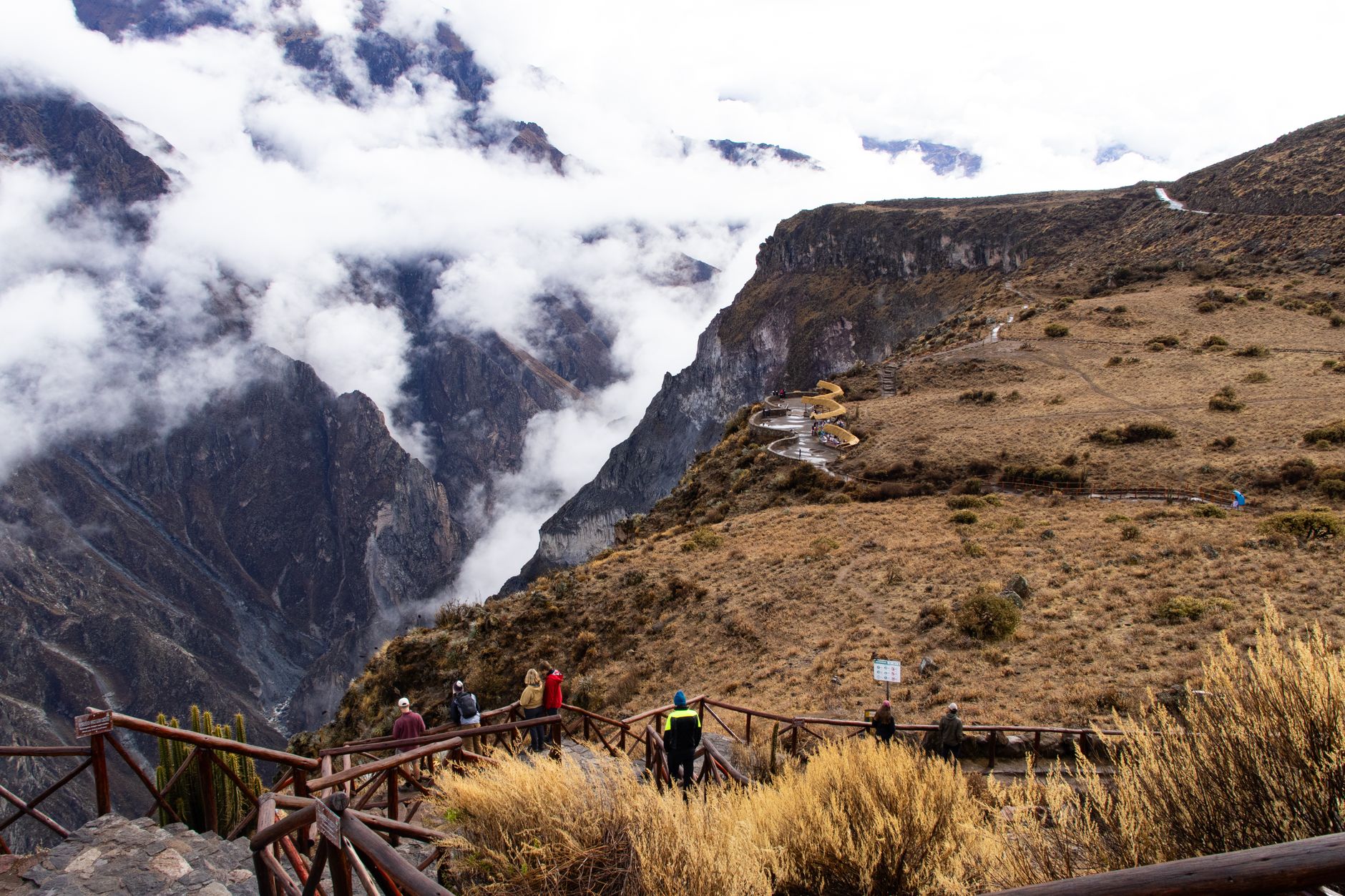 Photo by Ernesto Rosas via Pexels
Santa Catalina at opening time
The orange-and-indigo convent city, a walled town of lanes and cloisters that housed hundreds of nuns and stayed closed until 1970, best before the light hardens and worth two hours at least.
A picantería lunch
Rocoto relleno, ocopa and chicha in a wood-smoke courtyard, the region's whole identity on one table, at midday because the tradition keeps lunch hours.
Yanahuara at sunset
The sillar arches framing El Misti across the river, free and ten minutes from the Plaza, with the picanterías of the district for the evening.
Juanita
The frozen Inca girl sacrificed on Ampato five centuries ago, presented with unusual gravity at the Museo Santuarios Andinos on a guided visit.
The Colca Canyon
Condors at Cruz del Cóndor at eight in the morning above one of the deepest canyons in the world, on a two-day tour or a three-day trek into it, and the reason many people came.
The San Camilo market
The iron hall with the juice ladies, the cheese counters and the queso helado, the city's kitchen a few blocks from the Plaza.
The areas of Arequipa
Centro Histórico
The sillar core
The Plaza de Armas colonnades, Santa Catalina, the cathedral and the casona hotels, all within ten flat blocks of white stone. For a first visit.
Everything within ten flat blocks, but the traffic and the touts run around the Plaza.
Yanahuara
The quieter base
The hillside district across the river with the arches viewpoint, quiet lanes and the picanterías, a fifteen-minute walk from the centre. For a calmer night.
The Misti view through the arches and the food, though the centre is a walk or a taxi away.
San Lázaro
The oldest quarter
The narrow sillar alleys north of the Plaza where the city began, with small courtyards and a village feel a few blocks from the cathedral. For a second visit.
The oldest lanes in the city, and almost no rooms to sleep in.
Vallecito and Selva Alegre
The leafy edge
The residential streets by the park, calm, green and walkable to the centre, with the mid-range hotels and the cafes. For longer stays.
Calm and green with the park at the door, but nothing to see once you are there.
See every Arequipa neighbourhood on one map
Save the areas you like and Stippl plots your days so you're not crossing the city twice.
Where to stay in Arequipa
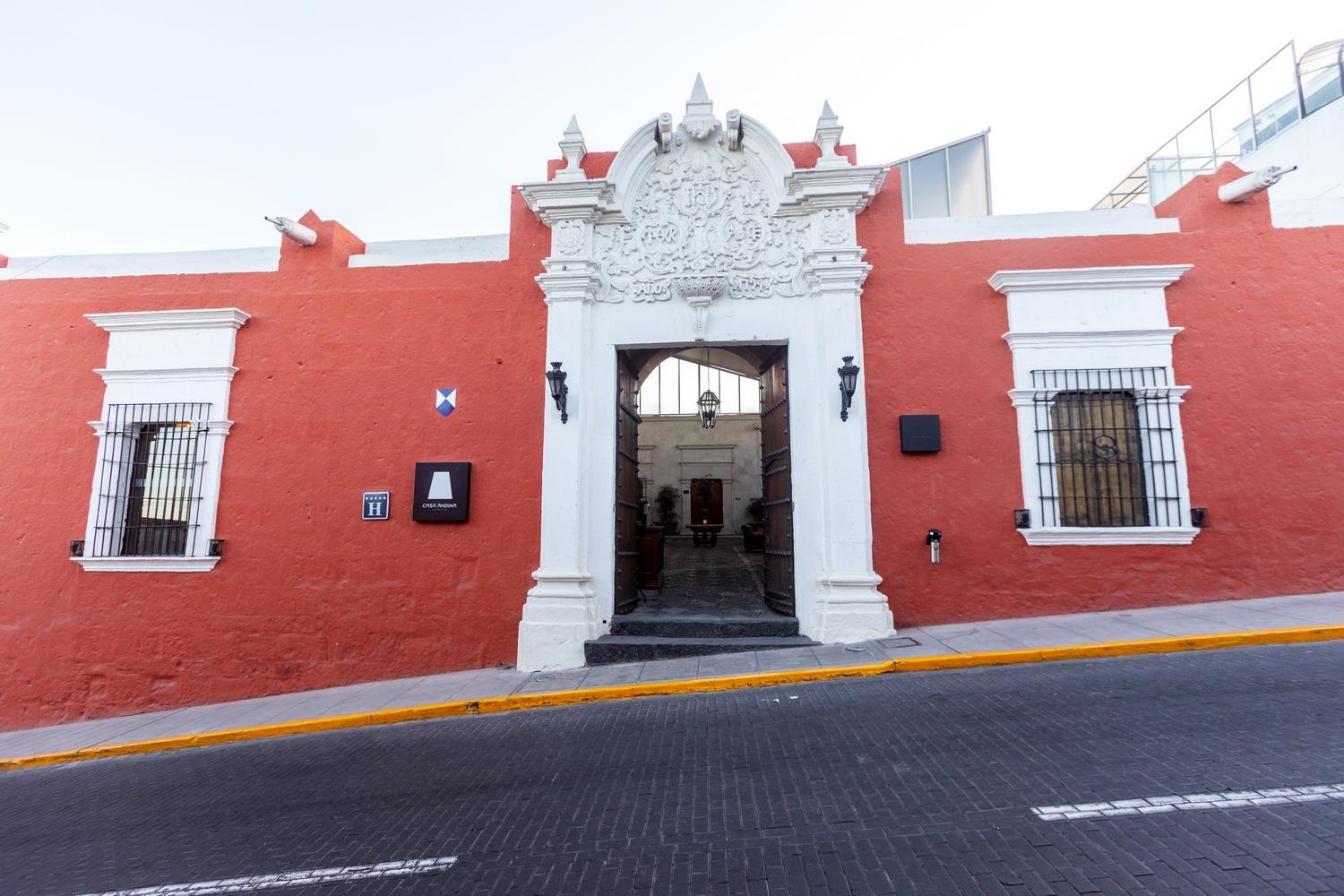
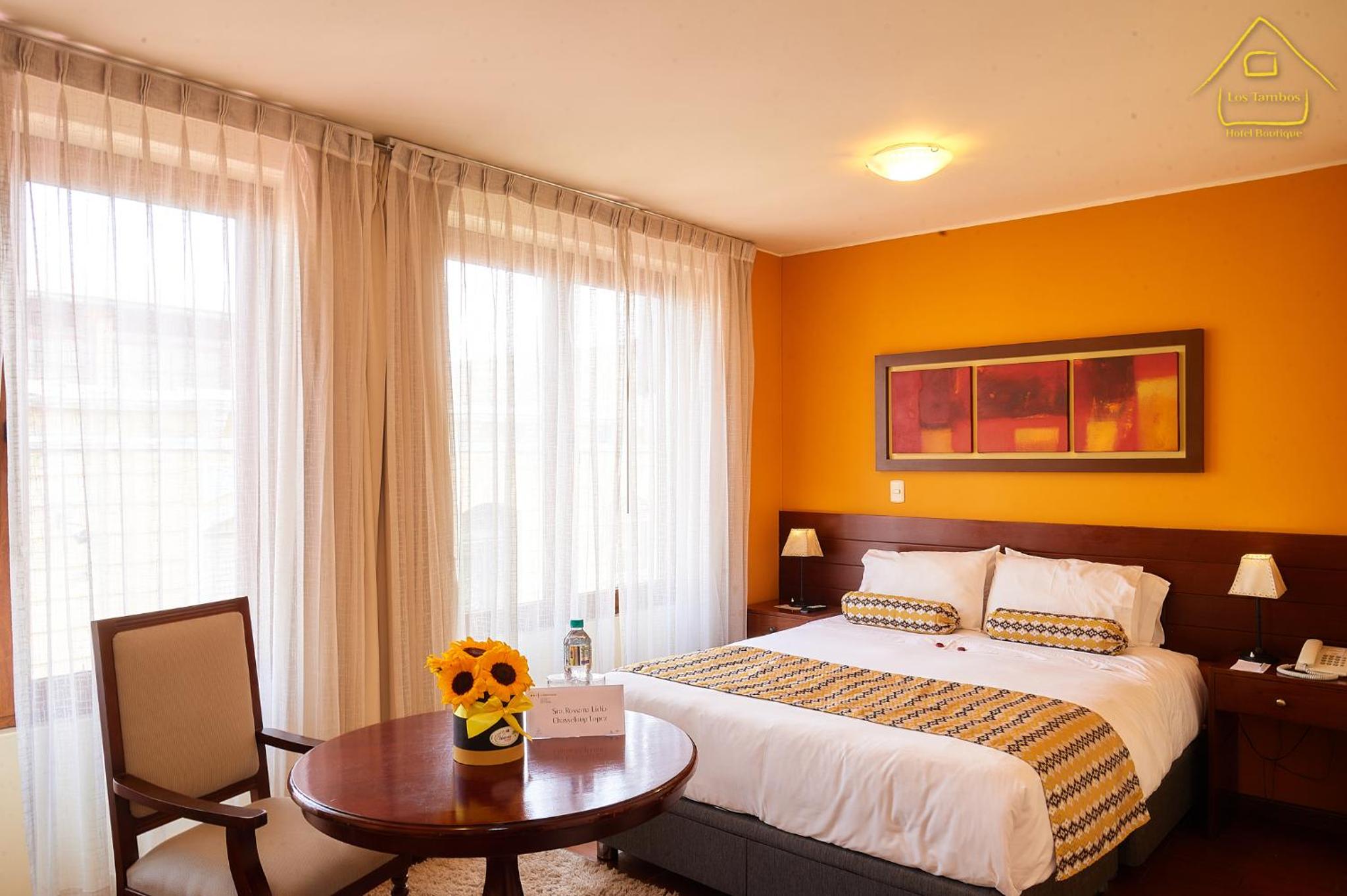
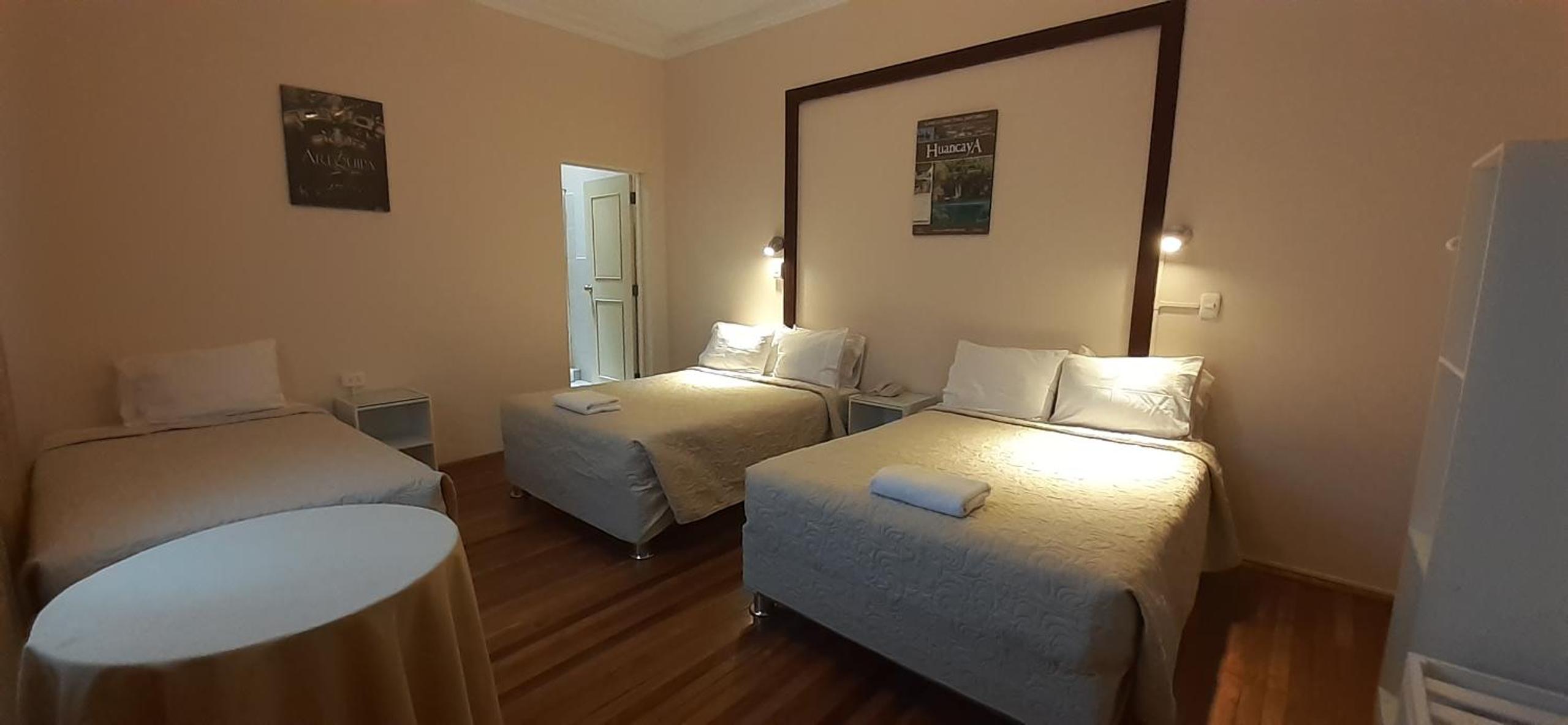
Sleep in a casona if you can, one of the converted sillar mansions with courtyards that are the city's signature stay at boutique rather than luxury prices, in the centre or across the river in Yanahuara. Most travellers give Arequipa 2 nights on Stippl, and the Colca night is spent up in the canyon rather than here.
Centro Histórico
€22–80
Casona hotels, hostels and mid-range rooms around the Plaza, €8 to €150 a night.
Yanahuara
€22–60
Small guesthouses and a few boutique hotels, €20 to €90 a night.
San Lázaro
A handful of courtyard rooms in the old alleys, €25 to €70 a night.
Vallecito and Selva Alegre
Mid-range hotels by the park, €30 to €80 a night.


What to eat in Arequipa
A hot rocoto pepper stuffed with spiced beef, baked under cheese
River-prawn chowder, the region's grand dish
Pork stewed overnight in chicha; the Sunday-morning dish
Cinnamon "cheese ice" street dessert (no cheese)
Potatoes under a huacatay-peanut sauce
Discover food spots in Stippl
Find restaurants and markets on the map, save them to your itinerary, works offline too.
Arequipa customs and what not to do
Civic pride is the sport
Arequipa considers itself distinct from Lima and quietly superior to it, and enjoying the rivalry out loud is welcomed rather than resented.
Picanterías keep lunch hours
The tradition runs from midday into the afternoon, so arriving for dinner misses the institution and finds the doors shut.
Sunday is adobo day
Pork stewed overnight in chicha and eaten in the morning, the one culinary appointment in the city with a fixed time.
The stone is the heritage
The centre's sillar is quarried from the volcanoes around it and the UNESCO listing names the stone itself, so the white is the point.
Juanita is a person
The frozen girl at the museum was a sacrifice and is presented as one, and the guided visit is quiet by design.
The volcano has a name
El Misti stands over every street and the city treats it as a neighbour, monitored and drilled for, rather than a backdrop.
Do
- Take Santa Catalina at opening time and give it two hours
- Eat at a picantería at lunch, not dinner
- Walk to Yanahuara for the arches at sunset
- Go up to Colca on the two-day tour with a slow climb
- Sleep in a casona with a courtyard
Don't
- Turn up at a picantería in the evening
- Do Colca as a day trip over the high pass
- Skip the museum because a mummy sounds grim
- Cut Arequipa from a two-week trip; it is the first stop the short ones lose
- Compare the city to Lima out loud, unless in Arequipa's favour
What a Arequipa trip costs
Budget
€17–30
A hostel dorm, picantería lunches, the monastery and the walk to Yanahuara.
Mid-range
€39–70
A colonial-courtyard double, restaurant dinners and the two-day Colca tour.
High-end
€130+
The casona hotels, a private Colca with a driver and the volcano guides.
Track what you actually spend
Set a daily budget per country and log expenses in any currency while you travel.
Fun facts about Arequipa
Santa Catalina in Arequipa covers more than 20,000 square metres. A walled convent city that housed up to 450 people, and it stayed closed to the public until 1970.
The sillar of Arequipa's centre is quarried from the surrounding volcanoes. The UNESCO listing in 2000 names the stone itself, which is why the city is white rather than painted.
Juanita, the Ice Maiden of Arequipa, was found on Ampato's summit in 1995. Freeze-preserved for five centuries, and the museum keeps her at the temperature of the mountain.
The picantería tradition of Arequipa is recognised as cultural heritage of the nation. The courtyards, the wood smoke and the lunch-only hours are all part of the listing.
The flag and anthem of Arequipa predate most of Peru's. The independent-republic joke has paperwork behind it, and the locals will tell you so.
Arequipa on a plan predicts Puno and Paracas at 1.5 times the norm. On Stippl it is the stop that reveals the whole southern circuit, more reliably than Cusco does.
Local tips for Arequipa
The bus terminal is the door
Most arrivals are overland on the southern circuit, and the night buses from Lima, Cusco and Nazca all land before breakfast.
Colca's road tops 4,900 metres
Higher than anything in Cusco's tourist orbit, so the two-day tour handles it with coca tea and a slow climb, and the day trip does not.
The safest of the big three
A compact, walkable and well-lit centre where standard city sense suffices, and the taxis after dark come by app or radio.
Altitude bites on the road
The city sits at a gentle 2,335 metres, and the pass and the canyon treks are where soroche and overexertion catch people.
Volcanic and seismic country
El Misti is monitored and the city drills, and the cathedral has fallen twice, so the earthquake instructions in the room are not decoration.
Two nights, inside the loop
Most travellers give Arequipa 2 nights on Stippl and only 1.4% of trips start here, so it comes after the coast and before the lake.
Arequipa questions, answered
If the trip has more than a week, without argument: the prettiest centre in the country, the best-value food and the canyon. Only 1.4% of the trips it appears on start here, of everyone who plans it on Stippl, because the people who come are doing the full southern loop and the sprint trips cut it first.
Two nights for the city and four with Colca: most travellers give Arequipa 2 nights on Stippl and 24.1% of stops are a single night, which is the monastery and a picantería before the night bus on. The canyon needs the two-day tour on top, with the night up in Chivay.
Yes. At 2,335 metres it is the textbook middle rung between the coast and Cusco or Puno, almost nobody feels sick here, and many feel Cusco less for having stopped. The Colca road is the exception, crossing a pass at 4,900 metres, which is why the tour climbs slowly with coca tea.
The two-day tour for the condors and the villages, with the night in Chivay and the viewpoint at dawn; the two- or three-day trek into the canyon for legs that want it. Both are booked in town a day ahead, and 25.1% of Arequipa plans on Stippl are made half a year out for the loop rather than the canyon.
April to October, and honestly most of the year, since this is Peru's most even and sunny city at twenty-two degrees nearly every day; February is the one month with real rain. September is the busiest month on Stippl, and the fortnight after it holds the weather with fewer people.
Rocoto relleno and ocopa at a picantería at lunch, queso helado on the Plaza in the afternoon, chupe de camarones if the river prawns are in, and adobo on Sunday morning. Put the picantería into Stippl as a lunch rather than a dinner, then ask people who have eaten there in subreddits like r/peru which courtyard they would go back to.
Every guide is written by the Stippl editors and checked against the trips our travellers actually plan. Spotted something out of date? Let us know.

Plan Arequipa in Stippl
Day-by-day planning, stays and budget in one app, with every place from this guide already on the map.
Download the app