

Huaraz
Huaraz is a base camp with a bus station, eight hours north of Lima at 3,050 metres under the highest tropical mountain range on earth. Four nights at least: two to acclimatise, one for Laguna 69, and the Santa Cruz trek if the legs and the calendar allow.
Huaraz in a nutshell
Huaraz: what to expect
Our travellers have planned 98,000+ stops in Peru on Stippl. That is where the numbers here come from.
Nobody does Huaraz in a hurry, and four nights is the working minimum. Laguna 69 is the turquoise lake under Chacraraju at 4,600 metres after a pre-dawn bus and a hard climb, the Santa Cruz trek runs four days over the Punta Unión pass with no permits and no caps, Laguna Parón is the bigger, closer, gentler lake that doubles as the acclimatisation day, Pastoruri is a melting glacier you can drive to, and Wilcacocha lines the whole white range up at golden hour. Most travellers give Huaraz 3 nights on Stippl.
No Peruvian stop holds people longer than Huaraz, and the people it holds are the continent's deep travellers. 44.7% of stops here run four nights or more, of everyone who plans it on Stippl, the highest share in the country, and only 19.3% of Huaraz trips stay inside Peru, the lowest of any Peruvian stop, because the people who ride eight hours north for the mountains are the ones doing Ecuador and Colombia too.
Sleep near the Parque Ginebra where the agencies and the gear are, spend two days low before any lake, book Santa Cruz with a certified operator in town rather than the cheapest desk, and take the day-hike buses at their painful hours. Skip October to April, since the rain hides the peaks and closes the passes in practice, and skip Huaraz on a ten-day Lima to Cusco sprint, because the eight-hour bus each way does not compress.
Plan Huaraz in Stippl
Day-by-day planning, stays and budget in one app, with every place from this guide already on the map.
Download the appWho Huaraz is for
Trekkers and climbers
Laguna 69, Santa Cruz, Huayhuash and the 6,000-metre summits: this is Peru's mountain capital, and the guides barely mention anything else.
Deep-circuit travellers
Only 19.3% of Huaraz trips on Stippl stay inside Peru, the lowest share in the country, because the mountains draw the people doing the continent.
Acclimatisation planners
At 3,050 metres with day-hike ladders above it, the town is a self-contained altitude school before Cusco or the big treks.
Long stayers
44.7% of Stippl stops here run four nights or more, the highest share in Peru, because every lake needs an acclimatised day.
Glacier watchers
Pastoruri is a melting giant at 5,000 metres reached by road, sobering and part of the valley's climate story.
Early risers
The lake buses leave at three to five in the morning to beat the afternoon cloud, and the town goes to bed early by necessity.
Maybe not for you: the rainy-season visitor, because October to April washes out the point and hides the peaks; and anyone on the ten-day Lima to Cusco sprint, since the eight-hour bus each way and the two acclimatisation days do not compress into a weekend.
The best time to visit Huaraz
The dry season
May to September
The only real season, with clear mornings, the passes open, the lakes at their bluest and the afternoon cloud building on schedule; September is the busiest month on Stippl.
The peak weeks
July and August
The same weather with the European and Peruvian holidays in it, the Santa Cruz groups fuller and the hostels' gear desks busier, so the trek is booked a few days ahead.
The shoulders
April and October
The passes still workable but the afternoons wetter, the peaks in cloud by noon and the guides honest about which days will hold.
The wet season
November to March
Rain most afternoons, the high routes closed in practice and the lakes grey, with the town quiet and the mountains hidden for days at a time.
- Most travellers give Huaraz 3 nights on Stippl, and 44.7% of stops run four or more. Two days to acclimatise, one for Laguna 69 and one in hand for the weather, before any trek is added.
- Only 10.5% of Huaraz plans on Stippl are made inside a fortnight. Nothing here needs a permit, but the eight-hour bus and the acclimatisation days mean the stop is planned into the loop rather than improvised.
- Everything leaves painfully early. The day-hike buses go at three to five in the morning to beat the afternoon cloud, and the town's rhythm is early to bed by necessity.
- The season is binary. May to September works, the wet months hide the peaks and close the passes in practice, and the guides in town will say so before taking the money.
- Santa Cruz needs no permit and no cap. Four days over the Punta Unión pass at 4,750 metres, booked in town two or three days ahead with a certified operator rather than the cheapest desk.
- The park fee runs by the day or the three days. Huascarán National Park charges at the entrance, and the multi-day ticket is the one to buy if Laguna 69 and Parón are both on the plan.
Add your Huaraz dates and we'll flag the weather
Stippl shows the season, crowds and prices for every stop on your route.
Describe your trip, get a Huaraz itinerary in seconds
Everything in this guide is already in Stippl. Tell the planner how long you have and what you like: it builds the route, the days and the travel times, and you edit whatever you want.
Things to do in Huaraz
 Photo by Jeremiah Berman via Unsplash
 Photo by Ed Wingate via Unsplash
Laguna 69
The turquoise lake at 4,600 metres under Chacraraju: a three in the morning bus, a hard three-hour climb and the most photographed water in Peru, and nobody's day one.
The Santa Cruz trek
Four days over the Punta Unión pass with the Paramount Pictures peak, Artesonraju, from below, no permits and booked in town, the wilder and cheaper answer to the Inca Trail.
Laguna Parón
The bigger, closer and gentler lake at the end of a road, the acclimatisation day that is also a destination, with the granite spire of Pirámide above it.
The Pastoruri glacier
The melting giant at 5,000 metres, reached by road and a short walk, sobering and part of the valley's climate story, with the guides honest about how far it has retreated.
The Huayhuash circuit
Eight to ten days on the hardest classic in the Andes, for the acclimatised and committed, with the lakes below Siula Grande and the passes above 5,000 metres.
Wilcacocha at sunset
The easy hill across the valley with the whole white range lined up at golden hour, a half day from town and the walk that fits the first afternoon.
The areas of Huaraz
The centre and Parque Ginebra
The base camp
The agencies-and-cafes core around the plaza, with every trek desk, gear rental and early breakfast within three blocks of the pedestrian square. For everyone.
Every desk and gear shop within three blocks, but the horns and the buses start before dawn.
Jirón José Olaya and the east
The quiet streets
The older lanes east of the centre with the mountain views from the rooftops, the Sunday crafts street and fewer horns, ten minutes from the plaza. For longer stays.
The Huascarán panorama from the rooftops, though the agencies are a walk away.
The valley villages
The down-valley bases
Caraz and Yungay an hour north along the Callejón de Huaylas, at gentler prices and a local pace, closer to some trailheads and calmer at night. For repeat visitors.
Closer to Parón and calmer nights, but a bus from the trek desks and the gear.
Monterrey
The thermal baths
The village seven kilometres north with the hot springs, a few lodges in gardens and the valley road outside, for legs that have come off a trek. For the recovery night.
The hot springs on the doorstep, and a taxi from anything else.
See every Huaraz neighbourhood on one map
Save the areas you like and Stippl plots your days so you're not crossing the city twice.
Where to stay in Huaraz
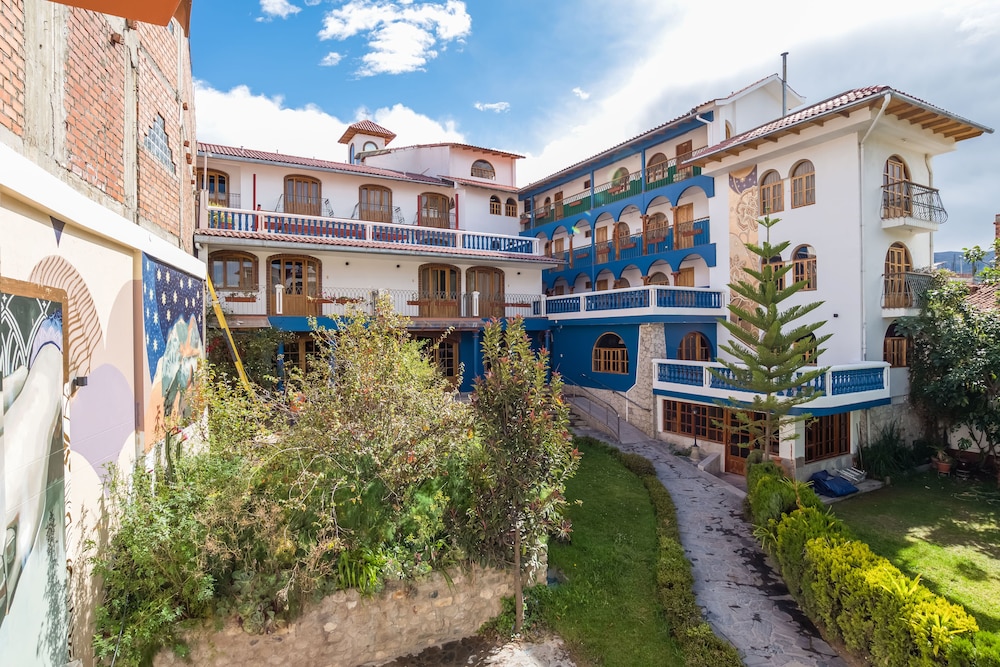
Hostels are trekking infrastructure here, with luggage storage while you hike, gear rental desks, four in the morning breakfasts and trek noticeboards, and the guides rank them by those services rather than their bars, so sleep near the Parque Ginebra. Most travellers give Huaraz 3 nights on Stippl, and the trek nights are spent in a tent.
The centre and Parque Ginebra
Trekking hostels and mid-range hotels around the plaza, €6 to €60 a night.
Jirón José Olaya and the east
Guesthouses with rooftop views in the quieter lanes, €10 to €45 a night.
The valley villages
Family guesthouses and lodges in Caraz and Yungay, €8 to €50 a night.
Monterrey
Lodges with gardens by the hot springs, €30 to €100 a night.


What to eat in Huaraz
Meat and tubers earth-baked under hot stones
Farmed river trout, the valley staple
Wheat-and-hen soup, the highland warmer
Hot maize drinks for pre-dawn departures
The trekking-town breakfast institution
Discover food spots in Stippl
Find restaurants and markets on the map, save them to your itinerary, works offline too.
Huaraz customs and what not to do
Hire local
Guides, cooks and arrieros with their mules are the valley's economy, and booking in town with certified operators keeps the money in it.
The mountains are apus
Respected elders rather than scenery: offerings at the passes are living practice, and the cairns are left alone.
Spanish only past the desks
English thins fast outside the agency core, and the trek crews, the market and the buses run in Spanish and Quechua.
Pay the middle
The cheapest trek desk cuts guides, acclimatisation pacing or mule welfare, and the shared advice of everyone who has walked here is to pay the middle price.
The lakes are for looking
Cold shock at 4,600 metres is no joke, swimming is banned in most of them, and the guides will say so at the shore.
The earthquake is still here
The Yungay avalanche buried a town and the valley's memorials carry it, so the subject is treated with care rather than as a sight.
Do
- Spend two days low before Laguna 69
- Book Santa Cruz in town with a certified operator
- Take the three in the morning bus and be off the high ground by early afternoon
- Walk Wilcacocha on the first afternoon for the range
- Rent the gear in town rather than carrying it from home
Don't
- Attempt Laguna 69 straight off the Lima bus
- Take the cheapest trek desk
- Swim in the glacial lakes
- Come between October and April expecting to see the peaks
- Move the cairns or the offerings at the passes
What a Huaraz trip costs
Budget
€17–30
A hostel, menú lunches, the Laguna 69 day tour and the park fee.
Trekking
€34–80
A guided Santa Cruz or Huayhuash all in, per day, with guide, mules and food.
Comfortable
€60–105
A lodge bed, private acclimatisation hikes and good coffee.
Track what you actually spend
Set a daily budget per country and log expenses in any currency while you travel.
Fun facts about Huaraz
The Cordillera Blanca above Huaraz is the highest tropical mountain range on earth. Huascarán at 6,768 metres is Peru's highest peak, and the range holds more than thirty summits above 6,000.
Artesonraju above the Santa Cruz route from Huaraz is held to be the Paramount peak. The studio has never confirmed it, and every guide in town says it anyway.
The 1970 Ancash earthquake near Huaraz caused the western hemisphere's deadliest single disaster. The avalanche it triggered buried Yungay, and the valley's memorials carry it.
Huaraz calls itself the Switzerland of South America. The comparison is made seriously in the Dutch guides, and the glaciers and the lakes make it less of a stretch than it sounds.
Huaraz holds the longest stays and the longest itineraries in Peru on Stippl. 44.7% of stops run four nights or more, the double that no other Peruvian destination holds.
The Santa Cruz trek from Huaraz crosses Punta Unión at 4,750 metres. Higher than Dead Woman's Pass on the Inca Trail, with no permit, no cap and no ruins at the end.
Local tips for Huaraz
Everything leaves early
The day-hike buses go at three to five in the morning to beat the afternoon cloud, and the town's rhythm is early to bed by necessity.
The bus ride is the intro
The Callejón de Huaylas road runs the length of the range with the white peaks stacking up the east side, so the window seat matters.
Altitude is serious here
Day hikes reach 4,600 metres and altitude sickness on Laguna 69 is routine among the unacclimatised, so the two-day minimum before hiking is safety advice rather than preference.
Afternoon weather turns fast
The three in the morning starts exist to be off the high ground by the daily cloud build-up, and the guides turn people round when it comes early.
Choose certified operators
The cheapest desk cuts guides, acclimatisation pacing or mule welfare, and the shared advice is to pay the middle.
Four nights, and often more
Most travellers give Huaraz 3 nights on Stippl and 44.7% of stops run four or more, because every lake needs an acclimatised day.
Huaraz questions, answered
Four at minimum: two to acclimatise, one for the big lake and one in hand for the weather, and the data agrees. Most travellers give Huaraz 3 nights on Stippl and 44.7% of stops run four or more, the longest stays in Peru, because the trek adds its own days on top.
A fit person's hard day at altitude: about seven kilometres up to 4,600 metres after a three in the morning bus. Acclimatised, it is glorious; straight off the Lima bus, it is misery, and the park fee is paid at the gate. Laguna Parón is the gentler lake for the first day.
Different products: Santa Cruz from Huaraz is wilder, cheaper, permit-free and ruin-free, four days over the Punta Unión pass with no cap, and many trekking guides quietly prefer it. The Inca Trail ends at Machu Picchu, which is the whole argument for it, and it is booked six months out.
May to September, and it is binary: the dry months give clear mornings and open passes, the wet months from October to April hide the peaks and close the high routes in practice. September is the busiest month on Stippl, and only 10.5% of Huaraz plans are made inside a fortnight.
Honestly marginal. Laguna Parón and Pastoruri are drive-up beautiful and Wilcacocha is a walk, but the town serves hikers, and only 19.3% of Huaraz trips on Stippl stay inside Peru because the people who come are the continent's most thorough travellers rather than the sightseers.
By the eight-hour bus from Lima, day or night, up the Callejón de Huaylas; there is no useful airport, and the bus is the plan. Put Huaraz into Stippl as four nights north of Lima before the southern loop, then ask people who have done both in subreddits like r/peru whether Huayhuash is worth the extra week.
Every guide is written by the Stippl editors and checked against the trips our travellers actually plan. Spotted something out of date? Let us know.

Plan Huaraz in Stippl
Day-by-day planning, stays and budget in one app, with every place from this guide already on the map.
Download the app