

Lima
Lima is Peru's only front door, a desert city on a cliff above the Pacific where the food is the headline and the districts are the map. Two nights on the Miraflores and Barranco strip, a cevichería at noon, the Larco, and the centre by day before the flight to Cusco.
Lima in a nutshell
Lima: what to expect
98,000+ stops in Peru have been planned on Stippl. Here is what they say about Lima.
Most people give Lima two nights, and the food is what earns a third. The Malecón runs ten kilometres of clifftop parks from Miraflores to Barranco with paragliders overhead, the Larco Museum turns the rest of Peru's ruins into a story you can follow, a cevichería at noon serves the national dish at source, Huaca Pucllana is a pre-Inca pyramid marooned inside the Miraflores grid, and the San Francisco catacombs stack bones under the colonial centre. Most travellers give Lima 2 nights on Stippl.
Lima is the front door and often the back door too, and it is a city of districts rather than a centre. 44.1% of the trips it appears on start here, of everyone who plans it on Stippl, and 52.7% either start or finish here, because it has the country's only intercontinental airport, while 39.4% of stops are a single night, which is the flight to Cusco the next morning.
Sleep in Miraflores or Barranco, move between districts by ride app and within them on foot, book the tasting menu months out if that is the point, and give the colonial centre a daytime half day. Skip the street taxis, since the unmarked cabs are the city's main scam surface, and skip the beach expectation, because the sea is cold all year and the winter is grey fog.
Plan Lima in Stippl
Day-by-day planning, stays and budget in one app, with every place from this guide already on the map.
Download the appWho Lima is for
Food travellers
The tasting-menu tier booked months out, the cevicherías, the markets and the cooking classes; food is the reason the city holds people at all.
First-timers in South America
Organised, serviced and legible, with the country's best hotels and the softest landing, and 44.1% of Stippl trips through Lima start here.
History travellers
Pre-Inca pyramids inside the city grid, the Larco's three thousand years of ceramics, colonial mansions and the catacombs.
Surfers and paragliders
A year-round city break with waves below the cliff and paragliding off the Malecón, in a wetsuit rather than shorts.
Overnight travellers
39.4% of Stippl stops here are a single night, and the Miraflores strip makes even that one worth the taxi from the airport.
Route builders
52.7% of the trips Lima appears on either start or finish here, of everyone who plans it on Stippl, so the Peru loop is bookended here.
Maybe not for you: beach travellers, because the sea is cold all year and the winters are grey; and anyone hoping to walk between districts, since the colonial centre and the coastal strip are ten kilometres apart and the traffic rules it out.
The best time to visit Lima
Coastal summer
December to April
Warm, sunny and humid, with the Malecón at its best and the sea at its least cold, the inverse of the Andean calendar and the reason a January trip lands here first.
The garúa
May to September
The persistent grey fog and drizzle that hides the sun for weeks: not real rain, since the city gets almost none, but a grey capital exactly when the Andes are dry.
The shoulders
October, November and April
The fog thinning or thickening, mild days and the city quieter, with September the busiest month on Stippl just before the spring shoulder.
Fiestas Patrias
28 and 29 July
Independence days, when Peruvians travel at once and the flights and buses out of Lima fill with domestic demand, so the connection to Cusco is booked ahead.
- Most travellers give Lima 2 nights on Stippl, and 39.4% of stops are a single night. One day for the coast and the food, one for the centre and the Larco, and the flight to Cusco on the morning after.
- 44.1% of the trips through Lima start here, of everyone who plans it on Stippl. The airport is the only intercontinental one in the country, so the first night lands here whatever the plan.
- The tasting menus are booked months out. Central, Maido and Kjolle release tables far ahead and the good ones go on the day they open, so the dinner is fixed before the flights.
- The Andes and the coast run on opposite calendars. A June to August trip buys perfect Cusco weather and a grey Lima, and a January trip buys a sunny Lima and a wet citadel.
- Only 10.0% of Lima plans on Stippl are made inside a fortnight. The city is planned with the rest of Peru, and the Machu Picchu tickets set the lead time for all of it.
- The new airport terminal changes the arrival. Everything moved to the new Jorge Chávez terminal in June 2025, the old walk-out tricks no longer exist, and the ride is arranged before landing.
Add your Lima dates and we'll flag the weather
Stippl shows the season, crowds and prices for every stop on your route.
Describe your trip, get a Lima itinerary in seconds
Everything in this guide is already in Stippl. Tell the planner how long you have and what you like: it builds the route, the days and the travel times, and you edit whatever you want.
Things to do in Lima
 Photo by Jan Kronies via Unsplash
 Photo by Mark Kuiper via Unsplash
 Photo by Alvaro Palacios via Unsplash
The Malecón at golden hour
Ten kilometres of clifftop parks from Miraflores to Barranco, paragliders overhead and the Pacific below, free, and the city's best hour of the day.
The Larco Museum
The pre-Columbian collection in Pueblo Libre that turns the rest of Peru's ruins into a story you can follow, with the erotic gallery and the garden cafe.
A cevichería lunch
The national dish at source, at noon, when the fish is freshest and the locals eat it, in Miraflores or at a market counter for a fraction of the price.
Huaca Pucllana
A pre-Inca adobe pyramid marooned inside the Miraflores street grid, guided visits only, and startling at night when it is lit for the restaurant beside it.
San Francisco and the catacombs
The colonial monastery's bone-stacked crypts under the centre, with the library upstairs and the Plaza Mayor a block away for the changing of the guard.
Barranco on foot
The Bridge of Sighs, the street art, the MATE photography museum and a pisco sour where the poets drank, an evening's walk from Miraflores along the cliff.
The areas of Lima
Miraflores
The default base
The polished clifftop district with the Malecón parks, Larcomar, Huaca Pucllana and most of the hotels, safe, walkable and ocean-facing, where the food scene concentrates. For a first visit.
Safe, walkable and where the restaurants are, but the least Peruvian district in the city.
Barranco
The bohemian quarter
Next door along the cliff, with the street art, the Bridge of Sighs, the galleries and the bars, the prettiest walking and the best evening out. For nightlife and art.
The best evening in the city, though the nights are loud at the weekend.
Centro Histórico
The colonial core
The UNESCO centre with the Plaza Mayor, San Francisco's catacombs and the Casa de Aliaga, visited by most and slept in by few, by day and with nothing flashing. For a half day.
The colonial city and the catacombs, but a daytime visit rather than a base.
San Isidro
The quiet green district
The financial district and El Olivar's olive grove, residential and calm, near everything by taxi and far from any noise. For families and business.
Calm, green and safe, and a taxi from anything a visitor came for.
Pueblo Libre
The museum quarter
The Larco and the National Museum with local restaurants around them, at local prices and without the drive back at night. For museum days.
The Larco on the doorstep, though the evenings are quiet and the coast is a ride away.
See every Lima neighbourhood on one map
Save the areas you like and Stippl plots your days so you're not crossing the city twice.
Where to stay in Lima
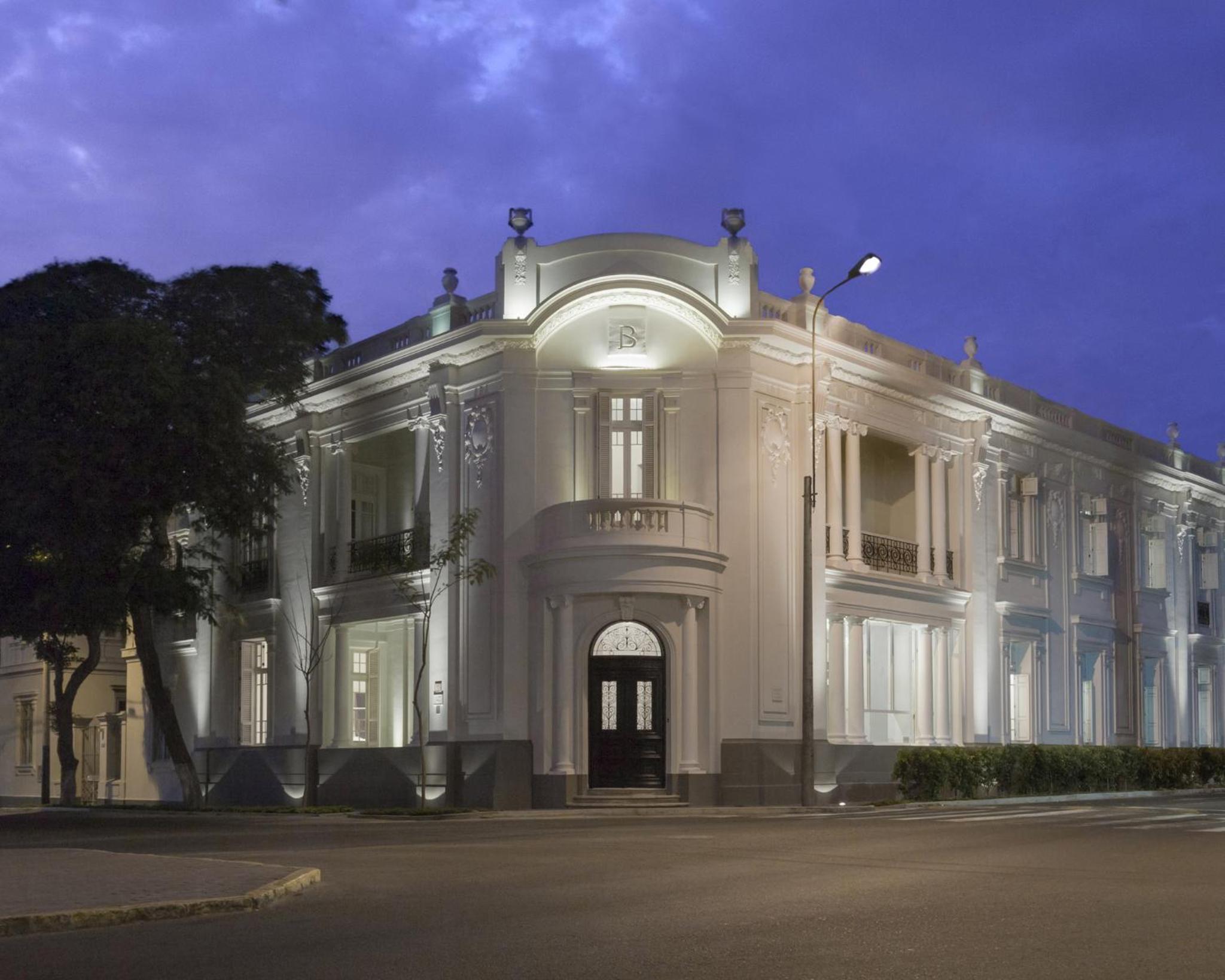
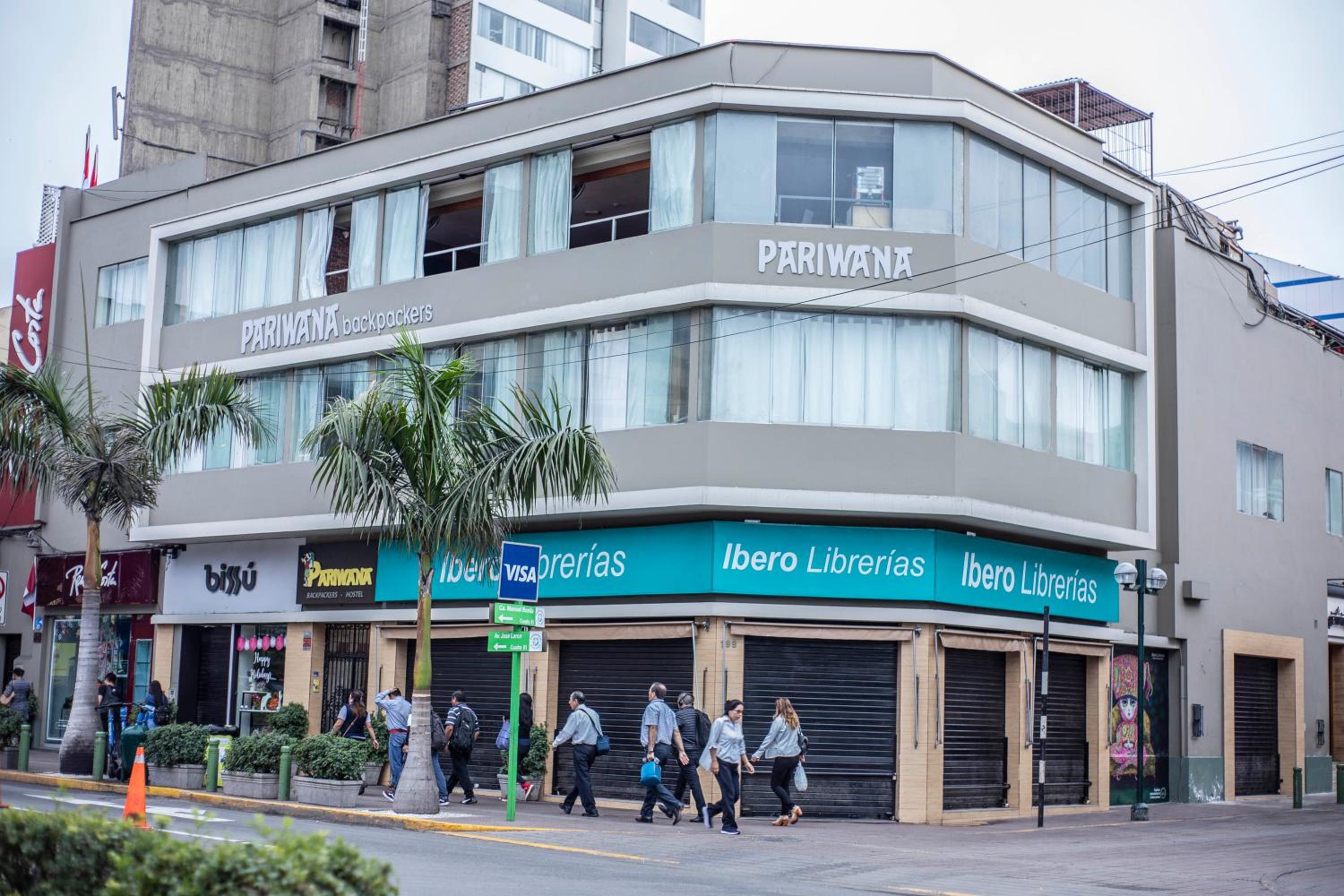
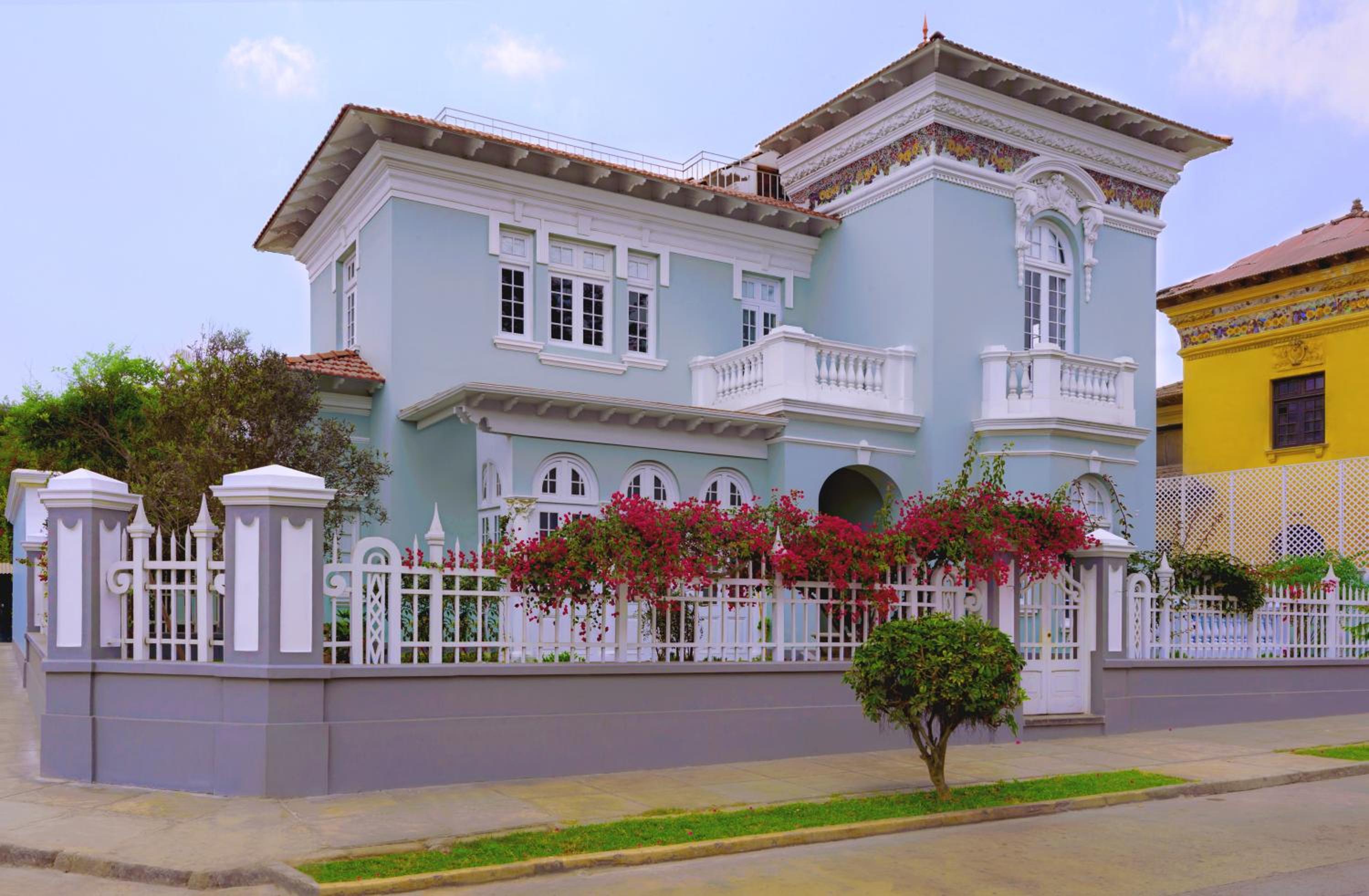
Sleep in Miraflores for the safety, the walking and the food, in Barranco for the character and the evening, and in San Isidro only if calm matters more than either. Most travellers give Lima 2 nights on Stippl, and nearly every hostel and hotel list starts on the Miraflores cliff for a reason.
Miraflores
€43–130
Hostels, boutique hotels and the international chains on the cliff, €12 to €250 a night.
Barranco
€34–105
Design hotels and guesthouses in old mansions, €25 to €180 a night.
Centro Histórico
€22–60
A few colonial hotels and budget rooms, €15 to €80 a night.
San Isidro
€50–140
Business hotels and quiet upmarket rooms, €70 to €300 a night.
Pueblo Libre
€26–70
Guesthouses and small hotels near the museums, €20 to €60 a night.


What to eat in Lima
Raw fish cured in lime, ají and onion; the national dish at its source
Beef stir-fry over chips and rice, the Chinese-Peruvian classic
Layered cold potato and ají terrine
The national cocktail; egg white, lime and pisco
Grilled beef-heart skewers, street classic
Discover food spots in Stippl
Find restaurants and markets on the map, save them to your itinerary, works offline too.
Lima customs and what not to do
Timing is Limeño
Lunch is the main meal and runs late, from one to three, and dinner starts at eight at the earliest in anything local, so a six o'clock table is a tourist table.
Spanish first
Outside tourist Miraflores, English thins fast, and a few phrases change every interaction, at the market counter and in the taxi alike.
Smart-casual at the top
Lima's tasting rooms are relaxed by European standards, so the dress code is smart-casual rather than formal, and the booking is what matters.
Districts, not a city
Miraflores, Barranco and San Isidro are safe on foot, the centre wants daytime visits with no phone out, and Callao and the outer districts are not tourist ground.
The servicio line
Mid-range and upmarket restaurants often add service to the bill, so the receipt is checked before a second tip goes on the table.
Ceviche is a lunch
The cevicherías serve it at midday when the fish is fresh, and many close by four; a dinner ceviche is a compromise the locals do not make.
Do
- Eat ceviche at noon and dinner after eight
- Walk the Malecón at golden hour and Barranco after dark
- Use ride apps between districts and feet within them
- Book the tasting menu before the flights
- Give the colonial centre a daytime half day
Don't
- Hail a street taxi, at the airport least of all
- Walk between Miraflores and the centre; it is ten kilometres of traffic
- Carry a phone in the hand in the centre or on a bus
- Expect a swim; the sea is cold all year
- Tip twice when the servicio is already on the bill
What a Lima trip costs
Budget
€22–34
A dorm in Miraflores, menú del día lunches, walking and one museum.
Mid-range
€50–85
A boutique double, a cevichería lunch, a proper dinner out and the ride apps.
High-end
€170+
A design hotel on the cliff, the tasting menus, guided everything and a private airport transfer.
Track what you actually spend
Set a daily budget per country and log expenses in any currency while you travel.
Fun facts about Lima
Lima gets under 13 millimetres of rain a year. It is the second-largest desert city on earth after Cairo, and the grey winter is fog rather than rain.
The University of San Marcos in Lima is the oldest operating university in the Americas. It was founded in 1551 and has never closed, and Harvard came eighty-five years later.
Huaca Pucllana is a pre-Inca pyramid standing inside the Miraflores street grid. It was built by the Lima culture around the year 500 and the apartment blocks grew up around it.
The San Francisco catacombs in Lima hold an estimated 25,000 burials. They were the city's cemetery until the early nineteenth century, and the bones are arranged in patterns.
Central in Lima has been named the best restaurant in the world. The city regularly places several restaurants on the world's fifty best list, and the tasting menus are booked months out.
44.1% of the trips through Lima start here, of everyone who plans it on Stippl. Only one in five stops in Peru is planned here, but almost every trip begins with one.
Local tips for Lima
The airport is new
All operations moved to the new Jorge Chávez terminal in June 2025, three times the old size, and the old walk-out tricks no longer exist, so the ride is arranged before landing.
Ride apps, not street taxis
Every backpacker note repeats it: unmarked taxi scams and worse are common enough that the apps are the default, and the authorised desk at the airport is the alternative.
Buses are not for luggage
Crowded at rush hour with pickpocketing risk, fine for a day trip with nothing on you, and never for the airport run.
The centre by day only
The colonial centre wants daytime visits and no phone out on the street, and the coastal districts are the ones to walk at night.
Taxis are the scam surface
Unmarked cabs overcharge at best, so the app or the authorised desk covers both the airport and the late ride home.
Two nights, at the start
Most travellers give Lima 2 nights on Stippl and 44.1% of trips start here, so the first one is the jet lag and the second is the ceviche.
Lima questions, answered
A short stay: most travellers give Lima 2 nights on Stippl and 39.4% of stops are a single night, which covers the Malecón, a cevichería and the Larco. The food is what earns a third, and the airport is why the first night is spent here whatever the plan.
Miraflores for ease, safety and the hotels, Barranco for character and the nightlife, and they are a half-hour walk apart along the cliff, so the choice is about the bed rather than the days. San Isidro is the calm third option, and the colonial centre is a daytime visit rather than a base.
In the tourist districts, yes, with big-city sense. The rule is districts rather than the city: the coastal districts on foot, the centre by day with the phone away, and taxis by app after dark. Petty theft on crowded buses and unmarked cabs are the realistic risks, and violence against visitors is rare.
December to April for sun and the coastal summer, when the Malecón is at its best; May to November is the grey garúa fog, still functional and cheaper, and it is exactly when the Andes are dry. the busiest month here on Stippl is September, 12.0% of plans, because Cusco sets the calendar.
By ride app or the authorised taxi desk from the new terminal, forty-five to ninety minutes depending on the traffic; there is no walking out and no reason to try. Put Lima into Stippl as the first two nights, then ask people who have landed recently in subreddits like r/peru what the new terminal is like.
Not comfortably. The water is cold all year on the Humboldt Current and the surfers wear wetsuits, so the beach below the cliff is for walking and watching. For a warm sea the country's answer is Máncora on the far north coast, and 52.7% of trips bookend Lima rather than beach here.
Every guide is written by the Stippl editors and checked against the trips our travellers actually plan. Spotted something out of date? Let us know.

Plan Lima in Stippl
Day-by-day planning, stays and budget in one app, with every place from this guide already on the map.
Download the app