

Queenstown
Queenstown is the adventure capital on Lake Wakatipu with the Remarkables behind it, fifteen thousand residents and three million visitors, where commercial bungy was invented and every adrenaline activity sits within half an hour of the town. Three nights, five with Milford, two full seasons, and everything booked before arrival.
Queenstown in a nutshell
Queenstown: what to expect
185,000+ stops in New Zealand have been planned on Stippl. Here is what they say about Queenstown.
Three nights is the Queenstown consensus and five with Milford, and the activities are booked before landing. The Kawarau Bridge is the world's first commercial bungy site with a forty-three-metre drop over the river, the Nevis is a hundred and thirty-four metres from a cable car over a canyon and the highest jump in the country, the gondola climbs Bob's Peak to a deck over the lake with a luge at the top, the Shotover Jet spins through its canyon, and Ben Lomond is the town's big walk. Most travellers give Queenstown 2 nights on Stippl.
Queenstown is the South Island's base, and the stop that stretches the longest. A quarter of stops here run four nights or more, of everyone who plans it on Stippl, the widest spread of any New Zealand city, only 4.4% are no night at all, the lowest pass-through share in the country, and the town closes 20.0% of the trips it appears on, because the airport at Frankton is eight kilometres away.
Book the bungy, the Milford coach and the good hostels before arriving, sleep in the town centre for a short first visit, use the bus card rather than a car inside town, and hire the car only to leave it. Skip treating Milford as a half-day, since it is nearly three hundred kilometres each way over an alpine pass, and skip stopping in the avalanche zone on the Milford road, because that is a control measure and not a suggestion.
Plan Queenstown in Stippl
Day-by-day planning, stays and budget in one app, with every place from this guide already on the map.
Download the appWho Queenstown is for
Adventure travellers
The density of bookable adrenaline within thirty minutes of the town centre has no equal in New Zealand, from the original bungy to the highest.
South Island first-timers
The natural base, and almost every itinerary routes through it, with 46.23% of Stippl trips in New Zealand carrying the town.
Skiers and snowboarders
Coronet Peak and the Remarkables are both inside an hour, and the town is the après scene for both from June to October.
Hikers
More than twenty walks from town, from a ninety-minute hill loop to a full alpine day on Ben Lomond, with the gondola as the shortcut.
Wine travellers
Central Otago Pinot Noir is grown thirty kilometres east in the Gibbston Valley, on some of the most southerly commercial vineyards in the world.
Summer travellers
50.2% of Stippl stops here fall between November and February, when every activity runs and the prices are at their highest.
Maybe not for you: anyone on a tight budget in either peak, since the town is the most expensive in the country in summer and winter alike; anyone who wants quiet, which is Wānaka over the pass; and anyone expecting snow at lake level.
The best time to visit Queenstown
Summer
December to February
Twenty to twenty-two degrees, long evenings, every activity running and the highest prices of the year, with December the wettest month on the record.
Autumn
March to May
Warm through March, then a fast drop, with Arrowtown's avenue turning in April as a fixture of the local calendar and May the cheapest month.
Winter
June to August
Maxima of eight to ten degrees and nights below zero, the ski season, and the town at its busiest and most expensive for the second time in the year.
Spring
September to November
Snow on the tops into September, then the biking and hiking seasons open, and the best value in the year.
- Most travellers give Queenstown 2 nights on Stippl, and a quarter stay four or more. Three covers the town and two activities; five adds Milford and a walk.
- The busiest month here on Stippl is January of plans, and 14.6% of stops fall in the ski months. Two peaks a year, and the shoulders between them carry the value.
- Winter Pride runs ten days from late August. The town's largest winter event, into early September, and the beds are booked for it as they are for the festival in June.
- Arrowtown's avenue turns in April. The autumn festival is built around the colour in the trees, and the gold-rush village twenty minutes away fills for the weekend.
- May is the cheapest month. Between the hiking and the skiing, with the October to November shoulder the second-cheapest, and the summer and the ski season the two times the town charges what it likes.
- Only 4.4% of Queenstown stops on Stippl are no night at all. The lowest pass-through share in the country, because nobody comes this far to leave the same day.
Add your Queenstown dates and we'll flag the weather
Stippl shows the season, crowds and prices for every stop on your route.
Describe your trip, get a Queenstown itinerary in seconds
Everything in this guide is already in Stippl. Tell the planner how long you have and what you like: it builds the route, the days and the travel times, and you edit whatever you want.
Things to do in Queenstown
The Kawarau Bridge bungy
The world's first commercial bungy site, opened in 1988, a forty-three-metre drop over the Kawarau River with an optional water touch, and still running.
The Nevis bungy
A hundred and thirty-four metres from a cable car strung over a canyon, and the highest jump in New Zealand, with the shuttle from town included.
The gondola and the luge
A gondola up Bob's Peak to a viewing deck over the lake and the Remarkables, with a wheeled luge track at the top and the most-named attraction after the burger.
The Shotover Jet
A jet boat through the Shotover Canyon at speed, with the full spins the boats were designed around, from Arthurs Point.
The Ben Lomond track
The town's big walk, fourteen kilometres return and six to eight hours from the gondola base to a summit at seventeen hundred and forty-eight metres.
The Queenstown Hill walkway
The short one, about ninety minutes up to the Basket of Dreams sculpture and a view over the whole basin.
The neighbourhoods of Queenstown
The town centre
The compact grid
A grid between the lake and the hill packed with restaurants, bars and activity desks, loud and expensive, with everything a walk. For first visits.
You can book, eat and start every activity on foot, but it costs the most and never goes quiet.
The waterfront and Steamer Wharf
The lakeside strip
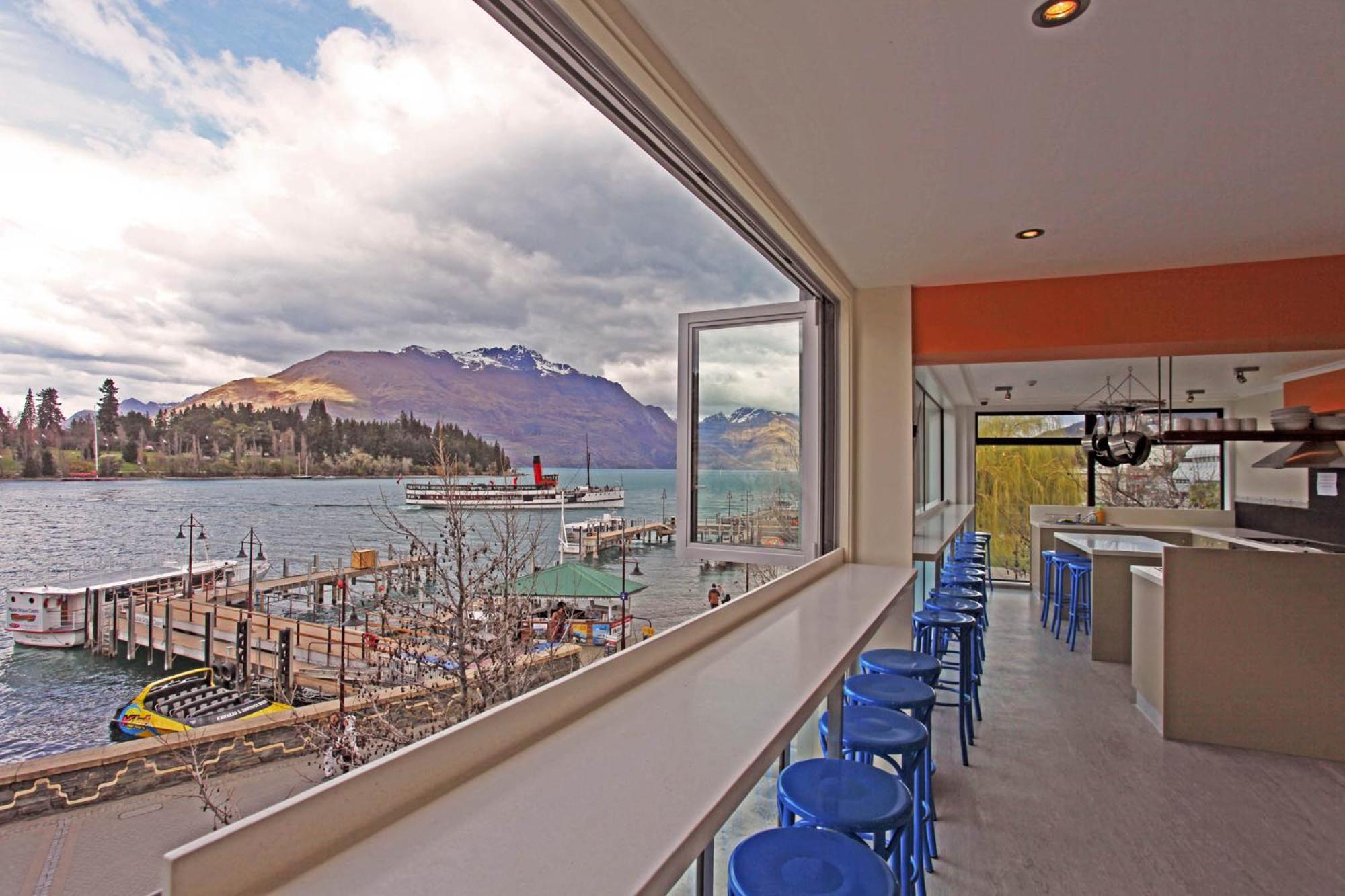
The boardwalk where the old steamer berths and the restaurants open onto the water, with the Remarkables directly behind. For foodies.
Golden hour on the lake from the table, and you pay the highest rates in town for it.
Fernhill
The hillside suburb
A residential suburb above the town, five minutes by bus, with tracks running off it and a long view down the lake. For budgets.
The same lake at a lower rate, though a bus into town for everything.
Frankton
The practical suburb
The suburb by the airport with the supermarkets, the shopping centres and the cheaper hotels, on the bus route. For budgets and early flights.
The cheapest beds and the closest to the airport, and no charm at all.
Arthurs Point
The river settlement
A small settlement on the Shotover River close to Coronet Peak, with the jet boats and the hot pools. For adventure.
The nearest base to the ski road and the pools, but a car to get anywhere else.
Arrowtown
The gold-rush village
A preserved village twenty minutes away with stone cottages under an avenue of trees and tracks into the hills behind. For families.
The prettiest streetscape in Otago, and it empties in the evening, though a drive to the activities.
See every Queenstown neighbourhood on one map
Save the areas you like and Stippl plots your days so you're not crossing the city twice.
Where to stay in Queenstown
The town centre costs the most and saves the most time, with everything walkable, and it is the answer for a short first visit; Fernhill and Frankton are the same lake at a lower rate with a bus in. Most travellers give Queenstown 2 nights on Stippl, and the good hostels go first in both peak seasons.
The town centre
Hostels, hotels and apartments on the grid, €17 to €250 a night.
The waterfront and Steamer Wharf
Lakefront hotels and serviced apartments, €150 to €400 a night.
Fernhill
NZ$120–350
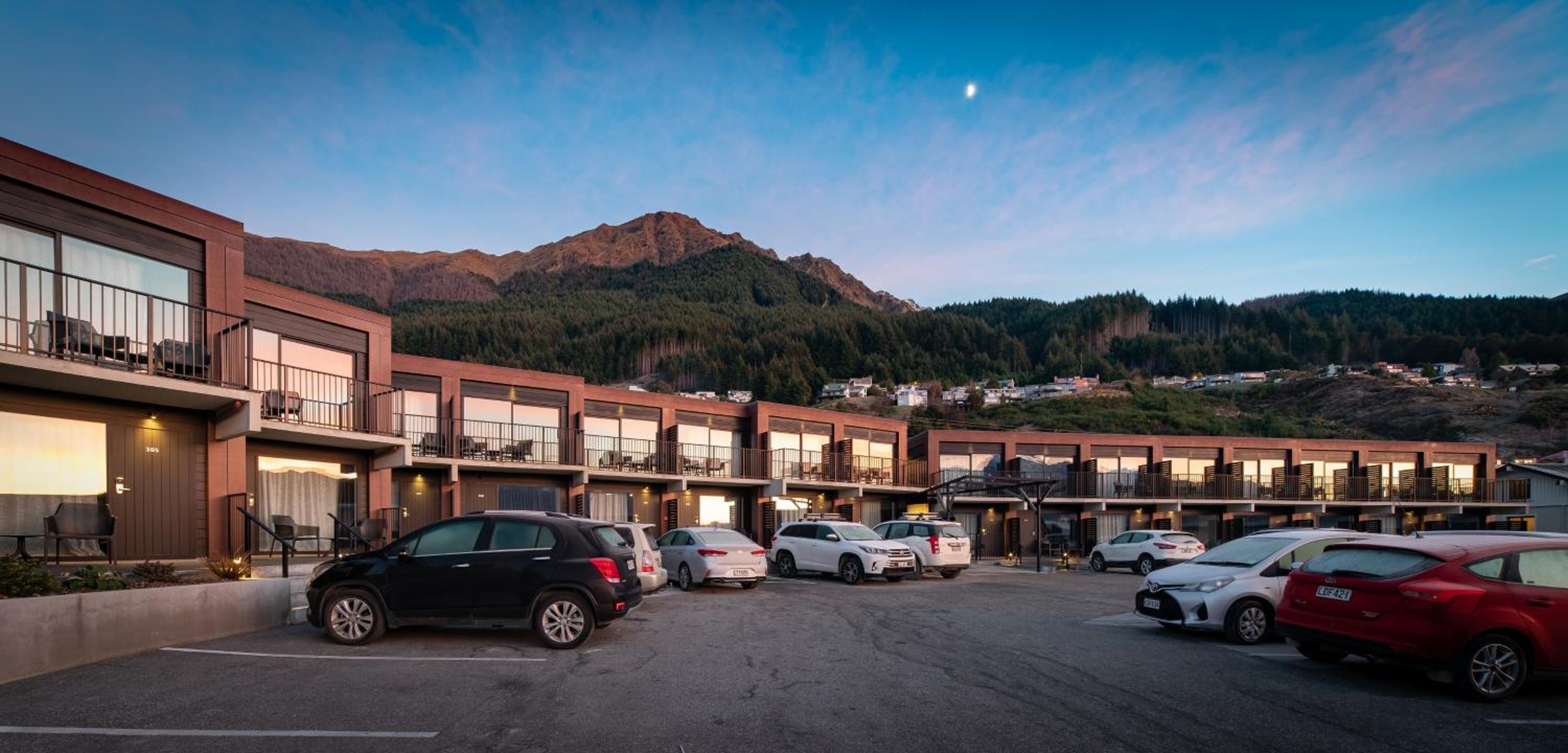
Motels and apartments on the hillside, €60 to €150 a night.
Frankton
NZ$100–280
Budget hotels and motels by the airport, €45 to €120 a night.
Arthurs Point
NZ$150–400
Lodges and a resort on the river, €90 to €250 a night.
Arrowtown
NZ$150–400
Cottages and bed and breakfasts in the village, €80 to €200 a night.



What to eat in Queenstown
A very large burger from a Shotover Street window that queues down the street at every hour. It is the single most-named eating place
The region's wine, grown in the Gibbston Valley and around Bannockburn on some of the world's most southerly commercial vineyards
A New Zealand shellfish, larger than a European mussel, usually steamed in wine or a broth
Hand-sized shortcrust pie, mince and cheese or steak. The national convenience food
Vanilla ice cream through honeycomb toffee, and the national flavour
New Zealand's export animal, and cheaper here than it is abroad
A southern South Island snack: white bread rolled around melted cheese and onion soup mix, then toasted. Called a southern sushi locally
Discover food spots in Stippl
Find restaurants and markets on the map, save them to your itinerary, works offline too.
Queenstown customs and what not to do
Book before you arrive
Bungy slots, Milford coaches and the good hostels go first in both peak seasons, and the activity desks in town sell what is left.
Use the Māori names
Wakatipu, Whakatipu and Aoraki are in ordinary use and on the signage, and the macrons are part of the spelling.
The operator register is public
Every commercial adventure operator in New Zealand must be registered under the safety regulations, and the register is checked before the jump.
Do not tip
New Zealand does not run a tipping economy and nobody expects it, in the bars or at the activity desk.
The town is not the snow
It rarely snows at lake level, and the snow is on the peaks an hour up the ski roads.
Do
- Book the bungy, the Milford coach and the hostel before you arrive
- Use the Māori names; they are on the signs
- Check the operator register before an adventure activity
- Get the bus card; every ride in town is a flat fare with it
Don't
- Treat Milford as a half-day; it is nearly three hundred kilometres each way
- Stop in the avalanche area on the Milford road; it is a control measure
- Swim the lake without thinking; it is glacial and cold enough to matter
What a Queenstown trip costs
Budget
€38–68
A hostel dorm bed, supermarket meals, buses on the card and one paid activity a week.
Mid-range
€101–162
A rental car with a motel or a hostel private, a restaurant meal most days and one adventure activity.
High-end
€228+
Hotels and lodges, a bungy or jet-boat day and restaurant dining throughout.
Track what you actually spend
Set a daily budget per country and log expenses in any currency while you travel.
Fun facts about Queenstown
Commercial bungy jumping was invented in Queenstown. AJ Hackett opened the Kawarau Bridge site in 1988, the first in the world, and it still operates every day.
Lake Wakatipu is shaped like a lightning bolt and is 80 kilometres long. The third-largest lake in New Zealand, and local Māori tradition holds that its level rises and falls with a giant's heartbeat.
The Crown Range road from Queenstown to Wānaka is New Zealand's highest sealed road. Closed by snow in winter, and the alternative through the gorge adds half an hour.
The Homer Tunnel on the Milford road took nearly twenty years to build. It is 1.4 kilometres long and still the only road into Milford Sound.
Queenstown has about 15,000 residents and around three million visitors a year. The population passes 80,000 in peak season, which is why the beds go first.
Only 4.4% of stops in Queenstown on Stippl are no night at all. The lowest pass-through share in the country, because nobody comes this far to leave the same day.
Local tips for Queenstown
The airport is eight km out
Frankton is close enough that the transfer is not a planning problem, with the bus and the taxis running constantly.
The bus card is the answer
With the card every bus ride is a flat fare, without it the airport bus costs four times as much, and the card itself is free.
No car in town, a car to leave
Everything in the centre is a walk, and Glenorchy, Arrowtown, the wine valley and Milford all need the rental.
The operator register is public
Every commercial adventure operator must be registered under the safety regulations, and the list is online.
The avalanche area is real
The Milford road runs through a seventeen-kilometre zone with a season from June to October, and stopping in it is prohibited.
Three nights, and a base
17.3% of the Stippl trips Queenstown appears on start here and 20.0% end here, because the airport makes it the South Island's other door.
Queenstown questions, answered
Yes for the town itself, and five if Milford Sound is on the list: most travellers give Queenstown 2 nights on Stippl and a quarter stay four or more, the widest spread of any New Zealand city. Three covers two activities and a walk.
Not in the town, where everything is a walk and the bus card covers the rest, and yes for Glenorchy, Arrowtown, the wine valley and Milford. Put the car into Stippl from the day you leave town, then ask people in subreddits like r/queenstown which rental desk had the shortest queue.
Yes, and it is a long one: nearly three hundred kilometres each way through Te Anau and over an alpine pass, departing around seven in the morning by coach, with the avalanche zone on the road and the cruise in the middle. The overnight in Te Anau is the kinder version.
May, and after that the October to November shoulder. The busiest month here on Stippl is January of plans, 14.6% of stops fall in the ski months, and the two peaks are when the town charges what it likes.
Kawarau for the history and the Nevis for the height: the bridge is the original with a forty-three-metre drop and a water touch, and the Nevis is a hundred and thirty-four metres from a cable car over a canyon. Both are booked before arrival in either peak season.
No, but it opens 17.3% of the trips it appears on, of everyone who plans it on Stippl, and closes 20.0%, because the airport makes it the island's other door after Christchurch. Wānaka, Milford and the glaciers are the reasons to leave it.
Every guide is written by the Stippl editors and checked against the trips our travellers actually plan. Spotted something out of date? Let us know.

Plan Queenstown in Stippl
Day-by-day planning, stays and budget in one app, with every place from this guide already on the map.
Download the app