

Wellington
Wellington is the compact capital on Cook Strait with the best coffee and craft beer in the country, a free national museum on the waterfront and a fenced sanctuary with kiwi twenty minutes from Parliament. Two nights, everything in the core on foot, the cable car up and the garden down, and a spare day around the ferry.
Wellington in a nutshell
Wellington: what to expect
The numbers below come from 185,000+ planned stops in New Zealand on Stippl, and the rest from the guides we cross-check.
Two nights in Wellington, and the ferry is why most people are here at all. Te Papa is the free national museum on the waterfront and half a day, the cable car runs five minutes up to Kelburn with the Botanic Garden as the walk back down, Zealandia is a fenced sanctuary with kiwi twenty minutes from the centre, Weta Workshop is the effects house behind the films, and Cuba Street is the strip with the fountain and the record shops. Most travellers give Wellington 2 nights on Stippl.
Wellington is the crossing point between the islands, and the stop on the longest trips. The city sits at either end of only 21.6% of the trips it appears on, of everyone who plans it on Stippl, the lowest of the main cities, because the ferry puts it in the middle, the trips that carry it are the longest of any New Zealand destination, and 40.3% of stops are a single night.
Sleep in Te Aro or on the waterfront for the eating and the nightlife, ride the cable car up and walk the garden down, book Weta and Zealandia ahead in summer, and leave a spare day around the Cook Strait sailing. Skip planning the ferry tight, since the crossings are cancelled in bad weather and a missed one rewrites the itinerary, and skip the umbrella, because the wind is the city's own joke and it will still take it.
Plan Wellington in Stippl
Day-by-day planning, stays and budget in one app, with every place from this guide already on the map.
Download the appWho Wellington is for
Coffee and food travellers
The café density is the city's headline fact, around three hundred for two hundred thousand people, and Cuba Street is where it concentrates.
First-timers with two days
Te Papa, the cable car, Cuba Street and Mount Victoria are all free or cheap and within a small radius, which is what 2 nights on Stippl covers.
Film travellers
Weta Workshop is here and the Lord of the Rings locations are around the city rather than a flight away.
Museum travellers
A free national museum, a free Parliament tour and a city museum in a small walkable core.
Wildlife travellers in a hurry
Zealandia is a fenced sanctuary twenty minutes' walk from the centre with kiwi, kākā and tuatara, and the night tour is how the kiwi are seen.
Ferry crossers
The city sits at either end of only 21.6% of the Stippl trips it appears on, because the sailing puts it in the middle of both islands.
Maybe not for you: anyone who dislikes wind, since the city is named for it; anyone expecting a beach city, because the harbour is cold and the south coast faces the strait; and anyone who needs the ferry to run on the day, which it does not always.
The best time to visit Wellington
Summer
December to February
Twenty to twenty-one degrees, the driest and calmest months and the domestic holiday peak from late December, with 52.2% of Stippl stops in the wider window.
Autumn
March to May
March is the pick, still warm and settled with the street festival filling Cuba Street, and the weather turning through May.
Winter
June to August
Twelve or thirteen degrees, wet and windy, mild by South Island standards, and the museums are all indoors.
Spring
September to November
Warming and drying and the windiest part of the year, with November the best value month.
- Most travellers give Wellington 2 nights on Stippl, and 40.3% of stops are a single night. Two days covers the centre and the museum; three adds Weta and the coast.
- The busiest month here on Stippl is January of plans, and 12.3% of stops fall in the winter. The capital is the ferry in every season, and the crossing is the thing to give a spare day.
- CubaDupa takes Cuba Street in March. The country's largest outdoor arts festival fills the street for a weekend, and the rooms in Te Aro go with it.
- World of WearableArt fills the city in spring. Three weeks from late September, around sixty thousand people and every hotel booked, so the dates are checked before the room gets booked.
- Weta and Zealandia are timed-entry. Both sell out in summer, and the kiwi are only seen on the night tour, so both are booked before the flight rather than at the desk.
- The ferry is cancelled in bad weather. Cook Strait sailings are dropped when the swell is up, and a missed crossing rewrites an itinerary, so the day either side is kept loose.
Add your Wellington dates and we'll flag the weather
Stippl shows the season, crowds and prices for every stop on your route.
Describe your trip, get a Wellington itinerary in seconds
Everything in this guide is already in Stippl. Tell the planner how long you have and what you like: it builds the route, the days and the travel times, and you edit whatever you want.
Things to do in Wellington
 Photo by Hongbin via Unsplash
 Photo by Chris Brown via Pexels
Te Papa Tongarewa
The national museum on the waterfront, free, with the Māori collection, the natural history galleries and the Gallipoli exhibition, at half a day minimum.
The cable car
Five minutes from Lambton Quay to Kelburn, with the best city view at the top and the Botanic Garden to walk back down through.
Zealandia
A fenced sanctuary twenty minutes' walk from the centre, with kākā, tuatara and kiwi living wild inside a predator-proof fence, and the night tour for the kiwi.
Weta Workshop
The effects house behind the Lord of the Rings, King Kong and Avatar, in Miramar, with guided tours of the prop and costume workshops.
Cuba Street
The pedestrian strip with the Bucket Fountain, the record shops, the cafés and the country's best street-level browsing.
The Mount Victoria lookout
Nearly two hundred metres above the city with a full-circle view over the harbour, the city and the strait, walked up from Oriental Bay.
The neighbourhoods of Wellington
Cuba Street and Te Aro
The bohemian spine
Second-hand bookshops, record stores, the Bucket Fountain and the country's largest inner-city nightlife district around it, in the grid south of the waterfront. For first visits.
The eating and the nightlife on foot, but the loudest blocks in the city on a weekend.
Lambton Quay
The golden mile
The commercial spine from the railway station to the civic heart, with the cable car terminus halfway along and Parliament at the top. For the transactional stuff.
Everything transactional on one street, and dead after six.
Thorndon
The oldest suburb
Wooden villas and leafy streets north of Parliament, with the Katherine Mansfield birthplace and the Botanic Garden above it. For history.
Colonial streetscape and good cafés five minutes from Parliament, though a climb to the garden.
Mount Victoria and Oriental Bay
The hillside and the promenade
A hillside suburb under the lookout with the harbourside promenade and the city's small beach at its foot. For families.
The best panorama in the city and the sunniest stretch, but a hill between it and the bars.
Island Bay and the south coast
The exposed shore
The southern coast twenty minutes out facing Cook Strait, with a fishing-village high street and seals on the rocks beyond. For getting away.
Wild coast within the city, though a bus each way and a cold sea.
Brooklyn
The hill suburb
A suburb above the city with the wind turbine on the ridge and a view over the whole harbour, and rooms below centre prices. For budgets.
Cheaper rooms and the turbine walk from the door, but a bus down and a climb back.
See every Wellington neighbourhood on one map
Save the areas you like and Stippl plots your days so you're not crossing the city twice.
Where to stay in Wellington
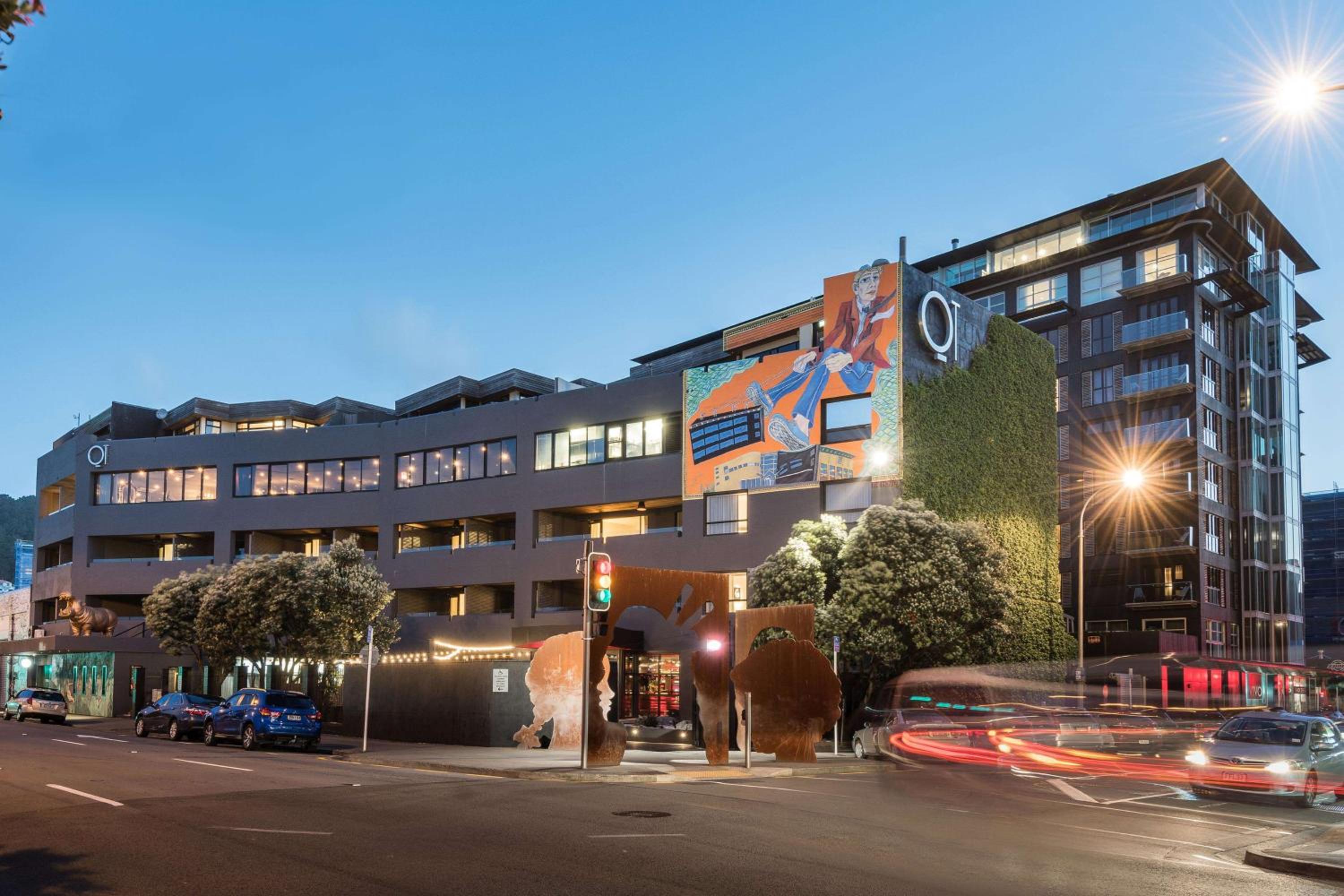
Te Aro and Cuba Street put you in the middle of the eating and the nightlife, which in a city this walkable is most of the argument, and the waterfront is the quieter version a few blocks away with the museum at the door. Most travellers give Wellington 2 nights on Stippl, and the festival weeks in March and September are when the rooms go.
Cuba Street and Te Aro
Hostels, apartments and boutique hotels in the grid, €25 to €160 a night.
Lambton Quay
NZ$130–380
Business hotels and serviced apartments on the spine, €90 to €200 a night.
Thorndon
NZ$130–350
Bed and breakfasts in the villas, €80 to €170 a night.
Mount Victoria and Oriental Bay
Guesthouses on the hill and hotels on the bay, €90 to €220 a night.
Island Bay and the south coast
A few guesthouses in the village, €70 to €140 a night.
Brooklyn
NZ$100–260
Rooms and apartments below centre prices, €50 to €130 a night.


What to eat in Wellington
Espresso under a thin layer of steamed milk. Wellington's café culture is the country's most serious and the city claims the drink as much as Auckland does
Wellington is New Zealand's craft brewing centre, with a concentration of small breweries and taprooms in the central suburbs
Battered fish and chips in paper. Our sources name Cuba Street specifically
A large New Zealand shellfish, steamed in wine or broth
The Wairarapa wine region fifty minutes over the hill, known for Pinot Noir
Hand-sized shortcrust pie, mince and cheese or steak. The national convenience food
Vanilla through honeycomb toffee, the national flavour
Discover food spots in Stippl
Find restaurants and markets on the map, save them to your itinerary, works offline too.
Wellington customs and what not to do
Take the wind seriously
It is the city's own running joke and it will still take your umbrella, and locals do not use them.
Use Te Whanganui-a-Tara
The Māori name for the harbour and the city is in ordinary use and on the signage, alongside the English one.
Book the timed entries
Weta and Zealandia are both timed-entry and both sell out in summer, and the kiwi are only on the night tour.
Do not tip
New Zealand does not run a tipping economy, in the cafés or at the taxi rank.
The fault has a name
The city plans for a major earthquake more visibly than anywhere else in the country, and the drills and the signage are part of daily life.
Do
- Take the wind seriously; leave the umbrella at home
- Ride the cable car up and walk the Botanic Garden down
- Book Weta and Zealandia ahead; both are timed-entry
- Leave a spare day around the ferry
Don't
- Plan the ferry tight; Cook Strait sailings are cancelled in bad weather
- Ride the cable car both ways; the garden is the better half
- Swim the south coast without local advice; it faces the strait directly
What a Wellington trip costs
Budget
€51–81
A shared car or campervan, free and conservation campsites, all meals cooked and one paid activity a week.
Mid-range
€101–162
A rental car with motels or hostel privates, a restaurant meal most days and a big-ticket activity most weeks.
High-end
€228+
Hotels and lodges, guided walks and cruises and restaurant meals throughout.
Track what you actually spend
Set a daily budget per country and log expenses in any currency while you travel.
Fun facts about Wellington
Wellington has roughly 300 cafés for 215,000 people. More per head than New York City, and the flat white is claimed here as fiercely as in Auckland.
Weta Workshop in Wellington made every costume and weapon for the Lord of the Rings. And has since worked on King Kong, Avatar and the Avengers films from the same suburb.
Zealandia is a fenced ecosanctuary inside Wellington itself. Kiwi, kākā and tuatara live wild behind a predator-proof fence twenty minutes from Parliament.
Wellington's temperature range is the narrowest of New Zealand's main centres. Nine degrees between the warmest and coldest monthly maximum, and the nights never fall below about seven.
The wind turbine above Brooklyn in Wellington was the first in the country. Put up as a test in 1993, and the ridge walk to it is the free view over the harbour.
Wellington sits at either end of only 21.6% of the Stippl trips it appears on. The lowest of the main cities, because the ferry puts it in the middle of both islands.
Local tips for Wellington
Walkable end to end
The centre is small and flat and everything in the core is a walk, which is the single most useful thing to know about the capital.
The cable car is transport
It runs from Lambton Quay to Kelburn in five minutes, and the standard move is to ride up and walk back down through the Botanic Garden.
The ferry is why you are here
The Cook Strait crossing to Picton is the link between the two island itineraries, about three and a half hours, with a spare day kept around it.
The fault is planned for
The city plans for a major earthquake more visibly than anywhere else in the country, with a guide published in sixteen languages.
The south coast is the strait
Island Bay faces Cook Strait directly, the water is cold and the swell is real, so local advice comes before a swim.
Two nights, in the middle
40.3% of Stippl stops here are a single night and only 1.1% of Wellington trips stop nowhere else, because the ferry connects the islands here.
Wellington questions, answered
The centre and Te Papa, with Weta and the coast on a third: most travellers give Wellington 2 nights on Stippl and 40.3% of stops are a single night, because the ferry sets the schedule and the museum takes half a day of it.
Yes, the national museum on the waterfront charges nothing for the permanent galleries, and half a day is the minimum for the Māori collection and the Gallipoli exhibition. The Parliament tour is free too, which makes the capital the cheapest city in the country to fill two days in.
Not in the city, where the core is walkable and the cable car and the buses cover the hills, and yes for Martinborough over the range; Weta is reachable by shuttle. Put the car into Stippl from the ferry onwards, then ask people in subreddits like r/Wellington whether they drove it aboard or hired again in Picton.
Often enough that the city is named for it, with February the calmest month and October the windiest, and the locals do not own umbrellas. The busiest month here on Stippl is January of plans, which is also the calm season.
The ferry to Picton across Cook Strait, about three and a half hours, with vehicle space booked as soon as the dates are fixed and a spare day around it because the sailings are cancelled in bad weather. Only 1.1% of Wellington trips on Stippl stop nowhere else, and the crossing is why.
In the middle: the city sits at either end of only 21.6% of the trips it appears on, of everyone who plans it on Stippl, the lowest of the main cities, because the ferry makes it the hinge between the North Island and the South.
Every guide is written by the Stippl editors and checked against the trips our travellers actually plan. Spotted something out of date? Let us know.

Plan Wellington in Stippl
Day-by-day planning, stays and budget in one app, with every place from this guide already on the map.
Download the app