
Auckland
Auckland is New Zealand's front door, a harbour city on fifty-three volcanoes with the Gulf islands a ferry ride from the office towers and the black-sand surf beaches an hour west. Two nights while the jet lag clears, a transport card in the first hour, Waiheke for the day, and then the road south.
Auckland in a nutshell
Auckland: what to expect
This is what 185,000+ planned stops in New Zealand on Stippl say about Auckland.
Two nights in Auckland, three with two island days, and the ferries are the point. Mount Eden is the highest natural point in the city with a crater and a full-circle view half an hour from the road, the Devonport ferry crosses the harbour in twelve minutes to a Victorian village under its own cone, Rangitoto is a twenty-five-minute ferry to a six-hundred-year-old volcano and an hour over black lava to the summit, Waiheke is forty minutes to vineyards and swimming beaches, and the museum holds the Māori and Pacific collections. Most travellers give Auckland 2 nights on Stippl.
Auckland opens the country for most people, and opening it is the job the numbers describe. The city opens 48.8% of the trips it appears on, of everyone who plans it on Stippl, because the airport is the country's main international gateway, 37.2% of stops are a single night, the jet-lag version, and only 6.6% of its trips stop nowhere else in New Zealand, because everyone leaves.
Get a transport card in the first hour, sleep in the centre or one suburb out, take the ferry to Waiheke or Rangitoto, and swim only between the flags on a patrolled beach. Skip renting a car for the city, since driving and parking are a nuisance and the car is for leaving town, and skip four days here on a two-week trip, because even the guides that love Auckland say to spend them further south.
Plan Auckland in Stippl
Day-by-day planning, stays and budget in one app, with every place from this guide already on the map.
Download the appWho Auckland is for
Anyone arriving in New Zealand
The country's main international gateway and the stop that opens 48.8% of the Stippl trips it appears on, with a night or two while the jet lag clears.
Families
Short ferry rides, safe inner-harbour beaches, a zoo, a museum and volcanoes you can walk up in half an hour.
Food and wine travellers
The Pacific and Asian communities give it the most interesting eating in the country, and Waiheke's vineyards are a forty-minute ferry away.
City people who want the water
Few cities put this many islands, harbours and swimmable beaches inside a public-transport ride.
Walkers, on a small scale
The Coast to Coast crosses the isthmus between both harbours in a day, and the Hillary Trail runs four days along the west coast.
Two-night travellers
37.2% of Stippl stops here are a single night and the typical stay is two, because the country is further south.
Maybe not for you: anyone short of time in New Zealand, since the most useful sentence about Auckland is that you should probably leave it, and the people who have travelled the country three times say plainly that limited days go further south.
The best time to visit Auckland
Summer
December to February
Twenty-two to twenty-four degrees by day and the only period the sea is comfortable, and the domestic holiday season, when the city itself shuts for the first week of January.
Autumn
March to May
The quiet answer, still eighteen to twenty-three degrees with the crowds gone, and the season two independent guides call the best time to come.
Winter
June to August
The wettest months with maxima of fourteen or fifteen, but frost is almost unknown and snow never falls, so the city works fine and the beaches do not.
Spring
September to November
Warming and drying, the second-best window, with the beach patrols starting again in late October.
- Most travellers give Auckland 2 nights on Stippl, and 37.2% of stops are a single night. Two covers a volcano, a ferry and the museum; three adds Waiheke as a full day.
- The busiest month here on Stippl is January of plans, and the city is shut for the first week of it. New Zealanders take the first weeks of January, and arriving then means closed restaurants and full ferries.
- 47.6% of Auckland stops on Stippl fall between November and February. The summer is when the sea is swimmable, and the prices for rooms and rental cars follow the crowd.
- Auckland's rail link opened this month. Two new underground stations in midtown and near Karangahape Road and a rebuilt Mount Eden station, and anything written before September is describing a transport map that no longer exists.
- The beaches are patrolled from late October to April. At Piha the volunteer patrols run roughly from eleven to four, and outside those hours and months there is nobody on the west coast.
- Anzac Day is a dawn service at the museum. On 25 April the Domain fills before sunrise and the shops stay shut until early afternoon, so the day is planned around it.
Add your Auckland dates and we'll flag the weather
Stippl shows the season, crowds and prices for every stop on your route.
Describe your trip, get a Auckland itinerary in seconds
Everything in this guide is already in Stippl. Tell the planner how long you have and what you like: it builds the route, the days and the travel times, and you edit whatever you want.
Things to do in Auckland


Mount Eden at sunset
The highest natural point in the city, a walk of half an hour from the road, with a crater and a full-circle view at the top, free and on every list.
The Devonport ferry
Twelve minutes across the Waitematā to a Victorian village, then a climb up North Head for the skyline from outside, and the best cheap thing in Auckland.
Rangitoto Island
A twenty-five-minute ferry to a six-hundred-year-old volcano, then an hour over black lava fields through the world's largest pōhutukawa forest to the summit.
Waiheke Island
Forty minutes by ferry to vineyards, olive groves and swimming beaches, the unanimous best day trip and a destination in its own right.
The Sky Tower
Three hundred and twenty-eight metres, with an observation deck, a revolving restaurant, a harnessed walk around the outside ledge and a wire-controlled jump off it.
The War Memorial Museum
The Māori and Pacific collections are the reason to go, in a neo-classical building on the highest point of the Domain.
The neighbourhoods of Auckland
The centre and Britomart
The commercial core
Between Queen Street and the water with the Sky Tower over it and the ferry terminal at the bottom, and Britomart's restored warehouse blocks the good end. For first visits.
The ferries, the trains and the tower on foot, but the mid-range hotels are the weak spot.
Ponsonby and Karangahape Road
The ridge of bars
Villas, independent shops, the city's densest run of cafés and bars and K Road's late venues, walkable from the centre and a different city from it. For nightlife.
The best bars and cafés in the city, though the rooms are few and the nights are loud.
Parnell
The oldest quarter
Heritage frontages, galleries and boutiques uphill and east, with the Domain and the museum at the end of the street, village-feeling and expensive. For art-lovers.
The museum and the Domain at the door, at the highest rates outside the waterfront.
Devonport and the North Shore
Across the harbour
A twelve-minute ferry to a Victorian naval village under its own volcanic cone with the best view back at the skyline, and the beaches running north to Takapuna. For families.
The skyline from outside and the safe beaches, but a ferry to everything.
Mount Eden and Kingsland
The inner suburbs
Leafy streets on and around the highest cone in the city next to Eden Park, residential, cheaper than the centre and still on a bus route. For longer stays.
Sunset from the cone and cheaper rooms, and a bus into town.
The Viaduct and Wynyard Quarter
The waterfront strip
Reclaimed industrial waterfront turned into the restaurant and bar strip with the marina in front and the silos at the far end. For foodies.
The restaurants on the water, and you pay the city's highest rates for them.
See every Auckland neighbourhood on one map
Save the areas you like and Stippl plots your days so you're not crossing the city twice.
Where to stay in Auckland
Mid-range hotels in the centre are the weak spot, with the luxury and budget ends well served and the middle collecting poor reviews, so the mid-range room goes one suburb out in Ponsonby, Parnell or Mount Eden and comes into town by bus. Most travellers give Auckland 2 nights on Stippl, and the first week of January is the one to avoid.
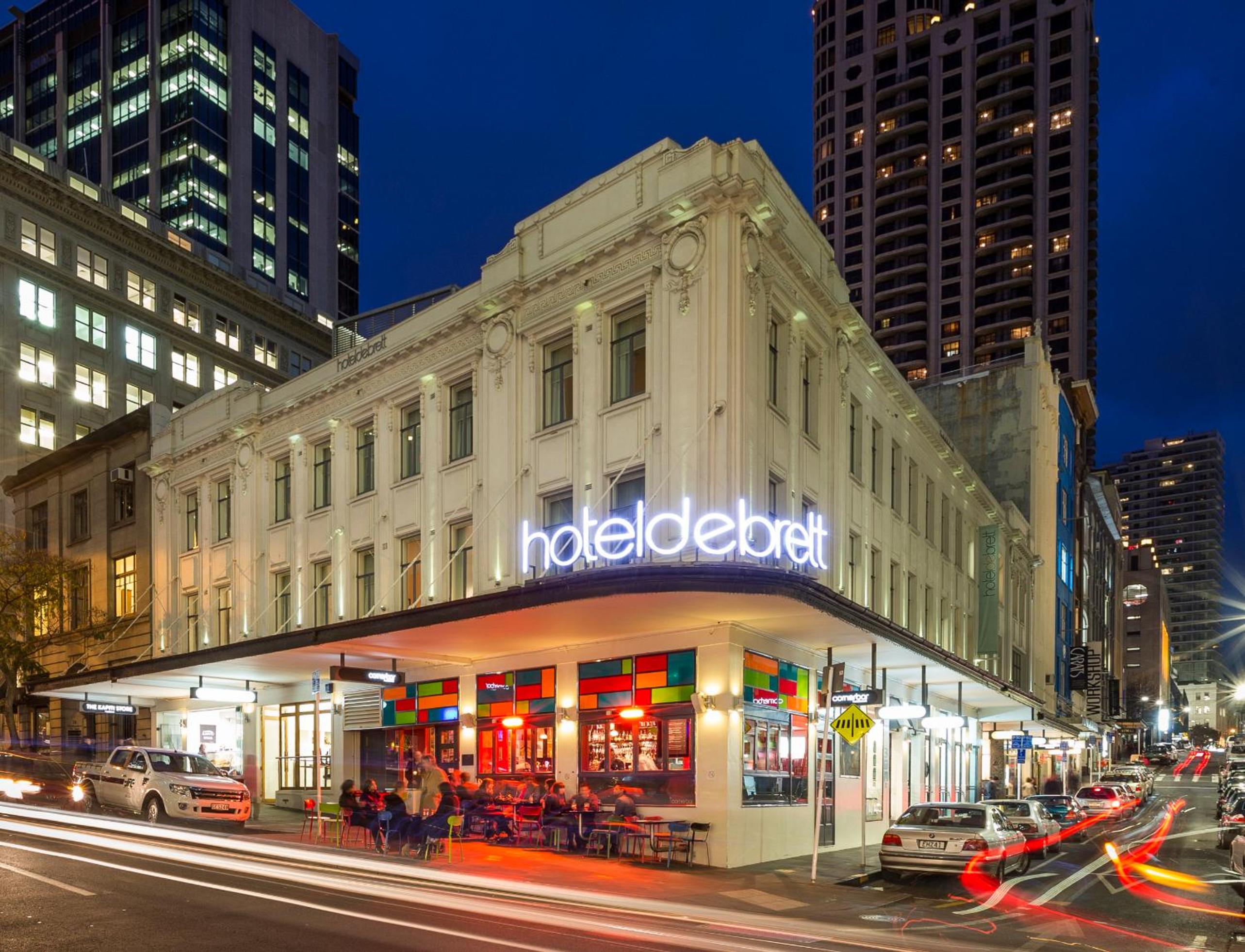
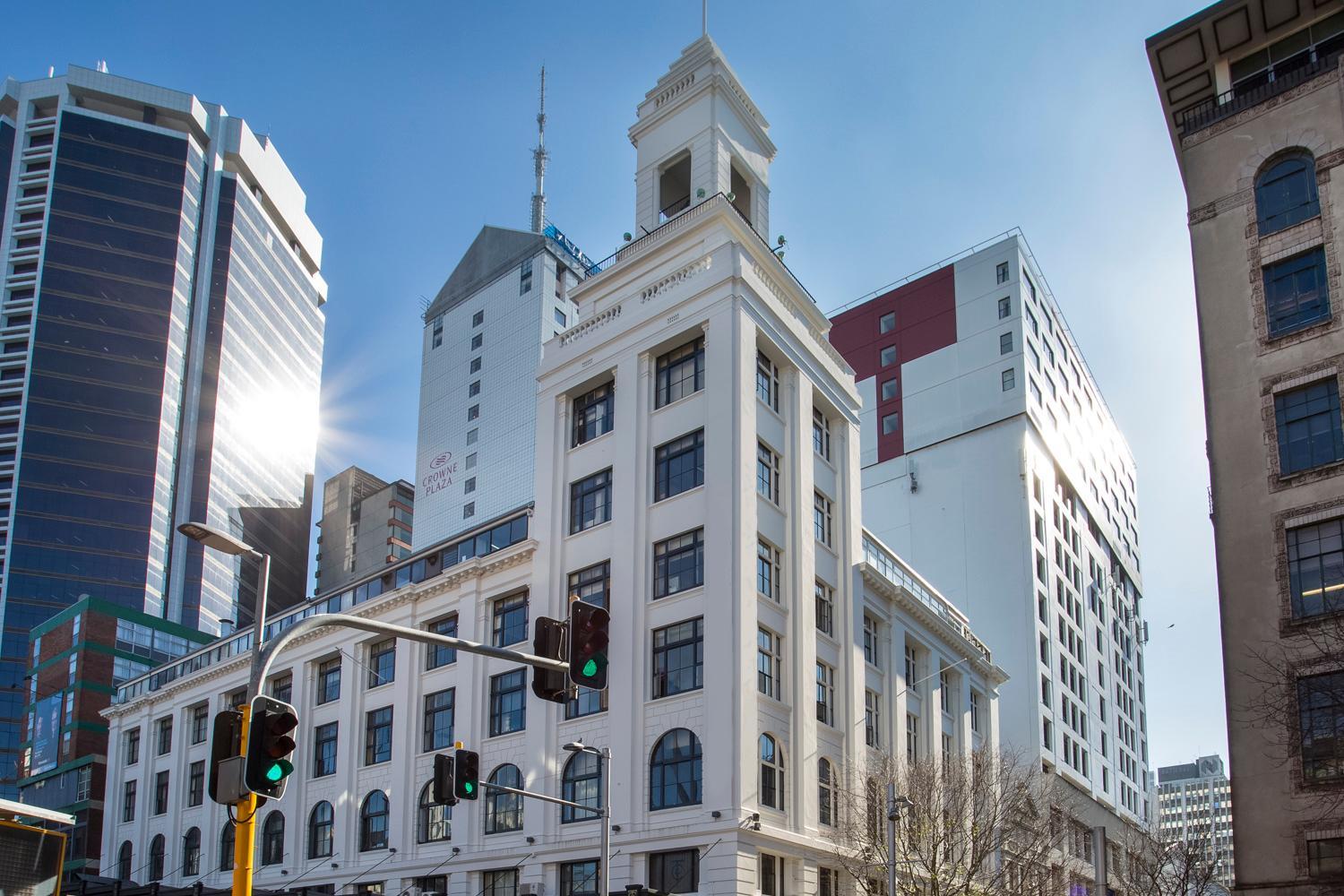
The centre and Britomart
Hostels, chains and luxury hotels by the water, €25 to €250 a night.
Ponsonby and Karangahape Road
Boutique hotels and villas on the ridge, €70 to €180 a night.
Parnell
NZ$120–400
Heritage hotels and guesthouses in the old villas, €90 to €220 a night.
Devonport and the North Shore
Bed and breakfasts in the villas and beach motels, €70 to €160 a night.
Mount Eden and Kingsland
Guesthouses and apartments in the leafy streets, €55 to €130 a night.
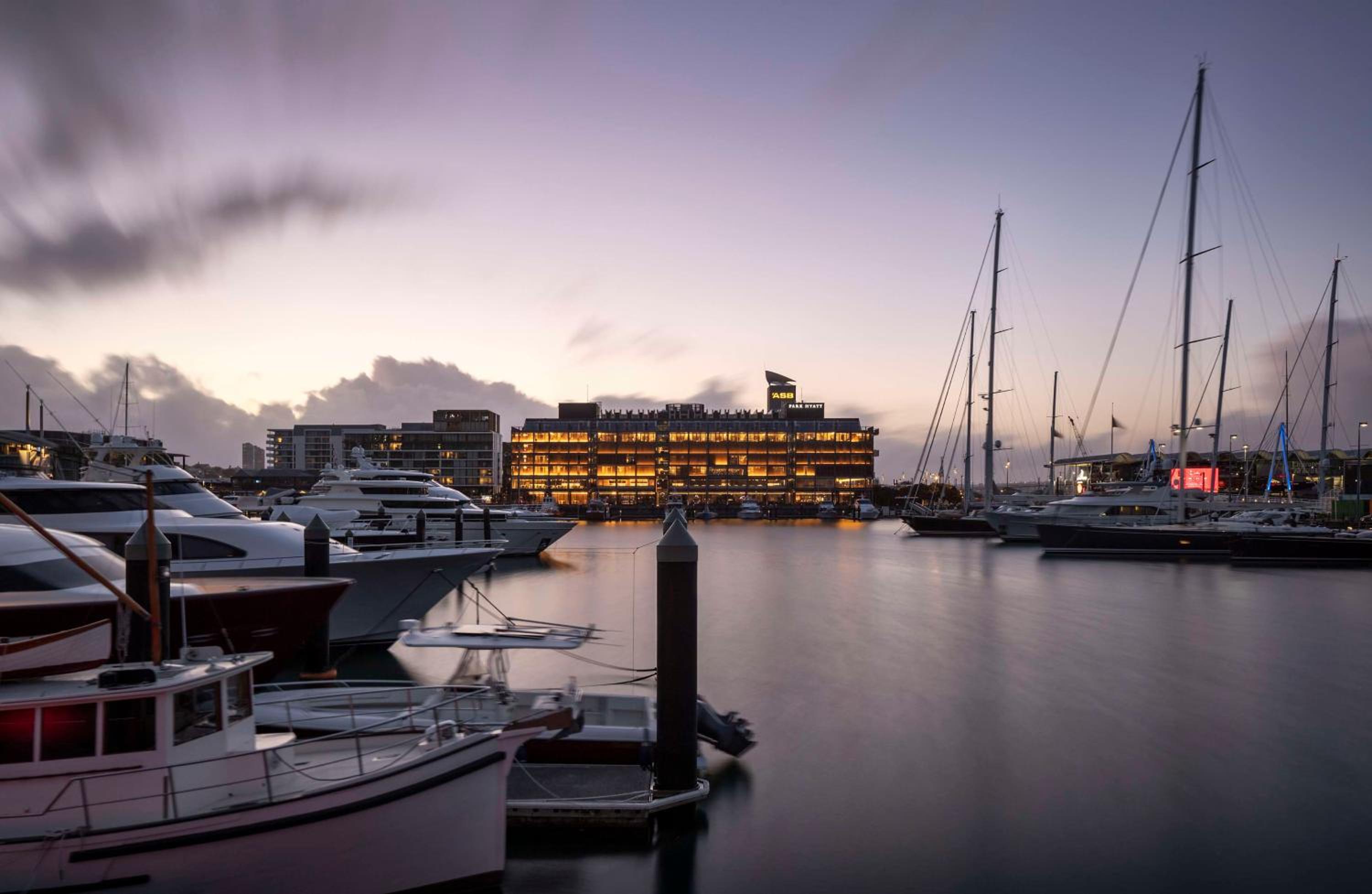
The Viaduct and Wynyard Quarter
Waterfront hotels and serviced apartments, €120 to €300 a night.


What to eat in Auckland
Espresso under a thin layer of steamed milk; New Zealand and Australia both claim the invention and Auckland takes it seriously
Hand-sized shortcrust pie: mince and cheese, steak, or bacon and egg. The national convenience food
Battered snapper or hoki with chips, wrapped in paper. Often sold from the same counter as Chinese takeaway
Meat and root vegetables steamed for hours in an earth oven over hot stones, the Māori feast method
Sweet potato, brought by Polynesian settlers and now a staple side, usually roasted or as chips
Abalone with an iridescent shell, eaten as fritters; the shell is used in carving and jewellery
A patty of tiny translucent juvenile fish bound with egg, seasonal and expensive
Taro, palusami, raw fish in coconut cream, the cooking of the world's largest Polynesian city
Bordeaux blends and syrah from the island in the gulf, a forty-minute ferry away
Discover food spots in Stippl
Find restaurants and markets on the map, save them to your itinerary, works offline too.
Auckland customs and what not to do
Māori is a living language
Place names run in both forms across the city and the new railway stations carry te reo names first, as part of public life rather than a heritage exhibit.
Tipping is not expected
Not in restaurants and not in taxis, and a service charge on a holiday bill is the only version of it.
Informal and direct
The friendliness is real rather than transactional, and hitchhiking is normal in a way it is not in most rich countries.
Rugby is the shared language
The haka before a match is a cultural performance rather than a warm-up, and it is watched as one.
The west coast is another ocean
Piha, Karekare and Muriwai are exposed Tasman beaches with persistent rips, and the harbour beaches are the safe ones.
Do
- Get a transport card in the first hour; it pays for itself in two journeys
- Swim between the flags, and only when the beach is patrolled
- Check what is open in early January; the first week of the year is the national holiday
Don't
- Rent a car just for the city
- Assume the west-coast beaches are like the harbour ones
- Plan four days here if you have two weeks in the country
What an Auckland trip costs
Budget
€34–70
A dorm bed, public transport, one paid sight and some meals cooked.
Mid-range
€105–170
A private room outside the centre, restaurant meals and a ferry day trip.
High-end
€260+
A Viaduct hotel, a harbour cruise and Waiheke with a wine pairing.
Track what you actually spend
Set a daily budget per country and log expenses in any currency while you travel.
Fun facts about Auckland
Auckland is built on 53 volcanic centres, and the youngest is in the harbour view. Rangitoto erupted around 1450, and another eruption somewhere in the field is considered inevitable.
Auckland is the largest Polynesian city in the world. Around 15% of its population is Pacific Islander, more Pacific people than any city in the Pacific itself.
The Sky Tower stopped being the tallest structure in the Southern Hemisphere in 2022. It held the title for 26 years at 328 metres and was overtaken by a tower in Jakarta.
Rangitoto's slopes off Auckland hold the world's largest pōhutukawa forest. Growing straight out of bare lava, six hundred years after the eruption that made the island.
Muriwai Beach outside Auckland has a gannet colony of over 1,000 birds. With a public viewing platform above it, and the birds return each August to nest on the cliff.
48.8% of the trips carrying Auckland on Stippl start here. The airport is the country's door, and only 6.6% of those trips stop nowhere else in New Zealand.
Local tips for Auckland
The rail link changed the map
Two new underground stations opened this month in midtown and near K Road, and the older guides describe a transport system that no longer exists.
The SkyBus is gone
The cheap route from the airport is now the orange bus to Puhinui station and a train from there, and the direct coach has a different name.
Get a transport card on arrival
One card covers bus, train and ferry, and single fares without it cost noticeably more.
The car is for leaving town
Driving and parking in the city are a nuisance, and every guide that mentions it says the rental starts on the day you go south.
The west coast is the danger
Piha, Karekare, Muriwai and Bethells are exposed Tasman beaches with strong, persistent rips, sold as scenery and swum only between the flags.
Two nights, then south
37.2% of Stippl stops here are a single night and only 6.6% of Auckland trips stop nowhere else, because the country is further on.
Auckland questions, answered
Two, or three with two island days, and every guide that has seen the rest of the country says to spend the extra days further south. Most travellers give Auckland 2 nights on Stippl, and 37.2% of stops are a single night while the jet lag clears.
Waiheke Island, unanimously: forty minutes by ferry, and wine, beaches and views once there. Rangitoto is the alternative if you would rather walk up a volcano over black lava, and Devonport is the twelve-minute version for an afternoon.
The orange bus to Puhinui station and a train from there, a few dollars with a transport card, and the SkyBus no longer exists. Put the card into Stippl as the first errand, then ask people in subreddits like r/auckland whether the new rail link has changed the route since.
December to March for the water, and March to May for the city to yourself with a cooler sea. The busiest month here on Stippl is January of plans, and the first week of it is the national holiday when the city is shut.
Only between the flags and only when patrolled, from late October to April and roughly from eleven to four. The west-coast beaches are exposed Tasman surf with persistent rips, the council warned about them after drownings, and the harbour beaches are the safe version.
As a gateway and a two-night stop, yes, for a volcano at sunset, a ferry and the museum; as the centrepiece of a New Zealand trip, no guide argues for it. 48.8% of the trips carrying Auckland on Stippl start here, and almost all of them leave.
Every guide is written by the Stippl editors and checked against the trips our travellers actually plan. Spotted something out of date? Let us know.

Plan Auckland in Stippl
Day-by-day planning, stays and budget in one app, with every place from this guide already on the map.
Download the app