

Rotorua
Rotorua is the geothermal and Māori-cultural heart of the North Island, a lakeside city where steam rises through the footpath gratings, the largest geyser in the southern hemisphere goes off beside a living village, and the smell of sulphur never stops. Two nights, a car for the parks, and the hot pools with the rule about your head.
Rotorua in a nutshell
Rotorua: what to expect
Our travellers have planned 185,000+ stops in New Zealand on Stippl. That is where the numbers here come from.
Two nights in Rotorua, and the geothermal parks take one of them each. Te Puia is the geyser, the kiwi house and the Māori arts institute on a guided tour, Whakarewarewa is the living village where a people have cooked and bathed in the steam for seven hundred years, Wai-O-Tapu thirty kilometres south is the most colourful reserve with the Champagne Pool and the largest mud pool in the country, Waimangu is the youngest geothermal valley in the world, and the redwoods have a treewalk of twenty-eight suspension bridges. Most travellers give Rotorua 2 nights on Stippl.
Rotorua is the buried stop of the North Island, and almost never the first or last. Rotorua appears on 28.73% of the New Zealand trips planned on Stippl, only 3.29% of its stops are no night at all, because the parks are out of town and the evening is the performance, and a typical trip carrying it runs 16 stops, with the city somewhere in the middle.
Sleep in the city centre for the covered restaurant street, the free park and the lakefront, pick one geothermal park for colour and one for scale, book the living-village tour ahead, and keep your head above the water in any natural hot stream. Skip the Green Lake, since it is tapu and not for swimming, and skip stepping off the path anywhere in a geothermal park, because the ground burns and it is not fenced everywhere.
Plan Rotorua in Stippl
Day-by-day planning, stays and budget in one app, with every place from this guide already on the map.
Download the appWho Rotorua is for
Families above all
The luge, the zorb, the farm show, the kiwi hatchery and the treewalk are all built for children, more than at any other New Zealand stop.
Māori-culture travellers
Whakarewarewa and Ōhinemutu are living villages rather than performances, and the hāngī is hosted rather than served.
Geothermal travellers
Four parks within forty-five minutes of the centre, from the free one by the lake to the youngest geothermal valley on earth.
North Island adventure seekers
Rafting, ziplining and a hundred and fifty kilometres of mountain-bike trail in the forest, free to enter.
Mid-route travellers
Rotorua is on 28.73% of Stippl trips in New Zealand and almost never opens or closes one, because it sits between Auckland and the volcanoes.
Two-night planners
Most travellers give Rotorua 2 nights on Stippl, one for the parks and one for the village and the evening.
Maybe not for you: anyone sensitive to smell, since the sulphur is constant and reported inside the accommodation as well as out; anyone without a car, because almost every headline sight is twenty to forty-five minutes out; and anyone expecting White Island, which cannot be landed on.
The best time to visit Rotorua
Summer
December to February
Twenty-one to twenty-three degrees and the driest months of a wet year, with the domestic holiday peak from late December filling the family attractions.
Autumn
March to April
March is the pick, still warm with the crowds gone and the rain not yet at its winter level, and the forest at its best for the bikes.
Winter
June to August
Twelve or thirteen degrees and the wettest quarter, when the geothermal sights and the hot pools are the season's argument and the steam is thickest.
Spring
September to November
Warming and, unusually, drier than the start of summer, with November the value month before the holidays.
- Most travellers give Rotorua 2 nights on Stippl, and only 3.29% of stops are no night at all. One day for the parks, one for the village and the evening performance, and the day trip is rare.
- The geyser presentation is scheduled. Lady Knox at Wai-O-Tapu goes off daily at a quarter past ten all year, triggered with soap rather than by nature, so the car park is reached by a quarter to ten.
- The living-village tours sell out ahead. Whakarewarewa's guided visits are booked before the trip in summer, and the evening hāngī and performance are booked with them.
- Matariki fills the city in winter. The Māori New Year in late June or July is marked hard here, with dawn ceremonies and a long weekend of visitors from Auckland.
- Rotorua is on 28.73% of New Zealand trips on Stippl, and a typical trip carrying it runs 16 stops. The city is a stage on a road trip, and the car does the parks.
- The forest is free and open all year. The mountain-bike trails and the redwoods walks cost nothing to enter, and the treewalk is the paid version after dark.
Add your Rotorua dates and we'll flag the weather
Stippl shows the season, crowds and prices for every stop on your route.
Describe your trip, get a Rotorua itinerary in seconds
Everything in this guide is already in Stippl. Tell the planner how long you have and what you like: it builds the route, the days and the travel times, and you edit whatever you want.
Things to do in Rotorua
Te Puia
The geothermal park, the kiwi conservation centre and the Māori arts and crafts institute in one, with the Pōhutu geyser, visited on a guided tour.
Whakarewarewa, the living village
The people of Tūhourangi Ngāti Wāhiao have lived beside the geothermal area for around seven hundred years, cooking and bathing in it, and the guided tours sell out ahead.
Wai-O-Tapu
The most colourful of the reserves, thirty kilometres south, with the Champagne Pool and the largest mud pool in the country, which sits outside the gate and is free.
Waimangu Volcanic Valley
Created by the Tarawera eruption of 1886 and so the youngest geothermal valley in the world, holding the largest hot spring on earth and the Inferno Crater.
The redwoods and the treewalk
Californian redwoods planted as a species trial that grow faster here than at home, with a treewalk of twenty-eight suspension bridges on a loop, lit after dark.
Mountain biking in the forest
Around a hundred and fifty kilometres of trails, free to enter, and the venue for a world championship, with the hire shops at the forest gate.
The areas of Rotorua
The city centre
Steam in the streets
A compact downtown where steam rises through the footpath gratings, with the Government Gardens, the old bath house and the covered restaurant block of Eat Streat. For first visits.
Everything on foot, the lakefront and the restaurant street, but the sulphur is strongest here.
Kuirau Park
The free geothermal park
The only free geothermal public park in the country, blocks from the centre, with boardwalks past steaming pools, boiling mud and free thermal foot baths. For a free morning.
Boiling mud for nothing, though nowhere to stay and no fences everywhere.
Ōhinemutu
The living village
A Māori village on the lakefront, home to the Ngāti Whakaue hapū for six centuries, with geothermal vents steaming between the houses and residents cooking in the springs. For history.
A home rather than an attraction, free to walk through, and you stay on the path.
The lakefront and the airport road
The motel strip
The long run of motels, holiday parks and family attractions along the lake and out towards the airport, on the way to the redwoods. For families.
The family attractions and the cheaper motels, but a drive to everything and no character.
See every Rotorua neighbourhood on one map
Save the areas you like and Stippl plots your days so you're not crossing the city twice.
Where to stay in Rotorua
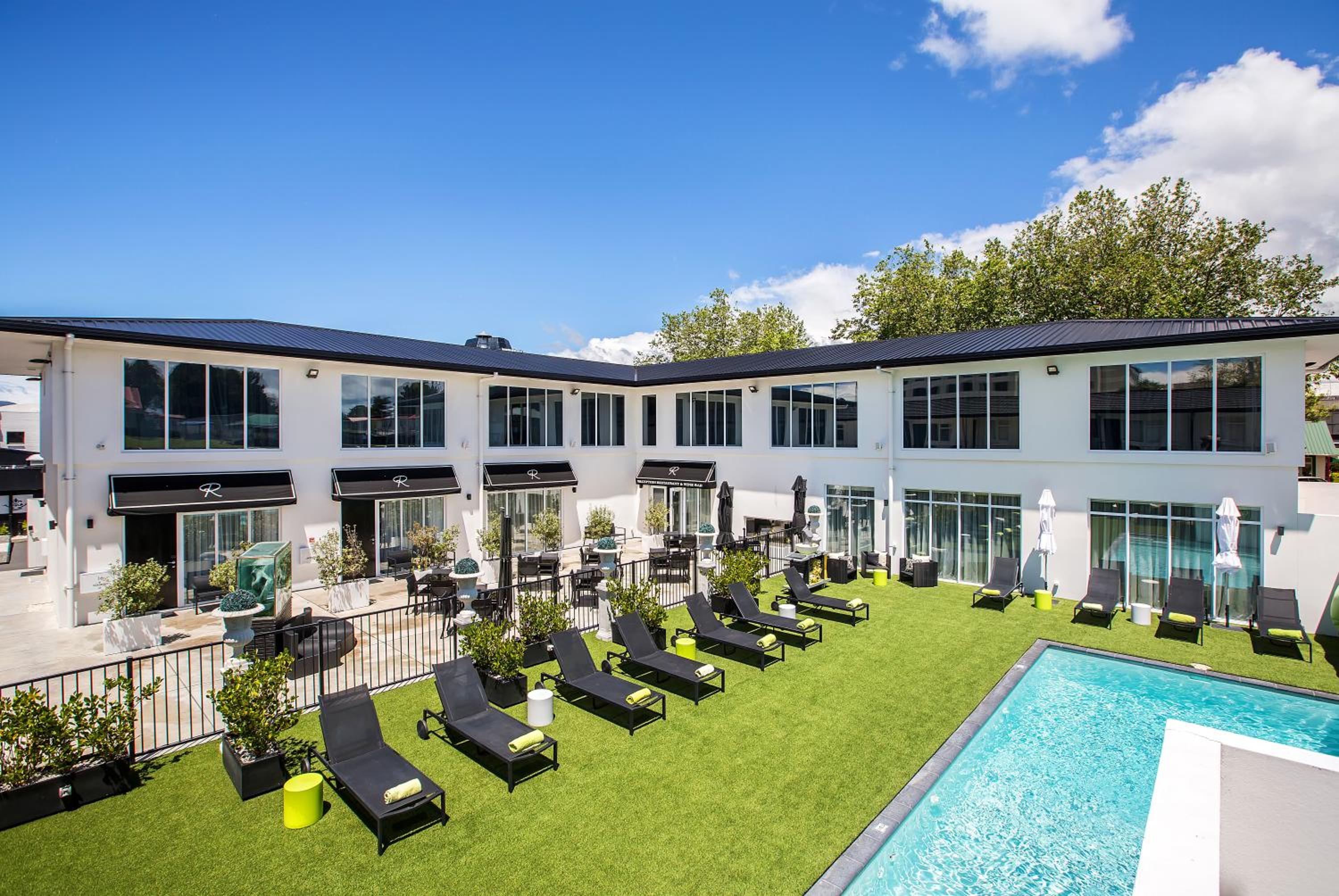
The city centre is the default, for walking access to the covered restaurant street, the free park and the lakefront, and the motel strip along the lake is the family version with a car park at the door. Most travellers give Rotorua 2 nights on Stippl, and the sulphur reaches the rooms in every district.
The city centre
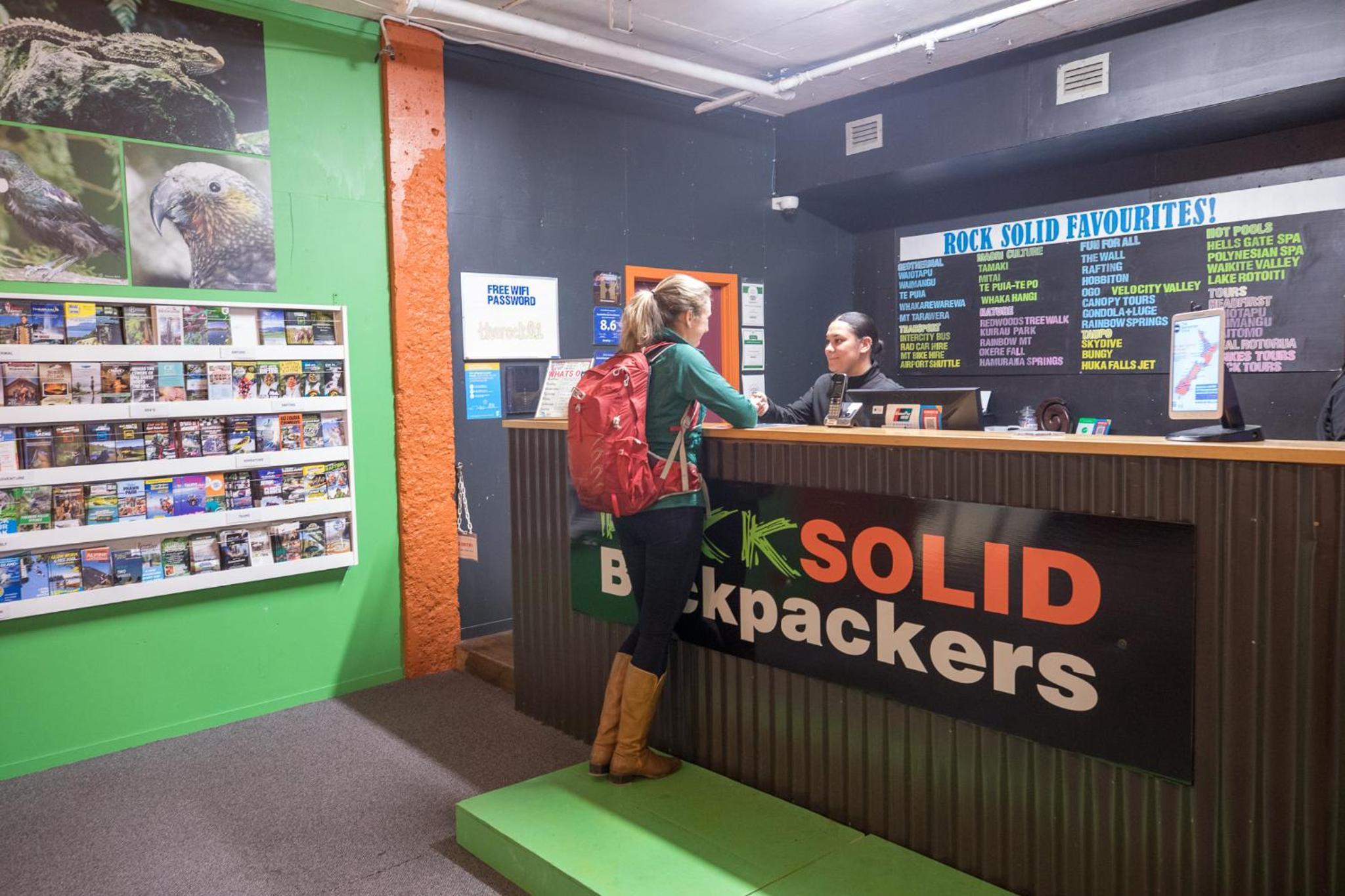
Hostels, hotels and the old bath-house hotels, €20 to €160 a night.
Kuirau Park
A few motels on the park's edge, €55 to €110 a night.
Ōhinemutu
A marae stay by arrangement and little else, €40 to €90 a night.
The lakefront and the airport road
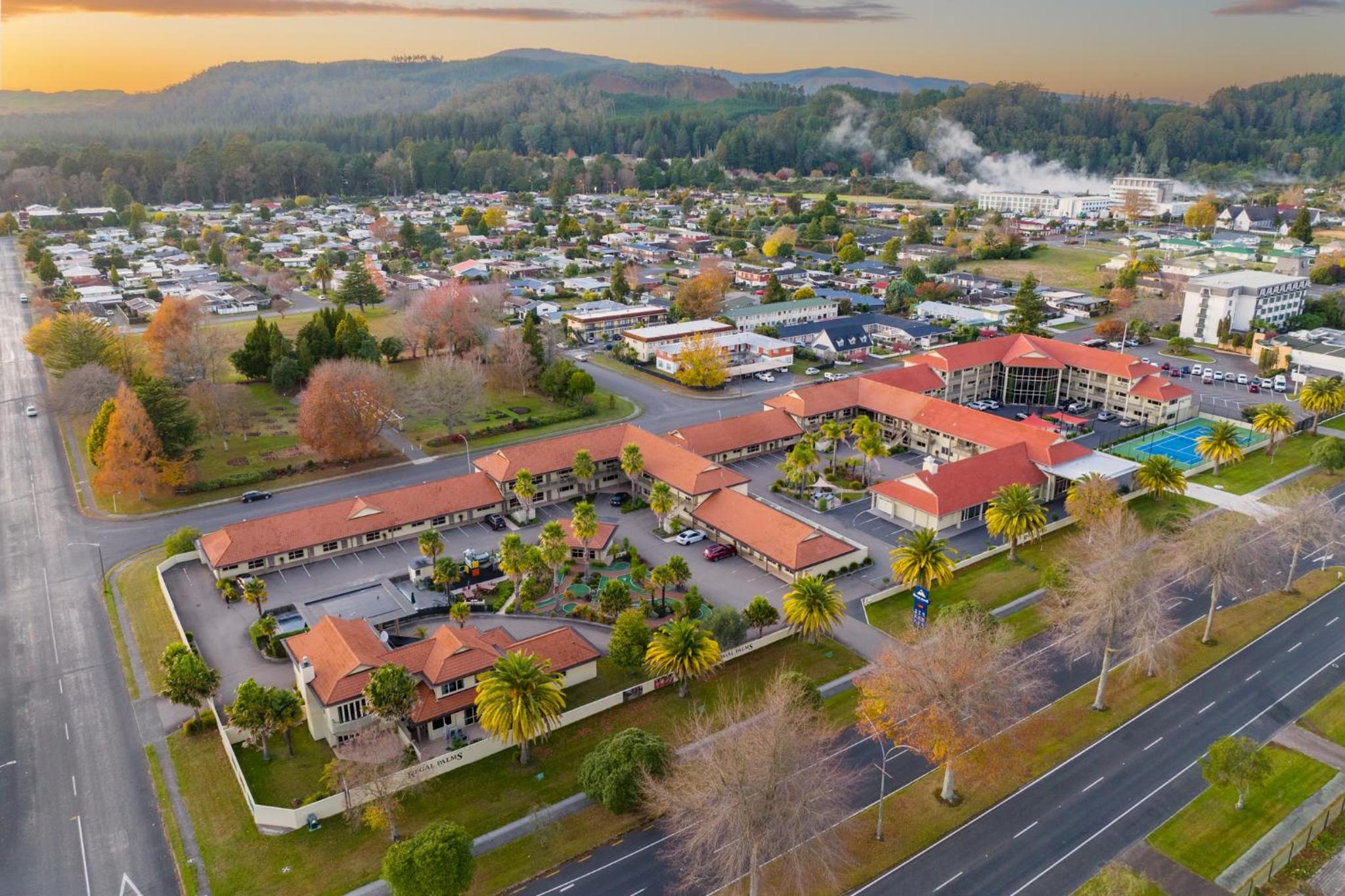
Motels, holiday parks and family resorts, €45 to €180 a night.


What to eat in Rotorua
Meat and vegetables cooked in an earth oven on hot stones, covered and left three to four hours. Traditionally wrapped in flax; a modern hāngī uses mutton cloth, foil and wire baskets
Sweet potato, one of the original hāngī foods alongside fish
Discover food spots in Stippl
Find restaurants and markets on the map, save them to your itinerary, works offline too.
Rotorua customs and what not to do
The Green Lake is tapu
Rotokakahi is not swum in, and its neighbour the Blue Lake across the road is a swimming lake, which is exactly why the distinction matters.
Ōhinemutu is a home
Free to walk through, and the request from the village and the guides is the same: stay on the path and do not photograph into the houses.
The hāngī is hospitality
Manaakitanga is the frame, and the earth-oven meal is a way of hosting rather than a menu item.
Te Arawa is the iwi
Ngāti Whakaue at Ōhinemutu and Tūhourangi Ngāti Wāhiao at Whakarewarewa are the hapū a visitor actually meets, and they are named.
The macron matters
Māori, hāngī, Pōhutu and Ngongotahā carry macrons, and the spelling is part of the respect.
Do
- Book the living-village tour and the evening performance ahead in summer
- Keep your head above the water in any natural hot stream
- Stay on the path in every geothermal park; the ground burns
- Pick one park for colour and one for scale rather than all four
Don't
- Swim in the Green Lake; it is tapu
- Photograph into the houses at Ōhinemutu
- Expect to land on White Island; the tours have not resumed
What a Rotorua trip costs
Budget
€51–81
A shared car or campervan, free and conservation campsites, all meals cooked and one paid activity a week.
Mid-range
€101–162
A rental car with motels or hostel privates, a restaurant meal most days and a big-ticket activity most weeks.
High-end
€228+
Hotels and lodges, guided walks and cruises and restaurant meals throughout.
Track what you actually spend
Set a daily budget per country and log expenses in any currency while you travel.
Fun facts about Rotorua
The redwoods grow faster in Rotorua than in California. Planted as a species trial after the native forest was cut in the nineteenth century, and some are now 75 metres tall.
Pōhutu at Rotorua is the largest active geyser in the southern hemisphere. It erupts up to twenty times a day beside the living village at Whakarewarewa.
The Tarawera eruption of 1886 killed around 120 people near Rotorua. It also destroyed the Pink and White Terraces, then regarded as the eighth wonder of the world and later located under the lake.
The same eruption created Waimangu, the youngest geothermal valley on earth. Which is why the valley's features have names and birthdays rather than legends.
Zorbing was invented in Rotorua, and nowhere else in New Zealand offers it. Rolling downhill inside a plastic ball, on the airport road out of town.
Rotorua appears on 28.73% of the New Zealand trips planned on Stippl. Almost never as the first or the last stop, because the city sits between Auckland and the volcanoes.
Local tips for Rotorua
A car is close to necessary
Almost every headline sight is twenty to forty-five minutes out of town, and every itinerary assumes driving between the parks.
The coach is the budget way in
The intercity coach from Auckland arrives centrally at the visitor centre, and the parks are then tours or a hire car.
The hot-stream rule is real
Amoebic meningitis lives in untreated geothermal water and enters through the nose, so the head stays above the surface in any natural pool.
The ground burns
Kuirau Park is free, open and unstaffed, the sand at Lake Tarawera is scalding in parts, and the instruction everywhere is do not touch.
The smell is permanent
Hydrogen sulphide is constant and reported inside the accommodation, and locals call it the Rotorua perfume.
Two nights, mid-route
Most travellers give Rotorua 2 nights on Stippl and only 3.29% of stops are no night at all, because the parks and the evening take a day each.
Rotorua questions, answered
Yes, continuously, and the sulphur is reported indoors as well as out, which is why the locals have a name for it. Most travellers give Rotorua 2 nights on Stippl regardless, because the geysers, the villages and the forest are the reason the smell is there.
For the headline sights, yes, and two nights is what most people give it: the parks on one day and the living village with the evening performance on the other. Only 3.29% of Rotorua stops on Stippl are no night at all, and the day trip from Auckland is rare.
Wai-O-Tapu for colour, Waimangu for scale and walking, Te Puia for the geyser plus the cultural side, and Kuirau Park for free. Put one for colour and one for scale into Stippl rather than all four, then ask people in subreddits like r/newzealand which they would drop.
No. Tours that land on Whakaari have not resumed since the eruption, scenic flyovers operate from the coast, and the geoscience agency publishes the live volcanic alert level. The geothermal valleys on the mainland are the version that is open.
Yes. Tikitapu is a swimming lake with a beach, and the Green Lake beside it is tapu and is not swum in, which is exactly why the two sit across the road from one another. The natural hot streams have their own rule: the head stays above the water.
In the middle: it appears on 28.73% of the New Zealand trips planned on Stippl and almost never opens or closes one, and a typical trip carrying it runs 16 stops, with the city between Auckland and the volcanoes at Tongariro.
Every guide is written by the Stippl editors and checked against the trips our travellers actually plan. Spotted something out of date? Let us know.

Plan Rotorua in Stippl
Day-by-day planning, stays and budget in one app, with every place from this guide already on the map.
Download the app