

Wanaka
Wānaka is Queenstown's quieter neighbour an hour over the Crown Range, the same mountains with a fraction of the noise, a lake three hundred metres deep, the best day walk on the South Island and a willow in the shallows that became the most photographed object in the country. One or two nights, a car for the trailheads, and the room booked months out.
Wanaka in a nutshell
Wanaka: what to expect
Every figure here is drawn from 185,000+ stops planned in New Zealand on Stippl.
One night in Wānaka for most, two for the walkers, and the walks are the whole point. Roys Peak is sixteen kilometres return and five to seven hours to a panorama over the lake and the national park, the Rob Roy Glacier track is ten kilometres from a car park an hour up the Matukituki Valley to a hanging glacier and the best day walk on the island, Diamond Lake and Isthmus Peak are the quieter alternatives, and the tree is twenty minutes of anyone's time. Most travellers give Wānaka 1 night on Stippl.
Wānaka is buried in the itinerary as deeply as Rotorua, and it is the calm the South Island route breathes on. The town appears on 27.57% of the New Zealand trips planned on Stippl, 6.13% of its stops are no night at all, the drive-through version between Queenstown and the glaciers, and only 18.6% of stops fall in the ski months, because our travellers come for the walks rather than the snow.
Book the room three to four months ahead for summer or the ski season, hire the car because the trailheads have no scheduled transport, start Roys Peak before dawn with a head torch, and carry water and shade because the track has neither. Skip Roys Peak between the start of October and the tenth of November, since it is closed for lambing, and skip the tree as a solitary experience, because it is a photograph queue.
Plan Wanaka in Stippl
Day-by-day planning, stays and budget in one app, with every place from this guide already on the map.
Download the appWho Wānaka is for
Walkers above everything
Roys Peak, Rob Roy Glacier, Diamond Lake, Isthmus Peak and Mount Iron are all named repeatedly and all start within an hour of town.
People Queenstown wore out
Every guide frames Wānaka as the calmer alternative and means it as a recommendation, on 27.57% of Stippl trips in New Zealand.
Skiers, in season
Cardrona and Treble Cone both run from the town, though only 18.6% of Stippl stops here fall in the ski months.
Families
A cinema, a puzzle attraction, a toy museum and a lavender farm alongside the hiking, and a lake to swim in on a hot day.
Wine travellers
Central Otago Pinot Noir is grown on the way to Cromwell and poured everywhere in town, with the cellar doors half an hour out.
Glacier-road travellers
The town is the last real stop before the Haast Pass and the West Coast glaciers, and 6.13% of Stippl stops here are the drive-through.
Maybe not for you: anyone wanting nightlife, since the town is small and the evenings are dinner and a film rather than bars; anyone without a car, because the trailheads have no scheduled transport; and anyone arriving in early October, when the big walk is shut.
The best time to visit Wānaka
Summer
December to February
Twenty-one to twenty-four degrees, the driest stretch of a dry year, all the walks open and the busiest and dearest weeks from late December.
Autumn
March to May
March is warm, settled and much quieter, the poplars turn in April, and by May the walking season is closing on the high tracks.
Winter
June to August
Eight to ten degrees by day, Cardrona and Treble Cone running, the alpine tracks out of condition and the town's second, smaller peak.
Spring
September to November
The awkward one: winter conditions persist into September, and Roys Peak is closed for the first six weeks of the season.
- Most travellers give Wānaka 1 night on Stippl, and 6.13% of stops are no night at all. One covers a walk and an evening; two to three is what the walkers give it.
- Roys Peak closes from 1 October to 10 November every year. For lambing on the farm the track crosses, and Isthmus Peak and Diamond Lake are the alternatives for those weeks.
- The room is booked three to four months ahead. Capacity is the constraint in both summer and the ski season, and the town has fewer beds than the walks have walkers.
- Only 18.6% of Wānaka stops on Stippl fall between June and September. The skiers exist, but our travellers come for the tracks, and the summer is when the beds go.
- The airshow lands over Easter in even years. Four days at the airfield, the biggest event in the town's calendar, and the next one is in two years.
- The Crown Range closes in snow. The highest sealed road in the country is chained or shut in winter, which is why the longer route through Cromwell exists.
Add your Wanaka dates and we'll flag the weather
Stippl shows the season, crowds and prices for every stop on your route.
Describe your trip, get a Wanaka itinerary in seconds
Everything in this guide is already in Stippl. Tell the planner how long you have and what you like: it builds the route, the days and the travel times, and you edit whatever you want.
Things to do in Wānaka

Roys Peak
Sixteen kilometres return and five to seven hours to a panorama over the lake, Glendhu Bay and the national park, closed each year from early October to mid-November.
The Rob Roy Glacier track
Ten kilometres return in three to four hours from a car park an hour up the Matukituki Valley, ending under a hanging glacier, and the best day walk on the South Island.
That Wānaka Tree
A willow standing in the shallows a short walk from the watersports centre, about twenty minutes of anyone's time and busiest at sunrise.
Diamond Lake and Rocky Mountain
The loop past the lake to a summit with the same view as Roys Peak in a third of the time, twenty minutes' drive from town.
Isthmus Peak and Mount Iron
The longer and the shorter alternatives to Roys Peak, with Isthmus Peak open through the lambing closure and Mount Iron an hour from the town's edge.
The Wildwire via ferrata
Advertised as the highest waterfall cable climb in the world, beside Twin Falls, with three route grades and the intermediate taking four to five hours.
The areas of Wānaka
Wānaka town
The lakefront strip
The strip and the blocks behind it holding the food, the beds and the willow, small enough to walk end to end in fifteen minutes. For first visits.
The lake, the restaurants and the tree within a walk, but the beds go months ahead.
Brownston Street
The food-truck block
A cluster of food trucks a block back from the lake beside the cinema, and the cheap and fast end of eating in an expensive town. For budgets.
The cheapest dinner in town with several options in one spot, though nothing to sleep in.
Cardrona
The ski village
The historic hotel and the ski village thirty minutes up the Crown Range, a separate settlement with its own beds. For skiers.
Ski-field convenience in winter and the old pub on the way to Queenstown, but a drive to the lake.
The Matukituki Valley
The trailheads
The gravel road west into Mount Aspiring National Park, an hour out, with the Rob Roy trailhead and no services at all. For walkers.
The glacier walk and the national park, with nothing else and no fuel.
See every Wanaka neighbourhood on one map
Save the areas you like and Stippl plots your days so you're not crossing the city twice.
Where to stay in Wānaka
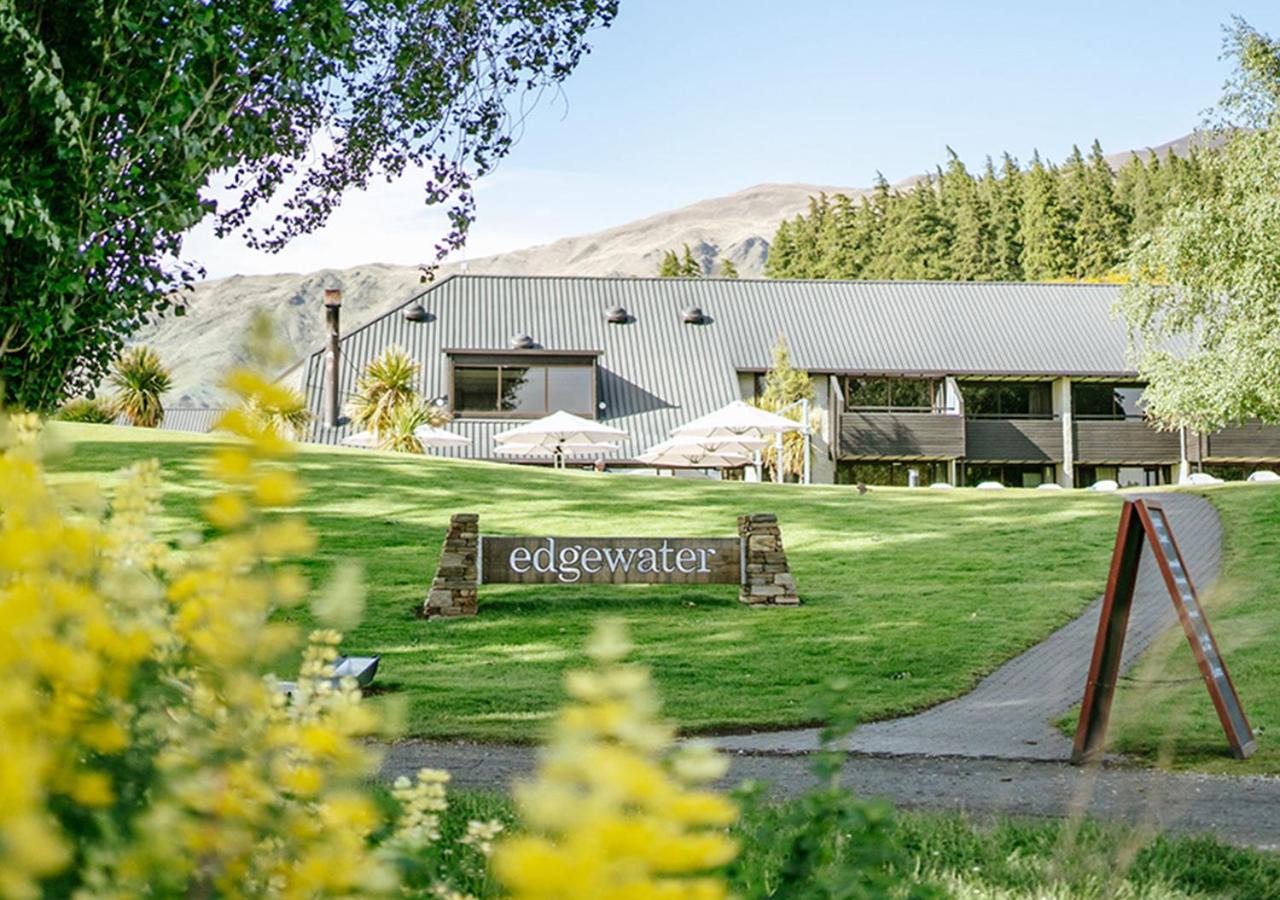
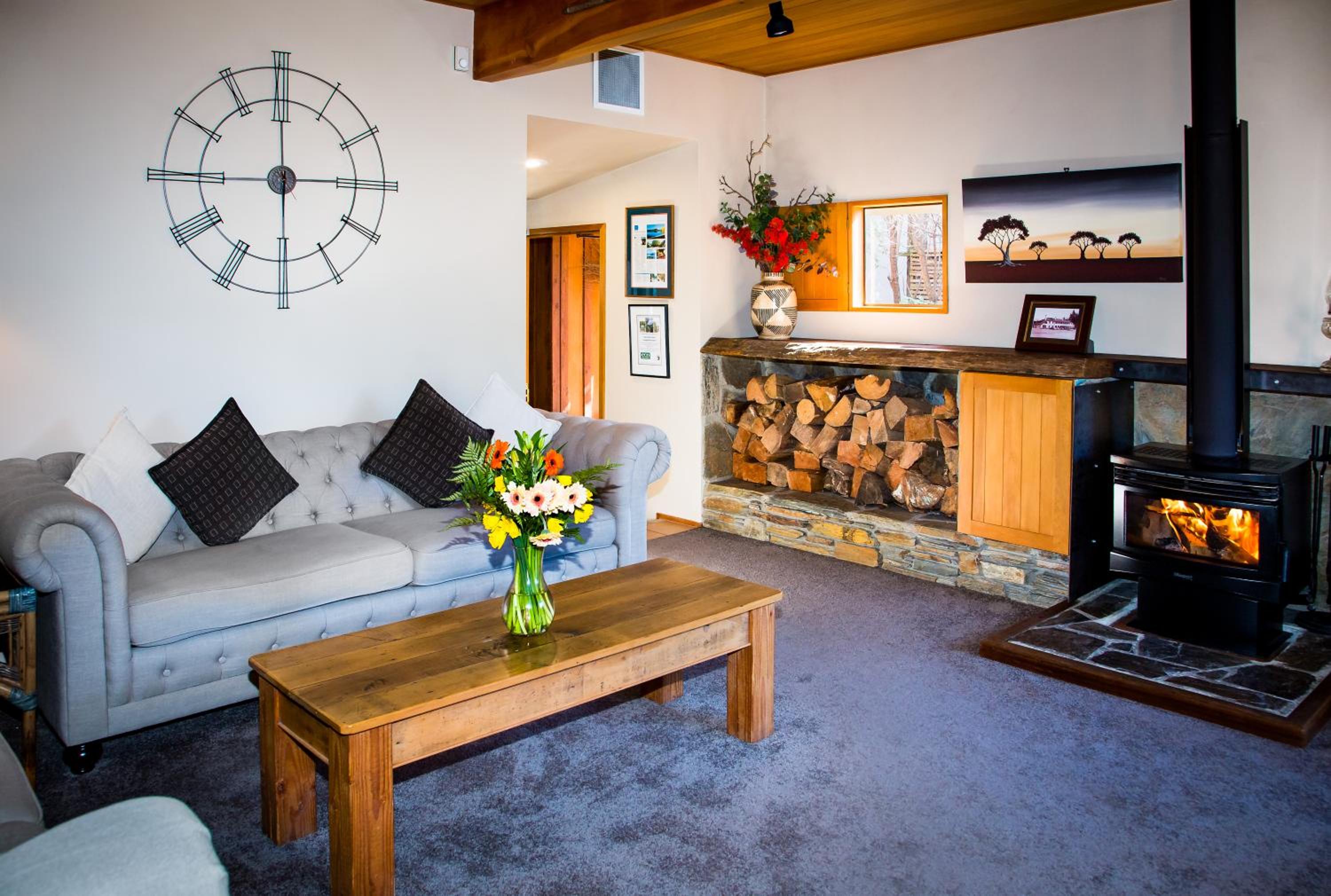
Capacity is the constraint, with the room booked three to four months ahead for summer and the ski season, and the town itself is the answer for a first visit because the lake, the food and the tree are all a walk from the bed. Most travellers give Wānaka 1 night on Stippl, and the holiday park by the lake is the budget version.
Wānaka town
Hostels, motels and lakefront apartments, €25 to €200 a night.
Brownston Street
A hostel and a couple of motels behind the food trucks, €25 to €90 a night.
Cardrona
The historic hotel and ski lodges, €90 to €220 a night.
The Matukituki Valley
A conservation campsite and nothing else, €5 to €10 a night.


What to eat in Wānaka
The region's wine, poured everywhere and grown on the way to Cromwell
The Cardrona Hotel's kitchen, thirty minutes up the Crown Range
Discover food spots in Stippl
Find restaurants and markets on the map, save them to your itinerary, works offline too.
Wānaka customs and what not to do
Wānaka carries a macron
The town is increasingly written that way, including by the conservation department, and the spelling is on the signs.
Tititea is Mount Aspiring
The Māori name for the mountain, and Kā Tiritiri o te Moana for the range, both in use on the park signage.
The tree is a queue
A photograph line rather than a solitary experience, and it has been damaged more than once as a result, so it is left alone.
The bra fence is real
Cardrona's roadside oddity is exactly what it sounds like, and it has survived every attempt to remove it.
A small town with a calendar
The airshow, the ski season and the summer each fill the beds, and the evenings are dinner and a film rather than bars.
Do
- Book the room three to four months ahead for summer or the ski season
- Start Roys Peak before dawn with a head torch and spare batteries
- Carry water and shade on the tracks; the big one has neither
- Check the lambing closure before planning the big walk
Don't
- Plan Roys Peak between the start of October and the tenth of November
- Expect the tree to yourself; it is a photograph queue
- Rely on a phone torch for a sunrise walk
What a Wānaka trip costs
Budget
€51–81
A shared car or campervan, free and conservation campsites, all meals cooked and one paid activity a week.
Mid-range
€101–162
A rental car with motels or hostel privates, a restaurant meal most days and a big-ticket activity most weeks.
High-end
€228+
Hotels and lodges, guided walks and cruises and restaurant meals throughout.
Track what you actually spend
Set a daily budget per country and log expenses in any currency while you travel.
Fun facts about Wānaka
That Wānaka Tree was planted as a fence post. It took root and grew, and is now the most photographed single object in New Zealand, with its own social-media account.
A photograph of the Wānaka tree won a national photograph of the year in 2014. Which is when the crowds started, and the queue at sunrise has not thinned since.
In 2020 someone attacked the Wānaka tree with a saw and removed its bottom limb. Changing its shape permanently, and it has been damaged on several other occasions since.
The Wānaka tree is a crack willow, a pest plant in New Zealand. The most photographed object in the country is officially a weed.
Lake Wānaka is 311 metres deep, the fourth-deepest in the country. Formed by glacial action around fifteen thousand years ago, and it feeds the largest river by volume in New Zealand.
Only 18.6% of stops in Wānaka on Stippl fall in the ski months. The town has two ski fields, and our travellers still come for the walks.
Local tips for Wānaka
A car is assumed
The trailheads are ten to sixty minutes out and there is no scheduled transport to them, so the rental comes over the pass from Queenstown.
The Crown Range closes in snow
The highest sealed road in New Zealand is chained or shut in winter, which is why the longer route through Cromwell exists.
Roys Peak is alpine at the top
The upper track is an alpine area with sudden weather change, rain, snow and cold at any time of year, and the layers go in the pack in January too.
No shade and no water
The big track has neither in summer, and the official advice is to carry plenty of both and avoid the hottest part of the day on a sixteen-kilometre climb.
Sunrise means the dark
People walk it in the dark for the dawn, and the authority addresses it directly: head torch, spare batteries, very warm clothes, and no phone torch.
One night, mid-route
Most travellers give Wānaka 1 night on Stippl and a typical trip carrying it runs 17 stops, because the town is a stage between Queenstown and the glaciers.
Wānaka questions, answered
Every guide calls it quieter and less commercial, and none calls it busier or cheaper to reach: the same mountains an hour over the pass with a fraction of the noise. It appears on 27.57% of the New Zealand trips planned on Stippl, and most of them carry both.
One covers a walk and an evening, and two to three is what the walkers give it, though most travellers give Wānaka 1 night on Stippl and 6.13% of stops are no night at all, the drive-through on the way to the glaciers.
No. The track is closed from the first of October to the tenth of November every year for lambing, and outside that window it is a five-to-seven-hour alpine walk with no shade and no water. Put the closure into Stippl before the dates, then ask people in subreddits like r/newzealand which alternative they walked in October.
Twenty minutes, and one guide says openly that it is overrated and crowded: a willow in the shallows a short walk from the watersports centre, photographed from a queue at sunrise. The lake behind it is the better picture, and the walks are the reason to be here.
Effectively yes. The trailheads are ten to sixty minutes out with no scheduled transport, the Crown Range from Queenstown is the highest sealed road in the country and closes in snow, and a typical trip carrying Wānaka on Stippl runs 17 stops, which is a road trip by definition.
Easter weekend in even years, four days at the airfield, and the biggest event in the town's calendar, with the beds gone across the district for the week. The next one is two years away, and outside it the town's calendar is the ski season and the summer.
Every guide is written by the Stippl editors and checked against the trips our travellers actually plan. Spotted something out of date? Let us know.

Plan Wanaka in Stippl
Day-by-day planning, stays and budget in one app, with every place from this guide already on the map.
Download the app