

Mumbai
Mumbai is India's financial capital and its film city, a chain of reclaimed islands stitched into one long peninsula with the largest Victorian Gothic ensemble outside Britain at the southern tip and the restaurants in the suburbs. Two or three nights, Colaba for the sights and Bandra for the food, the local train ridden once, and a budget raised for the one Indian city that needs it.
Mumbai in a nutshell
Mumbai: what to expect
The numbers below come from 60,000+ planned stops in India on Stippl, and the rest from the guides we cross-check.
Two nights in Mumbai, three with Elephanta, and the south holds the sights. The Gateway of India is the arch the last British troops left through, the Elephanta caves are rock-cut Shaivite temples an hour's ferry away and closed on Mondays, the terminus is the most ornate railway station in the world and still working at rush hour, a Dharavi tour with a resident guide changes people's reading of the city, Marine Drive at dusk is the Art Deco seafront walked end to end, and Dhobi Ghat is the open-air laundry seen from the bridge. Most travellers give Mumbai 2 nights on Stippl.
Mumbai is the other door into India, and the softer one. The city opens 33.6% of the 2,950 trips carrying it of the trips it appears on, of everyone who plans it on Stippl, and closes 29.8%, because the airport is the second gateway and the easier landing, 33.69% of stops are a single night, and Goa reads at more than twice its expected rate on Mumbai trips, because the coast follows the city.
Sleep in Colaba for the sights or Bandra for the food, ride the suburban train once outside rush hour, book Dharavi with a resident guide, and raise the daily budget. Skip standing undecided in the doorway of a moving train, the one dangerous thing a visitor does, and skip the monsoon months unless seeing the city under water is the decision, because the trains and the flights stop.
Plan Mumbai in Stippl
Day-by-day planning, stays and budget in one app, with every place from this guide already on the map.
Download the appWho Mumbai is for
Architecture and history people
A UNESCO ensemble of Victorian Gothic and Art Deco that you walk through rather than queue for, with the station at its centre.
Food travellers
The range runs from the beach stalls to the Irani cafés to the Bandra restaurant belt, and the city's whole classification is culinary.
First-timers, softly landed
The easier of the two gateways, more legible and less confrontational than Delhi, and it opens 33.6% of the 2,950 trips carrying it of the Stippl trips it appears on.
Megacity-curious travellers
The lunchbox relay, the suburban rail, Dharavi and the open-air laundry are all systems you can go and look at.
Goa-bound travellers
Goa reads at more than twice its expected rate on Mumbai trips on Stippl, because the coast is the next flight south.
Two-night stayers
33.69% of Stippl stops here are a single night and the typical stay is two, with the third night for the island caves.
Maybe not for you: a tight budget, since this is the one Indian city where you recalibrate what you expect for your money; and June to August, unless seeing the monsoon is a decision rather than an accident, because the trains and the flights stop.
The best time to visit Mumbai
The dry cool season
November to February
Maxima in the low thirties, nights down to seventeen and almost no rain, with the whole visitor year compressed into these four months and the prices following.
The hot dry season
March to May
The same daytime temperatures with nights that stop cooling, rainless and increasingly humid, with May the least comfortable month of the year.
The monsoon
June to September
Over two metres of rain across four months with genuine disruption to trains, roads and flights, green, cheap, empty and a real logistical risk.
The post-monsoon
October
Dry, still and humid, before the season opens properly in November and the festival lights go up.
- Most travellers give Mumbai 2 nights on Stippl, and 33.69% of stops are a single night. Three days covers the south, Elephanta and one suburb, and the agreement between the guides and the plans is the closest of any Indian city.
- 45.74% of trips start November to February (n = 1,325), against 37.91% for trips without Mumbai of Mumbai trips on Stippl start between November and February. The visitor year is compressed into the dry season, and the rooms in Colaba are priced for it.
- The lunchbox relay works Monday to Saturday. The dabbawala handover at the stations is invisible on a Sunday, so the weekday is the one to watch it.
- Ganesh Chaturthi takes the city in late summer. Ten days of processions ending with the idols carried into the sea at Chowpatty, and the roads closed for the immersion.
- Most travellers plan Mumbai about 56 days ahead on Stippl, and 24.20% created ≤14 days ahead inside a fortnight. The city needs no booking but the heritage hotel, and the Elephanta ferry is walk-up.
- 26.03% start June to September (n = 754), against 29.91% of Mumbai trips on Stippl start in the monsoon months. Lower than the rest of India, because the disruption here is real rather than atmospheric.
Add your Mumbai dates and we'll flag the weather
Stippl shows the season, crowds and prices for every stop on your route.
Describe your trip, get a Mumbai itinerary in seconds
Everything in this guide is already in Stippl. Tell the planner how long you have and what you like: it builds the route, the days and the travel times, and you edit whatever you want.
Things to do in Mumbai
 Photo by Nayan Bhalotia via Unsplash
 Photo by Mitesh via Unsplash
The Gateway of India
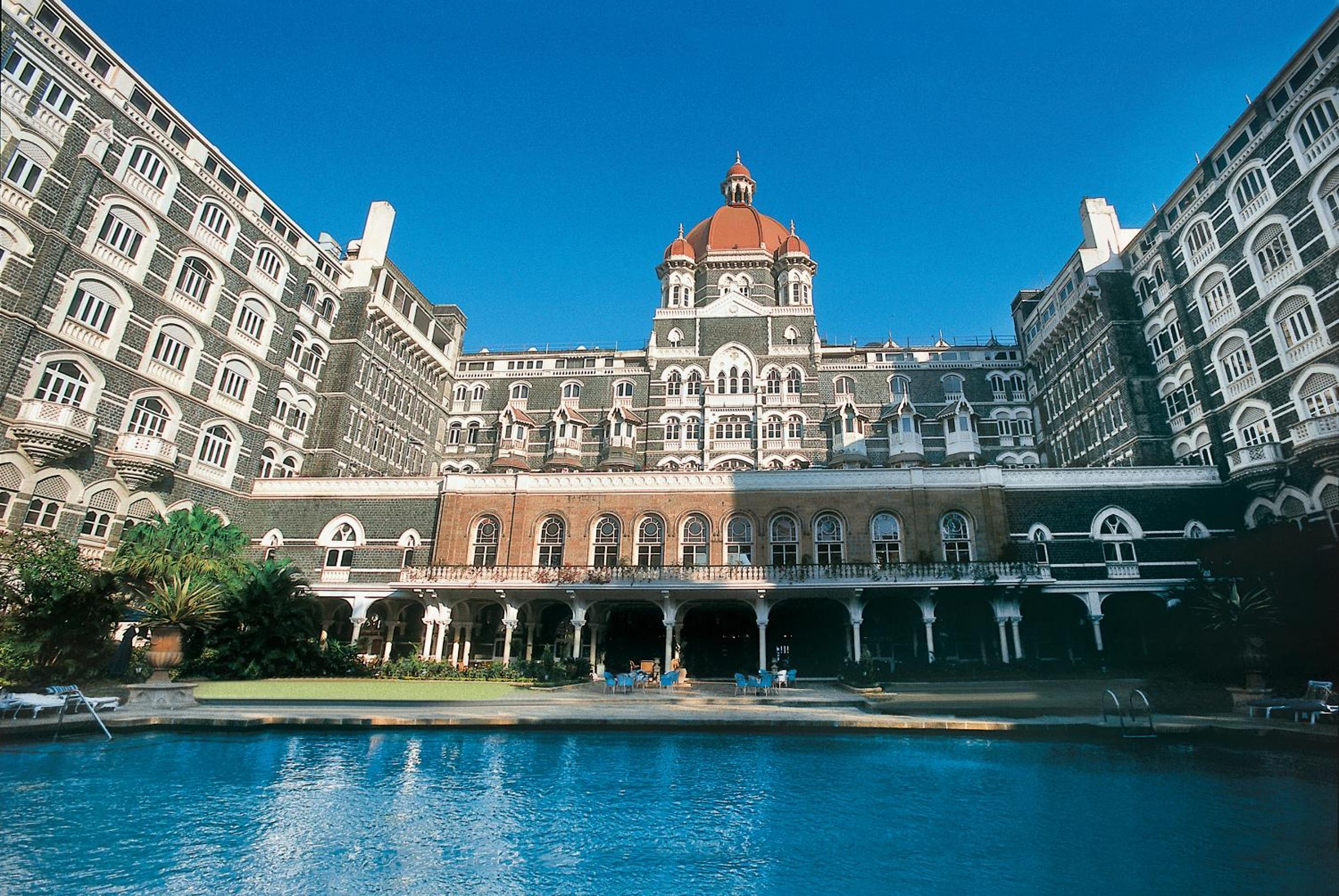
The arch built for a royal visit and the point the last British troops left, with the waterfront around it a permanent carnival and the Taj Palace behind.
The Elephanta caves
Rock-cut Shaivite temples of the fifth to seventh centuries on an island in the harbour, UNESCO-listed, an hour's ferry from the Gateway and closed on Mondays.
The terminus at rush hour
The most ornate railway station in the world and the centre of the UNESCO ensemble, still working, seen from inside at rush hour and then got out of the way of.
A Dharavi tour with a resident guide
Workshops, schools and markets with no photography and the profits returning to the community, and the thing that changes people's reading of the city.
Marine Drive at dusk
The three-and-a-half-kilometre Art Deco seafront whose street lights give it the name Queen's Necklace, walked end to end by half the city.
Dhobi Ghat
The open-air laundry, best seen from the bridge outside Mahalaxmi station rather than from inside it, with the lines of washing in the morning sun.
The neighbourhoods of Mumbai
Colaba
The colonial tip
The Gateway of India, the Taj Palace and the Causeway market at the southern end, with everything a first-timer comes for within one walk. For a first visit.
Everything within one walk, but the priciest rooms and the touts on the Causeway.
Fort and Kala Ghoda
The UNESCO precinct
The Victorian Gothic and Art Deco streets with the museums and the galleries, and the finest colonial architecture in the country. For architecture and art.
The museums and the finest streets on foot, though dead after the offices close.
Marine Drive and Chowpatty
The seafront curve
The Art Deco blocks along the bay with the beach at the northern end, the city's promenade and the street food at sunset. For evenings.
The promenade and the sunset, at seafront rates.
Lower Parel and Worli
The mill district
The old textile mills rebuilt as towers, restaurants and the business core, with the chef-driven restaurants and the highest bars in the city. For eating and rooftops.
The best restaurants and the highest bars, but a tower district with no street life.
Bandra West
The queen of the suburbs
Portuguese bungalows next to high-rises, cafés and bars, with the best restaurant density in the city and cheaper beds than the south. For eating and value.
The food and the value, though an hour from the sights.
Juhu
The beach suburb
Mansions, a theatre and a carnival seafront in the north, a beach in the city and near the airport. For families.
The beach and the theatre, and the airport nearby, but far from everything else.
See every Mumbai neighbourhood on one map
Save the areas you like and Stippl plots your days so you're not crossing the city twice.
Where to stay in Mumbai
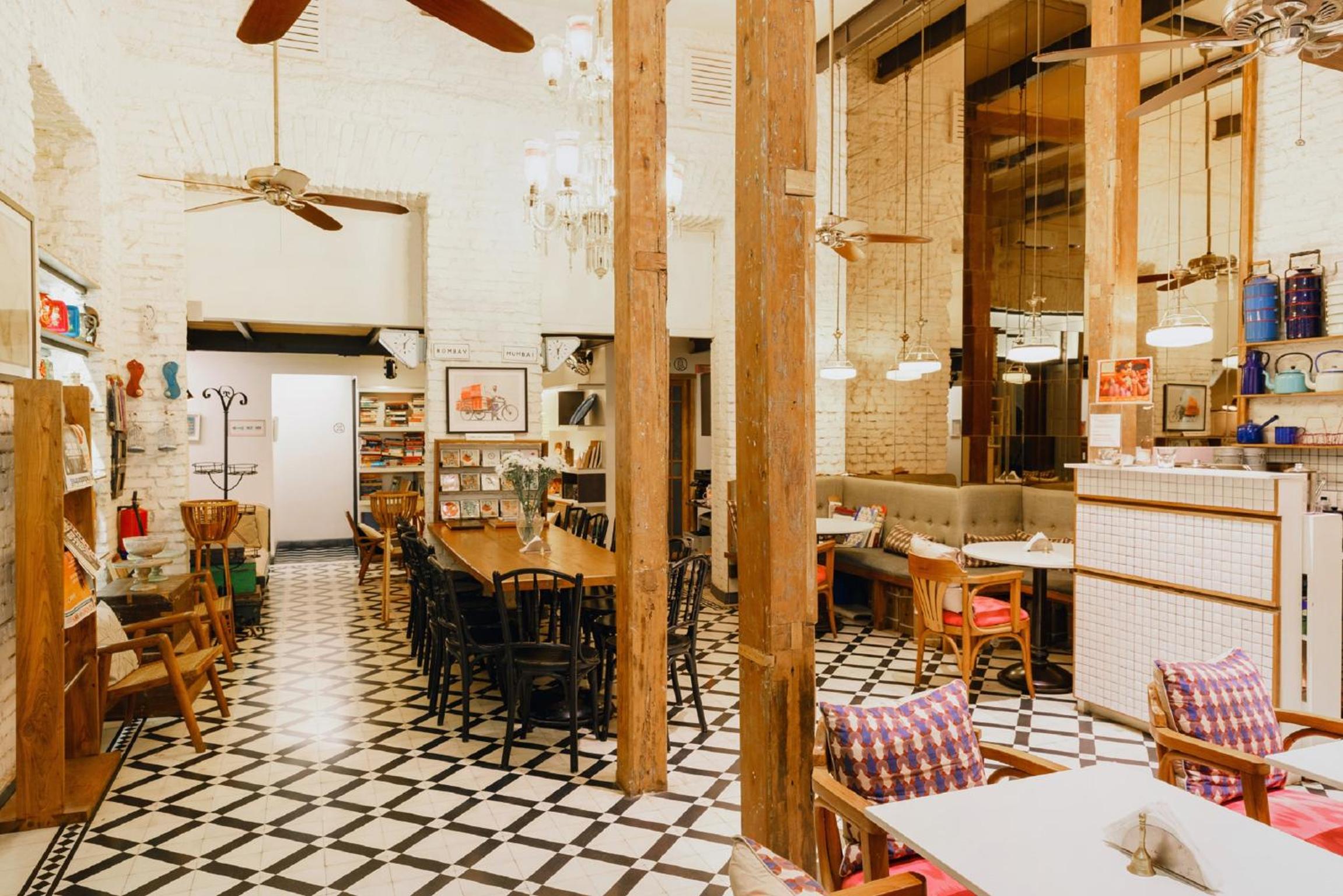
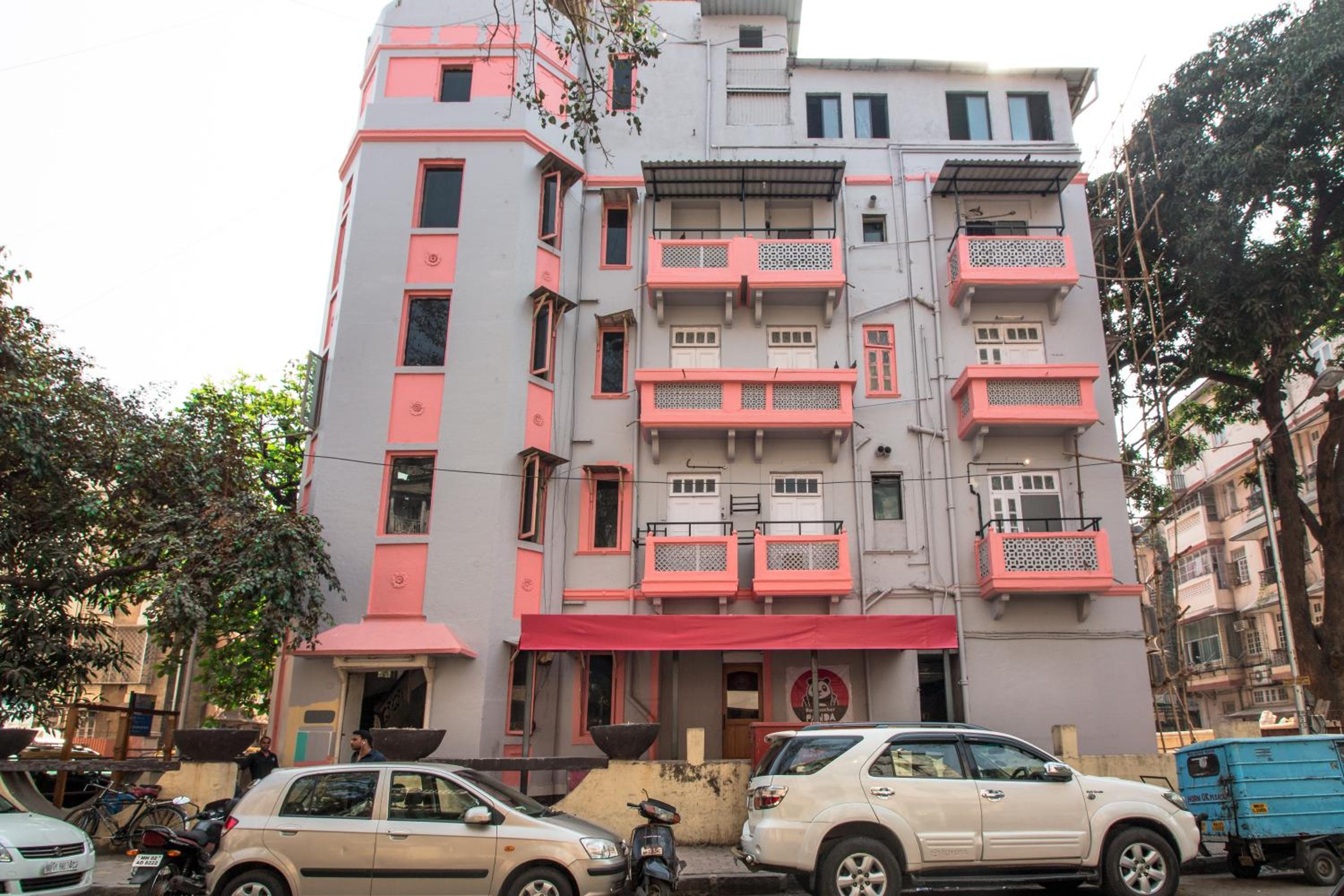
Colaba for the sights, Bandra for the food, the business district for the airport and Juhu for the beach, and every guide converges on that division because the city is an hour long whatever the mode. Most travellers give Mumbai 2 nights on Stippl, and the rooms are the dearest in India.
Colaba
€15–200
Heritage hotels, hostels and guesthouses behind the Gateway, €20 to €250 a night.
Fort and Kala Ghoda
€25–120
Boutique hotels in the colonial blocks, €40 to €150 a night.
Marine Drive and Chowpatty
€40–250
Seafront hotels on the Art Deco curve, €60 to €200 a night.
Lower Parel and Worli
€50–200
Business towers and design hotels, €70 to €220 a night.
Bandra West
€12–90
Guesthouses and mid-range hotels in the suburb, €25 to €100 a night.
Juhu
€30–180
Beach hotels and apartments near the airport, €40 to €180 a night.


What to eat in Mumbai
Discover food spots in Stippl
Find restaurants and markets on the map, save them to your itinerary, works offline too.
Mumbai customs and what not to do
Cover up at the shrines
The mosque on the sea, the basilica and the temples all expect shoulders and knees covered and shoes off, however relaxed the rest of the city is.
No photography in Dharavi
A rule of the tours, and the reason for it is obvious once you are there.
The women's compartment is real
At a marked point on the platform, and the standard advice for women travelling alone on the trains at any hour.
The least conservative city
Mumbai is comparatively relaxed about dress, and what passes in Bandra will not necessarily pass elsewhere in the country.
The trains have a rhythm
People board and alight while the train is still moving, and standing in the doorway undecided is the one dangerous thing a visitor does.
Bombay and Mumbai both hold
The name changed in the nineties, and neither is a correction of the other in conversation.
Do
- Ride the suburban train once, outside rush hour, and in the women's compartment if that applies
- Book Dharavi with a resident guide and leave the camera in the bag
- Stay near what you came for; the city is an hour long
- Raise the daily budget; this is the one Indian city that needs it
Don't
- Stand undecided in the doorway of a moving train
- Photograph in Dharavi
- Plan June to September around the trains and the flights holding
What a Mumbai trip costs
Budget
€28–45
A Colaba or Bandra hostel dorm, street food, trains and shared rickshaws and the free sights.
Mid-range
€55–95
A Fort or Bandra hotel, sit-down restaurants, app cars, Elephanta and the museums.
High-end
€150+
A heritage or seafront hotel, the rooftop bars and a car and driver.
Track what you actually spend
Set a daily budget per country and log expenses in any currency while you travel.
Fun facts about Mumbai
The dabbawalas of Mumbai move about 200,000 lunchboxes a day. With an error rate that has been the subject of business-school study, and no computers in the chain.
Mumbai's suburban rail carries roughly 7.5 million passengers daily. Running at three to four times its designed capacity at peak, which is why the doors never close.
Mumbai holds more Art Deco buildings than anywhere outside Miami. And the Victorian Gothic and Art Deco Ensemble became a UNESCO World Heritage site in 2018.
The Taj Mahal Palace in Mumbai was commissioned in 1903 by Jamsetji Tata. With the story attached that he built it after being turned away from a European-run hotel.
Sanjay Gandhi National Park sits inside Mumbai's municipal boundary. With caves, lakes and a resident leopard population inside a city of twenty million.
Mumbai opens 33.6% of the 2,950 trips carrying it of the Stippl trips it appears on. The other door into India, and only 5.2% of those trips stop nowhere else.
Local tips for Mumbai
The rail is the transport
Two classes running at several times capacity at peak, with a women's compartment, and every guide says ride it once, deliberately, outside rush hour.
There is an underground now
Older guides say the soil rules it out, and the new line runs from Colaba to the northern suburbs under the peninsula.
Everything is an hour away
The city is long and narrow and a north-to-south trip takes over an hour whatever the mode, so the bed is near what you came for.
No rickshaws in the south
App cars and auto-rickshaws cover the suburbs, and the southern tip is taxis or walking because the rickshaws are not permitted there.
The monsoon stops the trains
Flooded track suspends the network, roads become impassable and flights divert, so a June to September trip carries a spare day.
Two nights, and the softer door
33.6% of the 2,950 trips carrying it of the Stippl trips Mumbai appears on start here and 29.8% end here, because the airport is the second gateway.
Mumbai questions, answered
Two to three, and the agreement between the plans and the guides is the closest of any Indian city: most travellers give Mumbai 2 nights on Stippl, and three days covers the south, the island caves and one suburb.
They are different arrivals rather than competing ones: Mumbai is the easier landing with the better food and the sea, and Delhi has three UNESCO sites and the Golden Triangle at its door. Mumbai opens 33.6% of the 2,950 trips carrying it of the trips it appears on, of everyone who plans it on Stippl, and most of them fly on to Goa or the north.
If the connections need to hold, yes, and if seeing the city at its most alive is worth losing a day, June to September is cheap, green and genuinely spectacular. Put a spare day into Stippl either side of any monsoon flight, then ask people in subreddits like r/mumbai how the trains held the week they were there.
The people who went are clear that it did not feel that way, that photography is banned and that the profits return locally, and they also do not pretend the question has no force. A resident guide, no camera and the workshops rather than the homes is the version that holds up.
Yes, and every guide says do it once: outside rush hour, in the women's compartment if that applies, and never boarding a moving train. 45.74% of trips start November to February (n = 1,325), against 37.91% for trips without Mumbai of Mumbai trips on Stippl start between November and February, when the platforms are merely full rather than dangerous.
By Indian standards, very, and it is the one city where the guides tell you to raise the daily budget, with the rooms in Colaba the dearest in the country. 33.69% of Mumbai stops on Stippl are a single night, and the price is part of why.
Every guide is written by the Stippl editors and checked against the trips our travellers actually plan. Spotted something out of date? Let us know.

Plan Mumbai in Stippl
Day-by-day planning, stays and budget in one app, with every place from this guide already on the map.
Download the app