

Agra
Agra is the middle leg of the Golden Triangle and the reason most first trips to India exist, three UNESCO monuments from one dynasty in a town that does not match them. One night for the sunrise and the fort, the ticket bought the evening before, never on a Friday, and the marble-workshop detour declined.
Agra in a nutshell
Agra: what to expect
We read 60,000+ planned stops in India on Stippl to see how Agra really gets planned.
One night in Agra, and the sunrise is the reason for it. The Taj at opening is the visit, with the marble going from grey to pink to white while you stand in it, Agra Fort is a Mughal palace inside a military shell with the room where Shah Jahan was held in sight of the tomb, Mehtab Bagh across the river is the garden almost empty at sunset, and Fatehpur Sikri is Akbar's abandoned capital. Most travellers give Agra 1 night on Stippl.
Agra is the shortest stay on the Golden Triangle, and the most efficient monument stop in the country. 52.61% of stops here are a single night, of everyone who plans it on Stippl, the highest single-night share of any Indian city, because one night buys the sunrise and the fort before an afternoon train, the city opens only 1.5% of the trips it appears on, and the trips that carry it run a typical 20 nights, the longest in India.
Book the Taj ticket online the evening before and be at a gate at opening, check which of the two stations the train uses, cross the river to Mehtab Bagh for the view without the crowd, and give the fort a real afternoon. Skip arriving on a Friday, since the Taj is closed for prayers and the trip has lost its reason, and skip a late-December sunrise without a fog contingency, because the fog hides the monument at exactly the hour everyone books.
Plan Agra in Stippl
Day-by-day planning, stays and budget in one app, with every place from this guide already on the map.
Download the appWho Agra is for
First-time India visitors
The Taj is the one Indian sight everybody already has a picture of, and seeing it is a legible, self-contained reason to be here.
Mughal history readers
Three UNESCO monuments from one dynasty within an hour of each other, plus the Baby Taj that prefigured the inlay and Akbar's tomb at Sikandra.
Photographers
The marble reads pink at dawn, white at noon and gold under a full moon, three different visits, with the garden across the river for the empty frame.
Travellers on a tight schedule
The most efficient monument stop in India: one night gets the sunrise and the fort before an afternoon train, and 52.61% of Stippl stops here are exactly that.
Golden Triangle travellers
The trips carrying Agra on Stippl run a typical 20 nights, the longest in India, because the Taj sits in the middle of the long northern routes.
Full-moon planners
Night viewing runs on the full moon and the two nights either side with a capped ticket, and the gold marble is the third visit.
Maybe not for you: anyone hoping the city will match the monument, since the town is loud, polluted and hard work between the sights; and anyone visiting only on a Friday, because the Taj is closed and the winter fog can hide it entirely on the other days.
The best time to visit Agra
The cool, foggy season
November to February
Maxima in the twenties and mornings near eight, with a fog risk at exactly the hour everyone books, so a late-December sunrise slot is a gamble.
The hot season
March to June
Up to forty-two degrees on white marble with no shade, and the monument opens around sunrise for a reason.
The monsoon
July to September
Wet, green, empty and cheap, with the year's best air and the Taj reflected in a full pool.
The full-moon nights
Monthly
Night viewing runs on the night of the full moon and the two nights either side, with a separate ticket and a capped number of visitors.
- Most travellers give Agra 1 night on Stippl, and 52.61% of stops are exactly that. The sunrise and the fort in one night, with Fatehpur Sikri or the Baby Taj the reason for a second.
- The Taj is closed every Friday. For prayers, all day, and building a trip that reaches Agra on a Thursday night and leaves Friday afternoon is the most common planning error here.
- The winter fog hides the monument. From late November to January the sunrise slot is a gamble, and a second morning in the plan is the contingency.
- The full moon opens the night viewing. On the night itself and the two either side, with a separate capped ticket bought in advance, and the marble gold rather than white.
- Most travellers plan Agra about 69 days ahead on Stippl, and 20.77% more than six months out. The Taj ticket is bought the evening before, and the train is the booking that matters.
- Only 5.07% of Agra stops on Stippl are no night at all. The day trip from Delhi exists, and it misses the sunrise, which is the reason to come.
Add your Agra dates and we'll flag the weather
Stippl shows the season, crowds and prices for every stop on your route.
Describe your trip, get a Agra itinerary in seconds
Everything in this guide is already in Stippl. Tell the planner how long you have and what you like: it builds the route, the days and the travel times, and you edit whatever you want.
Things to do in Agra
 Photo by AXP Photography via Pexels
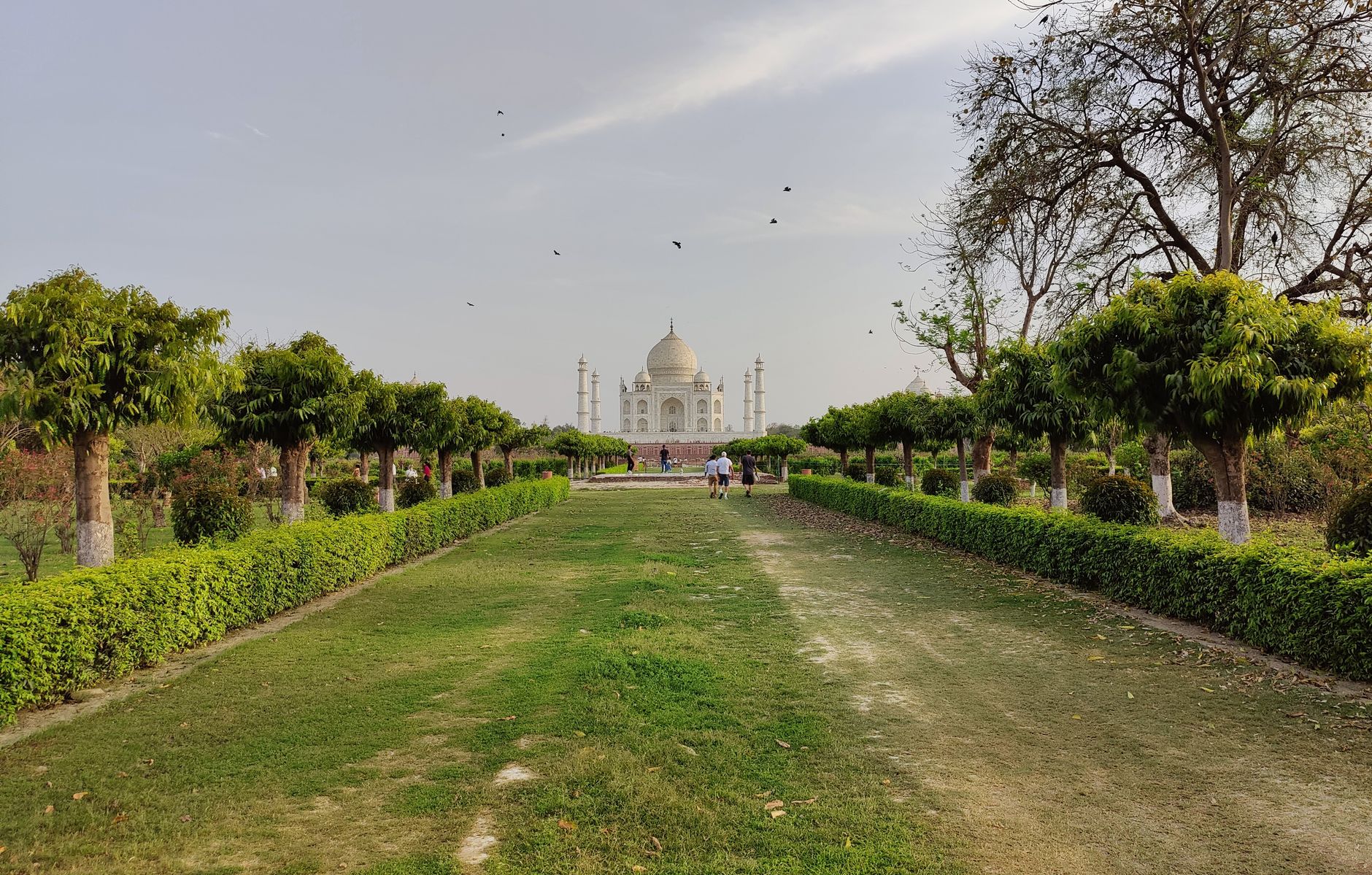 Photo by Sanjiv Kumar Singh via Pexels
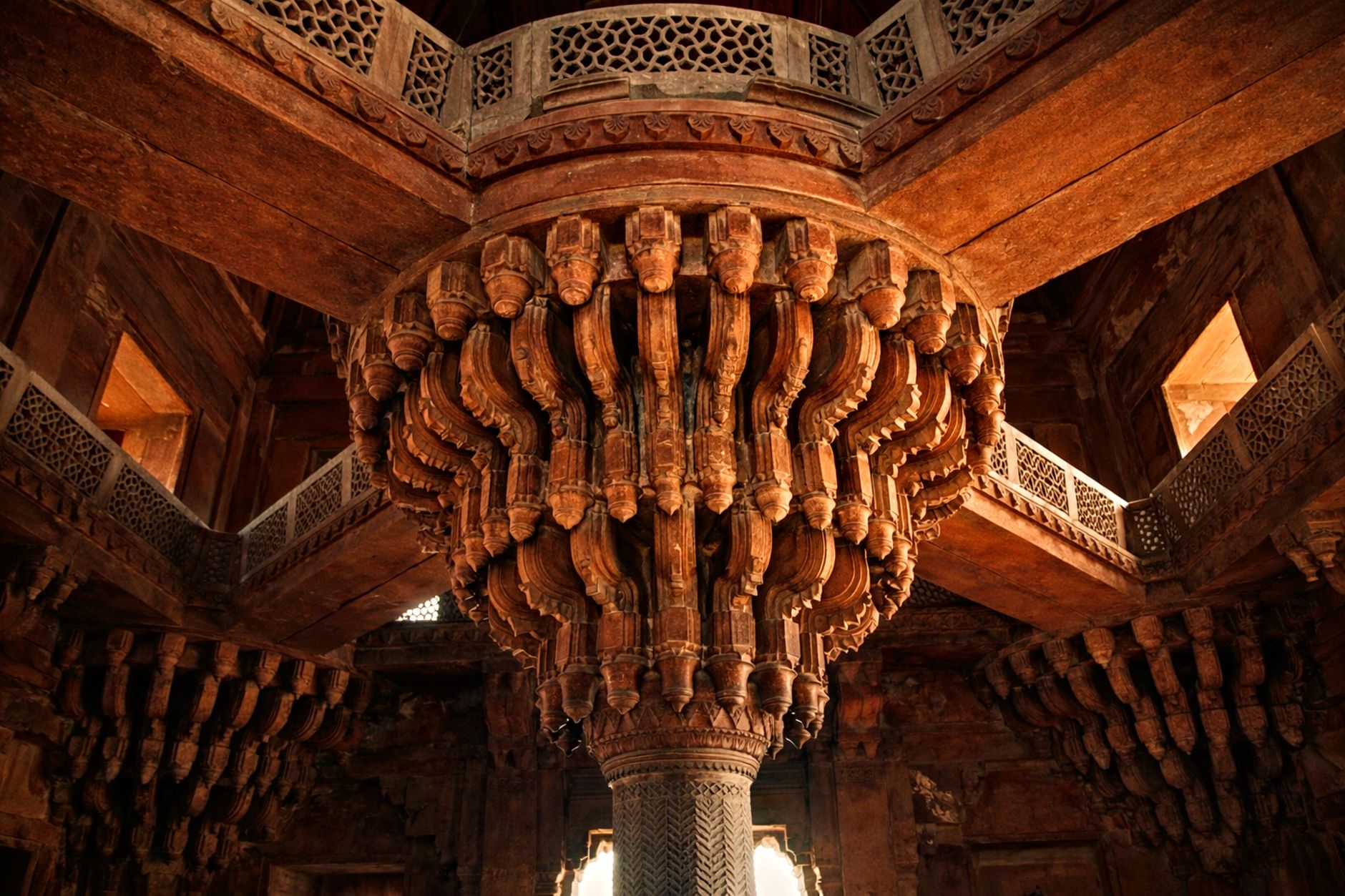 Photo by Sayan Samanta via Pexels
The Taj at opening time
The gates open around sunrise and the first hour is the visit, with the marble going from grey to pink to white while you stand in it and the crowd arriving after.
Agra Fort in the afternoon
Red sandstone, a Mughal palace inside a military shell, and the room where Shah Jahan was held with the Taj visible across the river, given a real afternoon.
Mehtab Bagh at sunset
The Mughal garden on the far bank, aligned with the Taj and almost empty, which is where the photograph without the crowd is.
The Baby Taj
The smaller marble tomb of Itmad-ud-Daulah that invented the inlay technique the Taj perfected, built by a daughter for her father.
Fatehpur Sikri
Akbar's capital, built in red sandstone and abandoned after about fifteen years, forty kilometres west and a half-day out.
The Kinari Bazaar lanes
The maze immediately behind the Taj with fabric, jewellery, spices, cows and no tourist infrastructure at all.
The neighbourhoods of Agra
Taj Ganj
The village at the wall
The old village against the Taj's south wall, built for the monument's craftsmen and still carving marble inlay, with the rooftops looking straight at the dome. For budgets.
Five minutes on foot to the south gate at dawn, but a tourist strip with the touts on it.
Fatehabad Road
The hotel corridor
The corridor between the Taj and the fort with the chains, the reliable restaurants and the shuttle hub to the monument. For comfort.
The most organised base with the shuttles at the door, though no character at all.
Sadar Bazaar
The commercial quarter
The quarter near the main station with the leather shops, the sweet stalls and the practical hotels for an overnight stop. For the station and the sweets.
Practical for an overnight and the city's best sweet shops, but a rickshaw to the Taj.
The old city
The Mughal quarter
The dense quarter around the fort and the Jama Masjid with a bazaar that is not there for tourists and few visitors. For first-timers who want the city.
Mughal streets and a real bazaar, though the noise and the distance from the gates.
See every Agra neighbourhood on one map
Save the areas you like and Stippl plots your days so you're not crossing the city twice.
Where to stay in Agra
Taj Ganj is the backpacker answer and the reason is geography rather than charm, because it is the only quarter you can walk from to a Taj gate before dawn and the rooftops there look straight at the dome; Fatehabad Road is the comfort version with the shuttles. Most travellers give Agra 1 night on Stippl, and the room is chosen for the gate.
Taj Ganj
€8–25
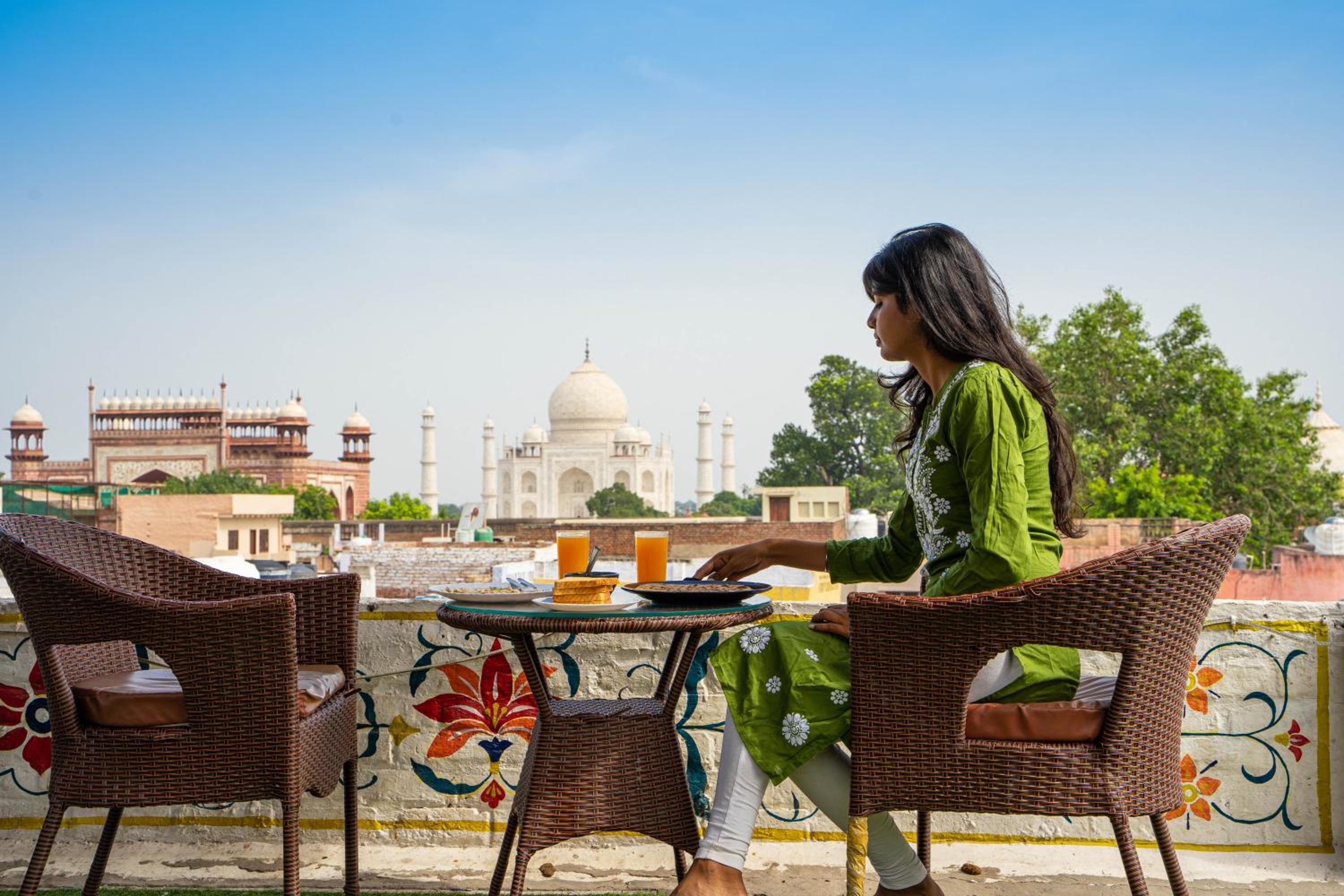
Guesthouses and hostels with rooftop views of the dome, €8 to €45 a night.
Fatehabad Road
€30–120
Chain hotels and a couple with a Taj view, €35 to €180 a night.
Sadar Bazaar
€15–45
Practical hotels near the station, €15 to €60 a night.
The old city
A handful of guesthouses in the Mughal quarter, €10 to €40 a night.


What to eat in Agra
Translucent ash-gourd candy, soft or dry, plain or flavoured; Agra's own sweet and its main edible export
The rich Mughal court cooking the city is historically the home of, cream and nuts rather than heat
The local fried breakfast, a spiced-lentil puri with potato curry, eaten with jalebi
A spiced fried lentil snack mix, the savoury half of Agra's sweet reputation
Stuffed griddled flatbread, the workaday breakfast
Discover food spots in Stippl
Find restaurants and markets on the map, save them to your itinerary, works offline too.
Agra customs and what not to do
Friday closure is not a detail
The Taj closes for prayers, and an itinerary that reaches Agra on a Friday has lost its reason for being there.
The touts are at their worst
The stretch between the station and the Taj gates is the most persistent approach in India, and the answer everyone agrees on is to keep walking.
Security at the gates is heavy
No food, no cigarettes, no tripods, no lights and a bag search at every gate, so as little as possible is carried in.
Shoe covers at the mausoleum
Shoes come off or the covers handed out with the ticket go on, as at any working tomb.
Dress conservatively
Agra is in a conservative part of Uttar Pradesh, and the national dress rule applies without softening.
Do
- Book the Taj ticket online the evening before and be at a gate at opening
- Check which of the two stations your train uses
- Cross the river to Mehtab Bagh for the view without the crowd
- Eat in the old city rather than on the Taj Ganj tourist strip
Don't
- Arrive on a Friday expecting to see the Taj
- Book a sunrise slot in late December without a fog contingency
- Accept a rickshaw driver's marble-workshop detour
What an Agra trip costs
Budget
€18–30
A Taj Ganj guesthouse, street food and rooftop dinners, the Taj ticket and a rickshaw.
Mid-range
€40–70
A Fatehabad Road hotel, restaurant meals and the Taj plus the fort with a guide.
High-end
€180+
A hotel with a Taj view, a car and driver and private guiding.
Track what you actually spend
Set a daily budget per country and log expenses in any currency while you travel.
Fun facts about Agra
The Taj's four minarets lean slightly outward by design. So that an earthquake would drop them away from the tomb rather than onto it.
The Taj's marble reads pink at dawn, white at midday and gold by moonlight. And Shah Jahan is said to have chosen it for exactly that.
Agra is the only city in the world with three UNESCO World Heritage monuments. The Taj, the fort and Fatehpur Sikri, all from one dynasty within an hour of each other.
Shah Jahan spent his last years imprisoned in Agra Fort by his son. With a view of the tomb he built, from the marble pavilion that is still the fort's most visited room.
The Baby Taj in Agra invented the inlay work the Taj perfected. Built by a daughter for her father two decades earlier, and generally held to have inspired it.
52.61% of stops in Agra on Stippl are a single night. The highest single-night share of any Indian city, because the sunrise and the fort fit before an afternoon train.
Local tips for Agra
Two stations, one right one
Agra Cantonment is the main one near Sadar Bazaar and Agra Fort station is closer to the old city, so the ticket is checked for which one it names.
The last stretch is electric
The final approach to the Taj gates is closed to combustion traffic, so it is an electric shuttle, a cycle rickshaw or on foot from the parking hubs.
No useful airport
The arrival is Delhi and then the train, in an hour and forty minutes on the fast service or three to four hours by road.
The commission detour
The marble-inlay workshop a driver takes you to pays him for the delivery, exactly as in Jaipur, and it costs money and half a day rather than anything worse.
Winter air is a health issue
The same conditions that hide the Taj are the plain's smog, and anyone with a respiratory condition treats December and January accordingly.
One night, in the middle
Only 1.5% of the Stippl trips Agra appears on start here and 3.4% end here, because the Taj sits between Delhi and Jaipur.
Agra questions, answered
The sunrise and the fort: most travellers give Agra 1 night on Stippl and 52.61% of stops are exactly that, the highest single-night share of any Indian city, because one night buys the sunrise at the Taj plus the fort. A second adds Fatehpur Sikri or the Baby Taj without rushing.
Every guide says yes without qualification, including the ones that dislike the city around it. Put the ticket into Stippl for the evening before and the gate for opening, then ask people in subreddits like r/IndiaTravel which gate had the shorter queue on their morning.
Every Friday, all day, for prayers, and an itinerary that reaches Agra on a Thursday night and leaves Friday afternoon is the most common planning error here. The winter fog can hide it on the other days, and a late-December sunrise is a gamble without a second morning.
Sunrise, at opening, when the marble changes colour as the light comes up and the crowd has not arrived, with the garden across the river at sunset for the empty frame. The full-moon nights are the third visit, on a separate capped ticket.
Yes, on a fast train in an hour and forty minutes or by road in three to four hours, and every guide warns that the day trip misses the sunrise, which is the reason to come. Only 5.07% of Agra stops on Stippl are no night at all, and most people stay for the dawn.
It holds three UNESCO monuments, more than any other city in the world, and whether that earns a second night the numbers answer with no: the trips carrying Agra on Stippl run a typical 20 nights, the longest in India, and give the city one of them.
Every guide is written by the Stippl editors and checked against the trips our travellers actually plan. Spotted something out of date? Let us know.

Plan Agra in Stippl
Day-by-day planning, stays and budget in one app, with every place from this guide already on the map.
Download the app