

Varanasi
Varanasi is the oldest living city in India and the holiest on the Ganges, a seven-kilometre crescent of 84 stone ghats where people come to bathe, to pray and to die, with the cremation fires burning without pause and the evening aarti drawing a crowd every night of the year. Two nights is what most people plan, three is what the city needs, and a room on the ghats is the whole point.
Varanasi in a nutshell
Varanasi: what to expect
Our travellers have planned 60,000+ stops in India on Stippl. That is where the numbers here come from.
Two nights in Varanasi is what gets planned, and three is what it needs. The pre-dawn boat along the ghats is the one thing everyone agrees on, the Ganga Aarti at Dashashwamedh is the evening fire ceremony, the 84 ghats walked end to end take a morning and are the real sight, Manikarnika is the cremation ghat watched from a respectful distance and never photographed, the sunrise programme at Assi Ghat is the quieter start with yoga and a smaller aarti, and Sarnath is the deer park where the Buddha first taught, ten kilometres out. Most travellers give Varanasi 2 nights on Stippl.
Varanasi is a stop in the middle, not a door. Only 8.3% of the trips it appears on, of everyone who plans it on Stippl, begin here and 12.2% end here, because the city sits between Delhi and the east and the typical trip through it runs 20 nights. The lanes are the reason for the extra night: the first day goes to finding your feet.
Sleep on the ghats or one lane back, take the boat at dawn with the price agreed before you step in, walk the whole ghat line once, and check the aarti time for the season. Skip photographing the cremations, skip anyone offering to take you to Manikarnika for a donation towards the wood, skip bathing in the river, and skip the boat in the monsoon, when the water is too high for it to run.
Plan Varanasi in Stippl
Day-by-day planning, stays and budget in one app, with every place from this guide already on the map.
Download the appWho Varanasi is for
Seekers of India undiluted
The most intense city in the country, with the fires, the pilgrims and the lanes all at once, and no version of it that is softened for visitors.
Pilgrims and the spiritual
The holiest city in Hinduism and the site of the Buddha's first sermon within one taxi ride of each other.
Photographers
The dawn light on the ghats from the water is one of the great pictures in India, with the cremation ghats the one place the camera stays away.
Slow travellers
Three nights beat two here, and 26.18% of Stippl stops are a single night, which the city punishes.
Delhi-to-Kolkata overlanders
A stop in the middle, on the train, and only 8.3% of the Stippl trips it appears on begin here.
Walkers
The seven-kilometre ghat line and the lanes behind it are the sights, and the whole city is done on foot.
Maybe not for you: anyone who needs a clean line between the sacred and the daily, since here there is none; travellers unsettled by death in the open, because the fires burn day and night; and heavy luggage, which the central ghats cannot receive by car.
The best time to visit Varanasi
The cool season
October to March
Maxima from the low thirties down to the low twenties, foggy dawns in December and January, dry and the season everything is built around.
The hot season
April to June
Over forty degrees in May, dry and airless, with the ghats empty by mid-morning and the boats out only at dawn.
The monsoon
July to September
Heavy rain and a river that rises by metres, drowning the lower ghats, with the boats frequently suspended and the aarti moved up the steps.
The festival cusp
October and November
The Dev Deepawali lamps on the ghats a fortnight after Diwali, the busiest fortnight of the year and the one to book a room for.
- Most travellers give Varanasi 2 nights on Stippl, and 26.18% of stops are a single night. Three is the number the city rewards, because the first day disappears into the lanes.
- The aarti runs about an hour after sunset and moves with the season. Around seven in summer and six in winter, and the front rows fill an hour before.
- December and January dawns are foggy. The boat still goes out, and the light comes late, so the sunrise picture is a February to March one.
- Most travellers plan Varanasi about 59 days ahead on Stippl, and 19.16% more than six months out. The long-lead share is the trains: the Delhi and Kolkata sleepers sell out weeks ahead.
- Dev Deepawali fills every room on the ghats. A fortnight after Diwali, over a million lamps on the steps, and the rates doubled for the week either side.
- The typical trip through Varanasi runs 20 nights on Stippl. A long India trip, with the city as one stop in the middle rather than the reason for the flight.
Add your Varanasi dates and we'll flag the weather
Stippl shows the season, crowds and prices for every stop on your route.
Describe your trip, get a Varanasi itinerary in seconds
Everything in this guide is already in Stippl. Tell the planner how long you have and what you like: it builds the route, the days and the travel times, and you edit whatever you want.
Things to do in Varanasi
 Photo by Deepak Deshwal via Pexels
The pre-dawn boat
Along the ghats as the sun comes up over the far bank, the bathers going in and the light hitting the steps, and the one thing everyone agrees on.
The Ganga Aarti at Dashashwamedh
The evening fire ceremony with the priests, the lamps and the crowd, an hour after sunset every night of the year, watched from the steps or from a boat.
The 84 ghats on foot
From Assi in the south to Raj Ghat in the north, a morning's walk past the bathers, the laundry, the wrestlers and the cremation fires.
Manikarnika from a distance
The main cremation ghat, burning without pause, watched from the steps above with respect and never photographed.
Subah-e-Banaras at Assi Ghat
The quieter sunrise programme at the southern end, with yoga on the steps, a smaller aarti and classical music, and fewer people.
Sarnath
The deer park where the Buddha gave his first sermon, ten kilometres out, with the great stupa, the museum and the Ashokan lion capital that became India's emblem.
The neighbourhoods of Varanasi
Dashashwamedh and Godowlia
The centre of the ghats
The main ghat with the evening aarti and the busiest lanes behind it, the old-city core with the temple and the sweets. For first-timers.
The aarti and the temple on foot, but the densest crowds and the most hassle.
Assi Ghat
The southern end
The southernmost of the main ghats with the sunrise programme, the cafés and the guesthouses, calmer and where the long-stayers end up. For slow travellers.
Calm, cafés and the morning programme, though a forty-minute walk from the aarti.
The northern ghats
Around Manikarnika
The cremation ghats and the lanes behind them, the oldest and most intense stretch, with the fires visible from the guesthouse roofs. For the undiluted version.
Closest to the heart of it, and too much for some.
Cantonment
The colonial quarter
The wide streets north of the old city with the larger hotels, the main station and the airport road, quiet and characterless. For comfort.
Car access and quiet, but nothing of the city outside the window.
Sarnath
The Buddhist town
The pilgrimage town ten kilometres out with the stupa, the monasteries and the museum, green and slow. For a second base.
Peace and the Buddhist sites, at the price of the ghats being a taxi away.
See every Varanasi neighbourhood on one map
Save the areas you like and Stippl plots your days so you're not crossing the city twice.
Where to stay in Varanasi
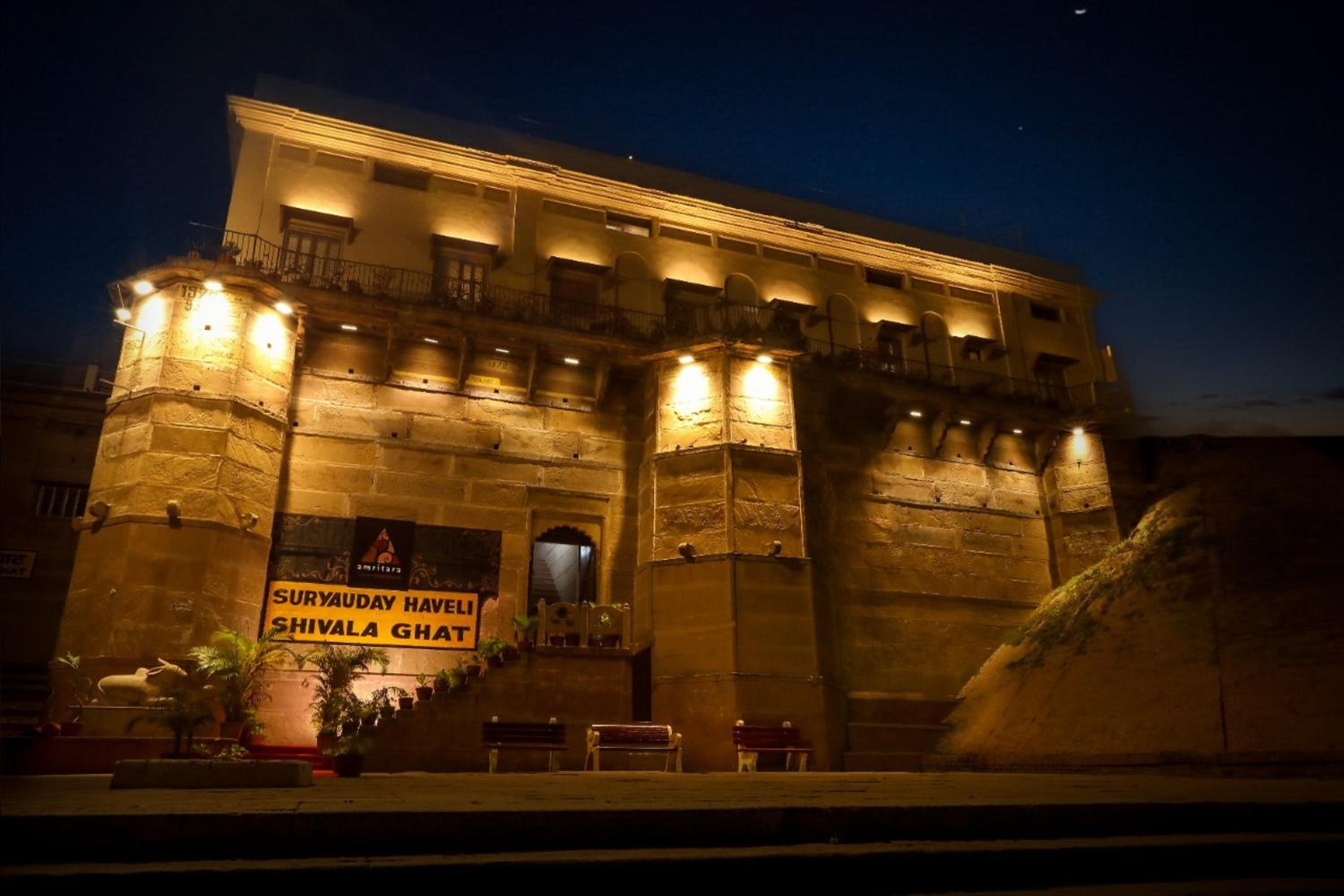
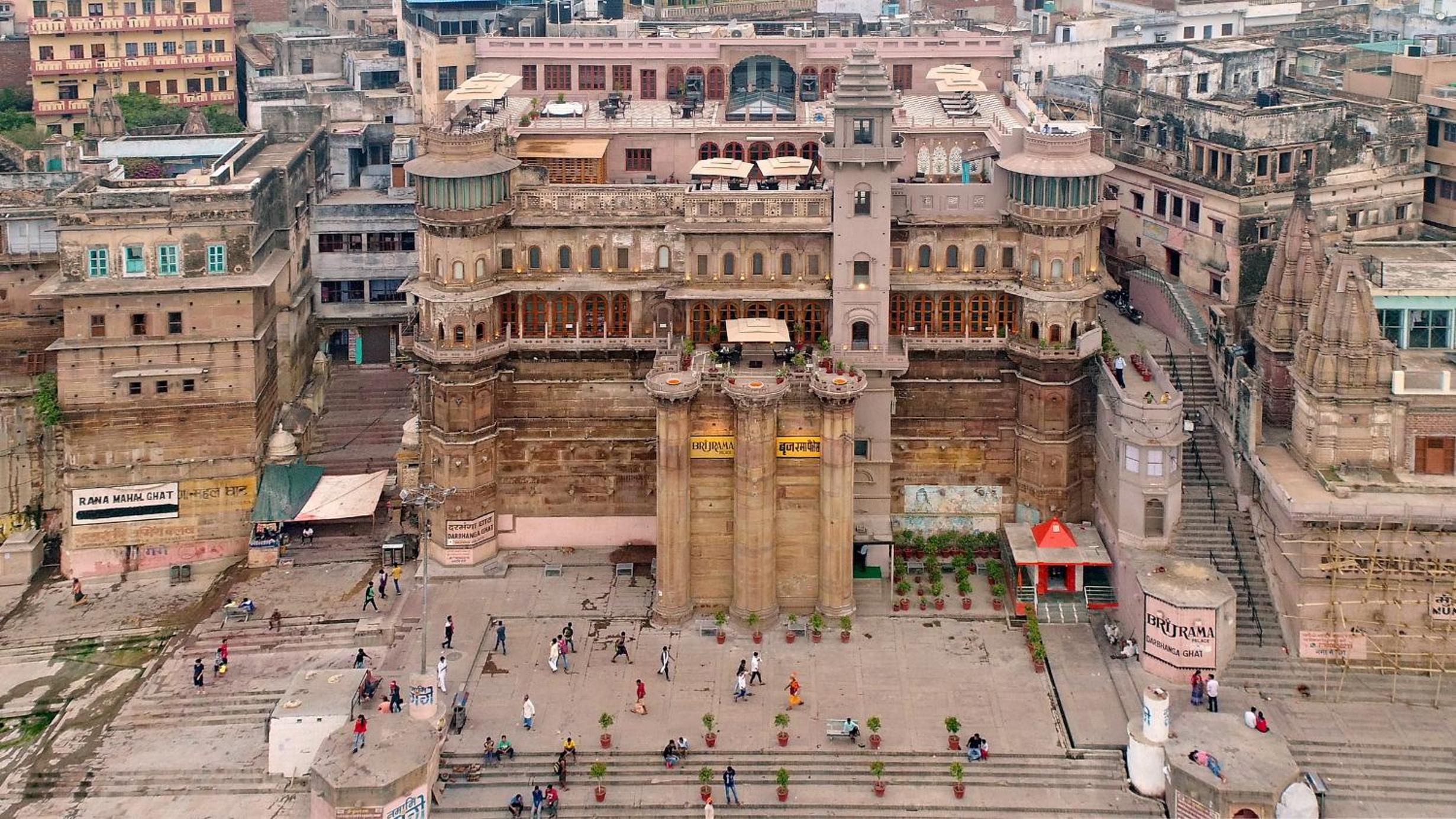
On the ghats or one lane back, and the choice is which stretch: Dashashwamedh for the aarti, Assi for the calm, the northern ghats for the fires. Most travellers give Varanasi 2 nights on Stippl, and the central ghats cannot be reached by car, so the bag is carried the last stretch.
Dashashwamedh and Godowlia
Guesthouses and heritage hotels in the lanes, €10 to €90 a night.
Assi Ghat
€12–40
Hostels, guesthouses and boutique hotels at the southern end, €8 to €80 a night.
The northern ghats
Old-city guesthouses with river roofs, €10 to €60 a night.
Cantonment
€25–90
Larger hotels with car access and gardens, €40 to €150 a night.
Sarnath
€15–50
Monastery guesthouses and small hotels, €10 to €50 a night.



What to eat in Varanasi
Fried lentil-stuffed puri with a spiced potato curry; the Varanasi breakfast, eaten early
Betel leaf folded with lime, areca and sweet fillings; the city's signature after anything
A winter-only aerated milk foam, whipped overnight under dew and sold by the morning
Set yoghurt in a clay kulhad, thick enough to eat with a spoon
The savoury snack family, tamatar chaat being the local variant
A spiced milk drink, sometimes bhang-infused at festivals
Discover food spots in Stippl
Find restaurants and markets on the map, save them to your itinerary, works offline too.
Varanasi customs and what not to do
No cameras at the cremations
Manikarnika and Harishchandra are watched from a distance and never photographed, and the families are not a sight.
It is not a performance
The aarti, the bathing and the fires are religious practice with an audience, and the audience keeps to the edges.
Temple access varies
The Kashi Vishwanath temple admits Hindus and the rules for others change; ask at the entrance rather than assume.
Temple dress
Shoulders and knees covered, shoes off, and no leather at the main temples.
Death passes in the lane
A body on a bamboo bier comes through the alleys to the ghats several times an hour, and you step aside.
Do
- Take the dawn boat with the price agreed before you step in
- Walk the whole ghat line once, end to end
- Stand back at Manikarnika and let the families have the steps
- Check the aarti time for the season and arrive an hour before
Don't
- Photograph the cremations, from the steps or from a boat
- Pay anyone a donation towards the wood
- Bathe in the river
- Plan the boat in the monsoon, when it is often suspended
- Bring heavy luggage to the central ghats
What a Varanasi trip costs
Budget
€15–28
A ghat-side guesthouse, street food, a shared boat and the walk.
Mid-range
€35–65
A heritage hotel on the river, a private boat, Sarnath by taxi and the sit-down restaurants.
High-end
€150+
A palace hotel on the ghats and a guide for the lanes.
Track what you actually spend
Set a daily budget per country and log expenses in any currency while you travel.
Fun facts about Varanasi
Manikarnika Ghat in Varanasi has burned for over 2,000 years. With 80 to 100 cremations a day and about 300 tonnes of wood a year, and the fire never allowed to go out.
A Banarasi silk sari takes 6 to 8 months to weave. With the weaving communities in the lanes north of the old city and the gold thread the reason for the price.
Mark Twain wrote that Varanasi is older than history. Older than tradition and older than legend too, and looking twice as old as all of them together.
Varanasi has 84 stone ghats along a 7-kilometre crescent. Each with a name and a purpose, from the bathing ghats to the laundry ghat to the two cremation ghats.
Sarnath near Varanasi is one of the four holiest Buddhist sites. Where the Buddha gave his first sermon, and where the Ashokan lion capital that became India's emblem was found.
Only 3.2% of Stippl trips with Varanasi go nowhere else. A stop in the middle of a long trip, and the trips through it run 20 nights.
Local tips for Varanasi
Two stations, not one
Varanasi Junction is in Cantonment and Banaras station is at Manduadih on the other side of town, so the ticket says which before the rickshaw is hired.
The last stretch is on foot
Cars and rickshaws stop at the edge of the lanes, and the central ghats are reached carrying the bag, so it is a small one.
The ghats are the route
Walking the river line is faster and calmer than the lanes behind it, and it is how the city itself gets from one end to the other.
The boats are negotiated
There is no fixed rate, so the price is agreed per boat per hour before anyone steps in, and shared boats at dawn are the cheap version.
The wood-donation scam
Anyone offering to take you closer to the cremations for a donation towards the wood is not a priest and the money goes nowhere near a family.
Three nights, not two
26.18% of Stippl stops here are a single night and the typical stay is two, and the first day goes to the lanes, so the third night is the one that makes the trip.
Varanasi questions, answered
Three, and the plans and the guides disagree here more than anywhere in India: most travellers give Varanasi 2 nights on Stippl, and the first day disappears into the lanes, so two nights is one real day.
Yes, from the steps above Manikarnika at a distance, quietly and without a camera, and the families are used to it. Anyone offering to take you closer for a donation towards the wood is running the oldest scam in the city, and the answer is no.
It is the one thing every guide and every traveller agrees on, and it is a dawn thing: the bathers, the light on the steps and the whole crescent from the water. Agree the price before stepping in, and in December and January expect fog rather than sunrise.
In the middle, on the train between Delhi and the east: only 8.3% of the trips it appears on begin here, of everyone who plans it on Stippl, and the typical trip through it runs 20 nights. Put the sleeper into Stippl the day the tickets open, then ask people in subreddits like r/IndiaTravel which train they took.
For the ordinary traveller, yes, with the usual old-city cautions: the lanes are dark at night, the touts around Dashashwamedh are persistent, and the river is not for swimming. The one real risk is a pushy guide steering you to a silk shop or a wood donation, and a flat no ends both.
About an hour after sunset every night, so around six in winter and seven in summer, at Dashashwamedh Ghat, with the steps full an hour before. Most travellers plan Varanasi about 59 days ahead on Stippl, which is the train timetable rather than the ceremony.
Every guide is written by the Stippl editors and checked against the trips our travellers actually plan. Spotted something out of date? Let us know.

Plan Varanasi in Stippl
Day-by-day planning, stays and budget in one app, with every place from this guide already on the map.
Download the app