
Hvar
Hvar is a long, thin island off Split where almost everything happens in one town at the western end, a Venetian fortress above the largest square in Dalmatia and a harbour full of yachts below it, with lavender and wine in the interior behind. Two nights, the catamaran in and the car ferry to a different town, June or September, and a shirt on before you leave the beach.
Hvar in a nutshell
Hvar: what to expect
Our travellers have planned 109,000+ stops in Croatia on Stippl. That is where the numbers here come from.
Two nights on Hvar, and the island is bigger than the town. The Fortica fortress is a twenty-minute climb above the town for the view down over the harbour and the Pakleni islands, a taxi boat reaches Palmižana or Jerolim in twenty minutes for the clearest water within reach, the main square is the largest in Dalmatia with what is claimed as the oldest public theatre in Europe on its edge, the lavender fields above Velo Grablje bloom in late June, and the Stari Grad Plain is a Greek field system still farmed. Most travellers give Hvar 2 nights on Stippl.
Hvar is an add-on rather than a base, and the most seasonal place on the platform. Only 2.3% of the trips carrying Hvar carry no other Croatian stop, of everyone who plans it on Stippl, the island opens just 1.5% of them, because the ferry from Split delivers everyone, 68.9% of stops fall between June and August, the highest summer share in Croatia, and December takes so few that the island genuinely closes.
Put a shirt on before leaving the beach, check whether the ferry takes cars and which town it lands in, book beds and boats ahead for July and August, and sleep in Stari Grad for half the price. Skip bringing a car onto the catamaran, since it does not take one, and skip planning a trip between November and April, because almost nothing will be open.
Plan Hvar in Stippl
Day-by-day planning, stays and budget in one app, with every place from this guide already on the map.
Download the appWho Hvar is for
Island-hoppers
Hvar sits on the Split to Korčula to Dubrovnik chain and every ferry uses it, which is why it is on 15.27% of Stippl trips in Croatia.
Nightlife travellers
The beach-club and yacht scene is the island's international reputation, and it is confined to Hvar Town in season.
Swimmers
The Pakleni islands twenty minutes by taxi boat, and a coastline of rock and pebble coves with the water shoes on.
Wine and lavender travellers
Plavac Mali comes from the island's south-facing slopes, and the lavender is a real crop rather than a souvenir.
Couples
Small, walkable, expensive and dramatic, which is its own kind of trip, with the fortress at sunset as the set piece.
Summer travellers
68.9% of Stippl stops here fall between June and August, the highest summer share in Croatia, because the island is open for that and shut for the rest.
Maybe not for you: anyone travelling outside the season, since the island reverts to about four thousand residents from November to April, the fast catamarans stop and much of Hvar Town shuts entirely; and anyone on a budget in August, when the town's beds double.
The best time to visit Hvar
The season
May to early October
The ferries, the beach clubs, the taxi boats and most restaurants running, with a July and August peak and 68.9% of Stippl stops in the three summer months.
The shoulder
Late May, June and September
The same island at a fraction of the price and the crowd, and the answer most travellers want, with the lavender in bloom at the June end.
The closed months
November to April
The island reverts to about four thousand residents, the fast catamarans stop and much of Hvar Town shuts entirely.
The festival summer
June to September
Concerts and theatre in the town's cloisters and squares, and the Sunday yacht turnover when the harbour empties and refills.
- Most travellers give Hvar 2 nights on Stippl, and 30.6% of stops are a single night. The fortress and the square on one day, the Pakleni islands on the second.
- 68.9% of Hvar stops on Stippl fall between June and August. The sharpest seasonal curve in the knowledge base, three times Split's, and the island is a summer place or nothing.
- The lavender festival is in late June. The harvest festival at Velo Grablje, the abandoned village the lavender trade was built on, and the fields above it in full bloom for the fortnight.
- The Maundy Thursday procession walks all night. A UNESCO-listed cross procession between six island villages, walked since 1510, and the one week the interior is the point.
- Sunday is the yacht turnover. The charter harbour empties and refills in season as the boats change crews, and the Sunday morning is the quiet version of the square.
- The island is the sunniest place in Croatia. Around two thousand seven hundred hours a year, and the hotels have offered money back for snow on the strength of it.
Add your Hvar dates and we'll flag the weather
Stippl shows the season, crowds and prices for every stop on your route.
Describe your trip, get a Hvar itinerary in seconds
Everything in this guide is already in Stippl. Tell the planner how long you have and what you like: it builds the route, the days and the travel times, and you edit whatever you want.
Things to do in Hvar
 Photo by Mojo Movies via Unsplash
 Photo by Lothar Boris Piltz via Unsplash
The Fortica fortress at sunset
A twenty-minute climb above the town for the view down over the harbour and the Pakleni islands, with the walls lit after dark.
A taxi boat to the Pakleni islands
Twenty minutes to Palmižana or Jerolim, and the clearest water within reach of the town, with the boats running from the harbour through the day.
The main square and the arsenal
The largest square in Dalmatia, with what is claimed as the oldest public theatre in Europe on its edge and the cathedral at the top.
The lavender in late June
The fields above Velo Grablje, and the harvest festival in the village the trade was built on, reached by scooter or the interior road.
A cellar visit in the interior
Plavac Mali from the south-facing slopes above Sveta Nedjelja, tasted at the family cellars with a drive down the coast road.
The Stari Grad Plain
A Greek field system from the fourth century BC, still farmed and a UNESCO site, walked or cycled from the old port.
The areas of Hvar
Hvar Town
Square, fortress, yachts
Everything the island is known for inside a fifteen-minute walk, with the largest square in Dalmatia, the fortress above and the harbour of yachts below. For first-timers.
Everything on foot, but the most expensive bed in Croatia outside Dubrovnik and loud in season.
Stari Grad
The quiet old port
The car-ferry town on the north coast with the UNESCO plain behind it and half Hvar Town's prices, twenty kilometres over the hill. For longer stays.
Half the price and the plain at the door, though the bus or a scooter to the town.
Jelsa
The village on the north coast
A working harbour town with beaches, family apartments and no yacht scene at all, east along the coast from Stari Grad. For families.
Beaches and quiet for less, and a long bus ride to the square.
Vrboska
The canal village
The smallest settlement on the island, built along an inlet with stone bridges and a fortified church, a few minutes from Jelsa. For off the path.
The prettiest village on the island and nobody there, but nothing open after dinner.
The Pakleni islands
Offshore and car-free
Twenty minutes by taxi boat, with the beach clubs at Palmižana, the coves at Jerolim and the clear water the town does not have. For day trips.
The clear water and the coves, though a boat each way and a sunbed price.
The interior
Lavender and vines
The villages, the Plavac Mali vineyards and the lavender fields above Velo Grablje on the spine road, reached by scooter. For longer stays.
The lavender and the cellars with nobody else, but a scooter to any coast.
See every Hvar neighbourhood on one map
Save the areas you like and Stippl plots your days so you're not crossing the city twice.
Where to stay in Hvar
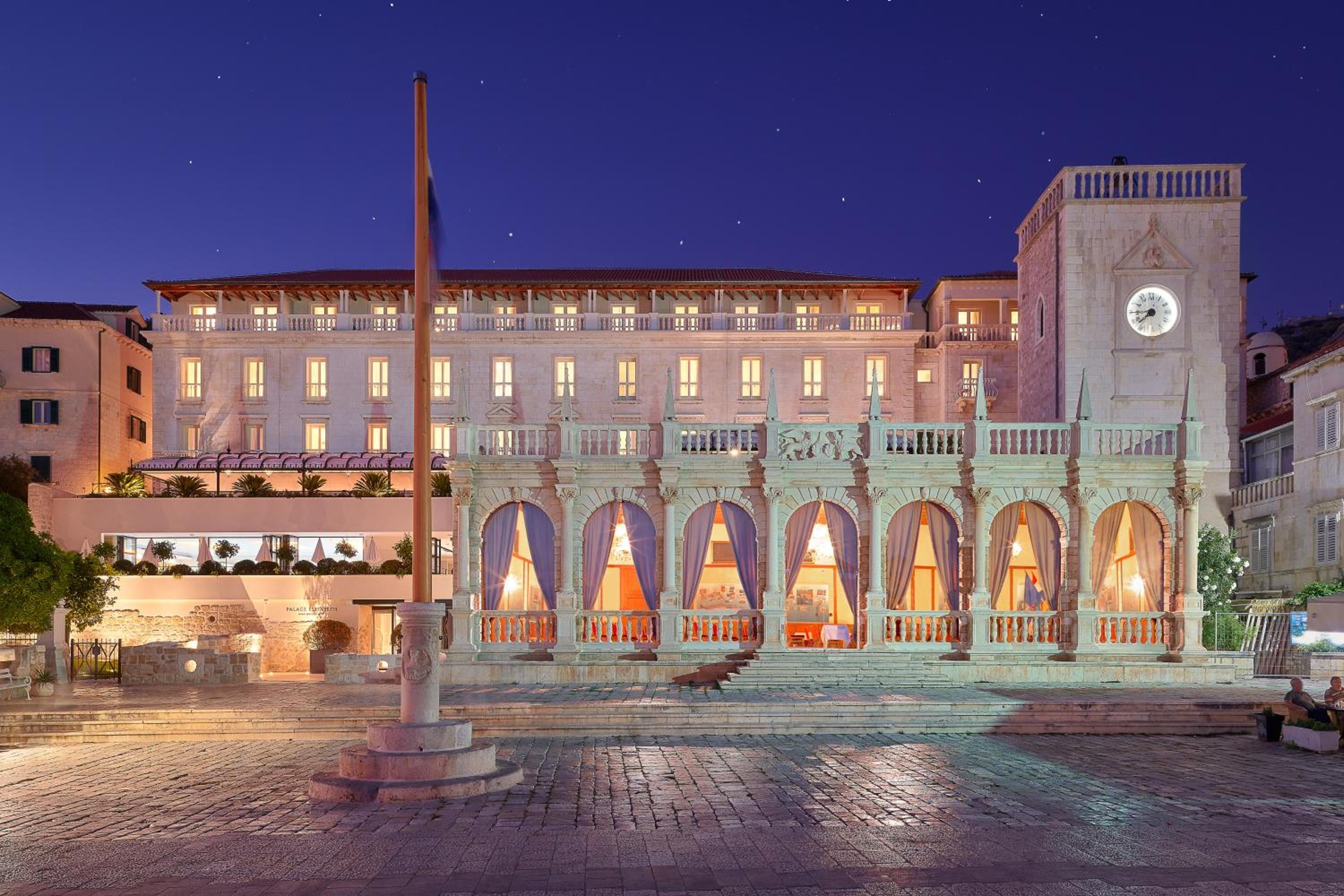
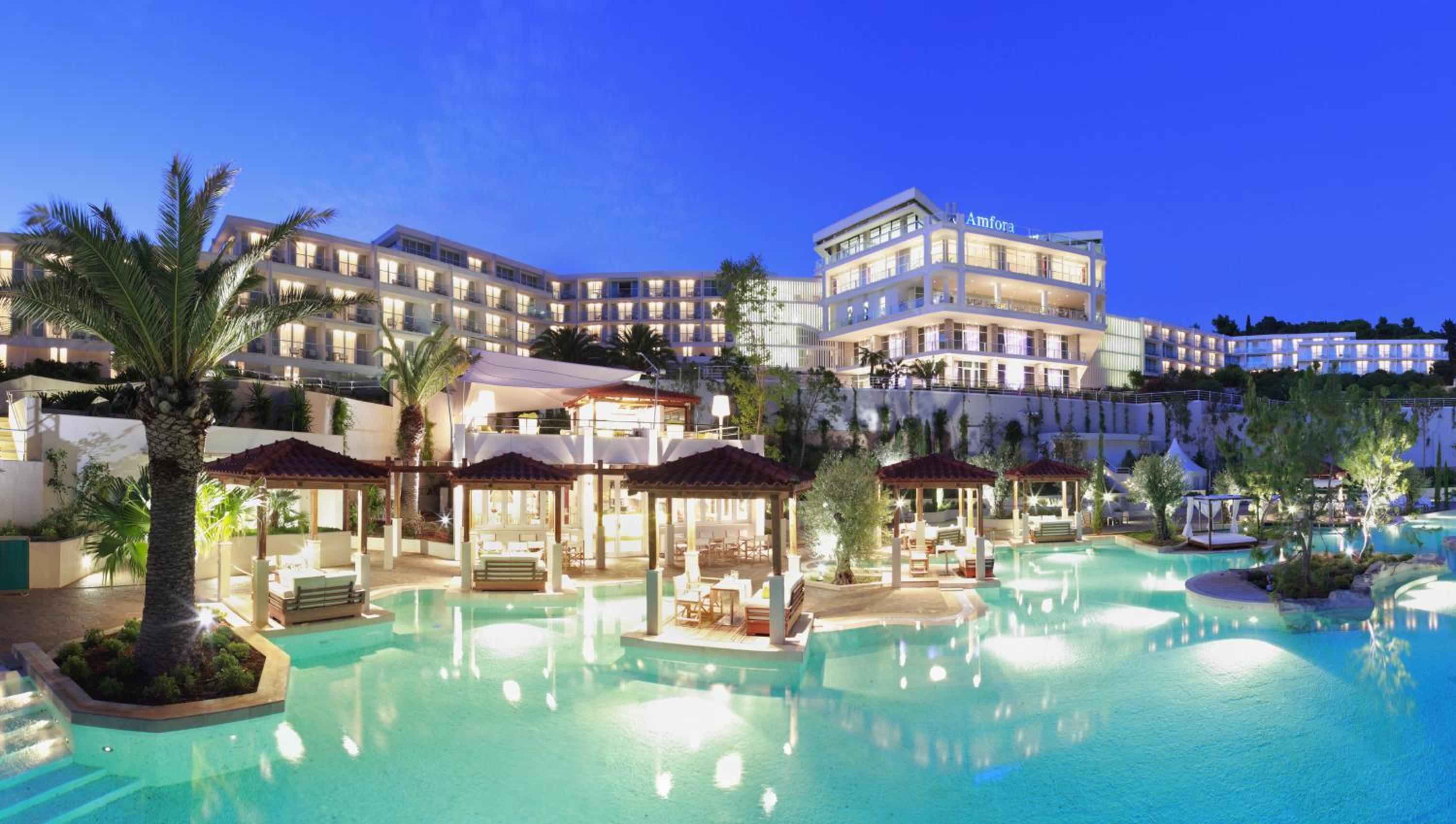
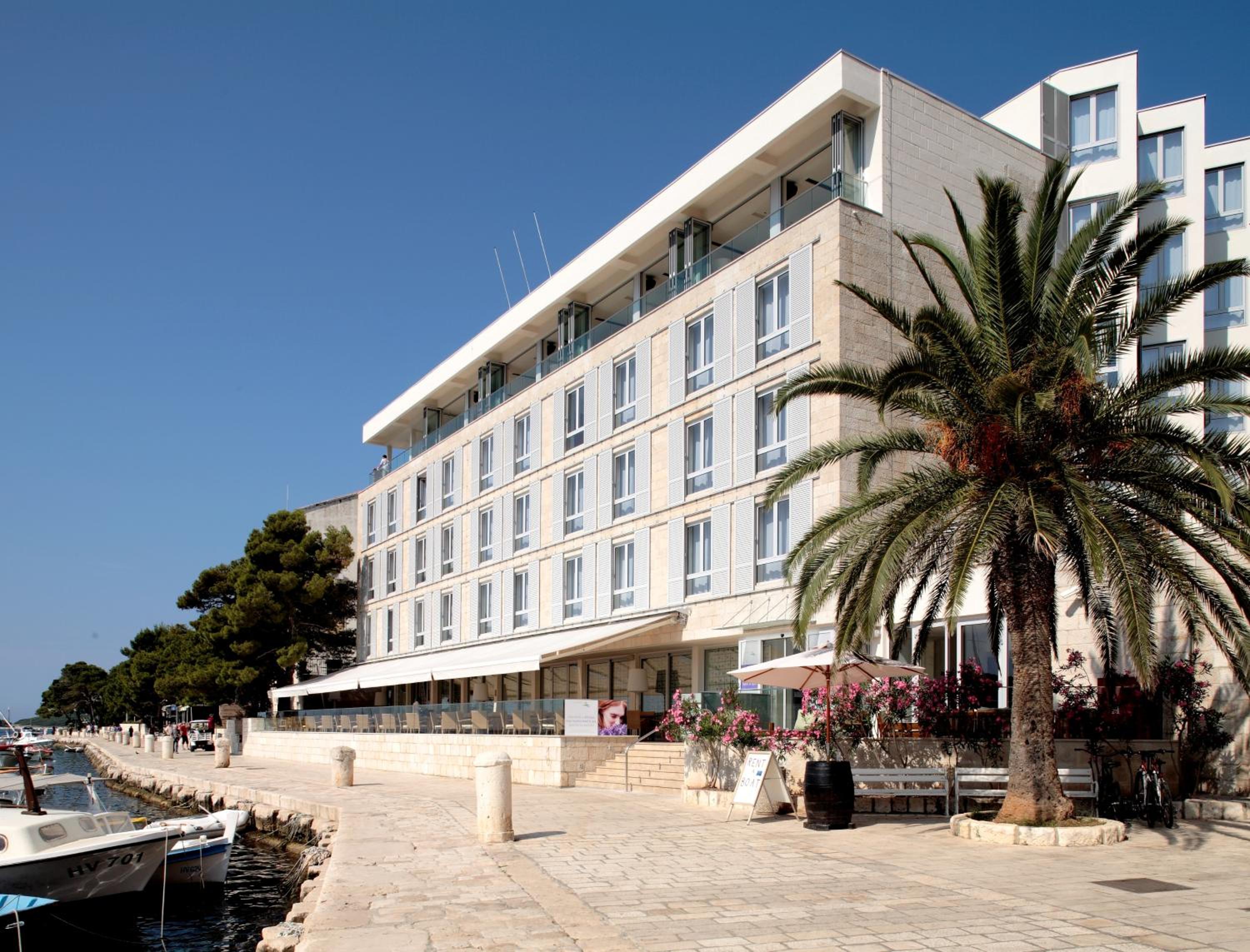
Hvar Town is the most expensive bed in Croatia outside Dubrovnik's old town and August roughly doubles it again, so Stari Grad over the hill is the same island at half the price with the car ferry at the door. Most travellers give Hvar 2 nights on Stippl, and the July and August beds are booked months ahead.
Hvar Town
€150–350
Harbour-view hotels, apartments and a hostel in the stone lanes, €50 to €400 a night.
Stari Grad
€90–180
Apartments and small hotels around the old port, €40 to €150 a night.
Jelsa
€90–170
Family apartments and a couple of hotels by the harbour, €40 to €130 a night.
Vrboska
€80–160
Apartments and a few stone houses along the canal, €45 to €120 a night.
The Pakleni islands
A handful of rooms at Palmižana and nothing else, €90 to €250 a night.
The interior
€70–150
Village houses and agritourism rooms, €50 to €140 a night.


What to eat in Hvar
Hvar's own fish stew, with potatoes, white wine and olive oil
Whole fish over coals, sold and priced by the kilo
The island's big red, from the steep south-facing slopes
Sweet dessert wine, made from dried grapes
From the island's own crop, and a real product rather than a souvenir
A hard pepper-and-honey biscuit, Dalmatian rather than Hvar-specific
Discover food spots in Stippl
Find restaurants and markets on the map, save them to your itinerary, works offline too.
Hvar customs and what not to do
The swimwear fine is real
Hvar Town issues on-the-spot penalties of several hundred euros for walking the centre in swimwear or bare-chested, and this is not the Dubrovnik rumour.
The nightlife is policed
The same ordinance covers drinking in public places outside bars and terraces, and the fines are publicised rather than hidden.
The island empties in winter
About four thousand people live here year round against tens of thousands in August, and the summer version is not the place.
Coffee is a sitting
Not a drink, and the Dalmatian habit of an hour on the terrace holds here as everywhere on the coast.
Cover up off the beach
Beyond the fine, walking into a church or a konoba in swimwear reads as rudeness, and the shirt goes on at the harbour steps.
Do
- Put a shirt on before you leave the beach
- Ask the weight and the price per kilo before the fish is cooked
- Check whether your ferry takes cars, and which town it lands in
- Book beds and boats ahead for July and August
Don't
- Bring a car onto the catamaran; it does not take one
- Assume Hvar Town's prices are the island's
- Plan a trip between November and April expecting anything open
What a Hvar trip costs
Budget
€55–80
A hostel or a Stari Grad room, bakery food, the bus and the free coves.
Mid-range
€90–150
An apartment or a three-star in Hvar Town, a restaurant dinner and a taxi boat.
High-end
€280+
A Hvar Town hotel with a harbour view, beach-club beds and a private boat day.
Track what you actually spend
Set a daily budget per country and log expenses in any currency while you travel.
Fun facts about Hvar
Hvar is the sunniest place in Croatia at roughly 2,700 hours a year. And the island's hotels have offered money back for snow on the strength of it.
The Hvar Arsenal theatre of 1612 is claimed as Europe's oldest public theatre. On the edge of the largest square in Dalmatia, and restored for performances again.
The Stari Grad Plain on Hvar was laid out by Greek colonists in 400 BC. And the field boundaries they set are still the working boundaries today, which is why it is a UNESCO site.
Hvar's lavender trade was built in Velo Grablje, a village now largely abandoned. The fields above it still bloom in late June, and the harvest festival brings the village back for a weekend.
The catamaran and the car ferry to Hvar land in different towns. Foot passengers arrive in Hvar Town, cars at Stari Grad twenty kilometres away, and booking the wrong one is the standard mistake.
Only 1.5% of the trips carrying Hvar on Stippl start here. The ferry from Split delivers almost everyone, and 68.9% of stops fall in the three summer months.
Local tips for Hvar
Two boats, two towns
The catamaran lands foot passengers in Hvar Town and the car ferry lands cars at Stari Grad twenty kilometres over the hill, so the boat is chosen for the town.
The fast routes are seasonal
The Split to Hvar Town foot service runs roughly May to early October, and the winter timetable is a different and much thinner service.
A car is mostly a liability
Hvar Town's centre is pedestrian, parking is limited and charged, and the bus covers the spine road, while a scooter or a small boat does the rest.
Rent the boat over the scooter
Scooters and small boats are the two things people hire, and the boat is the more useful of the two for the coves and the Pakleni.
Sea urchins are the injury
On every rocky entry, and water shoes are the standard answer; the other hazards are sunburn on boats and a place where a lot of people drink.
Two nights, from Split
Only 2.3% of Stippl trips carrying Hvar carry no other Croatian stop and 30.6% of stops are a single night, because the island is the add-on to the hub.
Hvar questions, answered
An add-on: most travellers give Hvar 2 nights on Stippl, and only 2.3% of trips carrying the island carry no other Croatian stop, because the ferry from Split delivers almost everyone. The fortress and the square take a day, and the Pakleni islands the second.
The catamaran to Hvar Town in about an hour, or the car ferry to Stari Grad in two, and they land in different towns twenty kilometres apart. Put the boat into Stippl for the town you are sleeping in, then ask people in subreddits like r/croatia whether the summer catamaran sold out on their date.
Yes, in Hvar Town, several hundred euros on the spot under an ordinance the town publicises, and unlike Dubrovnik's wheeled-suitcase story this one is real. Drinking in public places outside bars and terraces is covered by the same rules, and the shirt goes on at the harbour steps.
Hvar Town is loud in season, and Stari Grad, Jelsa and the interior are not, twenty-five minutes away along the spine road with the lavender, the vineyards and the Greek plain. 68.9% of Hvar stops on Stippl fall between June and August, and the party and the lavender share the same weeks.
You can arrive, and almost nothing will be open: the fast catamarans stop, the island reverts to about four thousand residents and much of Hvar Town shuts. December takes so few of the island's stops on Stippl that the season is the whole story, and the island opens only 1.5% of its trips even in summer.
No, and in Hvar Town it is a liability, with a pedestrian centre and limited paid parking; the bus covers the island's one main road, and a scooter or a small boat does the coves. The catamaran takes no cars at all, and the car ferry lands in Stari Grad rather than the town.
Every guide is written by the Stippl editors and checked against the trips our travellers actually plan. Spotted something out of date? Let us know.

Plan Hvar in Stippl
Day-by-day planning, stays and budget in one app, with every place from this guide already on the map.
Download the app