
Dubrovnik
Dubrovnik is a small walled city that ran itself as a maritime republic for four and a half centuries, five hundred metres of marble end to end, entirely pedestrian and shelled within living memory. Two nights, the walls at opening or in the last two hours, the cruise schedule checked before the day is chosen, and the swimwear kept for Banje.
Dubrovnik in a nutshell
Dubrovnik: what to expect
109,000+ stops in Croatia have been planned on Stippl. Here is what they say about Dubrovnik.
Two nights in Dubrovnik, and the walls are the reason the rest exists. The wall circuit is two kilometres one way with no shade and the reason the city is famous, done at first entry or in the last two hours, the cable car up Srđ is the view over the roofs and the Elafiti with a war museum at the top, Lokrum is a ten-minute ferry to a car-free island with a monastery and a salt lake, the Stradun is quiet before the cruise passengers land, and the Elafiti are car-free by ferry from Gruž. Most travellers give Dubrovnik 2 nights on Stippl.
Dubrovnik is the set piece of the Croatian coast, and the stop most people pair with Split. The city sits on 46.99% of the Croatian trips planned on Stippl, second only to Split, it opens 17.9% of them, more than the hub does, because the airport lands the southern arrivals, 27.7% of stops are a single night, and April and September together carry a bigger share of starts here than at any other Croatian city, the best shoulder on the coast.
Buy the day pass rather than the walls ticket because they cost the same, do the circuit at opening or late, carry water and a hat, and check the cruise schedule for the day the old town is planned. Skip repeating the wheeled-suitcase fine, since the city says it does not exist, and skip walking the old town in swimwear, because that fine does.
Plan Dubrovnik in Stippl
Day-by-day planning, stays and budget in one app, with every place from this guide already on the map.
Download the appWho Dubrovnik is for
First-time Croatia travellers
The single most recognisable place in the country, and the one on 46.99% of Stippl trips in Croatia.
History travellers
An intact walled republic that abolished the slave trade in the fifteenth century, and a siege within living memory mapped in the roof tiles.
Photographers
The walls, Srđ and the roofline are the reason the city is on every list, and the dawn Stradun is the shot nobody else gets.
Short-stop travellers
A day is genuinely enough for the old town, and 27.7% of Stippl stops here are a single night.
Island day-trippers
Lokrum is ten minutes away and the Elafiti a morning, all car-free and a fraction of the old-town price.
Shoulder-season travellers
April and September together carry a bigger share of Dubrovnik starts on Stippl than at any other Croatian city, and the walls are walkable at noon.
Maybe not for you: budget travellers in August, when the old-town rooms are the most expensive in the country; and anyone who dislikes crowds, because this is the most concentrated visitor pressure in Croatia and the cruise cap exists for a reason.
The best time to visit Dubrovnik
The season
April to October
The walls, the cable car, the ferries and the restaurants all running, with a July and August peak that takes 62.4% of Stippl stops across the three summer months.
The shoulder
May and September
The strongest argument in the data: April and September together carry a bigger share of starts here than at any other Croatian city, and the walls are walkable at midday.
The closed months
November to March
Mild, extremely wet and shut, with November alone taking nearly a hundred and fifty millimetres and the Stradun empty except on the saint's day.
The festival
10 July to 25 August
Forty-five days of theatre, opera and concerts staged on the walls and in the squares, running since 1950, and the rooms priced for it.
- Most travellers give Dubrovnik 2 nights on Stippl, and 27.7% of stops are a single night. The walls and the old town on one day, Lokrum or the Elafiti on the second.
- 62.4% of Dubrovnik stops on Stippl fall between June and August. The second-sharpest calendar in the knowledge base after Split's, and the shoulder is where the city works.
- The Summer Festival runs from 10 July to 25 August. Theatre, opera and concerts on the walls and in the squares since 1950, and the old-town rooms are booked around it.
- The Feast of St Blaise is 3 February. The city's patron saint, a UNESCO-listed procession through the gates and the one winter day the old town fills with residents rather than visitors.
- The walls are exposed and have no shade. In July and August the circuit is done at opening or in the last two hours, because the middle of the day is genuinely dangerous for anyone unprepared.
- The rain falls in winter. Twenty-four millimetres in July against nearly a hundred and fifty in November, so the summer days are dry and the boats run.
Add your Dubrovnik dates and we'll flag the weather
Stippl shows the season, crowds and prices for every stop on your route.
Describe your trip, get a Dubrovnik itinerary in seconds
Everything in this guide is already in Stippl. Tell the planner how long you have and what you like: it builds the route, the days and the travel times, and you edit whatever you want.
Things to do in Dubrovnik
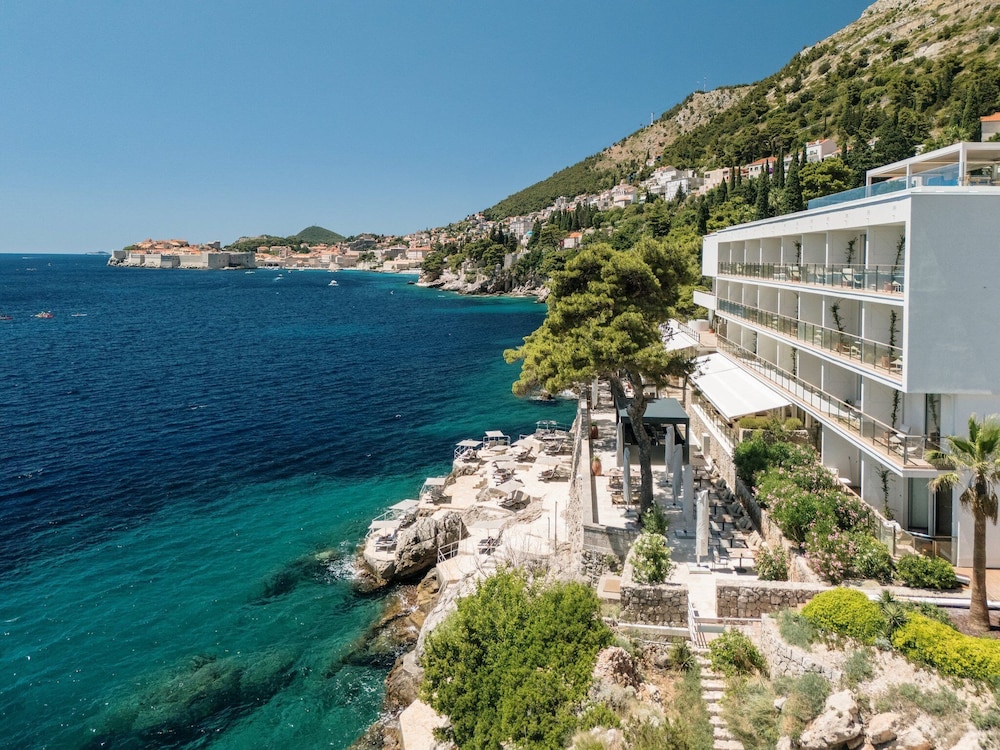
 Photo by Hugo Martin via Unsplash
The wall circuit
Two kilometres, one way, no shade and the reason the city is famous, at first entry or in the last two hours, with the fort on the same ticket.
The cable car up Srđ
The view over the old-town roofs and the Elafiti, plus the Homeland War museum at the top, and the walk down for anyone with knees.
Lokrum
A ten-minute ferry to a car-free island with a monastery, a salt lake and free-roaming peacocks, and the swim the old town does not have.
The empty old town at dawn
Before the cruise passengers land, the Stradun is genuinely quiet, and the marble is photographed without a crowd.
The Elafiti islands
Šipan, Lopud and Koločep by ferry from Gruž, all car-free and all a fraction of the old-town price, with Lopud's sandy beach the reason.
Kayaking under the walls
The standard sea-level view of the city, run from the beach outside Pile at sunset, with a swim in the Betina cave.
The neighbourhoods of Dubrovnik
The old town
Marble and walls
Inside the walls on the Stradun with everything at the door, the smallest and most expensive stock in the city, and the only way to have the walls to yourself before nine. For first-timers.
The walls before the ships arrive, but the highest rates in Croatia and steps with every suitcase.
Pile
The west gate
The bus hub and the cable-car station two minutes from the old town, with the kayaks launching from the beach below. For short stops.
Two minutes from the gate and every bus, though the traffic and the tour groups gather here.
Ploče
Above the east gate
The classic hotels on the slope with the postcard view back at the walls, and Banje beach below. For couples.
The view of the walls from the balcony, and you pay the second-highest rates in the city for it.
Lapad
The everyday city
Bays, a pedestrian promenade and the version of the city residents live in, twenty minutes by bus from the gate. For families.
The beach and the promenade for less, and a bus to the old town.
Babin Kuk
The resort peninsula
Big hotels, pine paths and the quietest swimming close to town, at the end of the Lapad peninsula. For longer stays.
The quietest swimming and the pine walks, but a resort bubble and a bus to everything.
Gruž
The working port
The ferries, the market and the lowest prices within a bus ride, where the Elafiti boats leave and the coaches from Split arrive. For budgets.
The cheapest beds and the island ferries at the door, and no charm at all.
See every Dubrovnik neighbourhood on one map
Save the areas you like and Stippl plots your days so you're not crossing the city twice.
Where to stay in Dubrovnik
The old town is the smallest and most expensive stock in the city and the only way to have the walls to yourself before nine, while Lapad and Gruž are the same city at half the rate with a bus to the gate. Most travellers give Dubrovnik 2 nights on Stippl, and the August rooms inside the walls are the dearest in Croatia.
The old town
Apartments and a few boutique hotels inside the walls, €120 to €400 a night.
Pile
€120–260
Guesthouses and a couple of hotels by the gate, €80 to €200 a night.
Ploče
€200–450
The classic hotels with the wall view, €200 to €600 a night.
Lapad
€110–230
Hotels, apartments and hostels by the bays, €40 to €160 a night.
Babin Kuk
€120–260
Resort hotels on the peninsula, €120 to €350 a night.
Gruž
€80–170
Hostels and rooms by the port and the market, €30 to €100 a night.



What to eat in Dubrovnik
Farmed in the Mali Ston channel an hour north, eaten raw with lemon
Cuttlefish risotto, black from the ink
Whole fish over coals, sold and priced by the kilo
The local set custard, flavoured with rose liqueur
Macaroni in a beef and clove ragù, the Dubrovnik festival dish
Big reds from the peninsula north of the city
Discover food spots in Stippl
Find restaurants and markets on the map, save them to your itinerary, works offline too.
Dubrovnik customs and what not to do
The suitcase fine is a myth
The city administration has publicly and repeatedly denied that wheeled luggage is banned or that a fine exists, and the request is simply to carry it on the steps.
Swimwear off the beach is fined
Walking the old town in swimwear or bare-chested carries a real fine, and the shirt goes on at the gate.
The siege is not distant
The roof tiles, the Srđ museum and the memorial room off the Stradun are all about the early nineties, and residents remember it personally.
The fine schedule is specific
Climbing on the walls or the fort outside opening hours is policed, and the city publishes what each offence costs.
The Stradun is the evening walk
The whole population walks it after seven, the same ritual as the Riva in Split, and the tables along it are for watching.
Do
- Buy the day pass rather than the walls ticket; they cost the same
- Do the walls at opening or in the last two hours
- Carry water and a hat onto the circuit
- Check the cruise-ship schedule for the day you plan the old town
Don't
- Repeat the wheeled-suitcase fine; the city says it does not exist
- Walk the old town in swimwear; that fine does exist
- Eat on the Stradun and expect Croatian prices
What a Dubrovnik trip costs
Budget
€55–80
A hostel or a Gruž room, market food, the walls once and the buses.
Mid-range
€100–160
A Lapad hotel or apartment, a restaurant dinner, the walls and the cable car.
High-end
€280+
An old-town or Ploče hotel, a private boat and restaurant dinners.
Track what you actually spend
Set a daily budget per country and log expenses in any currency while you travel.
Fun facts about Dubrovnik
The Republic of Ragusa at Dubrovnik abolished the slave trade in 1416. Among the earliest such acts in Europe, from a city-state that ran itself for four and a half centuries.
Dubrovnik ran the world's first quarantine station, from 1377. On Lokrum and later at Ston, and the word quarantine comes from the forty days the ships waited.
The brighter orange roof tiles across Dubrovnik's old town are post-1991 replacements. The pattern maps the shelling, and it is the most visible war fact in Croatia from the walls.
Dubrovnik caps simultaneous cruise passengers at 4,000. Under its berthing rules, and the published port schedule is the single most useful number for guessing how busy a day will be.
The old town of Dubrovnik is about 500 metres end to end. Entirely pedestrian, with everything arriving at the two gates and continuing on foot over the steps.
Dubrovnik opens 17.9% of the Stippl trips it appears on, more than Split does. Because the airport lands the southern arrivals, and only 5.0% of its stops are no night at all.
Local tips for Dubrovnik
No vehicle access inside
Everything arrives at Pile or Ploče and continues on foot over steps, which matters for luggage and for anyone with limited mobility.
The cruise cap is the number
The city caps simultaneous cruise passengers at four thousand, and the published port schedule tells you which day the old town is yours.
The Split bus crosses Bosnia
The coastal bus passes through Neum, so passports are checked twice on a domestic-looking journey, and the bridge road is the alternative.
The risk is heat, not crime
A very safe city, and the walls at midday in August with no shade and stone radiating on both sides are the most common medical incident.
Marble, steps and sandals
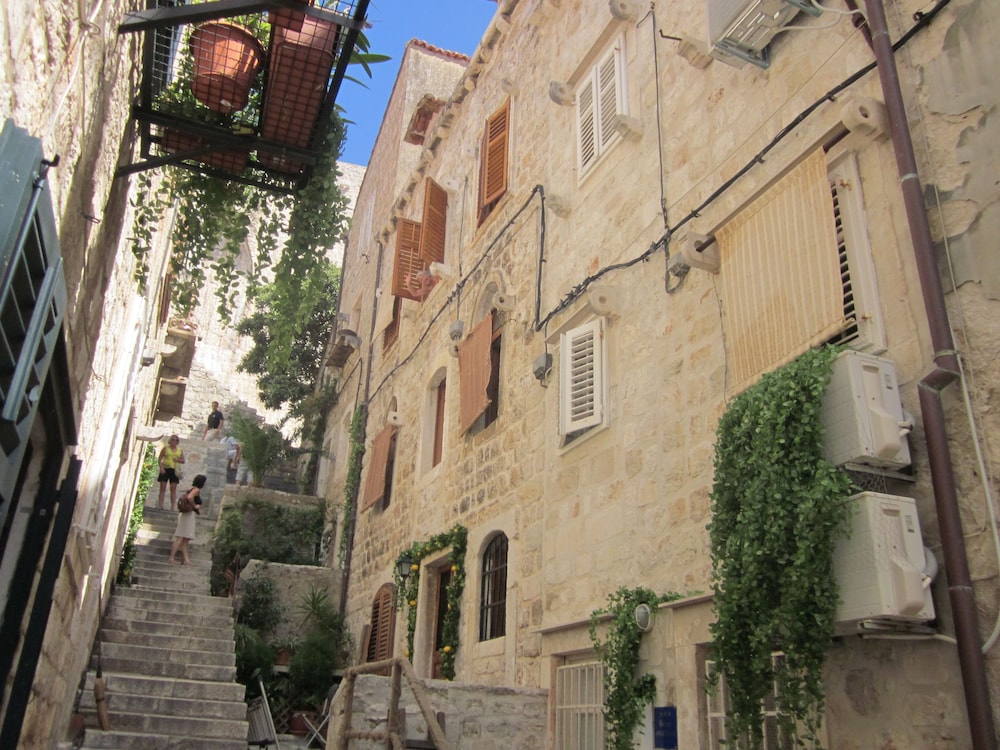
The old town's marble is polished by four centuries of feet and slippery when wet, and the lanes off the Stradun are stepped and steep.
Two nights, at the end
17.9% of the Stippl trips Dubrovnik appears on start here and 27.7% of stops are a single night, because the airport makes it the coast's other door.
Dubrovnik questions, answered
Two for most: most travellers give Dubrovnik 2 nights on Stippl, and about two-thirds of Dubrovnik trips also carry Split, so this is usually one stop rather than the trip. The walls and the old town take a day, and Lokrum or the Elafiti the second.
The walls are the city's one unmissable thing, and the one-day pass costs the same as the walls ticket and adds ten museums and the city buses, so the pass is the answer. Put the circuit into Stippl at opening or in the last two hours, then ask people in subreddits like r/croatia which direction they walked it.
No. The city has publicly denied it more than once, and the request is simply to carry the case on the steps rather than drag it. The swimwear fine is real, and walking the old town bare-chested or in a bikini is an offence that is enforced.
When several cruise ships are in, and the city caps simultaneous passengers at four thousand with the port schedule published, so the old-town day is chosen against it. 62.4% of Dubrovnik stops on Stippl fall between June and August, and May and September are the same city at half the pressure.
Yes, from the rocks at Buža through a hole in the seaward wall, with the bar on the cliff above it, and Banje beach is just outside the Ploče gate with the walls as the backdrop. Lokrum ten minutes away is the swim with shade.
For the south, yes: the city opens 17.9% of the trips it appears on, of everyone who plans it on Stippl, more than Split does, because the airport lands the arrivals from the north of Europe and the coast is then done upwards.
Every guide is written by the Stippl editors and checked against the trips our travellers actually plan. Spotted something out of date? Let us know.

Plan Dubrovnik in Stippl
Day-by-day planning, stays and budget in one app, with every place from this guide already on the map.
Download the app