
Zadar
Zadar is a Roman grid on a walled peninsula small enough to cross in fifteen minutes, with a forum still in civic use, a wave-played organ under the quay steps and the sunset Hitchcock rated above Key West. Two nights, the coastal base for Plitvice and Krka, September above all, and the car left in the garage at the base of the peninsula.
Zadar in a nutshell
Zadar: what to expect
The numbers below come from 109,000+ planned stops in Croatia on Stippl, and the rest from the guides we cross-check.
Two nights in Zadar, and the sunset quay is the set piece. The Sea Organ is wave-powered pipes under the marble steps, free, and the thing everybody sits on the quay for, the Greeting to the Sun is three hundred solar cells set in the pavement beside it lighting at dusk, the Roman forum is a first-century square still in civic use with the rotunda of St Donatus standing in it, and the Kornati are eighty-nine islands in a national park reachable only by boat. Most travellers give Zadar 2 nights on Stippl.
Zadar is the road hub of the coast, and the city its travellers pass through rather than settle in. 40.1% of stops here are a single night, of everyone who plans it on Stippl, the highest single-night share on the Croatian coast, because the motorway, the coastal road and the Zagreb route all meet here, only 10.4% of its trips carry no other Croatian stop, and 62.6% of stops fall between June and August, with July and August within a whisker of each other as at no other Croatian place.
Be on the western quay for sunset, park in the garages at the base of the peninsula, take Krka as the easier park and Plitvice as the bigger landscape, and consider September. Skip driving onto the peninsula, since the old town is pedestrian and the spaces do not exist, and skip the swim at Krka's main fall, because it is banned.
Plan Zadar in Stippl
Day-by-day planning, stays and budget in one app, with every place from this guide already on the map.
Download the appWho Zadar is for
Road-trippers
Zadar is the natural halfway stop between Istria and Split, and 40.1% of Stippl stops here are the single night that proves it.
National-park travellers
Plitvice and Krka are each about ninety minutes inland, and Zadar is the coastal base both share.
History travellers
A Roman forum in continuous civic use, a pre-Romanesque rotunda built from its stones and Venetian walls on three sides.
Families
A compact old town, a pebble-beach strip at Borik and short distances between them by bus.
Budget island-hoppers
The Zadar archipelago's ferries are cheaper and quieter than the Dalmatian ones further south, with Ugljan a half-hour hop.
Sunset people
The western quay, the Sea Organ and the Greeting to the Sun are free and the city's set piece, with a crowd as local as it is visiting.
Maybe not for you: anyone who wants a single unmissable sight, since Zadar's appeal is cumulative rather than headline, which is why it is a two-night city; and anyone visiting in the bura months, when the wind closes the ferries and the bridge.
The best time to visit Zadar
The season
May to early October
The ferries, the park buses and the seafront running at full frequency, with 62.6% of Stippl stops across the three summer months.
The shoulder
May and September
Zadar's own strongest argument, and September in particular, the strongest shoulder month of any Croatian destination on Stippl.
The bura months
November to March
A cold north-easterly that closes the ferries and the Pag bridge and empties the quay, and the reason the coast here feels harsher than its temperatures suggest.
Advent
December
A compact Christmas market on the peninsula, and the one winter reason to come.
- Most travellers give Zadar 2 nights on Stippl, and 40.1% of stops are a single night. The quay and the forum on one evening, a park on the second day.
- July and August are within two tenths of a point of each other on Stippl. True of no other Croatian destination, and the sign of a city the road trips pass through all summer rather than in one peak week.
- The Night of the Full Moon is the city's own summer night. The harbour is lit by candles and torches with the electric lights switched off, and local produce is sold along the quay in July.
- The Feast of St Chrysogonus is 24 November. The city's patron saint and its own holiday, with the shops shut, the cathedral full and the quay procession in the afternoon.
- The early-music evenings are held in St Donatus. The summer concerts sit inside the ninth-century rotunda for its acoustics, and the tickets go at the tourist office on the forum.
- Only 10.4% of Zadar trips on Stippl carry no other Croatian stop. The city is a stage on the coastal road, and the parks are why the stage is two nights.
Add your Zadar dates and we'll flag the weather
Stippl shows the season, crowds and prices for every stop on your route.
Describe your trip, get a Zadar itinerary in seconds
Everything in this guide is already in Stippl. Tell the planner how long you have and what you like: it builds the route, the days and the travel times, and you edit whatever you want.
Things to do in Zadar


The Sea Organ at sunset
Wave-powered pipes under the marble steps of the western quay, free, and the thing everybody sits down for at dusk.
The Greeting to the Sun
Three hundred solar cells set in the pavement beside the organ, lighting at dusk on the day's collected charge.
The Roman forum
A first-century square still in civic use at the middle of the peninsula, with St Donatus standing in it and the columns as benches.
St Donatus
A ninth-century circular church built from forum stones, and the venue for the early-music evenings in summer.
The Museum of Ancient Glass
Roman glass from the region in a palace above the harbour, with the glassblowing demonstrations on the ground floor.
A day in the Kornati
Eighty-nine islands in a national park reachable only by boat, on a full-day excursion from the harbour with a swim stop.
The neighbourhoods of Zadar
The old town peninsula
The Roman grid
Everything is here: the forum, the Sea Organ and the sunset quay, on a walled peninsula crossed in fifteen minutes with the garages at its base. For first-timers.
Everything on foot and the quay at the door, but a small, expensive stock.
The Land Gate and the walls
The Venetian edge
The gate of 1543, the city walls and the small-boat harbour below them at the landward end of the peninsula. For history.
The walls and the harbour, and a five-minute walk to the forum, though the traffic gathers at the gate.
Borik
The resort strip
Three kilometres north with pine, pebble beaches, pools and the big hotels, on the bus route into town and the residents' evening walk. For families.
The hotels and the beach, and a bus to the peninsula.
Brodarica
Everyday Zadar
The mainland district behind the harbour near the bus station, with the cheap rooms, the supermarkets and the residents. For budgets.
The cheapest beds and the bus station, and no view.
Diklo
The quiet shore
A low-key seafront suburb west of Borik with apartments, coves and the residents' beach, a bus ride from the peninsula. For longer stays.
Apartments on the water for less, though a bus or a long walk to the old town.
Puntamika
The cape
Beaches and a lighthouse at the end of the northern shore, with the pine woods behind them and a campsite in the trees. For families.
The best swimming near town, but the furthest from it.
See every Zadar neighbourhood on one map
Save the areas you like and Stippl plots your days so you're not crossing the city twice.
Where to stay in Zadar
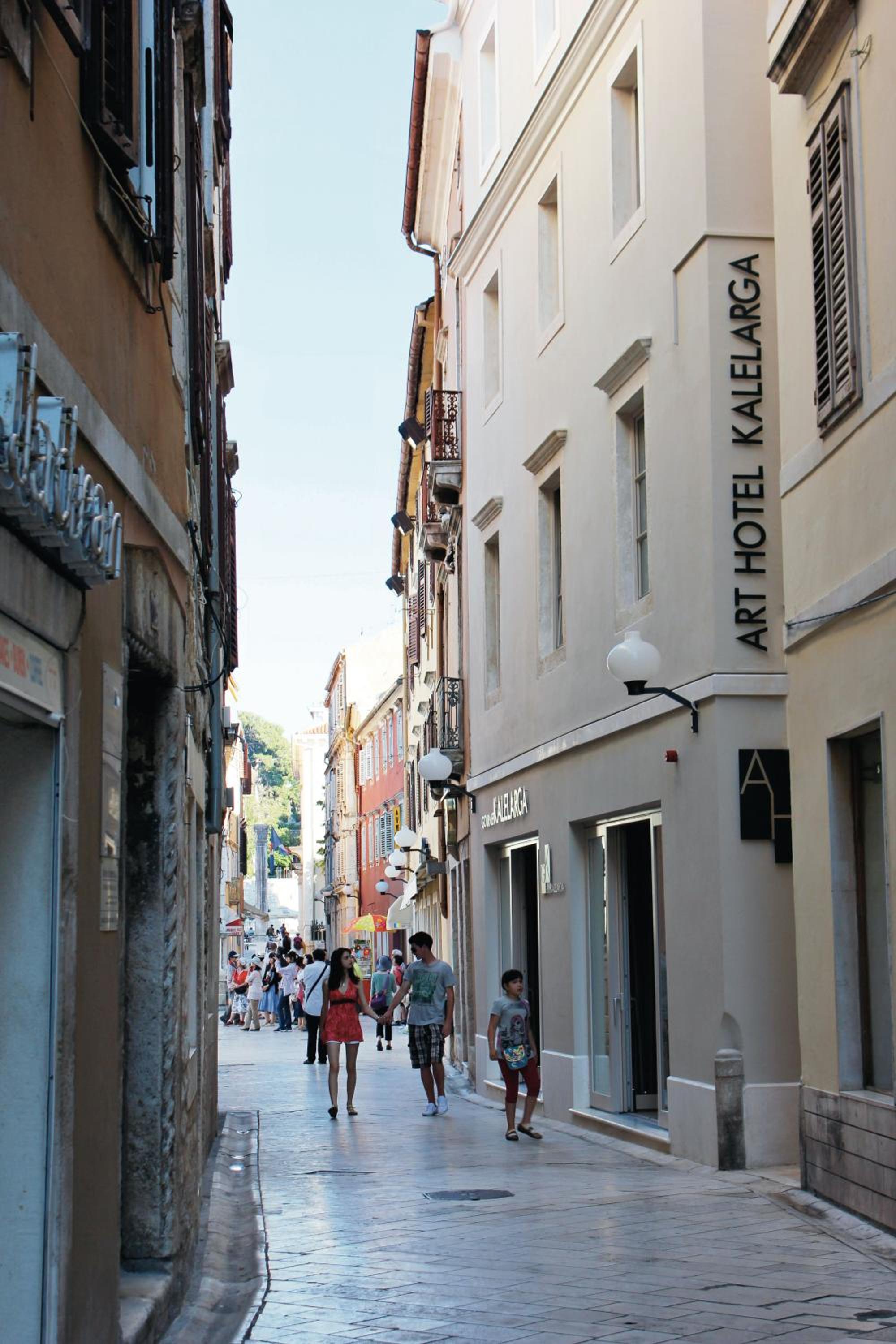
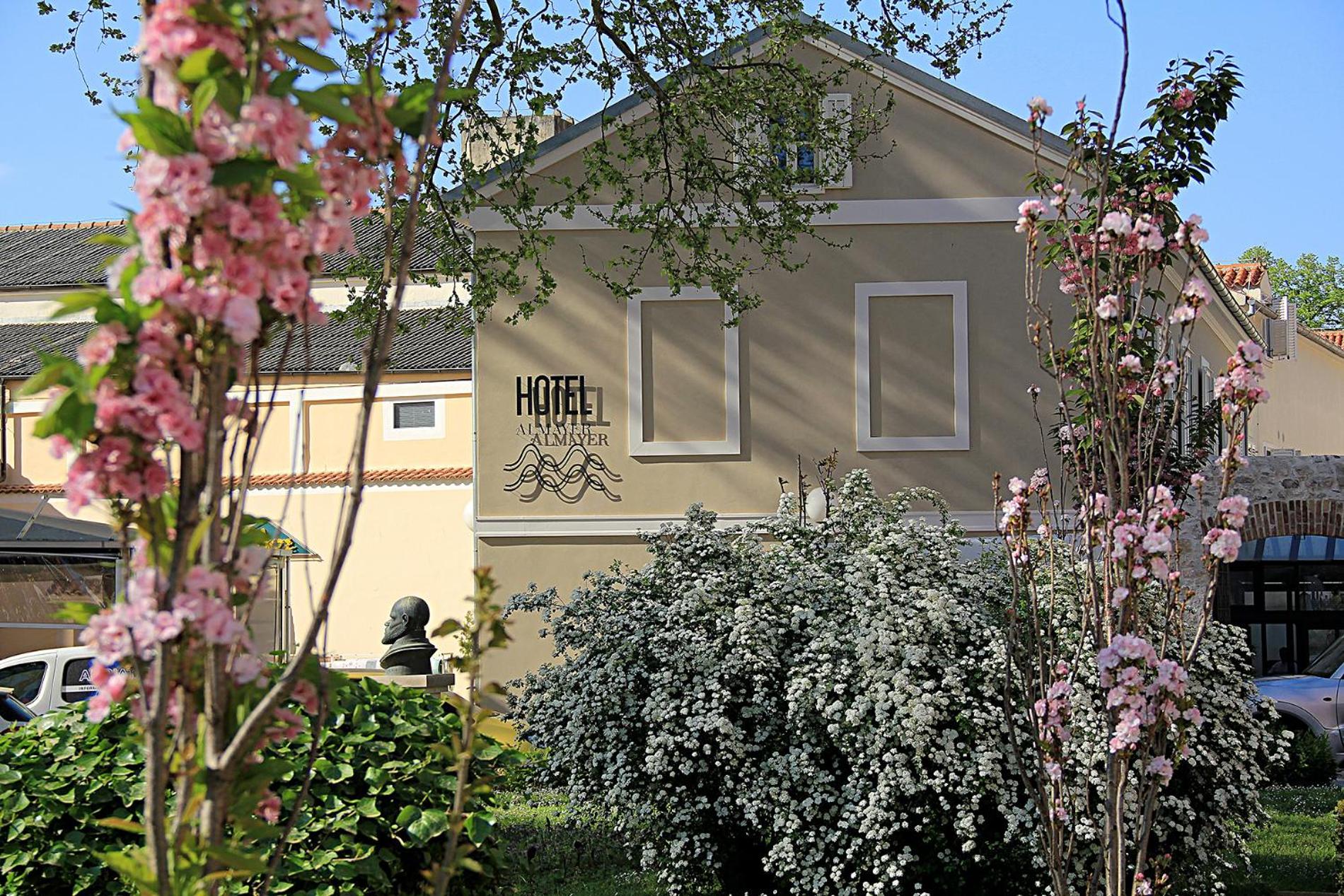
The peninsula has the sights and a small, expensive stock, Borik has the hotels and the beach, and Brodarica has the cheap rooms by the bus station, with the bus joining all three. Most travellers give Zadar 2 nights on Stippl, and the peninsula's apartments go first in the summer.
The old town peninsula
Boutique hotels and apartments in the stone houses, €70 to €200 a night.
The Land Gate and the walls
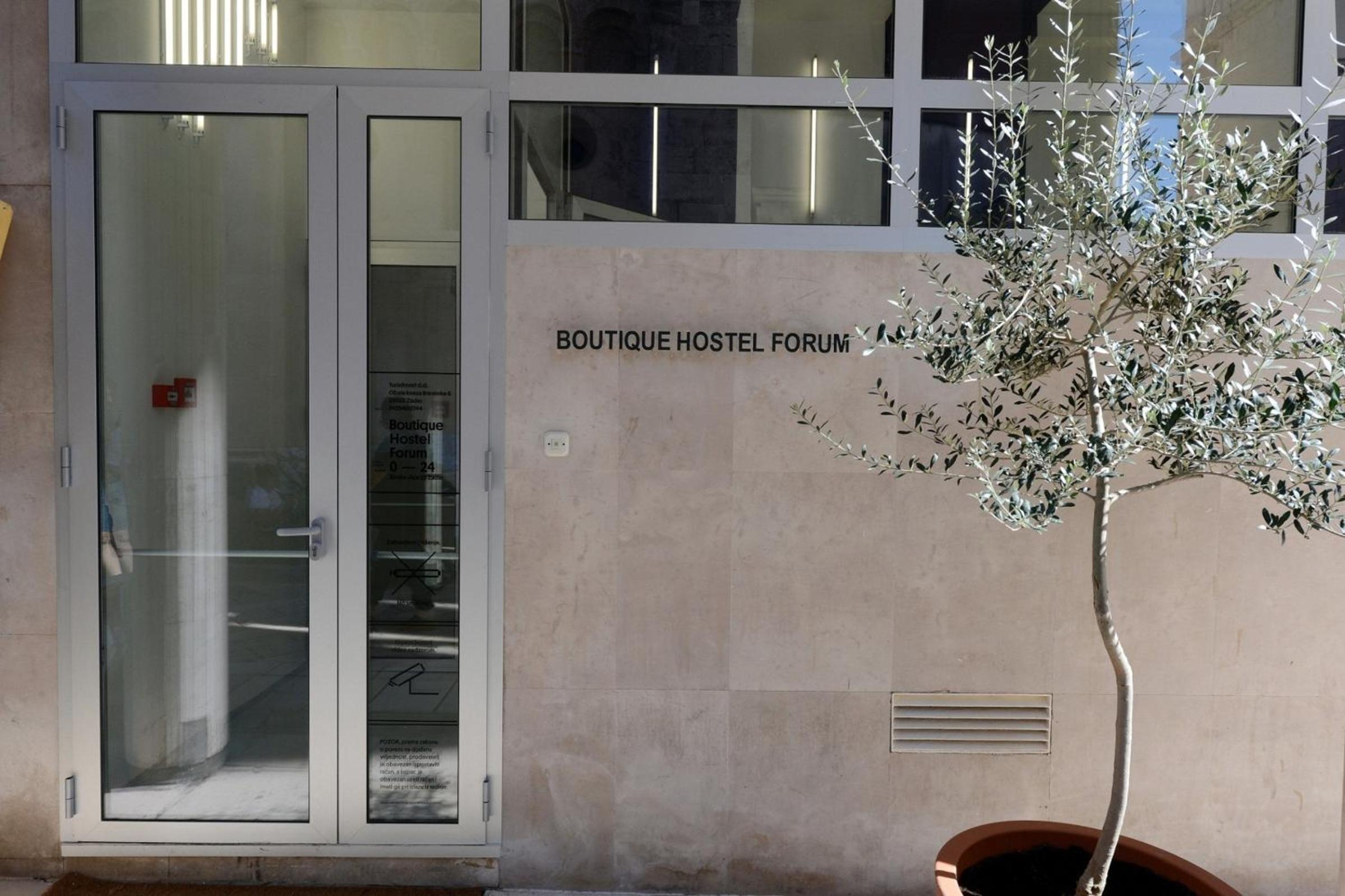
Apartments and a hostel by the harbour, €30 to €120 a night.
Borik
€90–170
Resort hotels and family apartments by the beach, €60 to €180 a night.
Brodarica
€60–110
Hostels and budget rooms near the bus station, €20 to €70 a night.
Diklo
€70–130
Apartments on the quiet shore, €50 to €120 a night.
Puntamika
€80–150
Holiday apartments and a campsite in the pines, €40 to €110 a night.


What to eat in Zadar
A cherry liqueur distilled in Zadar since 1821, and the city's export
Hard sheep's cheese from the island of Pag, north of the city
Whole fish over coals, sold and priced by the kilo
Cured neck of pork from the Zadar hinterland
Fish stew with polenta, the coast's everyday dish
Pressed dried figs with almonds, a Dalmatian sweet
Discover food spots in Stippl
Find restaurants and markets on the map, save them to your itinerary, works offline too.
Zadar customs and what not to do
Coffee is a sitting
An hour on a terrace with one cup is normal, and rushing it or ordering to go marks you out.
Cover up off the beach
Swimwear in a Croatian old town is a fine in several coastal towns and an irritation everywhere else, and the shirt goes on at the quay.
The war reached here
Zadar was shelled and besieged in the early nineties, and the subject is recent rather than historical for the people you meet.
The sunset is a civic event
The quay fills every clear evening and the crowd is local as much as visiting, so the bench is taken early.
Sunday closing applies
The shops shut, and the market on the peninsula is a morning affair on every other day.
Do
- Be on the western quay for sunset
- Ask the weight and the price per kilo before the fish is cooked
- Use the garages at the base of the peninsula rather than looking for a space on it
- Consider September; it is the strongest shoulder month in Croatia
Don't
- Expect to swim at Krka's main waterfall; it has been banned for years
- Walk the old town in swimwear
- Treat Plitvice as a quick stop; it is two hours each way and a half-day inside
What a Zadar trip costs
Budget
€45–65
A hostel or a Brodarica room, bakery food, the buses and the free quay.
Mid-range
€70–110
An apartment or a three-star, a restaurant dinner and a park day trip.
High-end
€180+
A peninsula boutique hotel, restaurant dinners and a Kornati boat day.
Track what you actually spend
Set a daily budget per country and log expenses in any currency while you travel.
Fun facts about Zadar
Alfred Hitchcock called Zadar's sunset the most beautiful in the world. Better than Key West's, after a visit in 1964, and the quote is on the quay.
The Sea Organ at Zadar is played entirely by wave action through 35 pipes. Completed in 2005 under the marble steps of the western quay, and it never plays the same thing twice.
Maraschino has been distilled in Zadar since 1821. A cherry liqueur from the local marasca cherry, and a fixture of nineteenth-century European court cellars.
The Roman forum in Zadar has been in civic use since the first century BC. The largest on the eastern Adriatic, and the columns still serve as benches at dusk.
St Donatus in Zadar was built in the ninth century out of the forum's stones. A circular pre-Romanesque church with Roman inscriptions visible in its foundations.
40.1% of stops in Zadar on Stippl are a single night. The highest single-night share on the Croatian coast, because the motorway and the coast road meet here.
Local tips for Zadar
The coast's road hub
The motorway, the coastal road and the Zagreb route all meet here, which is why the travellers who carry Zadar are moving rather than staying.
Krka is the easier park
Both parks are day trips, and Krka at about seventy-five minutes is the easier of the two against Plitvice at two hours or more.
The old town is pedestrian
Compact and car-free, with the garages at the base of the peninsula and the buses serving Borik and the mainland districts.
The parks have a price ladder
Plitvice runs from about ten euros in winter to forty in peak season with the boat and the shuttle included, and Krka charges extra for its boat.
The bura is the hazard
A cold north-easterly that closes the Pag bridge and the coastal road, cancels the ferries and can strand a plan for a day, mostly in winter and the shoulders.
Two nights, passing through
14.9% of the Stippl trips Zadar appears on start here and only 10.4% carry no other Croatian stop, because the road goes on in both directions.
Zadar questions, answered
Because the appeal is cumulative rather than headline: most travellers give Zadar 2 nights on Stippl and 40.1% of stops are a single night, the highest single-night share on the Croatian coast, with the quay on one evening and a park on the second day.
It is free, it is on the sunset quay and it is the thing the city is known for, so yes, at dusk rather than at midday. Put the quay into Stippl for the evening you arrive, then ask people in subreddits like r/croatia whether the Greeting to the Sun lit up for them.
Krka is seventy-five minutes and the easier half-day; Plitvice is two hours or more and the bigger landscape, with the ticket price climbing four-fold from winter to peak. Neither allows swimming at its headline waterfall, and the Krka ban has held for years.
Yes, on every figure held, and the gap widens in August when Split's rooms double. Only 10.4% of Zadar trips on Stippl carry no other Croatian stop, so the saving is usually one leg of a longer coast.
September, the strongest shoulder month of any Croatian destination on Stippl, with the sea warm, the quay quieter and the parks open. 62.6% of Zadar stops fall between June and August, and July and August are level with each other here as nowhere else in Croatia.
As the halfway stop between Istria and Split and the coastal base for the two parks, with the city opening 14.9% of the trips it appears on, of everyone who plans it on Stippl, because the airport and the motorway land the northern arrivals here.
Every guide is written by the Stippl editors and checked against the trips our travellers actually plan. Spotted something out of date? Let us know.

Plan Zadar in Stippl
Day-by-day planning, stays and budget in one app, with every place from this guide already on the map.
Download the app