
Zagreb
Zagreb is a Central European capital rather than a Mediterranean one, Habsburg in layout and temperament, a medieval hill above a nineteenth-century grid joined by a funicular of sixty-six metres. Two nights, the cheapest bed in Croatia, the Saturday coffee ritual, and December, which the rest of the country cannot offer.
Zagreb in a nutshell
Zagreb: what to expect
We read 109,000+ planned stops in Croatia on Stippl to see how Zagreb really gets planned.
Two nights in Zagreb, and the two towns and two museums fill them. The Museum of Broken Relationships is donated objects from ended relationships with the stories attached, Dolac is the red parasols above the main square and the city's actual food supply in the morning, the Grič cannon is fired at noon from the Lotrščak Tower as it has been since 1877, the funicular is sixty-six metres and sixty-four seconds, Advent turns the parks and squares into one market for six weeks, and Plitvice is two hours south by bus. Most travellers give Zagreb 2 nights on Stippl.
Zagreb is the door into Croatia for more trips than any coastal city, and the shortest stay of the three. The capital opens 19.0% of the Croatian trips it appears on, of everyone who plans it on Stippl, 39.8% of stops are a single night, the shortest of the three cities, 31.3% of its trips carry no other Croatian stop, because the capital is a city break rather than a coast, and it is the one Croatian place whose December runs above its November.
Sit down for the coffee and stay, buy the tram ticket at a kiosk before boarding, go to Dolac in the morning because it closes at lunchtime, and consider December. Skip expecting the coast's climate or its manner, since this is Central Europe, and skip assuming the cathedral is open, because the earthquake repairs have run for years.
Plan Zagreb in Stippl
Day-by-day planning, stays and budget in one app, with every place from this guide already on the map.
Download the appWho Zagreb is for
City-break travellers
Compact, cheap, walkable and with more museums than a two-night stay can use, and 31.3% of Stippl trips carrying Zagreb carry no other Croatian stop.
Museum people
The Mimara, the Klovićevi Dvori, the contemporary art museum and the Broken Relationships collection, all within the two towns.
Christmas-market travellers
Advent in Zagreb was named Europe's best Christmas market three years running, and it is the only Croatian December with a reason.
Budget travellers
The cheapest of the three Croatian cities on every category, and the gap to the coast is widest in July and August.
Coffee people
The Saturday morning špica on Tkalčićeva is a genuine local ritual rather than a marketed one, and the hour on the terrace is the point.
Plitvice-bound travellers
The park is on the road south, and Stippl attaches it to Zagreb more strongly than to any coastal city.
Maybe not for you: anyone who came to Croatia for the sea, since the capital is a hundred and twenty kilometres inland and does not pretend otherwise; and anyone expecting the coast's climate, because the winter here is a real one.
The best time to visit Zagreb
Terrace season
May to September
The whole city eats and drinks outdoors, the Upper Town is at its best, and 56.2% of Stippl stops fall across the three summer months.
Advent
Late November to early January
The Christmas market takes over the parks and the squares, the city's largest event by a distance, and the one Croatian December that outdraws its November.
The grey stretch
January to March
Cold, quiet and cheap, with a real winter of frost and snow days, and the museums are built for it.
The festival weeks
Late May to June
A street-performance festival closes the Lower Town streets, and the open-air music festival takes the lake at Jarun.
- Most travellers give Zagreb 2 nights on Stippl, and 39.8% of stops are a single night. Two covers the two towns and two museums, and the third is Plitvice on the road south.
- Zagreb's December runs above its November on Stippl, which happens in no other Croatian place. Advent is the reason, and 7.52% of stops fall in the four winter months against almost none on the coast.
- Advent runs from late November to early January. Named Europe's best Christmas market three years running, still the country's biggest winter event, and the one stretch the capital's rooms go.
- The Grič cannon fires at noon every day. A blank round from the Lotrščak Tower since 1877, and how the city sets its clocks, so the Upper Town walk is timed for it.
- The winter is a real one. January here runs a daily high of three degrees against ten in Split, with frost and snow days, and Zagreb is the one of the two that stays open.
- Zagreb opens 19.0% of the Stippl trips it appears on. The country's rail and air hub, and the door for the trips that come overland from Slovenia and Austria.
Add your Zagreb dates and we'll flag the weather
Stippl shows the season, crowds and prices for every stop on your route.
Describe your trip, get a Zagreb itinerary in seconds
Everything in this guide is already in Stippl. Tell the planner how long you have and what you like: it builds the route, the days and the travel times, and you edit whatever you want.
Things to do in Zagreb
 Photo by Antoine Schibler via Unsplash
 Photo by Lukas via Unsplash
The Museum of Broken Relationships
Donated objects from ended relationships with the stories attached, and the museum that put Zagreb on the map, in the Upper Town.
Dolac market in the morning
The red parasols above the main square and the city's actual food supply, open from dawn and closing at lunchtime.
The Grič cannon at noon
Fired daily since 1877 from the Lotrščak Tower, and worth being on the hill for, with the view over the Lower Town from the top.
The funicular
Sixty-six metres and sixty-four seconds, the shortest public funicular in the world, and a tram ticket in its own right.
Advent in Zagreb
The parks, the squares and the Upper Town turned into one market for six weeks, with the ice rink in the park and the mulled wine at every stall.
A day at Plitvice
Two hours south by bus, the country's most famous landscape, and on the road to the coast rather than a return trip.
The neighbourhoods of Zagreb
The Upper Town
The medieval hill
St Mark's tiled roof, the funicular, the noon cannon and the museums on Gradec and Kaptol, quiet at night and the postcard by day. For first-timers.
The museums and the cannon at the door, but the restaurants close early and the earthquake scaffolding is everywhere.
The Lower Town
The Habsburg grid
The Green Horseshoe of parks, the main museums and the station in the nineteenth-century grid below the hill, with the trams running through it. For culture.
The big museums and the station on foot, though the grid is long and the trams do not slow.
Tkalčićeva and Kaptol
The bar street
Terraces the length of one long street below the cathedral, with the Saturday coffee ritual and the nightlife in the same place. For nightlife.
The terraces and the špica at the door, but the noise until late on a weekend.
Ilica and Britanski trg
The shopping city
The main shopping artery running west from the square, with a Sunday antiques market on the little square and the everyday city around it. For longer stays.
Cheaper apartments and the antiques market, and a tram to the hill.
Jarun
The lake
A rowing lake with beaches, cycle paths and the summer clubs, twenty minutes out by tram, and the site of the June music festival. For families.
The lake and the beaches in summer, but twenty minutes from anything else.
See every Zagreb neighbourhood on one map
Save the areas you like and Stippl plots your days so you're not crossing the city twice.
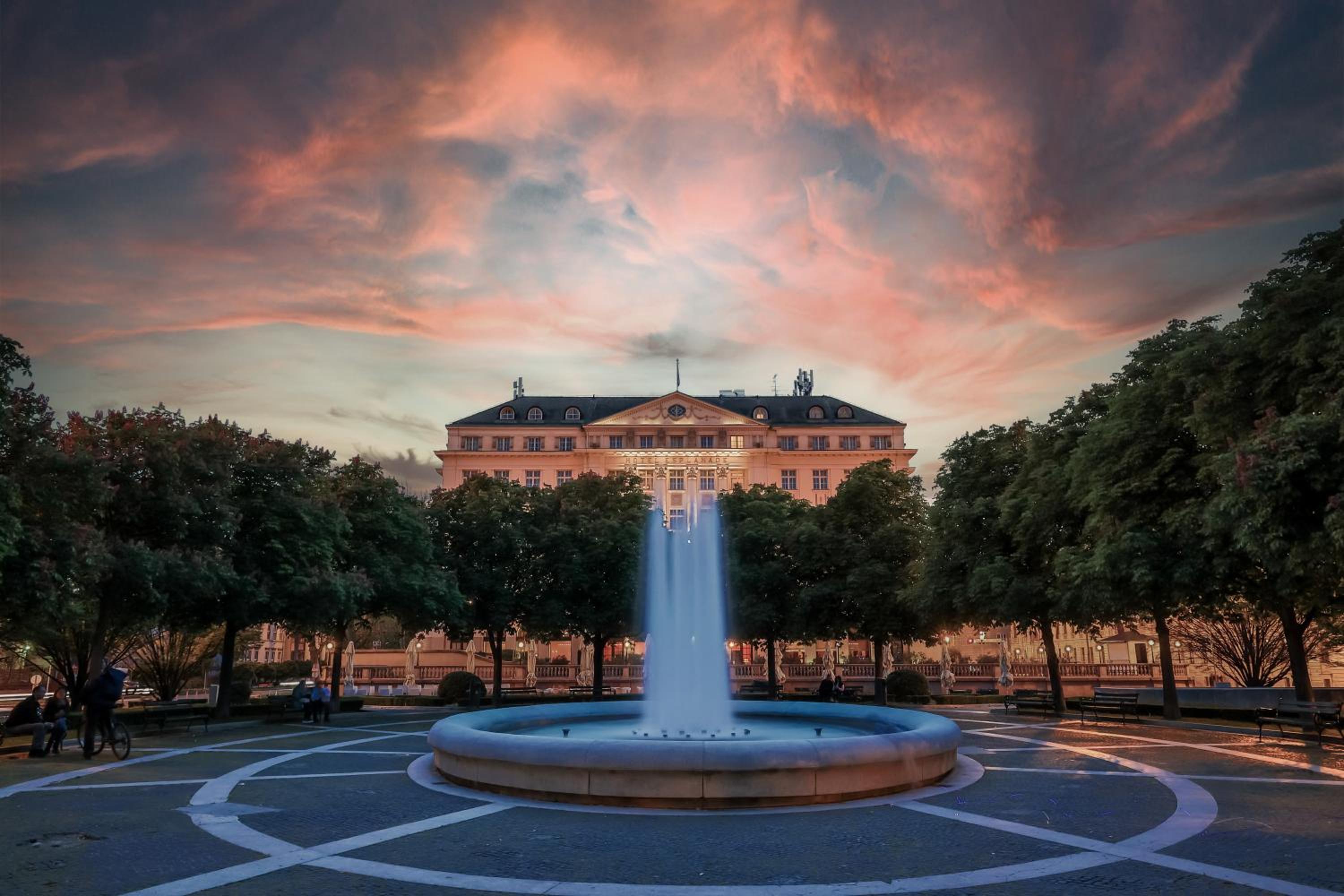
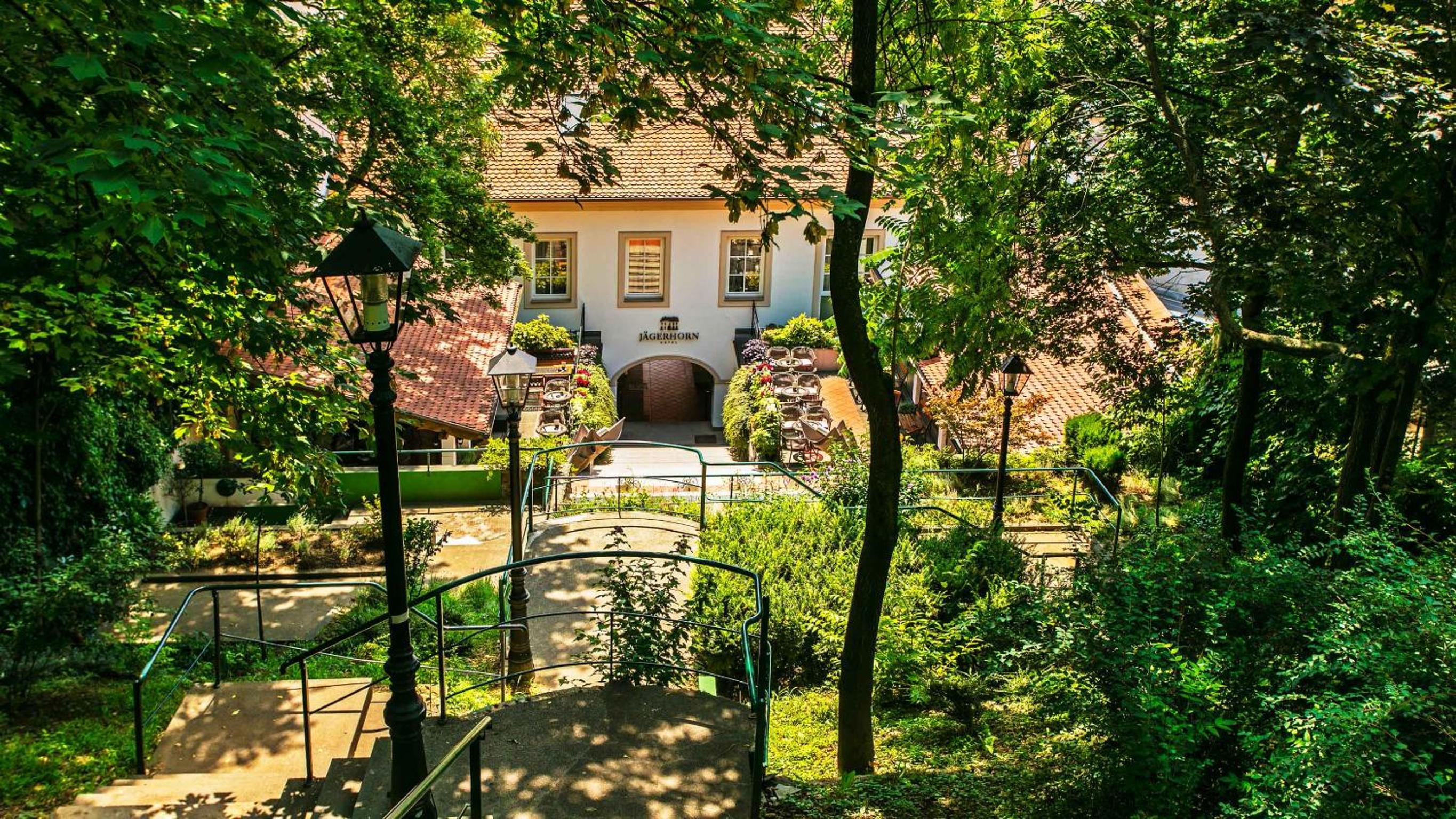
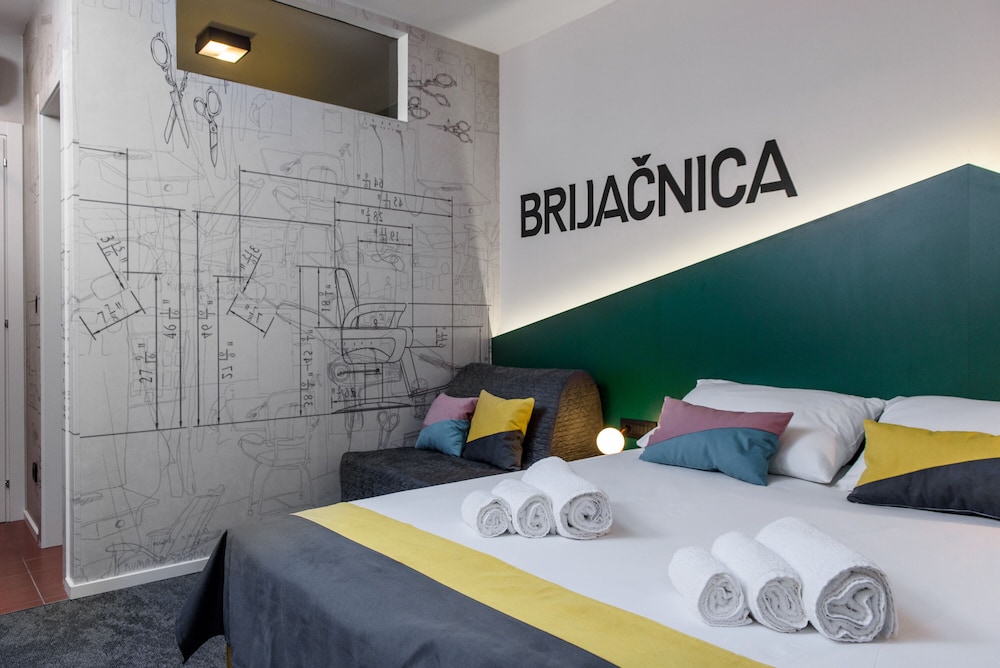
Where to stay in Zagreb
Zagreb is the cheapest bed in Croatia, and the gap to the coast is largest in July and August when coastal prices double and the capital's do not; the Lower Town grid is the answer for the trams and the Upper Town for the quiet. Most travellers give Zagreb 2 nights on Stippl, and Advent is the one stretch the rooms go.
The Upper Town
Boutique hotels and apartments on the hill, €70 to €180 a night.
The Lower Town
Hostels, chains and apartments in the grid, €18 to €130 a night.
Tkalčićeva and Kaptol
€80–150
Apartments and small hotels above the bars, €50 to €140 a night.
Ilica and Britanski trg
€60–120
Apartments and pensions along the artery, €40 to €110 a night.
Jarun
€60–110
A few hotels and apartments by the lake, €45 to €100 a night.


What to eat in Zagreb
Baked or boiled cheese pastry, the Zagreb dish, savoury or sweet
Veal stuffed with ham and cheese, breaded and fried
The continental, Central European half of Croatian food
Fried dough, everywhere at Advent
Custard slice, the Samobor version an hour west being the famous one
Fruit brandy, and the local aperitif and digestif at once
Discover food spots in Stippl
Find restaurants and markets on the map, save them to your itinerary, works offline too.
Zagreb customs and what not to do
Coffee is the social unit
An hour on a terrace with one cup is normal and expected, and the Saturday morning špica is the formal version of it.
Central Europe, not the coast
The manner is more reserved than on the coast, and treating the two as one culture is the standard visitor mistake.
Trams have right of way
The Lower Town grid is full of them and they do not slow down for pedestrians, so the kerb is looked both ways.
Validate the tram ticket
Inspectors are frequent on the busy lines and the fine is far more than the fare, so the ticket is stamped on boarding.
The earthquake is recent
The cathedral lost a spire and much of the Upper Town is still scaffolded, and the repairs are a live civic subject.
Do
- Sit down for coffee, and stay
- Buy tram tickets at a kiosk before boarding
- Go to Dolac in the morning, because it closes at lunchtime
- Consider December, which the rest of Croatia cannot offer
Don't
- Expect the coast's climate or its manner
- Skip the Upper Town because the funicular looks like a novelty
- Plan Plitvice as a return day trip if you are heading south anyway
What a Zagreb trip costs
Budget
€35–55
A hostel dorm, bakery and market food, the trams and the free walking city.
Mid-range
€55–90
An apartment or a three-star, a restaurant dinner and two museums.
High-end
€150+
An Upper Town boutique hotel, restaurant dinners and a driver for Plitvice.
Track what you actually spend
Set a daily budget per country and log expenses in any currency while you travel.
Fun facts about Zagreb
The Zagreb funicular is 66 metres long and the shortest public funicular in the world. The ride takes sixty-four seconds, which is the joke and also the fastest way up the hill.
The Grič cannon has fired at noon from the Lotrščak Tower every day since 1877. A blank round that the city sets its clocks by, and the Upper Town walk is timed for it.
The Museum of Broken Relationships in Zagreb began as a travelling exhibition. It won a European museum award in 2011 and settled in the Upper Town, with the objects still donated.
Advent in Zagreb was named Europe's best Christmas market three years running. From 2016, and it is still the country's biggest winter event by a distance.
Zagreb's January runs a daily high of 3 degrees against Split's 10. The real winter of the two, with frost and snow days, and the one city that stays open through it.
Zagreb's December runs above its November on Stippl, which no other Croatian place manages. Advent is the reason, and 7.52% of stops fall in the winter months against almost none on the coast.
Local tips for Zagreb
Trams are the transport
A thirty-minute ticket costs under a euro from a kiosk and more from the driver, and the network covers everything a visitor needs with night lines after the day service.
The bus beats the train
Zagreb is the country's rail hub and Croatian trains are slow, so the bus is faster on almost every route including Split.
The funicular is a tram ticket
It takes just over a minute up the hill, which is the joke and also the fastest way to the Upper Town.
A low-crime capital
The realistic risks are pickpocketing on the busiest trams and at the Advent market, and nothing else a visitor is likely to meet.
The scaffolding is normal
The earthquake damaged thousands of buildings, and closed churches and falling-masonry barriers are part of the Upper Town for years yet.
Two nights, at the door
19.0% of the Stippl trips Zagreb appears on start here and 39.8% of stops are a single night, because the capital is the way in from the north.
Zagreb questions, answered
The two towns and two museums: most travellers give Zagreb 2 nights on Stippl and 39.8% of stops are a single night, the shortest of the three Croatian cities, because the capital is the door in rather than the trip.
It is the only Croatian city with a winter, the cheapest of the three and the one that opens the most trips, and it is not a substitute for the coast and does not try. Put it into Stippl as the first two nights before Plitvice, then ask people in subreddits like r/croatia what they would add to the Upper Town day.
Late November to early January, when the parks and the squares become one market for six weeks, and it was named Europe's best Christmas market three years running. 7.52% of Zagreb stops on Stippl fall in the four winter months, against almost none on the coast, and December is the reason.
The Upper and Lower Towns are, and the funicular joins them in about a minute; everything else is a tram ride with a ticket bought at a kiosk and validated on board. 31.3% of Zagreb trips on Stippl carry no other Croatian stop, and the city break needs no car.
Yes, two hours by bus each way, and the park pairs with the capital more strongly than with any coastal city; the smarter version is the one-way stop on the road south rather than a return day trip. The morning bus arrives before the coaches from the coast.
Check before going. The earthquake took a spire and the repairs have run for years, so the cathedral is scaffolded and the interior opens in stages, while the rest of Kaptol and the Upper Town are visited around it. The scaffolding is a normal part of the hill.
Every guide is written by the Stippl editors and checked against the trips our travellers actually plan. Spotted something out of date? Let us know.

Plan Zagreb in Stippl
Day-by-day planning, stays and budget in one app, with every place from this guide already on the map.
Download the app