








Across the more than 20,000 New Zealand trips planned with Stippl, travellers visit about seven places in the country, and nearly half of all stops are a single night. A home on wheels suits that rhythm perfectly.
Plan New Zealand in Stippl
Day-by-day planning, stays and budget in one app, with every place from this guide already on the map.
Download the appIs a campervan a good idea in New Zealand?
For most travellers, yes. The campervan is the dominant way to see New Zealand because it is transport, bed and kitchen in one, and the whole camping economy is built around it. Holiday parks sit on the edge of most towns, there are cheap DOC campsites in the national parks, and the roads reward stopping wherever you like.
The numbers back it up. New Zealand is one of only two countries where campsite costs turn up often enough in the expenses travellers log with Stippl to give a typical price: about €28 (NZ$56) a night, against about €146 (NZ$292) for a typical hotel night. Nearly half of all New Zealand stops planned with Stippl are one night, the highest share we see in any country, and that is exactly the kind of trip a van makes easy.
When a car is the better choice:
- You prefer a proper bed and short packing. A car with motels, holiday park cabins and hostels works fine. Motels, with a kitchenette and parking at the door, are the underrated road trip option.
- You are nervous on narrow mountain roads. A big van on a single lane bridge or a winding pass takes more care.
- You travel in deep winter. Short days and snow on the passes make a van less fun from June to August.
The full campervan route at a glance
This is the three week route, north first with the ferry in the middle. The South Island is more dramatic, so most travellers save it for second. For background on the country, see our New Zealand travel guide.
| Leg | Stops (nights) | Highlights |
|---|---|---|
| North Island | Auckland (2), Coromandel Peninsula (2), Rotorua (2), Taupō (1), Tongariro (1), Wellington (2) | Cathedral Cove, Hot Water Beach, geysers, the Tongariro Alpine Crossing, Te Papa |
| The ferry | Wellington to Picton, about 3.5 hours | The Marlborough Sounds on the way in |
| South Island | Picton (1), Blenheim (1), Kaikōura (1), Christchurch (1), Lake Tekapo (1), Aoraki/Mount Cook (1), Queenstown (3), Milford Sound (1), Wānaka (1) | Marlborough wine, whales, turquoise lakes, the highest mountain, Fiordland |
North Island leg: Auckland to Wellington
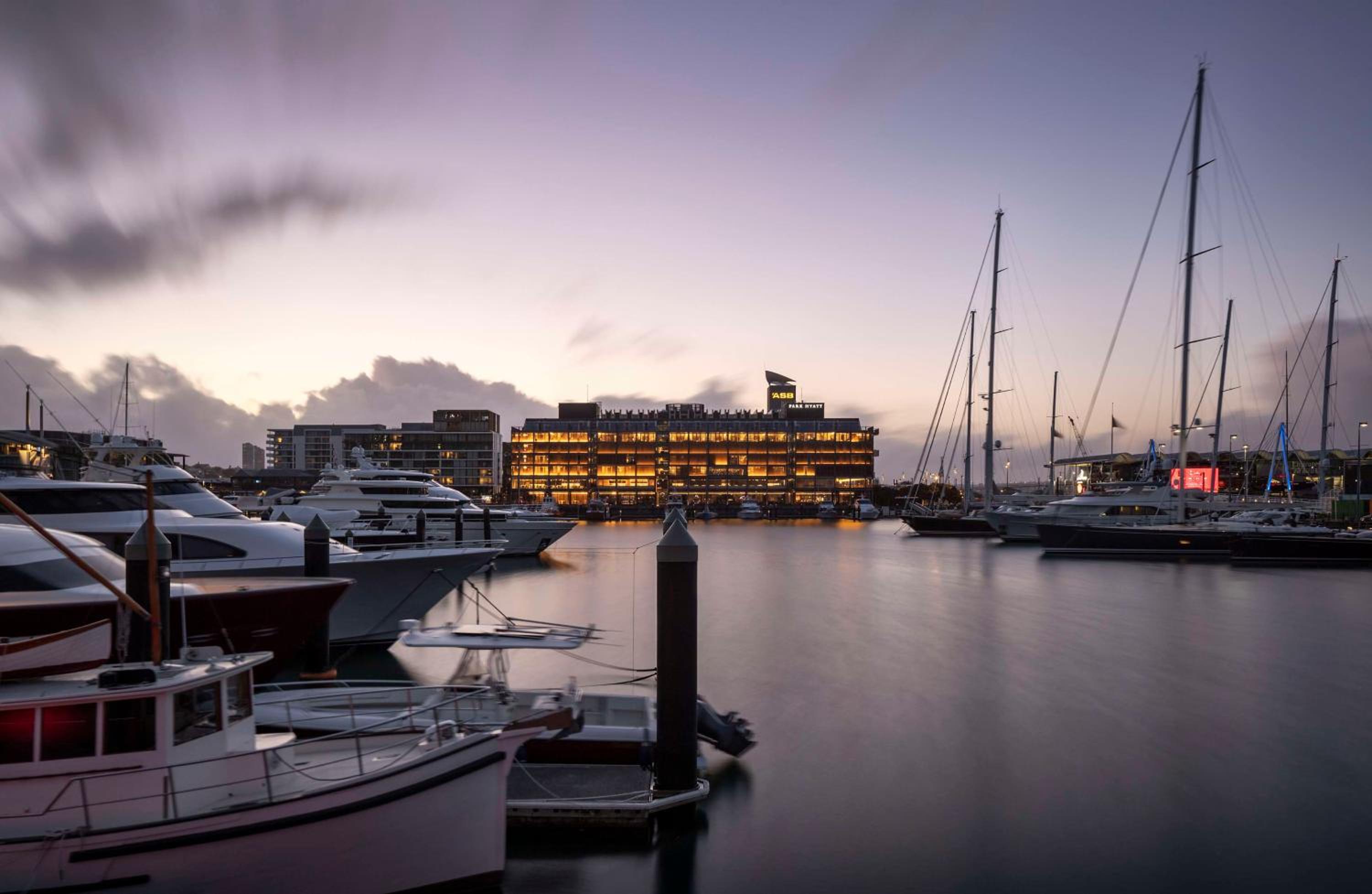
Spend your first two nights in Auckland before you collect the van: get over the flight, climb Maungawhau/Mount Eden for the view, and take the 12 minute ferry to Devonport. Book a central bed for these nights.




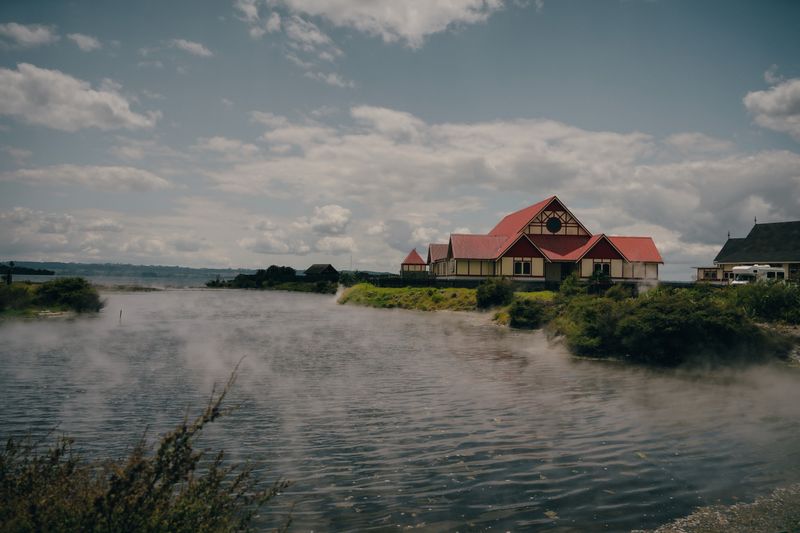
Then drive about two hours to the Coromandel Peninsula on quiet coastal roads: Cathedral Cove, and Hot Water Beach, where you dig your own hot pool within about two hours of low tide. On to Rotorua, the geothermal and Māori cultural heart of the country, with living villages, geysers and a hāngī dinner. If you want the glow worm caves, Waitomo is usually a stop of less than a night: travellers planning with Stippl mostly visit on the way.
Taupō is an hour south of Rotorua, with a free hot stream at Spa Park and Huka Falls close by. Tongariro, 45 to 80 minutes beyond it, is the night before the Tongariro Alpine Crossing, 19.4 km across an active volcanic zone in six to eight hours. Then down the Desert Road to Wellington, about 4 hours 45 from Taupō, for two nights of coffee, Te Papa and the waterfront. Our North Island itinerary has this leg day by day.
Read more: things to do in Rotorua
Crossing to the South Island
The Cook Strait ferry between Wellington and Picton is the one booking that can break the trip. Interislander and Bluebridge both carry campervans, the crossing takes about 3.5 hours, and the last stretch through the Marlborough Sounds is the scenic part.
Three things catch campervan travellers out:
- Your van has to be measured. Vans and motorhomes are booked to the nearest half metre, including bike racks and boards on the roof. A camera checks at the booth, and a longer van pays extra or waits for a later sailing.
- Check-in closes 60 minutes before departure, and in Wellington vehicles use a different terminal from foot passengers.
- Book as soon as your dates are fixed. Vehicle space runs out before passenger seats, and a van in December to February needs months, not weeks. Some rental companies swap your van for another one across the strait, so check your contract first.
Picton is a transit stop for most travellers, under a night in our trip data. This route gives it one night so you are not driving off a late ferry.
South Island leg: Picton to Queenstown and Wānaka
From Picton, the route runs through Blenheim, the gateway to Marlborough's cellar doors, then down the coast to Kaikōura for whales and dolphins. Christchurch to Kaikōura is two to two and a half hours on the rebuilt coastal highway, with seals at Ohau Point. After a night in Christchurch, you head inland: about three hours to Lake Tekapo and its dark skies, then along Lake Pukaki to Aoraki/Mount Cook.
Queenstown gets three nights, and it is the natural night off the van: about three hours via the Lindis Pass from Mount Cook, with bungy, the gondola and the lake. It is also the one place in New Zealand where travellers stop moving: a quarter of Queenstown stays planned with Stippl run four nights or more.

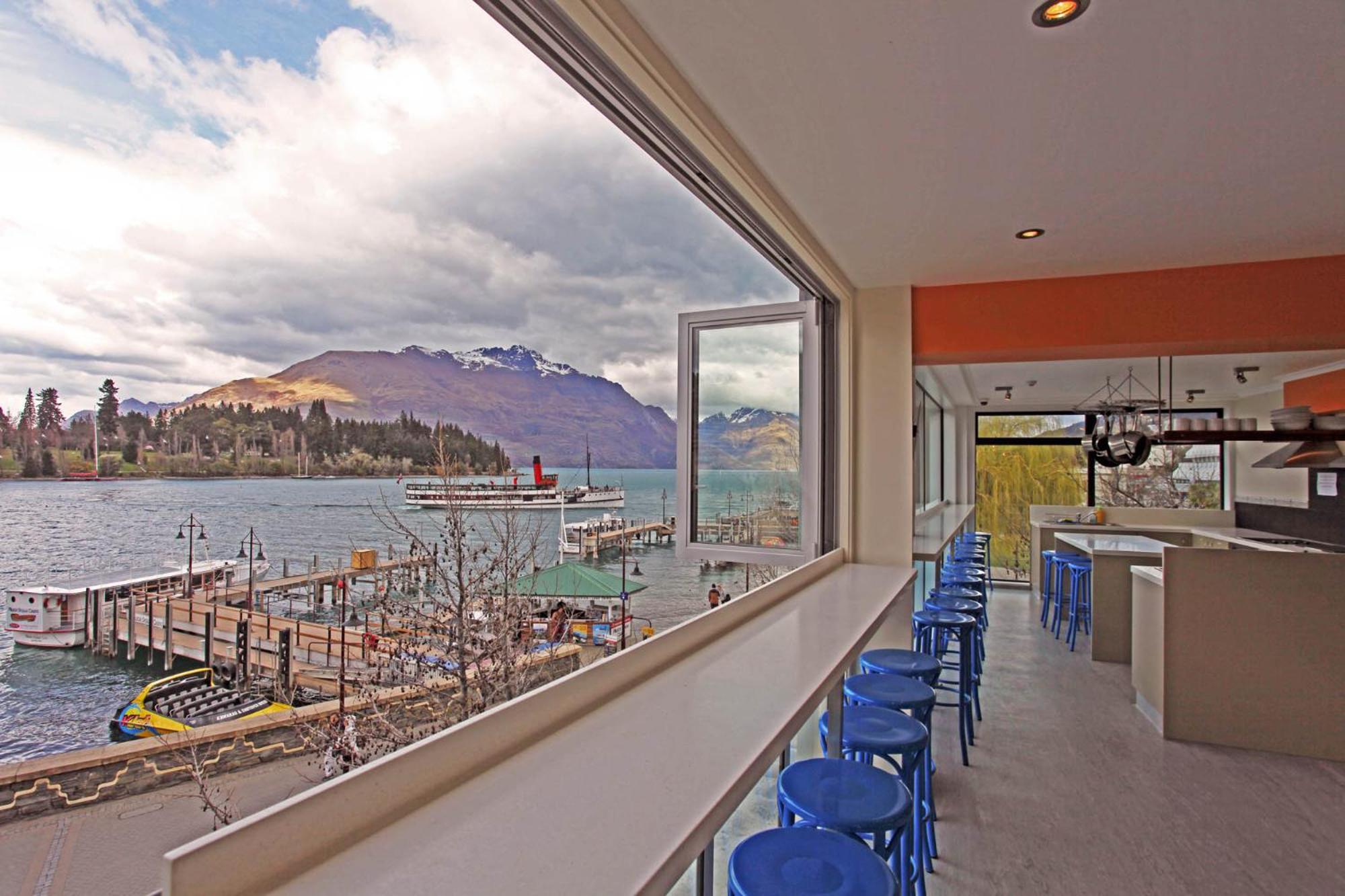
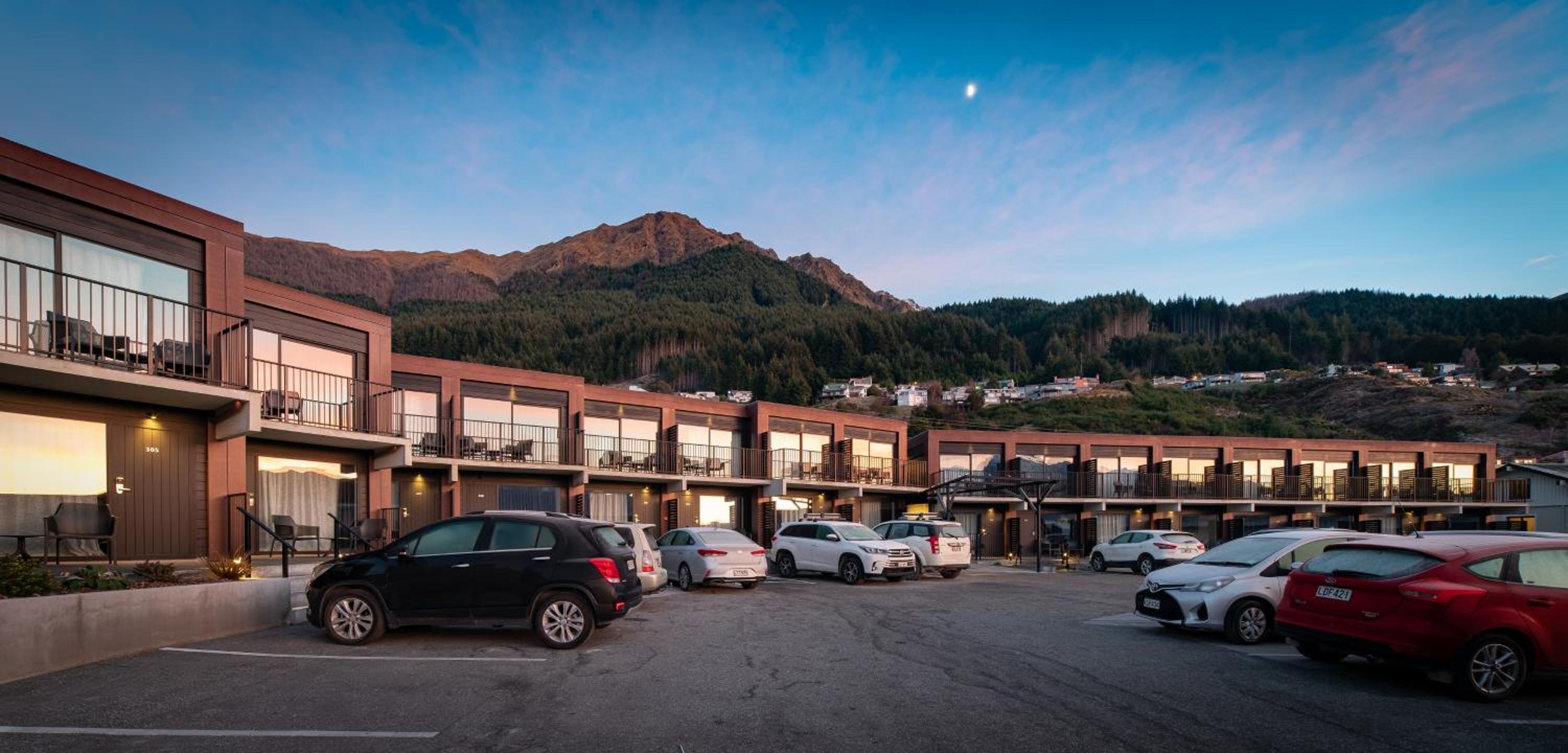
From Queenstown, drive the Milford Road for a night by the fiord, then finish in Wānaka, an hour from Queenstown airport over the Crown Range. Our South Island itinerary has these stops day by day.
Read more: things to do in Queenstown
With four weeks or more
Add the north coast and the glaciers. From Picton, go west to Nelson and the golden beaches of Abel Tasman, where the national park has no roads and you go in by water taxi, kayak or on foot. Then cross to the West Coast for the glaciers at Franz Josef and Fox, and take the Haast Pass to Wānaka and Queenstown. Our one month example trip adds Nelson, Abel Tasman and Franz Josef this way, plus the Bay of Islands, Waitomo and Taranaki on the North Island, and ends in Christchurch.

Turn these stops into a route
Pick your favourites and Stippl orders them, adds travel times and builds the day-by-day.
Scenic drives worth planning around
Some roads are the reason for the trip. Real drive times run longer than navigation apps say, because of narrow roads, one lane bridges and photo stops, so give these a whole day.

- The road to Aoraki/Mount Cook. SH80 from Twizel along Lake Pukaki, with the highest mountain in the country at the end of the lake. It is the only road in.
- The Milford Road. From Te Anau, about two hours through Fiordland and the Homer Tunnel, a single lane tunnel under traffic lights. There is no phone signal, and the last fuel is in Te Anau.
- The Haast Pass. Wānaka to the West Coast, with waterfall stops all the way. Queenstown to Franz Josef is about four and a half hours via this road.
- The Crown Range. Queenstown to Wānaka in about an hour on the highest sealed road in New Zealand. In snow it closes or needs chains; take the road via Cromwell instead.
- Arthur's Pass. Christchurch to Punakaiki in about 3 hours 45, straight across the Southern Alps. It is the road the TranzAlpine train follows.
- The Coromandel coast. Quiet coastal roads two hours from Auckland, with Cathedral Cove, Hot Water Beach and New Chums.
- The Catlins. The wild southern coast: Nugget Point, yellow eyed penguins and almost no one else.
Is Arthur's Pass scary to drive? It is a mountain pass, and mountain roads, gravel sections and one lane bridges are the everyday road risk in New Zealand. Take it slowly in a big van, pull over when it is safe to let traffic past, and in winter check the road conditions first: snow chains are required on some winter roads.
Where to sleep in a campervan
You have three choices, and most travellers mix them: cheap or free sites most nights, with a paid holiday park every third or fourth night for hot showers and laundry.

Holiday parks are the backbone: powered and unpowered sites, hot showers, communal kitchens and laundry, often a pool or a playground, on the edge of most towns. Expect from about €10.50 (NZ$21) a person to €22 to €32 (NZ$44 to NZ$64) for a site. From December to February, book them ahead in popular spots.
DOC campsites in New Zealand
The Department of Conservation (DOC) runs cheap, scenic campsites across the national parks, often first come first served. Standard sites cost about €3 to €9 (NZ$6 to NZ$18) a person, paid in cash at an honesty box, so carry exact change: rangers do check. Facilities are usually a long drop toilet and not much else. The DOC campsite pass does not cover every site, so check it against your route before you buy.
Freedom camping in New Zealand
Freedom camping, sleeping for free on public land, is legal by default but banned by local bylaws in a great many places, usually the most attractive ones. And it is only for certified self contained vans. Since 7 June 2026, only the green warrant counts: the van needs a toilet fixed inside it, and a portable cassette toilet no longer qualifies.
The fines are real: €200 (NZ$400) on the spot for camping where you should not, and €400 (NZ$800) for leaving waste. Empty your tanks only at a dump station. Apps like CamperMate and Rankers list campsites and their prices.
How much does a campervan trip cost?
Plan the route and the nights first, then add up the blocks. Here is what each one costs.
| Cost | Typical price |
|---|---|
| Campervan rental | About €75 to €93 (NZ$150 to NZ$185) a day for a budget two berth; €190 to €323 a day in peak season for larger vans, €164 to €284 in the low season |
| Fuel | Petrol about €1.38 (NZ$2.76) a litre, diesel about €0.90 (NZ$1.80), more on the West Coast |
| Campsites | About €28 (NZ$56) a night is typical in Stippl expenses; DOC sites from €3 (NZ$6) a person |
| The ferry | Priced dynamically by vehicle length; check when you book |
| Activities | Milford Sound cruise €78 to €100 (NZ$155 to NZ$200), whale watch €75 (NZ$150), bungy €160 (NZ$320) |
Budget
NZD 100–160 pp
Shared campervan or car, DOC and free campsites with a paid holiday park every third or fourth night, all meals cooked, one paid activity a week
Mid-range
NZD 200–320 pp
Rental car with motels, holiday-park cabins or hostel privates, a restaurant meal most days, a big-ticket activity most weeks
High-end
NZD 450+ pp
Hotels and lodges, guided walks and cruises, helicopter and glacier flights, restaurant meals throughout
On a budget, with a shared campervan, mostly DOC and free sites and all meals cooked, plan on about €50 to €80 (NZ$100 to NZ$160) a person a day. Ways to bring it down:
- Travel outside December to February, when vans, campsites and tours all cost the most.
- Look for a relocation deal. Rental companies need vans moved between Auckland and Christchurch and hand one over for about €12.50 to €22.50 (NZ$25 to NZ$45) a day, often with the ferry included. The catch is a fixed, tight schedule.
- Drive south to north if you can. Christchurch to Auckland one way rentals are often cheaper than the reverse.
- Cook, and shop at Pak'nSave. Eating out is where the budget goes. Supermarket receipts also earn fuel discounts.
- Check your insurance. Credit card rental cover usually does not extend to campervans.
How long should your campervan trip be?
Two weeks does one island properly; three to four weeks is the honest minimum for both. Across New Zealand, travellers planning with Stippl spend just under two nights per stop on average, so a three week trip easily holds the 15 stops of this route.
If you only have two weeks, pick one island: the South Island for the mountains and fiords, or the North Island for beaches, geothermal country and Māori culture. With both islands, the usual split is about a third north and two thirds south, and north first. Summer is camping season, from December to April; our best time to visit New Zealand guide has the months.
Driving rules for campervans
New Zealand is easy to drive once you know a handful of rules.
- Your licence: valid for 18 months from your last arrival, dropping to 12 months on 1 November 2026. Not in English? Carry an International Driving Permit too.
- Keep left. The open road limit is 100 km/h, 50 km/h in towns, and both are maximums.
- One lane bridges: on the black and red arrow sign, the bigger arrow has right of way.
- Pull over when four or more vehicles queue behind you. It is the law, and campervans attract queues.
- Fill up early. Fuel stations can be far apart on the South Island; one traveller found nearly 200 km without one near Punakaiki.
- Download offline maps. There is no phone signal on the West Coast or the Milford Road for long stretches.
Plan your campervan route in Stippl
More than 20,000 New Zealand trips have been planned with Stippl, and this route is ready to copy: open our 3 week campervan example trip, with all 15 stops and the nights already set. Or build your own in the Stippl itinerary planner: put every stop on the map, set the nights, see each drive with its travel time and slot the ferry in the middle. Share it with whoever is riding shotgun.
Describe your trip, get a New Zealand itinerary in seconds
Everything in this guide is already in Stippl. Tell the planner how long you have and what you like: it builds the route, the days and the travel times, and you edit whatever you want.
Frequently asked questions about New Zealand
Is it a good idea to use a campervan in New Zealand?
Yes, for most travellers. The country is built for road trips, with holiday parks and DOC campsites everywhere, and a typical New Zealand trip planned with Stippl visits about seven places. A van saves on beds and lets you cook. A car with motels is the alternative if you prefer a proper room.
Is Arthur's Pass scary to drive?
It is a mountain pass through the Southern Alps, about 3 hours 45 from Christchurch to Punakaiki, with the usual New Zealand mix of bends and one lane bridges. Drive it slowly in a large vehicle and pull over to let queues past. In winter, check conditions first, because snow chains are required on some roads.
Can you sleep anywhere in a campervan in New Zealand?
No. Freedom camping is only allowed where local bylaws permit it, and only in a certified self contained van with the green warrant. Otherwise, use holiday parks or DOC campsites. Camping in the wrong place costs €200 (NZ$400) on the spot.
How much does it cost to campervan around New Zealand?
It depends on the van, the season and where you sleep. A budget traveller sharing a van spends about €50 to €80 (NZ$100 to NZ$160) a day, and a typical campsite night is about €28 (NZ$56). Rental, fuel, campsites, the ferry and activities are the five main costs.
How long do you need for a campervan trip around New Zealand?
Two weeks for one island, three to four weeks for both. Most travellers move on after one or two nights, so three weeks covers about 15 stops, like this route.
Ready for the road? Open the 3 week campervan example trip in Stippl, change the stops to suit you, and share the route with your travel partner.