








It suits a first visit by car or campervan, at a road trip pace, and works on most budgets. Below are the days stop by stop, how to cut the loop to 7 or 10 days, and whether to pick Queenstown or Wānaka.
Plan New Zealand in Stippl
Day-by-day planning, stays and budget in one app, with every place from this guide already on the map.
Download the appHow to plan 2 weeks on the South Island
A loop from Christchurch works because the city is the South Island's main international airport, and you return to it without backtracking. Two weeks covers the lakes, the mountains, Fiordland, the West Coast and the north coast at a steady pace. It is the honest length for one island; both islands need three to four weeks.
New Zealand is planned as one long drive. Across the more than 20,000 New Zealand trips planned with Stippl, travellers visit about seven places in the country, and nearly half of all stops are a single night, the highest share we see anywhere. This loop follows that rhythm, with two nights where it pays to unpack: Queenstown and Wānaka.
Car or campervan? Both work. A campervan saves on beds and lets you cook, a car is easier on mountain roads and in towns. Either way, you need your own wheels: buses reach only the better connected towns, and the best places are beyond them.
When to go: November to April. Fiordland, the West Coast glaciers and Abel Tasman need settled weather, and the roads to Aoraki/Mount Cook and Lake Tekapo are clear of snow. November brings the lupins at Tekapo, February and March the most settled weather. In winter, take the winter version above. Month by month details are in our best time to visit New Zealand guide.
South Island New Zealand itinerary 14 days at a glance
The loop runs clockwise: inland to the lakes and mountains, south to Fiordland, then up the West Coast to the north and back down the east coast. For background on the country, start with our New Zealand travel guide.
| Duration | 16 days, 15 nights |
| Route | Christchurch → Lake Tekapo → Aoraki/Mount Cook → Queenstown → Te Anau → Milford Sound → Wānaka → Franz Josef → Hokitika → Punakaiki → Abel Tasman → Nelson → Kaikōura → Christchurch |
| Two night stops | Queenstown and Wānaka; everywhere else one night |
| Transport | Rental car or campervan, picked up and dropped off at Christchurch airport |
| Best time | November to April, when Fiordland, the glaciers and Abel Tasman are at their most reliable |
| Book ahead | Milford Sound cruise, beds in Tekapo and Wānaka, any Great Walk hut |
| Stippl tip | Queenstown is where travellers stop moving: a quarter stay four nights or more |
Christchurch, Lake Tekapo and Aoraki/Mount Cook
The first three days take you from the plains into the high country. Expect your first view of the Southern Alps on day two, and the highest mountain in the country on day three.
Day 1 Arrive in Christchurch
Afternoon: pick up the car at the airport and head into the central grid. The city was largely rebuilt after the earthquake of February 2011, which killed 185 people, and the rebuild is what you walk through: the Cardboard Cathedral, New Regent Street with its 1930s shopfronts and the tram, and Quake City, the earthquake museum that makes the rest of the centre make sense.

Evening: dinner at Riverside Market, the indoor food hall on Oxford Terrace, or Little High Eatery, eight kitchens under one roof on St Asaph Street. Do a supermarket run tonight: the shelves get thinner from here on.
Where to stay: the central grid, inside the walkable square kilometre of the rebuild. The Observatory Hotel is a restored heritage block on Hereford Street; Fable is a design hotel a block from the Art Gallery; Haka House is the reliably clean central hostel.
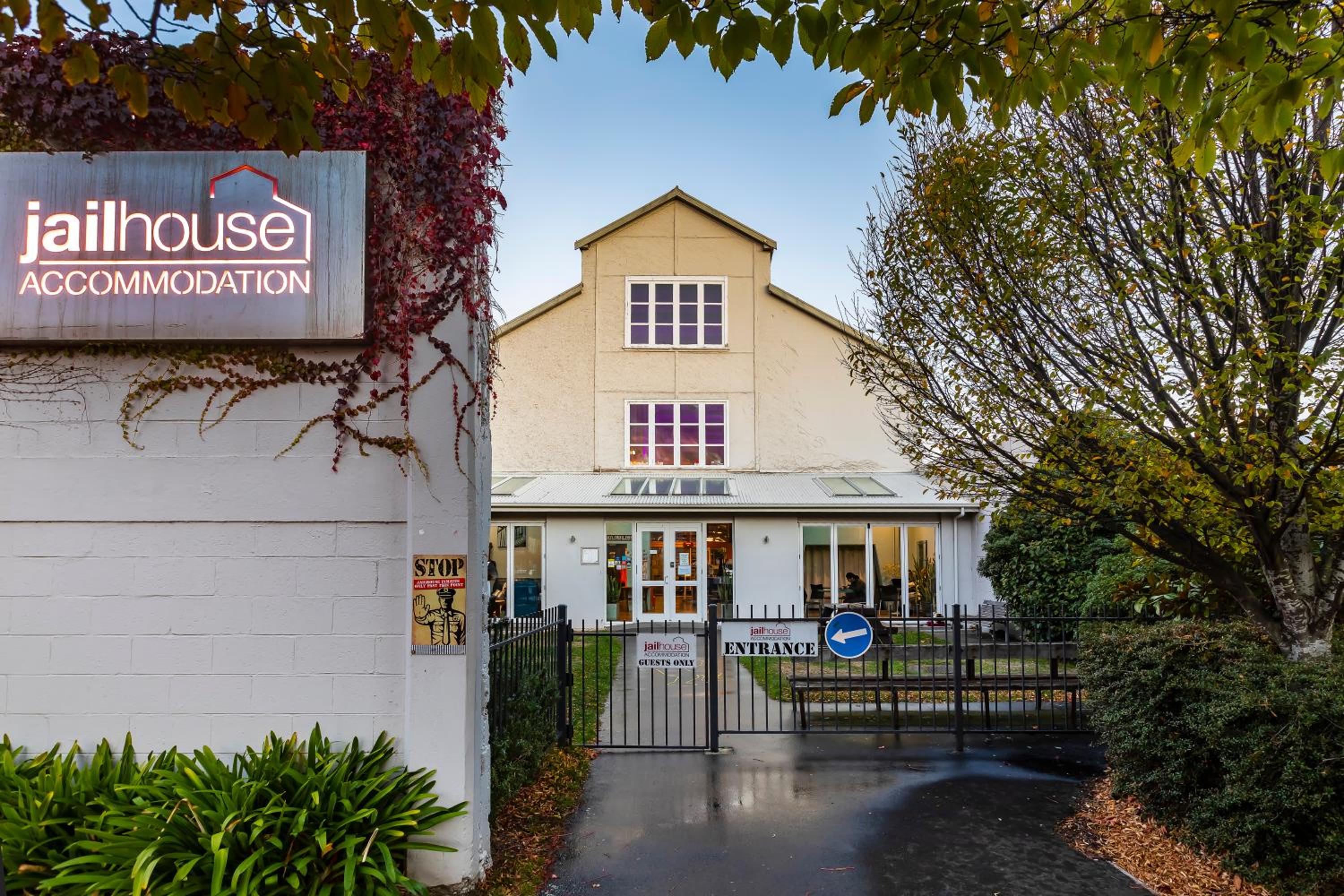
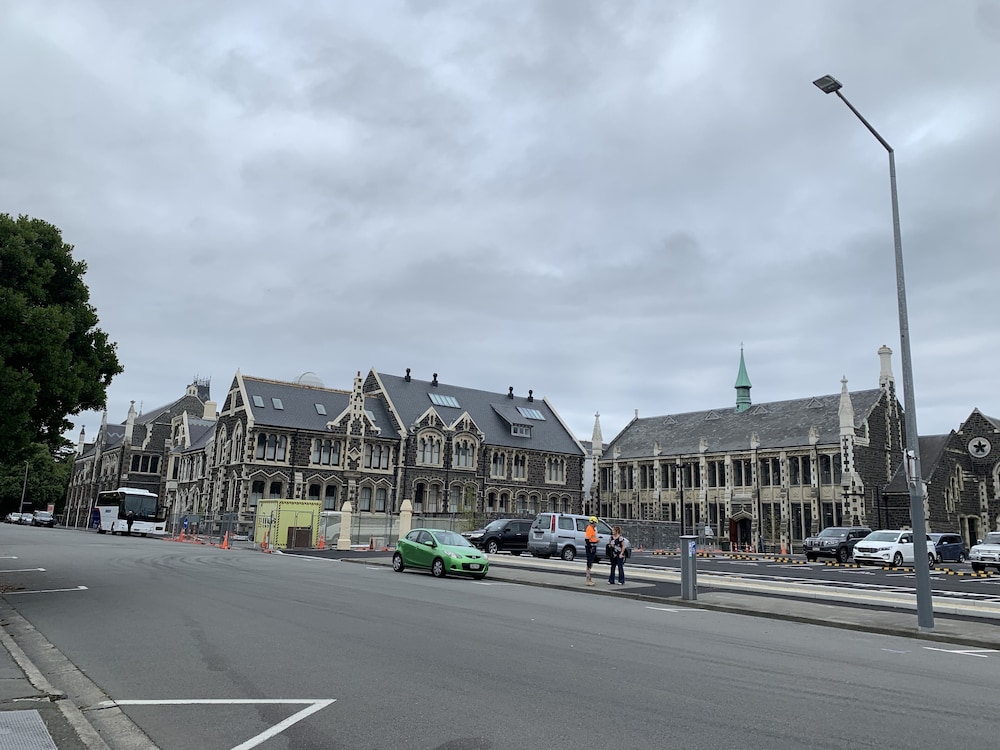


Christchurch is as often the last stop of a New Zealand trip as the first one in our trip data, so keep the gardens and the Canterbury Museum for day 16 if you land late.
Day 2 Drive to Lake Tekapo
Morning: about three hours south west to Lake Tekapo, the first leg of the Mackenzie run. The lake really is that turquoise: it is rock flour, glacial dust held in the water, not a filter.
Afternoon: walk the Mt John Summit Circuit Track, about 45 minutes up through forest to a 360 degree view of the whole basin, then coffee at Astro Cafe on the summit. Or drive up the toll road for about €6 (NZ$12).

Evening: the Church of the Good Shepherd, built in 1935, whose altar window frames the lake and the mountains. Then the hot pools at Tekapo Springs, and the sky: Tekapo sits inside a 4,300 km² dark sky reserve, so on a clear night you only need to drive a few minutes out of the village and look up.
Where to stay: in the village, where everything is walkable. Lakes Edge Holiday Park has sites and cabins right on the water, and Mantra Lake Tekapo is the best rated hotel. Book early: beds are limited, and it is the single most repeated warning about Tekapo.
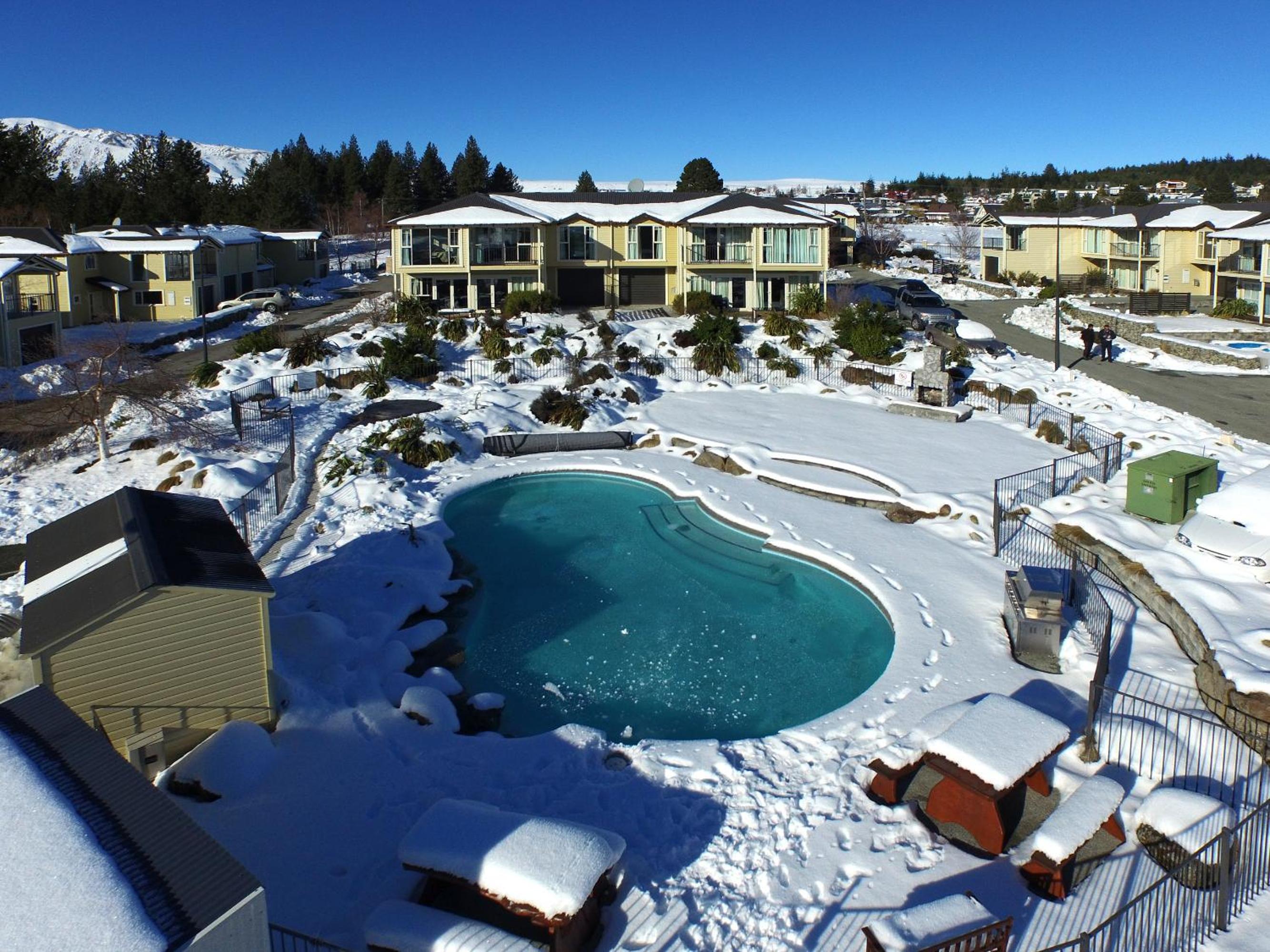
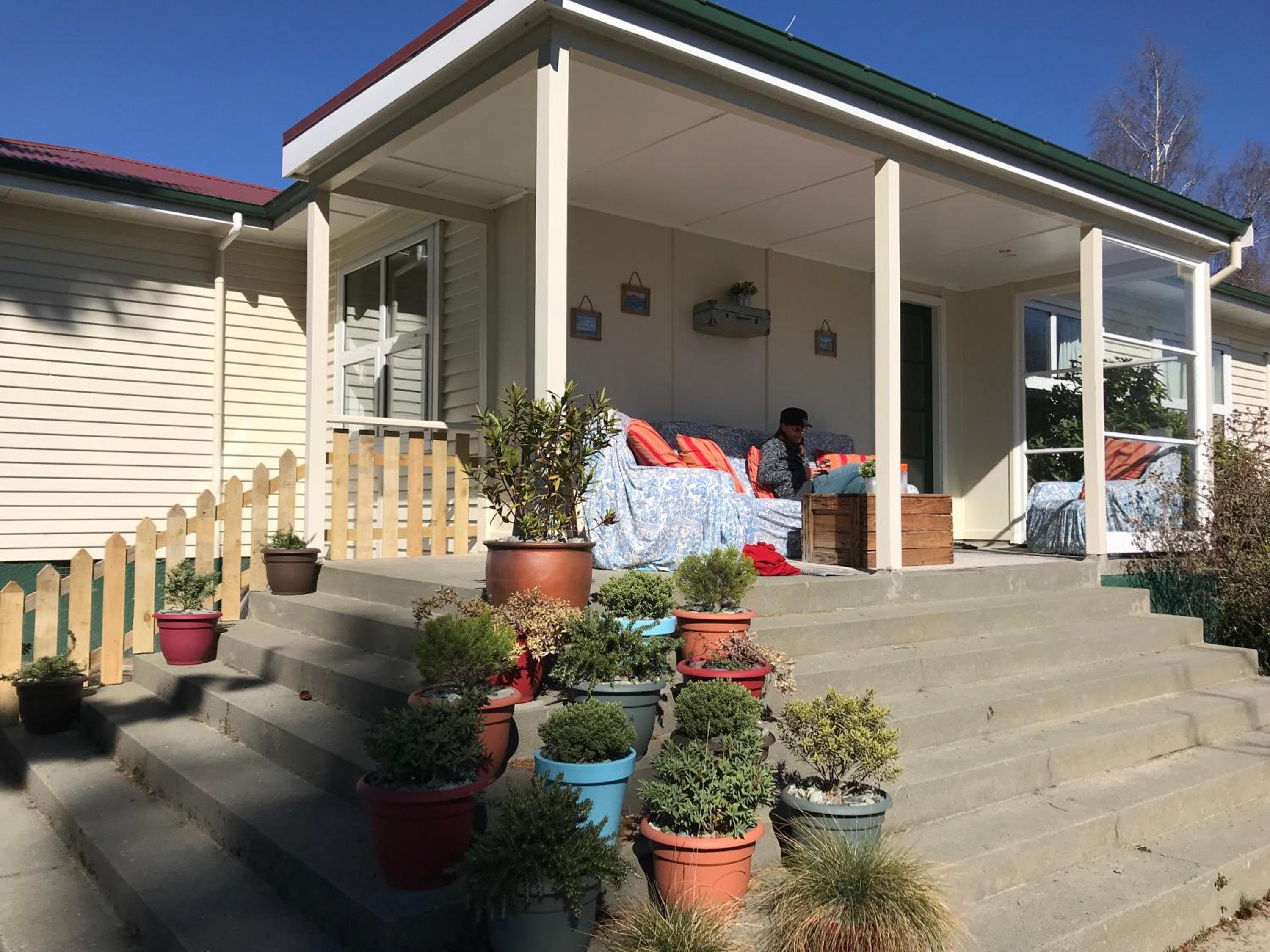
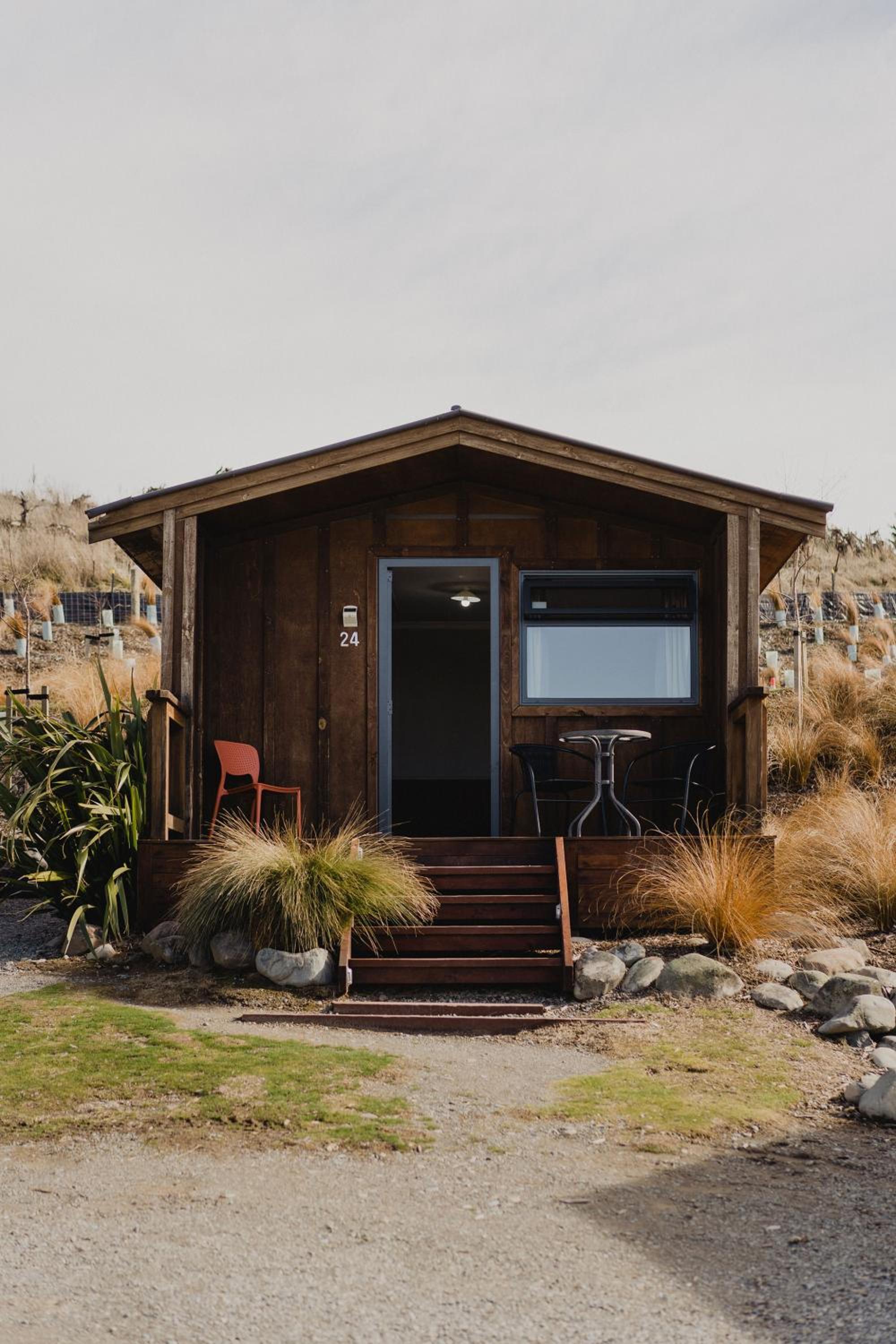
Lake Tekapo is the shortest stay we measure in New Zealand: most travellers give it one night, as this route does. Go back to the church at dawn tomorrow, before the coaches.
Read more: things to do in Lake Tekapo
Day 3 Lake Pukaki and Aoraki/Mount Cook
Morning: one to two hours along Lake Pukaki to Aoraki/Mount Cook, the classic approach with the highest mountain in the country at the end of the lake. The only road in is SH80 from Twizel.

Afternoon: the Hooker Valley Track, one of the best short alpine walks in the country, or Sealy Tarns and the Tasman Glacier if you want more. Look out for Mount Cook lilies, the world's largest buttercups.
Evening: Aoraki/Mount Cook is part of the same dark sky reserve as Tekapo, so stay out for the stars if the night is clear.
Where to stay: in Aoraki/Mount Cook Village at the end of the road. Travellers usually plan just over one night here. Do not feed the kea, the alpine parrots: it is illegal, and they bite.
Queenstown
Queenstown is the adventure capital, a town of 15,000 that receives about three million visitors a year. It is the one place on this loop where two nights feel short.
Day 4 Lindis Pass to Queenstown
Morning: about three hours via the Lindis Pass to Queenstown, on Lake Wakatipu with the Remarkables behind it.
Afternoon: stop at the Kawarau Bridge on the way in, where AJ Hackett opened the world's first commercial bungy in 1988: a 43 m drop over the river, about €160 (NZ$320). Watching is free. Then the Skyline gondola up Bob's Peak and the luge at the top.

Evening: Fergburger is the famous one, with a queue of up to 90 minutes at peak and about 15 minutes at 4 pm. Devil Burger on Church Street is the one with no queue, and Erik's Fish and Chips does blue cod from a caravan on Earl Street.
Day 5 Glenorchy or the Shotover
Morning: the 45 minute drive along the lake to Glenorchy and the Dart valley, the best road out of town. Or, for adrenaline, the Shotover Jet through the canyon.
Afternoon: the Queenstown Hill track, about 90 minutes up to the Basket of Dreams sculpture and a view over the whole basin, or Arrowtown, a gold rush village 20 minutes away.
Where to stay: the town centre if you want to walk everywhere; Frankton, by the airport and the supermarkets, for value; Fernhill for the same lake view for less. Absoloot Hostel QT is the best rated cheap bed, on Beach Street by the lake; Kamana Lakehouse faces the lake from the Fernhill hillside; Eichardt's Private Hotel is the splurge, an 1860s gold rush hotel on Marine Parade. Book early from December to February.

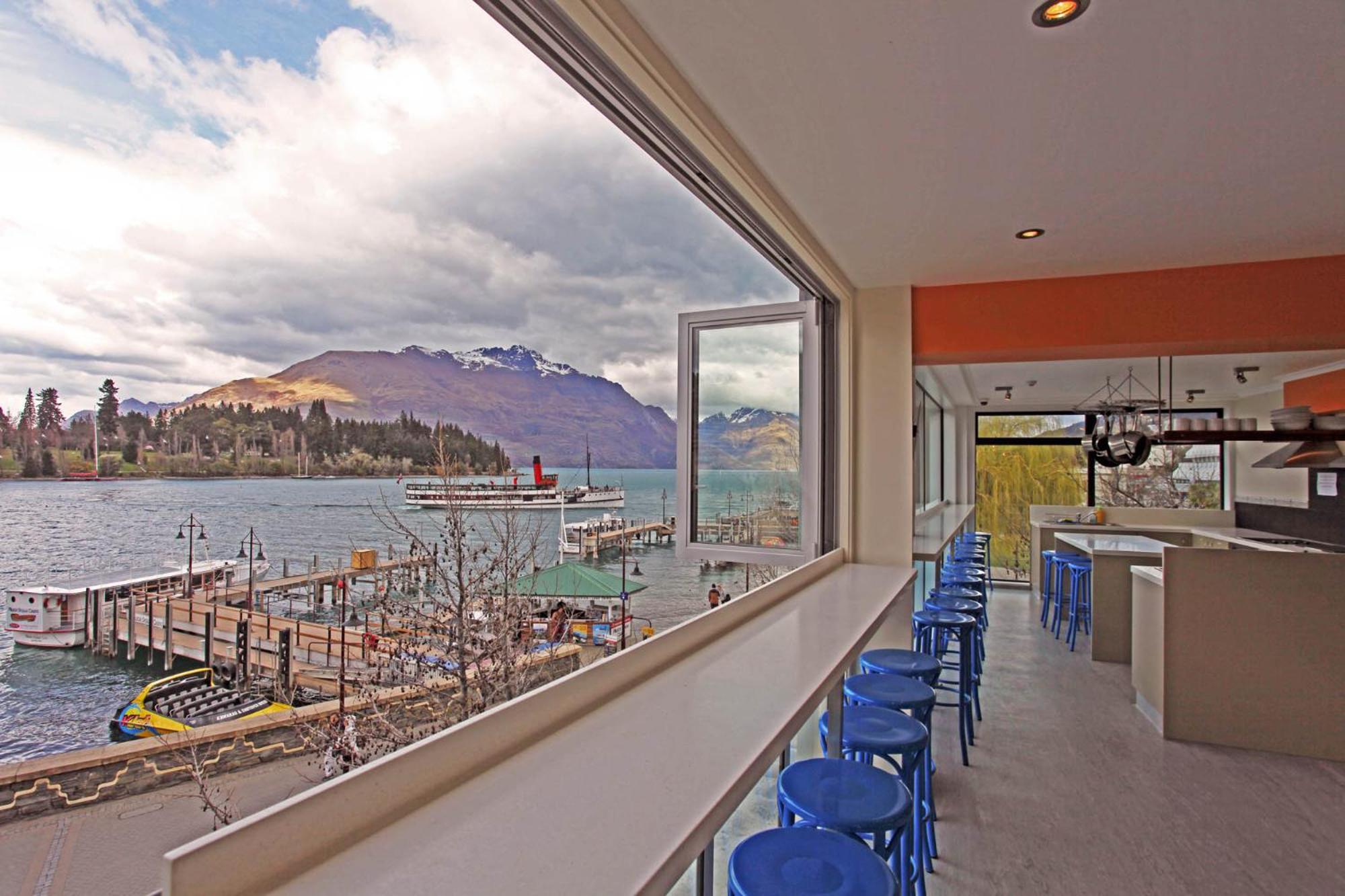
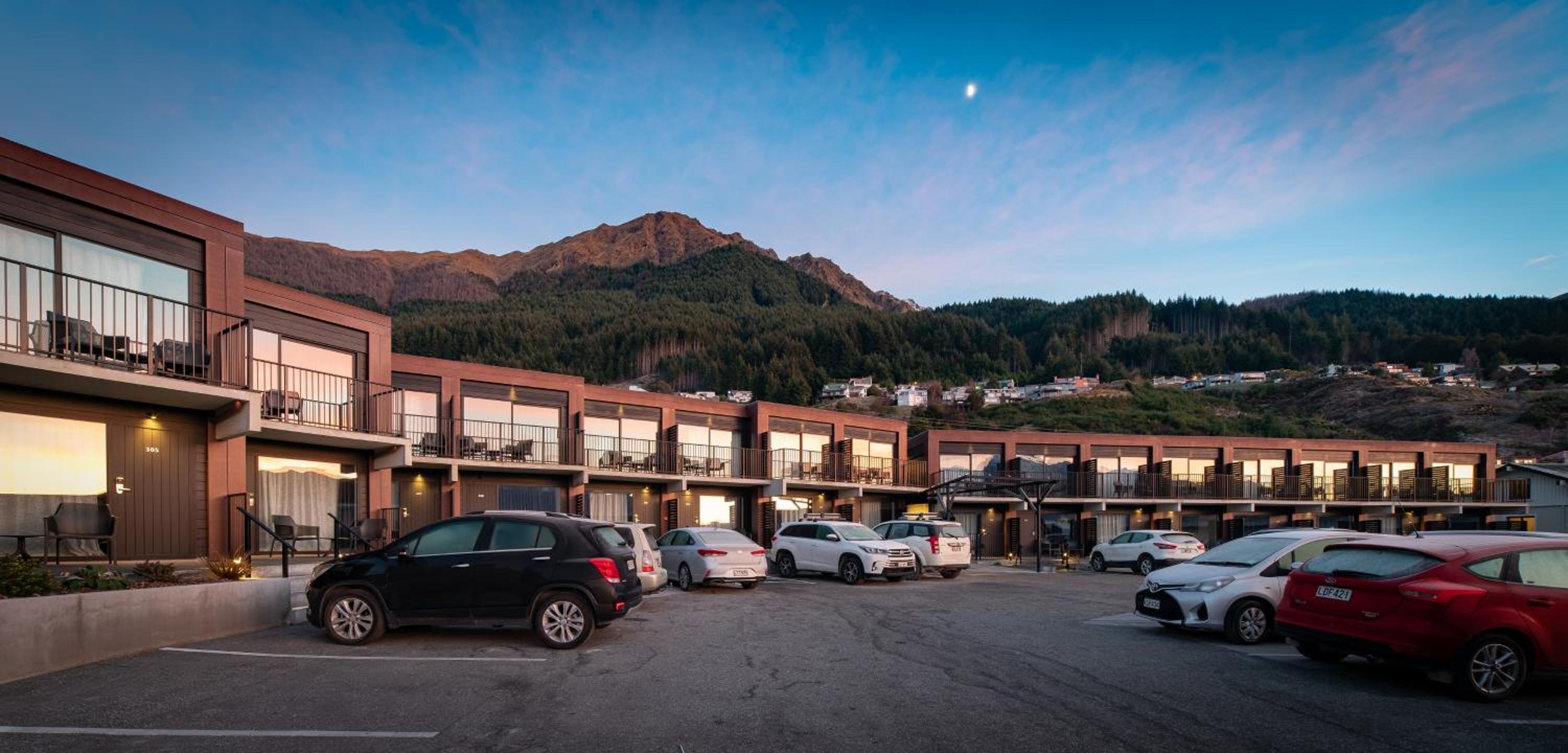
Queenstown is on almost half of all New Zealand trips planned with Stippl, and it is the one place where travellers stop moving: a quarter of stays run four nights or more. If you can add a night anywhere on this route, add it here.
Read more: things to do in Queenstown
Te Anau and Milford Sound
Fiordland is the country's most photographed landscape and its wettest. The places travellers pair with Queenstown most often in our data are exactly the ones on this stretch: Te Anau, Milford Sound and, after it, Wānaka and Franz Josef, each about twice as likely as chance.
Day 6 Drive to Te Anau
Morning: about two hours from Queenstown to Te Anau, the first half of the Milford run and Fiordland's gateway town on the lake.
Afternoon: an easy afternoon by the lake. This is your last fuel, groceries and phone signal before Milford Sound, so fill the tank and the cool box today.
Where to stay: in Te Anau itself, which is the base most travellers use for Milford Sound. Holiday parks sit on the edge of town, as they do in most New Zealand towns.
Day 7 The Milford Road and the fiord
Morning: about two hours to Milford Sound on the Milford Road, through the Homer Tunnel, a single lane 1.4 km tunnel under traffic lights where you can wait up to 20 minutes at peak.
Afternoon: a cruise or a kayak on the fiord, past Mitre Peak, fur seals and, with luck, the resident dolphins. Cruises cost about €78 to €100 (NZ$155 to NZ$200); compare departures on GetYourGuide. Do not worry about rain: Milford Sound gets around seven metres a year, and a wet day turns the cliffs into hundreds of waterfalls.
Where to stay: one night by the fiord, as travellers usually plan Milford Sound, or back in Te Anau. Bring insect repellent and long sleeves: the sandflies here come out around dusk.
Wānaka
Wānaka is Queenstown's quieter neighbour on the next lake: the same mountains, about 10,000 people and a fraction of the crowds.
Day 8 Back north to Wānaka
Morning: two hours back to Te Anau, two more to Queenstown, then about an hour over the Crown Range, the highest sealed road in New Zealand. In snow, take the lower road via Cromwell instead.
Afternoon: that Wānaka Tree, the willow standing in the lake, which began life as a fence post. Twenty minutes is enough, and it gets busy. Then the lakefront, where most Wānaka evenings happen.

Evening: Big Fig is the place six sources name; Kika holds the town's Michelin star, which is remarkable for a place this size.
Day 9 Roys Peak or the Rob Roy Glacier
Morning: Roys Peak, 16 km return and five to seven hours, to one of the best views in the country. Note that the track is closed from 1 October to 10 November every year for lambing; then, do Isthmus Peak or Mount Iron instead.
Afternoon: or swap the whole day for the Rob Roy Glacier Track, 10 km return and three to four hours from a car park an hour out in the Matukituki Valley, ending under a hanging glacier.
Where to stay: in town, so the lake, the tree and the restaurants are a walk away. Lakeside Apartments is the best rated stay on the lakefront, Te Wanaka Lodge is a cedar lodge on Brownston Street, and Haka House is the central hostel. Book three to four months ahead for summer: the town is genuinely short of beds.
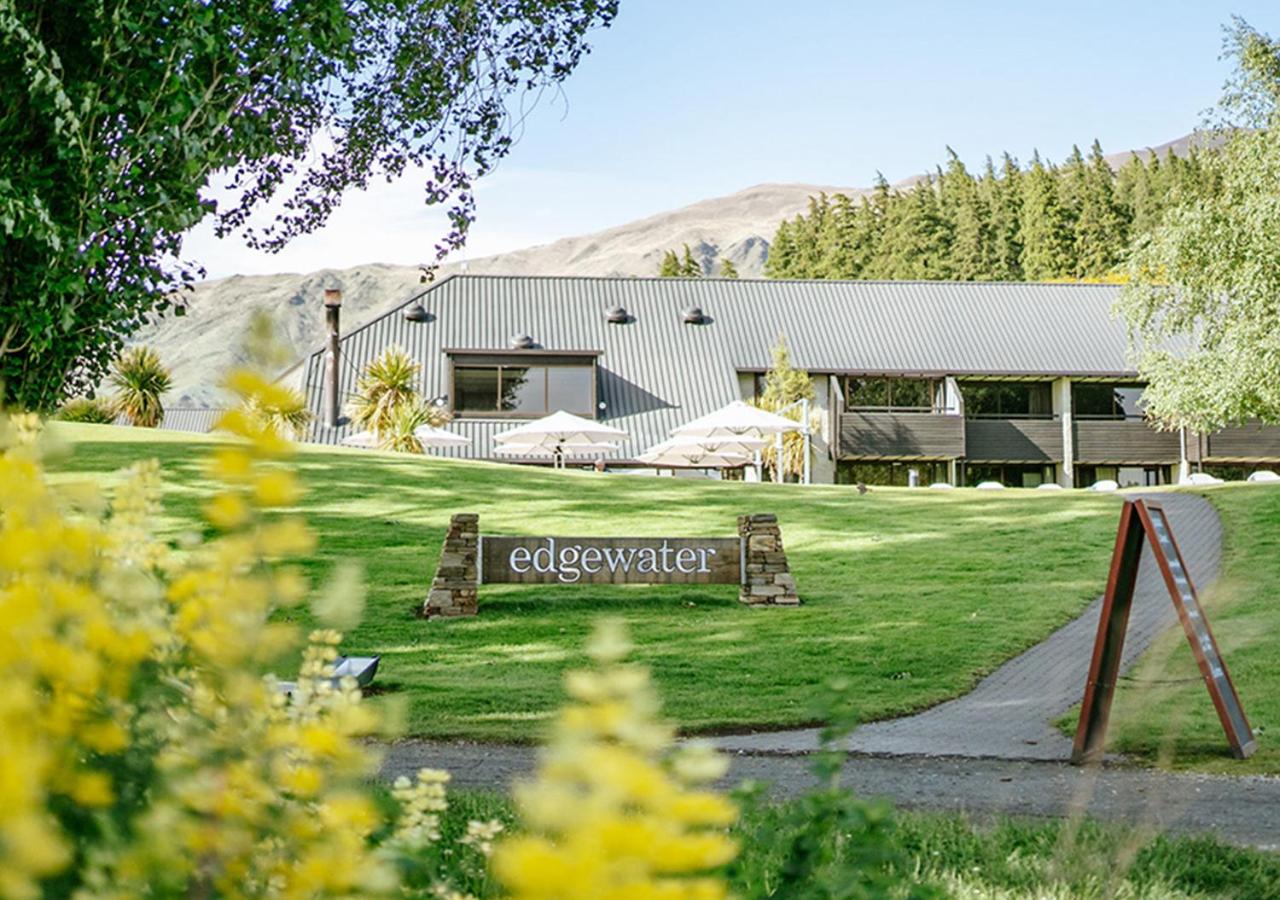
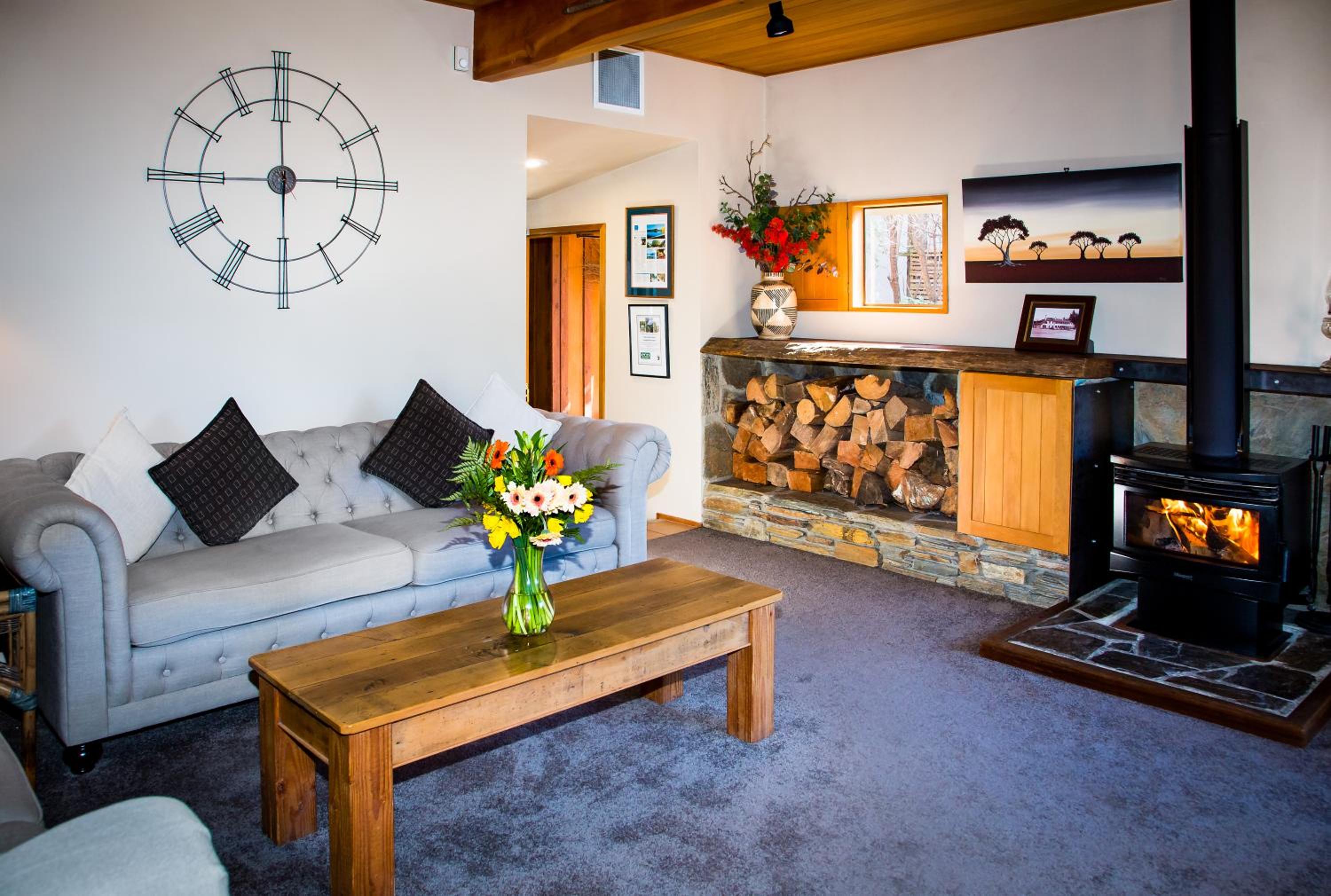
Travellers usually plan just one night in Wānaka, against the three the town's own listing suggests. This route gives it two, because day 9 is a full hike.
Read more: things to do in Wānaka
the West Coast
The West Coast is the wettest, emptiest and roughest strip of the country: glaciers reaching towards rainforest, greenstone towns and long stretches with no phone signal. Fill up whenever you see fuel.
Day 10 Haast Pass to Franz Josef
Morning: over the Haast Pass to the West Coast. Queenstown to Franz Josef is about four and a half hours via Wānaka, so from here it is most of a day with waterfall stops.

Afternoon: a helicopter is now the only safe way onto the ice, from about €155 (NZ$310), and flights are cancelled often in cloud. The free version is the valley walk from the car park. Fox Glacier is 25 to 30 minutes further south if you want both.
Evening: the glow worms in the free Tatare tunnels, then the hot pools.
Where to stay: in Franz Josef, the glacier town, which has a kiwi hatchery and hot pools of its own.
Day 11 Hokitika
Morning: north up the coast to Hokitika, on the road towards Greymouth.
Afternoon: a greenstone carving workshop, where you carve your own pounamu, the classic New Zealand taonga, in a day. Or walk the glacial gorge.
Where to stay: in Hokitika, close to the driftwood beach.
Day 12 Punakaiki and the Pancake Rocks
Morning: on to Punakaiki in Paparoa National Park, home to the Pancake Rocks and their blowholes.
Afternoon: a stretch of the Paparoa Track, the Great Walk behind the rocks, as a day walk.
Where to stay: at Punakaiki, one night, as the catalogue route does, to break the long drive north.
Abel Tasman and Nelson
The top of the South Island is the sunniest part of the country: golden beaches, turquoise water and no roads in the national park itself.
Day 13 Abel Tasman National Park
Morning: four to six hours from Punakaiki to Abel Tasman, depending on which source you trust. Start early.
Afternoon: the park has no roads, so you go in by water taxi, by kayak or on foot along the Coast Track. Check the tide times at Awaroa Inlet before you walk.
Where to stay: at the park's edge, or inside it at a Coast Track hut or campsite. Huts cost international walkers about €42 (NZ$84) a night in summer, campsites about €15.50 (NZ$31), booked through DOC. In peak January the campsites around Abel Tasman were full even for walk-ins.
Day 14 Nelson
Morning: a last swim, then the drive to Nelson, the base for Abel Tasman and the sunniest city in the country.
Afternoon: the Saturday market if your dates line up, and the galleries of a strong local art scene.
Where to stay: in Nelson, one night, before the long drive east.
Kaikōura and back to Christchurch
The last leg runs inland and down the east coast, where the mountains meet the sea.
Day 15 Whales at Kaikōura
Morning: a long inland drive. Kaikōura to Abel Tasman takes about six hours, and most itineraries underestimate it, so leave Nelson early.

Afternoon: whale watching for sperm whales, about €75 (NZ$150) for an adult, with a 95% sighting rate and a partial refund if none are seen. Afternoon departures run November to March. A dusky dolphin swim costs about €122.50 (NZ$245). Both book out and both depend on the weather.
Evening: seafood. Kaikōura has the cheapest good seafood in the country.
Where to stay: in Kaikōura, one night, close to the boat departures.
Day 16 Coast road to Christchurch
Morning: two to two and a half hours down the rebuilt coastal highway, with the seal colony at Ohau Point on the way.
Afternoon: if your flight allows, the Botanic Gardens and Hagley Park in the middle of Christchurch, or punting on the Avon from the Antigua Boat Sheds, about half an hour on the river. Canterbury Museum is free.
Read more: things to do in Christchurch
Getting around the South Island
You drive every leg of this route. The table has the sourced drive times; real times run longer than navigation apps suggest, because of narrow roads, one lane bridges and photo stops.
| From | To | Best option | Time |
|---|---|---|---|
| Christchurch | Lake Tekapo | Car | about 3 h |
| Lake Tekapo | Aoraki/Mount Cook | Car, along Lake Pukaki | 1 to 2 h |
| Aoraki/Mount Cook | Queenstown | Car, via the Lindis Pass | about 3 h |
| Queenstown | Te Anau | Car | about 2 h |
| Te Anau | Milford Sound | Car, via the Homer Tunnel | about 2 h |
| Queenstown | Wānaka | Car, over the Crown Range | about 1 h |
| Queenstown | Franz Josef | Car, via Wānaka and the Haast Pass | about 4.5 h |
| Punakaiki | Abel Tasman | Car | 4 to 6 h |
| Abel Tasman | Kaikōura | Car, inland | about 6 h |
| Kaikōura | Christchurch | Car, coastal highway | 2 to 2.5 h |
Turn these stops into a route
Pick your favourites and Stippl orders them, adds travel times and builds the day-by-day.
Queenstown or Wānaka?
They are an hour apart on neighbouring lakes, and this route gives each two nights. If you can only base yourself in one, here is the short answer: Queenstown for adventure, nightlife and day trips, Wānaka for a calmer lake town and big hikes.
| Queenstown | Wānaka | |
|---|---|---|
| Size and feel | 15,000 residents, about three million visitors a year, busy and lively | About 10,000 people, the same mountains with far fewer crowds |
| Big draws | Bungy, the Shotover Jet, the gondola and luge, Glenorchy, Milford Sound day trips | Roys Peak, the Rob Roy Glacier, that Wānaka Tree, the lake |
| Food and evenings | The South Island's best nightlife; Fergburger, Little Blackwood for cocktails | Seven Michelin listed restaurants including one star |
| Winter | Coronet Peak and The Remarkables within an hour | Cardrona and Treble Cone |
| Typical stay | Two nights or more; a quarter stay four nights or more | One night, often as a stop on the Haast Pass route |
Choose Queenstown if you want activities on tap, a lively evening and the easiest base for Milford Sound. It is the town travellers plan the longest stays in.
Choose Wānaka if you would rather hike than queue, and want a quieter evening by the lake. Its links in our trip data run west, to Fox Glacier, Hokitika, Punakaiki and Franz Josef, because it sits on the road over the Haast Pass.
Getting between them: about one hour over the Crown Range, or 1 hour 15 via Cromwell, the road to use in snow. The bus takes 1 hour 45 and costs about €17.50 (NZ$35). Shuttles and buses also link Queenstown airport with Wānaka; check timetables when you book.
How to split your nights: do both, as this route does. Base in Queenstown for the adventure and Milford Sound, then give Wānaka at least one night for a sunrise hike. A day trip from Queenstown works too, but it is the second best option.
Shorter and longer versions of this route
Not everyone has two weeks, and some have more. These versions all use the same roads.
New Zealand South Island itinerary 10 days from Christchurch
Keep the lakes and Fiordland and drop the West Coast and the north: Christchurch (1), Lake Tekapo (1), Aoraki/Mount Cook (1), Queenstown (3), Te Anau (1), Milford Sound (1), Wānaka (1), then back to Christchurch over the Lindis Pass and through Tekapo again. Wānaka to Lake Tekapo is about three hours.
For a strict 14 days instead of 16, keep the full loop but drop the Punakaiki night (see the Pancake Rocks on the drive) and drive Nelson to Christchurch in one long day.
New Zealand South Island itinerary 10 days from Queenstown
Fly into Queenstown and drive out to Christchurch through the deep south: Queenstown (2), Te Anau (1), Milford Sound (1), Invercargill (1), Stewart Island (2), the Catlins (2), Dunedin (2), the Moeraki Boulders (1) and Christchurch (1). It is our 10 day deep south example trip, with wild kiwi on Stewart Island and penguins on the Catlins coast.
New Zealand South Island itinerary 7 days by campervan
One week, one base: Queenstown (2), Te Anau (1), Milford Sound (1), Wānaka (1) and Franz Josef (2), as in our one week Queenstown and Fiordland example trip. In a campervan, use DOC campsites and freedom camping spots between holiday park nights, but only freedom camp in a certified self contained van (see the self drive tips below).
Winter and three weeks
In winter, swap the West Coast for the snow: our 2 week winter example trip runs Christchurch, Mt Hutt, Lake Tekapo, Wānaka (3 nights) and Queenstown (4 nights) to Dunedin. With three weeks, add the North Island before you start: our North Island itinerary and the New Zealand campervan route show how the two islands join at the Cook Strait ferry.
Self drive tips: car, campervan and where to sleep
For a New Zealand itinerary of 14 days, self drive is the standard way to see the South Island, and the roads are easy once you know the local rules.
- Your licence. An overseas car licence is valid for 18 months from your last arrival, dropping to 12 months on 1 November 2026. If it is not in English, carry an International Driving Permit or an approved translation.
- Keep left, and slow down. The open road limit is 100 km/h and 50 km/h in towns, and both are maximums, not targets.
- One lane bridges are everywhere. On the black and red arrow sign, the bigger arrow has right of way. If four or more vehicles queue behind you, pull over when it is safe: it is the law.
- Fuel and signal run out. On the West Coast and the Milford Road there is no phone signal for long stretches, and one traveller found nearly 200 km without a fuel station near Punakaiki. Fill up early and download offline maps.
- Sleeping in a campervan. Holiday parks sit on the edge of most towns, with hot showers and kitchens; DOC campsites cost about €4 to €9 (NZ$8 to NZ$18) a person and are paid in cash at an honesty box. Freedom camping on public land is only for certified self contained vans, and since 7 June 2026 only a green warrant with a fixed toilet counts. The fine is €200 (NZ$400).
- Book the peak. From December to February, book campsites in popular spots, beds in Tekapo and Wānaka, and the Milford cruise before you fly.
What this South Island route costs
The biggest lines are the vehicle, fuel and the big ticket activities. Petrol costs about €1.38 (NZ$2.76) a litre and more on the West Coast. Campervan rental runs from about €75 to €93 (NZ$150 to NZ$185) a day for a budget two berth to €190 to €323 a day for bigger vans in peak season.
From the expenses travellers log with Stippl in New Zealand, a typical campground night costs about €28 (NZ$56), a typical hotel night about €146 (NZ$292) and a typical paid tour about €94 (NZ$187), the most expensive tour figure we measure in any country. On this route that means the Milford cruise, a glacier flight or the whale watch. Cooking your own meals is the single biggest saving.
Build this South Island itinerary in Stippl
More than 20,000 New Zealand trips have been planned with Stippl, and this loop is ready to copy: open our 2 week South Island example trip, with all 13 stops and the nights already set. Or start from scratch in the Stippl itinerary planner: add the stops, set the nights and see every drive on the map with its travel time. Add a third night in Queenstown, swap the West Coast for the deep south, and share the plan with whoever is coming.
Describe your trip, get a New Zealand itinerary in seconds
Everything in this guide is already in Stippl. Tell the planner how long you have and what you like: it builds the route, the days and the travel times, and you edit whatever you want.
Frequently asked questions about New Zealand
Is 2 weeks enough for the South Island of New Zealand?
Yes, for the main loop of lakes, mountains, Fiordland, the West Coast and the north coast at a steady pace. It means a new bed most nights, which is how most travellers plan it: nearly half of all New Zealand stops planned with Stippl are a single night. Add a third Queenstown night if you can.
Where should a South Island road trip start?
Christchurch is the most common start for a loop, because its airport is the South Island's main international door and you return to it. Queenstown is the alternative, especially for Fiordland or a one way trip through the deep south. Pick the airport that suits your flights.
Should I rent a car or a campervan on the South Island?
Both work on this route. A campervan saves on beds and lets you cook and camp at DOC sites; a car is easier on mountain roads and in towns, with motels and hostels at night. Only certified self contained vans may freedom camp.
How many stops do travellers plan in New Zealand?
About seven, the most of any country we measure, and nearly half of those stops are one night. This loop has 13 stops in 15 nights, with two nights in Queenstown and Wānaka.
Is Queenstown or Wānaka better?
Queenstown for adventure, nightlife and Milford Sound day trips; Wānaka for quieter evenings and big hikes like Roys Peak. They are an hour apart, so most travellers do both, with a longer stay in Queenstown.
Ready for the South Island? Open the 2 week South Island example trip in Stippl, adjust the nights, and share the route with your travel partner.