


The worked example at the end joins both halves: the Yucatán loop by ADO bus and ferry, then two short flights to Oaxaca and Mexico City, with the time, the price and the booking for every leg.
Plan Mexico in Stippl
Day-by-day planning, stays and budget in one app, with every place from this guide already on the map.
Download the appHow to plan a trip to Mexico: the short version
Pick your Mexico before you pick a hotel: the coast, the highlands, or both if you have three weeks or more. Your month then tells you which half deserves the long stay. Ride ADO buses inside a region and fly between them, on an open jaw ticket so you never cover the 1,600 km twice. Check safety per state, not per country. Then set the nights and a budget in pesos and book the few things that sell out. The apps that do the work once you land, from the ride app that works in each city to paying at OXXO, are in our guide to the best apps for Mexico.
| Step 1 | Pick your Mexico: the coast, the highlands, or both |
| Step 2 | Let the month decide which half gets the most nights |
| Step 3 | Ride ADO inside a region, fly between them |
| Step 4 | Plan the route state by state |
| Step 5 | Set nights and a budget in pesos, book, go offline |
Plan Mexico as two trips: five decisions with Stippl
Open a new trip in the Stippl itinerary planner and drop in Cancún and Mexico City first, even if you are not sure you will visit both. The gap between the two pins on the map is the whole planning problem in one picture, and the five decisions below are how you deal with it.
Step 1: pick your Mexico, the coast, the highlands or both
The coast trip runs around the Yucatán peninsula: Cancún, Holbox, Tulum, Bacalar, and inland to Valladolid and Mérida for the cenotes, the ruins and the colonial towns. Every leg is a bus ride of two to six hours. The highlands trip runs through Mexico City, Puebla and Oaxaca: museums, murals, three of the country's great kitchens within a week of each other, and Zapotec ruins above the Oaxaca valley.
Travellers lean to the coast. Across more than 25,000 Mexico trips planned with Stippl, Cancún is on more than half, because nearly every long haul flight lands there, and Mexico City is on four in ten. Nine of the ten places travellers add most often sit on one of the two lines. With two weeks, pick one half. With three or four, join them by air.
A typical Mexican stop gets two nights, and nearly one stop in three is a single night. The places people choose rather than pass through hold them longer: Holbox, Bacalar, Tulum, Oaxaca and Mexico City all get three nights. Cancún is the opposite, with more than half of all stays a single night: travellers land, sleep and leave.
Step 2: let the month decide which half gets the most nights
November to April is dry almost everywhere, which is why it suits a trip that joins both halves. Outside it, the two Mexicos part ways. The Caribbean coast is clearest from November to February. From March the sargassum seaweed builds on the Caribbean beaches, worst in July and August, and the Atlantic hurricane season runs from 1 June to 30 November.
The highlands run on their own clock. Mexico City sits more than 2,200 m up, with highs of 22 to 28°C all year and cool nights, so pack a jacket in every month. Both the capital and Oaxaca get most of their rain from June to September, mostly as afternoon showers. So in July, give the highlands the long stay; in January, the coast. Christmas, New Year and Semana Santa are the sharpest price spikes, and November is the value month, with Día de Muertos on 1 and 2 November. Our guide to the best time to visit Mexico goes month by month and region by region.
Step 3: ride ADO inside a region, fly between them
Inside the Yucatán, the ADO bus is the answer: modern coaches with toilets and fierce air conditioning, from town centre to town centre. Cancún to Tulum takes about 2 hours for about €15 (MX$296), Valladolid to Mérida 1.5 to 2 hours for about €11 (MX$217). Book the popular departures ahead, as they sell out.
Between the two halves, fly. Cancún to Oaxaca takes about 1.5 hours with Viva or Volaris, often for around €50 (MX$987) if you book early, and Oaxaca to Mexico City about an hour for a similar fare. Fly into Cancún and home from Mexico City, and the long way back never appears on your route.
The Tren Maya now circles the whole peninsula, but foreign visitors pay the top fare tier, trains run one to three times a day against buses every 30 to 60 minutes, and the stations in Playa del Carmen, Tulum and Mérida sit outside town. It earns its place on the Chichén Itzá day trip and on the long run to Palenque. Put each leg in Stippl with its departure time: a six hour bus next to a 1.5 hour flight on the same timeline usually settles where the highlands fit.
Step 4: plan the route state by state
Ask about the state, not about Mexico. Governments rate the states one by one, and the standard routes sit in the calmer ones. When we last checked the US advisory, in autumn 2026, Yucatán and Campeche (Mérida, Valladolid, Chichén Itzá) carried the lowest level, and Quintana Roo (Cancún, Tulum, Bacalar), Mexico City and Oaxaca sat one level up. Mérida is often named one of the safest cities in the country.
Two things change a route. Chiapas sat a level higher again, and the UK advises against all but essential travel on Highway 199, the direct road between San Cristóbal de las Casas and Palenque: take the longer ADO routing through Villahermosa instead. Guerrero, which includes Acapulco, is on the do not travel list, and no standard route goes there. Levels change during the year, so read your own government's page the week you book.
On the ground, plan bus and car legs by day, get home at night by app or registered taxi, and draw cash from machines inside banks or shops. With every leg timed in Stippl, you see at once whether a transfer would end after dark.
Step 5: set nights and a budget in pesos, book and go offline
Mexico is cheaper than Europe and dearer than Southeast Asia, and the two halves price differently. A budget day of hostel or simple double, market meals and ADO buses runs €34-60 (MX$670-1,185). Mid-range, with a boutique colonial hotel, restaurant meals and a tour or two, runs €85-155 (MX$1,680-3,060). The Tulum beach strip and Holbox are the expensive end; a budget week in Bacalar costs roughly a third of one in Tulum.
Travellers who logged their spending in Stippl paid about €16 (MX$312) for a typical dinner and €11 (MX$225) for lunch. Chichén Itzá costs foreign adults €35 (MX$697), and most cenotes are cash only. Log each expense at the stop where you paid it and the budget planner keeps the running total in your own currency, split between whoever is on the trip.
Budget
€34–60
hostel dorm or a simple double, market and street-stall meals, ADO buses; achievable in Bacalar, Oaxaca, Chiapas and inland Yucatán
Mid-range
€85–155
boutique colonial hotel or apartment, restaurant meals, a tour or two, a shared rental car
High-end
€220–450
Tulum beach strip, Holbox or Los Cabos, private guides, fine dining
Book three things early: the open jaw flights, rooms for Christmas, New Year and Semana Santa, and the ADO departures you cannot miss in high season. Most passports from Europe, the UK, North America, Australia and Japan enter visa free, but the officer decides how many days you get, so say how long you are staying. Last, open the trip in the app on hotel wifi before a ruin or cenote day; it stays readable when the signal drops.
Sample route: both Mexicos in four weeks, as planned in Stippl
Looking for a Mexico itinerary that covers both halves? This one is flown open jaw: the coast first, by ADO and ferry, then two short flights up to Oaxaca and the capital, and home from Mexico City. It works best from November to April. Twenty four nights, nine stops.
| Stop and nights | Getting there | Time and price | Book with |
|---|---|---|---|
| Cancún, 2 nights | Fly in, ADO airport bus or prepaid taxi | depends on your hotel zone | ADO counter or the taxi booth inside the terminal |
| Isla Holbox, 5 nights | Bus to Chiquilá, then the ferry | 2 to 3 hours, €6 (MX$120), then 20 to 30 min, about €10 (MX$200) | Bus online, ferry at the pier |
| Valladolid, 2 nights | Ferry to Chiquilá, then bus | 20 to 30 min, then about 2 hours | ADO or a colectivo |
| Mérida, 3 nights | ADO bus | 1.5 to 2 hours, about €11 (MX$217) | ADO online |
| Bacalar, 3 nights | ADO bus | about 6 hours, up to €18 (MX$355) | ADO online |
| Tulum, 3 nights | ADO bus | about 3 hours | ADO online |
| Cancún, 1 night | Bus or shuttle | about 1.5 hours | ADO online |
| Oaxaca City, 3 nights | Flight from Cancún | about 1.5 hours, around €50 (MX$987) | Viva or Volaris |
| Mexico City, 2 nights | Flight from Oaxaca | about 1 hour, around €50 (MX$987) | Viva or Volaris, then fly home |
The coast: three weeks by bus and ferry
The first 19 nights never leave the peninsula, and no leg is longer than the six hour run from Mérida to Bacalar. Cancún is the landing pad, two nights to beat the jet lag. Five nights on Holbox sounds long, but the car free island is where travellers slow down: it has the fewest one night stays of any Mexican stop we measure. Buses to Chiquilá run only about three times a day, so the bus decides your ferry, and Holbox has few ATMs, so arrive with pesos.
Editor's tip: Uber cannot pick you up at Cancún airport. Take the ADO airport bus or buy a fixed fare at the authorised taxi booth inside the terminal, and ignore the touts in the arrivals hall. Uber works normally around town and for the ride back to the airport.

Inland, Valladolid is the base for Chichén Itzá and Mérida for Uxmal and the flamingos at Celestún. Then the long bus day ends at the lagoon of Bacalar, and Tulum closes the loop before one night back in Cancún for the flight. The day by day for this stretch is in our Yucatán itinerary for 2 weeks, and Tulum or Playa del Carmen helps if you want to swap the beach town.

The highlands: Oaxaca and the capital by air
Two flights of about an hour and a half and an hour carry the last five nights, and they change everything: from sea level to more than 2,000 m, from beach clothes to a jacket at night. Give yourself an easy first afternoon in Mexico City, as the altitude is felt on arrival.
Oaxaca City gets three nights from most travellers, and only about one stay in seven is a single night. Base yourself in the Centro around the Zócalo or in Jalatlaco, a short walk away. Monte Albán is 20 minutes out and Hierve el Agua about two hours. Our three days in Oaxaca fills those nights, and the list of the best places to eat in Oaxaca starts at the markets.
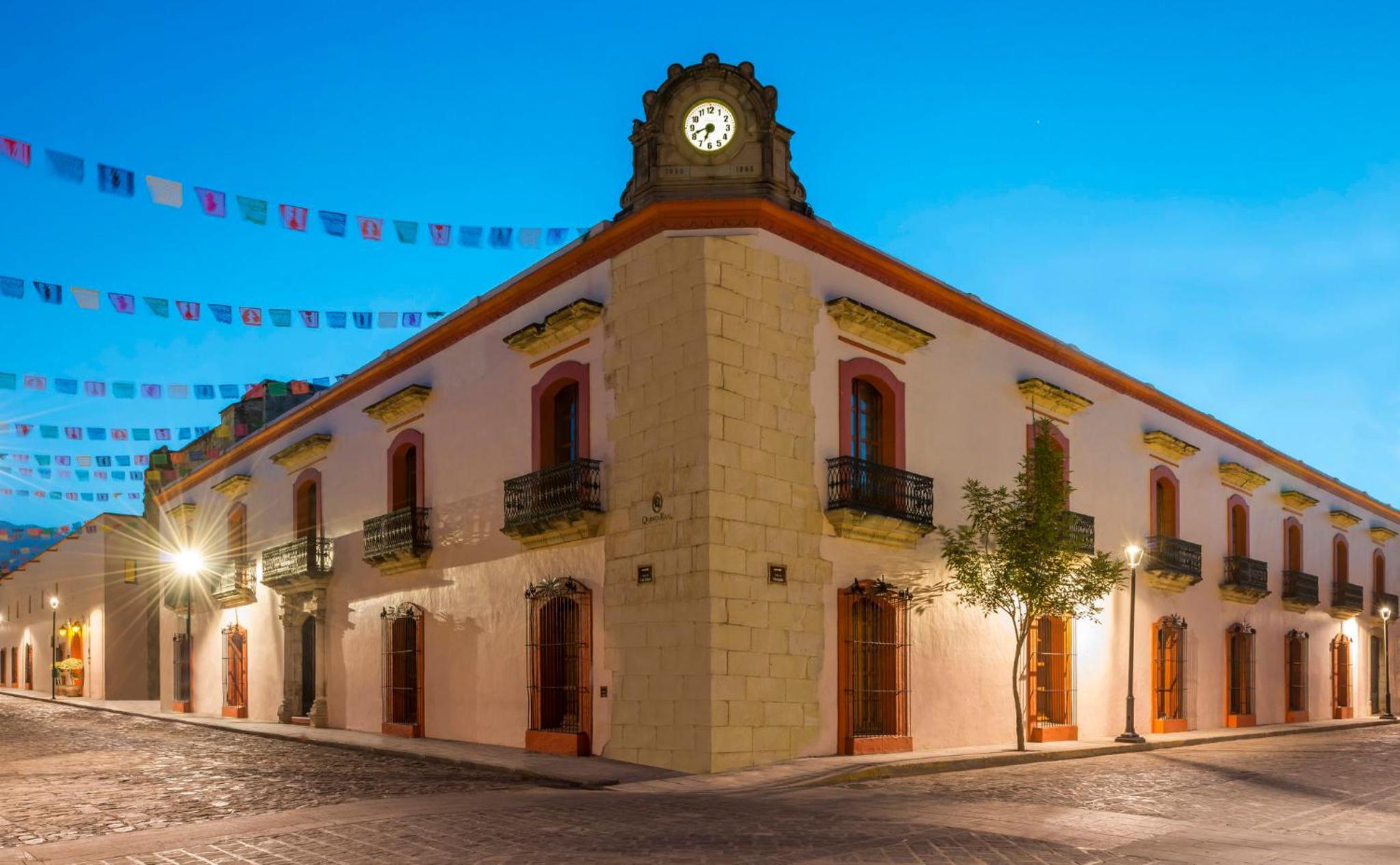
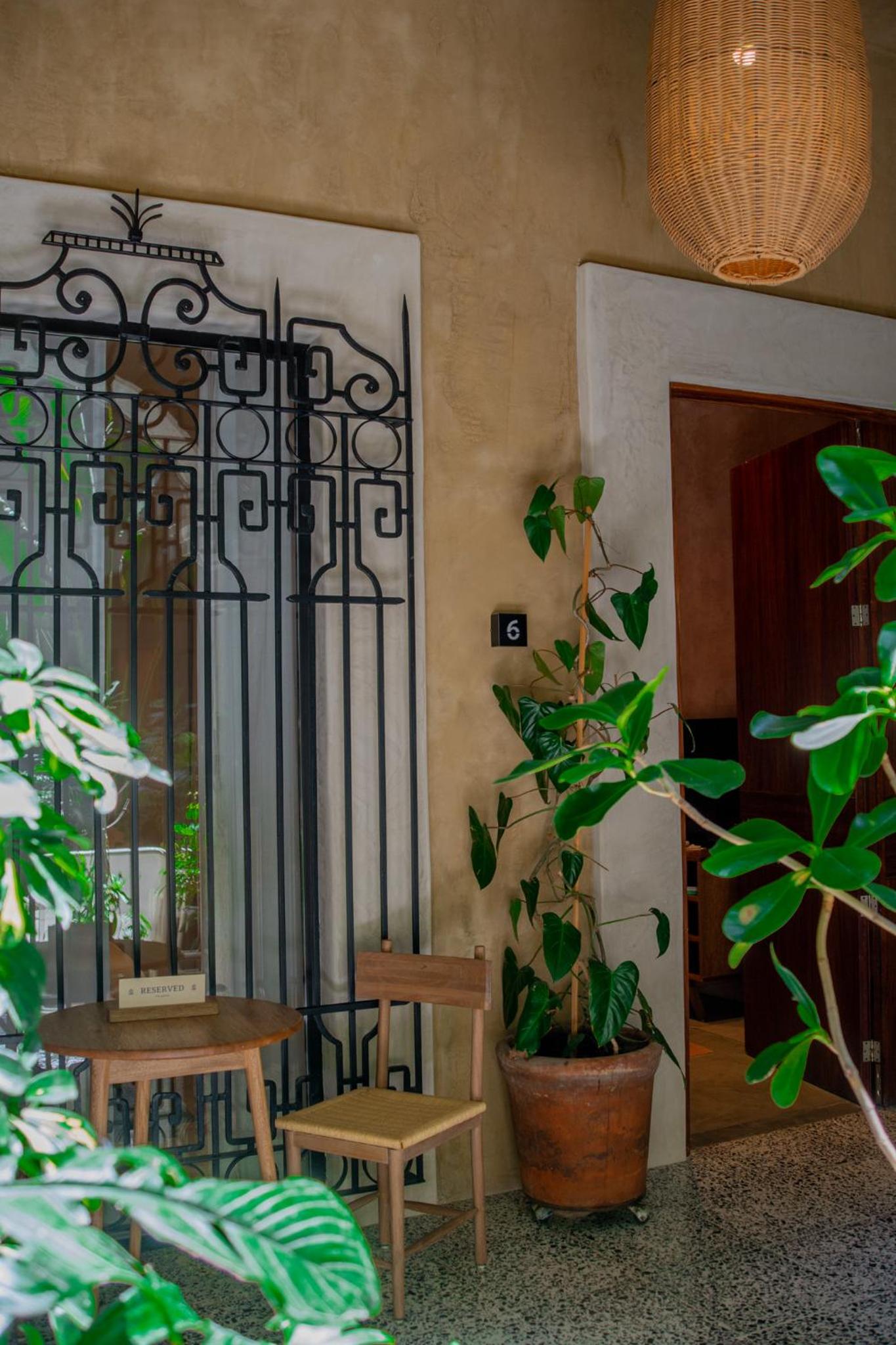


In Mexico City, Roma and Condesa are the leafy, walkable first timer default. Teotihuacán is about an hour out and costs foreign visitors €10.60 (MX$210). Travellers usually give the capital three nights, so add one if your flight home allows.
Turn these stops into a route
Pick your favourites and Stippl orders them, adds travel times and builds the day-by-day.
Cut Holbox to three nights, add a night in the capital, and the legs and dates move with you.
How many days do you need for Mexico?
Two weeks covers one Mexico well, and three to four weeks lets you join both by air. A typical Mexico trip planned with Stippl runs about 18 days.
One week. One half only. The highlands work best: Mexico City, a night in Puebla and three in Oaxaca, flying home from the capital.
Two weeks. The classic Yucatán loop from Cancún through Tulum, Bacalar, Valladolid and Holbox, by ADO the whole way. It is a ready made two week trip in Stippl.
Three weeks. The sample route without the flights: drop Oaxaca and Mexico City and fly home from Cancún.
Four weeks. The sample route above, from the Caribbean to the capital.
Describe your trip, get a Mexico itinerary in seconds
Everything in this guide is already in Stippl. Tell the planner how long you have and what you like: it builds the route, the days and the travel times, and you edit whatever you want.
How much does a trip to Mexico cost?
A week in Mexico costs about €240-420 (MX$4,700-8,300) per person on a budget and €600-1,085 (MX$11,800-21,400) mid-range, before your flight there. That is the daily tiers above times seven. The coast pushes you to the top of each band and the highlands and Bacalar to the bottom.
Your total moves most with three choices: where you sleep on the Caribbean coast, how many domestic flights you take, and the paid extras, such as a whale shark tour off Holbox at about €100 or a guided Chichén Itzá day from Valladolid at about €85. Eating where the market eats and taking ADO instead of taxis keep the rest in check.
Mexico travel tips for first timers
Most first trip regrets in Mexico come down to five planning choices.
Too many one night stops. Nearly one Mexican stop in three is a single night, and on the peninsula those are days spent on buses. Keep two nights as your floor.
Fixing beach nights blind in seaweed season. From March to September, sargassum can cover a Caribbean beach one day and leave it the next. Check the daily seaweed map before you commit nights to one beach town.
Driving at night. If you rent a car for the cenote belt, drive by day: unmarked speed bumps called topes and dark rural roads are the two classic hazards. Mexican liability insurance is required by law.
Cash at the wrong moment. Cenotes, colectivos and small guesthouses want pesos, and the ATMs in Bacalar can run dry. Draw cash in the bigger towns and always decline the machine's own conversion.
Forgetting the neighbours. Fewer than four in ten Mexico trips planned with Stippl are Mexico only, and Guatemala is the country travellers add most often, ahead of Costa Rica, the US and Belize. Belize is the easy overland add on: a taxi from Bacalar to Chetumal, immigration there, then a boat to Caye Caulker in 2 to 2.5 hours. The border becomes one more leg on the same trip.
Read more: Discover Mexico
Start with the two pins, Cancún and Mexico City, and the rest of the plan follows from the gap between them.
Frequently asked questions about Mexico
For four weeks: Cancún, Holbox, Valladolid, Mérida, Bacalar and Tulum, then fly to Oaxaca and Mexico City. For two weeks, pick one half. More than 25,000 Mexico trips have been planned with Stippl, so open the route and adjust it to your dates.
About €240-420 (MX$4,700-8,300) per person on a budget and €600-1,085 (MX$11,800-21,400) mid-range, before the flight there. A week on the Caribbean coast lands at the top of those bands, a week in Oaxaca or Bacalar near the bottom.
Two weeks covers the Yucatán or the highlands, three to four weeks both. A typical Mexico trip planned with Stippl runs about 18 days, with two nights per stop.
Safety in Mexico depends on the state, not the country. At our last check, in autumn 2026, Yucatán carried the lowest US advisory level and Quintana Roo, Oaxaca and Mexico City one step up. Between San Cristóbal and Palenque, take the bus through Villahermosa rather than the direct highway, and read your own government's advice before you go.
Two Mexicos, one trip: open the four week route in Stippl, keep the half that fits your month, and share it with whoever is coming along.