

Tulum
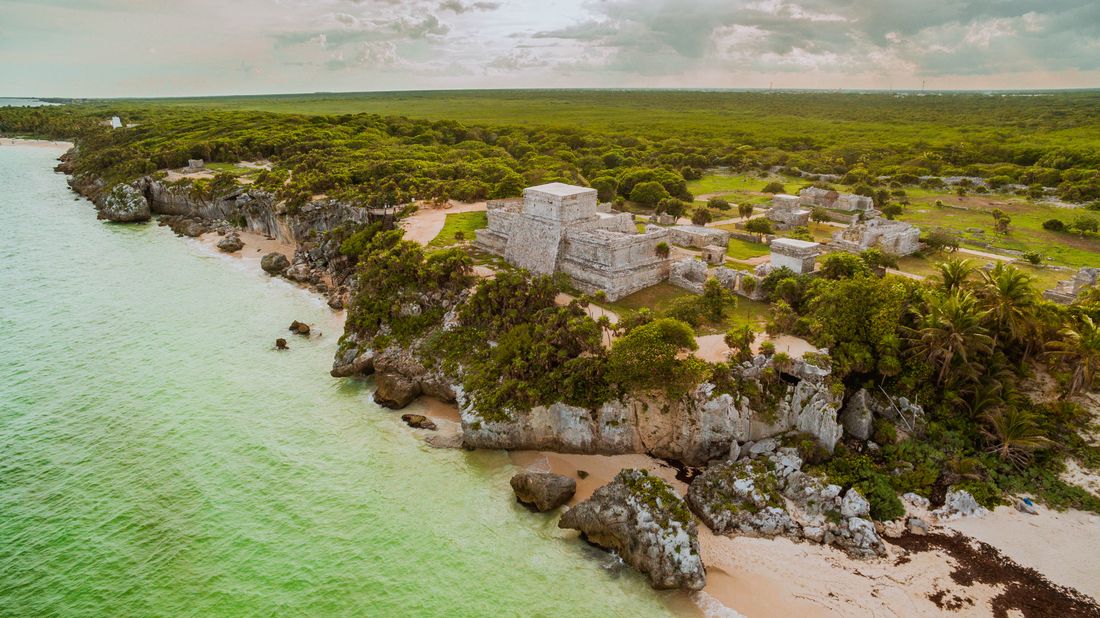
Tulum is the only Maya city built on the sea, and its own name for itself was Zama, City of Dawn. Underneath it runs one of the largest flooded cave systems on the planet.
Tulum in a nutshell
Tulum: what to expect
133,000+ stops in Mexico are planned on Stippl, and this is the shape they make.
Tulum is two places wearing one name, and knowing which you booked decides the trip. The Pueblo sits four kilometres inland on the highway with the taco counters and the cheap beds; the beach road is the hotel zone. The walled Maya city on its twelve-metre cliff is the only one built on the coast, and it wants eight in the morning before the buses from Cancún. Below the town runs one of the largest underground river systems on earth, which is what the cenotes are.
Tulum is the most deliberately chosen place in Mexico. It carries more trips than the capital despite holding fewer stops, and it clears what its size predicts by more than anywhere else in the country: people aim at Tulum rather than passing through it. Three in four of those trips enter through Cancún, the strongest pairing in our Mexican data, though barely one in twenty actually starts here.
Treat it as a base and plan on 3 nights. Only one stay in five here is a single night, against a Cancún stay that is usually exactly one. Bacalar, Valladolid, Cobá and Holbox are each within a couple of hours and they turn up on half of Tulum's trips. Skip Tulum if you are counting money, because it is the most expensive backpacker stop in Mexico and the beach road carries a premium on everything.
Plan Tulum in Stippl
Day-by-day planning, stays and budget in one app, with every place from this guide already on the map.
Download the appWho Tulum is for
First-timers on the Yucatán
The ruins, cenote and beach trio in one compact base, with Valladolid, Cobá and Bacalar each within two hours.
Foodies on two budgets
Al pastor counters in the Pueblo for about a euro and destination dining on the beach road, five minutes apart by bike.
Wellness travellers
The densest yoga and retreat scene in Mexico, from €8.50 drop-in classes to €2,600 retreat weeks.
Divers and snorkellers
Cavern diving in the world's longest underwater cave systems, with dive shops running daily trips.
Digital nomads
Monthly stays in the Pueblo and Aldea Zama and coworking hostels, though pricier than the Mexican norm.
History buffs
The only seaside Maya city, plus Cobá and Muyil within day-trip range, and most people give it 3 nights.
Maybe not for you: budget purists, since Tulum is Mexico's most expensive backpacker stop and everything at the beach carries a premium; swimmers set on a guaranteed clear sea, because sargassum can bury the beach from April to October; and anyone allergic to crowds or curated scenes.
The best time to visit Tulum
Dry season
December to April
Sunny, the clearest sea and the highest prices, with hotel rates up to four times the low-season figure and the best places sold out. The winter party season runs through it, with the Zamna-style festivals in January.
Sargassum season
April to October
The seaweed lands on the beach from spring and peaks between May and August; some years are light and some bury the sand. The cenotes are the answer on a bad week.
Rain and hurricane season
June to November
Afternoon storms, the wettest weeks in September and October and the hurricane watch the whole coast shares. The lowest prices of the year and the jungle at its greenest.
- January is the month most travellers plan Tulum for on Stippl, about 79 days ahead. 13.2% of Tulum plans are made inside a fortnight, and in the dry season that share pays the four-times rate or sleeps in town.
- The sargassum arrives from spring and no one can promise a clean beach. Check a live tracker the week before; the beach clubs rake daily and the cenotes and the ruins are unaffected, so a bad week is a jungle week.
- The winter party season is ticketed and expensive. The jungle, cenote and beach-club events run from December to March with the big festivals in January; the famous-DJ nights at the beach clubs charge serious entry, and the beds around them go first.
- Art With Me around April is the town's own festival. A week of arts and wellness at the end of the dry season; it fills the boutique hotels in a month that is otherwise the shoulder.
Add your Tulum dates and we'll flag the weather
Stippl shows the season, crowds and prices for every stop on your route.
Describe your trip, get a Tulum itinerary in seconds
Everything in this guide is already in Stippl. Tell the planner how long you have and what you like: it builds the route, the days and the travel times, and you edit whatever you want.
Things to do in Tulum
 Photo by Annalise Tingler via Pexels
 Photo by Jamie Madden via Unsplash
 Photo by Karl Moore via Unsplash
The ruins at eight sharp
Be at the clifftop walled city at opening, about €5, before the Cancún tour buses land around ten. Little shade, bring water, and swim in the cove below when the access is open.
A cenote morning
Pick two: Gran Cenote's turtle-filled boardwalks, Calavera's jump holes, Zacil-Ha's zipline pool, or Dos Ojos for the caverns, from about €10 to €25 each. Opening time, and a rinse before you enter.
Cavern diving
Take the guided, daylight-visible entry into the world's longest underwater cave systems with an open-water certification, about €150 for two dives. The cavern line is the safe one; cave diving is a separate qualification.
Sian Ka'an via Muyil
Take the small ruins, the boardwalk and then float down the ancient Maya canal in a life jacket, about €40, or the full boat tour of the biosphere from €75. A morning, and the current does the work.
Laguna Kaan Luum
Swim in the green shallow lagoon with the dark cenote eye at its centre, hammocks over the water and the locals' weekend spot, about €15, cash only. Weekday mornings.
Akumal's turtles
Snorkel with the seagrass-grazing green turtles half an hour north, in the marked zone with a guide, about €25, and no touching. Early, before the bay fills.
The neighbourhoods of Tulum
Tulum Pueblo
Working town, tacos, cenotes
The working town on the highway four kilometres inland: the ADO station, taco counters with self-service salsa bars, hostels and small hotels. For budget travellers and for the cenotes.
Real prices and the tacos, and a bicycle or a taxi to the beach.
Aldea Zama
Planned, quiet, apartments
The planned district between town and beach: supermarkets, family restaurants, apartment hotels and an expat community, quiet and orderly. For families and long stays.
Order and a kitchen, and a district with no character.
The beach road
Eco-chic, off-grid, clubs
One narrow beach road: five to seven kilometres of eco-chic hotels, beach clubs, boutiques and jungle-side restaurants, much of it genuinely off-grid. For the postcard and for a splurge.
The beach and the postcard, and generators, sand roads and the prices.
The ruins side
Clifftop ruins, fishing beach
The zone around the archaeological park and the beaches of Paraíso and Pescadores: quieter hotels, the fishing-boat beach and the day-visitor flow to the ruins. For couples and for the ruins at opening.
The ruins and Paraíso before the buses, and the day-trippers by ten.
Huracanes
Small barrio, mezcalerías
A small neighbourhood east of the Pueblo with mezcalerías and rooftop DJ bars a short walk from the town, and guesthouses in the streets. For nightlife on the town side.
The town's night out, and a walk to the Pueblo.
See every Tulum neighbourhood on one map
Save the areas you like and Stippl plots your days so you're not crossing the city twice.
Where to stay in Tulum
Stay in Tulum Pueblo for a first visit and rent a bike to the beach: the hostels and small hotels cluster around the ADO station at a fraction of the beach-road rate. The beach starts around €100 for the cheapest bungalows and climbs past €800, much of it off-grid by design. Most people give Tulum 3 nights on Stippl. Book winter far ahead; rates can quadruple.
Tulum Pueblo
Hostels with pools and bikes, €8.50 to €16 a bed, and small hotels with doubles from €34 in low season.
Aldea Zama
Apartment hotels and family condos between town and beach, €70 to €150, quiet and orderly.
The beach road
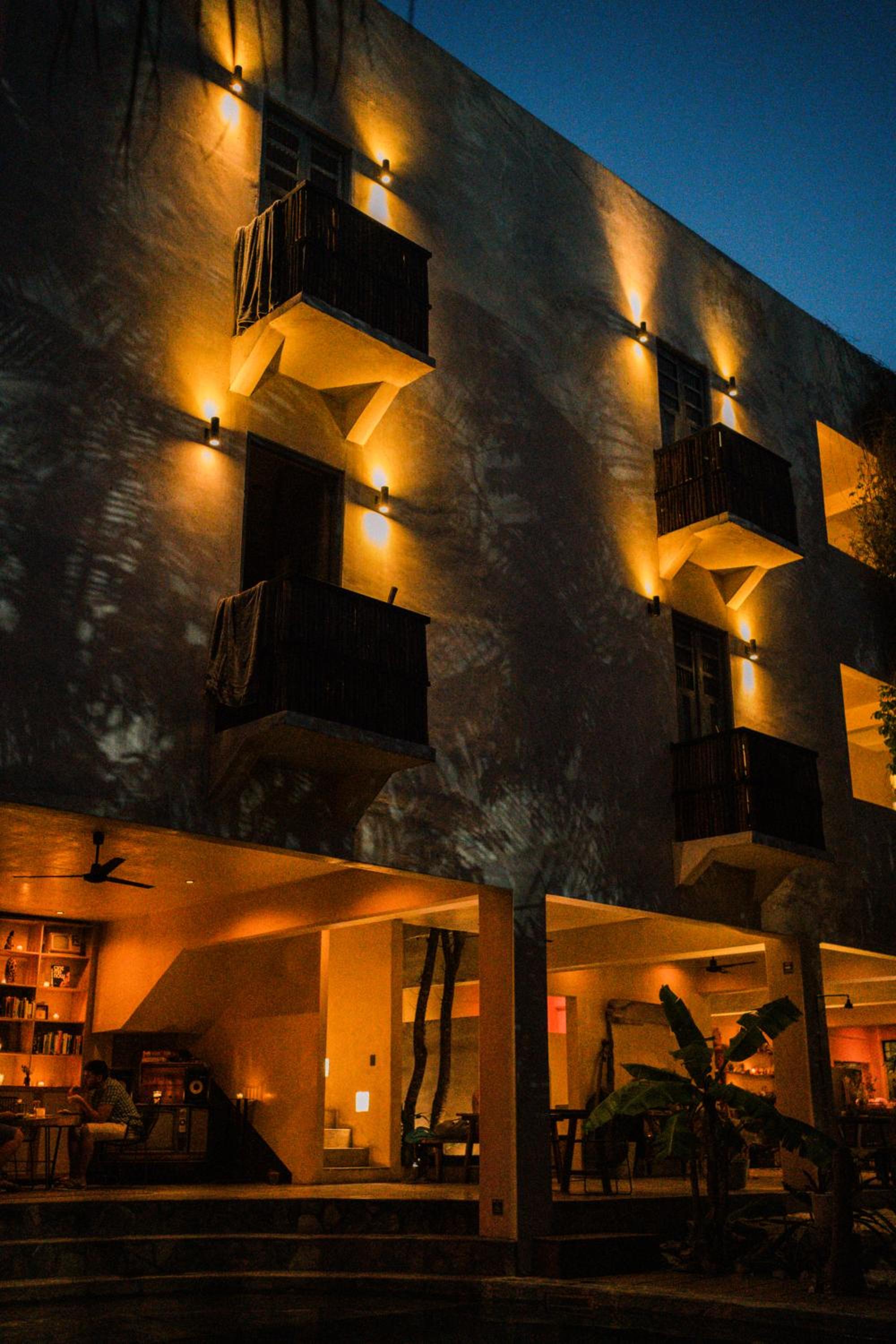
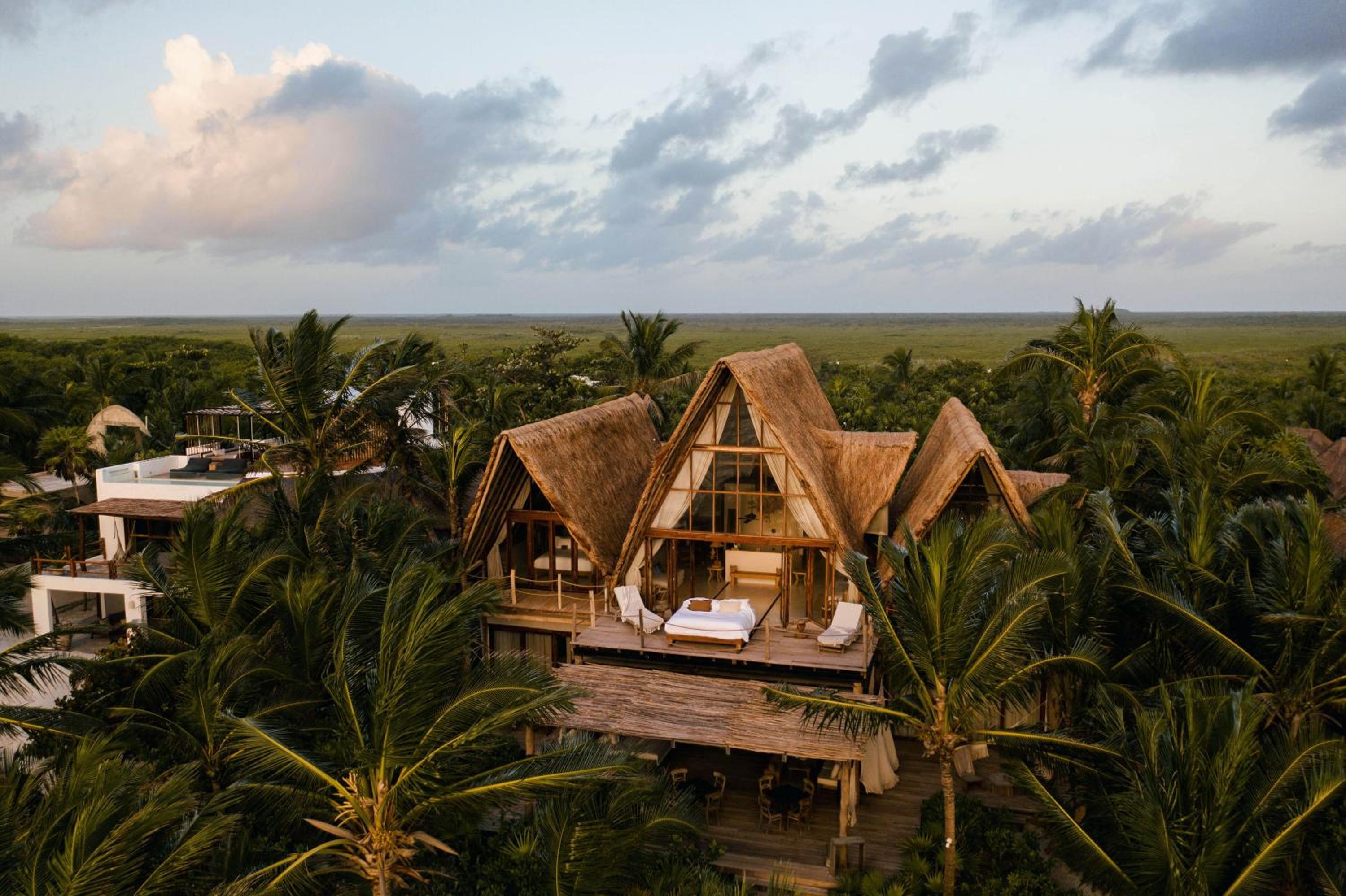
Cabañas, treehouses and eco-chic resorts on solar power, from €100 for a bungalow to €860 at the famous names.
The ruins side
Quieter hotels and beach cabañas near the archaeological park, €80 to €200.
Huracanes
Guesthouses in the streets behind the mezcalerias, €30 to €70, a short walk from town.


What to eat in Tulum
marinated pork off the spit, pineapple, on corn tortillas
grilled or battered, lime and cabbage
Mexican filled rolls, the cheap lunch
the whole family of masa street snacks
lime-cured fish/shrimp
the wellness scene's parallel cuisine
Discover food spots in Stippl
Find restaurants and markets on the map, save them to your itinerary, works offline too.
Tulum customs and what not to do
The Maya context is live
Tulum was one of the last Maya trading cities and the cenotes were water sources and sacred portals; treat them as swimming in someone's heritage, not a water park.
Reef-safe sunscreen is a rule
Cenotes and reserves ban regular sunscreen and bug spray, and Kaan Luum checks; the groundwater you swim in is connected for kilometres.
Ceremonies are commercialised
Temazcal, cacao and plant-medicine rituals are sold everywhere as a commercial layer over Maya tradition; book with operators who name their practitioners, and skip the ones who do not.
Spanish first
Tourism staff speak English but greetings and ordering in Spanish are appreciated; taxi drivers often speak little, so carry the destination written down.
Do
- Get to the ruins and the cenotes at opening
- Carry pesos for cenotes, colectivos and small counters
- Agree the taxi fare before getting in
- Photograph your rental bike or scooter at pickup
Don't
- Touch the turtles at Akumal or wear regular sunscreen into a cenote
- Buy drugs; the retail trade is what draws violence into the nightlife
- Leave bikes unlocked or bags loose in bike baskets
- Park outside the yellow bays; towing is enforced
What a Tulum trip costs
Budget
€80–155
Pueblo dorm or fan-cooled double, taco counters, bike, one paid cenote.
Mid-range
€155–330
Aldea Zama or entry-level beach hotel, restaurant dinners, tours.
High-end
€330–510+
Beach-road boutique or eco-resort, beach clubs, private tours.
Track what you actually spend
Set a daily budget per country and log expenses in any currency while you travel.
Fun facts about Tulum
Tulum's Maya name was Zama, the City of Dawn. The cliff-top site faces the sunrise, and Tulum, meaning wall or fence, is the later name for the walled city.
Tulum sits above one of the largest flooded cave systems on the planet. Sac Actun has about 350 km surveyed, and the Yucatán has more than 6,000 known cenotes opening into systems like it.
The beach zone grew from a few guesthouses to over 200 hotels in a decade. In 2010 the coast road was jungle with a handful of cabañas; by 2023 it was the boho-chic capital of Mexico.
Ven a la Luz began as festival art. The 10-metre wooden woman opening her chest of greenery at the Ahau entrance is now a paid attraction with a photo queue.
Tulum is the only Maya city built on the coast. El Castillo stands on a 12-metre cliff over turquoise water, and it is the most-visited archaeological site in Quintana Roo.
Tulum is the most deliberately chosen place in Mexico on Stippl. It appears on more trips than Mexico City despite far fewer stops, and it beats its size floor by more than any other destination.
Local tips for Tulum
The bike is the system
A rental is about €8 a day, hotels lend them, and a flat dedicated path runs from the Pueblo to the beach. Theft is common: a good lock, and bag straps looped round the handlebar.
Taxis hold the upper hand
No Uber operates and the Centro to beach hop runs €25 to €40. Drivers pressure the colectivos not to take tourists; the bike or the beach shuttle from your hotel is the answer.
The airport and the train exist
Tulum airport opened in December 2023 and the Tren Maya stops in town, and most guides still route you through Cancún. Check both before booking a €60 transfer.
How long to stay
Most people give Tulum 3 nights on Stippl: the ruins at opening, a cenote day, a beach club. Driving is not worth it; beach parking is about €10 and tow-aways are enforced.
Watch the glass and the flags
Drink spiking is reported more than expected, so keep your glass in hand, and the nightlife has had targeted shootings, so choose venues with care. Double red on the beach means knee-deep is too deep.
Ask for the written fine
Police stops with a fabricated traffic offence are a recurring problem, settled for a few euros on the roadside. Ask for the written ticket. Street touts sell invalid ruins tickets; buy at the gate.
Tulum questions, answered
Decide pueblo or beach first, because they are different holidays four kilometres apart. Trips that include Tulum run 17 days on Stippl, usually the Yucatan loop, so this is one stop among several. Put the ruins and a cenote into Stippl at opening time, which is the only way to see either without a crowd.
Three nights. Across the Tulum stops planned on Stippl the usual is 3 nights, which covers the ruins, two cenotes and a beach day. Four or five if Sian Ka'an and Coba are going in as well, and both of them are worth the extra.
Hardly ever, and 21.4% of Tulum stops planned on Stippl are the exception at one night, which is what happens when everything worth doing wants an early start. The ruins at opening, a cenote at opening and a beach afternoon do not fit into one day. Give it three and stop rushing.
Pueblo for a normal price, real food and easy access to the cenotes; the beach road for the postcard at roughly triple. Aldea Zama sits between the two and suits families. A bike path links the town to the coast, which turns the four-kilometre gap into a twenty-minute ride.
Gran Cenote for turtles and boardwalks, and it is the dearest and busiest. Calavera for jumping in through holes in the roof. Dos Ojos for cave snorkelling. Cristal and Escondido for cheap open-water swimming across the road from each other. All cash, and all best at opening.
For an ordinary visitor, yes, with city-level care. The caveat is real, though: the nightlife has seen targeted shootings connected to the drug trade, with bystanders hurt, so stay away from that scene entirely. Agree taxi fares before you get in, and expect the occasional police shakedown.
Every guide is written by the Stippl editors and checked against the trips our travellers actually plan. Spotted something out of date? Let us know.
Plan Tulum in Stippl
Day-by-day planning, stays and budget in one app, with every place from this guide already on the map.
Download the app