

Tulum
Tulum è l'unica città Maya costruita sul mare, e il suo nome per se stessa era Zama, Città dell'Aurora. Sotto di essa scorre uno dei più grandi sistemi di caverne sommerse del pianeta.
Tulum in breve
Tulum: cosa aspettarsi
133.000+ tappe in Messico sono pianificate su Stippl, e questa è la forma che creano.
Tulum è due posti che indossano un nome, e sapere quale hai prenotato decide il viaggio. Il Pueblo si trova a quattro chilometri nell'entroterra sulla strada principale con i banchi di tacos e i letti economici; la strada della spiaggia è la zona alberghiera. La città Maya circondata da mura sulla sua scogliera di dodici metri è l'unica costruita sulla costa, e vuole le otto del mattino prima degli autobus da Cancún. Sotto la città scorre uno dei più grandi sistemi di fiumi sotterranei sulla terra, che è quello che sono i cenote.
Tulum è il posto più deliberatamente scelto in Messico. Porta più viaggi della capitale nonostante abbia meno tappe, e supera quello che la sua dimensione prevede di più che in qualsiasi altro posto del paese: le persone mirano a Tulum piuttosto che passarvi. Tre su quattro di questi viaggi entrano attraverso Cancún, l'accoppiamento più forte nei nostri dati messicani, sebbene appena uno su venti inizi effettivamente qui.
Usalo come base e pianifica 3 notti. Solo uno su cinque soggiorni qui è di una notte, contro uno soggiorno a Cancún che di solito è esattamente uno. Bacalar, Valladolid, Cobá e Holbox sono ciascuno a poche ore di distanza e compaiono nella metà dei viaggi di Tulum. Salta Tulum se stai contando i soldi, perché è la tappa da zaino più costosa del Messico e la strada della spiaggia ha un premium su tutto.
Pianifica Tulum in Stippl
Pianificazione giorno per giorno, alloggi e budget in un'unica app, con ogni luogo di questa guida già sulla mappa.
Scarica l'appPer chi è Tulum
Principianti dello Yucatán
Il trio rovine, cenote e spiaggia in una base compatta, con Valladolid, Cobá e Bacalar a due ore di distanza.
Buongustai con due budget
Banchi di al pastor nel Pueblo per circa un euro e ristorazione di destinazione sulla strada della spiaggia, a cinque minuti di distanza in bici.
Viaggiatori benessere
La scena yoga e ritiri più densa del Messico, da lezioni drop-in a €8,50 a settimane di ritiro a €2.600.
Sub e snorkelisti
Sub in caverna nei più lunghi sistemi di caverne sommerse del mondo, con negozi di immersioni che gestiscono gite giornaliere.
Nomadi digitali
Soggiorni mensili nel Pueblo e Aldea Zama e ostelli con spazi di lavoro condiviso, sebbene più costosi della norma messicana.
Appassionati di storia
L'unica città Maya sul mare, più Cobá e Muyil raggiungibili con gita di un giorno, e la maggior parte delle persone le dedica 3 notti.
Forse non fa per te: puristi del budget, poiché Tulum è la tappa da zaino più costosa del Messico e tutto sulla spiaggia ha un premium; nuotatori determinati a un mare garantito trasparente, perché la sargassa può ricoprire la spiaggia da aprile a ottobre; e chiunque sia allergico alla folla o scene curate.
Il migliore momento per visitare Tulum
Stagione secca
Dicembre ad aprile
Soleggiato, il mare più limpido e i prezzi più alti, con tariffe alberghiere fino a quattro volte la cifra della bassa stagione e i migliori posti esauriti. La stagione invernale dei party si svolge in questo periodo, con i festival nello stile Zamna a gennaio.
Stagione dei sargassi
Aprile ad ottobre
Le alghe si depositano sulla spiaggia da primavera e raggiungono il picco tra maggio e agosto; alcuni anni sono leggeri e altri ricoprono completamente la sabbia. I cenote sono la risposta nelle settimane critiche.
Stagione di piogge e uragani
Giugno a novembre
Temporali pomeridiani, le settimane più piovose a settembre e ottobre e l'allerta uragani che riguarda tutta la costa. I prezzi più bassi dell'anno e la giungla al suo massimo splendore.
- Gennaio è il mese in cui la maggior parte dei viaggiatori pianifica Tulum su Stippl, circa 79 giorni prima. Il 13,2% dei piani Tulum sono fatti in meno di due settimane, e nella stagione secca quella quota paga la tariffa quadruplicata o dorme in paese.
- I sargassi arrivano da primavera e nessuno può promettere una spiaggia pulita. Controlla un tracker dal vivo la settimana prima; i beach club rastrellano quotidianamente e i cenote e le rovine non sono interessati, quindi una settimana difficile è una settimana nella giungla.
- La stagione invernale dei party è a biglietti e costosa. Gli eventi della giungla, cenote e beach club si svolgono da dicembre a marzo con i grandi festival a gennaio; le notti con DJ famosi nei beach club addebitano biglietti seri, e i letti intorno a loro finiscono per primi.
- Art With Me intorno ad aprile è il festival locale. Una settimana di arte e benessere alla fine della stagione secca; riempie gli hotel boutique in un mese che è altrimenti la spalla.
Aggiungi le tue date per Tulum e ti segnaliamo il meteo
Stippl mostra la stagione, l'affluenza e i prezzi per ogni tappa del tuo itinerario.
Descrivi il tuo viaggio e ottieni un itinerario per Tulum in pochi secondi
Tutto questo guida è già in Stippl. Di' al pianificatore quanto tempo hai e cosa ti piace: costruisce l'itinerario, le giornate e i tempi di viaggio, e tu modifichi ciò che vuoi.
Cose da fare a Tulum
 Photo by Annalise Tingler via Pexels
 Photo by Jamie Madden via Unsplash
 Photo by Karl Moore via Unsplash
Le rovine alle otto in punto
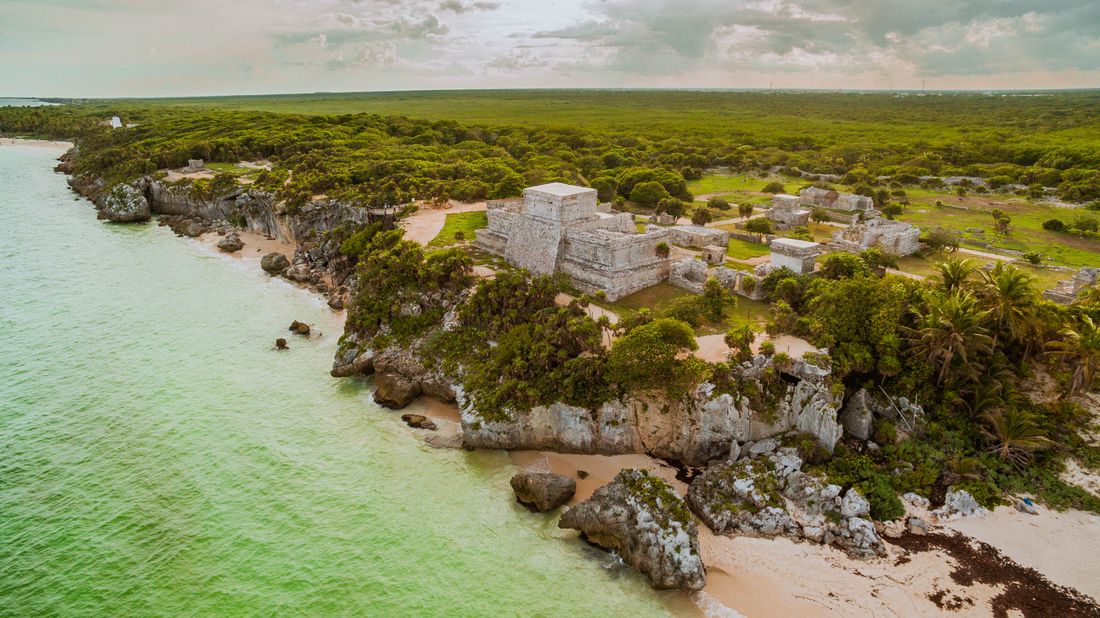
Essere nella città murata a picco sul mare all'apertura, circa €5, prima che gli autobus dei tour di Cancún arrivino intorno alle dieci. Poca ombra, portare acqua, e nuotare nella cala sottostante quando l'accesso è aperto.
Una mattina al cenote
Scegline due: le passerelle piene di tartarughe di Gran Cenote, i buchi da saltare di Calavera, la piscina zip-line di Zacil-Ha, o Dos Ojos per le caverne, da circa €10 a €25 ciascuno. Tempo di apertura, e una sciacquata prima di entrare.
Immersioni in caverna
Fai l'ingresso guidato visibile alla luce del giorno nei sistemi di grotte sommerse più lunghi del mondo con certificazione in acque libere, circa €150 per due immersioni. La linea della caverna è quella sicura; l'immersione in caverna è una qualifica separata.
Sian Ka'an via Muyil
Prendi le piccole rovine, la passerella e poi scendi l'antico canale Maya in un giubbetto di salvataggio, circa €40, o il tour completo della biosfera da €75. Una mattinata, e la corrente fa il lavoro.
Laguna Kaan Luum
Nuotare nella laguna verde poco profonda con l'occhio del cenote scuro al centro, amache sull'acqua e il luogo preferito dai locali, circa €15, solo contanti. Mattinate tra settimana.
Le tartarughe di Akumal
Fare snorkel con le tartarughe verdi che si nutrono di erbe marine a mezz'ora a nord, nella zona segnalata con una guida, circa €25, e no touch. Presto, prima che la baia si riempia.
I quartieri di Tulum
Tulum Pueblo
Paese di lavoratori, tacos, cenote
Il paese dei lavoratori sulla strada principale a quattro chilometri nell'interno: la stazione ADO, banchi di tacos con barre di salsa self-service, ostelli e piccoli hotel. Per i viaggiatori con budget limitato e per i cenote.
Prezzi reali e tacos, e una bicicletta o un taxi fino alla spiaggia.
Aldea Zama
Ordinato, tranquillo, appartamenti
Il distretto ordinato tra il paese e la spiaggia: supermercati, ristoranti familiari, hotel-appartamenti e una comunità di stranieri, tranquillo e ordinato. Per famiglie e soggiorni prolungati.
Ordine e una cucina, e un distretto senza carattere.
The beach road
Eco-chic, off-grid, club
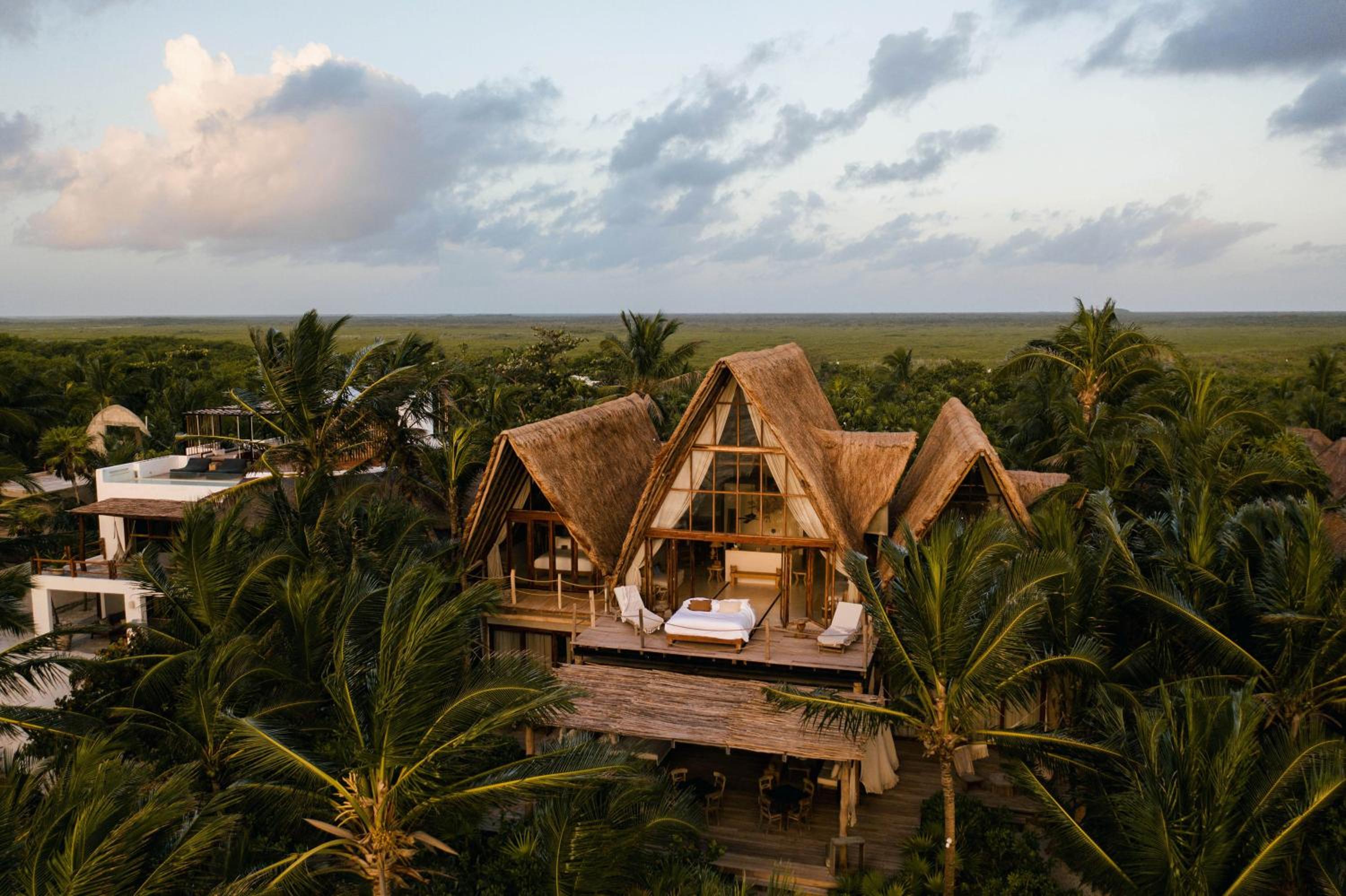
Un'unica strada affacciata sulla spiaggia: da cinque a sette chilometri di hotel eco-chic, beach club, boutique e ristoranti nella giungla, gran parte genuinamente off-grid. Per la cartolina e per una spesa importante.
La spiaggia e la cartolina, e generatori, strade di sabbia e i prezzi.
The ruins side
Rovine a picco sul mare, spiaggia di pescatori
La zona intorno al parco archeologico e alle spiagge di Paraíso e Pescadores: hotel più tranquilli, la spiaggia dei pescatori e il flusso di visitatori diurni verso le rovine. Per le coppie e per le rovine all'apertura.
Le rovine e Paraíso prima degli autobus, e i visitatori diurni entro le dieci.
Huracanes
Piccolo barrio, mezcalerías
Un piccolo quartiere a est del Pueblo con mezcalerías e bar con DJ sul tetto a pochi passi dal paese, e pensioni nelle vie. Per la vita notturna dal lato del paese.
La serata in paese, e una passeggiata fino al Pueblo.
Vedi ogni quartiere di Tulum su un'unica mappa
Salva le zone che ti piacciono e Stippl organizza le tue giornate così non attraversi la città due volte.
Dove alloggiare a Tulum
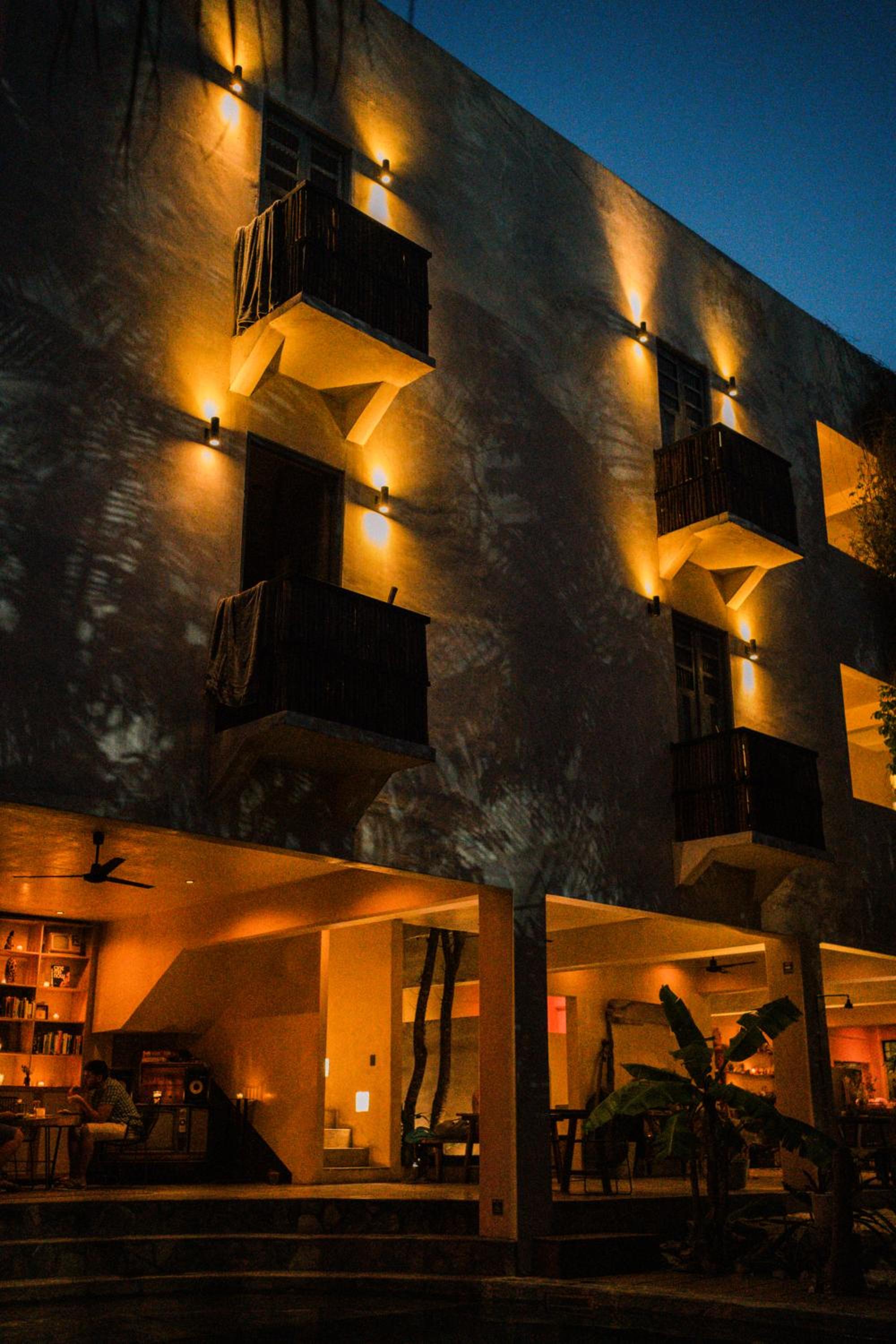
Stai a Tulum Pueblo per una prima visita e noleggia una bicicletta verso la spiaggia: gli ostelli e i piccoli hotel si concentrano intorno alla stazione ADO a una frazione delle tariffe della spiaggia. La spiaggia inizia intorno a €100 per le capanne più economiche e sale oltre €800, gran parte off-grid per design. La maggior parte delle persone dà a Tulum 3 notti su Stippl. Prenota l'inverno in anticipo; le tariffe possono quadruplicare.
Tulum Pueblo
Ostelli con piscine e biciclette, €8,50 a €16 per letto, e piccoli hotel con doppie da €34 in bassa stagione.
Aldea Zama
Hotel-appartamenti e condomini familiari tra il paese e la spiaggia, €70 a €150, tranquillo e ordinato.
La strada della spiaggia
Capanne, case su alberi e resort eco-chic con energia solare, da €100 per una capanna a €860 nei nomi famosi.
Il lato delle rovine
Hotel più tranquilli e capanne sulla spiaggia vicino al parco archeologico, €80 a €200.
Uragani
Pensioni nelle vie dietro le mezcalerías, €30 a €70, a pochi passi dal paese.


Cosa mangiare a Tulum
maiale marinato girato allo spiedo, ananas, su tortillas di mais
alla griglia o impanato, lime e cavolo
panini messicani ripieni, il pranzo economico
l'intera famiglia di snack di masa
pesce/gamberetti marinati al lime
il cibo parallelo della scena del benessere
Scopri posti dove mangiare in Stippl
Trova ristoranti e mercati sulla mappa, salvali nel tuo itinerario, funziona anche offline.
Costumi di Tulum e cosa non fare
Il contesto Maya è in diretta
Tulum era una delle ultime città commerciali maya e i cenote erano fonti d'acqua e portali sacri; considerali come nuotare nel patrimonio di qualcuno, non come un parco acquatico.
La protezione solare reef-safe è una regola
I cenote e le riserve vietano la crema solare regolare e gli spray antizanzare, e Kaan Luum verifica; l'acqua sotterranea in cui nuoti è collegata per chilometri.
Le cerimonie sono commercializzate
I rituali di temazcal, cacao e medicina delle piante si vendono ovunque come uno strato commerciale sulla tradizione maya; prenota con operatori che nominano i loro praticanti, e salta quelli che non lo fanno.
Lo spagnolo per primo
Il personale del turismo parla inglese ma i saluti e gli ordini in spagnolo sono apprezzati; i tassisti spesso parlano poco, quindi porta scritto il tuo destinazione.
Sì
- Arrivare alle rovine e ai cenote all'apertura
- Portare pesos per cenote, colectivos e piccoli banchi
- Accordati sulla tariffa del taxi prima di salire
- Fotografare la bicicletta o lo scooter a noleggio al ritiro
No
- Toccare le tartarughe ad Akumal o indossare crema solare regolare in un cenote
- Comprare droghe; il commercio al dettaglio è ciò che attira la violenza nella vita notturna
- Lasciare le biciclette senza serratura o borse allentate nei cestini della bicicletta
- Parcheggiare fuori dalle aree gialle; il traino è rigorosamente applicato
Quanto costa un viaggio a Tulum
Budget
€80–155
Dormitorio Pueblo o doppia ventilata, banchi di tacos, bicicletta, un cenote a pagamento.
Fascia media
€155–330
Aldea Zama o hotel da spiaggia entry-level, cene al ristorante, tour.
Lusso
€330–510+
Boutique da spiaggia o eco-resort, beach club, tour privati.
Tieni d'occhio quanto spendi davvero
Imposta un budget giornaliero per paese e registra le spese in qualsiasi valuta mentre viaggi.
Curiosità su Tulum
Il nome Maya di Tulum era Zama, la Città dell'Alba. Il sito a picco sul mare guarda il sorgere del sole, e Tulum, che significa muro o recinzione, è il nome successivo della città murata.
Tulum si trova sopra uno dei più grandi sistemi di grotte sommerse del pianeta. Sac Actun ha circa 350 km esploratis, e lo Yucatán ha più di 6.000 cenote noti che si aprono in sistemi come questo.
La zona della spiaggia è cresciuta da poche pensioni a oltre 200 hotel in un decennio. Nel 2010 la strada costiera era giungla con una manciata di capanne; nel 2023 era la capitale boho-chic del Messico.
Ven a la Luz ha iniziato come arte di festival. La donna in legno alta 10 metri che apre il suo petto di verzura all'entrata di Ahau è ora un'attrazione a pagamento con una fila fotografica.
Tulum è l'unica città Maya costruita sulla costa. El Castillo si erge su una scogliera di 12 metri su acque turchesi, ed è il sito archeologico più visitato di Quintana Roo.
Tulum è il luogo più deliberatamente scelto in Messico su Stippl. Appare più viaggi di Città del Messico nonostante molti meno fermate, e supera il suo limite di grandezza più di qualsiasi altra destinazione.
Consigli locali per Tulum
La bici è il sistema
Un noleggio è circa €8 al giorno, gli hotel li prestano, e un percorso piatto dedicato va dal Pueblo alla spiaggia. I furti sono comuni: un buon lucchetto e i cinturini della borsa legati intorno al manubrio.
I taxi hanno il sopravvento
Nessun Uber opera e il salto dal Centro alla spiaggia costa €25 a €40. I conducenti pressano i colectivos affinché non portino turisti; la bicicletta o lo shuttle per la spiaggia dal tuo hotel è la risposta.
L'aeroporto e il treno esistono
L'aeroporto di Tulum ha aperto a dicembre 2023 e il Tren Maya si ferma in paese, e la maggior parte delle guide ti instrada ancora attraverso Cancún. Controlla entrambi prima di prenotare un trasferimento di €60.
Quanto tempo restare
La maggior parte delle persone dà a Tulum 3 notti su Stippl: le rovine all'apertura, una giornata al cenote, un beach club. Guidare non vale la pena; il parcheggio sulla spiaggia è circa €10 e i traini sono rigorosamente applicati.
Guarda il vetro e le bandiere
Lo spikking delle bevande è segnalato più del previsto, quindi tieni il bicchiere in mano, e la vita notturna ha avuto sparatorie mirate, quindi scegli i locali con cura. Il doppio rosso sulla spiaggia significa che fino al ginocchio è troppo profondo.
Chiedi la multa scritta
Gli arresti della polizia con un'infrazione stradale inventata sono un problema ricorrente, risolti per pochi euro sul ciglio della strada. Chiedi il biglietto scritto. I teppisti stradali vendono biglietti rovine non validi; compra al cancello.
Domande su Tulum, risposte
Decidi pueblo o spiaggia per primo, perché sono due vacanze diverse a quattro chilometri di distanza. I viaggi che includono Tulum durano 17 giorni su Stippl, di solito il loop dello Yucatan, quindi questa è una tappa tra diverse. Metti le rovine e un cenote in Stippl all'ora di apertura, che è l'unico modo per vedere uno dei due senza folla.
Tre notti. Tra le tappe di Tulum pianificate su Stippl la solita è 3 notti, che copre le rovine, due cenote e un giorno di spiaggia. Quattro o cinque se Sian Ka'an e Coba vengono inclusi pure, e entrambi meritano l'extra.
Difficilmente mai, e il 21,4% delle tappe di Tulum pianificate su Stippl è l'eccezione di una notte, che è quello che accade quando tutto quello che vale la pena fare vuole una partenza presto. Le rovine all'apertura, un cenote all'apertura e un pomeriggio di spiaggia non entrano in un giorno. Dagli tre e smetti di affrettarti.
Pueblo per un prezzo normale, vero cibo e facile accesso ai cenote; la strada della spiaggia per la cartolina a circa il triplo. Aldea Zama si trova tra i due e si adatta alle famiglie. Un percorso ciclopedonale collega la città alla costa, il che trasforma il divario di quattro chilometri in una corsa di venti minuti.
Gran Cenote per tartarughe e passerelle, ed è il più caro e affollato. Calavera per saltare dentro buchi nel tetto. Dos Ojos per lo snorkeling in caverna. Cristal e Escondido per il nuoto economico in acqua aperta uno di fronte all'altro. Tutto contanti, e tutto meglio all'apertura.
Per un visitatore ordinario, sì, con cura a livello cittadino. L'avvertenza è reale, però: la vita notturna ha visto sparatorie mirate collegate al traffico di droga, con spettatori feriti, quindi stai completamente lontano da quella scena. Concordate le tariffe dei taxi prima di salire, e aspettatevi il saltuario controllo della polizia.
Ogni guida è scritta dalla redazione Stippl e verificata sui viaggi che i nostri viaggiatori pianificano davvero. Hai notato qualcosa di non aggiornato? Faccelo sapere.
Pianifica Tulum in Stippl
Pianificazione giorno per giorno, alloggi e budget in un'unica app, con ogni luogo di questa guida già sulla mappa.
Scarica l'app