

Bacalar
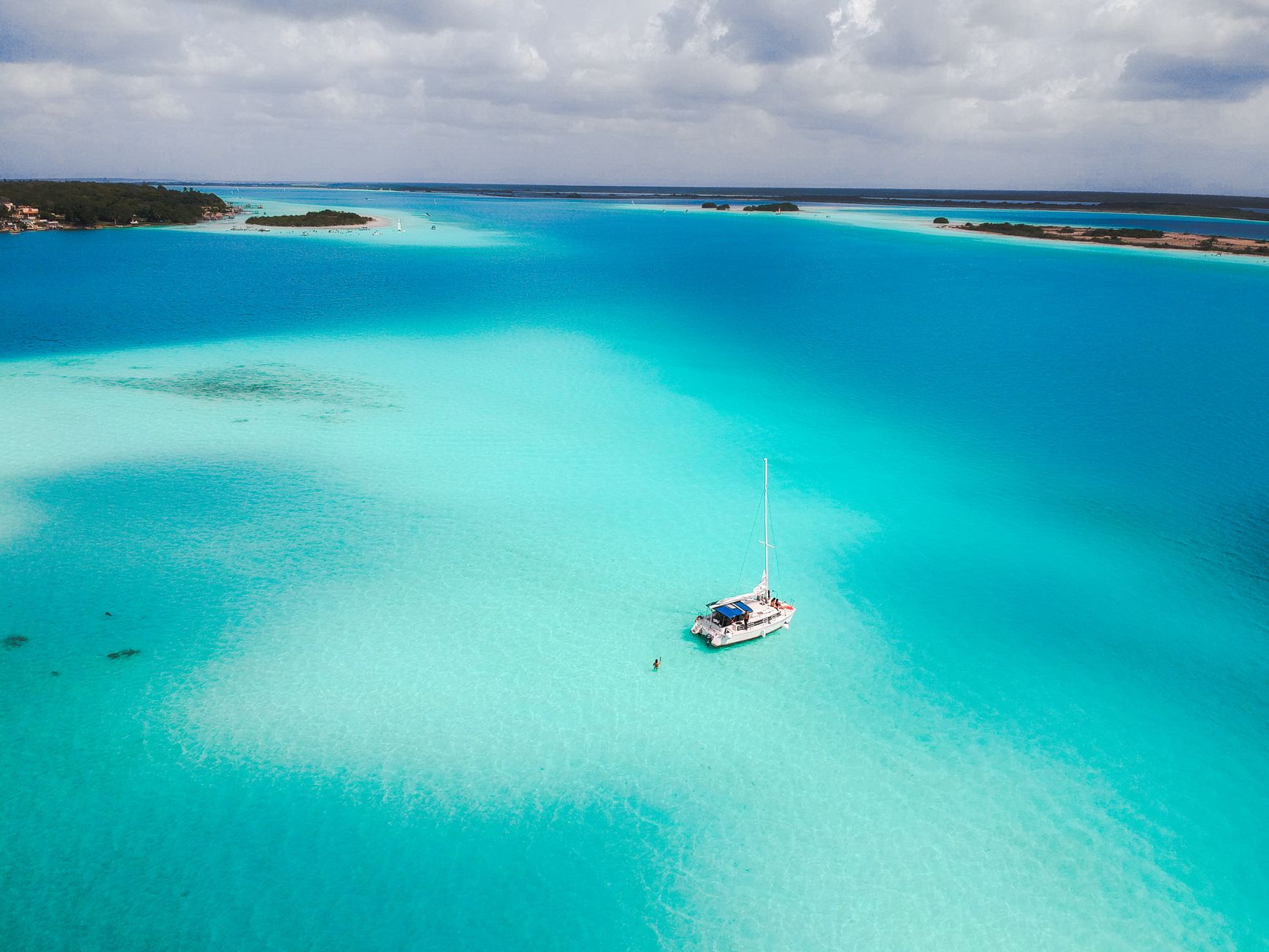
Bacalar is a forty-two-kilometre freshwater lagoon in seven colours, at pre-Riviera prices. Sail it in the afternoon, paddleboard it at dawn when it is stillest, and drift the stromatolite channel by kayak.
Bacalar in a nutshell
Bacalar: what to expect
This page is built on 133,000+ stops planned across Mexico on Stippl.
Bacalar sits on forty-two kilometres of fresh water whose colours come from depth changes over white limestone. Stromatolites build the shallows here, layered microbial formations of a lineage billions of years old, and they are why you swim in a rashguard rather than sunscreen. There are no beaches: the shore is vegetation, docks and swimming piers. A sailboat gets into water the motorboats cannot, Los Rápidos drifts you through a stromatolite channel, and the 1729 star fort stands over the town square.
The lagoon quietly outranks the famous towns. Counting the spellings travellers actually use for the same water, Bacalar is the fourth-most-planned destination in Mexico, ahead of Valladolid, Playa del Carmen and Mérida, for a town most guidebooks file as a side trip. It is also the southern turning point: barely anyone starts or ends a trip here, and it is the one Riviera-side stop that lifts Chiapas.
Everyone gives Bacalar the same weekend, so plan on 3 nights. Two thirds of the stays here are exactly two or three, the narrowest profile in the country, which means it is planned as a fixed block rather than an open-ended stop. Take the water at dawn, when it is stillest and most coloured. Skip Bacalar if you want a beach or a night out, because there is no sand and the bars stop at live music.
Plan Bacalar in Stippl
Day-by-day planning, stays and budget in one app, with every place from this guide already on the map.
Download the appWho Bacalar is for
Nature-first travellers
The point is the water itself: the colours, the stromatolites, the birds and the stillness, and most people give it 3 nights of that.
Budget travellers
Dorms from €4.50 to 17, tacos for under a euro and lagoon entries for a few: Riviera nature at pre-Riviera prices.
Families
Shallow balneario platforms, child-priced entries, and a calm town square in the evening.
Sunrise people
The lagoon at dawn is the show, and paddleboarding with a floating breakfast is the local invention.
Belize-bound overlanders
Bacalar is the natural last stop before Chetumal and the border, and the lagoon is a better last night than the border town.
Maybe not for you: nightlife seekers, since it is bars and live music with no clubs; beach purists, because there is no sand; and anyone dependent on sunscreen, as you swim in a rashguard here or you harm the thing you came for.
The best time to visit Bacalar
Dry season
November to April
The colours at their best, the lagoon at its clearest and the town at its fullest. February is the month our own travellers pick, and the sailing boats run every morning.
Storm season
June to October
After a hurricane or heavy rain the lagoon browns until the sediment settles; the colours are weather-dependent and a visit straight after a storm can miss the whole point. Cheap, quiet and green.
- February is the month most travellers plan Bacalar for on Stippl, about 79 days ahead. 13.1% of Bacalar plans are made inside a fortnight, and the lakeside hotels are the ones that run out first in the dry months.
- The lagoon's colour is a weather report. Heavy rain or a storm browns the water for days until the sediment settles; after a wet week the seven colours are two, and a visit timed for the photograph needs a dry spell before it.
- The Danza de los Voladores happens several times a day at the Bacalar letters. The Mesoamerican pole-flying ceremony is a town fixture here rather than a festival; it is free, it is on the waterfront and it is worth the stop.
- No sunscreen in the lagoon. The stromatolites at the Los Rápidos end are living rock and the rules are enforced; a rash guard is the answer, and the sailing boats will say so before they leave the dock.
Add your Bacalar dates and we'll flag the weather
Stippl shows the season, crowds and prices for every stop on your route.
Describe your trip, get a Bacalar itinerary in seconds
Everything in this guide is already in Stippl. Tell the planner how long you have and what you like: it builds the route, the days and the travel times, and you edit whatever you want.
Things to do in Bacalar
 Photo by Sergi Ferrete via Unsplash
Sailing the lagoon
Take the three-hour catamaran or sailboat at ten or three, about €25, with swim stops on the sandbars and sail-only access to the zones motorboats cannot enter. The unanimous first thing to do here.
The lancha circuit
Take the classic motorboat loop to Cenote Negro's ninety-metre drop-off, Cenote Esmeralda, the Bird Island drive-by, the Pirate's Canal sandbar and the stromatolite reserve, about €15 shared. Two hours, in the morning.
Sunrise on the water
Paddleboard or kayak at first light, about €10 an hour, the lagoon's stillest and most-coloured hour. The floating-breakfast tours exist for about €30.
Los Rápidos by kayak
Drift the stromatolite-lined channel with the current in a kayak rather than on foot, hands off the formations, about €10 entry. Bonanza's quieter corner down the road is about €4.
Cocalitos and Cenote Azul
Swim at the shallow swing-and-hammock club early, before the crowds, about €5, then the ninety-metre open cenote across the road for about €2. Both on the road south of town.
Fuerte de San Felipe at sunset
Walk the 1729 star fort above the water and its small regional museum, about €5, closed Mondays. The ramparts at sunset are the town's view.
The neighbourhoods of Bacalar
The lagoon front
Docks, sunrise, kayaks
The dock-hotel strip: sunrise from your own pier and kayaks off the deck, where the privatised shoreline is bought back with the room. For first visits and for the lagoon at dawn.
The water from the bed, and the highest prices in town.
The zócalo
The square, fort, street carts
The square: restaurants, marquesita carts, the pirate fort and evening live music, with the budget beds and everything walkable. For budget stays and for the evenings.
The town's evening on foot, and a walk to the water.
The outskirts
Family homes, quiet, walkable
Family homes and larger quiet properties on the streets behind the square, still within a walk of the zócalo and the docks. For families and for space.
Space and quiet, and a ten-minute walk to either the square or the lagoon.
The south shore
Cenote, swings, rapids
The day-trip strip fifteen minutes south: the ninety-metre cenote, the swings at Cocalitos, the rapids channel and a few lodges along the shore. For activity days and for a night by the water outside town.
The cenote and the rapids at the door, and a bicycle or a taxi for dinner.
Buenavista
Sleepy north-end village
The sleepy village twenty minutes north with a few hotels on the lagoon and nothing else. For escaping and for a resort with the water to itself.
The lagoon with nobody on it, and a car for everything.
See every Bacalar neighbourhood on one map
Save the areas you like and Stippl plots your days so you're not crossing the city twice.
Where to stay in Bacalar
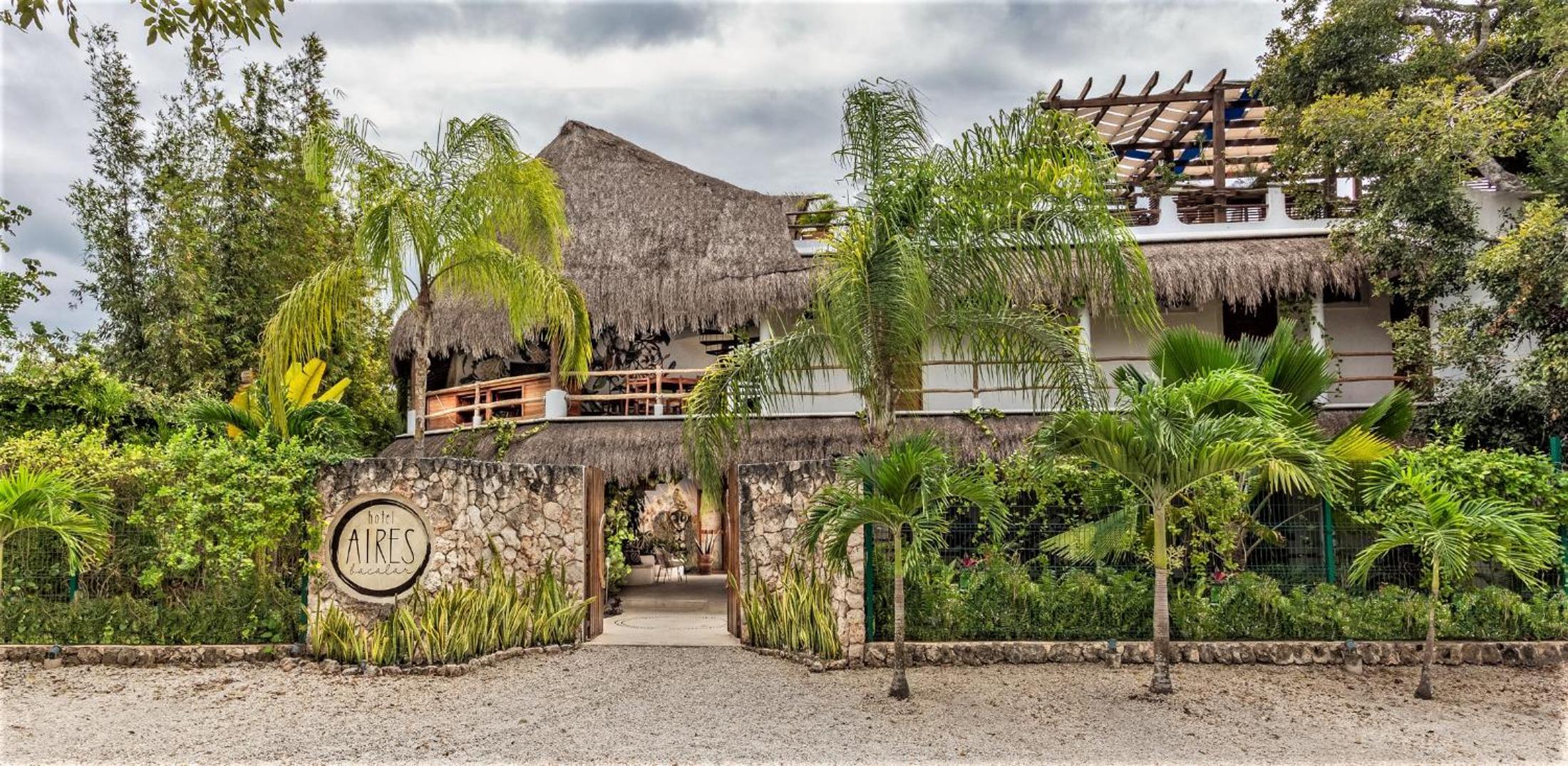
Stay on the lagoon front if the budget allows: the dock hotels sell the sunrise from your own pier and sell out months ahead. The zocalo holds the value, and a balneario day-pass buys the dock life by the day for everyone else. Most people give Bacalar 3 nights on Stippl. Book early whatever the season; the stock is small and demand keeps growing.
The lagoon front
Dock hotels and design properties with kayaks off the deck, €90 to €250, and the boutique tier from €70.
The zócalo
Hostels with dorms €4.50 to €17 and budget hotels, €25 to €50, everything walkable.
The outskirts
Family homes and larger quiet guesthouses behind the square, €40 to €90, with space and parking.
The south shore
A few lodges and cabins along the shore near the cenotes, €50 to €120, fifteen minutes out.
Buenavista
A handful of lagoon hotels with the water to themselves, €80 to €200, and nothing else.


What to eat in Bacalar
the Yucatán's crisp rolled crêpe (Edam + sweet fillings)
~20-peso square staples
simple grills at balnearios and docks
the peninsula canon in small comedores
Discover food spots in Stippl
Find restaurants and markets on the map, save them to your itinerary, works offline too.
Bacalar customs and what not to do
The stromatolites are ethics
Never touch, stand on or kick them: contact kills growth measured in centuries, and every kind of sunscreen stays out of the water, so a rashguard and a hat instead.
Wednesday is the rest day
The lagoon's, by local agreement: sailboats over motors is the town's conservation posture and Wednesday most operators stay in; plan around it rather than argue with it.
A lived-in family town
Low-key nights, the square's rhythm at dusk and children in the plaza until ten; the bars along the water keep the volume down and expect you to.
Plastic is frowned on
Single-use especially, and refill culture is hotel-standard; the water stations are everywhere and a bottle bought at the shop gets a look.
Do
- Swim in a rashguard, sunscreen showered off
- Kayak, do not wade, at Los Rápidos
- Carry cash for everything south of the square
- Book lagoon-front beds and high-season sails well ahead
Don't
- Touch or stand on stromatolites, ever
- Put any sunscreen in the lagoon, reef-safe included
- Plan your one lagoon day on a Wednesday without checking
- Approach Bird Island; tours keep a distance for the nesting birds
What a Bacalar trip costs
Budget
€34–80
Dorm (€4.50–17), market food, a lagoon entry, bike.
Mid-range
€95–165
Lagoon-front boutique (€50–70), sailing tour, restaurant dinners.
High-end
€165–240
The design-dock tier + private sail.
Track what you actually spend
Set a daily budget per country and log expenses in any currency while you travel.
Fun facts about Bacalar
The lagoon's seven colours are one colour at seven depths. The water is fresh and the bed is white limestone, so every change in depth reads as a different blue from the pier.
Bacalar's shallows are built by the oldest life forms on earth. The stromatolites are microbial formations of a lineage billions of years old, the same organisms that oxygenated the early planet, which is why sunscreen is banned.
Cenote Negro drops from 2 metres to 90 in a single step. The sandbar ends at a black hole in the lagoon, and the boats stop on the edge so people can swim over it.
The fort's cannons pointed at the lagoon, not the sea. Pirates arrived by water from the south through the Pirate's Canal, and the 1729 Fuerte de San Felipe was built to face them.
There are no beaches in Bacalar. The shore is vegetation, docks and swimming piers, so the town's rhythm is pier mornings, boat afternoons and evenings on the square.
The lagoon is 42 kilometres long. It formed when a chain of underwater cenotes collapsed into one long lake, and the cenotes still feed it from below.
Local tips for Bacalar
Fill the tank in Tulum
There is no fuel between Tulum and Bacalar. In town everything walks; the south-shore cenotes and Los Rápidos go by bike or a taxi at about €3.
The Tren Maya stops here
Almost no guide mentions it: the Bacalar station is on the Tulum to Chetumal section with about two direct trains a day, bookable on the official site. Tulum is around €10 and two hours.
How long to stay
Most people give Bacalar 3 nights on Stippl: a lagoon boat tour, a day at Los Rápidos and one doing nothing on a dock. Sunrise is on the lagoon side.
Print the receipt for Belize
Officials at the border routinely try to charge the tourist fee again on exit. A printed airline receipt showing the tax code defeats it; agree the border taxi fare before you get in.
Swim where people swim
Crocodile signs are posted on the piers; sightings are rare, the presence is real, so use the busy spots. The cenote holes drop from two metres to ninety, so a life jacket for weak swimmers.
Dusk is for repellent
Mosquitoes arrive at dusk on the lagoon shore and the town has no sea breeze to blow them off. Build slack into June to October; storms dull the water and cancel buses.
Bacalar questions, answered
Around the water and the weather. The lagoon is clearest in the dry months and browns for a while after storms, so if the seven blues are the reason you are going, that settles the season. Trips that include Bacalar run 21 days on Stippl, longer than the standard loop, so put it into Stippl early.
Two or three nights. Most people give Bacalar 3 nights in the plans they build on Stippl, and it is enough for a boat, a sunrise paddle and an afternoon doing nothing on a wooden pier. The town itself takes about an hour to see.
A stay. Just 16.9% of the Bacalar stops on Stippl come to one night, because there is nothing here to tick off and the whole point of it is the water. The people who stop for one night are generally the ones who say afterwards that they should have had two.
The stromatolites. They are living microbial reefs from one of the oldest lineages on earth, they grow along the shoreline here, and sunscreen chemistry damages them, reef-safe formulations included. Wear a rash vest and a hat instead, and shower anything off before you get into the water.
Sailing, if you get the choice. It is quieter and it can enter the motor-free zones where the water is at its best. The lancha circuit covers more of the lagoon per peso and is what most operators sell. A paddleboard at sunrise beats both for colour and costs the least.
There are no beaches, which surprises people. You swim from the public piers along the lakefront streets, from a balneario for a day fee, or from your hotel's own dock, which is the main argument for paying up for a waterfront room. The boats rest on Wednesdays, so the water is quietest then.
Every guide is written by the Stippl editors and checked against the trips our travellers actually plan. Spotted something out of date? Let us know.
Plan Bacalar in Stippl
Day-by-day planning, stays and budget in one app, with every place from this guide already on the map.
Download the app